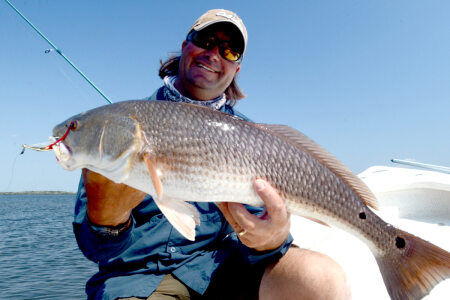
Unlock the secrets of consistently catching trophy redfish by understanding how tides influence their feeding behavior. Learn proven strategies for high tides, low tides, and the crucial transition periods when bull reds are most active and vulnerable to your presentation.
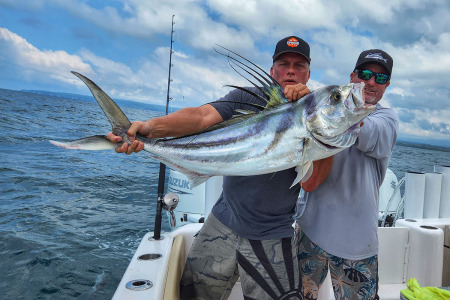
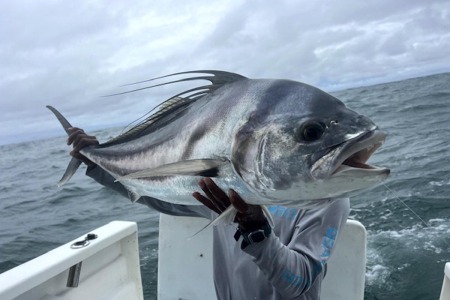
Unlock the secrets of hunting roosterfish in different environments with this comprehensive guide. From mastering surf zone tactics to deep-water strategies, learn specialized techniques that will transform your approach to targeting one of sportfishing's most coveted and challenging predators.
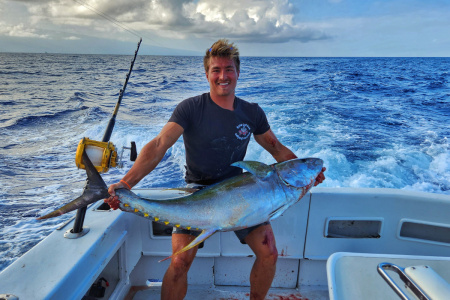
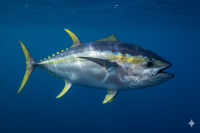
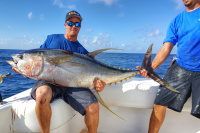
Yellowfin tuna are one of the ocean's most demanding targets, requiring the right technique, the right water, and the right presentation for every situation. In The Spread brings together elite captains from the Gulf of Mexico, Atlantic canyons, and the Pacific to teach the methods that consistently produce fish across the full range of conditions.
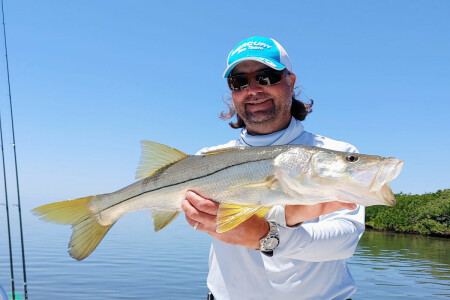
Florida's Big Bend is one of the Gulf Coast's most consistent snook fisheries. If you know how to read it, you can catch fish on every trip. Captain William Toney breaks down how to work backcountry drop-offs with artificial lures, target outer key sand holes with live bait, and use tidal movement as your primary tool for finding active fish.
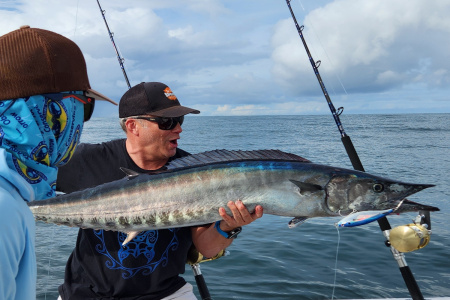
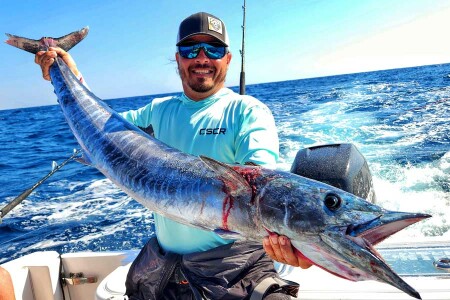
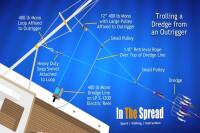
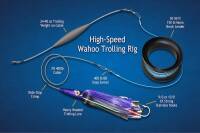
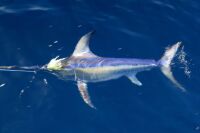
Inside the wahoo library: Mike Dupree on slow trolling with planers from North Carolina, RJ Boyle on high-speed tournament tactics from South Florida, Shawn Rotella on live bait fishing in Kona, and additional captains covering regional fisheries and tackle systems. Subscribers stream every course on demand.
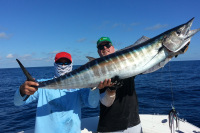
Master the art of wahoo fishing by understanding their depth preferences across seasons and regions. From high speed trolling, slow trolling with planers to pulling live baits, discover how water temperature, ocean currents, and baitfish locations influence where these predators hunt—and how you can target them effectively.
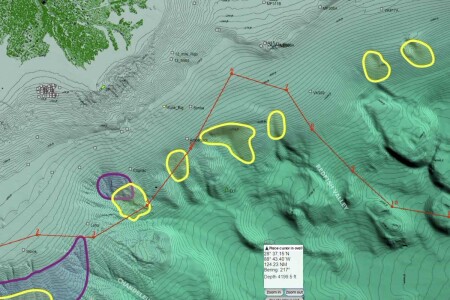
Saltwater fish do not wander. They follow structure, the reefs, ledges, current breaks, and temperature boundaries that concentrate food and provide cover. Understanding how each type of underwater structure attracts and holds fish changes how you approach every trip and every species you target.
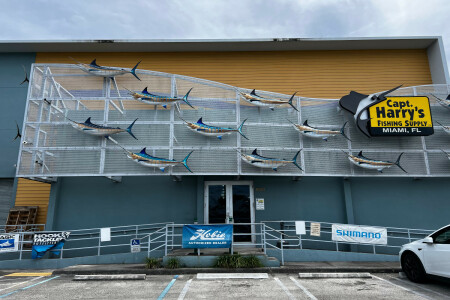
Miami's fisheries demand the right bait, the right tackle, and the right local knowledge before you leave the dock. This ranked directory covers 13 of the highest-rated bait and tackle shops in Miami, with full contact details, shop descriptions, and seasonal guidance for South Florida's top target species.
On fishing trips, the best memories often emerge from relentless banter and joke-telling among friends. When skilled anglers gather, their mix of expertise and wit creates an atmosphere ripe for unforgettable moments – from savage roasts to hysterical mishaps, these shared laughs forge deeper bonds and lasting memories on the water.
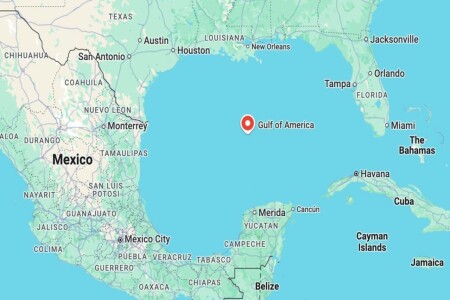
The Gulf of America rename changed nothing about fishing regulations. What actually matters: current bag limits, size minimums, and seasonal rules for red snapper, grouper, redfish, cobia, flounder, and snook across all five Gulf states, with a clear breakdown of where federal jurisdiction ends and state authority begins.
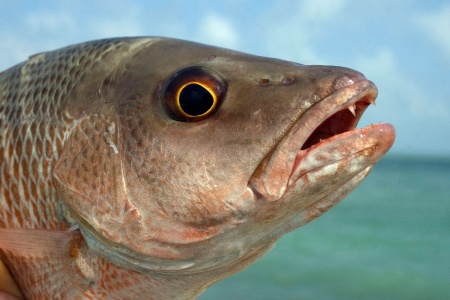
Mangrove snapper size limits shift depending on whether you are fishing state or federal waters and which state's jurisdiction applies. This breakdown covers current size minimums across Atlantic and Gulf states, bag limits, and measurement requirements so you can fish with confidence and full compliance.
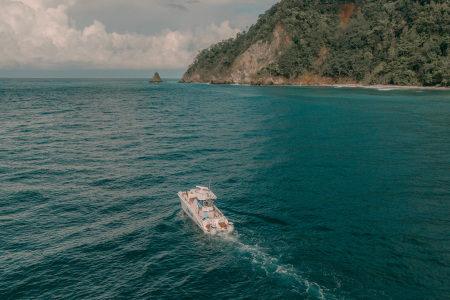
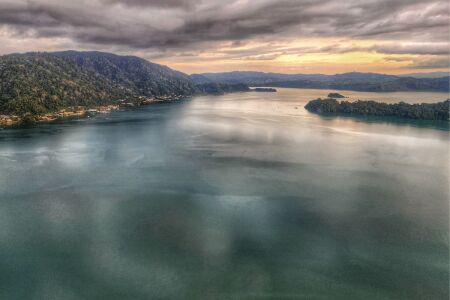
Captain Mike Hennessy of Colio Sportfishing shares his on-the-water seasonal calendar for the southern zone, covering peak windows for blue marlin, sailfish, roosterfish, tarpon, and more. Low fishing pressure and a rare tropical fjord-like embayment create year-round opportunity that sets this corner of Costa Rica's Pacific apart from other regional ports.
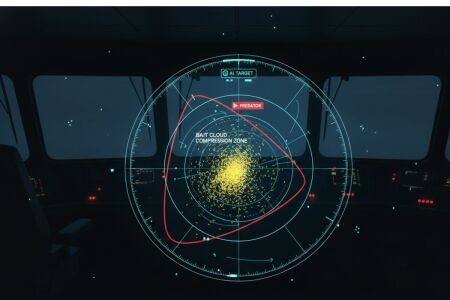
AI fishing technology promises a lot. What it actually delivers depends on understanding the difference between genuine machine learning and sophisticated data visualization. That distinction changes how you evaluate every output these platforms give you and how much confidence you bring to your next offshore decision.
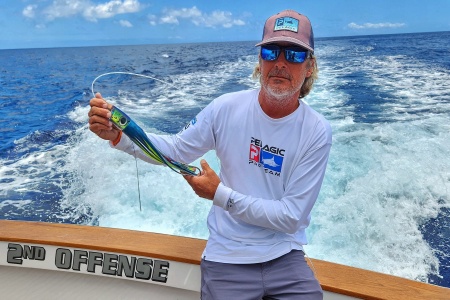
Most serious anglers reach a ceiling at some point. The techniques that produce fish become routine, and routine becomes the whole approach. What keeps elite captains and professional guides on the right side of that line is not talent or time on the water. It is a commitment to structured learning that most recreational anglers never pursue.
Five satellite fishing services compete for the same angler, but they are not selling the same thing. This breakdown covers what separates ROFFS, SiriusXM Marine, Hilton's Realtime Navigator, SatFish, and RipCharts on the variables that actually matter: update frequency, data layers, expert interpretation, offline access, and price.
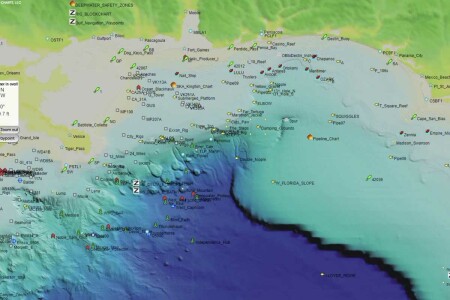
Satellite fishing maps give offshore anglers a real-time picture of ocean conditions before leaving the dock. Learning to read SST charts, chlorophyll data, altimetry, and current edges, and knowing how to layer them together, is one of the highest-leverage pre-trip skills a serious offshore angler can develop.
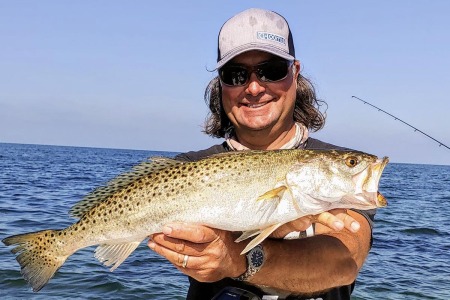
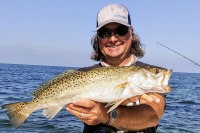
Big speckled trout think differently than school fish. They hold tight to specific structure, feed in narrow windows, and have survived long enough to recognize pressure. This breakdown covers structure, tides, seasonal patterns, tackle, and the approach adjustments that separate consistent gator trout anglers from everyone else fishing the same flat.
The roosterfish earns its reputation on impact. That raised comb of dorsal spines mid-charge, the explosive strike, the long runs that test gear and judgment, all of it adds up to one of the most compelling inshore targets in the eastern Pacific. Two destinations define serious pursuit of this fish: Cabo San Lucas and Costa Rica's Osa Peninsula.
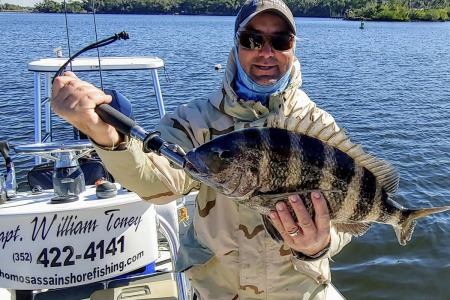
Sheepshead stack on hard structure from fall through winter, making them one of the most predictable inshore targets when other species have moved offshore. Fiddler crabs, a properly sized hook, and moving water are the foundation. The challenge is timing the hook set on a bite that barely registers.
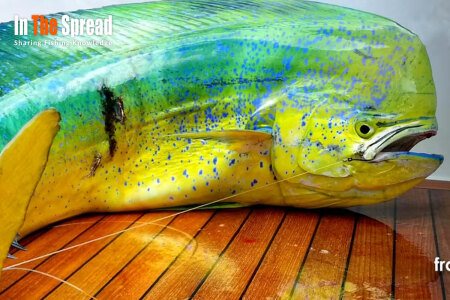
Sargassum weed lines are where mahi mahi eat, spawn, and spend the majority of their open-ocean life. Understanding what makes a weed line productive, when to fish it, and how the Great Atlantic Sargassum Belt is shifting under climate pressure gives serious offshore anglers a measurable edge.