
Start fishing better with FREE Weekly Video Tips delivered straight to your email.
Largemouth Bass Fishing
Browse Video LibraryLargemouth bass fishing demands more than just casting a line and hoping for the best. Whether you're working thick Florida vegetation, targeting suspended fish in deep water, or timing the spawn on Lake Guntersville, success comes from understanding how these fish behave in different conditions. Our fishing video courses break down proven techniques from professional guides who've spent decades figuring out what actually works.
These aren't generic tutorials. You'll learn tactical approaches for specific scenarios, from flipping heavy cover fishing to presenting live bait during the prespawn. Each video dives into the details that separate average days from trophy catches.
- Bass fishing techniques for shallow water, deep structure, and suspended fish across different seasons
- Regional strategies for Florida strain bass versus northern fish, including water clarity and vegetation differences
- Specialized presentations like punching matted grass, working topwater in heavy cover, and targeting deep ledges
- Spawn phase identification and the right lures for pre-spawn, spawn, and post-spawn periods
The instructors teaching these courses guide professionally on waters like Lake Toho, Lake Guntersville, and Central Florida's strip mines. They'll show you exactly how to read structure, position your boat, and present baits that get strikes when conditions get tough.
Featured Instructors
-
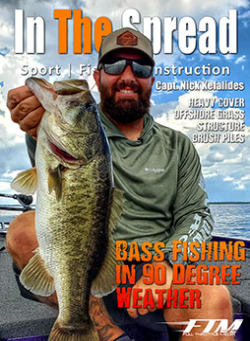
Hot Weather Largemouth Bass Fishing in Florida
1:05:16 · Nick KefalidesNinety-degree heat forces largemouth bass in shallow Florida systems to rely on cover structure rather than depth for thermal refuge. Central Florida's flat-bottomed lakes like Toho lack deep water, concentrating trophy bass on grass flats, shell beds, offshore grass beds, and brush piles during early morning feeding windows before fish retreat to heavier cover as temperatures peak.
WATCH NOW -
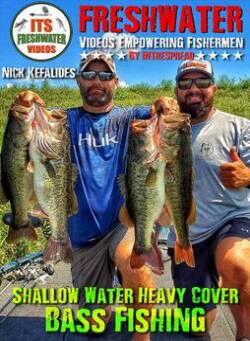
Fishing Shallow Water Heavy Cover for Largemouth Bass
1:16:11 · Nick KefalidesFlorida's shallow bass lakes offer dense vegetation but limited structure. Success depends on reading hyacinth mat thickness, hydrilla bed health, and eel grass transitions to separate productive ambush points from empty cover. Summer heat concentrates big largemouth in specific vegetation types that provide oxygen and forage.
WATCH NOW -

Largemouth Bass Fishing the Guntersville Spawn
1:00:14 · Mike GerryGuntersville bass don't spawn uniformly across the lake despite calendar suggestions. Captain Mike Gerry explains why shallow bays versus main lake timing creates overlapping phases, how shaky heads for pre-spawn staging differ from spinnerbaits for post-spawn recovery, and what visual cues reveal which phase dominates the water you're actually fishing.
WATCH NOW -
Featured

Live Bait Fishing PreSpawn Florida Largemouth Bass
2:03:49 · Nick KefalidesTrophy bass feed aggressively before spawning stress depletes energy, but this brief window demands understanding where fish stage during transition. Captain Nick Kefalides explains wild shiner rigging for Lake Tohopekaliga's weed edges, why trolling open grass beds locates scattered prespawn fish, and how structure presentation differs from bedding-phase approaches.
WATCH NOW -

Flipping and Punching Florida Largemouth Bass
1:14:17 · Kyle MontiMost anglers avoid the thickest vegetation mats on Florida lakes, but these impenetrable-looking areas concentrate pre-spawn bass where fishing pressure can't reach them. Kyle Monti explains punch rig construction allowing 1 to 2 ounce weights to crash through surface cover, heavy tackle specifications for extracting fish immediately, and why nastier cover produces better.
WATCH NOW -
Featured
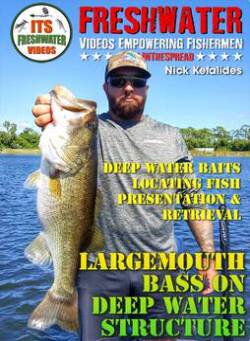
Fishing Deep Water Structure for Largemouth Bass
1:29:30 · Nick KefalidesElectronics separate successful deep structure anglers from those struggling in Florida's 40 to 60 foot mine pits. Captain Nick Kefalides explains what sonar reveals about bass positioning on invisible offshore structure, why deep fish behave differently than shallow bass, and which presentations from Texas rigs to crankbaits match specific structural features.
WATCH NOW8.0/10 -
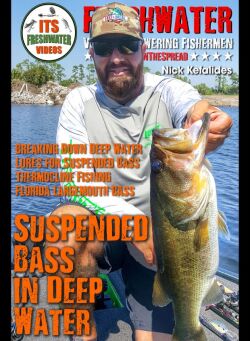
Fishing Deep Water for Suspended Largemouth Bass
1:29:26 · Nick KefalidesStrip mine bass suspend at thermoclines in 20 to 30 feet, ignoring shallow structure most anglers target automatically. Captain Nick Kefalides explains why temperature and oxygen layers concentrate fish at specific depths in water reaching 60 feet, how electronics reveal suspended bass positioning, and what vertical presentation techniques keep lures in strike zones.
WATCH NOW -
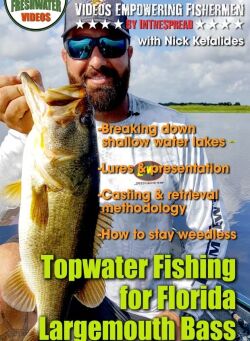
Top Water Fishing Florida Largemouth Bass
2:09:51 · Nick KefalidesEarly fall creates prime topwater bass conditions in Central Florida's shallow lakes when cooling temperatures trigger aggressive feeding in thick vegetation. Captain Nick Kefalides explains staying weedless while fishing topwater through hyacinth and hydrilla, boat positioning for accessing productive edges, and presentation techniques that produce explosive strikes during this transitional seasonal period.
WATCH NOW -
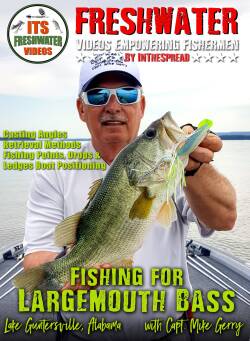
Largemouth Bass Fishing Techniques for Lake Guntersville
1:48:22 · Mike GerryLake Guntersville's shipping channel ledges and submerged points concentrate largemouth bass when current flow and bottom topography create specific feeding zones. Captain Mike Gerry explains how impoundment dynamics position fish along steep structure, what ledge characteristics hold bass consistently, and presentation techniques for working deep channels effectively across seasonal patterns.
WATCH NOW10.0/10