
Winter redfish stop roaming and start hiding in warm water. Capt. William Toney's Nature Coast approach covers which refuges to fish, the midday incoming tide, how fronts reset the bite, and the slower baits and retrieves that get cold reds to eat.
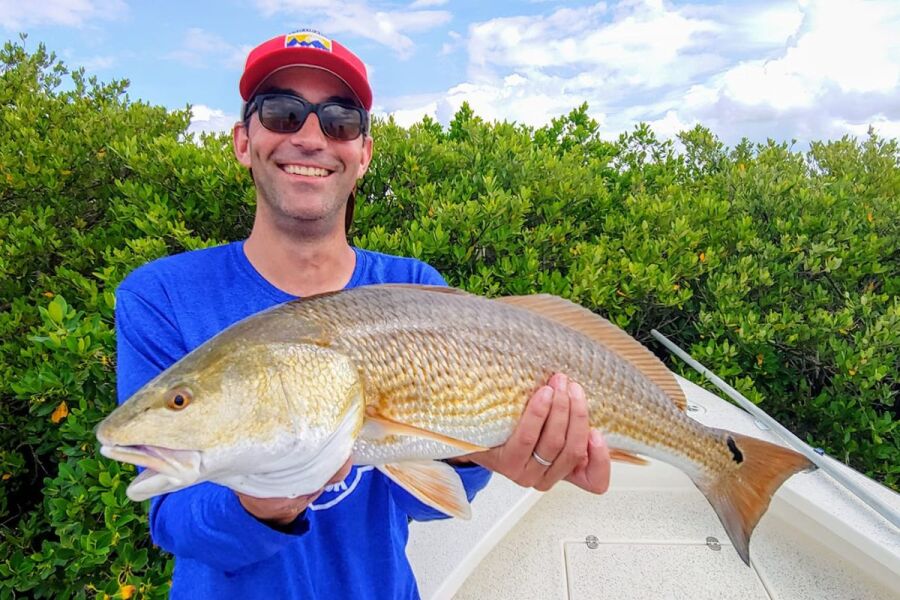
Fishing Winter Redfish on Florida's Nature Coast
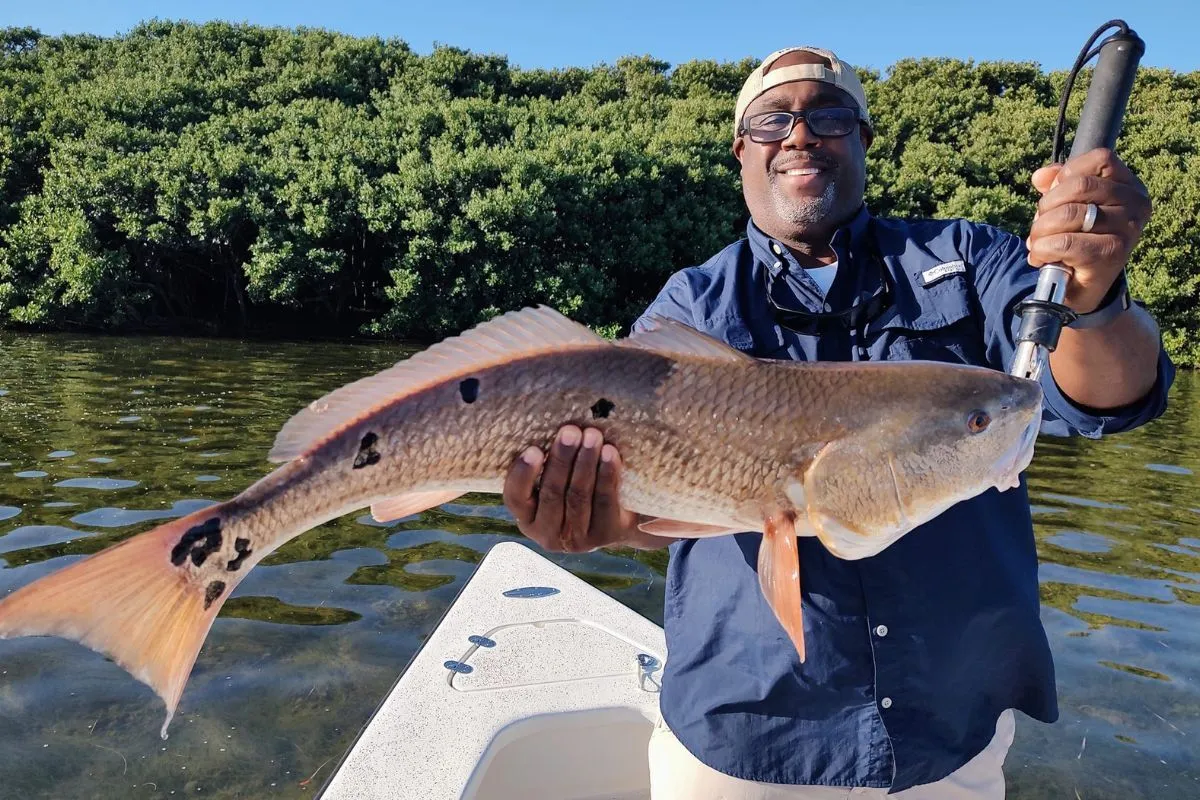
Winter redfish leave the open flats and stack into the warmest water they can reach: spring-fed rivers, deep holes and canals in the 4 to 15 foot range, and dark mud flats that soak up the midday sun. Find the warm water, slow everything down, and fish the incoming tide during the warmest hours of the day, and these fish become some of the most predictable on the Gulf Coast.
That is the short answer. The longer one is what this article is about, because knowing that reds hold in warm water is easy and finding the specific hole, flat or creek mouth that is a degree or two warmer than everything around it on a given January morning is the actual work. Florida's Nature Coast, from Crystal River down through Homosassa and the Chassahowitzka, is built for this kind of fishing, and it is where Captain William Toney, a fifth-generation Homosassa guide, has spent his life reading cold-water redfish. His approach runs through every section below.
If you are newer to redfish or want the year-round foundation first, start with our redfish fishing tactics and habitat breakdown, then come back here for the winter-specific adjustments.
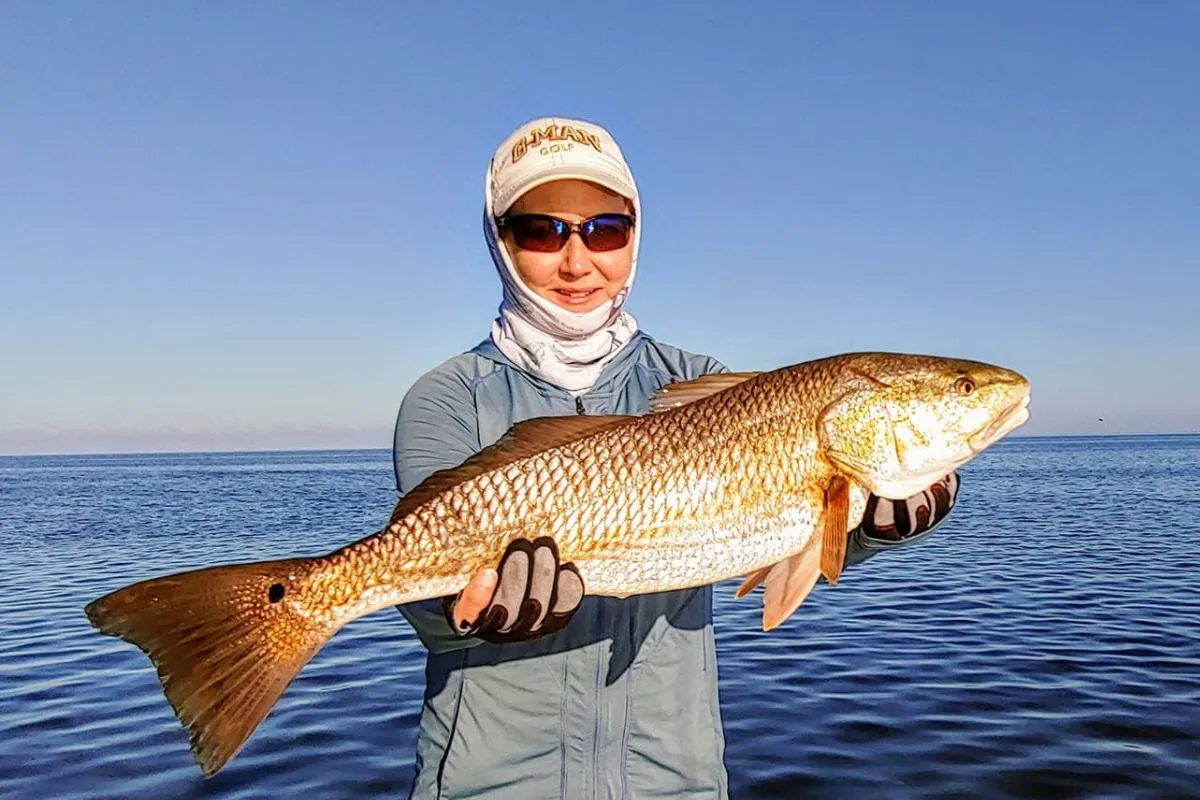
How Does Cold Water Change Redfish Feeding?
Water temperature is the single variable that explains almost everything a redfish does between December and February. Redfish are cold-blooded, so as the water cools their metabolism slows, their need for food drops, and their willingness to chase a fast-moving bait goes with it. They do not stop eating. They eat less, eat slower, and eat where the water is most comfortable.
The bands below are working guidelines rather than hard cutoffs, since acclimation, salinity and how fast the temperature fell all shift how a given fish behaves:
- Low 60s and up: reds feed normally and will still move to a lure.
- Mid to upper 50s: the productive winter range; fish feed actively in the warmest hours and respond to slowed-down presentations.
- Low 50s and upper 40s: fish turn sluggish, hold tight to deep or protected water, and feed in short windows.
- Below that: fish become lethargic, and a sudden hard drop can cause what FWC calls cold-shock, which is sometimes fatal.
The speed of the drop matters as much as the number on the thermometer. A redfish that has eased into 54-degree water over two weeks of gradual cooling feeds far better than one that was sitting in 64-degree water three days ago before a front knocked the flats down ten degrees overnight. That is why the first warm days after a hard front often fish poorly even when the temperature looks fine on paper. The fish have not caught up yet.
Redfish also handle cold better than spotted seatrout, which is one reason reds are the backbone of a winter inshore trip on the Nature Coast when the trout bite gets difficult. Our redfish video library covers both seasonal extremes if you want to see how the same fish behaves in July versus January.
Reading Thermal Refuges on the Nature Coast
Every winter redfish decision comes back to one question: where is the warmest water the fish can get to right now? On the Nature Coast the answers fall into a few categories, and the best days come from moving between them as the sun and the tide change what is warm.
Spring-Fed Rivers
The Crystal River and Homosassa spring systems pump water out of the aquifer at a constant 72 to 74°F, and the Chassahowitzka is spring-fed as well. During a cold snap that warm outflow becomes the most valuable water on the coast, for manatees, for bait, and for redfish that push up the rivers to sit in the mixing zone where spring water meets the colder Gulf water. The lower river channels, the deeper bends and the creek mouths feeding them all deserve time on the coldest days.
Deep Holes, Channels and Canals
Away from the springs, depth is the insulation. River channels and holes running 8 to 15 feet hold their temperature far longer than a two-foot flat, and dead-end residential canals with soft mud bottoms trap warmth the same way. In the coldest stretches reds will lie tight to that soft bottom and barely move, which is why these spots are fished slowly with bait rather than covered with lures.
Protected Flats and Dark Bottom
This is where Toney's read of the Nature Coast gets specific. The keys along this coast run east to west, and that orientation blocks the north wind that arrives behind every winter front, leaving calm, protected water on their south sides. Pair that protection with a dark mud bottom and you get a flat that absorbs midday sun and holds the heat, warming several degrees in a few hours while the surrounding water stays cold. Those flats become micro-climates where redfish slide up out of the deeper water to feed in the afternoon.
Oyster bars and shell bottom add another layer, since hard structure holds heat and holds the crabs and small baitfish that reds are looking for. You can see more of how Toney fishes this water on his instructor page.
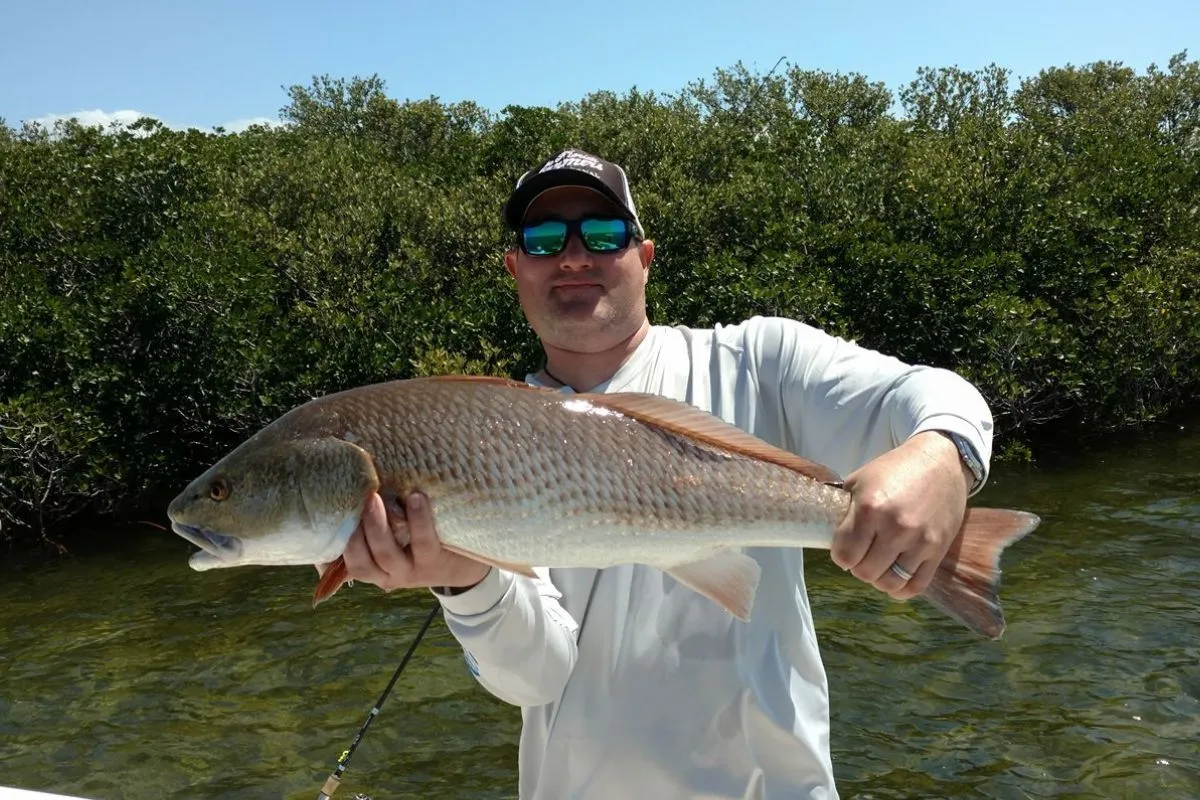
When Do Winter Redfish Feed?
Winter redfish feed on a schedule set by the sun and the tide, not the alarm clock. The dawn bite that defines summer fishing is usually the weakest window of a winter day, because the water is at its coldest after a long night.
The Midday Incoming Tide
Toney plans winter days around incoming tides falling between roughly 10 AM and 3 PM, the warmest part of the day. The rising water pushes shrimp, crabs and baitfish up onto the shallow edges and mangrove shorelines, and it floods over flats that have been warming in the sun all morning. When the tide and the heat line up, reds move up and feed.
Negative low tides deserve special attention. When the water drains below normal levels it pulls fish off the flats and concentrates them in the holes, channels and creek mouths that still hold water, which can stack a lot of redfish into a small area. For more on how tide stage drives redfish location year-round, see our breakdown of how tides affect redfish feeding behavior.
How Do Cold Fronts Affect Winter Redfish?
Winter fronts on the Nature Coast follow a three-phase cycle, and knowing which phase you are fishing changes everything about where and how you fish.
Before the front: As the barometer drops and the wind swings ahead of an approaching front, redfish often feed hard. If your schedule allows, the day before a front is one of the best days of the winter.
Behind the front: The bluebird day right behind a front, with high pressure, a hard north wind, clear skies and falling water temperatures, is usually tough. Fish push deep, lock down and feed reluctantly. This is a deep-hole, slow-bait day if you fish at all.
Recovery: The bite typically recovers two to four days after the front passes, as the wind lays down, the water stabilizes and the flats start warming again in the afternoon sun. This is when the protected dark-bottom flats come back into play.
Running the Two-Phase Winter Day
The most reliable way to fish winter redfish is to split the day in two and follow the warmth.
Morning, deep water and bait. From first light through mid-morning, the shallows are at their coldest and the fish are in the holes, channels and canals. This is the time to anchor or stake out on deep water and soak dead or live bait on the bottom, letting scent do the work that a moving lure cannot do with lethargic fish. Expect to wait. Twenty minutes or more between bites is normal in cold water, and moving too often costs more fish than it finds.
Afternoon, warming flats and artificials. Once the sun has worked on the shallows for a few hours, start checking water temperature on the protected, dark-bottom flats. When the shallow water comes within about two degrees of what you measured in the deep holes that morning, the fish start moving up, and a flat that has gained three to five degrees since morning is worth serious time. Switch to artificials, slow down, and work the edges where the flat drops toward deeper water.
A thermometer turns this from guesswork into a decision. A difference of just two or three degrees between two flats a half mile apart often decides whether you find active fish or empty water.
Approaching Shallow Winter Fish
Winter water on the Nature Coast is often gin clear on calm days, and that clarity cuts both ways: you can see the fish, and they can see and hear you. Toney poles onto shallow fish rather than running the motor, uses the trolling motor as little as possible, and approaches from downwind so the boat drifts quietly toward the fish instead of pushing a pressure wave into them. Secure loose gear before you get close. A dropped pair of pliers on a fiberglass deck will clear a flat.
Which Baits and Lures Get Bit in Cold Water?
The rule for winter redfish baits and lures is simple: smaller, slower and smellier than summer. Everything else is detail.
Live Bait
Toney's top winter bait is a live shrimp, nose-hooked so it swims naturally and kicks with full action. Shrimp are what cold-water reds are looking for, and a lively one free-lined or fished on a light weight near a hole or an oyster edge is hard for a redfish to ignore.
Beyond shrimp, Toney turns to live pinfish when he is targeting larger redfish, along with mud minnows for shallow-water presentations and blue crabs or fiddler crabs around oyster bars and shell. If you need to stock the livewell yourself, our article on catching pinfish with traps, nets and sabiki rigs covers how to do it when bait is scarce in cold weather.
Dead and Cut Bait
On the coldest mornings, cut bait on the bottom often outfishes everything else, because sluggish reds will pick up an easy meal they would never chase. Ladyfish sections, mullet chunks, pinfish and halved or quartered blue crabs all work. A Carolina rig with an egg sinker heavy enough to hold in the current, a barrel swivel, 18 to 24 inches of fluorocarbon and a circle hook keeps the bait pinned where the fish are. Refresh it every 15 to 20 minutes in moving water so the scent stays strong.
Soft Plastics
Downsize from summer's 5-inch paddle tails to 3 and 4 inch baits, which match the smaller winter forage and look like an easier meal to a slow fish. Toney fishes nose-hooked jerk baits in glow or watermelon red flake, and 3 to 4 inch paddle tails and shrimp imitations in natural colors fill out the box. Scented soft plastics have a real edge in winter, since a sedentary redfish that is not willing to chase still responds to scent.
Spoons, Suspending Plugs and Topwater
A gold spoon in the 1/4 to 1/2 ounce range covers water on a warming flat and flutters on the fall, which triggers reds that ignore a steady retrieve. Suspending twitch baits in shad or mullet patterns hang in the strike zone during long pauses, which is exactly what cold fish want.
Topwater is not dead in winter, but it is a warming-trend tool. On afternoons when the flats climb into the mid to upper 50s after a few stable days, a walking plug worked slowly over a protected flat can draw explosive strikes. On a cold, post-front day, leave it in the box.
Tackle
Toney's winter setup is a G-Loomis E6X 7'6" medium-light spinning rod with 10 lb braid and a 20 lb fluorocarbon leader. The light braid casts small baits a long way to spooky fish in clear water, and the fluorocarbon leader holds up to oyster shell without spooking them. Check your drag before you fish, since cold weather affects reel performance, and keep hooks sharp, because reds that feed on crabs all winter have tough mouths.
Redfish Fishing Courses
Captain William Toney reveals live bait strategies for catching pressured redfish in heavily fished waters. This video covers effective bait selection and rigging, catching fresh bait without specialized equipment, stealthy boat positioning techniques, natural presentation methods, and tackle specifications for high-pressure situations.

Summer redfish in Homosassa's shallow waters demand precise sight casting execution because fish visibility increases wariness while water temperatures affect feeding aggression. Captain William Toney explains bait and lure selection for varying conditions, tackle specifications for fighting powerful fish in skinny water, and what environmental factors determine whether reds feed actively or become difficult to approach in Florida's premier inshore fishery.
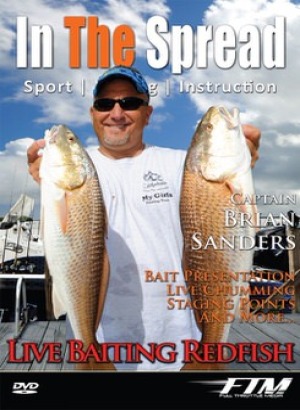
Captain Brian Sanders reveals live bait redfish strategies covering bait selection for different conditions, understanding tidal movements and feeding patterns, chumming techniques that concentrate fish, proper rigging and presentation methods, tackle specifications, and boat positioning for optimal results in coastal waters.
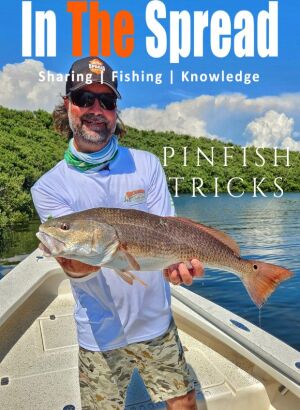
Pinfish effectiveness for Florida redfish stems from natural abundance in waters where red drum encounter them as primary forage. Captain William Toney's technique reveals precision casting strategies and rigging methods maintaining bait vitality while creating natural presentations, plus adapting to changing water clarity, current strength, and fish activity requiring presentation modifications throughout tidal cycles and seasonal patterns.
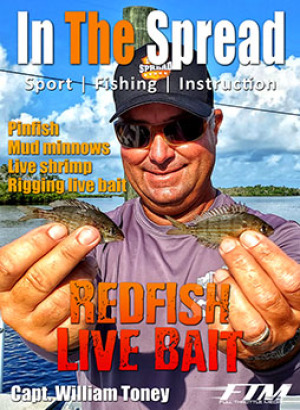
Live bait effectiveness for redfish changes along the Gulf coast as ocean environment and available baitfish species shift regionally. From north of Tampa to St. Marks panhandle, mangrove and outside key structure dictates which baits work best, with pinfish, shrimp, and mud minnows dominating based on what redfish encounter naturally in productive inshore zones.
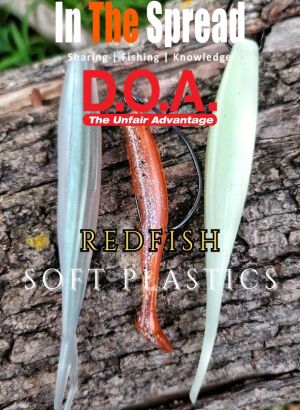
DOA soft plastics for redfish require matching hook rigs to soft sandy versus hard oyster bottom while understanding bioluminescence effects on color selection. Capt. William Toney and founder Mark Nichols reveal how shad lures and jerkbaits address different feeding scenarios, with color choices for clear, stained, and low-light conditions triggering strikes based on what redfish visual systems recognize instinctively.
Slowing the Retrieve for Cold Redfish
If one change catches more winter redfish than any other, it is slowing down. A retrieve that works in July is far too fast for a fish in 55-degree water.
Work soft plastics with long pauses between movements, three to ten seconds and longer in the coldest water. Drag a jig along the bottom, pause, and drag again, letting it kick up small puffs of sediment that draw a redfish's attention. Let a spoon flutter on the fall rather than burning it back. With suspending plugs, twitch twice and then let the bait sit for five to ten seconds.
When you are sight fishing, lead a cruising fish by four to six feet rather than casting at it, and land the lure softly near fish that are sitting still. In wind, a sidearm cast keeps the line low and the presentation quiet. Around docks with four feet of water or more, skip soft plastics back into the shade where reds hold tightest. On oyster bars, work the edges and the deeper sides rather than the top of the bar, and at creek mouths fish the first couple of hours of the falling tide as water drains off the flats behind them.
If a slow retrieve is not producing, vary it. Switch between steady, stop-and-go and twitching until the fish tell you what they want that day.
Winter Mistakes That Cost Fish
Most bad winter redfish days come from fishing the season like it is still October.
- Fishing too fast: the most common mistake, and the most expensive one.
- Using summer-size baits: a 6-inch paddle tail looks like too much work to a cold redfish.
- Ignoring water temperature: fishing a spot without knowing whether it is warmer or colder than the water around it.
- Fishing only at dawn: the coldest water of the day, and often the slowest bite.
- Making noise: power poles slammed down, tackle boxes dropped and aggressive wading in skinny, clear water.
How Should You Handle Winter Redfish?
Winter concentrates redfish into small areas, which makes them easy to find and easy to overharvest. A single deep hole or spring-fed creek can hold a large share of the fish in an area, and a few boats keeping limits from it can do real damage to the local population.
Cold-water fish also recover more slowly. Keep handling time short, support the fish horizontally, and revive it in the water until it swims away strongly under its own power. Many Nature Coast anglers release most of their winter fish for exactly these reasons. Redfish regulations, including slot limits and bag limits, vary by region and change over time, so verify current rules with the Florida Fish and Wildlife Conservation Commission at myfwc.com before you keep a fish.
Winter Redfish FAQ
Where do redfish go in the winter?
Redfish move to the warmest water they can reach: spring-fed rivers like the Crystal and Homosassa, deep holes and channels from 4 to 15 feet, dead-end canals with mud bottoms, and protected dark-bottom flats that warm in the afternoon sun.
What is the best time of day to fish for redfish in winter?
Late morning through mid-afternoon, ideally on an incoming tide between roughly 10 AM and 3 PM, when the water is warmest and rising water pushes bait onto the flats.
What is the best bait for winter redfish?
Live shrimp, nose-hooked so it swims naturally, is the top winter bait. Cut bait such as ladyfish, mullet and blue crab fished on the bottom produces on the coldest mornings.
Is the day after a cold front good for redfish?
Usually not. The bluebird day behind a front tends to be tough fishing. The bite generally recovers two to four days after the front passes, as the water stabilizes and the flats warm again.
What water temperature do redfish stop feeding?
Redfish keep feeding through winter but slow down sharply as water drops into the low 50s and upper 40s. The mid to upper 50s is the most productive winter range.
Following the Warm Water This Winter
Winter redfishing on the Nature Coast rewards the angler who carries a thermometer and pays attention to it. The fish are there all winter, concentrated and predictable, but they are sitting in specific water for specific reasons, and the difference between a full day and an empty one is usually a couple of degrees and a willingness to slow down. Fish the deep holes with bait in the morning, follow the sun onto the protected flats in the afternoon, give the fish two to four days to recover after a front, and let the incoming tide do the rest.
For more on the water where Toney does his fishing, read our look at Homosassa and the Nature Coast's inshore fishery.
When the water warms back up, our article on Florida Gulf Coast summer redfish fishing picks up where this one leaves off.
Login
to leave a review.
User Reviews
There are no reviews yet.
Setting Up a Dredge Pulley for Billfish
Saltwater
12.28.2020
High Speed Wahoo Trolling Rig
Saltwater
09.08.2018
Fishing Light Tackle for Yellowfin Tuna
Saltwater
09.08.2018


0