
Rock, spring water, and a foot of tide. This coast fishes nothing like South Florida, and the snook living on it behave accordingly. Capt. William Toney runs out of Homosassa and breaks down where they stage from there north to Cedar Key, when to be there, and what gets eaten.
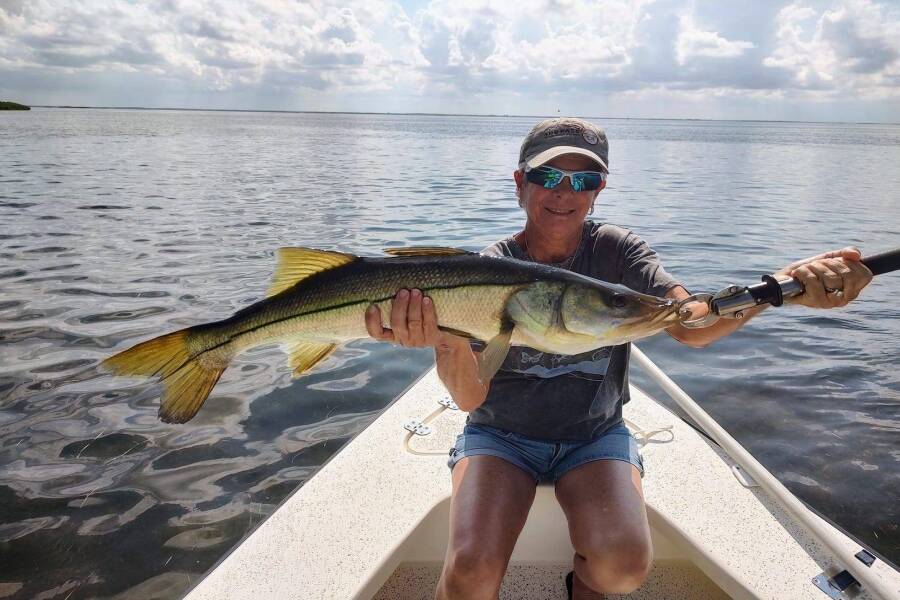
Fishing Big Bend Snook from Homosassa to Cedar Key
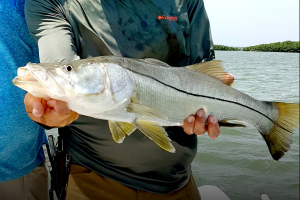
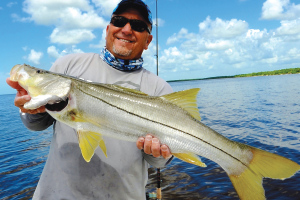
Snook on the Big Bend used to be a fish you caught by accident. You would be working a shoreline for redfish, throw a jerkbait into a creek mouth, and come tight to something that ran for the rocks and cut you off before you understood what had happened. That is no longer the situation. Over the past several years the water running from Homosassa north through the Withlacoochee and up toward Cedar Key and Steinhatchee has become a fishery you can plan a day around and expect to find fish where you left them.
Where Big Bend Snook Hold
Big Bend snook are not scattered evenly across this coastline. They stack in a handful of repeatable places, and once you understand what those places have in common, you can look at a chart and pick water you have never fished before with reasonable confidence.
The common denominator is a hard edge with depth beside it and current moving across it. That is it. Everything productive on this coast is some version of that arrangement, whether it is a rocky river bend, a limestone point off an outside key, or a sand hole sitting next to hard bottom.
Homosassa, Crystal River, and the Spring-Fed Rivers
This is the southern anchor of the whole thing and it is where I spend most of my time. The Homosassa and Crystal River systems, along with the Chassahowitzka below them, push spring water into a shallow coastline broken up by outside keys and mangrove-lined shorelines. That combination gives snook everything they need inside a compact area.
Fish the river mouths first. Where a river or creek dumps onto the flat you get compressed current, a depth change, and bait moving through on a schedule. Deep cuts running between the keys behave the same way. Any place the water gets pinched and forced to move faster than the water around it is worth a look, because that is where a fish will position.
The keys themselves hold snook on the deeper side, particularly the ones with mangrove edges and hard bottom around them. Bigger fish favor those outside keys over the inside water, and they use a mangrove edge the same way fish farther south do, sitting in the shade and watching open water go by.
The Withlacoochee River System
The Withlacoochee is one of the most consistent systems in the region. The fish concentrate around creek mouths where the shoreline is deep and rocky, and where baitfish get funneled through on a tidal change. Those creek mouths create natural ambush points, and the ones worth your time are where the depth changes fast rather than tapering off gradually.
Work the outside of the bends where the current has cut into the bank and left rock exposed. A snook sitting there has deep water at its back and a feeding lane in front of it, which is the whole arrangement it wants. On a strong falling tide the bait has nowhere to go but past that rock, and the fish know it.
Cedar Key and the Outside Keys
Cedar Key snook fishing centers on the outside keys and the points off them that have hard bottom. Those points become magnets on the incoming as fish push in behind bait. What most anglers miss is where the snook sit before the tide gets going. Ahead of any real flow, they stage in the deep sand holes adjacent to that hard bottom, and they will sit there until the water starts to move.
That staging behavior is worth building a morning around. If you get to a point before the tide turns and fish the sand holes rather than the structure itself, you are fishing to a concentrated group of fish that have not started moving yet. Once the flow picks up they spread out along the point and get harder to pin down.
Why Snook Survive This Far North
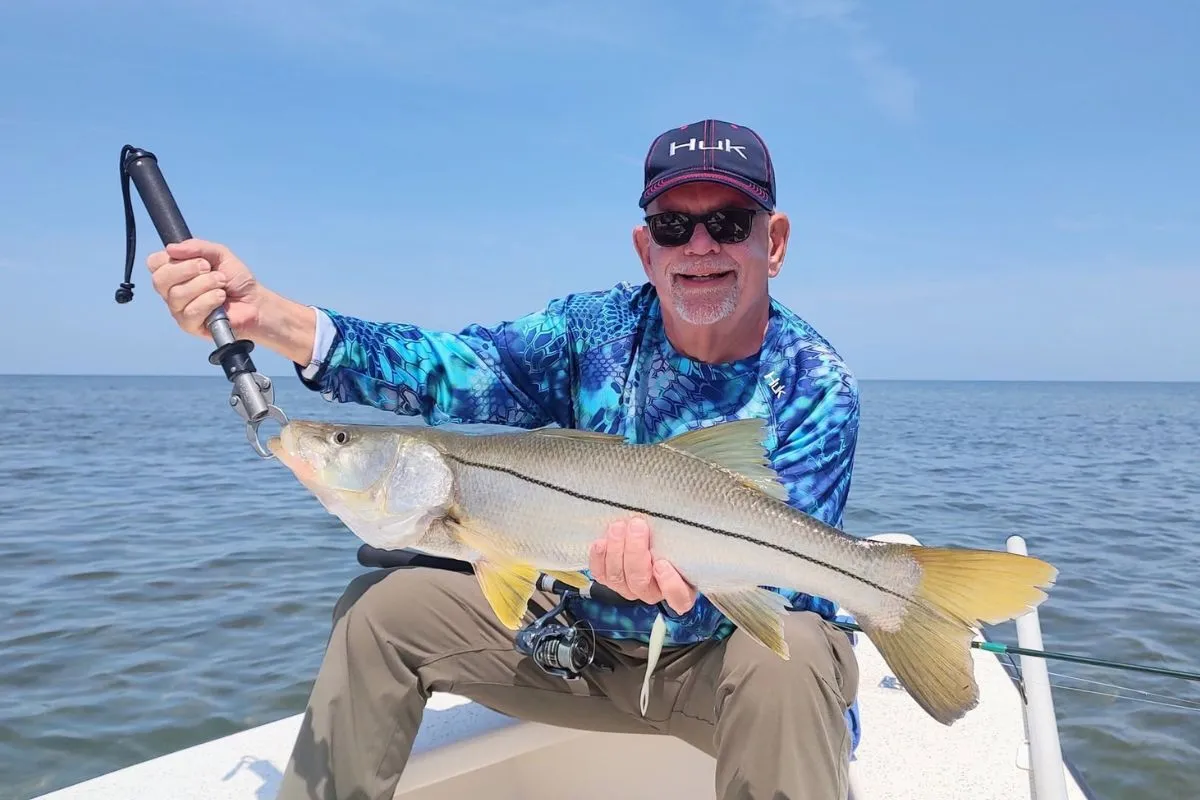
The reason there are snook here at all comes down to the springs. Spring-fed rivers on this coast discharge water that sits around 72 degrees year-round. That stability is strongest in the rivers themselves and close to the vents, and it washes out the farther you get from the discharge as tide mixes spring water with the Gulf. Even so, it is what lets the population hold through cold events that would kill fish on open coastline.
Understanding that changes how you fish the region in cool weather. Once water temperatures drop below 65 degrees the fish are not spread across the coast anymore. They are moving up the rivers toward the spring runs, and they concentrate hard. The colder it gets outside, the tighter they pack in. That is a real advantage if you are willing to run up the river and work slowly.
The springs are not a guarantee. Severe multi-day freezes like the 2010 event still kill snook that fail to reach a refuge in time, which is why the population on this coast swings year to year and why the fish that do survive are so tightly tied to the river systems.
Neither pattern is subtle. Watch the Gulf temperature and you can usually tell which direction the fish have moved before you leave the dock. The snook fishing coastal rivers course walks through how I fish these river systems across the year, including the creek mouths and deep cuts that hold fish when the main river will not.
Reading Tide Across the Big Bend
Tide matters more here than in most snook water, because the whole coast is shallow enough that a foot of water is the difference between a fishable flat and exposed rock.
High outgoing tides offer the best chance at a snook across most of this region. As water drains off the shallows, bait gets pushed into deeper channels and concentrated around structure, and the fish set up to take advantage of it. That draining also positions the snook predictably, which is the part that matters. You are no longer guessing which of five points holds fish. They are all going to be on the deeper edge.
The incoming works differently. Fish move inward following the rising water, and around the outside keys and hard-bottom points you get a window as they gather before dispersing into ground that has just flooded. That window is short. Once the water is up and they scatter into newly covered rock, they become far harder to target.
Deep holes with strong tidal flow serve as staging water between feeds. These are not always obvious. On this coast a hole might be three feet deep in two feet of surrounding water, and that small difference is enough. Learning to spot those depressions on your electronics, or just by watching how the surface behaves over them, is one of the higher-return skills on this stretch of coast.
One practical note about timing. On the Big Bend the incoming often runs late evening or early morning, which means the best window frequently falls outside the hours most people fish. If you are only fishing midday weekends, you are missing a lot of it.
Backcountry Points and Deep Drop-Offs
Points with deep drop-offs are the most consistently productive backcountry feature on this coast. The sudden depth change concentrates baitfish and creates a current break, and snook use both. They hold in the deeper water and watch the shallow side.
Boat positioning determines whether you get bit. Set up so you can cast parallel to the drop-off edge, or from the shallow side out toward the deep. That lets your lure transition through the depth change the way a fleeing baitfish would, moving from safety into open water, which is the presentation that triggers a committed strike rather than a follow.
The mistake is anchoring or holding position on top of the drop and casting outward from directly above it. You spook the fish you came for, and every cast presents the lure moving the wrong direction through the strike zone.
Lures, Retrieves, and Color Selection
Three artificial baits do most of the work on Big Bend snook, and each one covers a situation the others do not.
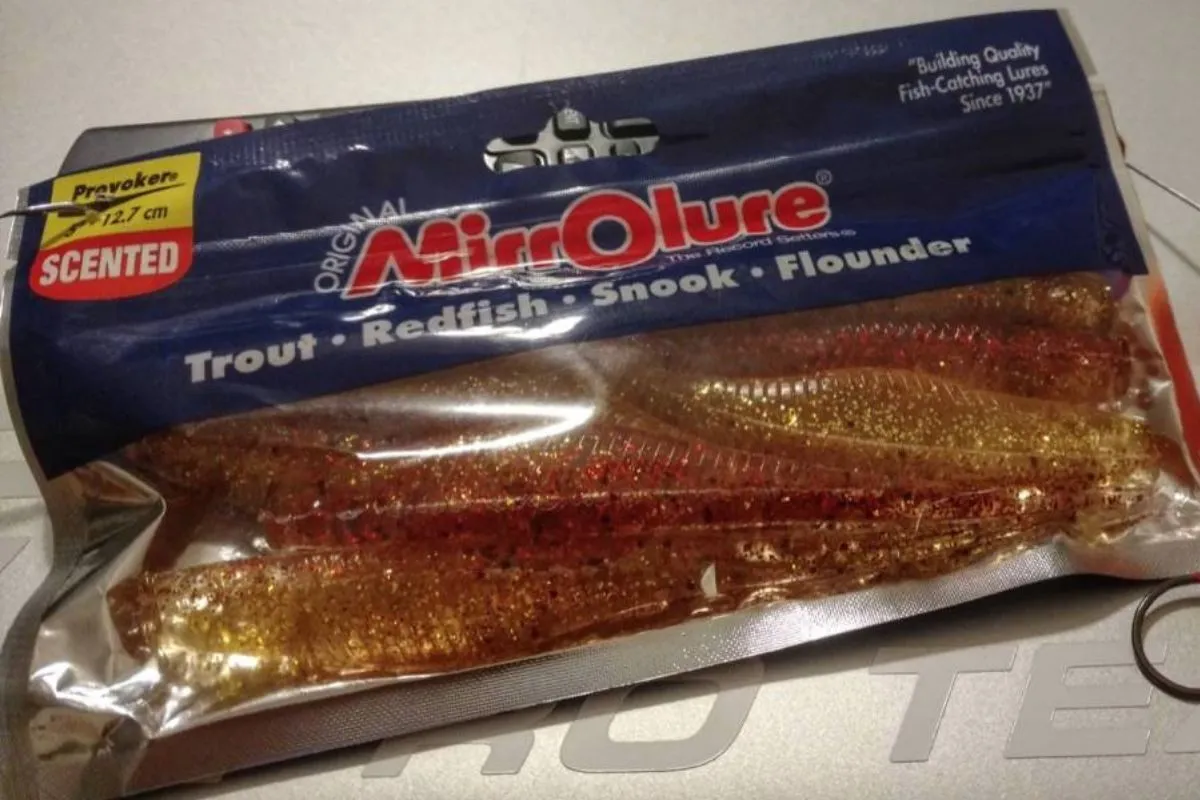
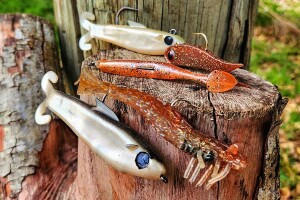
MirrOlure MirrOdines are the first thing I reach for. These suspending twitchbaits sit in the water column during a pause, which is exactly what you need when a fish is following but not committing. Work them with a twitch-pause-twitch cadence and let the suspension do the work. The tight wobble and subtle flash pull reaction strikes out of fish that have already looked at and refused something else.
MirrOlure Top Dogs cover the low-light window. Walking a topwater with a rhythmic rod tip movement over hard bottom in two to four feet of water at first light produces the most violent strikes you will see on this coast. Vary the speed until you find what they want, because on some mornings they want it moving steadily and on others they want long pauses.
Gold spoons still produce here and always will. Flash and vibration carry in stained water, and a spoon covers water faster than anything else in the box. Steady retrieve with occasional pauses.
- Glow patterns in soft plastics earn their keep in low light and in the stained water common through the backcountry
- Watermelon red flake gives you a natural baitfish profile that holds up across a wide range of clarity and light
- Silver and black hard baits work best under overcast skies
- Silver and green takes over in clear water with good light penetration
- Silver and chartreuse bridges the two and often produces when neither of the others will
Soft plastic shrimp and paddle tail designs round out the selection, and the soft plastic lures for snook course from DOA covers rigging and retrieve detail if you want to go deeper on that side of it.
Live Bait on the Outer Keys
Artificials will catch fish on the outer keys, but live bait outproduces them there by a wide margin. The fish out there are bigger on average, they see less pressure, and they are less inclined to chase.
Threadfin herring are the first choice when you can get them. Catch them offshore on sabiki rigs, and hook them either through the nose or just ahead of the dorsal so they swim naturally. Their action and their presence in the local forage base make them difficult for a snook to pass on.
Finger mullet come next. Throw a cast net for them, and vary the size based on what you are targeting. They are sturdier than threadfins, they stay lively longer, and a bigger mullet is one of the better ways to sort for a larger fish.
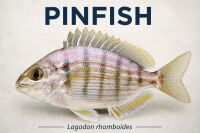
Pinfish belong in the well too, and on this coast they are hard to argue with. They are abundant across the grass flats, they are a primary forage species these fish see constantly, and they hold up to being worked against rock and around the keys where a softer bait dies in minutes. Fish them on the current edges and tight to hard bottom.
Fresh Ladyfish Chunks in Sand Holes
This one gets overlooked and it should not. Cut fresh ladyfish into substantial chunks, find the sand holes that snook patrol adjacent to hard bottom, put the bait on the bottom of the hole, and leave it alone.
Use a circle hook for this. The bait sits still and the fish takes its time, which is exactly the situation where a J hook ends up down a throat. The scent dispersal pulls fish from a considerable distance, and because you are not moving the bait, there is nothing to spook a big fish that has come in to investigate. This is one of the better ways to get a large snook on this coast, and it works precisely because it demands nothing from the fish. It finds the bait, it eats the bait.
Snook Fishing Courses
Live Chumming to Trigger a Feed
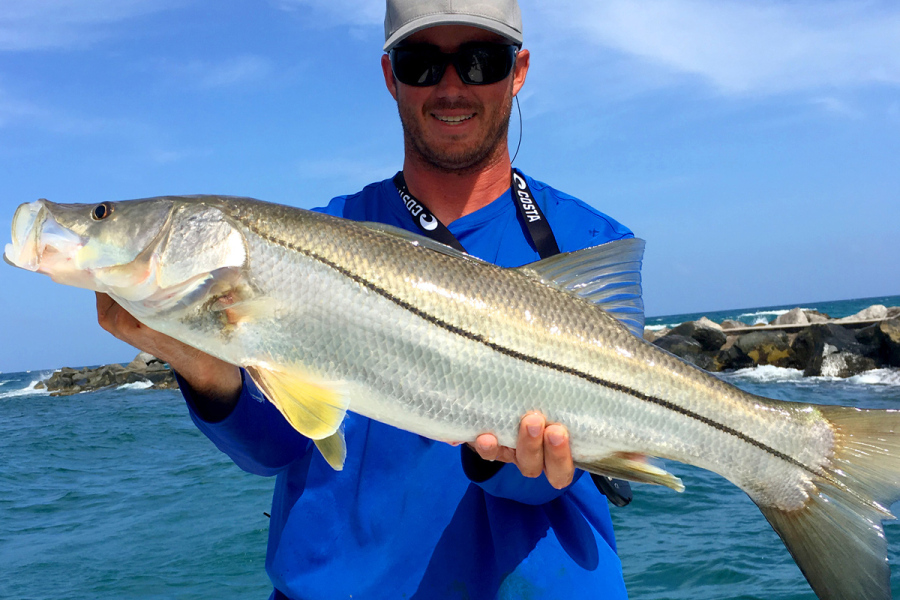
Live chumming is well established in Tampa Bay and Chokoloskee, and it works here for the same reasons. Throwing live bait pulls fish in from the surrounding water and pushes the ones already present into feeding.
Stealth and Approach in Skinny Water
Big Bend snook live in shallow, often clear water, and they are markedly warier here than fish holding under a dock light in a city. Your approach determines the outcome before you make a cast.
Kayaks get you into the shallowest ground without the disturbance that pushes every fish off a flat. Shallow-draft boats with a quiet trolling motor cover more water and still work in close, provided you are disciplined about the last hundred yards.
Tackle for Big Bend Snook
The tackle requirement here is straightforward. You need enough backbone to turn a fish away from rock and enough sensitivity to feel a subtle take in moving water.
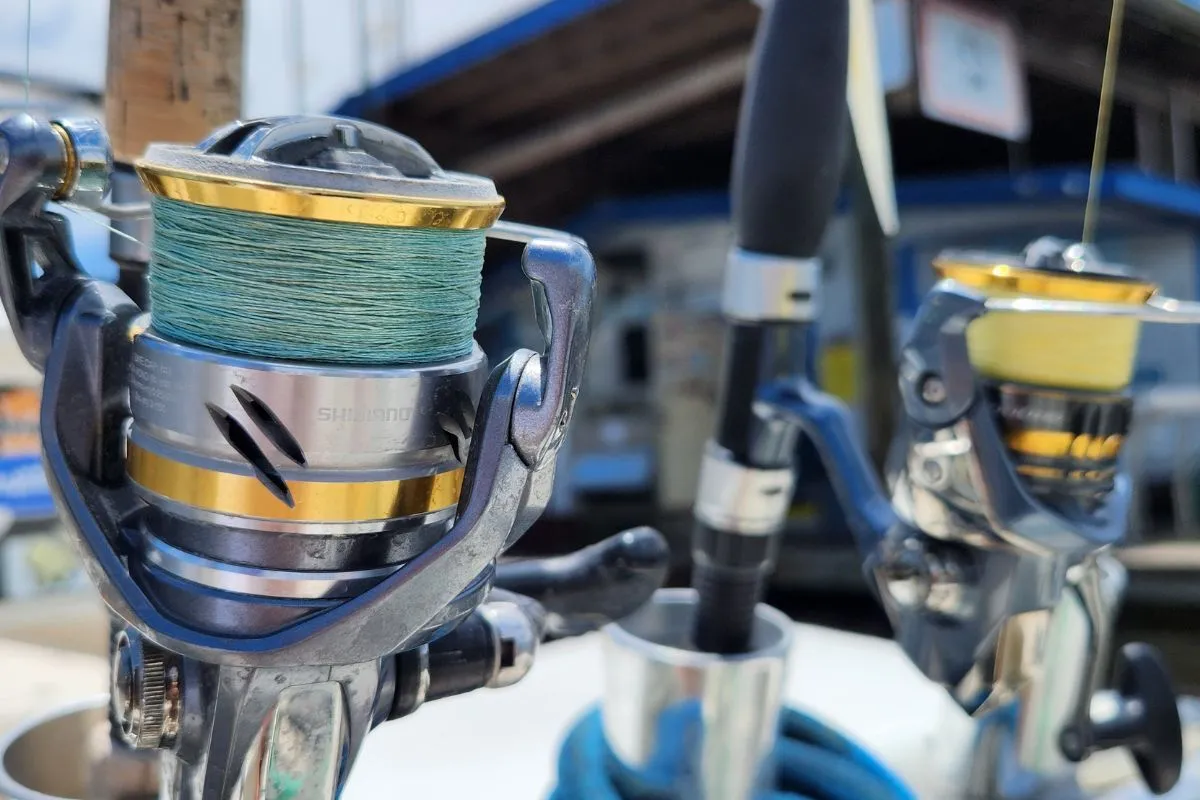
A medium to medium-heavy spinning rod in the 7 to 7.5 foot range covers everything on this coast. Pair it with a 3000 to 4000 series reel with a smooth drag.
Run 20 to 30 pound braid for the sensitivity and the lack of stretch. Leader is where people lose fish. Use 30 to 40 pound fluorocarbon, and do not talk yourself into going lighter because the water is clear. A snook's gill plates and the limestone it lives on will cut through anything less, and a break-off around hard bottom usually means a dead fish.
Snook Regulations and Where to Verify Them
Snook are managed by region in Florida, and the Big Bend falls under the northern Gulf zone, which carries its own seasons and closures separate from the rest of the state. Harvest requires a snook permit in addition to a Florida saltwater fishing license, the bag limit is one fish, and there is a slot the fish has to fall inside.
Frequently Asked Questions About Big Bend Snook
Where are the best places to catch snook on Florida's Big Bend?
The spring-fed rivers around Homosassa and Crystal River hold snook year-round and concentrate them hard in cold weather. North of there the Withlacoochee produces consistently around creek mouths with deep rocky shorelines, and Cedar Key holds quality fish on hard-bottom points and the sand holes beside them. Snook reach Steinhatchee as well, though less predictably.
What is the best tide for Big Bend snook fishing?
High outgoing tides are the most reliable window. Draining water concentrates bait in deeper channels and positions snook on the deeper edge of structure where you can find them. The incoming produces a shorter window as fish gather at points before dispersing into newly flooded ground.
What lures work best for Big Bend snook?
MirrOlure MirrOdines fished with a twitch-pause cadence, MirrOlure Top Dogs walked over hard bottom in low light, and gold spoons on a steady retrieve cover most situations. Soft plastic shrimp and paddle tails in glow and watermelon red flake round out the selection.
Why do snook survive this far north in Florida?
Spring-fed river systems including the Homosassa and Crystal River discharge water at roughly 72 degrees year-round. That thermal stability gives snook a refuge during cold events that would otherwise kill fish on open coastline, which is why the population has held and expanded here.
What leader should you use for Big Bend snook?
Use 30 to 40 pound fluorocarbon. The combination of sharp gill plates and limestone bottom cuts lighter leader quickly, and clear water is not a good enough reason to drop below that range on this coast.
Fishing the Big Bend on Its Own Terms
This coast rewards anglers who stop trying to fish it like South Florida. There are no mangrove tunnels to skip a bait into and no bridge lights to work at midnight. What there is instead is rock, spring water, and a shallow coastline where a foot of tide changes everything, and where the fish that live on it have gotten there by being harder to fool than the ones farther south.
Pick your water by the same standard every time. Hard edge, depth beside it, current moving across it. Get there before the tide does. Stay quiet longer than feels necessary. Fish the lure or the bait that suits the light and the clarity in front of you rather than the one that worked last week. Do that consistently and this becomes a fishery you can rely on instead of one that surprises you.
If you want the wider context on how these fish behave through the seasons and across both Florida coasts, start with the Florida snook fishing pillar.
If you would rather watch the tactics play out on the water, the snook fishing video library covers rivers, flats, inlets, spillways, and live bait, taught by captains who fish these waters for a living.
Login
to leave a review.
User Reviews
There are no reviews yet.
Setting Up a Dredge Pulley for Billfish
Saltwater
12.28.2020
High Speed Wahoo Trolling Rig
Saltwater
09.08.2018
Fishing Light Tackle for Yellowfin Tuna
Saltwater
09.08.2018


0