
- Saltwater Fishing Lures (22)
- Wahoo Fishing Videos (20)
- Blue Marlin Fishing (19)
- Yellowfin Tuna Fishing (17)
- Dolphin Fishing Videos (16)
- Marlin Lures Videos (15)
- Planer Fishing Videos (13)
- Snook Fishing Videos (12)
- Boat Positioning Videos (12)
- Redfish Fishing Videos (11)
- Reef & Wreck Fishing (10)
- Bait Rigging Videos (9)
- Big Game Legends (9)
- Bottom Fishing Videos (9)
- Seatrout Fishing Videos (8)
- Fishing Tackle Videos (8)
- Satellite Fishing Maps (7)
- Mangrove Snapper Fishing (6)
- Swordfish Fishing Videos (5)
- Grouper Fishing Videos (4)
- Bluefin Tuna Fishing (4)
- Black Drum Fishing (3)
- Tarpon Fishing Videos (3)
- Ballyhoo Bait Rigging (3)
- Jigging Techniques (3)
- Saltwater Culinary Creations (3)
- Roosterfish Fishing Videos (3)
- Cobia Fishing Videos (2)
- Sailfish Fishing Videos (2)
- Sheepshead Fishing Videos (2)
- Dredge Fishing Videos (2)
- Tilefish Fishing Videos (2)
- Giant Trevally Fishing (2)
- Saltwater Flies (1)
- Kayak Fishing Videos (1)
- Permit Fishing Videos (1)
- Fighting Chair Techniques (1)
- Tripletail Fishing Videos (1)
- Red Snapper Fishing (1)
- Mutton Snapper Fishing (1)
Start fishing better with FREE Weekly Video Tips delivered straight to your email.
Fishing Tackle Videos: Rods, Reels, and Terminal Gear
Browse Video LibraryFishing tackle makes or breaks your day on the water, yet most anglers learn equipment selection and maintenance through expensive trial and error. Whether you're trying to figure out the best fishing rods and reels for saltwater fishing or wondering how often you should really clean your gear, these professional fishing video courses give you direct access to the techniques that charter captains and tournament anglers use every day.
You'll learn the fundamentals that matter most: proper rod and reel maintenance, effective spooling techniques that prevent line twist, and the crimping methods that keep big fish connected. Our instructors break down complex topics like:
Featured Instructors
-
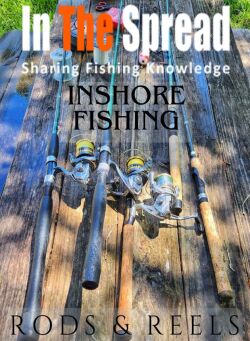
Inshore Fishing Rods and Reels w/ Capt. William Toney
20:14 · William ToneyProfessional fishing guide Captain William Toney reveals his proven strategies for selecting and maintaining inshore fishing equipment. This comprehensive tutorial covers essential rod lengths, reel maintenance routines, line selection criteria, and daily care practices that extend tackle life and improve fishing performance.
WATCH NOW -
Using Light Tackle Billfish Rods
2:55 · RJ BoyleCircle hook billfish rods seem overly light until you understand how soft tips improve hookup mechanics. RJ Boyle explains why gradual loading rotates hooks properly versus stiff tips requiring harder pressure, what backbone characteristics still allow fighting control, and when ceramic versus silicon carbide guides matter for line type.
WATCH NOW -
How to Clean Fishing Rods
9:50 · Allen WinchelTournament anglers maintain tackle meticulously because equipment failure costs placements and prize money. Allen Winchel's cleaning process takes minutes but prevents the guide corrosion, seized reel seats, and finish deterioration that force replacing expensive rods years before blanks actually fail from use.
WATCH NOW -
Fishing Tips for Using Open Face Reels
2:53 · RJ BoyleOpen face reels eliminate level wind resistance benefiting tournament anglers but create line management challenges requiring practiced technique. RJ Boyle explains why serious competitors accept these complications for performance advantages, what problems arise without automatic line guidance, and when conventional reels better serve anglers and crews lacking experience.
WATCH NOW -
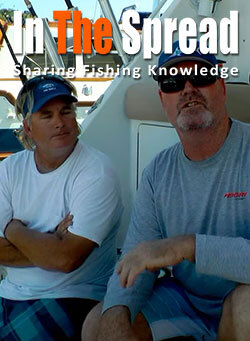
How to Fill a Dredge Spool By Yourself
5:17 · RJ BoyleImproper dredge spool filling creates line twist causing deployment failures and increased electric reel amp draw. RJ Boyle demonstrates the bag spinning method eliminating twist during line installation, explains why 100 yards prevents overfilling on LP S1200 spools, and how technique prevents fish loss before leaving the dock.
WATCH NOW -
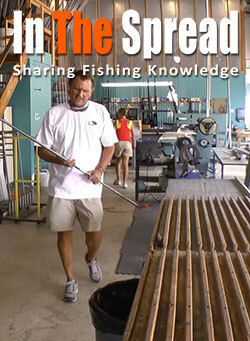
How To Make A Fishing Rod
14:06 · Allen WinchelCustom rod building creates performance advantages through blank selection, spline orientation, and component configuration addressing specific applications. Allen Winchel, founder of Blackfin Rods, demonstrates the complete construction process, explaining why each decision from blank to final curing affects rod performance beyond what production manufacturing achieves.
WATCH NOW -
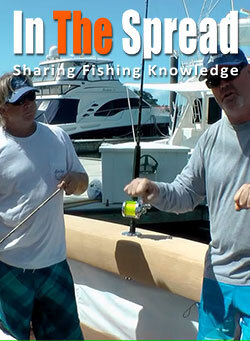
Technique for Spooling Reels Alone
3:24 · RJ BoyleSpooling reels without assistance typically produces uneven tension causing drag inconsistency and line slippage. RJ Boyle shares a water bucket method using a five-gallon bucket, arrow, and submerged line spool creates constant resistance that hand-tensioning can't match, solving the solo spooling challenge with items available anywhere.
WATCH NOW -
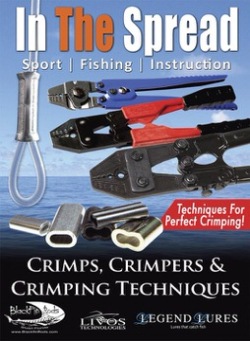
Big Game Fishing Crimps Crimpers and Crimping Techniques
58:53 · RJ BoyleLearn essential crimping techniques for big game terminal tackle. This video covers crimp sleeve selection for mono and wire leaders, proper compression methods with compound and plier-style crimpers, tool maintenance, and preventing connection failures when fighting marlin, tuna, and wahoo.
WATCH NOW8.0/10
Go Deeper on Fishing Tackle
Fishing Tackle Questions
How do you choose a fishing rod?
Match the rod to the technique and the fish. Length affects casting distance and leverage, the power rating handles the fish's size, and the tip action drives the hookset, a softer tip loads gradually to rotate a circle hook, a stiffer tip drives a J hook. Guide quality and reel-seat placement matter too. Pick the rod for the job, not one rod for everything.
Spinning or conventional reel?
Spinning reels are easier to cast and manage, which suits inshore fishing and lighter offshore work. Conventional reels hold more line, apply heavier drag, and give better control on big fish and while trolling, though open-face conventionals demand practiced line management. Choose based on the fish size, the technique, and how much line and drag the job requires.
How do you spool a reel without line twist?
Keep steady tension and let the line come off the filler spool the right way so it does not add twist. A simple solo method is to run the line through a submerged spool in a water bucket, which creates constant, even resistance that hand-tensioning cannot match. Even tension while spooling prevents the drag inconsistency and loose loops that cause failures later.
What is crimping and when do you crimp instead of knot?
Crimping compresses a metal sleeve to form a loop or connection in heavy mono or wire leader that is too stiff to knot reliably. Big-game terminal tackle for marlin, tuna, and wahoo is usually crimped because a properly compressed sleeve holds full leader strength. Sleeve selection, the right crimping tool, and correct compression are what prevent connection failure under load.
How do you maintain saltwater tackle?
Rinse rods and reels with fresh water after every trip and dry them before storage, since salt is what corrodes guides, seizes reel seats, and kills finishes. Periodically service reels with proper grease and oil, and check guides and line for wear. A few minutes of care after each trip extends the life of expensive gear by years.
What line should you use for saltwater fishing?
It depends on the technique. Braid offers thin diameter, high strength, and sensitivity for bottom fishing, jigging, and casting distance, while monofilament stretches to cushion strikes and suits trolling and leader applications. Fluorocarbon leader adds abrasion resistance and low visibility. Many setups combine a braid main line with a mono or fluorocarbon leader for the best of both.
Why build a custom rod?
A custom rod lets you match the blank, spline orientation, and components to a specific application in ways production rods do not. Choosing the blank action, guide train, and grip for how you actually fish produces better balance, sensitivity, and performance. It also lets you build in durability and a fit that a factory rod, made for the average angler, cannot.