
- Saltwater Fishing Lures (22)
- Wahoo Fishing Videos (20)
- Blue Marlin Fishing (19)
- Yellowfin Tuna Fishing (17)
- Dolphin Fishing Videos (16)
- Marlin Lures Videos (15)
- Planer Fishing Videos (13)
- Snook Fishing Videos (12)
- Boat Positioning Videos (12)
- Redfish Fishing Videos (11)
- Reef & Wreck Fishing (10)
- Bait Rigging Videos (9)
- Big Game Legends (9)
- Seatrout Fishing Videos (8)
- Fishing Tackle Videos (8)
- Bottom Fishing Videos (8)
- Satellite Fishing Maps (7)
- Mangrove Snapper Fishing (6)
- Swordfish Fishing Videos (5)
- Grouper Fishing Videos (4)
- Bluefin Tuna Fishing (4)
- Black Drum Fishing (3)
- Tarpon Fishing Videos (3)
- Ballyhoo Bait Rigging (3)
- Jigging Techniques (3)
- Saltwater Culinary Creations (3)
- Roosterfish Fishing Videos (3)
- Cobia Fishing Videos (2)
- Sailfish Fishing Videos (2)
- Sheepshead Fishing Videos (2)
- Dredge Fishing Videos (2)
- Tilefish Fishing Videos (2)
- Giant Trevally Fishing (2)
- Saltwater Flies (1)
- Kayak Fishing Videos (1)
- Permit Fishing Videos (1)
- Fighting Chair Techniques (1)
- Tripletail Fishing Videos (1)
- Red Snapper Fishing (1)
- Mutton Snapper Fishing (1)
Start fishing better with FREE Weekly Video Tips delivered straight to your email.
Ballyhoo Rigging Videos: Eight Ways to Rig the Bait
Browse Video LibraryBallyhoo rigging is the foundation of serious offshore fishing, and knowing how to rig this bait properly can mean the difference between a slow day and a boat full of fish. Whether you're targeting sailfish off Florida, wahoo in the Bahamas, or marlin anywhere billfish swim, having multiple rigging techniques in your skillset gives you the versatility to match conditions and species.
Our Fishing Video Courses break down everything from basic preparation to advanced rigging methods used by professional captains. You'll learn step-by-step techniques for different target species, understand when to use specific leader materials, and see exactly how the pros rig ballyhoo for maximum effectiveness.
Featured Instructors
-
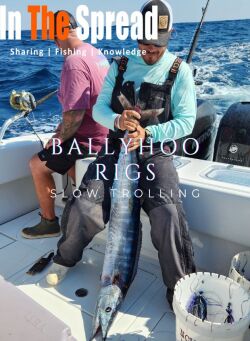
Ballyhoo Bait Rigs for Slow Trolling Wahoo: Mike Dupree
10:58 · Mike DupreeWire and fluorocarbon leader choices for slow-trolling ballyhoo affect wahoo hookup rates through preventing teeth cuts versus reduced visibility triggering selective fish. Gore Offshore rig systems simplify ballyhoo preparation through pre-made components, requiring proper threading, hook positioning, and securing methods maintaining natural profiles and swimming action throughout trolling sessions at reduced speeds.
WATCH NOW -
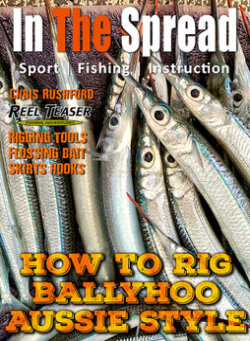
Ballyhoo Rigging: Australian Garfish Methods
17:03 · Chris RushfordBallyhoo represents natural forage for offshore predators, but improper rigging destroys the swimming action that triggers strikes from sailfish and marlin. Success depends on harness stitching technique, hook placement, and component selection that maintains bait integrity and natural presentation throughout trolling passes in rough seas and at varying speeds.
WATCH NOW8.0/10 -
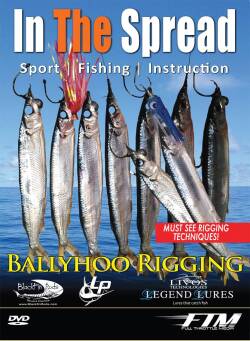
Ballyhoo Bait Rigging 8 Ways for Offshore Fishing
1:27:08 · RJ BoyleBallyhoo rigging variations serve specific offshore applications rather than being interchangeable methods producing identical results. Mike Tarmey and RJ Boyle explain eight rigging techniques addressing different trolling speeds, target species preferences, sea conditions, and whether natural presentation or dressed configurations with skirts and teasers improve strike rates in your specific fishing scenario.
WATCH NOW9.0/10
Go Deeper on Ballyhoo
Ballyhoo Rigging Questions
Why is ballyhoo the standard offshore bait?
Ballyhoo is natural forage for nearly every Atlantic pelagic, so predators recognize its slender silver profile and scent on sight. Rigged and brined right, it produces the side-to-side wobble of an injured baitfish that triggers reaction strikes from billfish, tuna, and wahoo. No artificial fully replicates that combination of profile, scent, and action.
How many ways can you rig a ballyhoo?
There are several distinct rig families, and this library covers eight. They vary by whether the bait is naked or dressed with a skirt, whether it runs on wire or fluorocarbon, the hook style and placement, and the trolling speed and species. Each rig serves a specific application rather than being interchangeable.
Should you brine ballyhoo before rigging?
Yes. Brining firms the flesh and toughens the skin so a bait trolls for hours instead of washing out in minutes. A properly brined ballyhoo holds its shape and swimming action through repeated passes, while an unbrined one softens fast and starts spinning, which puts fish off rather than drawing them.
Wire or fluorocarbon leader for ballyhoo?
It depends on the target. Toothy fish like wahoo and kingfish call for wire or heavy single-strand to prevent cut-offs, while line-shy fish in clear water eat better on fluorocarbon. Slow-trolling ballyhoo for wahoo is the classic trade-off: wire protects the bait, fluorocarbon draws more of the selective bites.
What is a skirted ballyhoo versus a naked ballyhoo?
A naked ballyhoo relies on its own natural profile and action and often draws more strikes from selective fish. A skirted ballyhoo adds color, flash, and a larger silhouette, helps the bait track at higher speeds, and adds durability. Which one produces depends on species, speed, water clarity, and how the fish are feeding.
What speed do you troll ballyhoo?
Ballyhoo trolls across a wide range depending on the rig and target. Slow-trolling live or rigged ballyhoo at lower speeds produces selective wahoo and works pressured fish, while dressed ballyhoo can be pulled faster for kingfish, sailfish, and dolphin. Match the speed to the rig and the species you are after.
What fish can you catch on ballyhoo?
Ballyhoo produces across nearly every offshore species: blue marlin, white marlin, sailfish, yellowfin and other tuna, mahi-mahi, wahoo, and kingfish. That range is why captains stock it by the flat and tournament boats burn through more than a hundred baits a day. The rig you choose tailors the same bait to each target.