
Start fishing better with FREE Weekly Video Tips delivered straight to your email.
Muskie Fishing Videos: River and Reservoir Tactics
Browse Video LibraryMuskie fishing represents one of freshwater angling's ultimate challenges. These apex predators demand specialized knowledge, proven techniques, and serious dedication. Whether you're targeting trophy muskellunge in southern reservoirs or chasing northern giants, understanding seasonal patterns and presentation methods separates occasional catches from consistent success.
Our muskie fishing video courses deliver expert instruction from guides who've spent decades unlocking what makes these fish tick. You'll learn battle-tested approaches for every season and situation, from post-spawn tactics to cold weather presentations that trigger bites when conditions turn brutal.
Featured Instructors
-
Featured
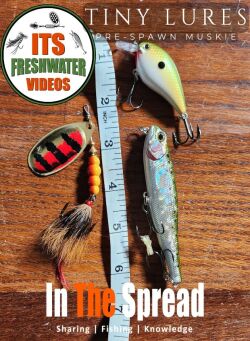
Tiny Lures for Pre-Spawn Muskie Fishing
25:22 · Cory AllenPre-spawn muskie enter selective feeding phases ignoring large profiles they'd typically attack, requiring downsized 2 to 4 inch bass-style presentations triggering strikes from lethargic fish. Cory Allen's approach reveals how slow retrieval with subtle action outperforms aggressive presentations when fish conserve energy during late winter through early spring transitions, with leader adjustments maintaining natural lure action in shallow staging areas.
WATCH NOW -
Featured

Berkley CullShad: Great for Cold Weather Musky Fishing
7:03 · Cory AllenBerkley CullShad bridges the gap between large and mid-range musky presentations during cold weather when selective fish refuse oversized offerings. Cory Allen's endorsement highlights internal harness construction, unique tail design creating enticing action at varied speeds, and lateral eyelet placement producing improved swimming characteristics in 6-inch and 8-inch sizes that dominate winter conditions.
WATCH NOW -

Vexan 10' 6” Tackle Industries Telescopic Big Game Rod Review
11:13 · Cory AllenTelescopic design transforms muskie rod portability without sacrificing performance needed for trophy fish. Vexan 10'6" extra heavy construction provides casting distance, hookset power, and fighting leverage while collapsing for efficient transport by air or vehicle, addressing travel logistics that dedicated muskie anglers face when fishing multiple waters requiring equipment that maintains durability through collapse and extension cycles.
WATCH NOW -

Vexan 8'6" Spinning Rod for Musky: Game Changer
13:46 · Cory AllenThe Vexan 8'6" medium heavy spinning rod revolutionizes muskie fishing by addressing finesse presentation needs, particularly effective during spring when fish respond to smaller offerings. Cory Allen's review reveals how this length and action balance casting distance with lighter 1 to 4 oz lures on 50 lb line, plus smooth drag and line pickup supporting techniques with 6" Jakes, Rattl Traps, and swimbaits.
WATCH NOW -

Vexan 7'6" Inshore Rod for Musky: Cory Allen Review
13:29 · Cory AllenInshore saltwater rod design translates to musky fishing when construction quality and balanced specifications address freshwater predator demands. Cory Allen's Vexan 7'6" MH review reveals how Titan Technology and Fuji components create soft tip and solid backbone combination handling light lure casting and big fish battles, proving marketing categories matter less than versatile performance supporting musky, bass, and walleye techniques.
WATCH NOW -
Featured
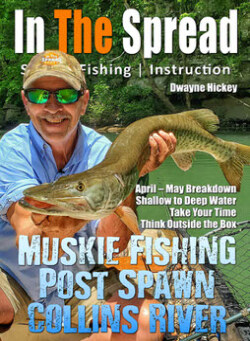
Post Spawn Muskie Fishing on the Collins River
27:55 · Dwayne HickeyPost-spawn muskie recovering from spawning require downsized lures and slower retrieves as fish transition from deeper holes to shallows with reduced feeding aggression. Dwayne Hickey's Collins River expertise reveals skinny water fishing demands patience and systematic bank work with multiple casts to the same spots because recovering muskie often follow before striking or need repeated exposures in confined spaces.
WATCH NOW -

Muskie Fishing Carolina Rigged Crank Baits
28:12 · Cory AllenGiant muskies holding deep on bottom structure require presentations traditional methods cannot deliver effectively. Carolina rigged crank baits solve speed control and depth challenges by suspending lures just off bottom with complete cadence management, allowing slow presentations where big fish position rather than trolling's constant motion or large-billed cranks limited to specific dive depths.
WATCH NOW -
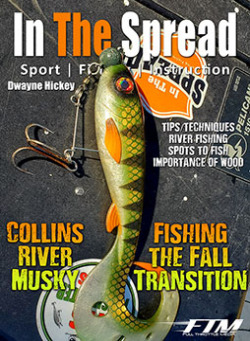
Muskie Fishing the Collins River Fall Transition
17:12 · Dwayne HickeySkinny water muskie fishing in river systems like the Collins demands simplified approaches because confined spaces concentrate fish around predictable structure. Fall transition increases aggression as cooling water triggers feeding, with muskie positioning around deep holes, rock beds, wood, and feeder creeks where Dwayne Hickey's streamlined six-lure selection provides comprehensive coverage applicable to any small river environment.
WATCH NOW10.0/10 -

Vexan Muskie Fishing Rod Review with Cory Allen
27:07 · Cory AllenMedium action muskie rods balance power with flexibility, but the Vexan Tackle Industries 9-foot design creates consistent load distribution throughout the blank rather than hinge points concentrating stress. Cory Allen's analytical review examines how backbone strength comparable to diplodocus femur structure combines with progressive flex patterns and integrated revolution reel seats to improve casting, lure control, and fish-fighting performance.
WATCH NOW -
Featured
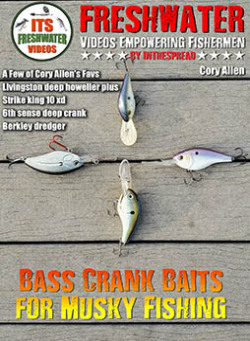
Muskie Fishing with Bass Crank Baits
18:47 · Cory AllenBass crank baits dive steeply to depth faster than musky-specific cranks, creating advantages in structure transitions and depth changes where quick descent matters. Understanding these dive curve differences and cost benefits allows anglers to expand muskie arsenals with affordable models like Strike King 10XD and Berkley Dredger 25.5 that produce strikes when applied to appropriate terrain and conditions.
WATCH NOW -
Featured
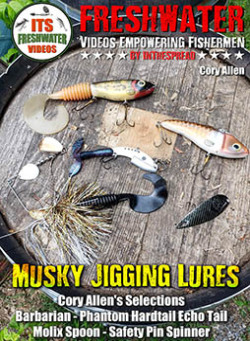
Muskie Jigging Lures with Cory Allen
23:49 · Cory AllenMuskie jigging lures rarely perform as packaging suggests, demanding understanding of actual in-water characteristics that trigger neutral or inactive fish. Success with vertical presentations requires reading how line tie points affect descent and swimming action, then matching lure properties to fish mood rather than assuming aggressive presentations always produce when musky hold but won't commit to standard approaches.
WATCH NOW -

Trolling Topwater Muskie Lures with Cory Allen
17:59 · Cory AllenWhen casting coverage falls short and big muskies track but won't commit, slow trolling topwater lures sustains presentations through productive zones. The technique demands precise speed control and turn execution to trigger strikes from fish that refuse conventional approaches.
WATCH NOW -
Featured

Slow Topwater Muskie Lures with Cory Allen
35:24 · Cory AllenAggressive topwater disturbance dominates muskie fishing, but natural prey creates less commotion than most surface baits. Cory Allen explains why slow-worked minimal action lures trigger larger fish through lateral line and electrical sensing beyond visual cues, when subtle presentations outperform loud approaches, and what nuanced rod controls create vulnerable rather than fleeing prey appearance.
WATCH NOW -

Post Spawn Muskie Fishing the Collins River
46:14 · Dwayne HickeySouthern muskie fishing evolved from novelty to legitimate trophy hunting as anglers learned river-specific patterns. Dwayne Hickey explains how Collins River post-spawn muskies transition from spawning areas to feeding zones along banks, weed beds, and creek mouths, why water movement from dam releases affects positioning, and when recovery phases change aggression levels.
WATCH NOW10.0/10 -

Small Lake Techniques for Northern Pike
39:09 · Cory AllenMost small ponds contain abundant small pike but rarely produce quality fish because stagnant water can't support larger predators. Cory Allen and Steve Mortenson explain why current flow from springs or creeks transforms similar-sized waters, how confined spaces concentrate predictable ambush points, and what systematic coverage patterns improve efficiency over random casting.
WATCH NOW -
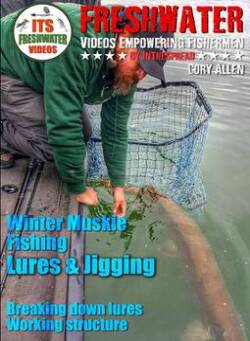
Winter Muskie Fishing Techniques with Cory Allen
29:05 · Cory AllenSummer muskie anglers struggle in winter because they maintain aggressive presentations fish no longer chase. Cory Allen explains why vertical jigging accommodates reduced metabolism by keeping lures in strike zones longer, how Biwaa Divinator, Rattletrap, and Echo Tail vibration profiles trigger increasingly subtle bites, and when creative variations outperform methodical standard approaches.
WATCH NOW -
Featured

Muskie Fishing Using Live Bait with Cory Allen
31:54 · Cory AllenControversy surrounds live bait muskie fishing, but cold water results speak louder than technique preferences. Cory Allen explains why 4 to 5 inch shiners versus 12 to 18 inch rainbow trout target different feeding behaviors, how Joe Murphy's STFF rigs maintain natural presentation, and when combining live bait with artificial methods improves overall success rates.
WATCH NOW -

Muskie Fishing Deep Rivers in the Winter
1:21:30 · Cory AllenMost muskie anglers struggle in uniformly deep rivers because they rely on obvious structure transitions absent in these systems. Cory Allen and Scott Lewis explain how depth changes of just 2 to 3 feet become significant during winter, why upstream versus cross stream versus downstream presentation angles cover different strike zones, and what pre-spawn staging areas look like in featureless water.
WATCH NOW10.0/10 -

Muskie Lures from H2O Tackle
1:08:55 · Cory AllenMuskie lure collections grow randomly for most anglers, mixing brands without understanding design philosophies. Cory Allen explains why Roger Watters' H2O Tackle complete line from surface to bottom creates learning advantages, how observing natural lure behavior reveals subtle differences affecting applications, and when unified design principles improve strategic selection.
WATCH NOW -

Bottom Fishing for Muskie with Live Suckers
42:04 · Cory AllenCasting dominates modern muskie fishing, but traditional live sucker methods your grandfather used still produce trophy fish. Joe Murphy explains why stationary ambush tactics along traverse lines intercept fall muskies moving predictably between zones, when patient hunting outperforms aggressive casting, and what bottom topography positions baits where fish travel.
WATCH NOW
Go Deeper on Southern Muskie
Muskie Fishing Questions
What is the best time of year to catch muskie?
Muskie feed hardest in fall as cooling water triggers aggression, and in the South the late winter and early spring window produces the heaviest, egg-laden trophy fish of the year. Post-spawn means downsized, slower presentations. Seasons, size limits, and any closures vary by state and water, so check your state wildlife agency before you go.
What lures work best for muskie?
Muskie eat bucktails, glide baits, crankbaits, topwater, and jigs, but the right choice tracks the season and the fish's mood. Big profiles draw aggressive fish, while a downsized 2 to 4 inch bait often triggers pressured or lethargic ones. In cold water, slow presentations that stay in the strike zone longer out-produce fast, loud approaches.
Why do muskie follow but not bite?
Muskie routinely track a lure to the boat and refuse it. A follow means the fish is interested but not convinced. Change the retrieve speed, add a pause or a direction change, or downsize the lure so it looks like vulnerable prey rather than something fleeing. A boatside figure-8 gives a following fish one last chance to commit.
Do you need a wire leader for muskie?
Muskie have teeth that shear through standard line, so a leader is not optional. Heavy fluorocarbon works when fish are line-shy and you want a natural lure action, while wire gives maximum bite protection on larger fish and toothy presentations. Match the leader to the lure and the water clarity, but never tie straight to your main line.
How do you catch muskie in a river?
River muskie relate to current and structure: deep holes, rock beds, wood, and creek mouths where fish ambush bait out of the flow. In skinny water, systematic bank work with repeated accurate casts to the same spot matters, because a recovering or pressured fish often needs several looks. Dam releases move fish, so read the rising and falling flow.
How do you safely release a muskie?
Muskie are a fragile trophy that most anglers release, so handle them fast and in the water when you can. Use a large rubber cradle net rather than hanging the fish, keep it horizontal and supported, and have long pliers and hook cutters laid out before you touch it. Limit air time and let the fish recover before it swims off.
Is live bait effective for muskie?
Yes, especially in cold water when fish feed less often. Live suckers and shiners on quick-strike rigs present a natural meal that lethargic muskie take when they refuse artificials. Sizes range from small 4 to 5 inch shiners for numbers up to large baits for trophy fish. Combining live bait with casting covers more moods in a day.