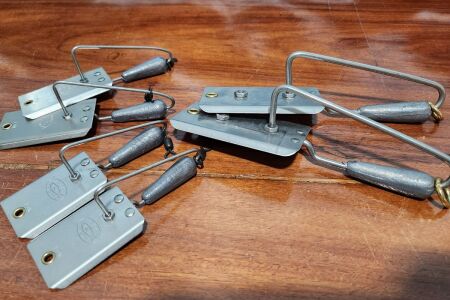
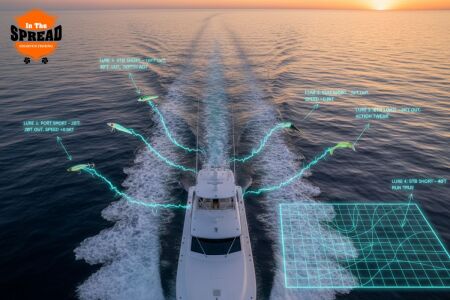
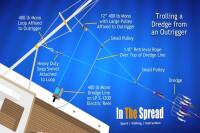
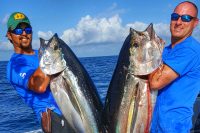
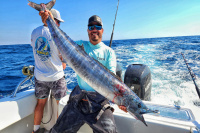
Summer heat drives kingfish, wahoo, and tuna below the surface, and a trolling planer is how you follow them down. What the size numbers mean, how deep they run, wire and bait choices, and the staggered two-line spread that comes through every turn without a tangle.
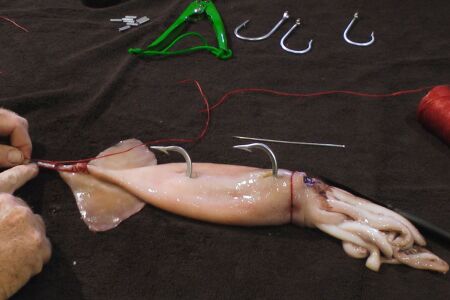
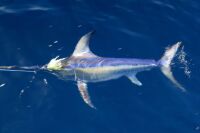
A swordfish bait fails in three ways. It spins, it collapses on the drop, or it tears apart on the first bill strike. Get those three right and the rest of the daytime program has a chance. Squid, belly baits, whole fish, hooks, crimps and floss, rigged the way working crews actually do it.
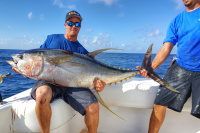
When yellowfin refuse chunks and lures, a healthy bait swimming on its own is the answer. Bait selection, livewell discipline, hook placement by depth and drift, free-lining versus weighted, and the live chumming that manufactures a feed.
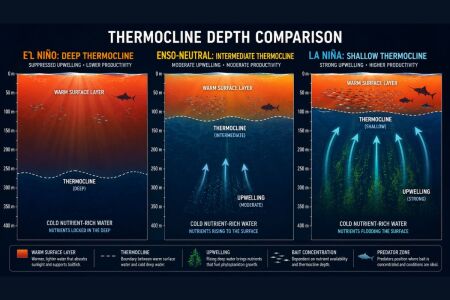
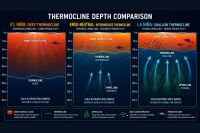
Tuna, marlin, wahoo, and swordfish rarely scatter at random. They relate to a temperature break you cannot see from the deck, and where it sits decides their depth and their mood. Here is how the thermocline forms offshore, how it moves with the season, and how to fish it on purpose.
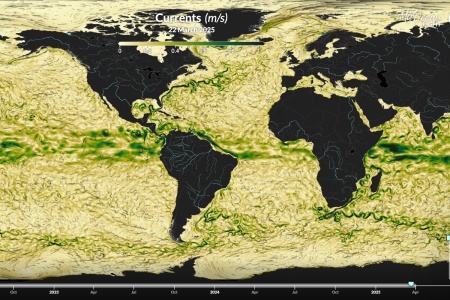
The El Niño-Southern Oscillation cycle directly shapes where fish hold, how bait concentrates, and when your seasonal timing should shift. Understanding which ENSO phase you are fishing in, and combining that knowledge with real-time satellite tools, changes how you plan offshore trips and structure your presentations.
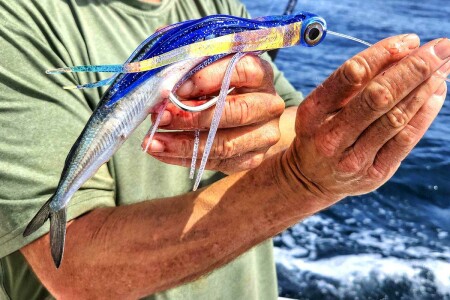
A properly brined and rigged ballyhoo will troll for hours and catch every offshore predator in the Atlantic. A poorly prepared one washes out in minutes. This reference covers selection, brining, eight rig families, spread placement, and species matching for sailfish, marlin, tuna, mahi, and wahoo.
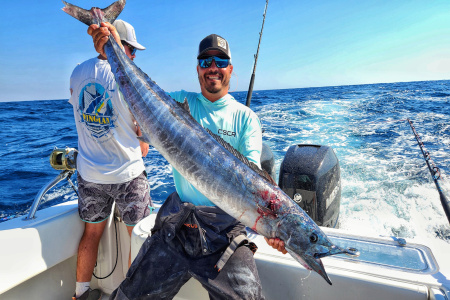
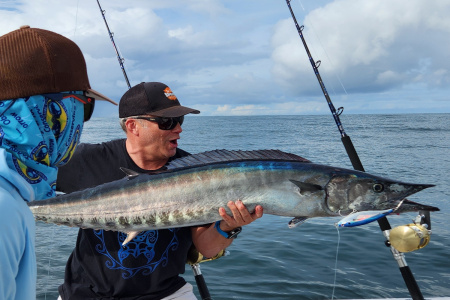
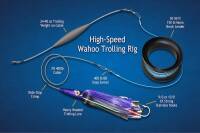
Wahoo leader decisions are not single-answer problems. The right setup for high-speed trolling fails on a flylined sardine, and the wire that catches fish in stained water can refuse strikes the next day in glass-calm conditions. The serious answer is four leader systems, built for four applications, rotated as conditions change.
Not every offshore trip calls for a 50-wide. The heavy inshore / light offshore angler needs a reel that casts all day and still has the drag, line capacity, and structural integrity for tuna, cobia, and sails. Here is what the best spinning and conventional reels in this category actually deliver.
The daytime sword fishery runs on electric reels. But the category spans from casual deep-drop tools to purpose-built commercial machines. Understanding where each option fits, and where each one fails, is the difference between a sustainable sword program and an expensive lesson.
Artificial intelligence now predicts fishing grounds with 92% accuracy up to eight days in advance. Commercial platforms like GreenFish proved the technology works. South Korea invested $106 million. NOAA deployed systems detecting hooked fish before human eyes can see them. The revolution filtering down to recreational offshore fishing is no longer theoretical. It's measurably changing catch rates, fuel efficiency, and competitive advantage.
Few baits work across the full range of offshore species the way bonito does. From live-rigged blue marlin baits to belly strips for sailfish and chunks for deep-dropping swords, bonito earns its place in the box through concentrated oil, durable flesh, and a size profile that puts trophy fish on the hook.
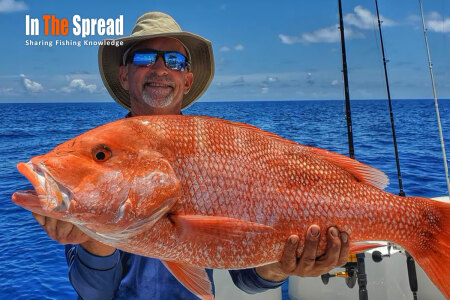
Red snapper fishing across the Gulf and Atlantic involves more moving parts than most offshore species. Seasons vary by state, gear requirements are written into federal code, and several states require electronic catch reporting before you clean a fish. Here is the full picture, plus how to find and catch them once the season opens.
The best offshore fishing app is the one whose data you will actually read before you run. Six satellite chart services compared on SST updates, chlorophyll, altimetry, offline navigation, and price, with the strengths of each and who each one suits.
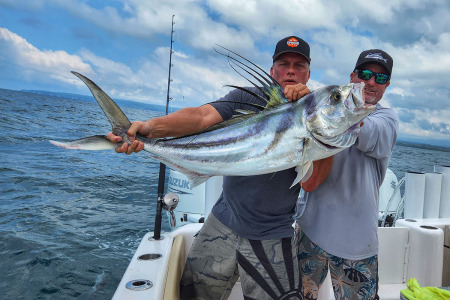
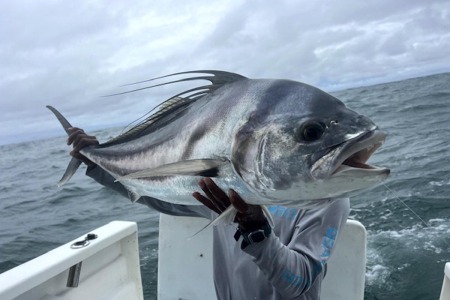
Roosterfish are two different fish depending on where you find them. The one pushing bait through a rocky surf zone demands fast casts and faster retrieves. The one holding around a deep-water reef off Costa Rica requires live bait, patience, and heavy tackle. Both are worth chasing. Neither rewards a one-size-fits-all approach.
Inside the wahoo library: Mike Dupree on slow trolling with planers from North Carolina, RJ Boyle on high-speed tournament tactics from South Florida, Shawn Rotella on live bait fishing in Kona, and additional captains covering regional fisheries and tackle systems. Subscribers stream every course on demand.
AI fishing technology promises a lot. What it actually delivers depends on understanding the difference between genuine machine learning and sophisticated data visualization. That distinction changes how you evaluate every output these platforms give you and how much confidence you bring to your next offshore decision.
Five satellite fishing services compete for the same angler, but they are not selling the same thing. This breakdown covers what separates ROFFS, SiriusXM Marine, Hilton's Realtime Navigator, SatFish, and RipCharts on the variables that actually matter: update frequency, data layers, expert interpretation, offline access, and price.
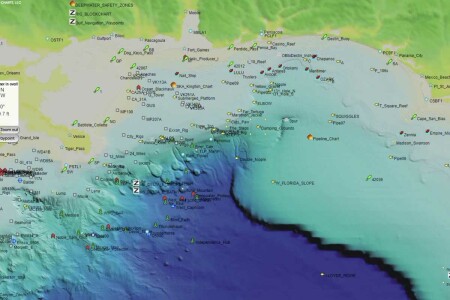
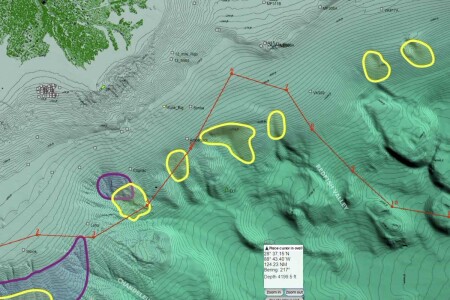
Satellite fishing maps give offshore anglers a real-time picture of ocean conditions before leaving the dock. Learning to read SST charts, chlorophyll data, altimetry, and current edges, and knowing how to layer them together, is one of the highest-leverage pre-trip skills a serious offshore angler can develop.
The roosterfish earns its reputation on impact. That raised comb of dorsal spines mid-charge, the explosive strike, the long runs that test gear and judgment, all of it adds up to one of the most compelling inshore targets in the eastern Pacific. Two destinations define serious pursuit of this fish: Cabo San Lucas and Costa Rica's Osa Peninsula.
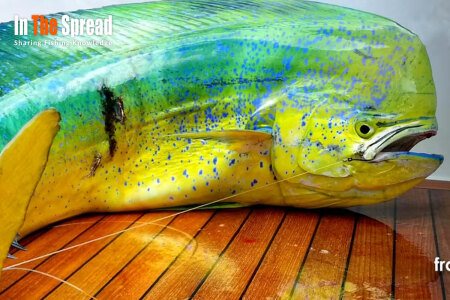
Sargassum weed lines are where mahi mahi eat, spawn, and spend the majority of their open-ocean life. Understanding what makes a weed line productive, when to fish it, and how the Great Atlantic Sargassum Belt is shifting under climate pressure gives serious offshore anglers a measurable edge.