
- Saltwater Fishing Lures (22)
- Wahoo Fishing Videos (20)
- Blue Marlin Fishing (19)
- Yellowfin Tuna Fishing (17)
- Dolphin Fishing Videos (16)
- Marlin Lures Videos (15)
- Planer Fishing Videos (13)
- Snook Fishing Videos (12)
- Boat Positioning Videos (12)
- Redfish Fishing Videos (11)
- Reef & Wreck Fishing (10)
- Bait Rigging Videos (9)
- Big Game Legends (9)
- Bottom Fishing Videos (9)
- Seatrout Fishing Videos (8)
- Fishing Tackle Videos (8)
- Satellite Fishing Maps (7)
- Mangrove Snapper Fishing (6)
- Swordfish Fishing Videos (5)
- Grouper Fishing Videos (4)
- Bluefin Tuna Fishing (4)
- Black Drum Fishing (3)
- Tarpon Fishing Videos (3)
- Ballyhoo Bait Rigging (3)
- Jigging Techniques (3)
- Saltwater Culinary Creations (3)
- Roosterfish Fishing Videos (3)
- Cobia Fishing Videos (2)
- Sailfish Fishing Videos (2)
- Sheepshead Fishing Videos (2)
- Dredge Fishing Videos (2)
- Tilefish Fishing Videos (2)
- Giant Trevally Fishing (2)
- Saltwater Flies (1)
- Kayak Fishing Videos (1)
- Permit Fishing Videos (1)
- Fighting Chair Techniques (1)
- Tripletail Fishing Videos (1)
- Red Snapper Fishing (1)
- Mutton Snapper Fishing (1)
Start fishing better with FREE Weekly Video Tips delivered straight to your email.
Reading Satellite Fishing Maps: SST, Chlorophyll, Altimetry
Browse Video LibraryEver wondered how charter captains consistently find fish in the vast ocean? The answer is satellite fishing maps. These powerful tools reveal hidden underwater conditions that concentrate gamefish, from temperature breaks to current edges. Instead of guessing where to run your boat, you can analyze real ocean data and make smarter decisions about where to fish.
Our fishing video courses teach you how to read satellite images and interpret the ocean conditions that matter most. You'll learn to identify productive fishing areas using professional forecasting techniques that tournament anglers rely on. These instructional videos break down complex concepts like upwelling zones, chlorophyll concentrations, and thermal boundaries into practical knowledge you can use on your next offshore trip.
Featured Instructors
-
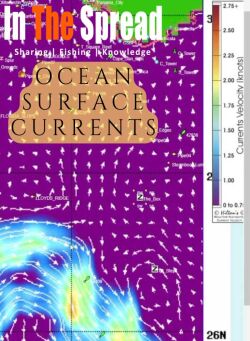
How to Read Satellite Images of Ocean Surface Currents
5:39 · Thomas HiltonOcean surface currents concentrate baitfish and gamefish in predictable zones revealed through satellite image analysis. Understanding arrow patterns for current direction and speed, identifying upwelling and downwelling zones where vertical movement affects prey, and recognizing warm core eddies that trap bait transforms random offshore searching into informed decisions about where conditions align to create prime fishing locations.
WATCH NOW10.0/10 -
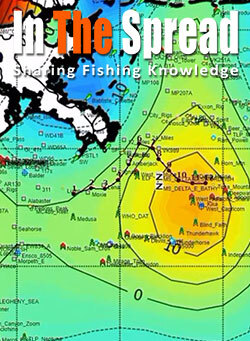
How Altimetry Charts Improve Fishing Forecast
7:34 · Thomas HiltonTemperature and chlorophyll satellites show surface conditions but miss the vertical water movements driving productivity. Tom Hilton explains how altimetry reveals upwelling bringing nutrients from depth versus downwelling pulling them away, why upwelling edges outperform centers for predator positioning, and what sea surface height variations indicate about food chain sustainability.
WATCH NOW -
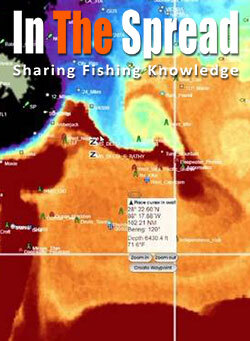
Reading Sea Surface Temperature Charts for Offshore Fishing
13:59 · Thomas HiltonBlue marlin preferring 78 to 88 degrees differs from wahoo favoring cooler break edges, making species-specific SST interpretation critical. Learn identifying temperature gradients where water masses collide, why breaks without chlorophyll may hold no fish despite perfect temps, and how daily shifts mean yesterday's productive water may be miles from current locations.
WATCH NOW -
Featured
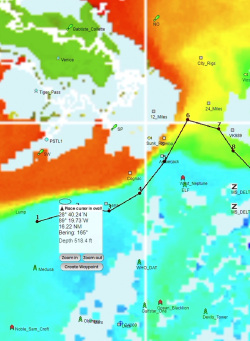
How to Read Chlorophyll Charts to Locate Pelagic Fish
5:07 · Thomas HiltonModerate chlorophyll concentrations outperform both extremely low and extremely high levels for pelagic fishing because very dense blooms sometimes create conditions predators avoid. Tom Hilton explains interpreting color gradients from blues indicating barren water through greens and yellows showing productive zones, and why combining chlorophyll with temperature and current data identifies where complete food chains support apex predators.
WATCH NOW -
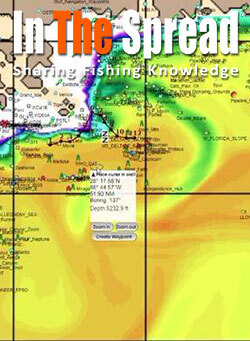
How to Read Salinity Charts for Fishing Forecast
3:19 · Thomas HiltonDebate over salinity chart utility stems from satellite showing only surface conditions while many species position at depth. Learn what purple to maroon color transitions reveal about freshwater and saltwater mixing zones, why king mackerel concentrate along these gradients, and when nearshore applications work better than offshore tuna scenarios.
WATCH NOW -
Hiltons Offshore Satellite Fishing Maps
15:13 · Thomas HiltonRunning offshore without calculating fuel burn to satellite-identified features versus closer alternatives wastes money on marginal trips. Thomas Hilton's integrated trip planner combines oceanographic data with weather forecasting and fuel consumption calculations, helping captains decide whether distant temperature breaks justify runs or intermediate zones provide better fishing per dollar spent.
WATCH NOW -
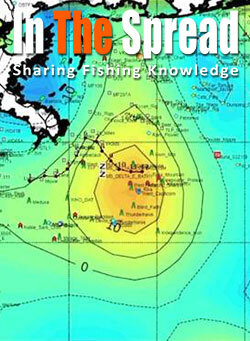
Fishing Forecast From Hiltons Realtime Navigator
53:35 · Thomas HiltonOffshore anglers running without satellite data waste fuel searching randomly for oceanographic features that satellite imagery reveals precisely. Thomas Hilton explains what sea surface temperature breaks, chlorophyll concentrations, and altimetry show about fish positioning, how combining multiple data layers identifies high-probability zones, and why real-time updates matter when features shift daily.
WATCH NOW
Go Deeper on Reading the Ocean
Satellite Fishing Maps Questions
What are satellite fishing maps?
Satellite fishing maps are color-coded charts built from ocean data that show conditions concentrating offshore fish. The core layers are sea surface temperature, chlorophyll, altimetry, and currents. Read together, they reveal temperature breaks, upwelling edges, and convergence zones where bait and predators stack, so you run to features instead of searching blind.
How do you read a sea surface temperature chart for fishing?
Look for temperature breaks, the lines where warmer and cooler water masses collide, because predators hunt those edges. A change of one to two degrees over a nautical mile is meaningful. Match the temperature to your target, and remember that a clean break with no chlorophyll nearby often holds no fish.
What chlorophyll level is best for offshore fishing?
Moderate chlorophyll beats both extremes. Deep blue water is clear but barren, and the densest green blooms can push predators out. The productive zone is usually the gradient, the edge where clean water meets greener, more fertile water. That transition is where the food chain concentrates and gamefish set up to feed.
What is altimetry and why does it matter for fishing?
Altimetry measures sea surface height, which reveals water movement that temperature and chlorophyll sensors miss. It shows upwelling, where cooler nutrient-rich water rises and feeds the food chain, and warm core eddies that trap bait. The edges of these features, not their centers, tend to hold the most fish.
Do satellite fishing maps really save fuel?
Yes, when you use them to plan. Instead of running offshore and hunting for signs, you identify the temperature break, chlorophyll edge, or eddy before you leave and weigh whether a distant feature justifies the fuel over a closer one. Real-time data matters because these features shift daily and yesterday's report may be miles off.
What is the difference between chlorophyll and salinity charts?
Chlorophyll charts show ocean productivity through color, blues for barren water and greens and yellows for fertile zones. Salinity charts show where freshwater and saltwater mix, marked by purple to maroon transitions. Salinity is most useful nearshore, where species like king mackerel stage along the mixing lines, rather than in open blue water.
How do you combine satellite data layers to find fish?
No single layer is enough. The high-probability zones appear where a temperature break lines up with a chlorophyll edge and a favorable current or upwelling feature. Stacking the layers turns a broad area into a specific spot, and checking real-time updates keeps you on the feature as it moves.