
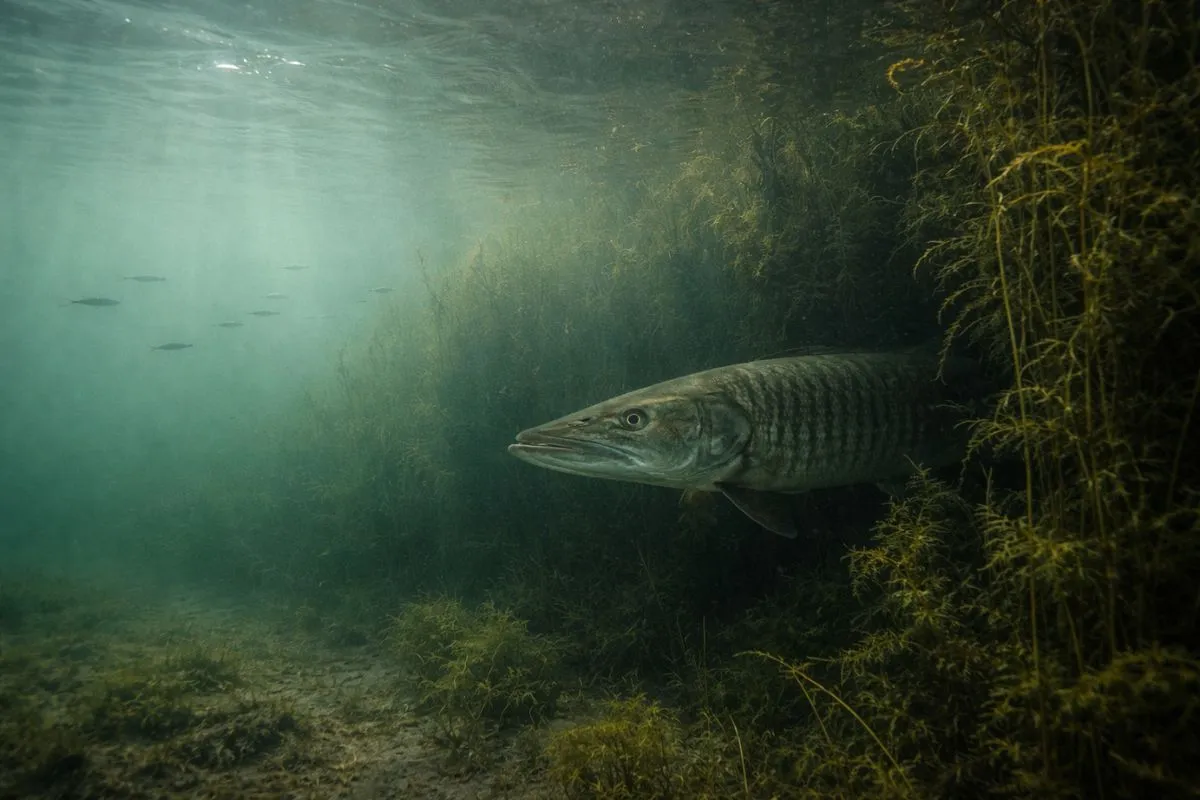
Muskellunge are sight-dependent ambush predators that gain a sensory advantage when atmospheric conditions reduce light penetration into the water column. Barometric pressure, humidity, and cloud cover form a chain reaction that determines whether muskellunge actively hunt or hold tight to cover. Understanding the full sequence changes how you plan and fish.
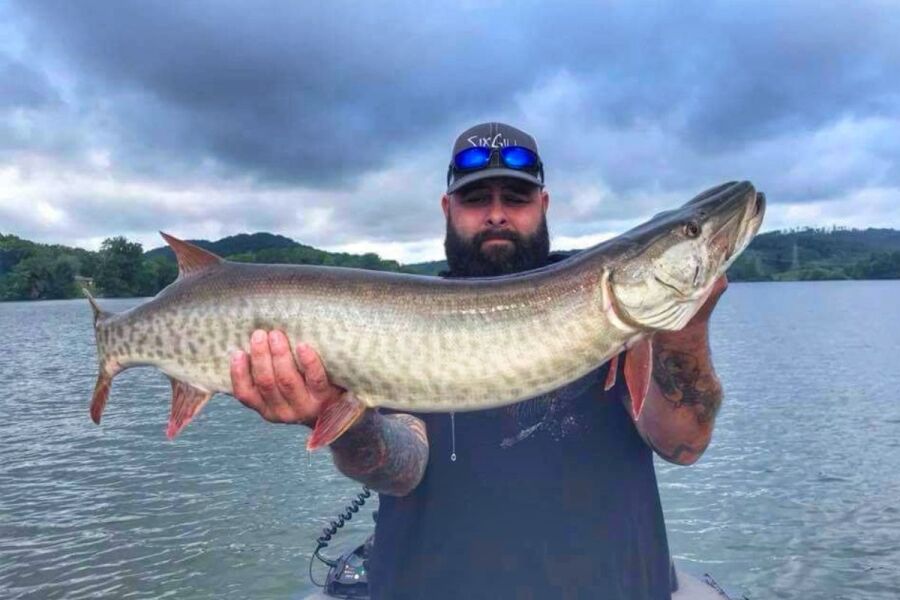
Reading the Sky to Find Feeding Muskellunge
Most muskie anglers check the barometer before a trip. That is a reasonable habit, but it is also an incomplete one. A single pressure reading tells you very little about whether muskellunge are going to feed. The barometer is one data point in a three-variable atmospheric chain that governs when, where, and how aggressively muskellunge hunt.
Those three variables are barometric pressure, atmospheric moisture, and light penetration into the water column. Each one drives the next. Together, they determine the sensory conditions that either favor or suppress the muskellunge's ambush feeding strategy. Understanding how they connect gives you a far more reliable framework for timing your trips and adjusting your tactics than any single number on a weather app.
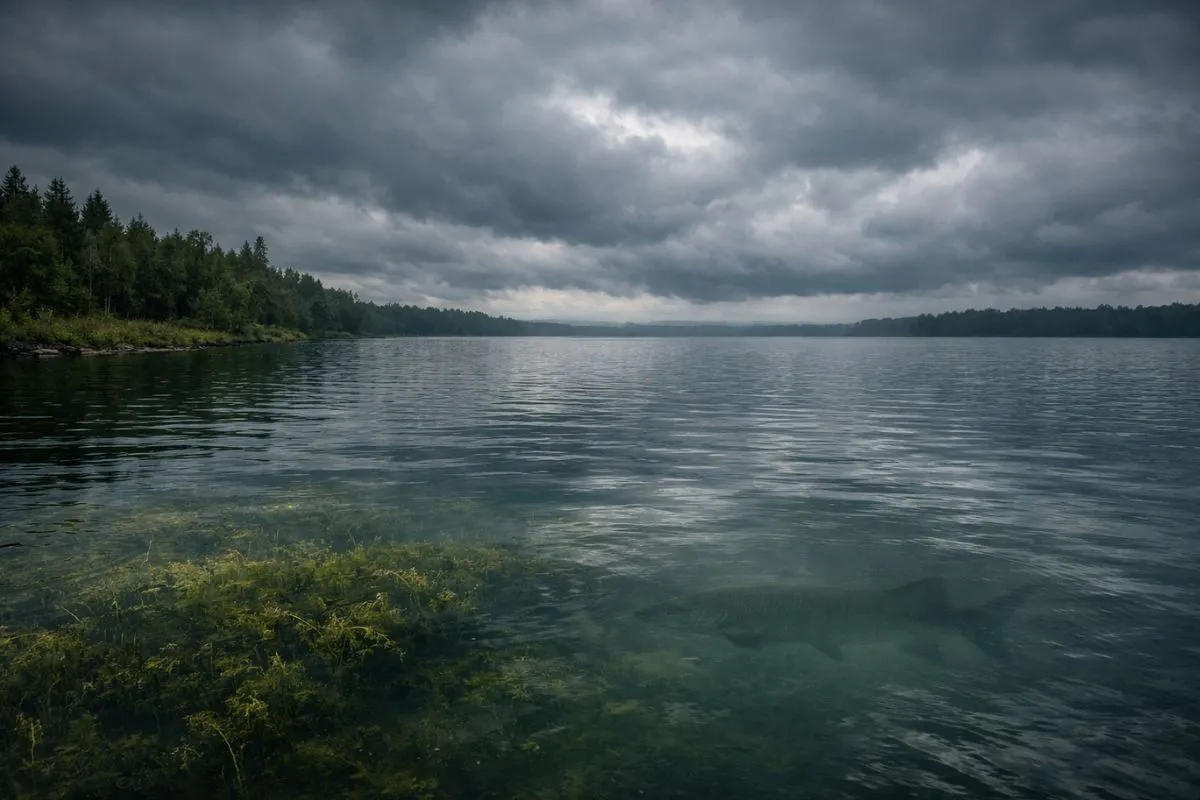
Why Muskellunge Are Built for Low Light Conditions
Before any discussion of weather, you need to understand how muskellunge locate and capture prey. Everything that follows depends on this biology.
Muskellunge are sight-dependent ambush predators. The U.S. Fish and Wildlife Service classifies them as sight feeders that hunt mostly during daylight, stalking near submerged weeds, logs, and rock structure. Their eyes are highly mobile, capable of tracking fast-moving prey and scanning in nearly any direction.
A study published in the Journal of Experimental Biology examined how muskellunge organize their strike behavior using both visual and lateral line sensory systems. The researchers found that feeding consists of two distinct phases: a slow, deliberate stalk with minimal body movement, followed by an explosive C-start or S-start lunge. Vision handles the first phase, acquiring and tracking the prey at distance. The lateral line system, which detects pressure waves and vibrations in the water, plays the dominant role in timing and completing the final strike.
The critical finding was this: muskellunge deprived of vision showed severely impaired ability to acquire and stalk prey at distance, lunging only at targets already within close range. Muskellunge with suppressed lateral line function, on the other hand, significantly altered their approach behavior and struggled with final strike accuracy. Both systems are essential, but they operate in sequence. Vision initiates the hunt. The lateral line closes it.
This dual sensory system explains why muskellunge thrive in reduced light. They do not need bright, clear conditions to feed. They need enough ambient light to detect and track prey at moderate range, combined with conditions dim enough to prevent the prey from detecting the approaching predator. That is the sweet spot, and atmospheric conditions determine how often and how long it exists on any given day.
What Barometric Pressure Actually Does to Muskellunge
The Traditional Swim Bladder Theory
The standard explanation holds that changes in atmospheric pressure compress or expand the swim bladder, an internal gas-filled organ that helps fish maintain buoyancy. The theory suggests that pressure changes create physical discomfort, prompting fish to adjust their depth, seek cover, or alter feeding behavior. Freshwater fish like muskellunge have relatively large swim bladders (on the order of several percent of body volume, generally larger than saltwater species), which would in theory make them more sensitive to pressure shifts.
The Scale Problem
A significant atmospheric pressure drop of 0.2 inHg, the kind often cited as a feeding trigger, equals approximately 0.007 atmospheres. In terms of water depth, that represents roughly five inches. Muskellunge routinely patrol between shallow and deep home ranges in the same day, moving through vertical depth changes of 10 to 30 feet or more. The pressure variation from normal daily movement dwarfs anything the atmosphere produces. This fundamental mismatch is why controlled laboratory studies have consistently failed to demonstrate a direct causal link between barometric pressure and fish feeding activity.
The Indirect Effects Model
Modern fisheries science favors a different framework. Barometric pressure functions as a proxy indicator, not a direct biological trigger. A falling barometer signals an approaching weather system that brings cloud cover, increased humidity, wind, and often precipitation. These secondary atmospheric changes are what alter the underwater environment in ways that matter to muskellunge.
What Field Data Shows
In one field experiment on largemouth bass, researchers reported higher strike rates under slowly falling pressure than under slowly rising pressure, with the majority of strikes occurring during moderate, normal pressure ranges rather than at extreme highs or lows. The researchers noted that no single variable, including barometric change, sky condition, wind speed, or wind direction, reliably compelled bass to be active or inactive. The data was also confounded by solunar periods and other overlapping factors, making it difficult to isolate barometric pressure as an independent driver.
The one finding that held up consistently across species: fish that have recently fed heavily and are digesting food tend to be inactive regardless of any environmental factor. Digestion state may override everything else, including the most favorable atmospheric conditions.
Stable pressure in the normal range of roughly 29.80 to 30.20 inHg is generally associated with consistent feeding behavior across freshwater predators. For muskie anglers, tracking the barometric trend over 12 to 24 hours before a trip matters more than checking a single snapshot reading.
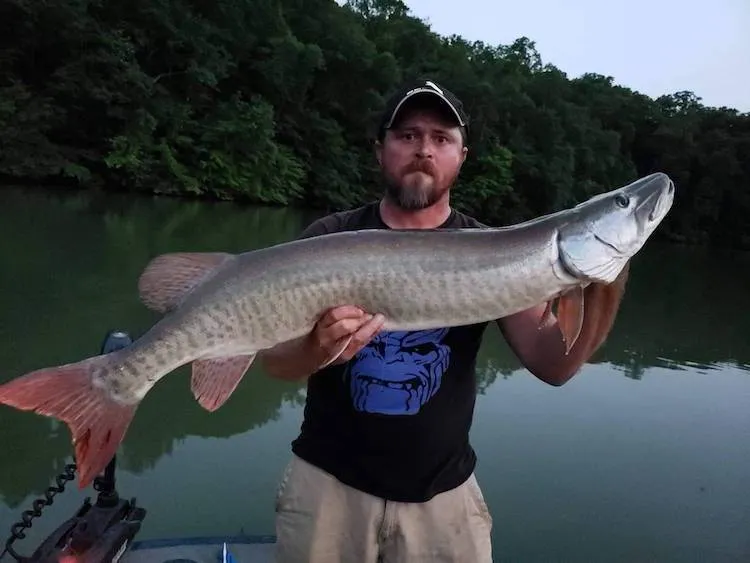
How Atmospheric Moisture Controls Light Reaching the Water
This is the variable most muskie anglers overlook entirely. The amount of water vapor in the atmosphere directly governs how much solar radiation, particularly UV and visible light, reaches the water surface and how deeply it penetrates.
Atmospheric research confirms that clouds, aerosols, and water vapor associated with humid air masses increase the proportion of solar energy that arrives as diffuse, scattered light rather than direct, intense radiation. Arid environments with low humidity deliver far more direct sunlight than humid or subtropical climates. Research on ultraviolet flux has shown that relative humidity interacts with atmospheric aerosols and cloud microphysics to significantly attenuate UV and visible light reaching the surface. The relationship is complex, but the practical result is consistent: the clouds and aerosol-laden moisture carried by low-pressure systems reduce the intensity and directness of sunlight reaching the water.
In practical terms, high humidity softens and scatters the light before it ever hits the water. The result is lower-intensity illumination that penetrates less deeply into the water column and creates less defined shadow lines. For a sight-dependent ambush predator, these conditions extend the low-light advantage across more hours of the day.
When Rain Helps and When It Hurts
Light rain compounds the low-light advantage. Cloud cover blocks direct sunlight from above, while raindrops hitting the surface create disturbance that scatters light penetration further. The combined effect of overcast skies and rain can substantially reduce underwater visibility from above, particularly in the upper water column where muskellunge often patrol structure.
Rain also washes terrestrial insects and organic material into the water, activating baitfish near shore and creating a food chain response that moves up to apex predators. Pike-family fish in particular exploit these conditions, moving into shallow feeding areas they would normally avoid under bright skies.
How Reduced Light Shifts the Predator-Prey Balance
Under bright, high-angle sunlight, prey fish can detect approaching predators at greater distances. The muskellunge's silhouette becomes more visible against structure. Shadow lines are sharp and defined. The ambush advantage is minimized.
The Crepuscular Baseline
Dawn and dusk are universally recognized as the highest-probability feeding windows for muskellunge. Low sun angles produce naturally diffused light, prey species are in transitional movement patterns, and thermal shifts activate metabolism. Every experienced muskie angler knows this.
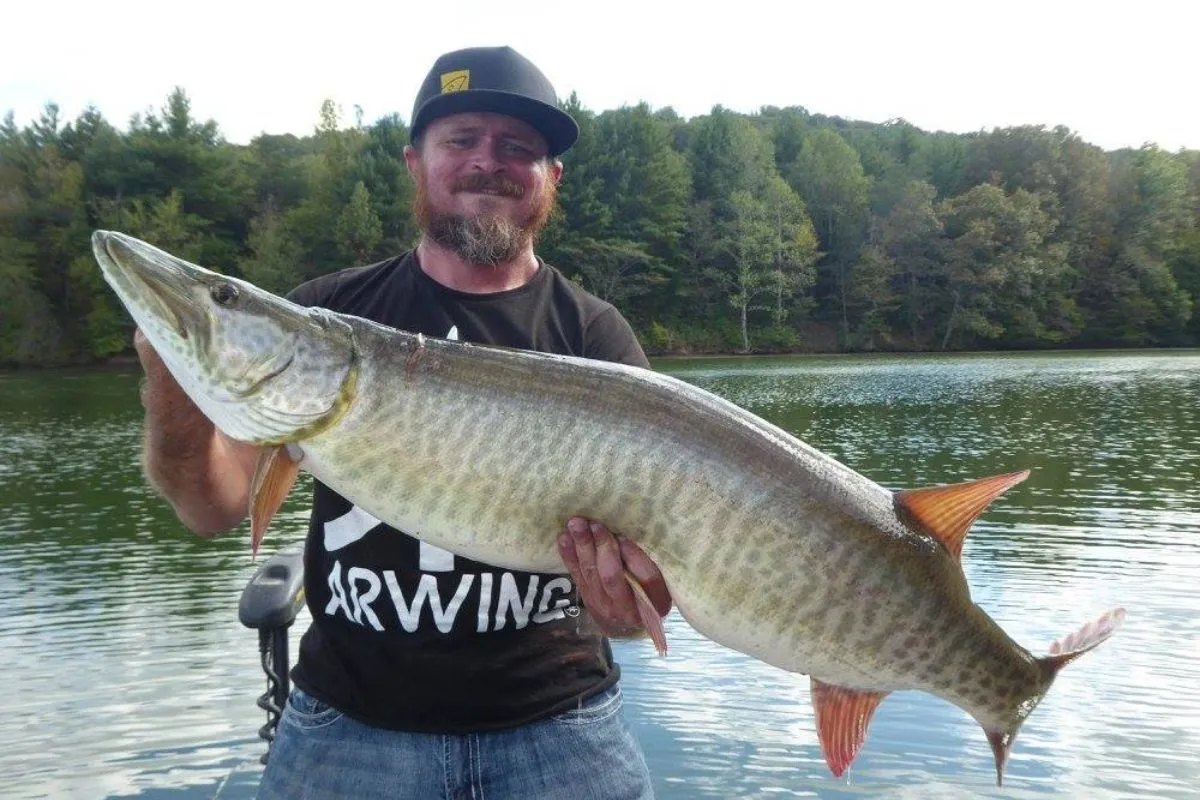
Seasonal Light Considerations
Light conditions interact with seasonal patterns in ways that affect trip planning:
- Spring: Lower sun angles and frequent weather systems create variable light. Muskellunge are in shallow post-spawn recovery areas where atmospheric light changes are most pronounced. Overcast days can produce extended feeding in these transition zones.
- Summer: High sun angles and intense direct light push midday feeding deep or eliminate it entirely. Overcast summer days are disproportionately productive because they suppress the one condition (bright overhead light) that most restricts daytime muskie activity.
- Fall: Declining sun angles and increasing frontal frequency create more low-light windows. This is widely considered peak muskie season, partly because the atmospheric conditions that favor feeding become more common as the season progresses.
- Winter: Extremely low sun angles and short days compress the available light window. Below 40°F, muskellunge reduce feeding activity significantly regardless of light conditions. Water temperature becomes the overriding variable.
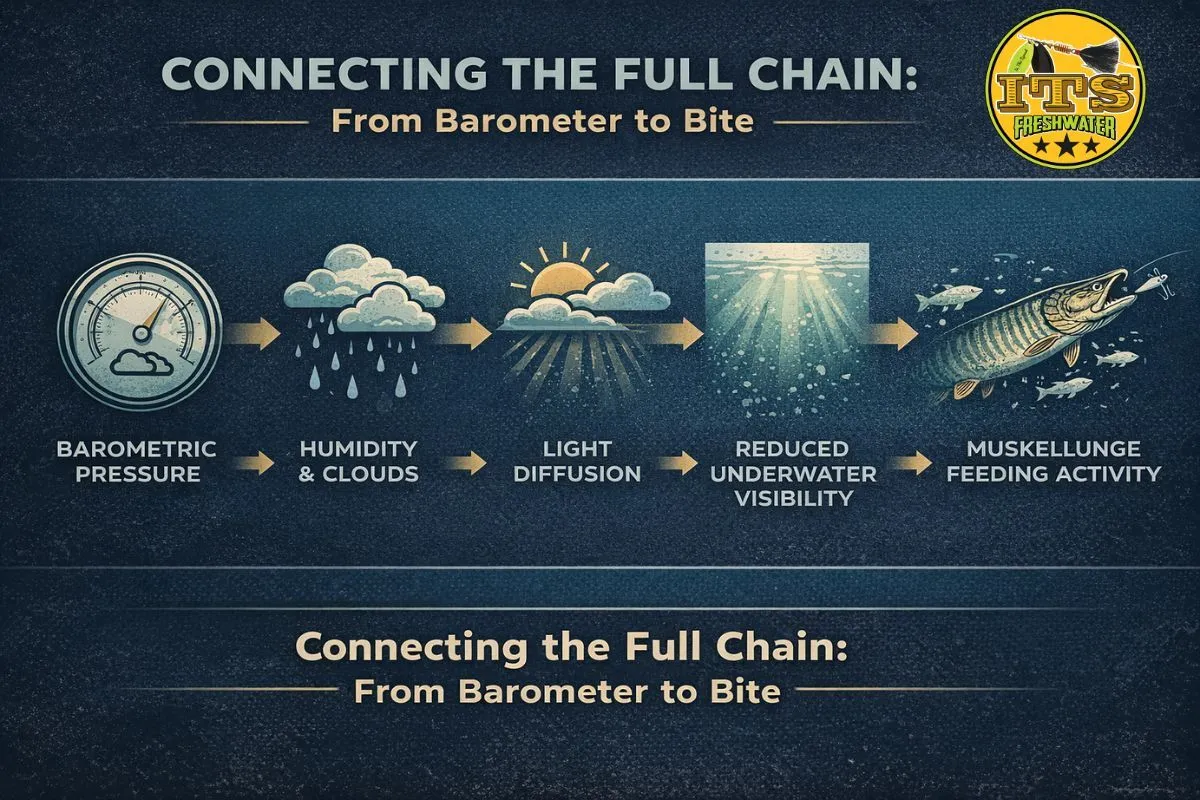
Connecting the Full Chain: From Barometer to Bite
Here is the complete atmospheric sequence, laid out as a single cause-and-effect chain:
The barometer begins to fall, signaling an approaching low-pressure system. Humidity increases and cloud cover builds, scattering and attenuating direct solar radiation before it reaches the water surface. The light that does arrive is diffused across a broader angle and penetrates less deeply into the water column. Underwater, the low-light environment reduces prey fish visual acuity. Baitfish feel less exposed and move out of tight cover into more accessible water. Wind pushes plankton and smaller forage along windward shorelines, drawing baitfish with it. Muskellunge, equipped with a dual sensory system optimized for these conditions, gain a net advantage in the predator-prey encounter. Feeding windows lengthen, patrol routes expand, and willingness to strike increases.
Reverse the sequence for high-pressure, clear-sky conditions and you get the opposite result: intense direct light, heightened prey awareness, muskellunge holding tight to cover with compressed feeding windows restricted to dawn and dusk.
Tactical Muskellunge Fishing Courses



Adjusting Tactics to Atmospheric Conditions
Pre-Trip Planning
Check the barometric trend over the preceding 12 to 24 hours, not a single reading. Monitor humidity and dew point alongside the barometer. High dew points indicate atmospheric moisture that will affect light even before clouds are visible. Weather radar and cloud cover forecasts are more actionable than barometric numbers alone.
On-Water Adjustments Under Low Light
When overcast or humid conditions reduce light penetration, muskellunge are more likely to be actively patrolling rather than holding tight to structure. Expand your coverage area. Work the open weed edges, transition flats, and mid-depth structure where fish are moving. Increase lure speed and retrieval aggression. Active muskellunge respond to presentations that trigger competitive or reactive strikes.
On-Water Adjustments Under Bright Skies
Contract your focus. Target heavy cover, deep weed edges, shaded structure, and the narrowest available dawn and dusk windows. Slow down your presentation. Use natural color patterns, smaller profiles, and subtler retrieves. Under high light, prey can see your lure just as clearly as the muskie can, so realism and placement matter more than speed and flash.
Wind remains valuable even on bright days. Windward shorelines concentrate baitfish and create surface chop that reduces light penetration locally. Fish the wind.
Frequently Asked Questions
Does barometric pressure directly affect muskellunge feeding?
Not directly. The pressure change from a significant atmospheric shift equals roughly five inches of water depth, which is trivial compared to the depth changes muskellunge make during normal daily movement. Barometric pressure serves as a proxy indicator for weather changes, including cloud cover, humidity, and wind, that alter the underwater light environment where muskellunge hunt.
What is the best barometric pressure for muskie fishing?
Stable pressure in the normal range of roughly 29.80 to 30.20 inHg is associated with consistent feeding behavior. However, the barometric trend matters more than the absolute number. Slowly falling pressure preceding a weather system correlates with increased predator activity, while rapidly rising pressure after a cold front typically suppresses feeding for 12 to 24 hours.
Why do muskellunge feed more on overcast days?
Muskellunge are sight-dependent ambush predators. Cloud cover reduces the intensity and penetration of sunlight into the water, limiting prey fish visual detection range while the muskellunge's lateral line system compensates at close strike distances. The result is a sensory advantage for the predator that extends feeding windows beyond the normal dawn-and-dusk pattern.
Does rain improve muskie fishing?
Light to moderate rain over clean water improves conditions. Cloud cover and surface disturbance reduce light penetration, and rain washes terrestrial food sources into the water, activating baitfish. Heavy rain that produces significant runoff and turbidity can work against muskellunge by degrading the water clarity they need for visual prey acquisition.
How does humidity affect fishing conditions?
The clouds, aerosols, and water vapor associated with humid air masses scatter and diffuse incoming solar radiation before it reaches the water. High humidity and the cloud systems it accompanies reduce the intensity of direct sunlight, creating softer light conditions underwater that favor ambush predators. Tracking dew point and humidity alongside the barometer gives muskie anglers a more complete picture of the light environment they will encounter on the water.
When This Framework Fails
No atmospheric model predicts muskellunge feeding with certainty. Several factors can override even the most favorable conditions:
Digestion state is likely the most underappreciated variable in muskie fishing. A fish that consumed a two-pound sucker six hours ago is not striking regardless of cloud cover, barometric trend, or light conditions. Muskellunge feed infrequently and digest slowly. The time elapsed since the last major meal may be more predictive than any weather data.
Prey availability overrides atmosphere. The most favorable light conditions in the world produce nothing if baitfish are not positioned in the area you are fishing. Locating forage concentrations comes first. Atmospheric conditions tell you how the muskellunge will respond to that forage once you find it.
Musky Fishing Resources

The author emphasizes the importance of weight, blade sizes, and component diameter in lure design. Safety pin spinnerbaits can change purpose by recombinanting these elements. Combining different styles of blades can make a tool less versatile and controlled. Single blades offer strengths but also make them less functional. The author has yet to find an equal quality, function, and aesthetic attentiveness of Joe Murpny's Spinners, despite the presence of several good companies producing musky certified safety pin spinnerbaits.
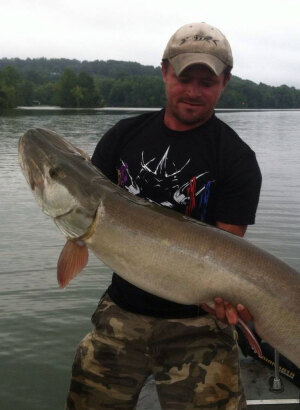
Muskie are apex freshwater predators that ambush from weed edges and rocky points across northern lakes and rivers. A look at the fish behind the legend.
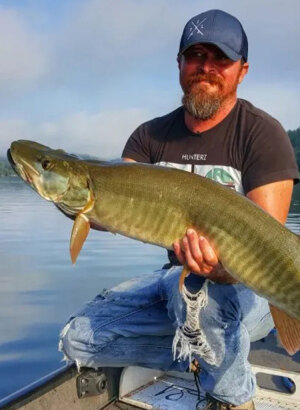
Few states below the Mason-Dixon line can match Tennessee for musky fishing. Trophy fish come out of Melton Hill, Norris Lake and the Caney Fork River system every season, fueled by decades of active TWRA stocking and some of the strictest size regulations in the South. Here is what you need to know to fish Tennessee muskies right.
Musky sit at the top of the freshwater food chain, and catching one means thinking like the hunter you are chasing. Get the behavior, habitat, water temperature, gear, and seasonal timing that turn a frustrating pursuit into a fish in the net.
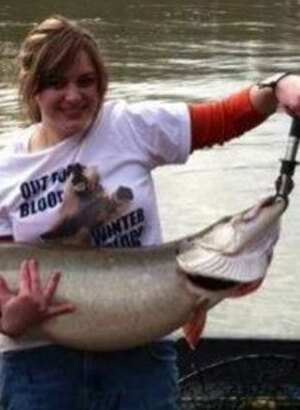
Spawning is a common activity for anglers, with Muskies being a unique species. They spawn during a specific time of year, attracting prespawn fish due to current and temperature. Muskies are broadcast spawners, not constructing nests or affecting their progeny's life cycle. They often return to staging areas near the back end of coves and cuts. Paying close attention to these areas is crucial for locating and catching these fish.
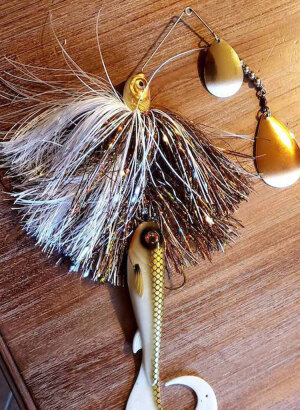
The author advises against using a trailer hook on the main hook, as it may not provide enough stimulation for less committed fish. Instead, they suggest using a swimbait or grub that is complementary in size to the hook, allowing for creativity. The trailer hook should also function as a different stimulus, attracting less committed fish. The author suggests that using a separate bait body in conjunction with the primary bait can provide additional benefits.
Login
to leave a review.
User Reviews
There are no reviews yet.
Setting Up a Dredge Pulley for Billfish
Saltwater
12.28.2020
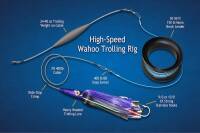
High Speed Wahoo Trolling Rig
Saltwater
09.08.2018
Fishing Light Tackle for Yellowfin Tuna
Saltwater
09.08.2018

0