
- Saltwater Fishing Lures (22)
- Wahoo Fishing Videos (20)
- Blue Marlin Fishing (19)
- Yellowfin Tuna Fishing (17)
- Dolphin Fishing Videos (16)
- Marlin Lures Videos (15)
- Planer Fishing Videos (13)
- Snook Fishing Videos (12)
- Boat Positioning Videos (12)
- Redfish Fishing Videos (11)
- Reef & Wreck Fishing (10)
- Bait Rigging Videos (9)
- Big Game Legends (9)
- Seatrout Fishing Videos (8)
- Fishing Tackle Videos (8)
- Satellite Fishing Maps (7)
- Mangrove Snapper Fishing (6)
- Swordfish Fishing Videos (5)
- Grouper Fishing Videos (4)
- Bluefin Tuna Fishing (4)
- Black Drum Fishing (3)
- Tarpon Fishing Videos (3)
- Ballyhoo Bait Rigging (3)
- Jigging Techniques (3)
- Saltwater Culinary Creations (3)
- Roosterfish Fishing Videos (3)
- Cobia Fishing Videos (2)
- Sailfish Fishing Videos (2)
- Sheepshead Fishing Videos (2)
- Dredge Fishing Videos (2)
- Tilefish Fishing Videos (2)
- Giant Trevally Fishing (2)
- Saltwater Flies (1)
- Kayak Fishing Videos (1)
- Permit Fishing Videos (1)
- Fighting Chair Techniques (1)
- Tripletail Fishing Videos (1)
- Red Snapper Fishing (1)
- Mutton Snapper Fishing (1)
Start fishing better with FREE Weekly Video Tips delivered straight to your email.
Bait Rigging Videos: Live Bait, Ballyhoo, and Strip Baits
Browse Video LibraryWhat separates anglers who consistently boat fish from those who watch their baits get ignored or thrown? The answer often comes down to bait rigging techniques. Proper hook placement, leader selection, and presentation methods directly affect how natural your bait swims, how long it stays lively, and whether fish commit to the strike. These video courses break down essential rigging methods for both offshore and inshore saltwater fishing, covering everything from ballyhoo preparation for trolling to live shrimp hooking for sight casting redfish. You'll see exactly how professional captains rig baits for specific situations, species, and water conditions.
The instruction covers the full spectrum of saltwater bait rigging. Learn how to cut and rig strip baits from bonito, mackerel, or dolphin for wahoo and tuna. Watch step-by-step ballyhoo rigging techniques using different hook styles, wire configurations, and skirt combinations for trolling spread positions. See multiple methods for hooking live baits like pinfish, shrimp, pilchards, and blue runners depending on whether you're freelining, using kites, or bottom fishing. Each video demonstrates the specific tools, materials, and sequences that produce properly rigged baits with maximum swimming action and durability. These techniques apply whether you're targeting billfish offshore, kingfish on the troll, or snook around mangrove shorelines.
Featured Instructors
-
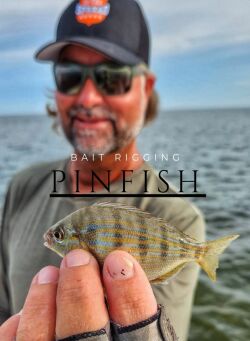
How to Catch and Rig Pinfish
5:33 · William ToneyCaptain William Toney demonstrates essential pinfish techniques that consistently outperform store-bought baits. This comprehensive guide covers catching, rigging, and presenting pinfish for maximum effectiveness against redfish, seatrout, and snook in grassbed environments.
WATCH NOW -
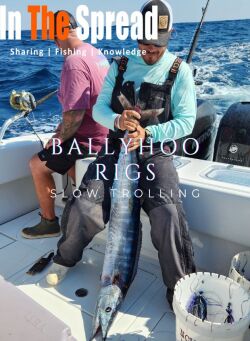
Ballyhoo Bait Rigs for Slow Trolling Wahoo: Mike Dupree
10:58 · Mike DupreeWire and fluorocarbon leader choices for slow-trolling ballyhoo affect wahoo hookup rates through preventing teeth cuts versus reduced visibility triggering selective fish. Gore Offshore rig systems simplify ballyhoo preparation through pre-made components, requiring proper threading, hook positioning, and securing methods maintaining natural profiles and swimming action throughout trolling sessions at reduced speeds.
WATCH NOW -
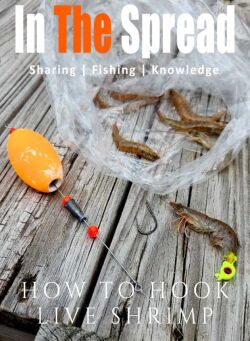
How to Hook Live Shrimp with William Toney
14:26 · William ToneyHook placement determines whether live shrimp survive the cast and swim naturally enough to fool selective redfish, snook, and seatrout. Captain William Toney explains shrimp anatomy vulnerabilities, why horn hooking keeps bait alive but requires gentle casts, when tail hooks provide durability over natural action, and how target species and conditions dictate rigging method selection.
WATCH NOW -
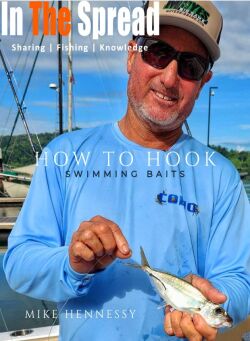
How to Hook Live Baits for Swimming with Mike Hennessy
3:25 · Mike HennessyProper hook placement in live baits like blue runners, goggle eyes, and pilchards determines catch rates and bait longevity through creating natural versus struggling swimming actions. Mike Hennessy's techniques reveal how freelining, belly hooking, and strategic positioning address current strength and target species requirements for surface feeders versus deep-dwelling predators in varied saltwater fishing scenarios.
WATCH NOW -
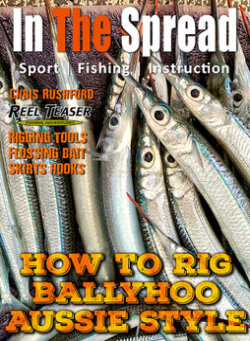
Ballyhoo Rigging: Australian Garfish Methods
17:03 · Chris RushfordBallyhoo represents natural forage for offshore predators, but improper rigging destroys the swimming action that triggers strikes from sailfish and marlin. Success depends on harness stitching technique, hook placement, and component selection that maintains bait integrity and natural presentation throughout trolling passes in rough seas and at varying speeds.
WATCH NOW8.0/10 -
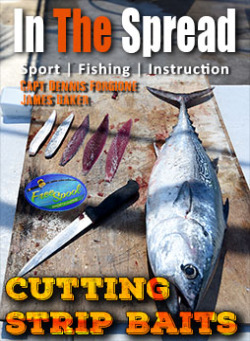
Bait Rigging: Cutting Strip Baits from Bonito
6:41 · In The Spread StaffMaintaining live bait offshore creates complications that strip baits eliminate while producing scent trails and texture predators recognize instinctively. Proper cutting technique regarding grain direction, blade angle, and meat thickness determines whether strips swim naturally and survive multiple strikes or tear apart, forcing re-rigging during feeding windows when keeping lines working matters most.
WATCH NOW10.0/10 -
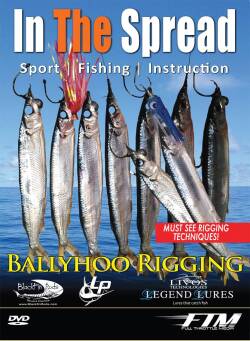
Ballyhoo Bait Rigging 8 Ways for Offshore Fishing
1:27:08 · RJ BoyleBallyhoo rigging variations serve specific offshore applications rather than being interchangeable methods producing identical results. Mike Tarmey and RJ Boyle explain eight rigging techniques addressing different trolling speeds, target species preferences, sea conditions, and whether natural presentation or dressed configurations with skirts and teasers improve strike rates in your specific fishing scenario.
WATCH NOW9.0/10 -
Rigging Strip Baits for Saltwater Fishing
1:13:41 · RJ BoyleLearn step-by-step strip bait rigging for offshore pelagics including wahoo, dolphin, sailfish, marlin, swordfish, kingfish, and tuna. This video covers species-specific rigging differences, when artificial components improve performance, trolling speed adjustments, and why strip baits consistently outperform other bait options.
WATCH NOW9.0/10 -
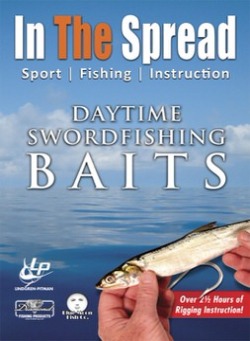
Bait Rigging for Daytime Swordfish with RJ Boyle
2:43:29 · RJ BoyleDaytime swordfish become selective when feeding slows due to moon phase or tide, making bait freshness and rigging quality critical rather than optional. RJ Boyle demonstrates seven bait options and specific rigging techniques for each, explaining when ladyfish, squid, dolphin belly, or bonito produce better results based on depth, current, and swordfish feeding behavior at extreme depths.
WATCH NOW10.0/10
Go Deeper on Bait Rigging
Bait Rigging Questions
Why does bait rigging matter?
How a bait is rigged determines whether it swims naturally, stays alive, and survives the strike. A poorly rigged ballyhoo spins and gets refused, a badly hooked live bait dies on the cast, and a strip cut wrong tears apart. Correct hook placement, leader choice, and preparation are often the difference between getting bit and getting ignored.
How do you rig a ballyhoo for trolling?
Ballyhoo is rigged by limbering the body so it wobbles like an injured baitfish, then setting the hook and leader so the bait tracks straight without spinning. There are several rig families, naked or skirted, on wire or fluorocarbon, matched to trolling speed and species. Fresh, well-brined bait and clean harness stitching keep it swimming for hours.
How do you hook a live bait so it swims naturally?
Hook placement depends on how you are fishing. Nose or horn hooking lets a bait swim forward on a freeline or slow troll, a bridle holds larger baits for kites and marlin, and belly or back hooking suits current and depth. The goal is always a lively bait that swims naturally without the hook killing it or restricting movement.
What is a strip bait and when do you use it?
A strip bait is a cut piece of bonito, mackerel, mullet, or dolphin belly rigged to swim and shed scent. Strips outlast live bait, hold up to repeated strikes, and produce a scent trail predators key on. Cutting with the grain, at the right thickness and taper, is what makes a strip swim naturally rather than spin or tear.
What is the best hook for live shrimp?
The rig depends on the situation. Horn hooking through the head keeps a shrimp alive and swimming naturally but demands a gentle cast, while tail hooking gives durability for longer casts at the cost of some action. Match the hook size to the shrimp and the fish, and keep the point clear so it sets cleanly on the strike.
Do you need a wire leader when rigging bait?
It depends on the teeth. Toothy fish like wahoo and kingfish call for wire or heavy single-strand to prevent cut-offs, while line-shy fish in clear water eat better on fluorocarbon. Slow-trolling ballyhoo for wahoo is the classic trade-off: wire protects the bait, fluorocarbon draws more strikes. Match the leader to the species and the water clarity.
How do you keep rigged baits fresh?
Preparation is everything. Brining ballyhoo firms the flesh so it trolls for hours instead of washing out in minutes, and live baits need aerated, cool water to stay lively. Rig baits shortly before you need them, keep dead baits cold and dry above ice, and carry enough backups to rerig fast when a feeding window opens.