
- Saltwater Fishing Lures (22)
- Wahoo Fishing Videos (20)
- Blue Marlin Fishing (19)
- Yellowfin Tuna Fishing (17)
- Dolphin Fishing Videos (16)
- Marlin Lures Videos (15)
- Planer Fishing Videos (13)
- Snook Fishing Videos (12)
- Boat Positioning Videos (12)
- Redfish Fishing Videos (11)
- Reef & Wreck Fishing (10)
- Bait Rigging Videos (9)
- Big Game Legends (9)
- Seatrout Fishing Videos (8)
- Fishing Tackle Videos (8)
- Satellite Fishing Maps (7)
- Mangrove Snapper Fishing (6)
- Swordfish Fishing Videos (5)
- Grouper Fishing Videos (4)
- Bluefin Tuna Fishing (4)
- Black Drum Fishing (3)
- Tarpon Fishing Videos (3)
- Ballyhoo Bait Rigging (3)
- Jigging Techniques (3)
- Saltwater Culinary Creations (3)
- Roosterfish Fishing Videos (3)
- Cobia Fishing Videos (2)
- Sailfish Fishing Videos (2)
- Sheepshead Fishing Videos (2)
- Dredge Fishing Videos (2)
- Tilefish Fishing Videos (2)
- Giant Trevally Fishing (2)
- Saltwater Flies (1)
- Kayak Fishing Videos (1)
- Permit Fishing Videos (1)
- Fighting Chair Techniques (1)
- Tripletail Fishing Videos (1)
- Red Snapper Fishing (1)
- Mutton Snapper Fishing (1)
Start fishing better with FREE Weekly Video Tips delivered straight to your email.
Dolphin Fishing Videos: Finding and Holding Mahi Schools
Browse Video LibraryDolphin fishing, also called mahi mahi fishing, targets one of the ocean's most acrobatic gamefish. These aggressive predators respond to multiple presentation styles, from trolling lures to chunking around floating debris.
Our professional video courses teach you proven offshore fishing techniques from expert captains with decades of experience:
Featured Instructors
-

Dolphin Fishing and Traveling Seabirds
4:52 · RJ BoyleOffshore bird activity signals feeding dolphin or mahi mahi, but success requires precise timing and positioning. Understanding travel patterns, executing high-speed intercepts, and transitioning from trolling to chunking separates productive anglers from those who watch opportunities disappear over the horizon.
WATCH NOW -
Bait Box for Dolphin Fishing
3:38 · RJ BoyleStrategic bait organization in 50 to 70 qt coolers with quality trays keeping baits dry above ice maximizes mahi mahi success during active feeding. Essential selection includes bonito chunks in 1x1" and 2x2" pieces, 2 to 4 ballyhoo packs, and 30 to 40 bonito strips providing flexibility across dolphin fishing scenarios from scattered fish to feeding frenzies.
WATCH NOW -

Dolphin Fishing Rods and Reels
4:42 · RJ BoyleMahi mahi's explosive runs and aerial acrobatics demand 16 to 20 lb class rods with softer tip action and quality conventional or spinning reels providing line capacity for 50-plus pound fish. Optimal 6'6" to 7' length rods with quality ring guides spooled with 20 to 25 lb clear test line prevent tackle failures during powerful fights, with trusted brands including Avid, Okuma, Shimano, and Penn.
WATCH NOW -
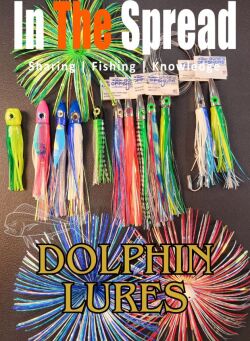
Dolphin Trolling Lures from Gore's Offshore
19:28 · Jason GoreNASCAR fabrication precision translates to dolphin lure performance through Jason Gore's 25-plus years of Gulf Stream expertise. Offset thru-hole construction and engineered bubble channels maintain true tracking and natural ballyhoo action while multiple weight configurations cover depths systematically, with color science from decades of testing providing data-driven recommendations for mahi mahi feeding triggers.
WATCH NOW -
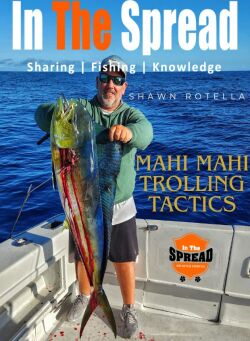
Mahi Mahi Trolling Tactics with Captain Shawn Rotella
40:36 · Shawn RotellaFloating debris creates mahi mahi concentrations in open ocean by establishing food chains attracting dolphin fish to structure. Captain Shawn Rotella's Kona expertise reveals trolling strategies around flotsam including approach angles preventing school dispersal, speed adjustments for lure action, and when to switch from trolling to live bait deployment based on fish response and feeding behavior.
WATCH NOW -

Angling Techniques for Dolphin Fishing
15:41 · RJ BoyleRotation-style dolphin fishing creates systematic approaches where keeping the first hooked fish in the water holds schools through competitive feeding responses. Success requires coordinating steady chum and chunk programs with angler rotation that prevents chaos during fast action, allowing each fish appearing behind the boat to be targeted efficiently rather than random casting creating tangles and missed opportunities.
WATCH NOW -

Dolphin Fishing Chumming and Chunking
8:34 · RJ BoyleHooking the first dolphin creates brief excitement, but holding the school behind the boat for extended action requires systematic chumming and chunking programs. Success depends on using menhaden oil slicks, chum bags, and chunks in coordinated timing that triggers feeding competition without overcrowding or creating gaps that allow schools to disperse searching for better opportunities elsewhere.
WATCH NOW -

Dolphin Fishing Frigate Birds Mean Big Fish
12:27 · RJ BoyleFrigate birds circling offshore signal subsurface feeding activity where dolphin, wahoo, and billfish push bait to the surface. Success requires reading bird behavior and proximity to water for feeding intensity, then approaching cautiously at 100-foot distances while accounting for current that positions fish relative to bird activity before boat presence disrupts brief feeding windows.
WATCH NOW -

Dolphin Fishing Floating Debris
15:21 · RJ BoyleFloating debris creates food chains in open ocean that concentrate dolphin and wahoo around objects serving as bait magnets in featureless water. Success requires spotting and marking debris while accounting for wind and current drift, then approaching strategically to systematically pick off fish without spooking schools away from structure before presentations reach productive zones.
WATCH NOW -

Dolphin Fishing Weedlines and Current Edges
16:10 · RJ BoyleWeedlines and current edges concentrate dolphin fishing opportunities where ocean currents collide, aggregating baitfish and creating visible boundaries from tiny patches to vast fields. Success requires reading surface conditions for color changes, chop patterns, and debris accumulations, then positioning to troll the clean water side while maintaining distance that keeps presentations working strike zones without fouling in heavy vegetation.
WATCH NOW -

Have a Plan When Dolphin Fishing
20:04 · RJ BoyleOffshore dolphin fishing demands planning that prevents equipment failures, dangerous weather encounters, and wasted fuel searching unproductive water. Success requires monitoring satellite services for temperature breaks and weed lines, studying fishing reports for recent activity patterns, inspecting boat systems and tackle before departure, and analyzing weather trends days in advance rather than hoping conditions cooperate after committing to long offshore runs.
WATCH NOW10.0/10 -

Dolphin Fishing Terminal Tackle and Moon Phase
10:13 · RJ BoyleMoon phase drives dolphin feeding selectivity, requiring two distinct terminal tackle approaches rather than identical setups regardless of lunar cycles. Full moons create finicky mahi mahi demanding fluorocarbon leaders and live bait like juvenile blue runners, while other moon phases allow heavier monofilament and artificial presentations that selective fish refuse completely during bright moon periods.
WATCH NOW -
Dolphin Fishing Rigs and Strip Baits
37:06 · RJ BoyleDolphin fishing opportunities shift rapidly from trolling scenarios under birds to chunking programs holding schools behind the boat. Success requires multiple pre-rigged setups ready for immediate deployment, understanding how chunking and oil slicks maintain fish presence during action, and strip bait techniques that create natural presentations when conditions demand alternatives to live bait or artificial lures.
WATCH NOW10.0/10 -

Dolphin Fishing Tools and Accessories
12:27 · RJ BoyleOffshore dolphin fishing presents unpredictable scenarios from schools under debris to lone bulls near weedlines, each demanding specific tools for capitalizing on brief opportunities. RJ Boyle's experience-based equipment list covers hook sharpening files, rigging tools, chum bags, planers, dehookers, nets, and safety gear that handle the full range of situations rather than hoping minimal preparation suffices when conditions change suddenly.
WATCH NOW -

Dolphin Fishing Boat Setup
7:53 · RJ BoyleDolphin fishing productivity depends on boat preparation that keeps live bait healthy, handles fish efficiently during fast action, and maintains crew safety offshore. Success requires live well systems that sustain bait vigor, fish boxes sized for catch volume, organized tool placement for quick access, and safety equipment matched to offshore conditions rather than hoping adequate preparation happens at the dock.
WATCH NOW -
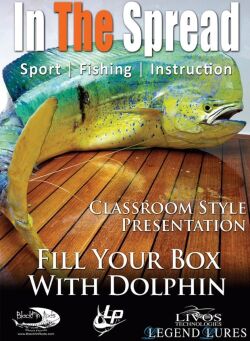
Dolphin Fishing Techniques and Tackle
2:58:53 · RJ BoyleDolphin (mahi-mahi) fishing swings between exceptional action and frustrating searches because these pelagic fish concentrate temporarily around conditions that change constantly. Learn pre-trip preparation that positions you near productive zones, on-water awareness for recognizing opportunities, and tactical execution that converts brief encounters into multiple hookups before schools disperse across open water.
WATCH NOW9.0/10
Go Deeper on Dolphin Fishing
Dolphin Fishing Questions
How do you find mahi mahi offshore?
Mahi relate to structure in open water, so you hunt the signs rather than the fish. Look for weed lines and sargassum, floating debris, and current edges where the water changes color, and watch for frigate birds circling over bait. A temperature break in the 72 to 78 degree range concentrates feeding fish.
How do you keep a school of mahi behind the boat?
When you hook the first fish, leave it in the water rather than boating it, because the school stays with it. Then feed a steady chunk, chum, and menhaden oil slick to trigger a competitive feed, and rotate anglers so lines do not tangle. Break that rhythm and the school scatters.
What is the best bait for mahi mahi?
Mahi eat almost anything presented well. Trolled ballyhoo and skirted lures find them, and once you stop, cut bonito chunks, strip baits, and live bait like small blue runners hold and catch them. Match the presentation to the fish's mood, which shifts with the moon and the pressure they have seen.
Does the moon affect dolphin fishing?
Yes. Around a full moon, mahi feed heavily at night and arrive at daybreak full and finicky, inspecting baits and refusing artificials. That is when you drop to fluorocarbon leaders and live bait. On darker moon phases, fish are less selective and will take heavier mono and artificial presentations.
What tackle do you need for mahi mahi?
A 16 to 20 pound class outfit handles most dolphin, with a 6 and a half to 7 foot rod, a softer tip, and 20 to 25 pound clear line on a conventional or spinning reel with capacity for a fifty pound bull. Around structure or oil rigs, step up to heavier gear to turn big fish.
How do you approach a weed line or debris without spooking fish?
Come in from the downwind or downcurrent side and keep your distance so baits reach the fish before the boat does. Troll the clean-water side of a weed line rather than plowing through it, and approach debris and working birds at around a hundred feet, letting the current carry your presentation in.
When is the best time to catch mahi mahi?
Warm water matters more than the calendar. Mahi follow the 72 to 78 degree zone, current breaks, and weed lines, so peak timing shifts by region, generally spring through fall in the Atlantic and much of the year in tropical waters. Check your state or federal regulations for size and bag limits before you go.