The fall mullet run stacks snook, tarpon, and jacks against the beach and jetties at Sebastian Inlet. This breakdown covers when the run peaks, how to read a feeding school, where each fish sets up, and the live baits and lures that earn strikes from mid-September through October.
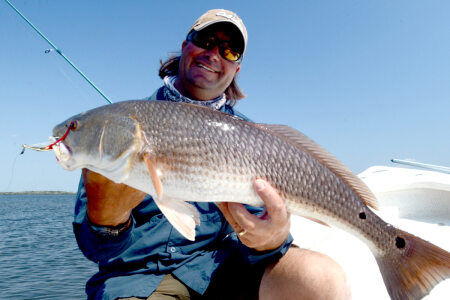
Winter redfish stop roaming and start hiding in warm water. Capt. William Toney's Nature Coast approach covers which refuges to fish, the midday incoming tide, how fronts reset the bite, and the slower baits and retrieves that get cold reds to eat.
Heat does not push redfish off the flats the way it does everything else. Through the hottest stretch of the year I work the Homosassa backcountry and the outside keys, reading shade, current, and mullet schools to find fish that have gotten a lot more specific about where they sit.
Snook are Florida's most demanding inshore species: intelligent, structure-dependent, and completely tuned in to tides and temperature. This article covers where to find them through every season, which baits and techniques actually produce, how night fishing changes the game, and what the current FWC regulations require on both coasts.
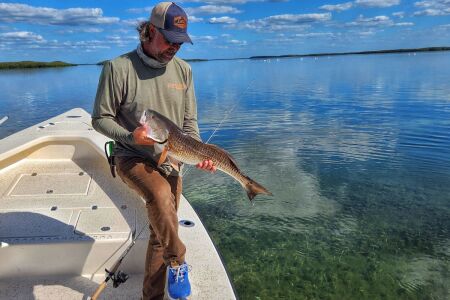
Redfish follow the tide. When water floods onto a flat, they move with it. When it drains, they pull back to channels and creek mouths. Knowing which tidal stage puts fish where, and which presentations work in each window, is what turns an inconsistent angler into a consistent one.
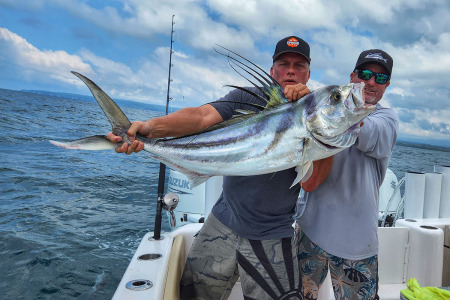
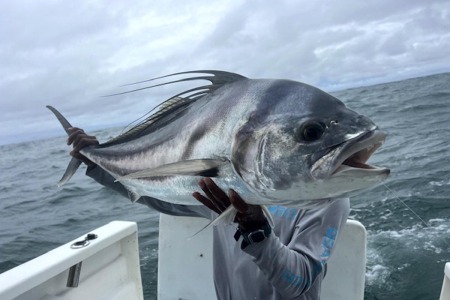
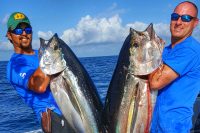
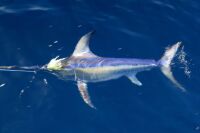
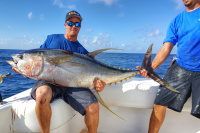
Roosterfish are two different fish depending on where you find them. The one pushing bait through a rocky surf zone demands fast casts and faster retrieves. The one holding around a deep-water reef off Costa Rica requires live bait, patience, and heavy tackle. Both are worth chasing. Neither rewards a one-size-fits-all approach.
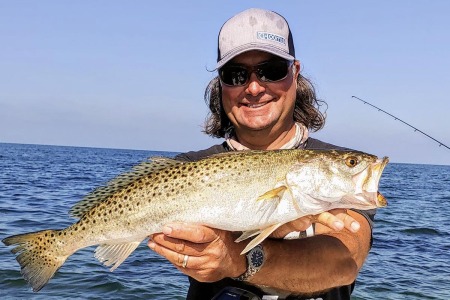
Big speckled trout think differently than school fish. They hold tight to specific structure, feed in narrow windows, and have survived long enough to recognize pressure. This breakdown covers structure, tides, seasonal patterns, tackle, and the approach adjustments that separate consistent gator trout anglers from everyone else fishing the same flat.
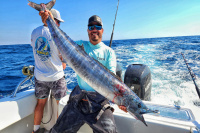
The roosterfish earns its reputation on impact. That raised comb of dorsal spines mid-charge, the explosive strike, the long runs that test gear and judgment, all of it adds up to one of the most compelling inshore targets in the eastern Pacific. Two destinations define serious pursuit of this fish: Cabo San Lucas and Costa Rica's Osa Peninsula.
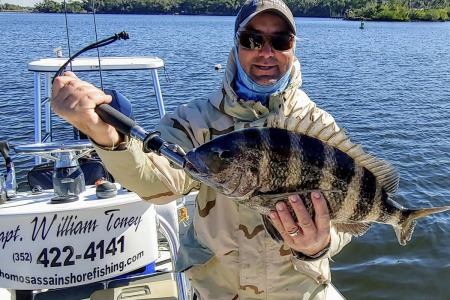
Sheepshead stack on hard structure from fall through winter, making them one of the most predictable inshore targets when other species have moved offshore. Fiddler crabs, a properly sized hook, and moving water are the foundation. The challenge is timing the hook set on a bite that barely registers.
The barometer on your phone is one of the most underused fishing tools available. Pressure trends tell you when fish are likely to feed, how deep they will be holding, and whether the bite is about to turn on or shut down. Here is how to read those trends and put them to work on your next trip.
Mangrove snapper rules are not the same from state to state, and Florida's are among the most specific. The bag limit, size minimum, gear requirements, and how your catch fits into the federal snapper aggregate all depend on where you drop the hook. This article covers what applies in Florida, across the Gulf, and up the Atlantic coast.
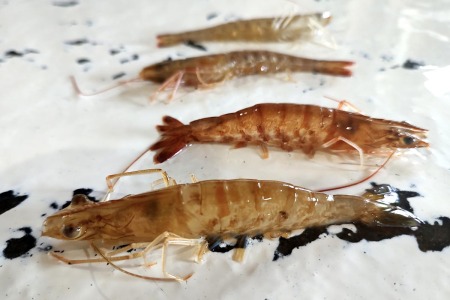
Live shrimp are one of the most effective inshore baits available, but even the best bait fishes poorly on a dead or restricted hook. Captain William Toney of Homosassa covers three rigging methods, the right hook sizes for each species, and exactly how to keep shrimp alive and kicking longer on the water.
Captain William Toney has fished the spring-fed flats of Homosassa, Florida his entire life. This article covers the species, waters, and seasonal patterns that define the Nature Coast inshore fishery, along with what sets Toney apart as one of the most knowledgeable and experienced inshore guides working Florida's Gulf Coast today.
As spring approaches, inshore fishing thrives with sheepshead, trout, and redfish, while live shrimp bait reigns supreme. Warm days bring trout to the flats, and the woods offer serene hunting for small game and deer, making now the ideal time for both fishing enthusiasts and hunters to enjoy the natural bounty of the Big Bend area.
Crossing a state line on a redfish trip means new slot windows, new bag limits, and sometimes new gear rules. The rules change often enough that last season's numbers may not be accurate today, so staying current with each state's wildlife agency is part of being a responsible angler.
Finding redfish is a reading problem before it is a casting problem. Edges where bottom types meet, wakes and tails on calm water, and the moving tide that puts fish where they are. Then the lure, bait, and leader that match what is in front of you.
Redfish, spotted seatrout, snook, tarpon, flounder, and cobia occupy some of the most varied coastal habitat in North America. The Gulf of Mexico inshore fishery runs from the Florida Panhandle to the Texas Laguna Madre, and each section fishes differently. Knowing which region matches your target species changes everything.
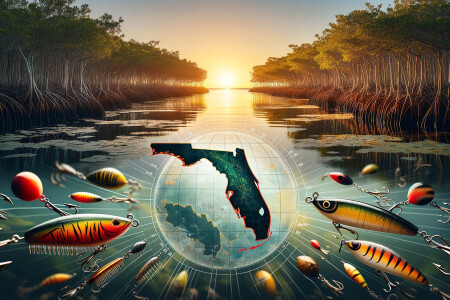
Redfish, snook, tarpon, and seatrout share Florida's inshore waters with flounder, pompano, and black drum, from Mosquito Lagoon to the Florida Keys. Knowing which techniques work for each species, which tides to fish, and how seasonal patterns shape where fish hold is what separates consistent anglers from everyone else.
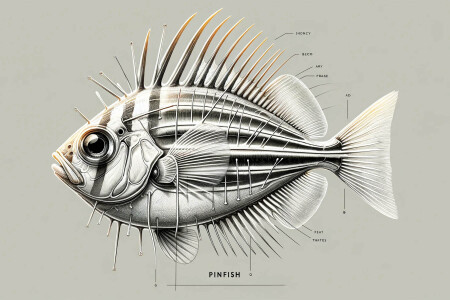
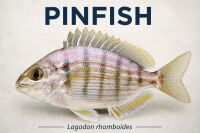
Pinfish are one of the toughest, most versatile live baits in inshore fishing. This breakdown covers the hook placements, rig setups, and presentation tactics that working captains use to put more fish in the boat. Whether you are free-lining on a flat or dropping a Carolina rig into a deep cut, the details covered here make a real difference.
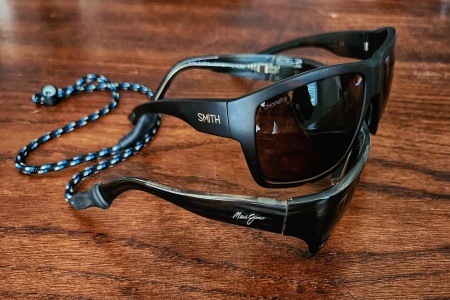
The right pair of polarized sunglasses changes everything about how you read the water. Glare kills your ability to see fish, track movement, and identify structure before you spook everything in range. This article breaks down the science of polarization, how to match lens color to your fishing environment, and which brands and features are worth paying for.