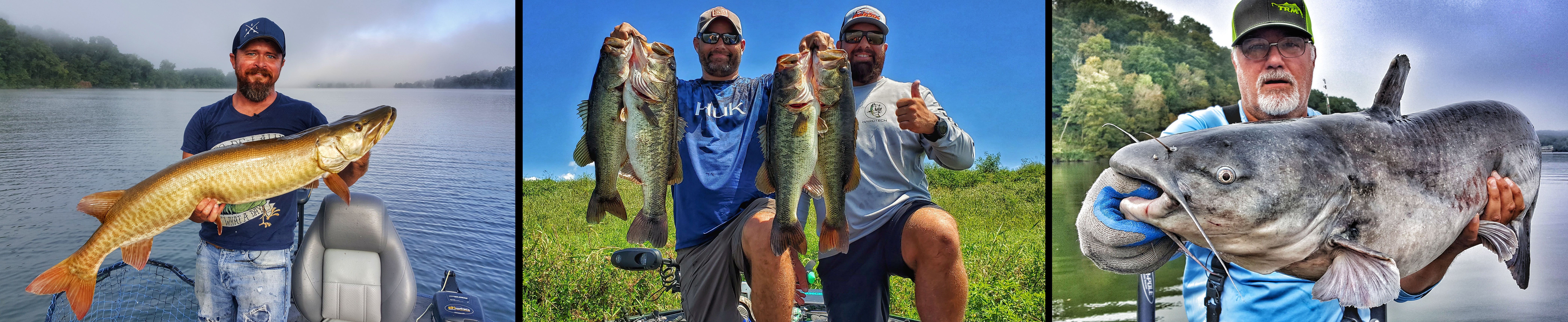
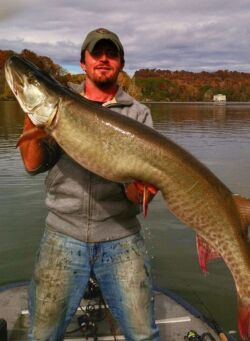
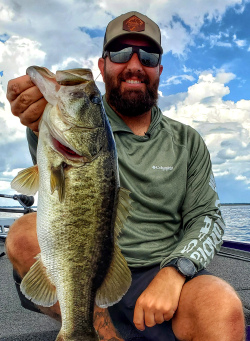
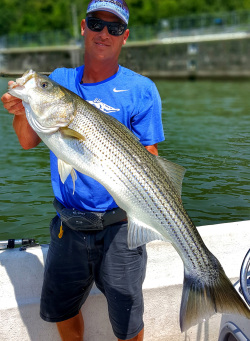
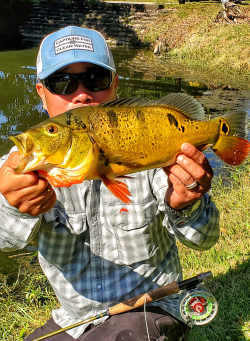
Freshwater fishing courses covering lures, trolling, and casting techniques. Expert anglers teach muskie tactics, bass strategies, and catfish methods for better results.
Comprehensive freshwater instruction for muskie, catfish, panfish, and trout. Learn lure selection, rod setup, and seasonal patterns from professional instructors.
Freshwater Fishing Video Courses: Muskie, Bass, Catfish, Trout & More
Freshwater fishing spans vast environments and technical challenges. From trophy muskies to bass in cover, smallmouth on current, catfish on ledges, and trout in cold water, the opportunities are diverse. The In The Spread freshwater page delivers high-level fishing education through instructor-driven video courses from top anglers.
These courses deconstruct how successful anglers locate fish, break down habitat, respond to seasonal change, and choose presentations that produce strikes. Every video focuses on actionable technique, pattern recognition, lure logic, and the thinking that separates elite anglers from everyone else.
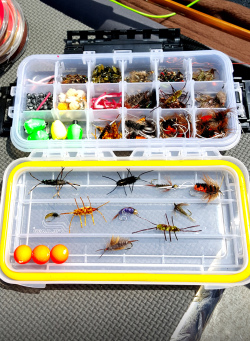
Master muskie trolling and figure-8 mechanics, refine bass presentations, target giant catfish, tie effective flies, or explore multi-species strategies. Our instructors share decades of hard-earned knowledge in a format designed for rapid, practical learning.
Scroll into the categories below and start building a more advanced, adaptable freshwater approach.
What You’ll Learn (High-Level Curriculum Overview)
Our freshwater video instruction covers:
- Seasonal patterns: prespawn, spawn, postspawn, summer, fall transitions, winter consolidations
- Lure selection, retrieve styles & presentation mechanics
- Structure-reading: weedlines, points, ledges, channels, laydowns, deep holes
- Current interpretation for rivers & tailwaters
- Casting, pitching, flipping, trolling & fly presentations
- Finesse vs. power fishing logic
- Muskie trolling, figure-8 mechanics & lure actions
- Catfish depth strategies, current seams & bait selection
- Trout behavior, fly choice, drift control & hatch awareness
- Panfish patterning for high-volume action
- Electronics fundamentals for lakes & rivers
- Boat/kayak positioning & stealth management
Level up your freshwater game. Browse our complete freshwater course library by species or
technique. Every video delivers actionable instruction from anglers who've mastered their craft.
Freshwater Species & Techniques Library
Freshwater Gamefish & Lures
Dial in your freshwater systems, species, and presentations.
Technique & Strategy Deep Dives
Species-Specific Tactics
Detailed instruction covering muskie lure actions, bass structure logic, catfish holding zones, trout feeding behavior, and panfish seasonal migrations.
Seasonal Pattern Development
Learn how temperature, water levels, forage availability, and photoperiod shape fish behavior throughout the year—and how to respond tactically.
Lures, Baits, Presentations & Fly Patterns
From big-blade bucktails to subtle finesse plastics, topwater walking baits to hand-tied trout flies, understand how each presentation works, when to use it, and how to maximize bite potential.
Habitat, Structure & Water Analysis
Read currents, identify ambush points, interpret bottom composition, understand vegetation influence, and learn to position boats or kayaks for high-percentage casts.
Frequently Asked Questions About Freshwater Fishing
-
What freshwater species are easiest for beginners to catch?
▾
Panfish including bluegill, crappie, and perch provide excellent learning opportunities for new
freshwater anglers. These species inhabit lakes, ponds, and slow-moving rivers across North America,
bite readily on simple presentations, and don't require specialized equipment or advanced techniques.
Largemouth bass also offer beginner-friendly fishing with aggressive strikes, abundant populations in
most regions, and tolerance for presentation mistakes that would spook more selective species.
-
How do I find fish in a lake or river I've never fished?
▾
Start by identifying structure and depth changes where predatory fish ambush prey. Look for points,
creek channels, weed edges, timber, rock piles, and transitions between shallow and deep water.
In lakes, fish the first significant depth break outside spawning areas during spring, then follow fish
to deeper structure and suspended patterns in summer. In rivers, target current breaks, pools below
riffles, undercut banks, and log jams where fish hold out of heavy flow.
Electronics help identify bottom composition and locate fish, but visual observation of baitfish
activity, feeding birds, and surface disturbances also reveals productive areas.
-
What equipment do I need to start freshwater fishing?
▾
Essential freshwater gear includes a medium-power spinning or baitcasting rod matched to a reel with
smooth drag, monofilament or braided line in 10–15 pound test for general use, basic terminal tackle
including hooks, sinkers, and swivels, and a small selection of proven lures like crankbaits, soft
plastic worms, spinnerbaits, and topwater plugs.
Add polarized sunglasses for seeing into the water, needle-nose pliers for hook removal, and a landing
net for handling fish safely. Start with versatile combinations suitable for bass and panfish, then add
specialized gear as you target specific species like muskie or trout.
-
When is the best time to fish freshwater?
▾
Freshwater fishing success depends on seasonal patterns, daily weather conditions, and time of day
rather than one "best" time. Spring offers excellent fishing as water temperatures rise and fish move
shallow to spawn.
Summer often requires fishing early morning, late evening, or at night when water temperatures peak.
Fall triggers aggressive feeding as fish prepare for winter.
Dawn and dusk consistently produce increased feeding activity across species and seasons, and overcast
days often improve fishing compared to bright, high-pressure conditions. Our courses cover seasonal
timing specific to each species and technique.
-
Do I need a boat for freshwater fishing?
▾
Productive freshwater fishing exists from shore, docks, piers, and wading access without boat
investment. Many lakes and rivers provide bank access to fish-holding structure, and wade fishing
opens up miles of stream and river habitat.
Small boats, kayaks, and float tubes increase your range and access to isolated structure but aren't
required for catching fish. Shore-based anglers successfully target all major freshwater species by
identifying accessible areas where fish feed or hold.
Start fishing from available access while building skills, then evaluate whether boat fishing aligns
with your goals and budget.
-
How do weather and barometric pressure affect freshwater fishing?
▾
Freshwater fish respond dramatically to weather changes and barometric pressure shifts. Stable high
pressure typically slows feeding activity and pushes fish deeper or tighter to cover.
Falling barometric pressure before weather fronts often triggers aggressive feeding as fish sense
approaching conditions, while rapidly rising pressure after fronts pass usually creates tough fishing
for 24–48 hours.
Cloud cover, wind, and precipitation affect light penetration and fish positioning. Our courses teach
how successful anglers adjust presentations, locations, and techniques based on weather patterns rather
than fishing blindly through poor conditions.
-
What's the difference between power fishing and finesse fishing?
▾
Power fishing uses aggressive presentations with moving baits like crankbaits, spinnerbaits,
chatterbaits, and topwater plugs to cover water quickly and trigger reaction strikes from active fish.
This approach works well when fish are feeding aggressively, water has color or current, and you're
searching for biters.
Finesse fishing employs slower, more subtle presentations with soft plastics, drop shots, small jigs,
and natural baits to catch pressured, inactive, or selective fish.
Finesse techniques excel in clear water, high-pressure conditions, and when targeting fish that won't
commit to fast-moving lures. Our bass courses teach when to deploy each approach based on conditions.
-
Can I use the same techniques in different regions and water types?
▾
Core freshwater fishing principles transfer across regions and water types, though you'll need to adjust
specifics based on local conditions. Bass behavior patterns, muskie hunting strategies, catfish location
principles, and trout feeding mechanics remain consistent whether you're fishing northern reservoirs,
southern rivers, or western mountain streams.
However, regional differences in forage, water clarity, structure types, and seasonal timing require
tactical adjustments.
Our instructors from different regions demonstrate how fundamental techniques adapt to specific
environments, helping you apply knowledge successfully regardless of where you fish.
Fish smarter with expert freshwater instruction.
In The Spread provides the most comprehensive freshwater fishing education available online. Start
your free trial and get instant access to our complete course library.
BROWSE FRESHWATER COURSES BY SPECIES & TECHNIQUE