
- Saltwater Fishing Lures (22)
- Wahoo Fishing Videos (20)
- Blue Marlin Fishing (19)
- Yellowfin Tuna Fishing (17)
- Dolphin Fishing Videos (16)
- Marlin Lures Videos (15)
- Planer Fishing Videos (13)
- Snook Fishing Videos (12)
- Boat Positioning Videos (12)
- Redfish Fishing Videos (11)
- Reef & Wreck Fishing (10)
- Bait Rigging Videos (9)
- Big Game Legends (9)
- Seatrout Fishing Videos (8)
- Fishing Tackle Videos (8)
- Bottom Fishing Videos (8)
- Satellite Fishing Maps (7)
- Mangrove Snapper Fishing (6)
- Swordfish Fishing Videos (5)
- Grouper Fishing Videos (4)
- Bluefin Tuna Fishing (4)
- Black Drum Fishing (3)
- Tarpon Fishing Videos (3)
- Ballyhoo Bait Rigging (3)
- Jigging Techniques (3)
- Saltwater Culinary Creations (3)
- Roosterfish Fishing Videos (3)
- Cobia Fishing Videos (2)
- Sailfish Fishing Videos (2)
- Sheepshead Fishing Videos (2)
- Dredge Fishing Videos (2)
- Tilefish Fishing Videos (2)
- Giant Trevally Fishing (2)
- Saltwater Flies (1)
- Kayak Fishing Videos (1)
- Permit Fishing Videos (1)
- Fighting Chair Techniques (1)
- Tripletail Fishing Videos (1)
- Red Snapper Fishing (1)
- Mutton Snapper Fishing (1)
Start fishing better with FREE Weekly Video Tips delivered straight to your email.
Bottom Fishing Videos: Structure, Drift, and Depth
Browse Video LibraryThese bottom fishing videos put you on the boat with working captains and expert anglers fishing structure from rock piles in 50 feet of water down to the soft mud where golden tilefish burrow 600 feet and deeper, in water from South Florida and the Gulf of Mexico to Costa Rica and Hawaii. Grouper, snapper, amberjack and tilefish hold tight to ledges, wrecks, hard bottom and mud because that structure feeds and hides them.
Every course here comes back to the same three decisions: finding the right piece of bottom, holding the boat over it, and keeping a bait where the fish will actually eat it. Everything else is detail.
These bottom fishing videos put you on the boat with working captains and expert anglers fishing structure from rock piles in 50 feet of water down to the soft mud where golden tilefish burrow 600 feet and deeper, in water from South Florida and the Gulf of Mexico to Costa Rica and Hawaii. Grouper, snapper, amberjack and tilefish hold tight to ledges, wrecks, hard bottom and mud because that structure feeds and hides them, so every course here comes back to the same three decisions: finding the right piece of bottom, holding the boat over it, and keeping a bait where the fish will actually eat it. Everything else is detail.
The written case for those decisions is in bottom fishing reefs, wrecks and hard bottom. The courses below show them made on the water.
Featured Instructors
-
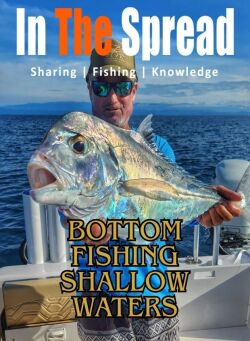
Bottom Fishing Shallow Waters
28:46 · Mike HennessyHard bottom and rock piles at the mouth of Golfo Dulce, along Costa Rica's Osa Peninsula, hold cubera and other Pacific snappers and African pompano in about 50 feet of water. Captain Mike Hennessy fishes live goggle eyes, threadfin herring and blue runners over the rock, and the African pompano that came up shows what this shallow Pacific bottom holds when a live bait gets down into it.
WATCH NOW -
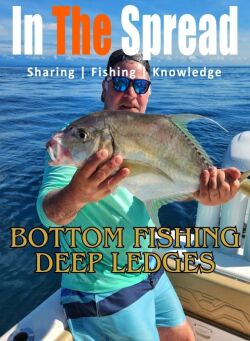
Bottom Fishing Deep Water Ledges
34:34 · Mike HennessyDeep water ledges off Costa Rica's Pacific coast hold Pacific sierra, African pompano and amberjack where current brings bait to the structure. Captain Mike Hennessy shows why setting up within ten feet up-current of the mark decides whether a bait ever reaches the fish, when power drifting holds position because the anchor will not, and how braid lets you feel the bite at depth.
WATCH NOW -
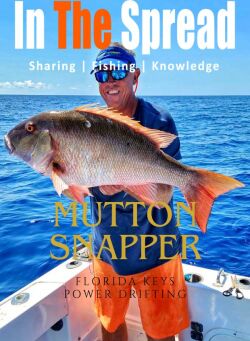
Mutton Snapper Bottom Fishing with Ryan Van Fleet
1:19:40 · Ryan Van FleetPower drifting for mutton snapper in Florida Keys maintains boat positioning over productive bottom while presentations work through strike zones systematically. Ryan Van Fleet's expertise reveals when long versus short leaders create natural bait presentations, bait variety importance as feeding preferences shift with tides, and recognizing subtle bites requiring differentiation between current movement and actual strikes.
WATCH NOW -
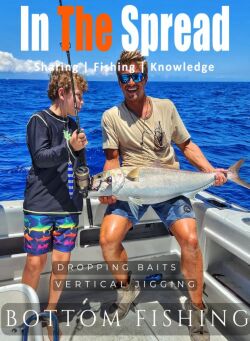
Bottom Fishing with Baits and Vertical Jigs
29:57 · Shawn RotellaDeep structure off Kona at 75 to 80 fathoms, roughly 450 to 480 feet, holds amberjack (kahala) around ledges, wrecks and rock piles, and finding them is a drift problem before it is a bait problem. Captain Shawn Rotella sets up systematic drifts over that structure, drops baits and vertical jigs at the same time, and reads where in the water column the bites come so every drop that follows goes to the depth where the fish are feeding.
WATCH NOW10.0/10 -
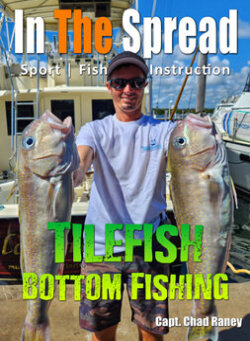
Bottom Fishing Techniques for Golden Tilefish
41:02 · Chad RaneyGolden tilefish create burrows in soft clay bottom hundreds of feet deep where they live in colonies, creating advantages for anglers because fewer snags occur and multiple fish concentrate in areas. However, contending with current while maintaining bottom contact and keeping bait on hooks demands specific techniques Captain Chad Raney developed for drift management and presentation in low current environments.
WATCH NOW -
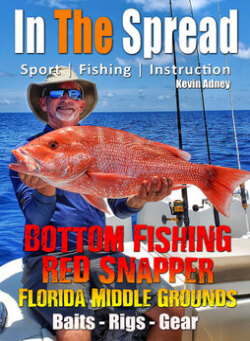
Bottom Fishing Red Snapper with Kevin Adney
22:20 · Kevin AdneyRed snapper concentrate around Gulf Coast structure rather than dispersing across open bottom, making hard bottom location the foundation for success. Kevin Adney's approach develops the game of feel needed to detect subtle bites and position baits where fish feed, using rig construction and hook sizing that handles structure-heavy environments while understanding regulations and preservation techniques for quality catch.
WATCH NOW6.0/10 -
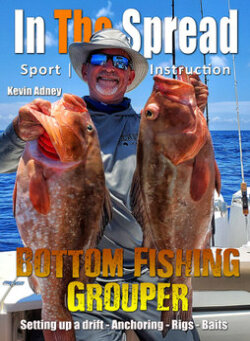
Bottom Fishing Grouper with Kevin Adney
1:14:21 · Kevin AdneyGrouper bottom fishing productivity depends on targeting natural reefs and wrecks where fish concentrate rather than random bottom. Kevin Adney's drift management approach keeps baits working productive structure zones systematically, but success requires understanding how current affects drift speed and positioning presentations where grouper ambush prey rather than sweeping past strike zones or hanging in barren areas between structure features.
WATCH NOW -
Bottom Fishing for Golden Tilefish in South Florida
24:46 · Mike DumasDepth sounders reveal whether bottom at 600 to 800 feet contains the soft mud golden tilefish require for burrows or harder substrates holding no fish. Learn identifying proper bottom composition, what Gulf Stream current does to bait presentation at extreme depth, and how rigging must account for detecting subtle bites occurring hundreds of feet below the boat.
WATCH NOW
Go Deeper on Bottom Fishing
Bottom Fishing Questions
What is bottom fishing?
Bottom fishing presents baits near the sea floor to structure-oriented species like grouper, snapper, and tilefish that hold tight to reefs, wrecks, ledges, and hard bottom. Because those fish stay close to home, success comes from locating the right structure, controlling your drift over it, and keeping a bait in the strike zone rather than dropping randomly.
How do you find bottom structure?
Read your sounder for the right bottom composition: hard relief like ledges and wrecks for snapper and grouper, or the correct soft-clay substrate at depth for tilefish. Drift while the sounder builds the picture, GPS-mark every bite and arch, and over several passes you develop a precise map of where the fish hold.
How do you control your drift?
Drift control is boat handling. Read how wind and current combine, then use the motor or a drift sock to slow and angle the boat so baits stay over productive bottom instead of sweeping past. On a long ledge or scattered relief, drift to cover water; once you find the fish, tighten the drift or anchor and hold position.
What rig do you use for bottom fishing?
Rigs match the depth and structure. Shallow reefs take a simple knocker or fish-finder rig with a leader sized to the fish and the bottom, while deep tilefish demand multi-hook production rigs, one-to-three-pound sinkers, and electric reels to fish 600 feet or more. Leader length and hook size adjust to the bite and the snags.
What is the best bait for bottom fishing?
Fresh cut bait, whole baitfish, squid, and live bait all produce, and the choice shifts with the species and the day. Grouper and snapper eat cut bonito, sardines, and pinfish; tilefish take cut squid and fish strips at depth. Bait freshness and presentation matter more than exotic choices, and feeding preferences change with the tide.
How deep can you bottom fish?
It ranges from about 50 feet over shallow reefs to 600 to 900 feet or more for golden tilefish. Shallow work uses conventional or spinning tackle and lighter weights, while deep dropping requires electric reels, heavy sinkers, and rigs built to hold bottom and detect subtle bites hundreds of feet down. The fundamentals of structure and current stay the same.
What are the regulations for snapper and grouper?
Red snapper, gag grouper, and many other bottom species are tightly managed with seasons, size limits, and bag limits that differ by region and change often, and some require descending devices for release. Always confirm current seasons and limits with NOAA Fisheries or your state wildlife agency before keeping any bottom fish.