
Redfish, spotted seatrout, snook, tarpon, flounder, and cobia occupy some of the most varied coastal habitat in North America. The Gulf of Mexico inshore fishery runs from the Florida Panhandle to the Texas Laguna Madre, and each section fishes differently. Knowing which region matches your target species changes everything.
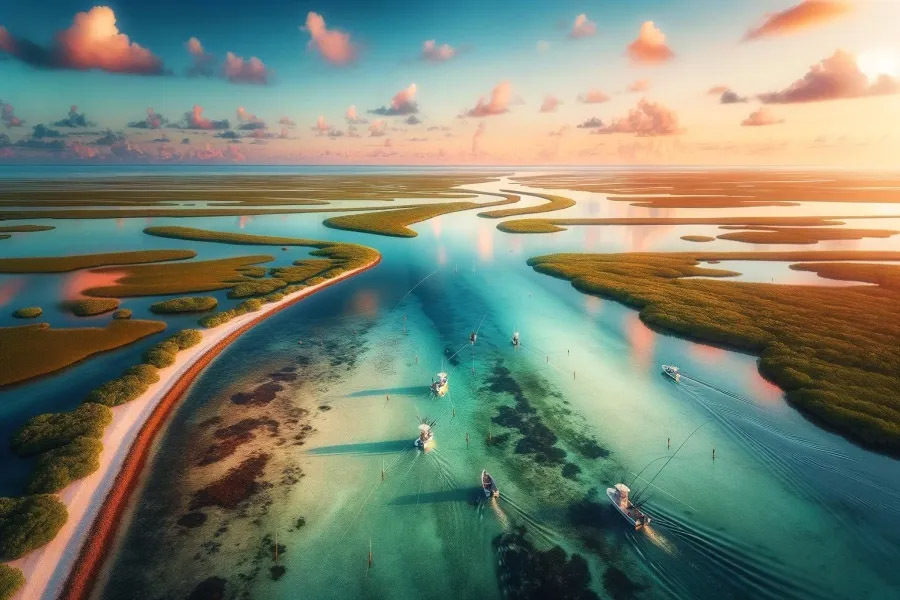
Fishing Gulf of Mexico Inshore Waters
The Gulf of Mexico holds one of the most productive and accessible inshore fisheries anywhere in the world. You do not have to venture offshore, fight big weather, or own an expensive boat to experience world-class sport fishing here. From the spring-fed rivers of Florida's Nature Coast to the nutrient-loaded marshes of Louisiana and the sweeping lagoon systems of the Texas coast, the inshore waters of the Gulf deliver consistent action for anglers at every skill level.
What Is Inshore Fishing in the Gulf of Mexico?
Inshore fishing refers to fishing in protected bays, estuaries, tidal rivers, and nearshore flats in relatively shallow water. These habitats are where the Gulf's most sought-after sport fish spend the majority of their lives feeding, sheltering, and spawning.
Top Gulf of Mexico Inshore Fishing Destinations
What Makes Boca Grande, Florida the Tarpon Capital of the World?
No single location on the Gulf Coast is more closely linked to one fish than Boca Grande is to tarpon. Schools begin showing up in the pass as early as April in warm years, with numbers building through May and June and peak action running through July, with some fish lingering into August. At the height of the run, concentrations in Boca Grande Pass can be extraordinary, with hundreds of fish stacking to feed on blue crabs moving with the current.
Charlotte Harbor, one of Florida's largest estuaries at over 270 square miles, functions as a nursery, feeding ground, and seasonal staging area. The spring tarpon migration is the main event, but the surrounding backcountry fishes well year-round for anglers willing to explore it. Redfish work the mangrove shorelines and grass flats throughout the cooler months. Snook hold in tidal creeks and around dock lights. Spotted seatrout are consistent over the shallow seagrass meadows, and sheepshead and black drum are reliable around any hard structure.
Why Is Homosassa One of the Best Year-Round Inshore Fisheries on the Gulf Coast?
Homosassa, on Florida's Nature Coast, represents inshore fishing the way it was before most of the Gulf's coastline was heavily developed. The habitat here is intact, the water is clean, and the fish are large. Those three things together are increasingly rare.
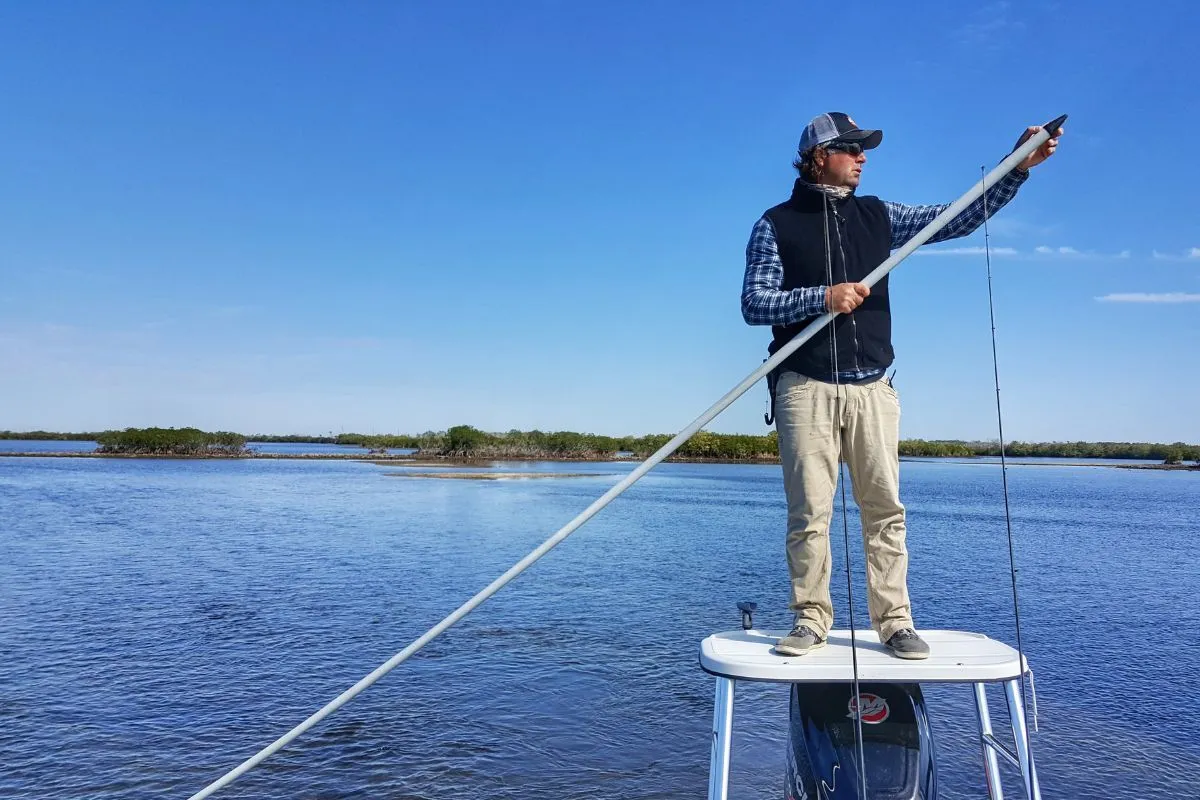
Captain William Toney, an In The Spread instructor who has guided these waters for decades, describes the Homosassa fishery as one of the most consistent on the Gulf Coast because of the spring influence. The Homosassa River is fed by high-volume freshwater springs that maintain exceptional clarity and temperature stability year-round. That stability concentrates fish and extends productive seasons well beyond what neighboring regions offer. Captain Toney's instructional courses on redfish tactics draw directly from what he has learned fishing this water.
- Redfish in the 5–15 lb range, with bulls over 20 lb and sometimes over 30 lb available, especially in fall
- Spotted seatrout, including gator trout well over 25 inches, hold in the grass and along structure edges
- Gag grouper move up onto the shallow nearshore grass during cooler months
- Cobia migrate through in spring, often located around crab trap floats and channel markers
- Tarpon arrive in late spring and use the river mouth and nearshore spring systems
What Inshore Fishing Does Destin, Florida Offer?
Destin sits at the eastern end of the Florida Panhandle, where the Choctawhatchee Bay system connects to the Gulf through East Pass. The water clarity here is notably better than much of the Gulf Coast, and that clarity supports extensive seagrass and a fishery that produces throughout the year.
What Makes Gulf Shores, Alabama a Productive Inshore Fishing Location?
Gulf Shores is positioned where Mobile Bay, the Bon Secour River system, and the Gulf of Mexico come together. The Mobile-Tensaw Delta, one of the most biologically diverse river deltas in North America, feeds the upper end of this system and delivers nutrients that support a productive inshore fishery all the way to the coast.
Speckled trout are the primary target here, with quality fish available on the grass flats from spring through fall. Redfish are common throughout the bay system, and bull reds push into the passes and along the beaches during fall. The Mobile Bay jetties and nearby nearshore structure are reliable producers for sheepshead, black drum, and, when in season, red snapper.
Is the Biloxi, Mississippi Fishery Worth the Attention?
The Biloxi Marsh is one of the most underrated inshore destinations on the Gulf Coast. Located between the Mississippi Sound and the open Gulf, this sprawling estuary functions as a nursery and year-round feeding ground. Anglers who invest time in learning the tidal cuts and channels that run through it are rewarded with fish that see far less pressure than those in better-known fisheries.
Why Do Gulf Coast Anglers Consider Venice, Louisiana the Best Inshore Redfish Fishery in the World?
Venice sits at the mouth of the Mississippi River, where one of the most powerful river systems on earth meets the Gulf of Mexico. The nutrients the river delivers create an estuary of exceptional fertility, and that fertility translates directly into fish size, abundance, and diversity.
Redfish in Venice commonly reach the 20 to 30-pound class, with legitimate shots at fish over 40 pounds. Schools of bull reds are common in the open marsh, and the combination of shallow flats, cut banks, tidal creeks, and river-fed bayous creates an enormous amount of fishable habitat. Sight fishing to large reds on the marsh flats is a spring and summer specialty. Fall brings massive schools of bull redfish to the outer marsh edges and the open water around the river passes.
- Spotted seatrout grow large in Venice, with yellowmouth trout over five pounds common along channel edges
- Tarpon appear from late spring through summer in the passes and open marsh
- Black drum, flounder, and sheepshead are available throughout the system year-round
- Jack crevalle are abundant in the warmer months and provide fast, hard-hitting action on light tackle
For the combination of inshore trophy fishing, species diversity, and raw fish per acre, Venice is the benchmark against which other Gulf fisheries are measured.
What Inshore Fishing Can You Find Around Port Aransas, Texas?
Port Aransas is surrounded by Corpus Christi Bay, Aransas Bay, and the Laguna Madre, giving anglers access to some of the most extensive shallow-water inshore habitat on the entire Gulf Coast. The Laguna Madre, both upper and lower sections, is the only hypersaline lagoon of its size in North America. Seagrass coverage here is exceptional, and it supports one of the most consistent redfish and seatrout fisheries in the Gulf.
Spotted seatrout grow large in the Laguna Madre, fueled by the abundance of shrimp and baitfish that thrive in the grass. Wade fishing the sand and shell flats for tailing and cruising reds is the signature experience here. The clear, shallow water rewards anglers who can sight cast accurately and present a lure without spooking fish. The Port Aransas jetties produce year-round, with bull redfish, sheepshead, and black drum concentrating around the rocks. Tarpon appear in the passes during summer.
What Are the Top Inshore Species in the Gulf of Mexico?
Redfish
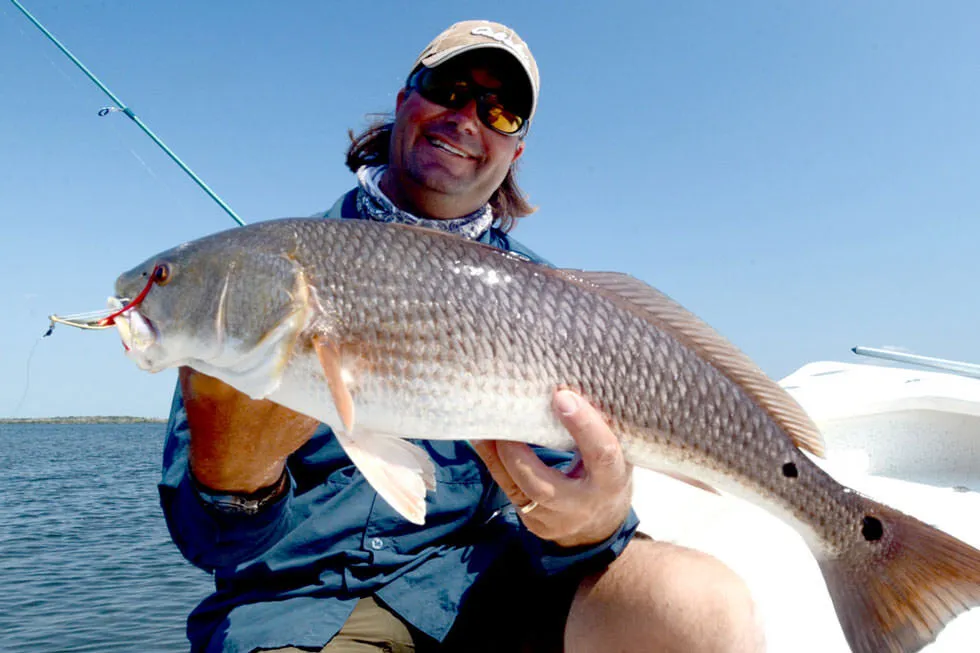
Redfish (red drum, Sciaenops ocellatus) are the defining species of Gulf Coast inshore fishing. Copper-colored with a characteristic black tail spot, they inhabit bays, flats, marshes, tidal creeks, and surf zones from Texas to Florida. Juvenile fish are estuary-dependent, using seagrass and mangroves for shelter. Bull reds in the 20 to 40-pound class roam the outer marsh and nearshore zones. Sight fishing to tailing or cruising reds in water under two feet deep is the most technically demanding and rewarding presentation the inshore game offers.
Spotted Seatrout
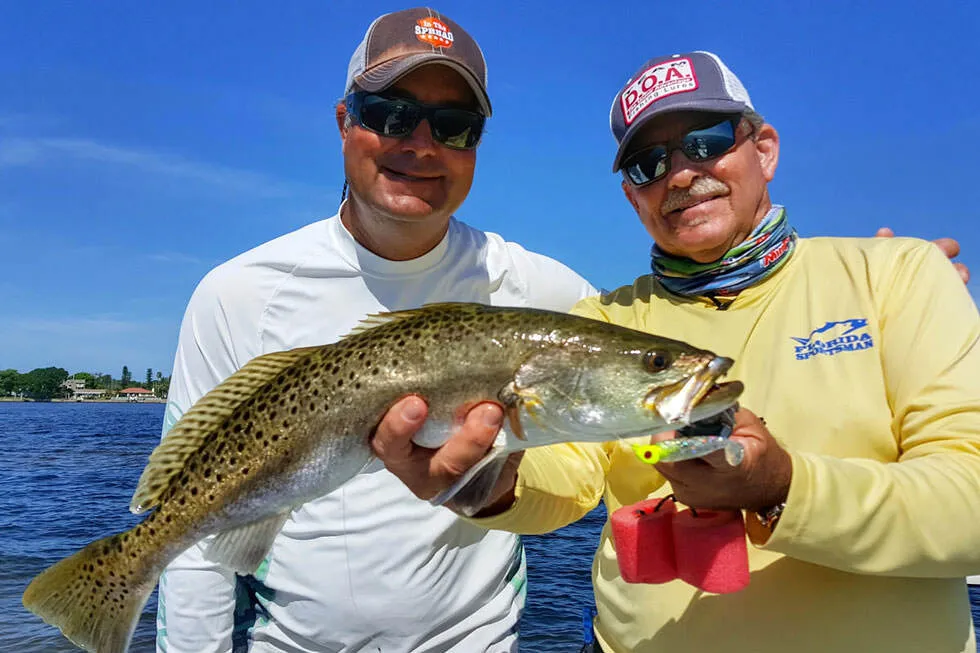
Spotted seatrout (Cynoscion nebulosus) are ambush predators built for shallow grass flats and tidal creeks. Dark spots on a silver body, a large mouth, and canine teeth designed for grabbing baitfish are their trademarks. They feed primarily on shrimp and small baitfish, making soft plastic jigs, suspending twitch baits, and live shrimp under a popping cork the most widely used presentations. Trophy gator trout over 25 inches are found across the Gulf, with the Nature Coast, Laguna Madre, and coastal Mississippi producing some of the largest fish consistently.
Snook
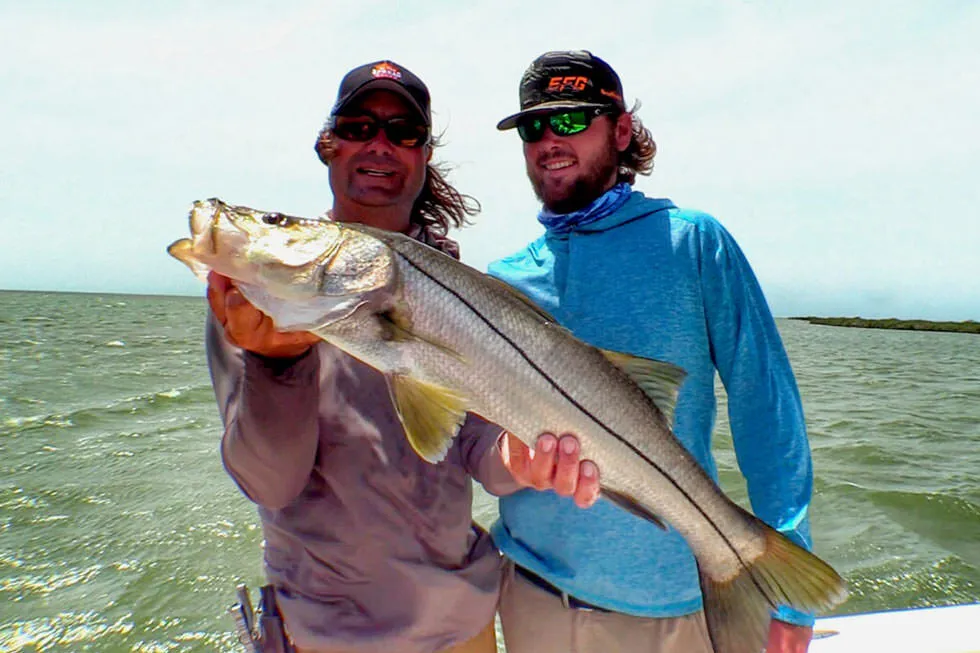
Snook (Centropomus undecimalis) are found primarily along Florida's Gulf Coast, with a smaller but growing population along parts of the Texas coast. Cold-sensitive and structure-oriented, they hold in mangrove edges, tidal creeks, passes, and around dock lights at night. Their combination of speed, leverage against structure, and aerial ability makes them one of the most technically demanding inshore fish to land consistently. They stack in tidal passes from May through July to spawn, which represents the peak opportunity for the largest fish.
Flounder
Flounder (Gulf flounder, Paralichthys albigutta) are bottom ambush specialists. They lie flat, blend into sand or mud substrate, and strike upward at anything that passes within range. Structure-oriented by nature, they concentrate around rocks, shell patches, channel edges, and hard bottom transitions. Bottom-oriented presentations such as jigs tipped with soft plastics or live mud minnows are the most consistent approach. Fall is the prime season, as flounder stage around passes and jetties before their offshore migration.
Tarpon
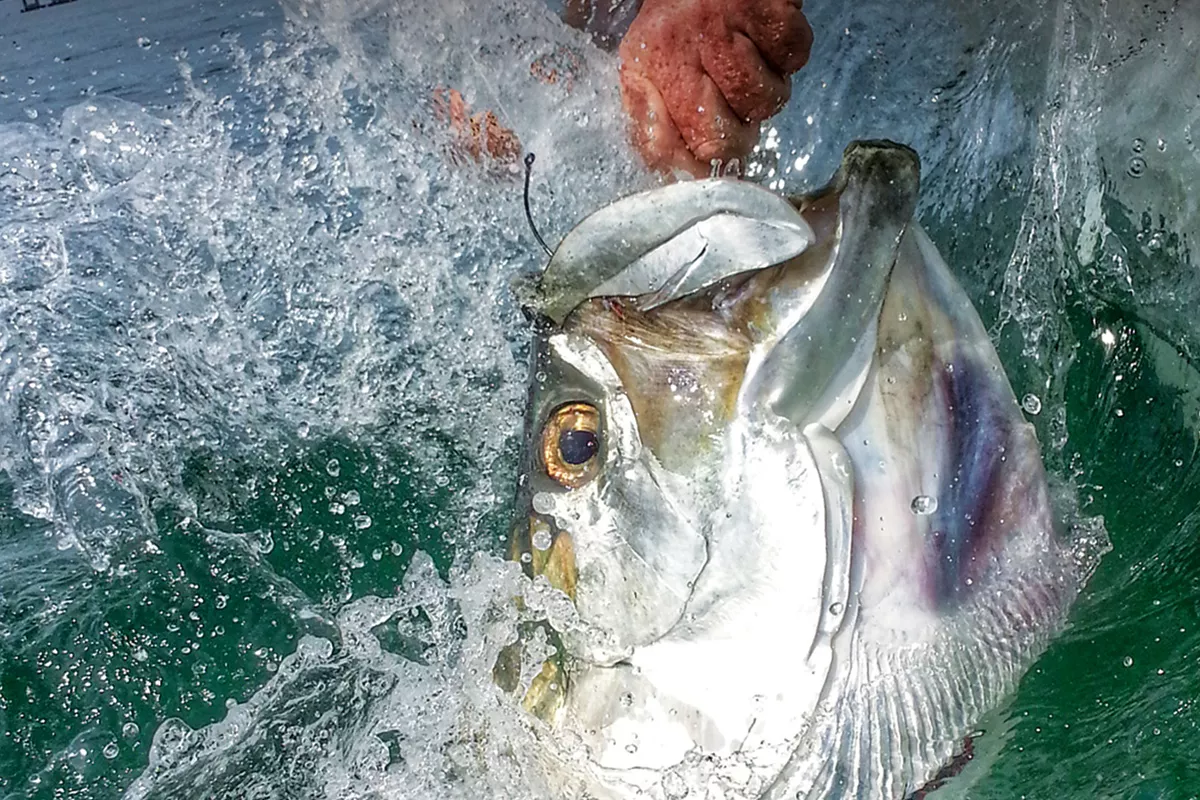
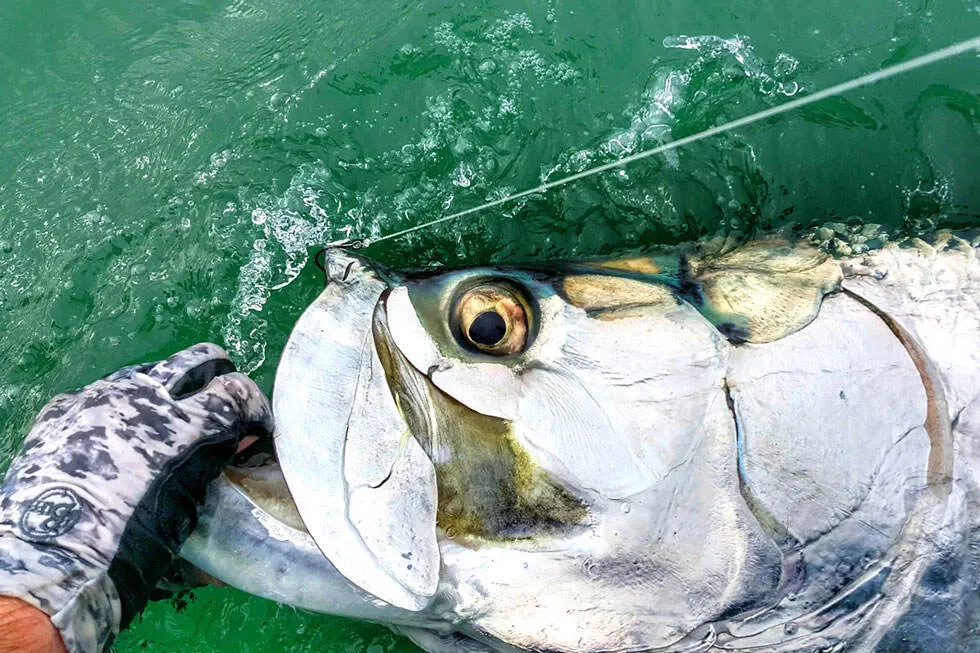
Tarpon (Megalops atlanticus) are the silver kings of Gulf inshore fishing. They can exceed 200 pounds and are among the most athletic fish an angler can encounter on light tackle. Tarpon migrate inshore from late spring through summer to feed and spawn, appearing throughout the Gulf Coast from April through October. Boca Grande Pass, the Charlotte Harbor estuary, and the passes and river mouths of Louisiana and Texas hold the largest concentrations.
Cobia
Cobia (Rachycentron canadum) arrive on the Gulf Coast each spring, following warming water northward from Florida through the Panhandle and into Alabama, Mississippi, and Louisiana. They regularly exceed 50 pounds and are aggressive, hard-charging fish. Cobia are frequently found near buoys, channel markers, crab trap floats, and nearshore wrecks. Sight casting to individual fish on the surface is one of the most exciting presentations the Gulf's inshore game offers. In The Spread's cobia fishing videos cover how to approach, present to, and land these powerful fish.
Inshore Fishing Courses
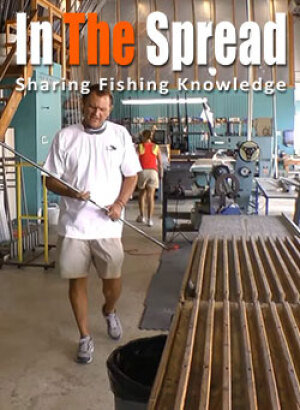
Custom rod building creates performance advantages through blank selection, spline orientation, and component configuration addressing specific applications. Allen Winchel, founder of Blackfin Rods, demonstrates the complete construction process, explaining why each decision from blank to final curing affects rod performance beyond what production manufacturing achieves.
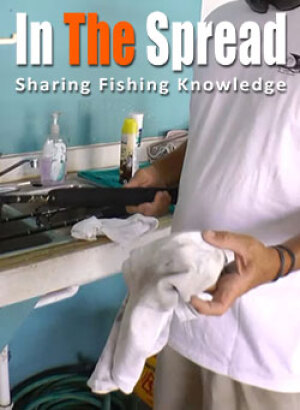
Tournament anglers maintain tackle meticulously because equipment failure costs placements and prize money. Allen Winchel's cleaning process takes minutes but prevents the guide corrosion, seized reel seats, and finish deterioration that force replacing expensive rods years before blanks actually fail from use.
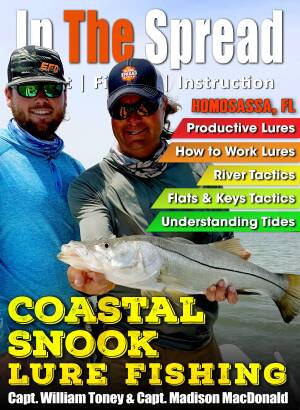
Captain William Toney reveals snook fishing strategies for Homosassa's coastal flats using artificial lures. This video covers tidal positioning, soft plastic techniques, boat drift setup, and identifying productive areas around mangroves, brackish flats, and outside keys where larger snook feed.
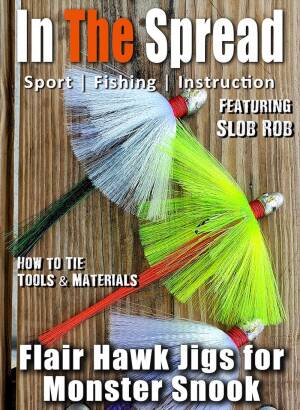
Commercial jig patterns rarely match the exact baitfish profile giant snook target during specific tidal phases or seasonal runs. Tying flair hawks from 8/0 hooks with precise material positioning creates swimming action and durability for structure-heavy fishing where big snook ambush prey in current and refuse store-bought patterns that don't replicate forage size or movement.

Captain Brian Sanders reveals effective cobia baits and lures for targeting fish around structure and wrecks. This video covers live bait rigging with pinfish, seatrout, and crabs, plus artificial techniques using soft plastics, bucktails, and topwater plugs for sight casting and stalking cobia.
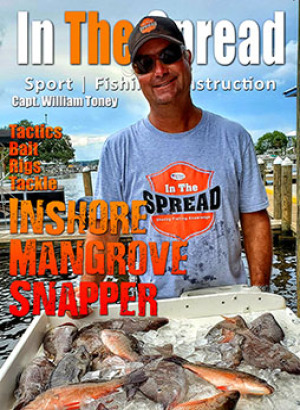
Rough seas or limited time make inshore mangrove snapper fishing productive alternatives to offshore trips. These bottom dwellers school higher during feeding periods, demanding structure reading skills and depth adjustments throughout the day. Fourth-generation guide William Toney reveals Gulf Coast patterns where mangrove snapper concentrate around accessible inshore structure requiring proper live shrimp and jig head rigging.
What Gear Do You Need for Gulf of Mexico Inshore Fishing?
You do not need heavy offshore equipment for Gulf inshore fishing. The right setup prioritizes sensitivity and casting accuracy while retaining enough backbone to turn fish before they reach structure.
- Rod: 7 to 7'6" medium-light to medium action spinning rod for most flats and bay fishing; step up to a medium-heavy for pass fishing and bull reds
- Reel: 2500 to 3500 size spinning reel, or a low-profile baitcaster spooled with 20 to 30-pound braid
- Leader: 20 to 30-pound fluorocarbon, 18 to 24 inches, for most conditions; heavier 40 to 50-pound leader when fishing tight to mangroves or in fast current for snook
- Core lures: Weedless soft plastics in natural shrimp and baitfish colors, gold spoons for redfish on the flats, topwater plugs in low-light conditions, and suspending jerkbaits for trout
Frequently Asked Questions About Gulf of Mexico Inshore Fishing
What is the best time of year to fish inshore in the Gulf of Mexico?
Spring and fall are the most productive seasons across the Gulf as a whole. Spring activates baitfish, brings cobia and tarpon inshore, and produces excellent shallow-water redfish and trout action. Fall concentrates fish as water temperatures drop. Fisheries like Homosassa, Venice, and the Laguna Madre fish well year-round.
What are the most common inshore species in the Gulf of Mexico?
Redfish and spotted seatrout are the most widely distributed inshore species across the Gulf. Snook dominate Florida's Gulf Coast. Flounder, sheepshead, black drum, pompano, and jack crevalle are found throughout the region. Tarpon and cobia appear seasonally from spring through fall.
Do I need a boat to fish inshore in the Gulf?
No. Many of the best Gulf inshore fisheries offer productive wade fishing, surf fishing, and pier fishing. Locations like Port Aransas, Gulf Shores, and Destin have extensive public shore access. Wade fishing on the grass flats is a genuine technique used by experienced anglers, not a compromise for those without boats.
What is the best bait for inshore fishing in the Gulf?
Live shrimp is the single most versatile natural bait across the Gulf Coast. Cut mullet is highly effective for redfish and black drum. Soft plastic jigs, gold spoons, and topwater plugs are effective for redfish and seatrout on the flats. Live pinfish and mullet are top baits for snook and tarpon in passes and around structure.
Is inshore fishing in Louisiana better than in Florida?
Both are exceptional for different reasons. Louisiana, particularly Venice, produces larger redfish and some of the most fertile marsh fishing on the continent. Florida offers more species diversity, including snook and tarpon alongside redfish and seatrout. The right choice depends on which species and style of fishing matter most to you. Many serious Gulf Coast anglers fish both.
What fishing regulations apply to Gulf of Mexico inshore species?
Regulations vary by state and species and change periodically. Always verify current rules with your state fish and wildlife agency before heading out.
The Gulf of Mexico inshore fishery is one of the most enduring gifts of North American sport fishing. Whether you are wading a spring-fed flat in Homosassa, sight casting to bull reds in a Louisiana marsh, or watching a tarpon detonate on a pass bait at Boca Grande, these fisheries offer experiences that hold up long after the trip ends. Learn the ecosystems, respect the fish, and put real time into understanding these places. The Gulf Coast will reward that investment for as long as you fish it.
Seth Horne Founder and CEO
Login
to leave a review.
User Reviews

Benjamin
12.12.2023
3

Robert
12.12.2023
0
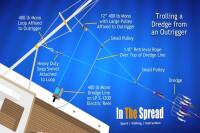
Setting Up a Dredge Pulley for Billfish
Saltwater
12.28.2020
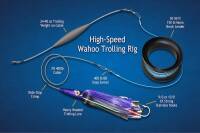
High Speed Wahoo Trolling Rig
Saltwater
09.08.2018
Fishing Light Tackle for Yellowfin Tuna
Saltwater
09.08.2018
0