
Big speckled trout think differently than school fish. They hold tight to specific structure, feed in narrow windows, and have survived long enough to recognize pressure. This breakdown covers structure, tides, seasonal patterns, tackle, and the approach adjustments that separate consistent gator trout anglers from everyone else fishing the same flat.
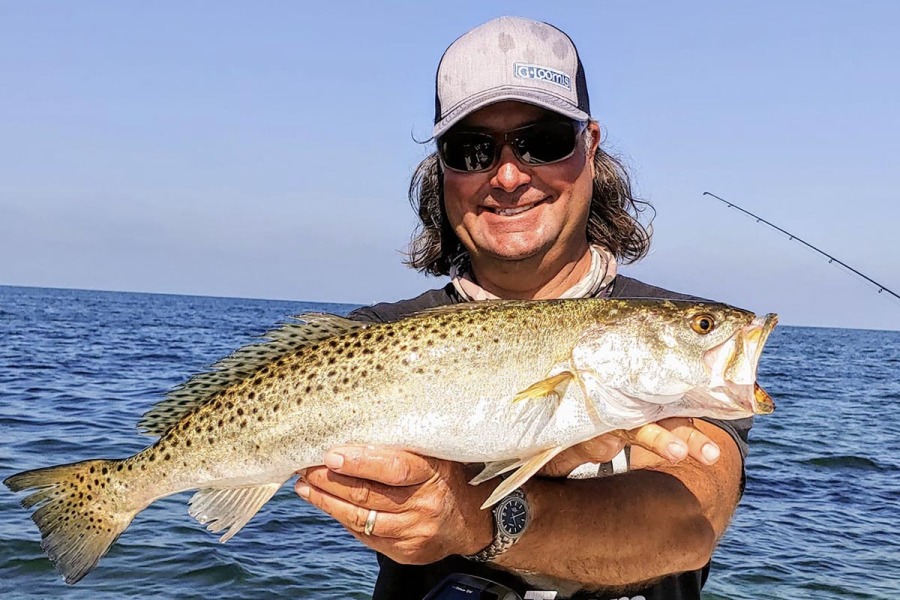
Catching Trophy Spotted Seatrout on Coastal Grass Flats
There is a version of inshore fishing that demands patience, fieldcraft, and genuine knowledge of how a predator thinks. Chasing trophy spotted seatrout is that version. These fish, known across the Gulf Coast as speckled trout and revered by veteran anglers as gator trout, are not caught by accident. They live long, grow cautious, and feed on their own terms. When you connect with one, a 30-inch-plus specimen sitting heavy in your hands before she swims back to her flat, you understand immediately why serious inshore anglers build entire seasons around them.
What Is a Gator Trout (Big Speckled Trout)?
A gator trout is simply a large spotted seatrout that has earned the nickname through years of survival and growth. The term is used loosely, but in Florida, most experienced anglers reserve it for fish exceeding 30 inches. In other regions, a trophy designation typically begins around 25 to 27 inches. Fish in the 5-pound range enter trophy conversation; anything over 8 pounds is exceptional. The IGFA all-tackle world record, caught at Fort Pierce, Florida, stands at 17 pounds, 7 ounces.
What separates gator trout from the rest of the school is biology as much as size. Almost all large seatrout are female. These fish have survived long enough to reach their full genetic potential, and their size carries real ecological value. Larger females produce exponentially more eggs than younger fish, making their protection critical to sustaining healthy populations. When you release a 28-inch speckled trout, you are not just being a good sport. You are protecting a reproductive engine.
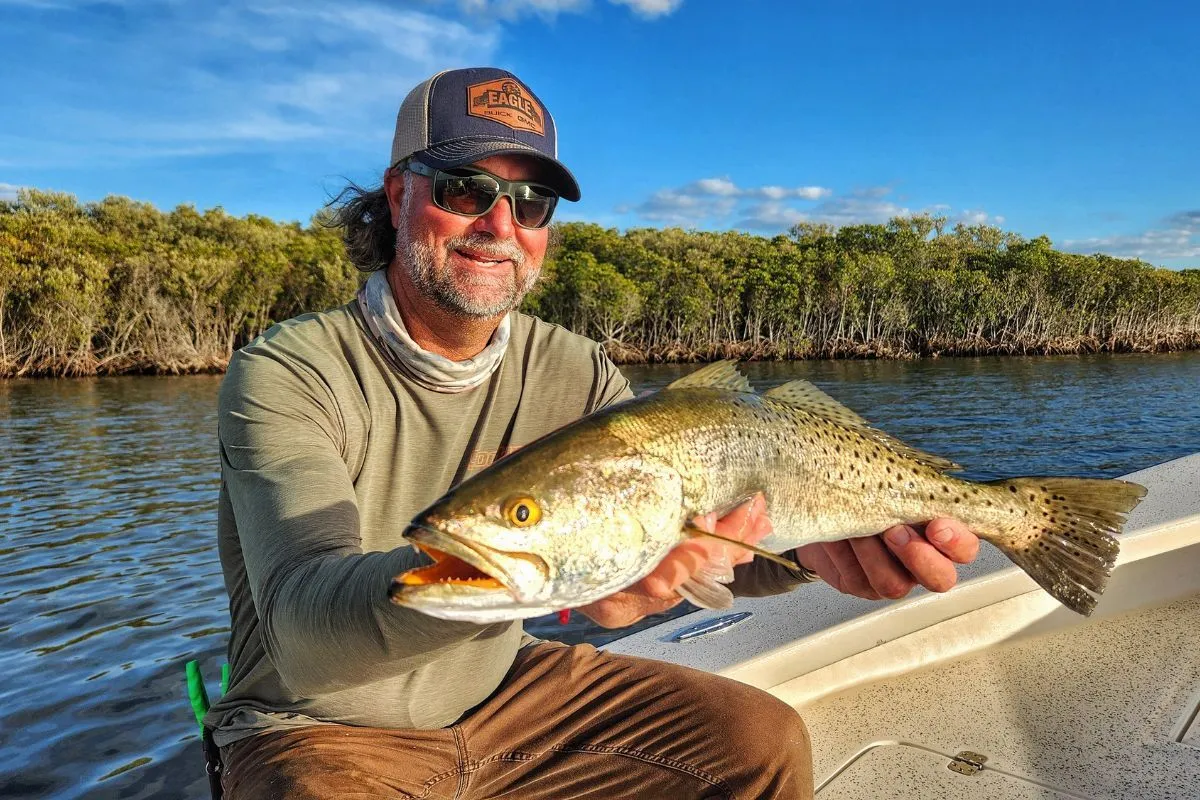
Where Do Trophy Seatrout Live?
Trophy spotted seatrout occur along the southern Atlantic and Gulf coasts, most commonly from Maryland and Virginia south through Florida and west to Texas, with fish becoming uncommon north of Delaware Bay. Not all waters within that range produce fish of the same caliber. Some ecosystems simply grow bigger fish, and understanding which ones, and why, is worth your time before you load the truck.
Why Is the Indian River Lagoon So Productive for Trophy Trout?
The Indian River Lagoon system on Florida's Atlantic coast is widely regarded as the top trophy seatrout fishery in the world. The system includes the Indian River proper, Mosquito Lagoon, and the Banana River, and together they form a network of seagrass beds, mangrove edges, and protected shallows that allows seatrout to reach exceptional size. Mosquito Lagoon, often called the Redfish Capital of the World, quietly produces some of the biggest seatrout anywhere in Florida, particularly in its remote, shallow sections accessible only by poling skiff. The Banana River's northern reaches add another layer of productive grass edges and mangrove structure.
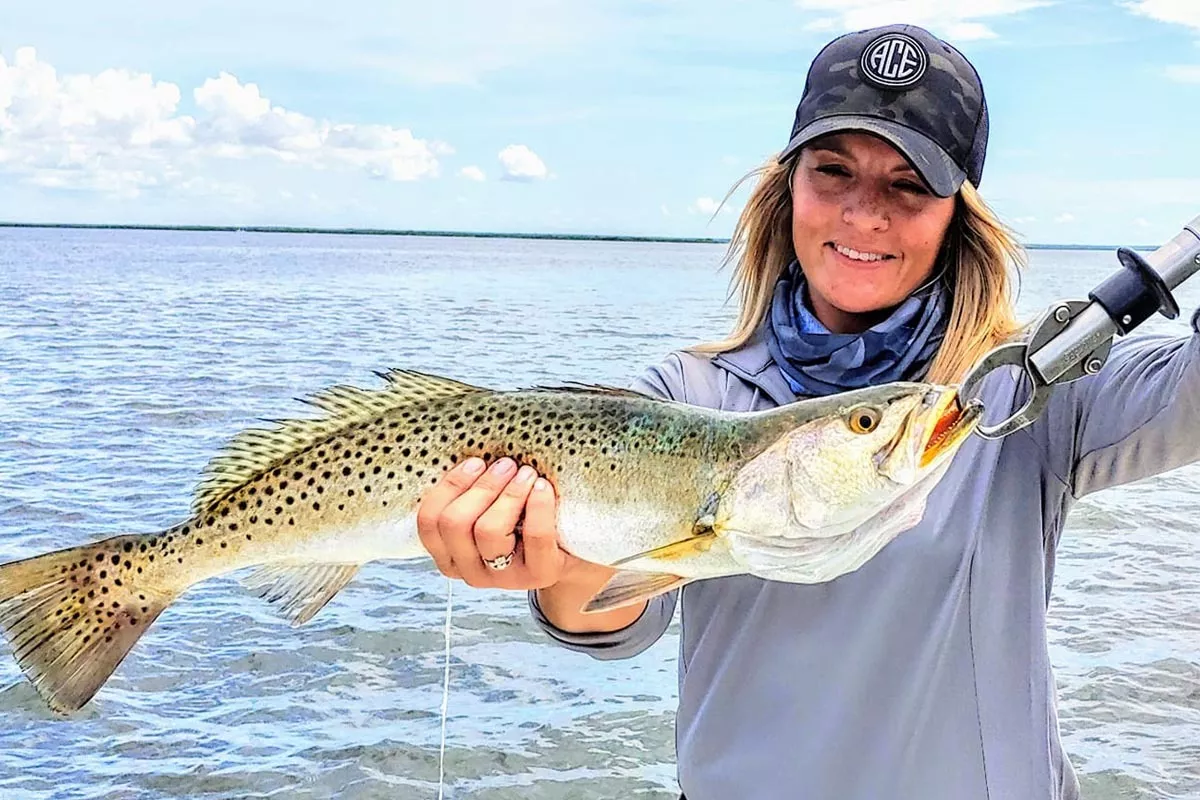
What Makes Florida's Gulf Coast a Trophy Trout Destination?
The Gulf Coast produces exceptional fish with far less fanfare than the Atlantic side. The St. Petersburg area, particularly around Pinellas Point and Fort De Soto, holds large trout on extensive grass flat systems fed by strong tidal movement. Fort Myers offers an intricate network of mangrove shorelines, grass flats, and connecting channels that support a healthy population of larger fish year-round. The Everglades system, remote enough to keep fishing pressure low, grows trophy fish in its countless shallow bays and backcountry flats.
Where Are the Best Trophy Seatrout Waters Outside Florida?
Florida holds the IGFA all-tackle record, but Texas consistently produces world-class fish, including multiple line-class records and oversized specimens from legendary fisheries. The Galveston Bay system's mix of fresh and saltwater supports strong trout populations, and the Laguna Madre, the hypersaline lagoon running along South Padre Island, is legendary for big fish in clear, shallow water. Baffin Bay, at the southern end of the Laguna Madre, rounds out what Texas anglers call the "big trout triangle," a stretch of water with a reputation for producing trophy specimens that rivals anywhere in the country.
Seatrout Video Courses
Captain William Toney reveals springtime speckled seatrout strategies focused on tidal flow patterns and moon phase influences. This video covers why spring transition concentrates big seatrout, reading water movement for fish positioning, lure selection for pre-spawn females, and rod and reel specifications for accurate casts.
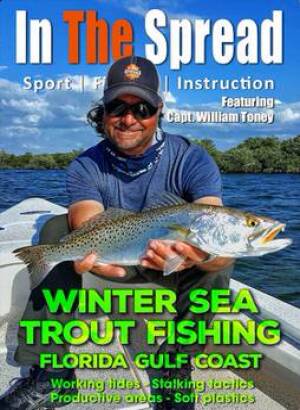
Shallow grass flats productive for seatrout through fall become barren when winter cold pushes fish into deeper channels and structure. Captain William Toney explains locating transition zones between deep refuge and feeding areas, why tidal movement timing becomes critical for brief feeding windows, and how lure presentations must slow for reduced winter metabolism.

Captain William Toney reveals summer seatrout techniques using popping cork rigs for grass flats. This video covers why popping corks outperform other summer methods, proper rigging for depth control, selecting productive spots on expansive flats, and drifting strategies that improve coverage and hookup rates.

Tampa Bay seatrout concentrate along specific depth contours and current breaks rather than spreading randomly across grass flats. Captains Ray Markham and William Toney explain how bottom topography and tidal water movement position fish predictably, what artificial lures match Tampa Bay conditions, and when light tackle techniques improve presentation accuracy in shallow water environments.

Captain William Toney shares his top 5 lures successful speckled seatrout fishing.
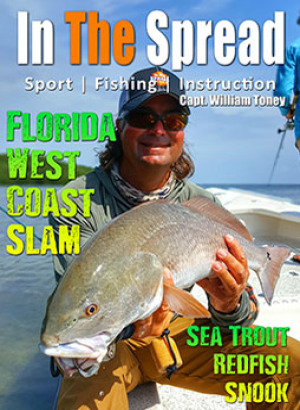
Inshore slam fishing challenges anglers to catch seatrout, redfish, and snook using a single artificial lure in one day rather than switching presentations per species. Captain William Toney demonstrates this with DOA MirrOlure jig combo, requiring understanding of how conditions, tides, and structure positioning affect all three species while maintaining versatility needed for snook selectivity that makes slam completion difficult.
When Is the Best Time to Catch Trophy Seatrout?
Trophy seatrout are catchable year-round, but two seasons stand above the rest: spring and fall. Water temperature governs almost everything these fish do, and the transitional periods between seasons create the conditions that produce the biggest fish consistently.
Why Is Spring the Best Season for Gator Trout?
March through May is prime time. As water temperatures climb from winter lows toward roughly 68 to 78°F, large female trout move into shallower water and feed aggressively. This is a pre-spawn feeding pattern driven by biological necessity. These fish are building energy reserves for spawning, and their increased aggression makes them more willing to commit to a presentation. Topwater plugs worked slowly across warming grass flats at first light will produce more trophy-class bites during this window than at almost any other time of year.
Why Does Fall Produce Trophy Seatrout?
October is the second peak for large speckled trout. Cooling water temperatures trigger a feeding response that mirrors the spring pattern in intensity but differs in character. The fall mullet migration is a major catalyst. As mullet schools move through estuaries and along coastal edges, trophy trout position themselves along migration routes, ambushing from points, creek mouths, and channel edges. Large soft plastics and topwater plugs sized to match local mullet are the go-to presentations during this period.
The instinct to feed heavily before winter arrives makes October fish less selective and more willing to strike, even during periods of the day when larger trout are typically cautious.
How Does Winter Affect Trophy Seatrout Fishing?
As water temperatures slide through the low 60s into the 50s, trophy trout behavior shifts significantly. Fish move to deeper holes, shell bottom, and dark-bottom areas that retain solar heat. Presentations must slow down considerably. A fish that would chase a topwater plug in October will require a slow-twitched suspending bait or a live shrimp fished beneath a cork to produce a strike in January. As temperatures fall toward the upper 40s, fish become highly selective and concentrate in the deepest available water. Extended exposure at or near those temperatures can be lethal to seatrout, and post-cold-kill regulations sometimes affect fishing seasons in affected areas. For a closer look at cold-water inshore tactics, Winter Redfish Fishing: Cold Water Tactics That Work covers the same environmental dynamics that govern seatrout in those conditions.
How Do Weather Fronts and Water Clarity Affect Trophy Trout?
This is something a lot of anglers overlook until it costs them a full day on the water. Cold fronts push fish off shallow flats and into adjacent deeper troughs, sometimes within hours of a front passing through. Pre-front conditions, with rising barometric pressure, warming air, and southerly winds, can trigger exceptional feeding activity. Post-front bluebird skies and north winds are the hardest conditions in this fishery. Fish the deeper edges and transitions until the water stabilizes.
How Water Temperature and Tides Control Seatrout Behavior
Spotted seatrout are ectothermic, meaning their metabolic rate is governed by surrounding water temperature. Understanding this is not academic. It directly tells you where fish will be, how active they are, and how fast your presentation should move.
What Water Temperature Do Seatrout Prefer?
The optimal feeding range for spotted seatrout is roughly 68 to 78°F. Within this window, fish are widely distributed, metabolically active, and likely to strike a range of presentations. Outside this range, behavior changes measurably:
- Below roughly 68°F: Feeding frequency drops, fish move to deeper or thermally protected water, and slower-moving baits outperform fast retrieves
- As temperatures slide into the low 50s: Fish become highly selective and concentrate near dark-bottom areas and deep holes that absorb solar heat
- Around or below the upper 40s: Fish are severely stressed; extended exposure at these temperatures can be lethal
- Above roughly 78°F: Activity shifts to early morning and late evening, fish seek cooler depth, and dissolved oxygen levels become a secondary factor in fish location
How Do Tides Affect Trophy Trout Location?
Tidal movement concentrates both bait and predators, and gator trout are exceptionally good at using current to their advantage. The first few hours of both incoming and outgoing tides are consistently the most productive periods, when water is moving enough to disorient prey without being too strong for trout to hold position comfortably.
- Incoming tide: Fish push toward shallow flats and flooding shorelines; work points and creek mouths as water rises
- Outgoing tide: Trophy trout stage near channel edges and dropoffs, feeding on bait swept off the flat; fishing seatrout on an outgoing tide is a skill worth building deliberately
- Slack tide: Fish rest in deeper holes and channels; fishing slows considerably
New and full moon phases amplify tidal movement, concentrate bait, and can extend feeding activity. Pay particular attention to current lines and bait concentration points during strong moon phases.
How to Find Trophy Seatrout on Grass Flats and Structure
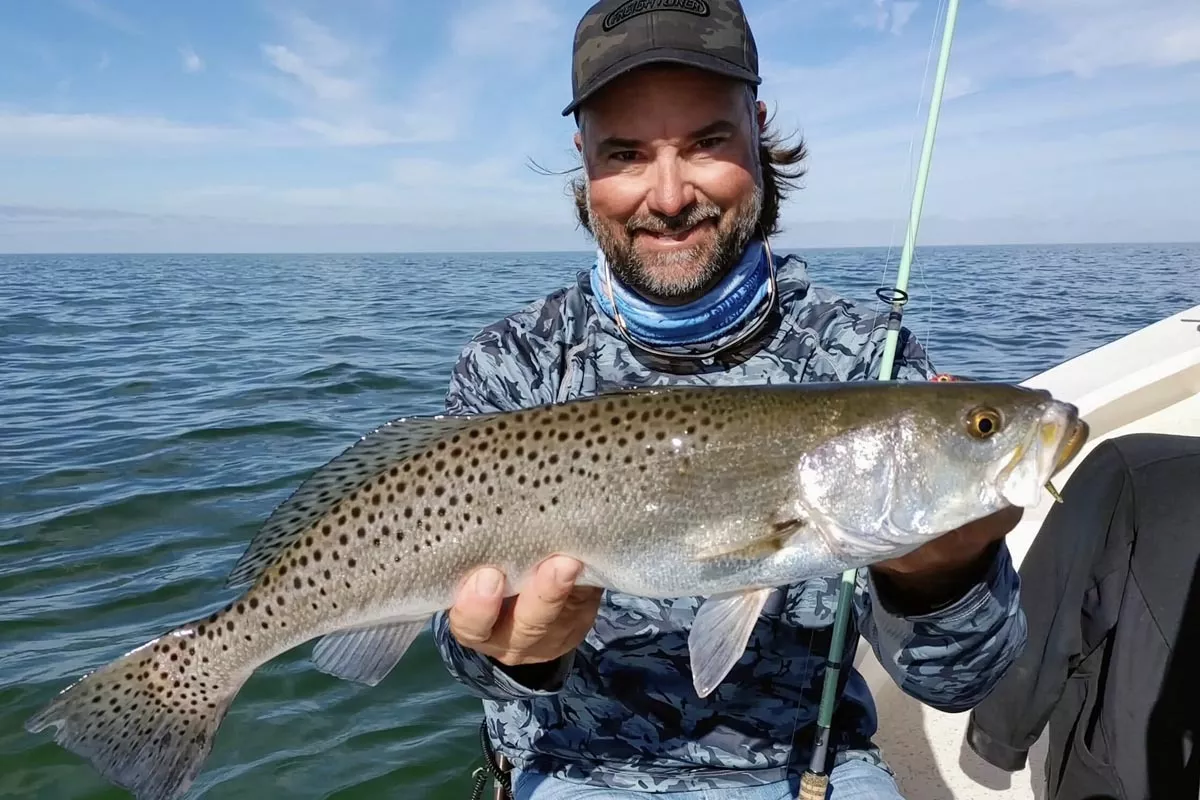
Gator trout do not roam. They establish home ranges on specific structure and return to the same ambush points under similar conditions. Finding that structure, and understanding how a large fish uses it, is the core skill in this fishery.
What Structure Do Trophy Seatrout Use?
Seagrass potholes are among the most reliable producers in the entire fishery. These sandy, open depressions within a grass flat give large trout a clear view of approaching prey while providing immediate cover at the edge. Fish often sit on the upcurrent side of a pothole and let the tide deliver food to them. Work the edges methodically rather than casting into the center.
Oyster bars create current breaks and eddies that concentrate bait, and their irregular contours give big trout multiple positioning options. The edges and shadow sides of oyster structure are more productive than open faces during most tidal stages.
Mangrove shorelines, particularly sections with deeper water directly adjacent to the root system, serve as both feeding stations and shade cover. Higher tides that flood mangrove roots are especially productive, as bait pushes into the structure and trout follow. Work parallel to the mangrove line, keeping your lure in the transition zone rather than casting directly at the roots.
How Do You Approach Trophy Trout Without Spooking Them?
Distance is respect. A gator trout has survived long enough to be genuinely wary. Long casts, quiet positioning, and minimal boat noise are requirements, not optional courtesies. Use wind and current to drift into position rather than running the motor. A push pole or a trolling motor on its lowest setting preserves stealth in ways a prop wash cannot. Setting up a drift along a pothole line and using a drift sock in wind gives you controlled presentation without repeated repositioning noise.
Approach from downwind and downcurrent whenever possible so your casts land ahead of the fish and work back naturally. In very shallow water, leave the boat behind and wade. The stealth advantage of a wading angler over a drifting hull is measurable in bites.
What Gear Do You Need for Trophy Seatrout Fishing?
Rods, Reels, and Line for Big Speckled Trout
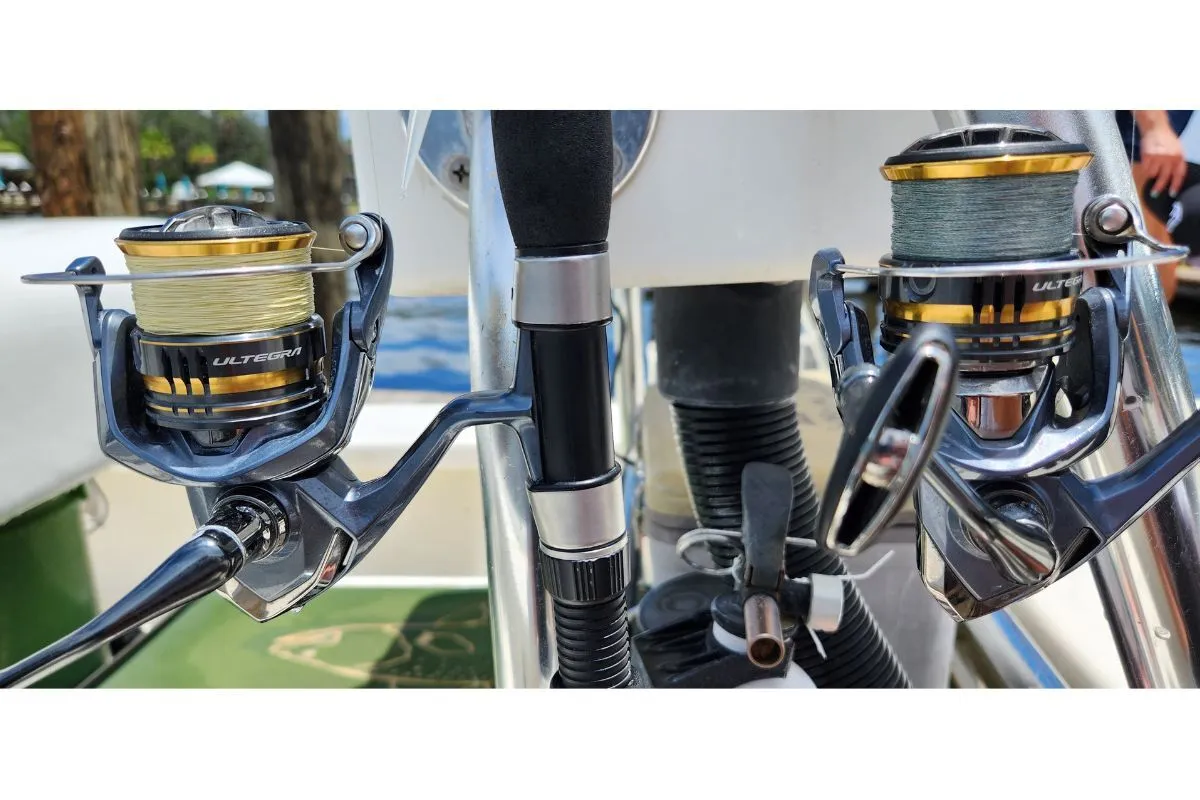
Trophy seatrout tackle does not need to be complicated, but it does need to be matched to the demands of long-distance casting, sensitive detection, and a solid hookset on a large, bony-mouthed fish. A 7 to 7.5-foot medium-light to medium rod with a fast to extra-fast tip handles most situations well, giving you both casting distance and the sensitivity to feel subtle strikes on slow presentations.
What Lures and Baits Catch the Biggest Speckled Trout?
Trophy seatrout are large-meal predators. They are not interested in small offerings, and they will not consistently respond to the same presentations that fill the livewell with keeper-sized fish. Bigger baits, slower retrieves, and deliberate timing define the approach.
Which Topwater Lures Are Best for Trophy Seatrout?
Low-light conditions are when topwater plugs earn their place in the box. Early morning before the sun clears the horizon and the last hour of evening are the prime windows. The walk-the-dog action of a larger surface plug mimics a struggling baitfish and triggers strikes from fish that would ignore a faster or smaller presentation. The Heddon Saltwater Super Spook, MirrOlure Top Dog, and similar large-profile plugs have decades of proof behind them in this fishery. Cadence is everything: slower and more deliberate nearly always outperforms an aggressive walk when targeting large fish. Pause between cycles. Let the lure sit. Big trout will circle and commit on a pause.
What Soft Plastics Work Best for Gator Trout?
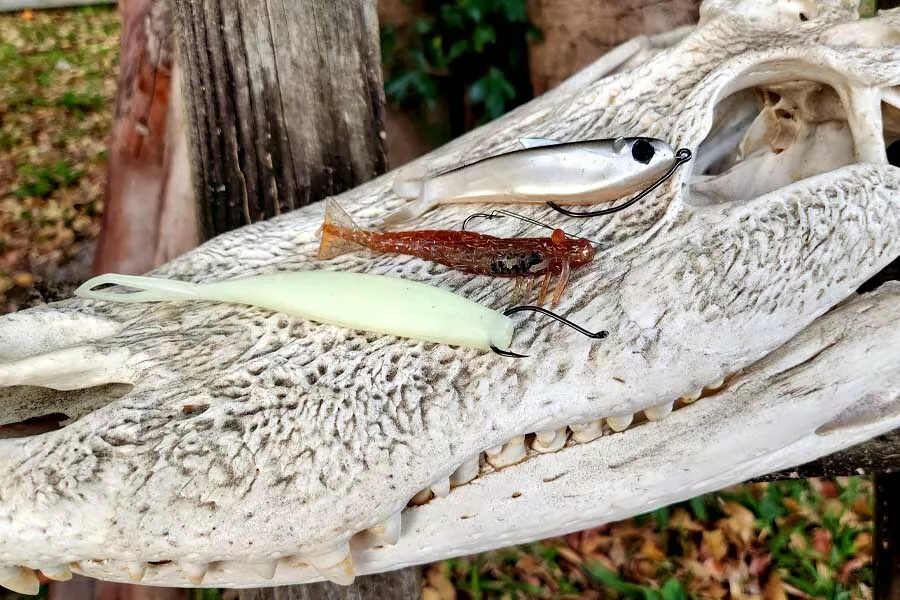
A 5 to 6-inch soft plastic jerkbait rigged on a light jighead is arguably the most versatile trophy trout presentation available. Natural colors, including white, clear glitter, and pearl, consistently produce across conditions. The goal is to imitate an injured baitfish, which means the retrieve should be slow, erratic, and punctuated by pauses that let the lure flutter toward the bottom. In stained water, chartreuse and gold-flake patterns are worth carrying. The DOA CAL Paddle Tail is an exceptional choice when a subtle presentation is needed. For a complete breakdown of rigging and presentation techniques, Captain William Toney's Top 5 Lures for Seatrout course covers every option in detail.
What Suspending Twitch Baits Work for Cold-Water Seatrout?
As water temperatures drop below the optimal range, suspending twitch baits take over from topwater presentations. The MirrOlure MirrOdine and Paul Brown's Soft-Dine are proven producers along deeper grass edges and adjacent to structure in 4 to 6 feet of water. The ability of these lures to hold in the strike zone during a pause, without rising or sinking, is the key feature when trout need extra time to commit.
When Should You Use Live Bait for Trophy Seatrout?
Live bait removes most of the variables from the presentation equation. A large trout that has refused artificials will often commit to a well-presented live offering.
- Live mullet (4 to 6 inches): The primary forage for large trout and the gold standard for trophy-class live bait fishing
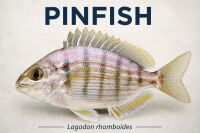
- Live pinfish: Especially effective around oyster bars and hard structure where pinfish naturally occur
- Live shrimp: Productive year-round, particularly under a popping cork fished along grass edges with DOA rigging techniques for speckled seatrout
Free-lining live bait with minimal terminal tackle produces the most natural presentation. Circle hooks reduce deep-hooking and improve survival rates on released fish.
DOA Lures for Speckled Seatrout with Mark Nichols course
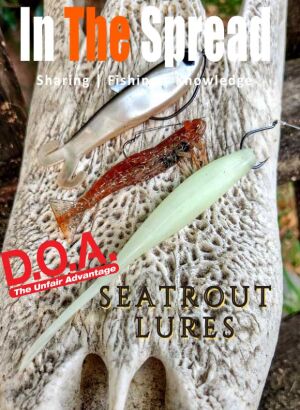
Speckled seatrout demand different DOA lure types across varied scenarios with jerkbaits, baitbusters, and shrimp imitations addressing specific feeding behaviors. Mark Nichols and Captain William Toney reveal seasonal color and size optimization for spring versus fall fishing, plus rigging best practices for jig head weights and hook placement maintaining natural action in Big Bend conditions.
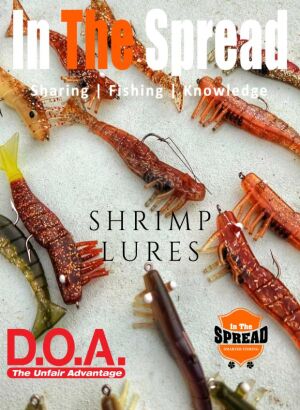
DOA shrimp lures in 2" to 6" sizes earn gold standard status through versatility across inshore scenarios. Mark Nichols and Capt. William Toney reveal multiple rigging techniques including jig heads, cork fishing, tail-first setups, and weedless configurations for varied cover, plus skipping methods reaching shadowed dock and mangrove zones where snook and redfish hold during bright conditions.
Advanced Tactics for Targeting Trophy Seatrout
How Do You Pattern Trophy Seatrout Across Trips?
Consistent success on large speckled trout is built on pattern recognition over multiple trips, not single-session luck. Keep notes. Record tidal stage, water temperature, time of day, structure type, lure choice, and retrieve speed for every significant fish. Patterns emerge when you document results systematically. A large trout that produces on an outgoing tide over a specific grass pothole during a full moon in October is likely doing the same thing under similar conditions next season. These fish are territorial and habitual. Your notes become your map.
What Is the Best Retrieve Speed for Trophy Seatrout?
Retrieve speed should track water temperature directly. The colder the water, the slower the retrieve. The most common mistake anglers make when targeting large trout specifically is retrieving too fast. A fish in the 8-pound class did not get there by chasing. She waits, she assesses, and she commits when the opportunity is right. Give her time to commit. During active spring and fall windows, vary the cadence within a single cast: a combination of slow pulls, brief pauses, and occasional faster strips can trigger a following fish into striking.
A Quick-Start Sequence for Your First Trophy Seatrout Trip
If you are new to targeting large fish specifically, start here:
- Identify a shallow grass flat with potholes within 100 yards of a channel edge or tidal creek mouth
- Check the tide and plan your arrival for the first two hours of an incoming tide, timed to coincide with low light
- Rig a large walk-the-dog surface plug and approach from downwind using a push pole or trolling motor
- Make long casts and work the plug with a slow, deliberate cadence, pausing for 3 to 5 seconds between cadence cycles
- If topwater produces no interest within the first 30 minutes after sunrise, switch to a 5-inch white soft plastic jerkbait on a 1/8-ounce jighead and work pothole edges at a crawl
- Note every strike location, tidal stage, and water temperature; build from that data on your next trip
Conservation Practices Every Seatrout Angler Should Follow
Trophy spotted seatrout are a fragile resource. Their populations in some regions have declined under sustained harvest pressure, and large females are disproportionately important to reproductive success.
Most states that manage seatrout use slot limits designed to protect the bulk of breeding fish, typically allowing harvest of mid-size trout within a defined length range while requiring release of fish below and often above the slot. For trophy hunters, this means the biggest gator trout in your hands may be legally required to go back, regardless of its condition. Understand your state's regulations before you head out, and check the relevant state fish and wildlife agency website for current rules rather than relying on word of mouth.
When landing a large trout, support the fish horizontally with both hands. Never lift a large seatrout by the jaw alone; their body weight can cause internal damage. Keep the fish in the water as much as possible during the release process. If you are going to photograph the fish, have the camera ready before the fish leaves the water and limit air exposure to 30 seconds or less. Avoid resting fish on a hot, dry deck or gunwale, as contact with dry surfaces strips the protective slime coat rapidly. With truly large fish in the 28- to 30-inch range, consider skipping the full grip-and-grin photo entirely and instead shoot the fish at the waterline or partially submerged. Flattening the barbs on your artificial lures speeds release significantly and reduces tissue damage. Hold the fish gently facing into any available current until she rights herself and swims back under her own power.
FAQ: Trophy Spotted Seatrout Fishing
What size is considered a trophy spotted seatrout?
In most regions, spotted seatrout exceeding 25 to 27 inches qualify as trophy class. In Florida, the gator trout designation is typically reserved for fish over 30 inches. Weight-wise, fish over 5 pounds are considered trophy-class, with exceptional specimens exceeding 10 pounds. The IGFA all-tackle world record stands at 17 pounds, 7 ounces from Fort Pierce, Florida.
What is the difference between spotted seatrout and speckled trout?
They are the same fish. Cynoscion nebulosus is known as spotted seatrout in scientific and regulatory contexts and as speckled trout by the majority of Gulf Coast anglers. The fish also goes by speckled sea trout, spec, or gator trout when referring to large individuals.
What is the best time of day to catch trophy seatrout?
Early morning, from roughly an hour before sunrise through mid-morning, is the most consistently productive window, particularly for topwater fishing. Large trout feed aggressively in low light and begin moving to deeper structure as the sun rises and warms the water. Late afternoon to evening is the secondary feeding window, with night fishing around lighted structures also productive in warmer months.
Where are the best trophy seatrout fishing locations in Florida?
The Indian River Lagoon system, including Mosquito Lagoon and the Banana River, is widely considered the top fishery in the state for fish over 30 inches. Florida's Gulf Coast, including the Homosassa and Crystal River area, Fort Myers, and Tampa Bay, also produces consistent trophy-class fish, particularly in spring and fall.
What is the best lure for trophy speckled trout?
There is no single best lure, but topwater walk-the-dog plugs during low light and 5 to 6-inch soft plastic jerkbaits on light jigheads throughout the day account for more large fish than any other presentations. Live mullet is the most reliable live bait option when fish are being selective.
What size leader should I use for trophy seatrout?
In clear, calm water with minimal structure, a 15 to 20-pound fluorocarbon leader is appropriate and reduces visibility. When fishing near oyster bars, limestone bottom, or dense grass edges, step up to 25 to 30-pound fluorocarbon to handle abrasion. Connect the leader to the lure with a non-slip loop knot to maximize lure action on slow presentations.
Can you keep trophy seatrout?
It depends on your state's regulations. Most states use slot limits that protect large, trophy-class fish and require their release. In some regions, fish above the upper end of the slot must be released regardless of their condition. Always check your state fish and wildlife agency's current rules before keeping any fish. From a conservation standpoint, the largest, oldest females carry the greatest reproductive value and are best released even when regulations allow harvest.
Are spotted seatrout good to eat?
Yes, but smaller fish are better table fare. Trout in the 14 to 18-inch range have firm, mild, white flesh that holds up well to any preparation. Larger, older fish, including most trophy specimens, have coarser and often stronger-tasting flesh. This is a practical reinforcement of the conservation case for releasing big fish: the ones worth keeping for the table are rarely the ones worth targeting in a trophy fishery.
How do moon phases affect seatrout fishing?
New and full moon phases create stronger tidal movements that concentrate bait and trigger more intense feeding activity. The 48 to 72 hours around the new and full moon are among the most reliable windows for targeting trophy seatrout, particularly when the major and minor feeding periods align with low-light conditions.
Do trophy seatrout use the same areas year-round?
Large seatrout are territorial and tend to use the same structure under similar conditions across seasons. They shift to deeper or thermally protected water in cold temperatures and move to shallower feeding areas as conditions warm, but their core home range remains relatively consistent. Locating productive structure in one season increases your odds of finding fish in the same area under comparable conditions throughout the year.
Fishing Trophy Seatrout Takes Time Worth Spending
There is a reason experienced inshore anglers dedicate entire seasons to large gator trout. The fish earn it. They are wary, they are selective, and they live in some of the most beautiful shallow-water environments on the coast. Catching one requires you to know where you are, what the water is doing, and what the fish is thinking. That knowledge accumulates over time and builds into something genuinely valuable.
The principles covered here are the foundation: right habitat, seasonal and tidal windows, appropriate gear, deliberate presentation, and a stealth-first approach. Build on that foundation with In The Spread's full library of seatrout fishing instruction, taught by the captains and guides who fish these species professionally. Real instruction from working experts shortens the learning curve and puts you on fish faster.
If you fish alongside redfish and snook in Florida's inshore systems, the same environmental logic applies across all three species. Explore redfish fishing tactics and snook fishing instruction to build a complete picture of the inshore ecosystem you are fishing.
Login
to leave a review.
User Reviews

Robert
10.24.2024
0

Benjamin
10.24.2024
0

Complete Dredge Pulley Setup Guide
Saltwater
12.28.2020
High Speed Wahoo Trolling Rig
Saltwater
09.08.2018
Fishing Light Tackle for Yellowfin Tuna
Saltwater
09.08.2018

0