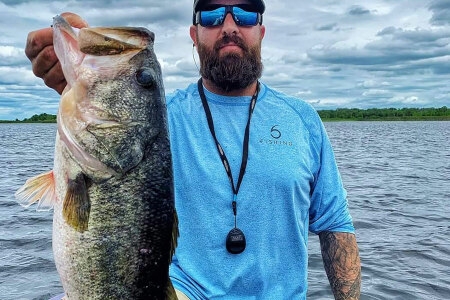
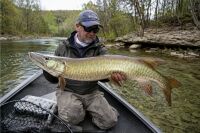
From trophy largemouth bass on Lake Okeechobee to peacock bass in Miami-Dade's urban canals, Florida's freshwater fisheries are more diverse than most anglers expect. Knowing which species, locations, and tactics match the time of year you plan to fish will make a significant difference in what you bring to the net.
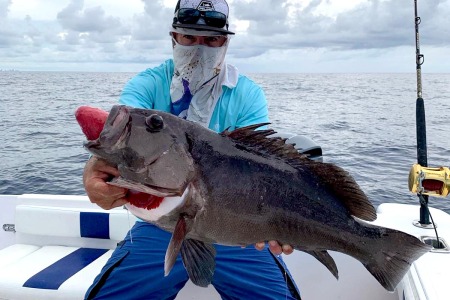
Florida wrecks hold gag, black, and red grouper across a range of depths from 40 to more than 300 feet, and each species requires a different approach. This breakdown covers where each one holds on the structure, which live baits and rigs consistently produce, how to read current, and what Florida regulations require before you make the run.
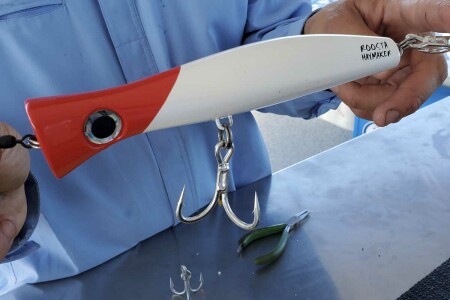
Hook choice in GT fishing is a technique decision, not a preference. Single hooks belong on jigs and stickbaits. Trebles belong on poppers. Get it backwards and you will lose fish you should have landed. This breakdown covers both hook types, recommended models, and the size ranges that matter.
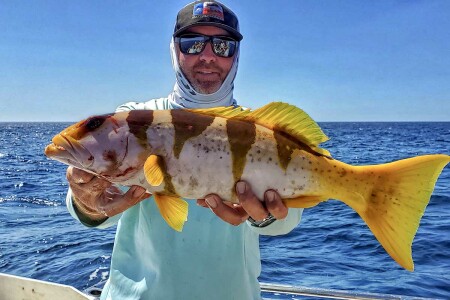
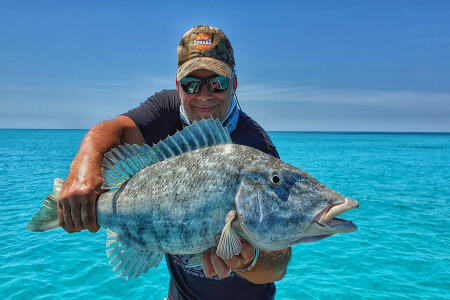
The leopard coral grouper, Plectropomus leopardus, is a Near Threatened Indo-Pacific reef predator with a documented maximum size above 20 kg. Knowing where they hold on the reef, how their ambush feeding behavior shapes presentation choices, and how protogynous hermaphroditism affects conservation decisions is what separates anglers who catch them consistently from those who do not.
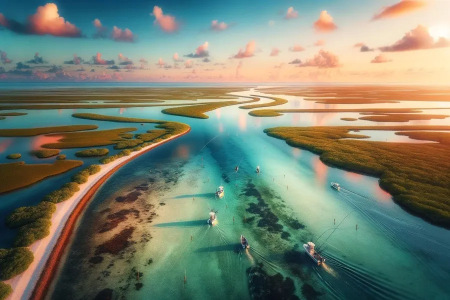
Captain William Toney has fished the spring-fed flats of Homosassa, Florida his entire life. This article covers the species, waters, and seasonal patterns that define the Nature Coast inshore fishery, along with what sets Toney apart as one of the most knowledgeable and experienced inshore guides working Florida's Gulf Coast today.
Explore the world of fishing with In The Spread, where expert videos guide you from beginner basics to advanced tactics. Elevate your skills, understand fish behavior, and join a community of top fishermen eager to share their passion and insights. Transform your fishing adventures with knowledge, and make every catch memorable.
Most anglers use the terms interchangeably, but deep sea fishing and offshore fishing cover very different water. One starts where the reef line ends. The other begins where the ocean floor drops away into the abyss. Knowing which you're actually doing changes everything about how you plan, what you bring, and what you're realistically going to catch.
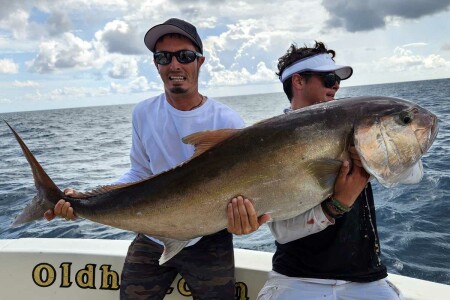
Greater amberjack are pure structure fish. They stack on wrecks, reefs, and ledges from 80 to 240 feet of water and stay there until something makes them move. Understanding where they hold, what triggers a bite, and how to keep them out of the structure once hooked is what separates a productive amberjack trip from an expensive spool of lost braid.
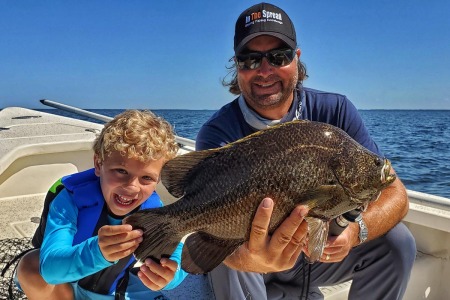
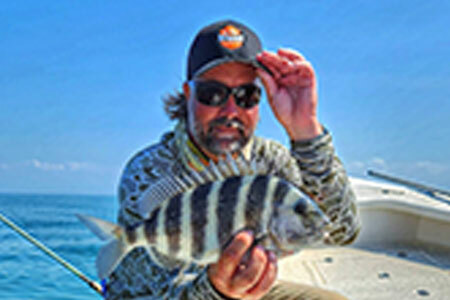
As spring approaches, inshore fishing thrives with sheepshead, trout, and redfish, while live shrimp bait reigns supreme. Warm days bring trout to the flats, and the woods offer serene hunting for small game and deer, making now the ideal time for both fishing enthusiasts and hunters to enjoy the natural bounty of the Big Bend area.
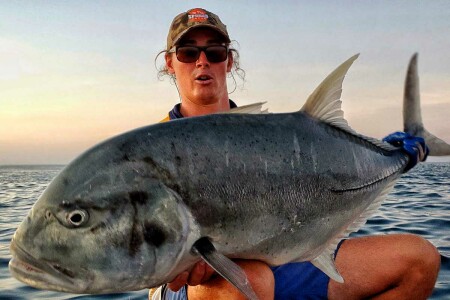
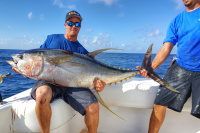
Giant trevally are among the most physically demanding fish you can target on rod and reel. This breakdown covers the exact rods, reels, line weights, leader setups, lures, and techniques needed for GT popping and jigging, plus where to find these fish and when they feed most aggressively.
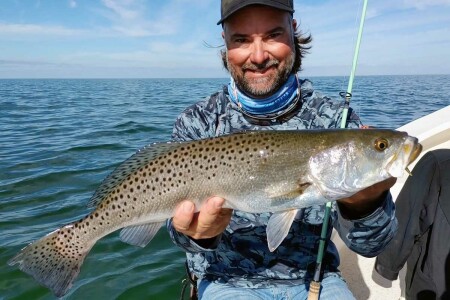
February on Florida's Big Bend offers a narrow but reliable daily window when spotted seatrout feed actively on shallow limestone flats. Captain William Toney explains the thermal cycle that drives trout movement, the post-front patterns that stack fish on hard bottom, and the slow presentations that produce consistent catches in cold water.
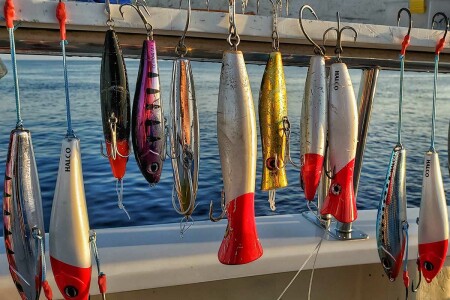
Stickbaits are among the most effective lures for targeting yellowfin tuna, giant trevally, wahoo, and other pelagic predators in open water. This breakdown covers how to choose floating vs. sinking models, which retrieve techniques produce the most strikes, and how to fight large fish on heavy spinning tackle without breaking gear.
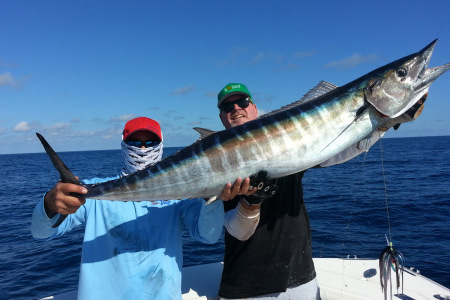
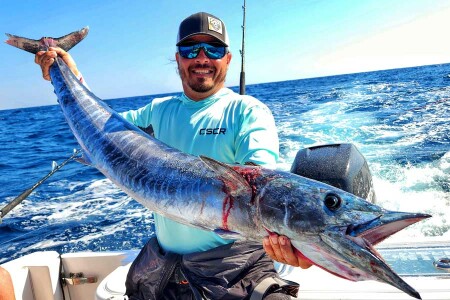
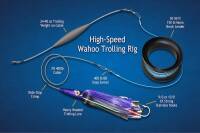
The live versus dead bait question is really a conditions call. Speed, local forage, and what the fish are actively eating on a given day should drive your decision. Get those variables right and the wahoo will tell you what works. Here is a practical breakdown of which baits produce, when, and why.
Crossing a state line on a redfish trip means new slot windows, new bag limits, and sometimes new gear rules. The rules change often enough that last season's numbers may not be accurate today, so staying current with each state's wildlife agency is part of being a responsible angler.
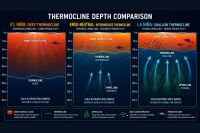
Wahoo depth is never a fixed number. Season, water temperature, thermocline position, current, and baitfish distribution all determine where these fish hold and how deep you need to go. What follows breaks down those variables and explains the techniques experienced captains use to get baits into the strike zone wherever wahoo swim.
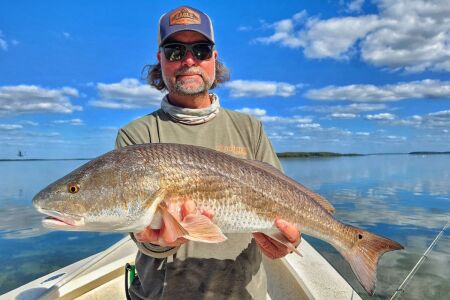
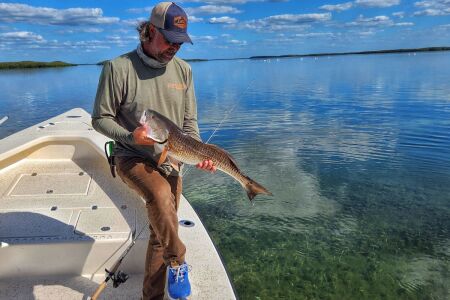
Finding redfish is a reading problem before it is a casting problem. Edges where bottom types meet, wakes and tails on calm water, and the moving tide that puts fish where they are. Then the lure, bait, and leader that match what is in front of you.
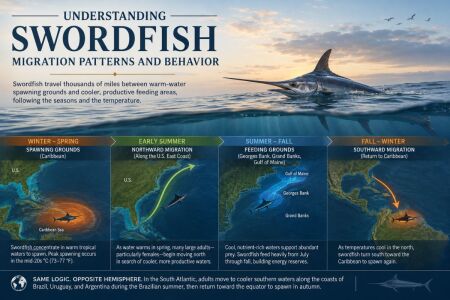
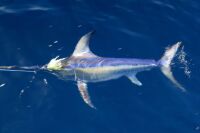
Swordfish cross ocean basins between tropical spawning grounds and temperate feeding water, and they climb and dive through the column every day of their lives. Both movements run on patterns you can read, and reading them is most of being in the right water at the right time.
Redfish, spotted seatrout, snook, tarpon, flounder, and cobia occupy some of the most varied coastal habitat in North America. The Gulf of Mexico inshore fishery runs from the Florida Panhandle to the Texas Laguna Madre, and each section fishes differently. Knowing which region matches your target species changes everything.
Big blue marlin fishing is defined by the places that consistently produce heavyweight fish. Ten destinations worldwide have the combination of deep water, rich bait systems, and low enough fishing pressure to grow and hold fish in the 400-to-grander class. Here is how to tell them apart and when to be there.
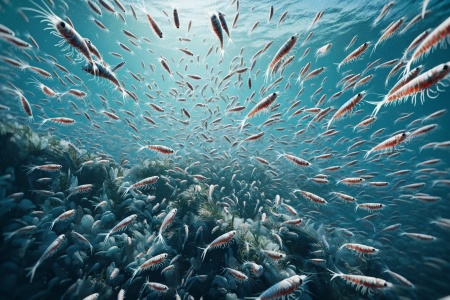
Krill are among the smallest creatures in the ocean and among the most consequential. Commercial harvests in Antarctic waters now remove up to half a million metric tons annually, and krill populations in key regions have declined by an estimated 70 to 80 percent since the 1970s. The ripple effects reach every level of the marine food web.