
The solunar calendar gives anglers a structured way to time trips around lunar-driven feeding windows. Aligning major solunar periods with the right tidal stage for your target species shifts the odds measurably in your favor. This article covers the theory, the tidal mechanics, and how to apply both when planning your next trip.

Using the Solunar Calendar to Time Your Fishing
The moon moves water. Water moves baitfish. Baitfish move predators. That chain of cause and effect sits at the center of the solunar calendar, and it is why serious anglers track lunar cycles alongside tide charts and weather forecasts when planning trips. The relationship between moon position, tidal forces, and fish feeding behavior has been observed by working captains for generations, and the framework that emerged from those observations is both practical and remarkably durable. Learning to read it does not guarantee a box full of fish, but it does put you on the water at the right time, in the right place, with a better-informed plan.
- The solunar calendar predicts major and minor periods of peak fish activity based on the moon's position relative to your location
- Tidal movements driven by lunar and solar gravity concentrate baitfish and trigger feeding in predator species
- Major solunar periods occur during lunar transit, when the moon is directly overhead or underfoot; minor periods occur as the moon rises and sets
- Aligning peak solunar windows with favorable tidal stages sharpens your decision-making significantly
- The solunar calendar works best as one layer of a broader approach that includes weather, water conditions, and knowledge of your target species
What Is the Solunar Theory?
The solunar theory was formally developed by outdoor writer John Alden Knight in 1926. Knight's core argument was that the combined gravitational forces of the moon and sun influence the feeding behavior of fish and wildlife through predictable daily and monthly cycles. The theory draws a direct line between lunar position, tidal fluctuation, and periods of heightened animal activity.
At the heart of the model is a simple astronomical pattern. As the moon orbits the Earth, it exerts a gravitational pull that creates tidal movement in the world's oceans. When the sun and moon align during a new moon or full moon, their forces combine to produce stronger tidal ranges, known as spring tides, characterized by higher highs and lower lows. When the sun and moon are at right angles during the quarter moons, their forces partially offset each other, producing the more moderate tidal swings known as neap tides.
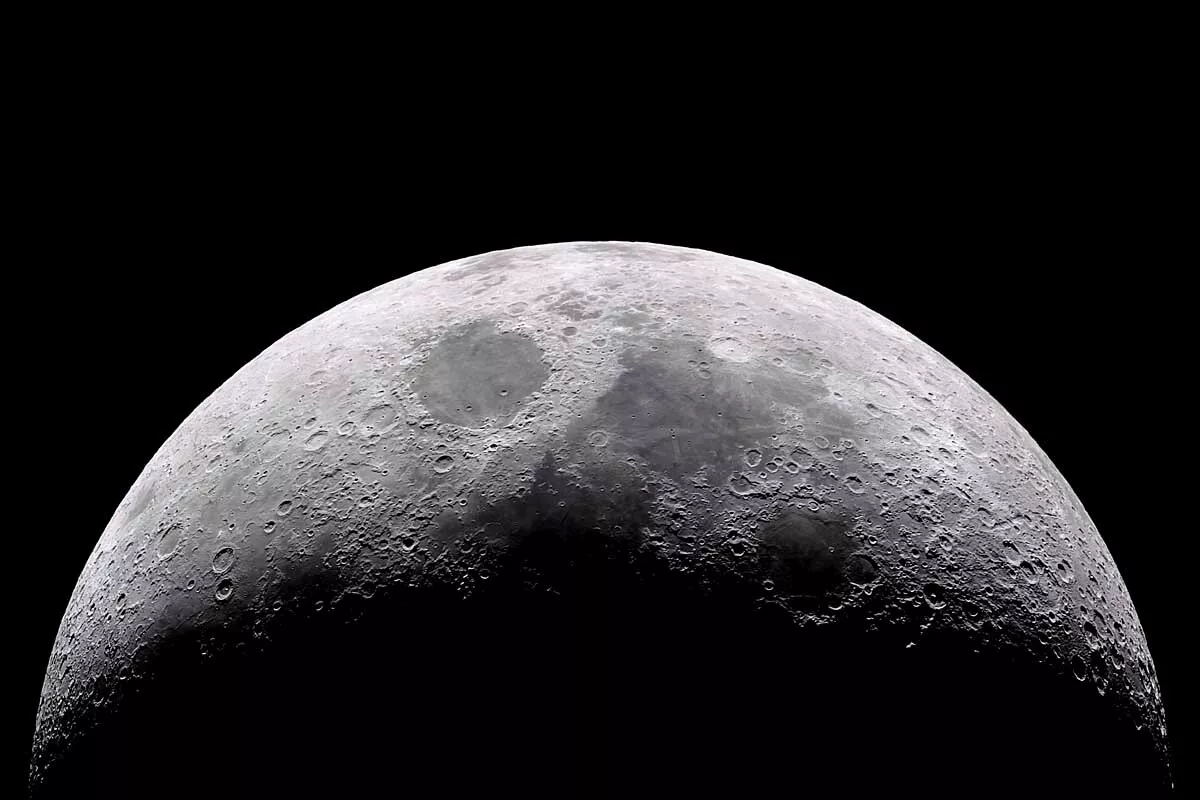
What Do Major and Minor Solunar Periods Mean for Fishing?
Major solunar periods are the windows most anglers target. Fish activity, feeding aggression, and movement near structure all tend to increase during these windows. A well-timed major period that overlaps with a favorable tidal stage can produce explosive action, particularly on species that are already keyed to tidal feeding cycles such as redfish, snook, and tarpon.
Minor solunar periods produce a less dramatic but still meaningful uptick in activity. They are worth noting when planning your day around tide windows, as they can extend productive fishing time beyond the major periods. Many experienced inshore guides will start moving toward their next spot as a minor period approaches, positioning their clients to capitalize on the transition.
What Does the Science Say About Solunar Fishing Predictions?
Despite strong anecdotal support, the solunar theory has been met with skepticism in parts of the scientific community. Critics point out that no controlled studies have established a direct, consistent causal link between lunar position and fish feeding behavior independent of other variables. Barometric pressure, water temperature, prey availability, seasonal migrations, and weather patterns all influence when and how fish feed, and these variables are difficult to isolate from lunar effects in field conditions.
Some researchers have suggested that the apparent correlation between solunar periods and fishing success reflects confirmation bias, the well-documented tendency to remember the days when predictions aligned with results while forgetting the misses. The fishing world is not immune to that pattern.
What Do Experienced Anglers Report About Solunar Fishing?
The persistence of the solunar theory in fishing culture is not accidental. Across species, regions, and fishing styles, a consistent body of observation holds that certain periods within the lunar cycle produce more active fish than others. Anglers working tidal flats, offshore reefs, freshwater rivers, and impoundments all report patterns that track with solunar predictions, even when they did not explicitly plan around them.
How Do Tidal Movements Shape Baitfish Distribution?

Tidal movement is the mechanical link between lunar forces and fishing opportunity. When the tide rises and falls, it reshapes the feeding environment in ways that are visible, predictable, and fishable. Understanding how tide stage affects baitfish distribution tells you not just when to fish, but where to be at each phase of the cycle.
On a rising tide, water floods into coastal shallows, covering oyster bars, grass flats, and mangrove shorelines that were exposed at low water. Baitfish species, including mullet, menhaden, pilchards, and anchovies, move with this inflow, spreading across the newly available terrain. Predators follow. Redfish and snook push into the edges, hunting baitfish that have scattered across shallow structure with nowhere to go deep. This is when presentations to the edge of a grass flat or the inside of a mangrove point can produce hard, aggressive strikes.
How Does Tidal Flushing Affect Feeding Conditions?
Tidal flushing drives nutrient distribution through coastal ecosystems in ways that extend well beyond baitfish movement. As the tide rises, it pushes nutrient-rich oceanic water into estuaries, bays, and tidal rivers. Phytoplankton and zooplankton respond to the influx, and smaller baitfish follow the food. The cascade moves upward through the food web, drawing predators into areas that may have been quiet on the previous tidal stage.
The outgoing tide carries organic matter back through tidal inlets and river mouths, creating current breaks and feeding stations that fish learn to hold on. Mouths of tidal creeks and inlets on an outgoing tide are classic ambush points for species like tarpon and striped bass, which station themselves to intercept whatever the current delivers.
Which Fish Respond Most to Tidal Stage?
Different species have evolved around different aspects of the tidal cycle, and matching your timing to the preferences of your target species is one of the most direct ways to improve your results.
Redfish and bonefish are classic shallow-water sight feeders that thrive on rising tides, when prey is concentrated in skinny water and visible. Low tides push them out of the shallows entirely, making them harder to locate and less likely to feed aggressively.
Snook and striped bass are ambush predators built for current. They position on structure and let the tidal flow do the work, delivering baitfish to them rather than chasing prey in open water. Bridge pilings, jetty ends, river mouths, and creek entrances all become high-percentage targets during moving tides.
Tarpon respond strongly to both tidal stage and solunar timing. Pass fishing for rolling tarpon on an outgoing tide during a major solunar period is one of the most coveted setups in inshore fishing, and not by coincidence. The overlap of active current and peak lunar influence creates conditions where large fish feed predictably.
How Should You Adjust Your Techniques to Match Tidal Conditions?
Adapting your presentation to the prevailing tidal stage is as important as being in the right location. On a falling tide, concentrate effort on deeper channels, ledge edges, and structure that holds fish as water drops away from the flats. On a rising tide, move shallow and work the edges of structure that is just becoming accessible to feeding fish.
Lure and bait selection should also track with current speed. Heavy current calls for faster sinking presentations and heavier jig heads to maintain contact with the bottom or get into the strike zone quickly. Slack tide rewards more subtle presentations, as fish are not keying on intercepting fast-moving prey.
Expert Captains Teach Inshore Fishing Courses
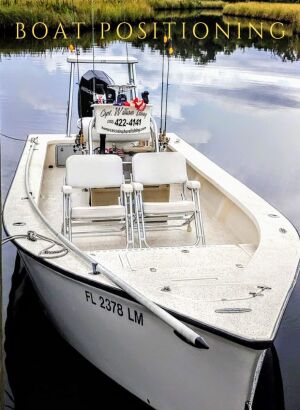
Proper boat positioning separates successful anglers from those who struggle to find fish. Captain William Toney teaches proven techniques for reading wind and current patterns, strategic anchor placement, and optimal casting strategies that consistently put you in the right spot at the right time.
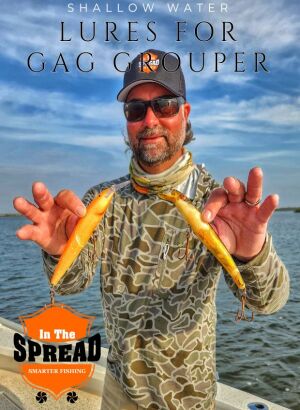
Shallow water gag grouper demand casting lure approaches different from deep fishing because clear conditions allow fish to inspect offerings closely around structure. Captain William Toney's fourth-generation Florida expertise reveals which lure profiles and colors trigger strikes, how boat approach affects spooking wary predators, and technique for extracting powerful grouper from structure before they reach safety.
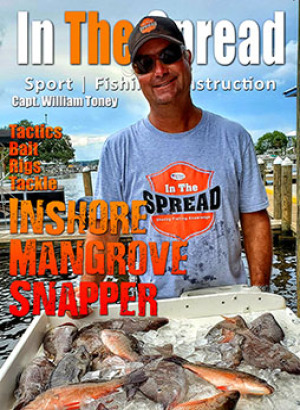
Rough seas or limited time make inshore mangrove snapper fishing productive alternatives to offshore trips. These bottom dwellers school higher during feeding periods, demanding structure reading skills and depth adjustments throughout the day. Fourth-generation guide William Toney reveals Gulf Coast patterns where mangrove snapper concentrate around accessible inshore structure requiring proper live shrimp and jig head rigging.
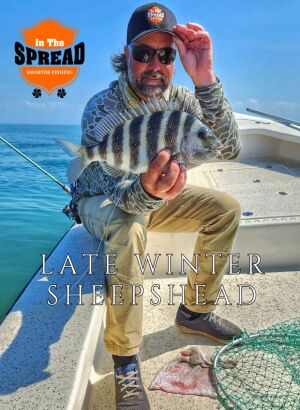
Late winter spawning rituals concentrate sheepshead around Florida's Big Bend structure, creating prime fishing windows when typically scattered fish aggregate predictably. Captain William Toney's expertise reveals how understanding sheepshead biology, unique mouth structure, and seasonal positioning elevates success with species demanding specific bait presentations and tackle sensitivity for detecting subtle bites anglers often miss.

Public structure like channel markers receives constant tripletail fishing pressure, conditioning fish to avoid these obvious spots. Captain Toney's FAD construction using biodegradable materials and strategic placement near migration routes creates private fishing locations, explaining why floating objects attract tripletail and how checking FADs regularly reveals when fish arrive versus wasting time at pressured public markers.

Captain Brian Sanders reveals effective cobia baits and lures for targeting fish around structure and wrecks. This video covers live bait rigging with pinfish, seatrout, and crabs, plus artificial techniques using soft plastics, bucktails, and topwater plugs for sight casting and stalking cobia.
How Do You Read a Solunar Table?
Solunar tables and lunar fishing calendars give you a day-by-day view of peak activity windows calculated from the moon's position relative to your specific latitude and longitude. They are the practical interface for applying the solunar theory to actual trip planning.
A standard solunar table entry includes the date, the moon phase, and the predicted times and durations of the major and minor periods for your location. Major periods are typically flagged with a solid symbol or designated as primary windows. Minor periods are marked separately as secondary windows.
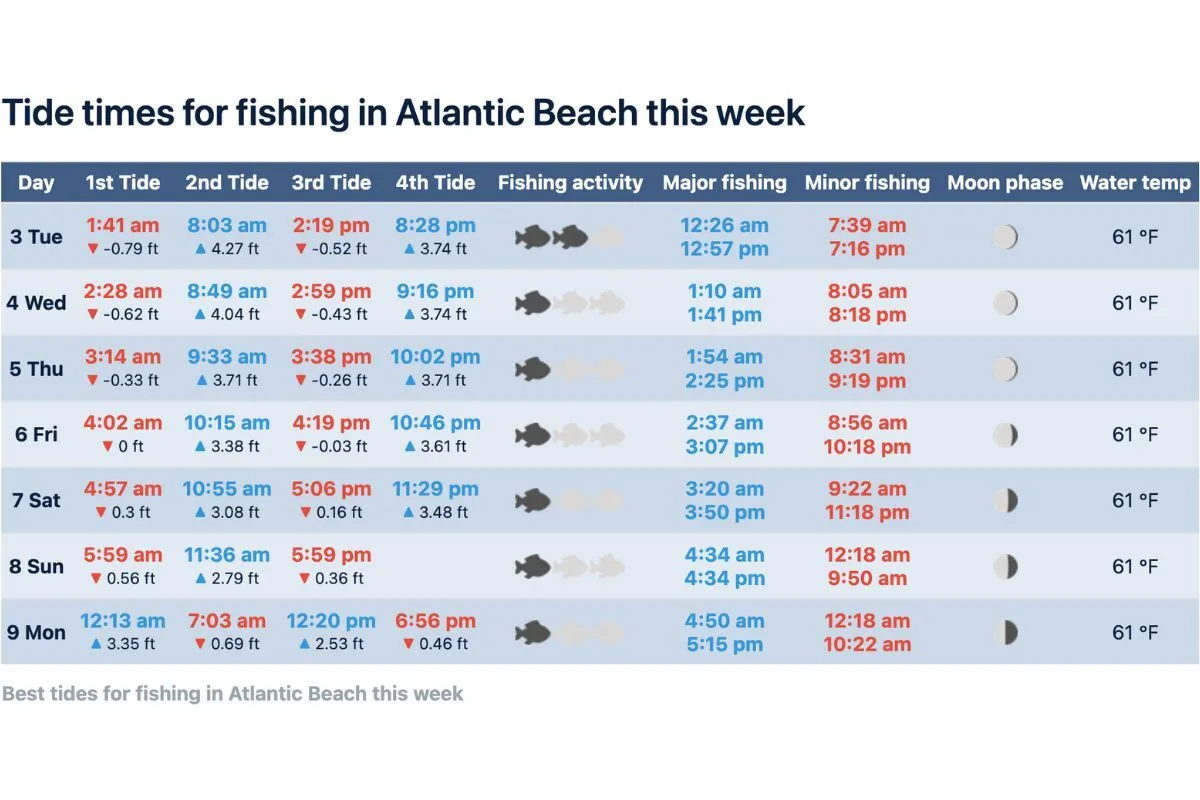
- Start with moon phase. Full moons and new moons produce the strongest tidal forces and are widely regarded as the most productive phases. Plan multi-day trips to overlap with these windows when possible.
- Identify major period timing. Note when the major period falls in relation to your planned fishing hours. A major period at first light or late afternoon overlapping with moving tide is a high-priority target. One at midnight is less actionable for most anglers.
- Cross-reference with your local tide chart. Match the solunar period against the tide stage for your specific location. The most productive scenarios are when a major solunar window overlaps with a moving tide, either strongly incoming or strongly outgoing, rather than with slack water.
- Use a reputable, location-specific source. Tools like TidesChart generate solunar predictions tied to your coordinates and integrate tide data in the same view, which simplifies the cross-referencing step.
- Plan a day or two ahead. Knowing when major periods fall allows you to arrange your schedule, pick the right launch window, and position yourself in the most productive water before the peak window opens rather than scrambling to get there during it.
For more on integrating environmental data into fishing decisions, the satellite fishing maps resources at In The Spread cover how to layer current data, sea surface temperature, and bait-holding structure into the same planning process.
How Do You Align Solunar Periods with Tidal Movements?
The strongest fishing setups occur when a major solunar period overlaps with peak tidal current, creating simultaneous astronomical and hydrodynamic pressure on bait concentrations. When both variables line up, fish activity tends to intensify in ways that neither factor alone consistently produces.
For inshore fishing, this alignment might look like a two-hour major period bracketing the midpoint of an incoming tide on a grass flat known to hold redfish. Or a major period landing just before the outgoing tide begins pulling through a pass where tarpon roll. In both cases, the solunar timing and the tidal mechanics are working together rather than independently.
For offshore fishing, tidal effects on structure become the relevant variable. A major solunar period during a falling tide over a hard bottom reef or wreck edge is a setup worth planning around. The current carries baitfish off the shallow shelf, and grouper, amberjack, and snapper that have been holding on upcurrent structure position themselves to intercept it.
How Do You Adapt When Conditions Change On the Water?
The solunar calendar is a planning tool, not a real-time guarantee. Conditions on the water frequently diverge from predictions in ways that require active adjustment. Barometric pressure drops, wind shifts, water clarity changes, and cold front passage can all suppress feeding activity during what should be a prime solunar window. Conversely, exceptional baitfish concentrations or unusual current conditions can produce strong fishing outside of predicted periods.
The anglers who get the most out of solunar planning are those who treat the calendar as a starting point and remain responsive to what the water is telling them in real time. If fish are actively feeding before the major period opens, stay on them. If the major period passes without activity in a location that should be holding fish, move rather than wait.
Courses on Using Satellite Maps for Better Fishing
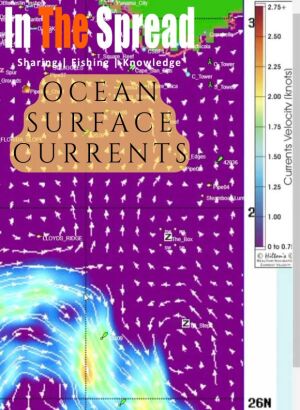
Ocean surface currents concentrate baitfish and gamefish in predictable zones revealed through satellite image analysis. Understanding arrow patterns for current direction and speed, identifying upwelling and downwelling zones where vertical movement affects prey, and recognizing warm core eddies that trap bait transforms random offshore searching into informed decisions about where conditions align to create prime fishing locations.
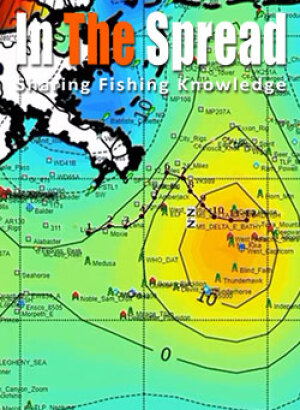
Temperature and chlorophyll satellites show surface conditions but miss the vertical water movements driving productivity. Tom Hilton explains how altimetry reveals upwelling bringing nutrients from depth versus downwelling pulling them away, why upwelling edges outperform centers for predator positioning, and what sea surface height variations indicate about food chain sustainability.
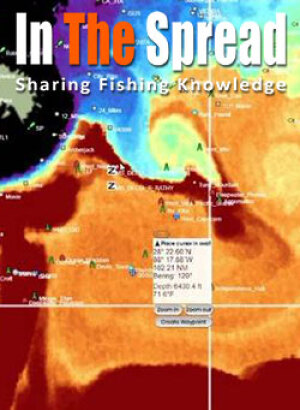
Blue marlin preferring 78 to 88 degrees differs from wahoo favoring cooler break edges, making species-specific SST interpretation critical. Learn identifying temperature gradients where water masses collide, why breaks without chlorophyll may hold no fish despite perfect temps, and how daily shifts mean yesterday's productive water may be miles from current locations.
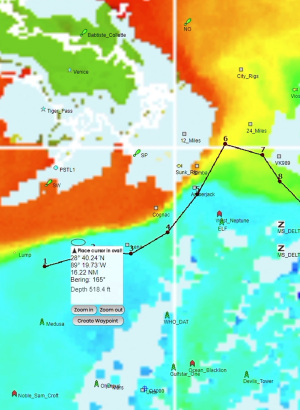
Moderate chlorophyll concentrations outperform both extremely low and extremely high levels for pelagic fishing because very dense blooms sometimes create conditions predators avoid. Tom Hilton explains interpreting color gradients from blues indicating barren water through greens and yellows showing productive zones, and why combining chlorophyll with temperature and current data identifies where complete food chains support apex predators.
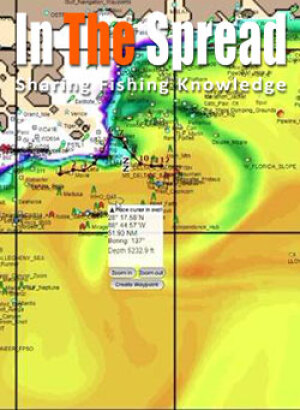
Debate over salinity chart utility stems from satellite showing only surface conditions while many species position at depth. Learn what purple to maroon color transitions reveal about freshwater and saltwater mixing zones, why king mackerel concentrate along these gradients, and when nearshore applications work better than offshore tuna scenarios.

Running offshore without calculating fuel burn to satellite-identified features versus closer alternatives wastes money on marginal trips. Thomas Hilton's integrated trip planner combines oceanographic data with weather forecasting and fuel consumption calculations, helping captains decide whether distant temperature breaks justify runs or intermediate zones provide better fishing per dollar spent.
How Do You Put the Solunar Calendar to Work?
Incorporating the solunar calendar into your trip planning sharpens your time-on-the-water decisions in a way that compounds over a season. Rather than choosing departure times based on habit or convenience, you are choosing them based on when the biological and hydrodynamic conditions are most likely to favor active fish.
Start by building the habit of checking three things before any trip: the solunar major period times for your location, the local tide chart, and the weather forecast with pressure trend. These three inputs together give you a genuinely informed picture of what to expect. Over time, you will develop a feel for how these variables interact in the specific water you fish, which is more valuable than any generic prediction.
How Do Personal Skill and Local Knowledge Fit In?
The solunar calendar identifies when fish are likely to be active. Everything after that depends on you. Bait presentation, lure selection, boat positioning, reading structure, and adjusting to subtle changes in current and light are the variables that determine whether active fish actually bite. Planning around a major period puts you in position. Skill closes the deal.
Frequently Asked Questions About the Solunar Calendar and Fishing
What is the solunar theory in fishing?
The solunar theory, developed by John Alden Knight in 1926, holds that the combined gravitational influence of the moon and sun affects fish feeding behavior through predictable daily periods of heightened activity. These periods are calculated from the moon's position relative to a specific location on Earth.
What are major and minor solunar periods?
Major solunar periods occur when the moon is directly overhead (lunar transit) or directly underfoot (anti-transit) relative to your location, typically lasting one to two hours. Minor solunar periods occur when the moon is rising or setting, producing a shorter, less intense window of elevated fish activity. Both major and minor periods occur approximately twice in each 24-hour cycle.
Does moon phase affect saltwater fishing?
Yes, moon phase affects tidal range, which directly influences feeding conditions for most saltwater species. Full moons and new moons produce the strongest tidal forces, known as spring tides, which create more pronounced baitfish movement and more aggressive feeding behavior in predator species. Many experienced captains and guides specifically plan offshore and inshore trips around full and new moon windows.
How do I read a solunar table for fishing?
A solunar table lists the predicted major and minor activity periods for a given date and location. Find your location-specific table, identify when the major period falls, and cross-reference it with your local tide chart. The most productive windows are when a major solunar period overlaps with a moving tide, either strongly incoming or outgoing. Tools like TidesChart combine solunar predictions with tide data in a single view.
Is the solunar theory scientifically proven?
The solunar theory is not established by controlled scientific studies. Critics in the scientific community point to confirmation bias and the difficulty of isolating lunar effects from other variables such as barometric pressure, water temperature, and prey availability. Nonetheless, decades of consistent anecdotal evidence from working captains and guides across multiple species and regions has sustained the theory's practical application in fishing.
What is the best moon phase for fishing?
Full moons and new moons are most widely associated with peak fishing activity, as the gravitational alignment of the sun and moon produces stronger tidal forces and more pronounced bait movement. However, the specific tidal stage, local conditions, and target species all influence results as much as moon phase alone. A full moon coinciding with a favorable tidal window and stable weather generally produces the most reliable conditions.
How does tide stage affect which fish are active?
Different species respond to different tidal stages based on their feeding habits and preferred habitat. Shallow-water sight feeders like redfish and bonefish are most active on rising tides when prey concentrates on accessible flats. Ambush predators like snook and striped bass feed most aggressively during strong tidal current through structure. Offshore bottom species like grouper and snapper respond to falling tide pulling baitfish off the shelf and over their holding structure.
How does barometric pressure interact with solunar periods?
A stable or slowly rising barometer paired with a major solunar period is a productive combination. Rapidly falling barometric pressure, common ahead of fronts and storms, tends to suppress feeding activity even during otherwise favorable solunar windows. Tracking hourly pressure trends alongside solunar predictions adds a useful layer to your trip planning.
Making the Solunar Calendar Part of Your Fishing Practice
The solunar calendar is not a substitute for skill, local knowledge, or time on the water. It is a framework that structures your planning around windows when fish are most likely to feed, and that distinction matters. Every advantage in fishing is a probability edge, not a certainty, and the solunar calendar is one of the more durable edges the sport has produced.
The most effective way to use it is layered. Know your solunar major periods. Know your tidal stage. Know your barometric trend. Know the feeding habits of your target species. When those inputs point in the same direction, commit to that window and fish it hard. When they conflict, prioritize the variables most relevant to your species and adjust accordingly.
Login
to leave a review.
User Reviews
There are no reviews yet.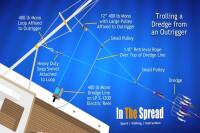
Setting Up a Dredge Pulley for Billfish
Saltwater
12.28.2020
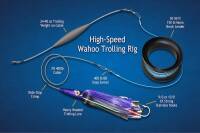
High Speed Wahoo Trolling Rig
Saltwater
09.08.2018
Fishing Light Tackle for Yellowfin Tuna
Saltwater
09.08.2018

0