
Traps, cast nets, and sabiki rigs are not interchangeable. Each one fits a specific set of conditions: water temperature, structure type, depth, and how much time you have before the tide moves. Knowing which method to reach for, and how to make it work when you get there, is what separates anglers who always have bait from those who do not.
Featured
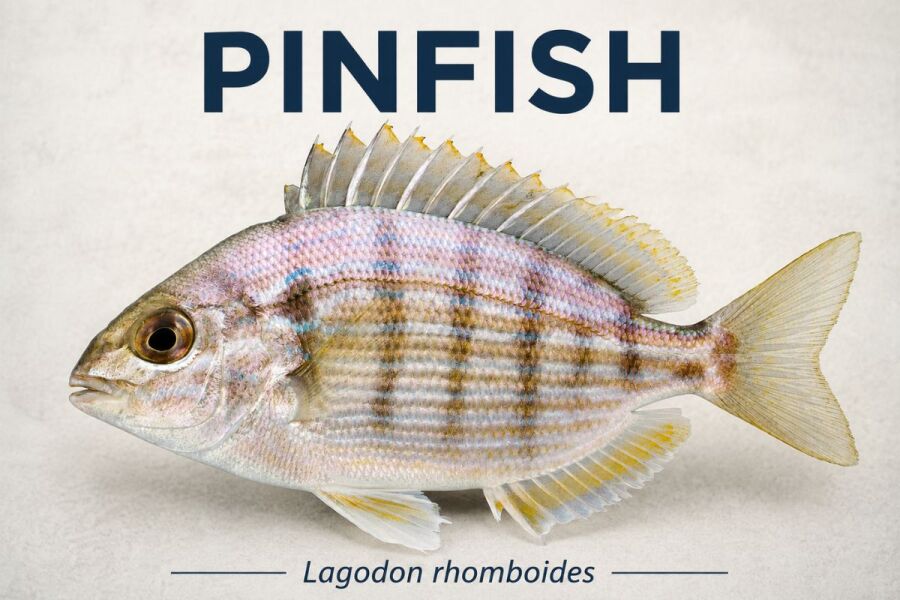
Catching Pinfish for Bait: Traps, Nets, and Sabiki Rigs
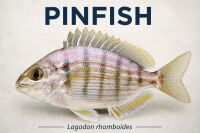
Pinfish are the workhorse live bait of the Atlantic and Gulf coasts. They are hardy, they stay lively on a hook longer than almost any other baitfish, and nearly everything that swims will eat them: redfish, snook, tarpon, cobia, grouper, snapper, mahi, and tuna. That combination of durability and universal appeal makes them worth collecting properly rather than just buying a few at the bait shop and hoping they survive until you need them.
The three main bait collection methods are cast netting, sabiki rigs, and traps, and each one belongs in a serious angler's rotation. The method you reach for on any given day depends on where the fish are sitting, how much time you have, and whether you need volume fast or quality over time. You can read more about using pinfish effectively once you have them in the well in the In The Spread pinfish live bait article, but this article focuses on getting them in the boat in the first place.

Where to Find Pinfish Before You Fish for Them
The first rule of collecting pinfish is the same as the first rule of fishing for everything else: go where the fish are. That sounds obvious, but plenty of anglers drop traps in dead water, throw nets over empty grass, or sabiki around structure with no current and wonder why nothing is happening. Location matters more than technique or bait selection combined.
Pinfish stack wherever there is seagrass, bottom transition, or man-made structure with some current pushing through. The specific setup to look for on a flat is thick grass adjacent to a sand pothole, that grass-to-sand transition edge. Pinfish use the grass for cover and the sand for feeding, and they tend to concentrate along that boundary in ways that make them easy to target with multiple methods. Grass-sand potholes in 1 to 10 feet of water are the highest-percentage spots on any flat.
Beyond grass, trout flats, bridge pilings, dock complexes, marina structure, and jetty bases all commonly hold large schools. Anywhere current pushes bait against structure is worth investigating. In summer and warm water, pinfish sit shallow and are easy to spot: look for surface flashes, wading birds working the edge of a flat, or constant small pecking strikes when you are using a paddletail or small jig. When every drop gets bit and the bites feel fast and aggressive but small, you have found them. That is the spot worth setting a trap, throwing a net, or dropping a sabiki.
How to Catch Pinfish with a Cast Net
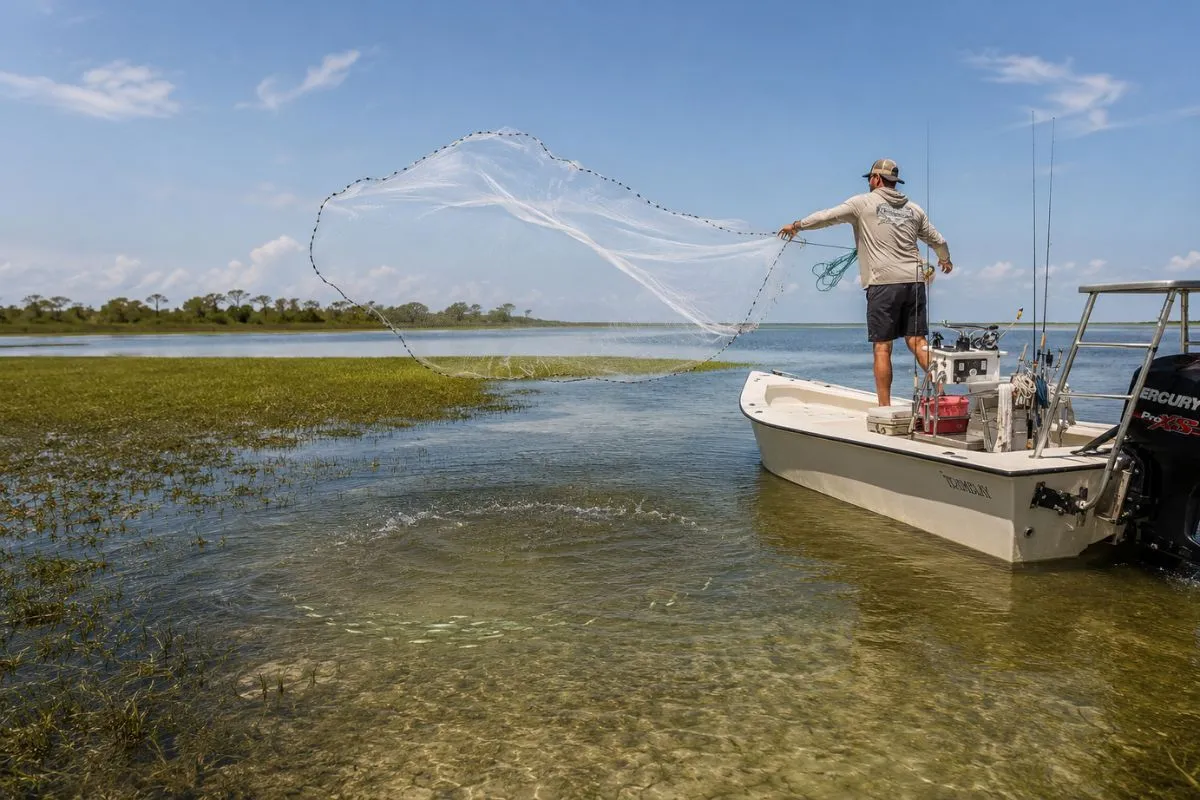
Cast netting is the fastest way to load a livewell when pinfish are shallow and concentrated. One well-timed throw over a properly chummed spot can fill your well in seconds. The method fails when pinfish are scattered, when the net is the wrong mesh for the depth, or when the angler approaches the school wrong and spooks them before the throw.
Choosing the Right Cast Net for Pinfish
For cast netting pinfish on shallow grass flats, a 1/4-inch mesh net is the standard recommendation. It traps small to mid-sized fish without gilling them badly, which keeps the bait in better condition and extends livewell life. A relatively light net, roughly in the 1 to 1.5 pounds per foot range, opens cleanly in shallow water and is manageable enough to throw repeatedly over a long morning of bait collection. In deeper water or heavier current, stepping up to a 3/8-inch mesh and a heavier net helps it get down before the bait escapes. Half-inch mesh is more commonly associated with larger baits like mullet and pogies; for pinfish specifically, 3/8-inch is the more practical step up from the standard flat net.
The key variable in cast netting pinfish is the bottom seal. Pinfish hug the bottom and bolt for the gap between the lead line and the seafloor the instant the net settles. Let the net hit bottom completely before pulling the braille lines, then drag the lead line slightly along the seafloor as you close it. Think of it as sweeping the bottom clean: if you don't drag that lead line, most of your pins will shoot out under the skirt before you ever get them to the surface.
How to Chum Pinfish for Cast Netting
The structured chum sequence is the difference between one accurate throw that loads the well and five mediocre throws over scattered fish. The goal is to concentrate fish in a single tight zone before the net ever leaves your hands.
Mix chum with water and form compact balls that hold together when thrown but break apart on water contact. Throw every ball to the exact same spot, not scattered across the flat. Let the chum sink and disperse, then keep seeding the same mark every few minutes to hold fish in place. When you see pinfish flashing and pushing the surface near that spot, have your net cleared and ready. Throw one more chum ball to the mark and put your net right on top of it.
- Approach from upwind or upcurrent with the sun at your back, cutting the motor well before you reach the chum zone.
- Shadow awareness is critical in clear, shallow water. A shadow crossing the flat ahead of your net will scatter a school before you throw.
- Slow-release chum balls made from tropical fish food or pellets mixed with menhaden oil and red clay dissolve gradually and keep a scent trail working longer without constant re-seeding.
- A fish carcass placed or staked on the bottom near the throw zone concentrates pinfish and gives you a visible target even in stained water.
One accurate throw over a tight school beats five throws over scattered fish every time.
How to Use a Sabiki Rig for Pinfish
Sabiki rigs are the right tool when pinfish are holding around dock pilings, marina structure, bridge spans, or deeper edges where a cast net is not practical. They are portable, they require minimal setup, and they can put multiple fish in the well on a single drop. The tradeoff is time: loading a livewell with sabiki-caught fish takes longer than a good cast net throw, but the fish you catch tend to run larger, which matters when you are rigging for snapper, grouper, or bigger inshore targets. If you have nothing else on the boat, a single small hook, a split shot, and a piece of shrimp will also catch pinfish around any structure where they are present. The sabiki just makes it faster and more efficient.
Sabiki Rig Setup and Hook Size for Pinfish
Most sabiki rigs run 4 to 8 small hooks on dropper lines attached to a main line, with a weight at the bottom. For pinfish, size 6 to 10 hooks match the fish's mouth size and hold securely without preventing the hookset. Use a 6- to 7-foot fast-action spinning rod with a 1000- to 2500-size reel spooled with 8- to 10-pound monofilament. A 1- to 2-ounce sinker handles most inshore depths and current conditions.
A homemade multi-hook dropper loop rig on light mono with small long-shank hooks and a sinker on the bottom works the same way and lets you customize hook size, spacing, and number of hooks for your specific area. Thread the hooks on the mainline and tie dropper loop knots to finish each one. The build is straightforward and gives you a rig dialed to local fish size rather than a mass-produced compromise.
How to Fish a Sabiki Rig for Pinfish
Drop the rig to the bottom and jig up slowly with short 6-inch lifts every three to four seconds. When you feel a strike, keep jigging. Multiple fish often stack on the same rig before you bring it up. Work near structure: pilings, dock edges, jetty bases, and bridge spans hold schools of pinfish rather than scattered individuals, and staying tight to structure dramatically improves your catch rate.
Depth is not always at the bottom. Pinfish frequently suspend in the shade under dock boards or hold mid-column around pilings, especially in warm weather. If you are not connecting at the bottom, work the rig up through the water column in stages rather than giving up on a spot that looks right.
Should You Tip Sabiki Hooks for Pinfish?
Many experienced anglers fish the rig completely bare and rely on the flash and movement of the hooks alone. The shiny skin mimics a small school of baitfish and is often all the attraction pinfish need around structure where they are already feeding aggressively. Bare hooks also mean faster cycling: no re-baiting between drops.
Catching and Using Pinfish Courses
Captain William Toney reveals live bait strategies for catching pressured redfish in heavily fished waters. This video covers effective bait selection and rigging, catching fresh bait without specialized equipment, stealthy boat positioning techniques, natural presentation methods, and tackle specifications for high-pressure situations.

Live bait effectiveness for redfish changes along the Gulf coast as ocean environment and available baitfish species shift regionally. From north of Tampa to St. Marks panhandle, mangrove and outside key structure dictates which baits work best, with pinfish, shrimp, and mud minnows dominating based on what redfish encounter naturally in productive inshore zones.
Pinfish effectiveness for Florida redfish stems from natural abundance in waters where red drum encounter them as primary forage. Captain William Toney's technique reveals precision casting strategies and rigging methods maintaining bait vitality while creating natural presentations, plus adapting to changing water clarity, current strength, and fish activity requiring presentation modifications throughout tidal cycles and seasonal patterns.
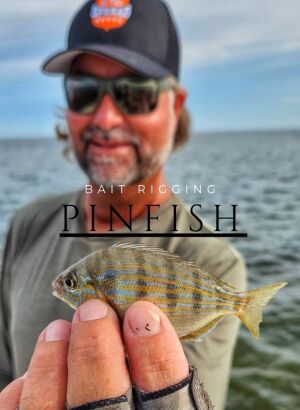
Captain William Toney demonstrates essential pinfish techniques that consistently outperform store-bought baits. This comprehensive guide covers catching, rigging, and presenting pinfish for maximum effectiveness against redfish, seatrout, and snook in grassbed environments.

Captain William Toney targets redfish along Florida's Gulf coast mangroves when August temperatures push water into the 90s. Learn pinfish cutting techniques, current-based presentations, and how to read baitfish activity that signals feeding redfish. This video breaks down positioning strategies and lure selection for extreme summer conditions.
How to Use a Pinfish Trap: Placement, Soak Time, and Setup
Traps are the most hands-off bait collection method available. Set them, walk away, and come back to a full livewell. They work on their own schedule rather than yours, which makes them particularly useful the evening before a morning departure. The method fails when traps are placed in dead zones, when bait selection is wrong for the water temperature and conditions, or when soak times are too short.
Pinfish Trap Style and Rigging
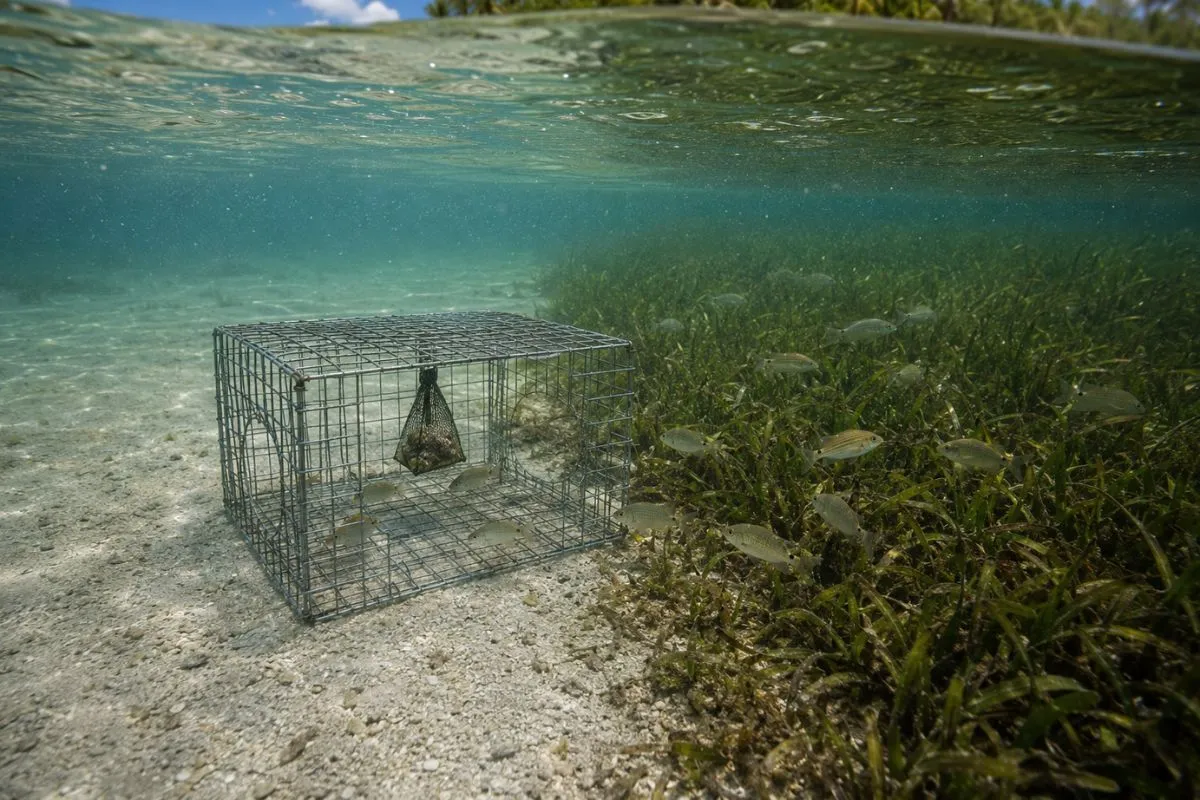
Square galvanized "Florida style" pinfish traps are the widely used standard. Avoid heavily coated traps: excess coating reduces the entrance opening size and mutes scent dispersion, both of which directly limit how many fish you catch. Rig the trap with a stout main line to a buoy so you can locate and retrieve it reliably.
Where to Place a Pinfish Trap
Placement determines 80 percent of your results. The highest-percentage position is a sand or shell patch immediately adjacent to thick seagrass, not buried inside the grass where vegetation blocks the entrances. Trout flats, grass-sand potholes, bridge pilings, and boat docks that produce fish consistently are all reliable starting points. Orient the long side of the trap facing into or with the current so fish can swim in naturally with the flow rather than fighting it. In light to moderate current, current orientation alone can meaningfully improve your catch rate compared to a randomly positioned trap.
- Depth: 4 to 10 feet is the general sweet spot for inshore pinfish traps, though shallow sets of 1 to 3 feet around shore grass can produce well in warm water.
- Bottom type: Sand and shell patches adjacent to grass outperform mid-grass placements where entrances get fouled.
- Multiple traps: Run two or three in different micro-zones on your first few outings: the edge of a flat, inside a pothole, along a dock line. Keep the producers and move the dead spots. On large featureless flats, look for any slight depression, darker bottom patch, or clump of mixed grass as your anchor point rather than dropping a trap in open nothing. Small irregularities in the bottom concentrate baitfish the same way a current seam concentrates gamefish.
- Cold water: When water temperatures drop, pinfish leave the shallows. Move traps to deeper water near structure before changing bait if results are poor.
Once you identify two or three consistently producing spots, you can concentrate your traps there every trip rather than re-scouting each time.
How Long to Soak a Pinfish Trap
Water temperature is one of the primary variables controlling soak time, alongside bait density, current, and initial placement. In warm water near 85 degrees with pinfish actively concentrated nearby, 30 to 60 minutes can produce a solid haul. This short-soak window is useful when you set a trap on the way to a spot and swing back after your first drift. A standard soak of two to four hours while you fish elsewhere is more reliable across a wider range of conditions. Overnight sets produce the best numbers consistently and are the preferred approach when dropping traps the evening before a morning departure.
In cooler water around the mid-60s and below, expect to need longer soaks, often 4 to 6 hours or more, for the trap to really load up. Pinfish are less active in cold water and slower to locate and enter the trap.
What to Put in a Pinfish Trap: The Best Baits
The goal with trap bait is scent dispersion, not feeding the fish a meal. You are selling a scent trail that draws pinfish in from a distance, not offering them lunch. Strong, oily, fresh-smelling bait disperses through the water column and triggers the feeding instinct that sends fish through the entrance.
Best Pinfish Trap Bait Options
Raw fish is the top performer across the board. Cut menhaden (pogies) is widely regarded as the single most effective trap bait: oily, strong-smelling, and available at most bait shops. Fresh or frozen sardines are the best backup when menhaden are not available. Other proven options include:
- Fish carcasses and scraps from the cleaning table: king mackerel, bonito, mullet, and ladyfish are all excellent, and they cost nothing.
- Cut cigar minnows and sardines: strong scent, widely available, effective in both warm and cold water.
- Frozen chum blocks cut into smaller pieces: convenient, easy to handle, and effective when combined with fish scraps for extra draw.
- Squid and shrimp: good scent, stays intact, works in most conditions.
- Canned cat food in a mesh bag or stocking: produces in warm water with active fish, inconsistent otherwise.
In warm, clear water with pinfish actively feeding, simple chum or cat food often produces results. In cold water or lower visibility, go with the most oily, bloody bait you have. Raw fish carcasses and fresh-cut menhaden consistently outperform mild baits when water temperature drops below 68 degrees and fish are feeding less aggressively.
For a typical inshore trap, a couple of pounds of bait is plenty. Larger traps can take more, but you are after scent, not stuffing the cage. Do not discard fish carcasses after cleaning the catch. They are among the most effective trap baits available and cost nothing.
How to Position Bait Inside the Trap
Suspend bait in a small mesh bag or old stocking in the center of the trap rather than dropping it loose on the floor. This does two things: scent disperses outward in all directions from a central point rather than pooling at the bottom, and the bait lasts longer because fish cannot pick it apart as quickly. Loose bait gets demolished fast when fish are thick, and once the scent source is gone, the trap stops drawing new fish.
Bycatch in Pinfish Traps
Traps do not exclusively catch pinfish. Depending on where you are fishing, you may also pull grunts, small snapper, pigfish, small sheepshead, and various other species. Most of these are perfectly good bait or table fish, but anything you cannot use or do not need should go back in the water promptly. Handle undersized fish and non-target species carefully and release them without delay.
What to Do When Your Trap Comes Up Empty
An empty trap is useful information if you treat it that way rather than just re-baiting and dropping it in the same dead spot.
- You are not around fish. Move the trap to a different location or depth before changing anything else.
- The bait is gone or washed out. Re-bait and protect it in a mesh bag so the scent lasts the full soak.
- The trap has tipped, shifted, or buried itself in grass. Re-orient to face the current and move it to a clean sand or shell patch where entrances stay clear.
Frequently Asked Questions About Catching Pinfish for Bait
What is the best bait for a pinfish trap?
Cut menhaden (pogies) is the most consistently effective pinfish trap bait. Fresh or frozen sardines are a close second. Fish carcasses from the cleaning table, cut mullet, bonito scraps, and frozen chum blocks also work well. In all conditions, raw, oily fish outperforms mild baits. Suspend the bait in a mesh bag in the center of the trap rather than dropping it loose.
What mesh size cast net is best for pinfish?
A 1/4-inch mesh net is the standard recommendation for catching pinfish on shallow grass flats. It traps small to mid-sized fish without gilling them, which keeps bait in better condition. In deeper water or heavier current, stepping up to a 3/8-inch mesh with a heavier net helps it sink faster before fish escape under the lead line.
How long should you soak a pinfish trap?
Soak time depends on water temperature, bait density, current, and trap placement. In warm water with fish actively concentrated nearby, 30 to 60 minutes can produce a solid haul. In cooler water around the mid-60s and below, expect to need longer soaks, often 4 to 6 hours or more. Overnight sets produce the best volume consistently and are preferred when setting traps the evening before a morning fishing trip.
What size sabiki hooks work best for pinfish?
Size 6 to 10 hooks match pinfish mouth size well and produce consistent results for both tipped and bare-hook presentation. For larger, offshore-grade pinfish, size 4 to 6 hooks hold bigger fish more reliably.
Where do pinfish hold in cold water?
As water temperatures slide into the lower 60s and below, pinfish tend to leave shallow grass flats and move deeper near structure: bridge pilings, dock complexes, channels, and ledges. How pronounced that shift is varies by region and the severity of the cold spell. Cast nets become less effective in cold conditions. Sabiki rigs dropped near structure and traps baited with oily cut fish set in deeper water produce more consistent results.
Can you catch pinfish at night?
Yes. Traps left overnight in productive areas consistently produce the best volume. Hook-and-line and sabiki methods work near lighted docks and bridges after dark where pinfish school around light-attracted baitfish.
What do pinfish eat, and does it affect trap bait selection?
Pinfish are omnivores that feed on algae, invertebrates, and small fish. In a trap context, scent matters more than matching their natural diet. Oily, protein-rich fish bait produces a stronger attractant trail than plant-based or mild baits, regardless of what pinfish are naturally eating in the area.
How do you keep pinfish alive in a livewell?
Pinfish are among the hardiest baitfish you can keep, but they still need good water quality and adequate aeration. Avoid overcrowding: too many fish in too little water burns through oxygen quickly and degrades bait condition fast, even with a strong aerator running. In warm weather, keep livewell water cool and exchanged frequently. If you are mixing size classes, larger pinfish will sometimes bully smaller ones; separating them by size keeps the smaller fish in better shape longer.
Are there regulations on catching pinfish with traps or cast nets?
Rules vary by state and sometimes by water body. Many states regulate cast net use, baitfish harvest limits, and trap gear including required markings on buoy lines. Always check your state fish and wildlife agency website for current regulations before you start dropping gear. Never rely on an app for regulatory verification.
A Layered System for Consistent Pinfish Collection
The most efficient approach to bait collection is running all three methods together rather than relying on one. Each has a role, and they complement each other in ways that give you flexibility regardless of conditions.
The evening before the trip, set one to three traps on sand patches adjacent to grass flats. Bait with a couple of pounds of cut menhaden or oily fish scraps suspended in a mesh bag, orient the traps into the current, and GPS the buoy positions. Let them soak overnight.
On arrival the next morning, check the traps and transfer pinfish to the livewell. Re-bait and reset any trap still sitting in a productive location. If a trap came up empty, move it to a different micro-zone before writing the spot off.
If you need additional bait fast from a shallow flat, run the chum-ball sequence over a grass-sand edge and throw the cast net over the concentrated school. This fills in volume quickly and takes less than 20 minutes when fish are present. If you are running near dock structure or bridge spans, drop a sabiki rig and pick off larger fish to upgrade the quality of what is already in the well for snapper, grouper, or bigger inshore targets.
Traps do the overnight heavy lifting. Cast nets cover shallow schools fast when you need volume. Sabiki rigs let you top off around structure or in water where a net cannot work. Together, those three methods cover nearly every pinfish collection scenario you will encounter across seasons, water temperatures, and fishing environments.
Login
to leave a review.
User Reviews
There are no reviews yet.
Complete Dredge Pulley Setup Guide
Saltwater
12.28.2020
High Speed Wahoo Trolling Rig
Saltwater
09.08.2018
Fishing Light Tackle for Yellowfin Tuna
Saltwater
09.08.2018


0