
Summer heat drives kingfish, wahoo, and tuna below the surface, and a trolling planer is how you follow them down. What the size numbers mean, how deep they run, wire and bait choices, and the staggered two-line spread that comes through every turn without a tangle.
Planer Fishing for Kingfish, Wahoo, and Tuna
There is a specific frustration that comes from trolling all morning in flat summer water and getting nothing. Good baits out. Structure under you that held fish two weeks ago. Water temperature that looks right on the chart. And the rods never load up.
I have had that day off Miami, out of Hatteras, and running the edge in the Gulf, and the answer is almost always the same. The fish are there. They are just not where your baits are. They are stacked thirty or forty feet down where temperature, oxygen, and bait line up, and everything you are pulling is riding above them in water they left at sunrise.
Planer fishing is how you get down to them without changing anything else about the way you troll. A planer pulls your bait into the strike zone and holds it there while you keep covering ground, and once you understand what it does, it becomes the most useful tool in the box for kingfish, wahoo, and tuna. Our planer fishing video courses cover the full system with working captains.
What a Trolling Planer Does and Why It Works
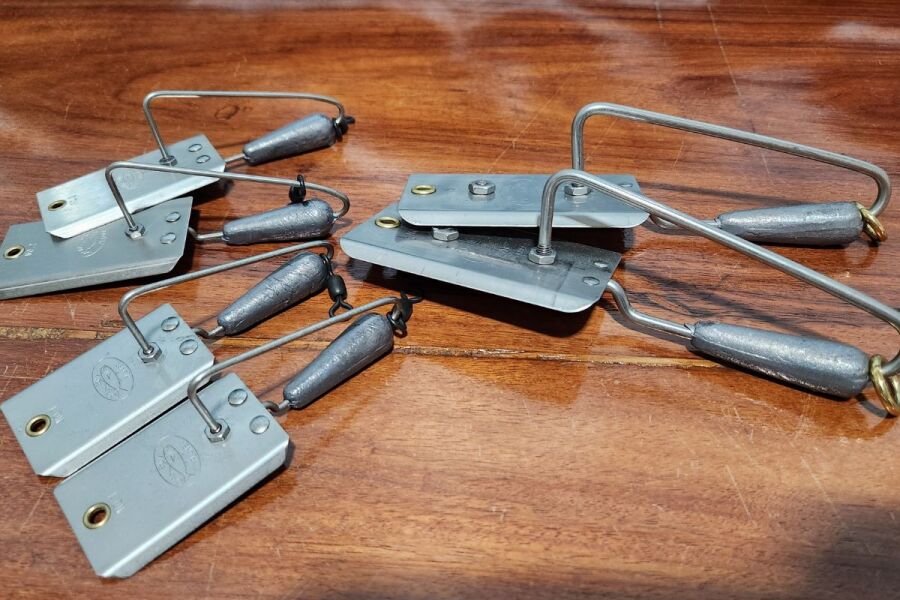
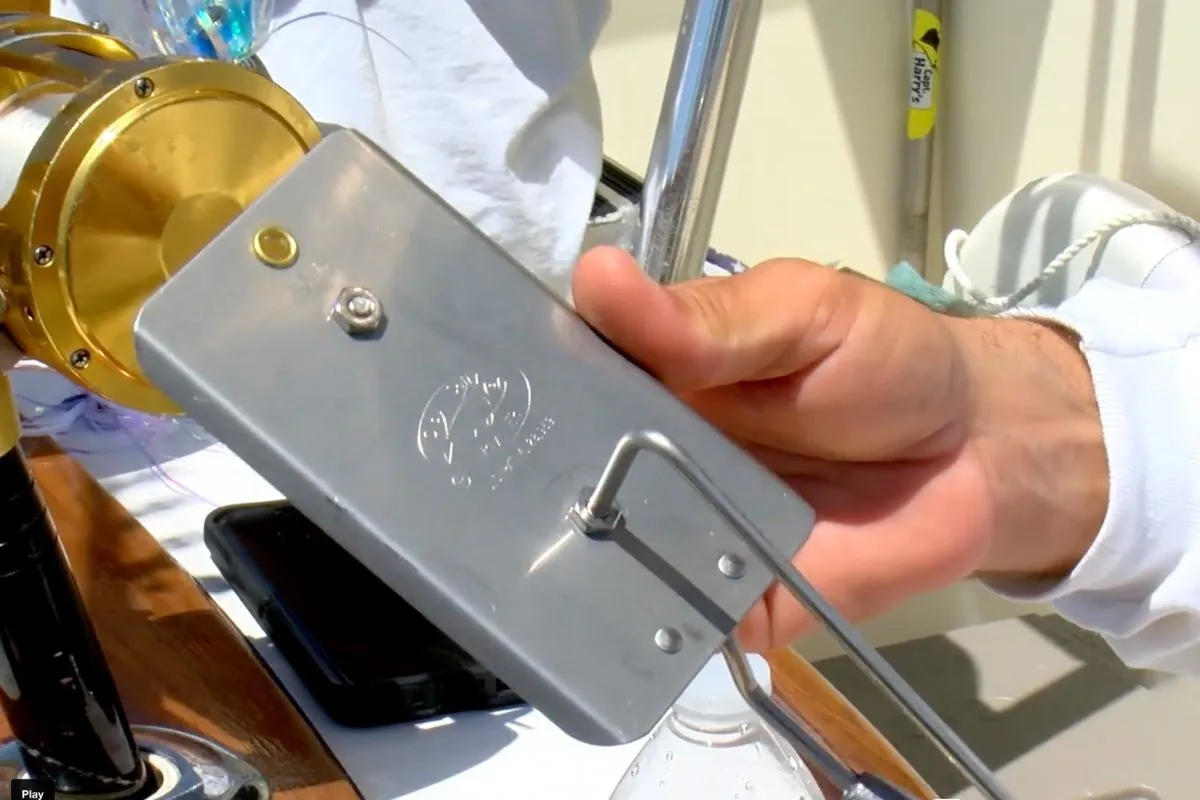
A fishing planer works on the same principle as a hydrofoil, just inverted. It is a stainless blade carrying a small amount of weight, set at an angle to the water flow. Where a foil is built to lift, the planer uses that angle and the drag it creates to drive down. Think of a kite, except this one flies down instead of up. As the boat moves forward, water pressure against the blade forces the planer to dive, and it drags your bait down with it. The running angle is not fixed. It shifts with design, speed, and load.
That is the whole idea, and it is worth being precise about why it beats a sinker or a lead. A sinker or lead takes your bait down by brute mass, hanging straight below the line and killing the bait's action. A trolling planer converts forward motion into downward force, so the bait rides back at distance, away from engine noise and prop wash, while still sitting deep. Depth and separation at once.
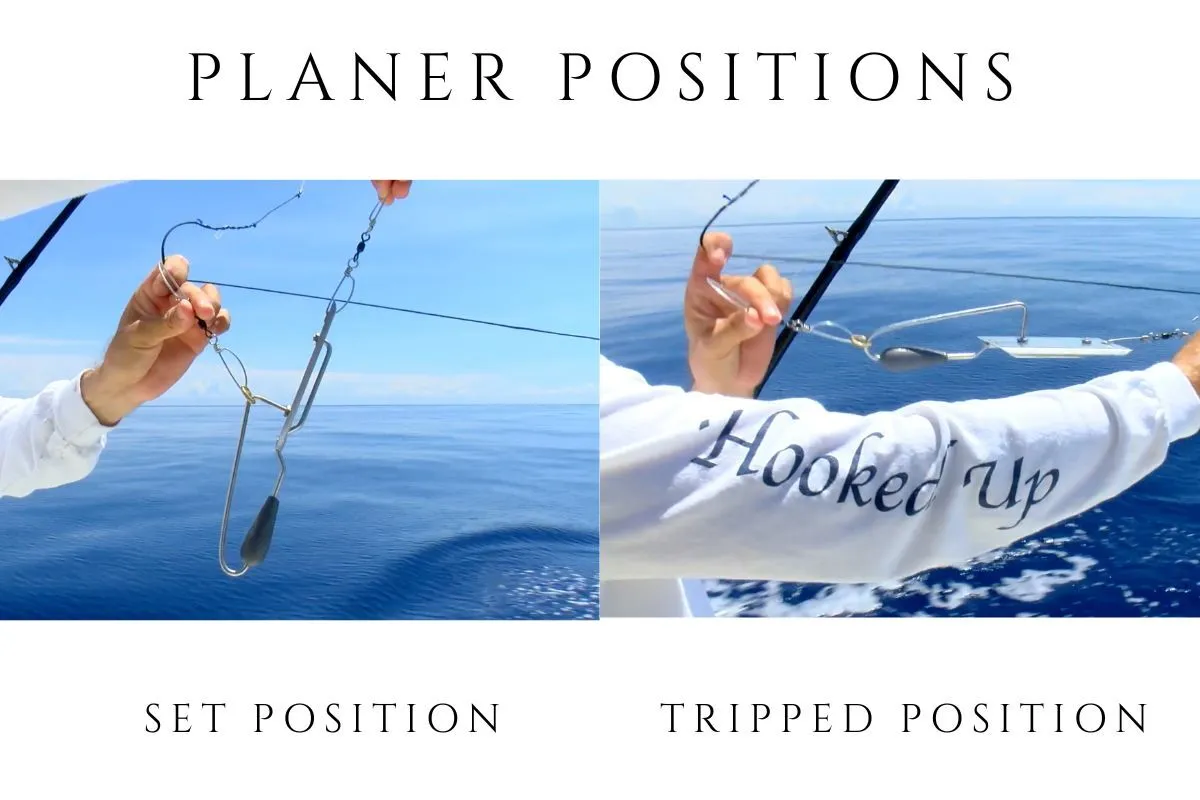
The other piece is the trip. A planer in the diving position is under constant load, and fighting a fish against that load would be miserable. So it is built to trip. When a fish strikes, the balance changes, the planer flips flat, and the resistance disappears. You go from dragging a blade to fighting a fish. That one feature separates a planer from every other way of getting deep.
Not every bite announces itself. A wahoo hammers it and the trip is unmistakable, but a tuna will often just load the rod slowly, and if you are not watching the tip you will miss the difference between a fish and a piece of weed.
In-Line, Wind-On, or Downrigger: Choosing Your System
There are two separate decisions here, and anglers tend to run them together.
The first decision is size driven. Smaller planers are often fished in-line on rod and reel, with the leader running off the back. Larger planers may stay on heavier in-line or bridle setups, or move to a downrigger style system when the load gets too high for comfortable rod work. That is not a strict rule so much as a practical response to drag, depth, and tackle strain.
The reason comes down to give in the system. Run a big planer in-line on light drag and it pulls line off the reel; crank the drag up to hold it and now there is no give anywhere, so a fish eats and the hook gets ripped straight back out because nothing absorbs the strike. Crews solve that a few ways. Most go to heavier tackle with an in-line or bridle setup built to take the load, which is common in wahoo fishing. Some move the planer to a downrigger. Some run what amounts to a poor man's downrigger, a dedicated tow line off a cleat or a rod holder. The point is not which one you pick. It is that a large planer changes the load enough that you have to answer for it somewhere in the rig.
The way we rig it at In The Spread, No. 4, 6, and 8 planers do the rod work and No. 12 and No. 24 go into the deeper, higher load tier, most often on a downrigger. That is our convention, not an industry standard, and other boats handle the big sizes differently. What matters is recognizing the threshold, which you feel in the drag long before you see it in the catch.
Most in-line setups connect the main line to the planer through a rubber band or bridle, which is what lets it trip cleanly instead of loading up solid on the eat.
The second decision is how the fish comes to the boat, and that is the in-line versus wind-on question. This is about retrieval, not planer size. In-line means reeling the planer to the rod tip and hand leadering the fish in. Wind-on means the planer releases at the rod tip and the leader winds onto the reel, so drag pressure stays consistent the whole way. Both work. Wind-on gives better control on bigger fish and gets your hands out of the leader, which matters more than people admit when a wahoo starts circling. The full comparison, including bridle construction and leader specifications, is covered in wind-on versus in-line planer setups.
How Planer Size and Design Affect Depth
The number stamped on a planer is a model size class within that manufacturer's system, covering dimensions, blade area, drag, and dive behavior. It is not a weight label, and this trips people up constantly.
Weight matters, but it is not the only thing. Shape, surface area, and drag affect how a planer runs as much as mass does, which is why two planers of similar weight from different makers will not fish the same. Treat the number as shorthand for size and depth potential inside one product line, and do not assume a No. 4 from one maker matches a No. 4 from another.
The causal chain runs one direction and it is worth holding in your head. Planer design controls drag and dive performance. That determines the workable trolling speed and the running depth you can hold. The depth you hold determines which fish you are in front of. Species selection is the last link, not the first.
As for how deep it goes, a rough starting point is about one foot of depth for every two feet of line out, but treat that only as a beginning estimate. Real depth shifts with planer size, speed, line type, line diameter, and current, and the relationship flattens at longer payouts and can even reverse. A smaller planer fished well back will sometimes run deeper than a larger planer fished short. More speed can drive the planer deeper up to a point, but not indefinitely. Planer size and running depth are broken down further in planer sizes and reaching suspended fish.
Planer Fishing Courses
Summer surface temperatures push kingfish, wahoo, and tuna deeper in nearshore waters, making surface trolling ineffective. RJ Boyle explains how trolling planers provide precise depth control without downrigger complexity, when water temperature dictates switching from surface presentations, and tackle specifications that handle planer resistance while allowing effective fish fighting after automatic release.
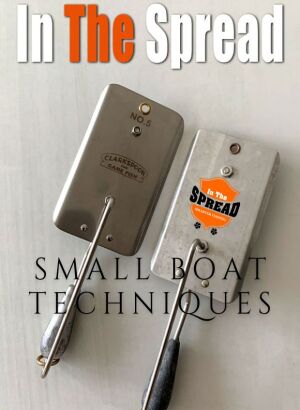
Limited deck space on center console boats creates chaos when planer fishing gear isn't organized strategically. Success requires simple approaches to tackle and bait rig management that keep equipment accessible without clutter, plus mastering engagement and disengagement techniques that maintain presentations in productive zones rather than spending time clearing tangles and searching for misplaced tools.
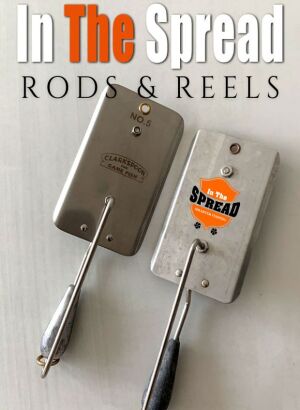
Planer fishing creates sustained tackle pressure differing from conventional trolling, demanding medium action rods with tip flexibility and quality guides rather than stiff actions transmitting constant vibration. RJ Boyle's commercial fishing experience reveals durability matters more than high-speed reels, focusing on everyday gear proven to withstand repetitive planer deployment and saltwater exposure without premature component failure.
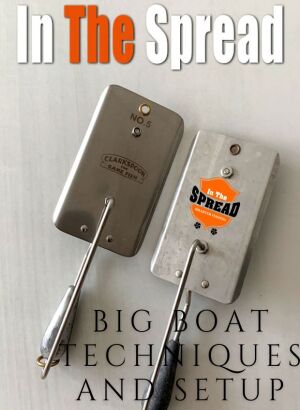
Big boats allow complex planer spreads but create challenges in engagement timing, drag management across multiple rods, and preventing tangles during deployment. Success requires systematic line dropping procedures, understanding how planer size affects drag requirements, recognizing how bites register differently than conventional trolling, and maintaining spacing that prevents crossings when boats turn or current shifts line positions.
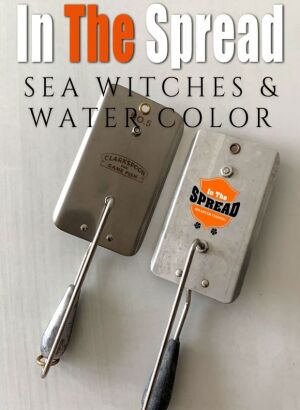
Sea witches create visual attraction that pulls king mackerel and wahoo to planer rigs, but color selection must match blue or green water conditions for effectiveness. Understanding how water clarity affects visibility and which mylar combinations trigger strikes in specific conditions determines whether rigs produce bites or get ignored despite proper deployment depth and bait presentation.
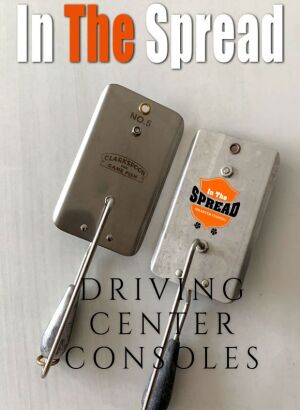
Boat driving determines planer fishing success on center consoles where improper handling tangles lines or positions fish poorly for landing. Creating clean water lanes through gradual turns while maintaining forward momentum prevents crossing deployed planers with hooked fish, but requires methodical communication between angler and driver throughout fights with wahoo, tuna, and mackerel.
Rods, Reels, and Line for Planers
Planer fishing is hard on tackle in a way conventional trolling is not, because the load never stops. A flat line pulling a ballyhoo puts intermittent pressure on the rod. A planer puts sustained pressure on everything for hours, and gear that handles trolling fine fails here.
RJ Boyle makes a point in his tackle course that runs against expectation, which is that a medium action rod with some tip flex works better here than a stiff one. A stiff blank transmits the planer's constant vibration through the whole setup and beats up the guides and the angler. Some give in the tip absorbs that. Durability matters more than reel speed, and quality guides matter most, since line moves under load through them the entire troll.
Braid is standard for the diameter, but under constant pressure it chews through guides and the guides chew back. Run the last thirty or forty feet through your fingers between drops, feel for fuzz and flat spots, and cut back when you find them.
Drag is the other failure point. Lighter drags cook under the sustained heat a planer generates, and once cooked a drag is never the same. The bigger the planer, the more robust the drag. Rod and reel pairings by planer size are covered in rods and reels for planer fishing.
Staggering the Spread and Driving the Boat
A single planer catches fish. A spread catches more, but only if the lines stay separated, which comes down to how you set them and how you drive it.
Most boats run two planers, not three. Two is easier to keep clean, and a third line is one more thing to tangle every time you turn. Save three for a bigger boat with the cockpit and the crew to work it.
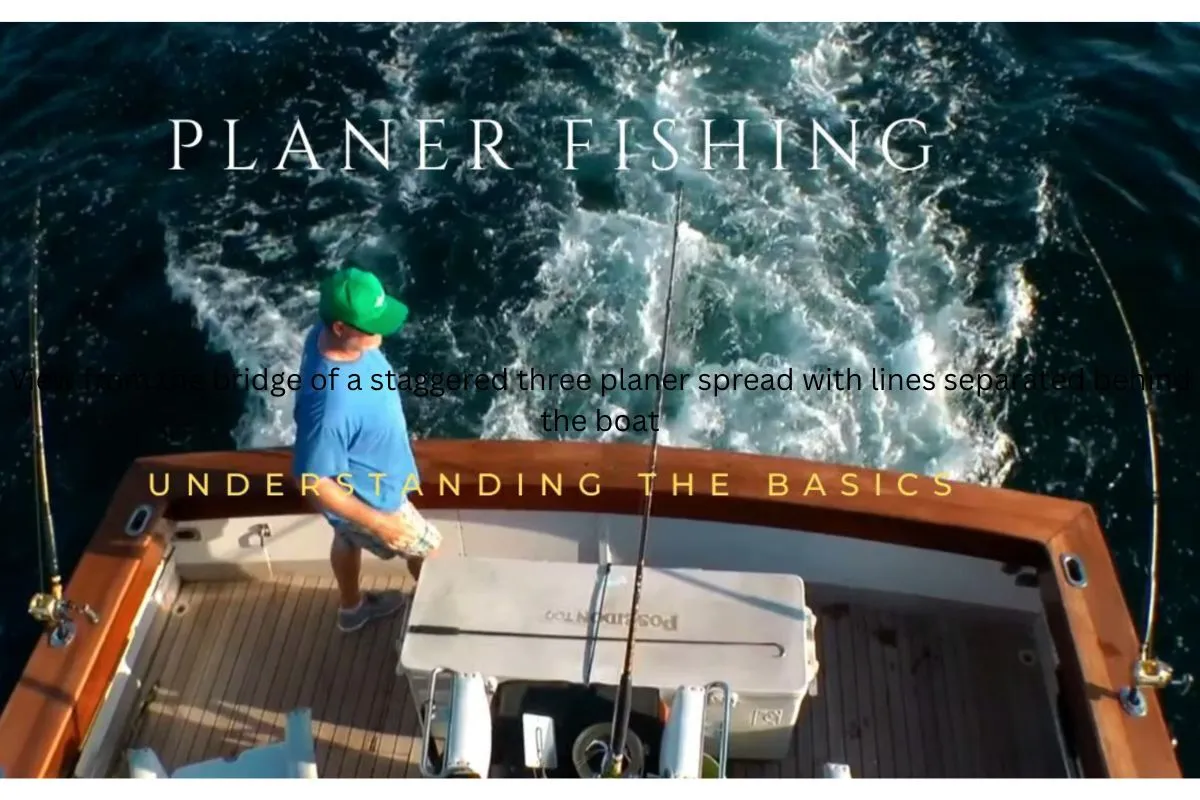
The spread works on distance, not just depth. Set your two planers at different lengths inside a rough 100 to 300 foot range, one short and one long, say 150 feet on one and 300 on the other. The reason is the turn. When you swing the boat, the short line rides under the long one and the two pass without touching, so a staggered pair comes through a turn clean where two lines set at the same length would cross. That gap between the two is the whole game.
Order matters when you set them. The long line goes out first, then the short one behind it. Put the short line out first and the long one has to cross over it on the way back, which is exactly the tangle you are trying to design out.
Two adjustments cover most of what goes wrong:
- If the spread is tangling, widen the gap between the two lines rather than closing it
- If the fish are deeper than you are fishing, lengthen the long line first and keep the short one where it is
The mistake I see most often is letting out line on both rods at once when fish show deeper. The two lengths converge, the stagger is gone, and the next turn crosses them. Move one line, not both.
Driving matters as much as rigging. Speed over ground is not speed through the water, so running with or against current changes how deep your planers ride, and you can hold 7 knots on the plotter while fishing two different presentations depending which way you point. Watch the line angle and keep turns wide and gradual. Planer fishing fundamentals covers deployment and the boat handling that keeps a spread clean.
Matching Planers to Species and Season
Species targeting is downstream of the depth you can hold, and there are two depths in play. Keeping them apart matters, because running them together is where a lot of bad advice comes from.
The first is water depth, which picks your zone. Wahoo hold over deeper structure and steep contours, commonly from around 120 feet out past 600, with much of the effort in 200 to 350 feet. Yellowfin and the other offshore pelagics sit broadly in that same deeper water, roughly 180 feet and out, though that is a habitat band rather than a targeting rule. King mackerel work a wider range, from the beach out to twenty miles, in water as shallow as 15 feet and as deep as 150, with the Carolinas fall run often worked in 60 to 80 feet.
The second is running depth, the only depth a planer actually controls, and it is a much narrower band. You are working the top of the column, roughly 15 to 80 feet down, regardless of whether the bottom is at 90 feet or 600. A big planer on long scope can beat the upper end of that, though how far depends on speed, line type, current, and the planer design. That is the whole point of the deeper downrigger tier: it exists to push past what rod work can hold.
So the reasoning goes zone first, then column. Get over the right water using structure, temperature, and bait, then use the planer to put the presentation in the layer where fish are feeding. The deeper tier is more likely to intercept wahoo and tuna, while the shallower zone lines up with kings and mixed pelagics, though local conditions override that constantly.
One thing is not negotiable with kings and wahoo. Both have teeth built to shear and will cut mono or fluorocarbon without slowing down, so wire or cable belongs in the leader whenever either is realistically in the spread.
What you hang behind follows the same logic. Rigged ballyhoo and strip baits cover most of this fishing, naked or dressed with a sea witch depending on water color and how much flash the fish will tolerate.
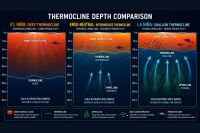
Seasonally, the pattern driving most planer fishing for kingfish and mixed nearshore species is summer heat pushing everything down during daylight hours. Surface water warms, oxygen drops, bait slides down, and predators follow. Planers often become hard to ignore in July. Wahoo are the counter case, suspending deep enough to justify planers through the cooler months, so the tool works both ends of the calendar. Species by species trolling patterns are laid out in trolling techniques for king mackerel, Spanish, and wahoo.
Where Planer Fishing Goes Wrong
Most failures in this technique are predictable, and knowing them in advance is worth more than any rigging tip.
The planer will not dive. Almost always speed. Too slow and there is not enough water pressure on the blade to force it down. Check for a bent blade too, since one that has been stepped on or slammed in a hatch will never track straight.
The planer trips on its own. Usually a wave loading and unloading the line, or a speed change that slacked the system. If it keeps happening you are carrying too much slack or fighting a sea state the spread cannot handle.
Fish pulling off at the strike. Come back to the drag. A large planer run in-line with the drag cranked to hold it has no give anywhere, and the hook has nowhere to go but out. Build some give back into the rig, move the planer to a downrigger, or go down a size.
Tangles on the turn. Turns too tight, not enough gap between your two lines, or speed dropping mid-turn so the planers lose angle and rise. Stagger the lengths, keep the turns wide and gradual, boat moving.
Line failure at the guides. Sustained load plus braid plus saltwater. Inspect and cut back before the fish shows up, not after.
A planer spread is a system under continuous load, and systems under continuous load fail at their weakest connection. Find yours before the fish does.
Common Questions About Planer Fishing
What is a fishing planer and how does it work?
A fishing planer works like an inverted hydrofoil, using the boat's forward motion to drive a bait down the water column. Water pressure against the angled blade forces it to dive, pulling the bait to depth while keeping it well behind the boat. When a fish strikes, the planer trips flat and resistance drops away so you can fight the fish.
How deep does a planer run?
A common starting point is roughly one foot of depth for every two feet of line out in favorable conditions, but that is approximate. Actual depth depends on planer size, trolling speed, line type, and current, and the relationship flattens or reverses at longer payouts. Most rod based planer work fishes between 15 and 80 feet down.
What size planer should I use?
The number indicates size class within one manufacturer's system, covering dimensions, blade area, and dive behavior rather than weight alone. Larger planers generally run deeper at a given speed and line length. Start from the depth you need to hold, then pick the planer that gets you there at a speed your baits fish well.
What speed should you troll planers?
It depends on what you are pulling and how deep you need to be, since speed and depth are linked. Faster generally runs deeper, up to a point. The practical limit is the speed at which your bait still looks right, because a planer holding perfect depth with a bait spinning behind it will not get bitten.
Do you need a downrigger to fish planers?
No. Smaller planers fish directly on rod and reel. Once planer size and drag load climb past what a rod handles comfortably, which is roughly where No. 12 and No. 24 come in, you have options: a heavy in-line or bridle setup, a downrigger, or a dedicated tow line. A downrigger is one common answer, not the only one.
What is the difference between a planer and a planer board?
They are different tools. A trolling planer dives, pulling baits down into the water column. A planer board runs on the surface and pulls lines sideways to widen the spread. Planer boards are mostly a freshwater and inshore tool, though some kingfish crews run them offshore. If you are trying to get deep, you want a planer.
Getting Your Baits Where the Fish Actually Are
Planer fishing is not complicated once the mechanics make sense. A wing that flies downward, a trip that lets you fight the fish instead of the gear, and a staggered pair of lines that comes through every turn clean. Everything else is adjustment.
What makes it valuable is that it solves a problem no amount of bait or lure color will fix. When fish are suspended forty feet down in August, the boat pulling surface baits over the top goes home empty no matter how good those baits are. The boat with planers down is catching fish.
Learn the sizes, respect the load on your tackle, keep the two lines staggered, and watch the water rather than the plotter. The rest comes with reps.
To see this work on the reef, watch Chad Raney trolling planers on nearshore structure. If wahoo are the target and you want the full picture on speeds, depths, and rigs, start with wahoo trolling speeds, depths, and rigs.
Login
to leave a review.
User Reviews
There are no reviews yet.
Setting Up a Dredge Pulley for Billfish
Saltwater
12.28.2020
High Speed Wahoo Trolling Rig
Saltwater
09.08.2018
Fishing Light Tackle for Yellowfin Tuna
Saltwater
09.08.2018
0