
From trophy largemouth bass on Lake Okeechobee to peacock bass in Miami-Dade's urban canals, Florida's freshwater fisheries are more diverse than most anglers expect. Knowing which species, locations, and tactics match the time of year you plan to fish will make a significant difference in what you bring to the net.
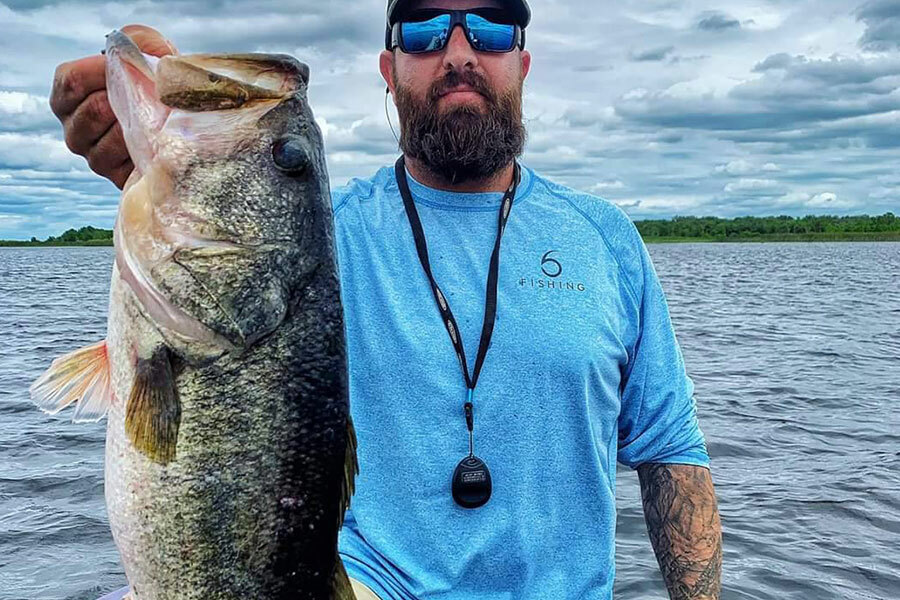
Fishing Florida's Lakes, Rivers, Springs, and Canals
Florida does not get enough credit as a freshwater fishing destination. Most people think of the ocean the moment you mention the state, and that makes sense given the coastline. But spend a weekend working a weed edge on Lake Tohopekaliga or wade-fishing a crystal-clear spring run in Marion County, and you will quickly understand why serious freshwater anglers from across the country keep coming back. The diversity here is genuinely hard to match. You have subtropical wilderness in the south, tannic blackwater rivers in the north, spring-fed systems that stay crystal clear year-round, and an extensive canal network that holds some surprisingly large fish. If you love freshwater fishing, Florida rewards you for paying attention.
What Makes Florida Freshwater Fishing So Special?
Florida's freshwater fisheries are shaped by two things: climate and water. The state spans enough latitude that the north feels more like the American Southeast in terms of habitat and species composition, while the south pushes into subtropical territory that nowhere else in the continental United States can replicate. That range means Florida freshwater fishing includes everything from largemouth bass in cool, tannic rivers to peacock bass in warm South Florida canals.
You can dig into the full range of what ITS has to offer through the Florida freshwater fishing video courses at In The Spread, where working guides cover specific techniques for the waters they fish every day.
What Freshwater Fish Can You Catch in Florida?
Florida Largemouth Bass
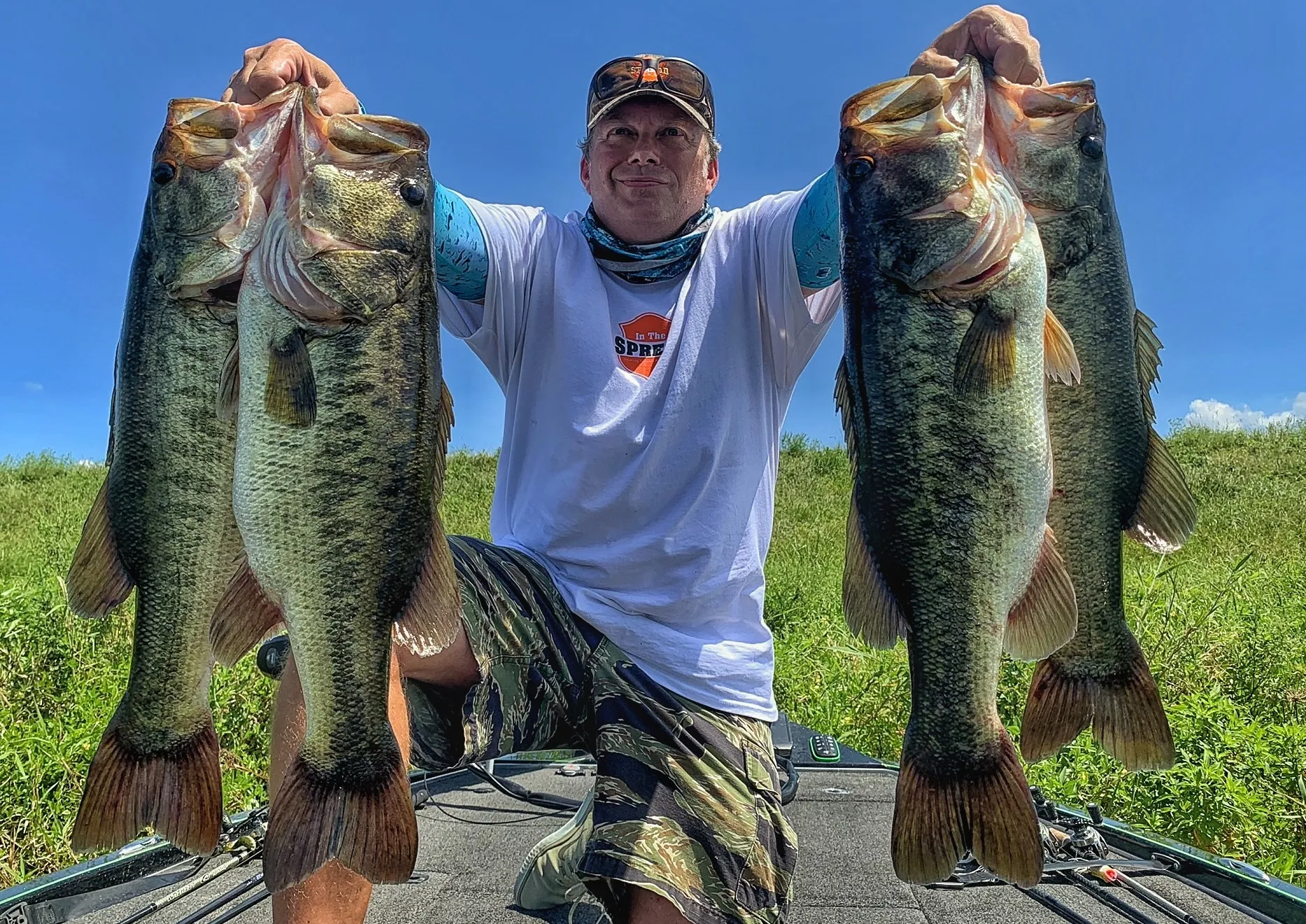
The Florida largemouth bass (Micropterus salmoides floridanus) is the fish that defines freshwater fishing in this state. Florida strain bass grow larger than their northern counterparts, a product of the warm climate and year-round growing season, and the state holds world-class trophy bass fisheries that draw serious anglers from around the world. Targeting them means thinking about cover: hydrilla mats, lily pad fields, submerged timber, dock pilings, and shoreline vegetation are all high-percentage areas.
The spring pre-spawn and spawn period, roughly January through March depending on latitude, is when the biggest fish of the year are most catchable as they move shallow to bed. In The Spread's largemouth bass fishing video courses break down seasonal presentations in detail, from flipping heavy matted cover to working finesse rigs in clear water.
Strategies for Florida Bass
Most anglers avoid the thickest vegetation mats on Florida lakes, but these impenetrable-looking areas concentrate pre-spawn bass where fishing pressure can't reach them. Kyle Monti explains punch rig construction allowing 1 to 2 ounce weights to crash through surface cover, heavy tackle specifications for extracting fish immediately, and why nastier cover produces better.
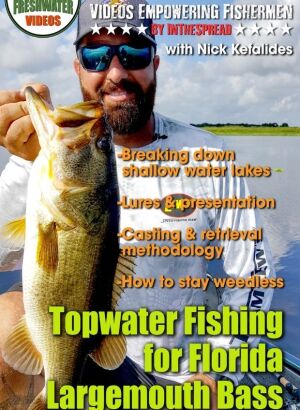
Early fall creates prime topwater bass conditions in Central Florida's shallow lakes when cooling temperatures trigger aggressive feeding in thick vegetation. Captain Nick Kefalides explains staying weedless while fishing topwater through hyacinth and hydrilla, boat positioning for accessing productive edges, and presentation techniques that produce explosive strikes during this transitional seasonal period.
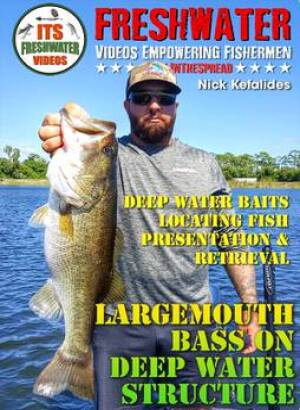
Electronics separate successful deep structure anglers from those struggling in Florida's 40 to 60 foot mine pits. Captain Nick Kefalides explains what sonar reveals about bass positioning on invisible offshore structure, why deep fish behave differently than shallow bass, and which presentations from Texas rigs to crankbaits match specific structural features.
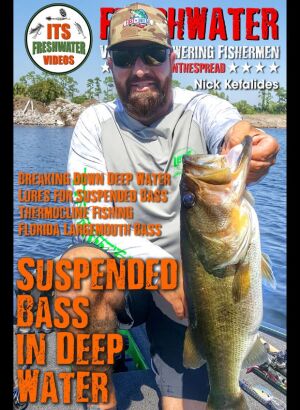
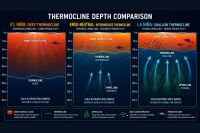
Strip mine bass suspend at thermoclines in 20 to 30 feet, ignoring shallow structure most anglers target automatically. Captain Nick Kefalides explains why temperature and oxygen layers concentrate fish at specific depths in water reaching 60 feet, how electronics reveal suspended bass positioning, and what vertical presentation techniques keep lures in strike zones.
Peacock Bass
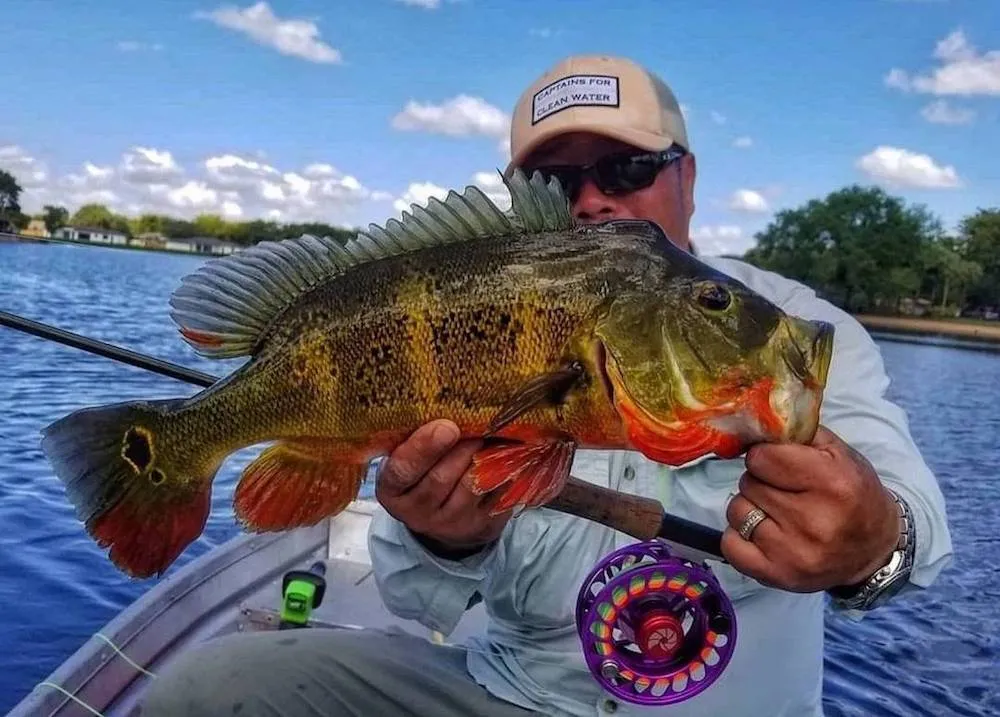
The butterfly peacock bass (Cichla ocellaris) is one of the more remarkable fishing opportunities in the continental United States. An exotic species introduced into South Florida's canal system in the 1980s to control invasive baitfish, peacock bass established a thriving population and now offer a tropical fishing experience without leaving the country. They are aggressive, visually striking, and fight hard for their size.
Black Crappie
Black crappie (Pomoxis nigromaculatus) school in large numbers around submerged structure throughout the state, making them one of the most reliably catchable species in Florida. Lake Tohopekaliga, Lake George, and Lake Okeechobee all hold excellent crappie populations. They respond well to small jigs fished vertically around dock pilings and bridge rubble, and are considered excellent table fare, which adds an obvious incentive to targeting them.
Bluegill
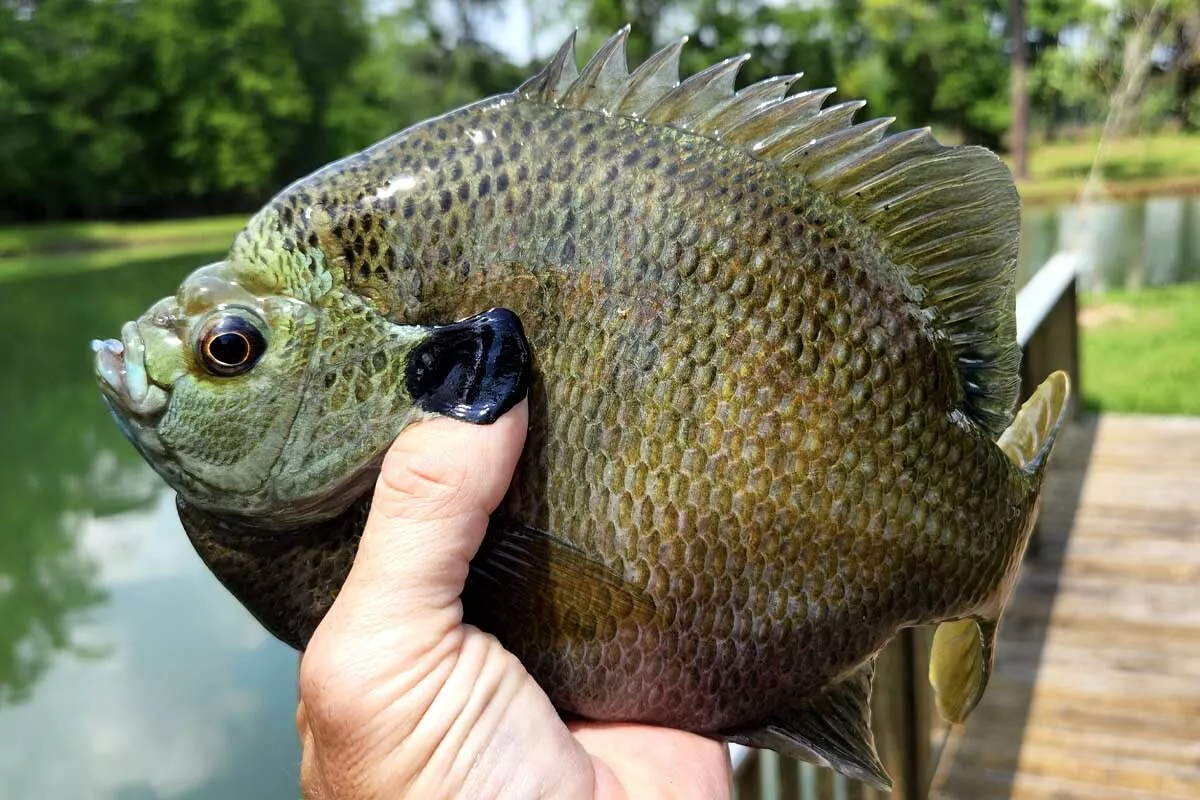
Bluegill (Lepomis macrochirus) are available in virtually every body of freshwater in Florida and are one of the best introductions to fishing a new piece of water. They are willing biters, active in warm months near aquatic vegetation and structure, and give a spirited fight on light tackle. Find the right beds in late spring and you can catch them steadily for hours. For newer anglers especially, bluegill are a fantastic way to learn a fishery before targeting bigger species. Panfish fishing videos at In The Spread cover technique and tackle for bluegill and other panfish species.
Channel Catfish
Channel catfish (Ictalurus punctatus) are a different kind of fishing experience. Patient, deliberate, and often best pursued after dark, catfish reward anglers who set up on current seams, deep holes, and areas below dams or spillways where current concentrates food. Strong-smelling baits like chicken liver, cut shad, or commercial stinkbait are effective. Florida's rivers and deeper lakes hold solid catfish populations year-round. Catfish fishing courses at In The Spread cover the rigs and presentations that consistently produce.
Chain Pickerel
The chain pickerel (Esox niger) does not get talked about as much as it deserves in Florida. Often called "Florida pike" colloquially, chain pickerel are aggressive ambush predators with a distinctive chain-link pattern along their flanks. They prefer slow-moving water with vegetation and will hit fast-moving lures aggressively. North and Central Florida rivers and weedy ponds are your best starting points.
Where Are the Best Freshwater Fishing Regions in Florida?
North Florida: Rivers, Lakes, and Blackwater Systems
North Florida is defined by its rivers. The St. Johns River stretches over 300 miles through the heart of the region, and its slow, northward flow supports a productive mix of bass, crappie, catfish, bream, and American shad during seasonal runs. The river's extensive floodplain and marshy backwater areas give it a complexity that rewards anglers who take time to learn its structure.
Lake George, the second-largest freshwater lake in Florida, sits along the St. Johns corridor and provides excellent largemouth bass and crappie habitat. Its size and the abundance of submergent vegetation create ideal conditions for Florida strain bass.
Central Florida: Trophy Bass Country
Central Florida holds what is arguably the most famous freshwater fishery in the country. Lake Okeechobee, often called Florida's inland sea, is a largemouth bass fishery of global reputation. The lake's sprawling hydrilla and emergent vegetation hold enormous populations of Florida bass, and fish over ten pounds are caught regularly by anglers who know where to look and when to be there.
South Florida: Wilderness Fishing in the Everglades
South Florida freshwater fishing takes on a different character entirely. The Everglades system is one of the most ecologically distinctive places on the planet, and fishing within it feels like stepping into another world. Largemouth bass, peacock bass, and gar are among the species found in the backcountry ponds, sloughs, and canal edges that define Everglades freshwater habitat.
Hidden Freshwater Fishing Spots Worth Seeking Out
Lake Dora
Lake Dora is part of the Harris Chain of Lakes in Lake County and is one of Central Florida's overlooked trophy bass destinations. Spanning roughly 4,500 acres, it receives less pressure than the more famous Central Florida lakes and regularly produces largemouth bass over eight pounds. The lake also holds solid crappie and bluegill populations, making it versatile across a full day on the water. The town of Mount Dora sits along its shoreline and makes for a practical base if you are spending a few days in the area.
Lake Wales
Lake Wales in Polk County offers quality bass fishing in Central Florida in a quieter setting. The lake holds largemouth bass, crappie, and panfish and is surrounded by a natural landscape rich with Florida wildlife. It is a good choice when you want a productive day on the water without fighting boat traffic.
Rainbow Springs
Rainbow Springs in Marion County is one of the most visually striking fishing environments in the state. The spring system pumps millions of gallons of water daily at a constant 68 degrees, creating a crystal-clear run where sight-fishing for bass and bream is possible with remarkable precision. The clarity works in your favor when you want to study fish behavior and presentation angles before making your cast. It is a different skill set from fishing stained water, and genuinely worth developing.
Little Econ River
The Little Econ River runs through the Orlando area and is one of the better urban fisheries in the state for fly fishing and light-tackle bass. Shaded banks, clear water, and a mix of bass and panfish in a surprisingly accessible setting make it worth a morning for anyone staying in the area. Do not let the suburban surroundings fool you; the river holds fish and the casting lanes are interesting enough to be genuinely challenging.
Can You Fish Florida's Canal Systems?
Absolutely, and you would be shortchanging yourself if you ignored them. Florida canal fishing is a distinct pursuit with its own set of approaches, and the results can be impressive. Florida's canals were built for water management purposes but over decades they have developed into functioning ecosystems that hold largemouth bass, peacock bass, bluegill, and various sunfish species in significant numbers.
- Canals concentrate fish around bridge pilings, culverts, and corner bends where current and structure meet
- Early morning and late afternoon produce the most activity, particularly during warmer months
- Butterfly peacock bass in South Florida canals respond strongly to fast-moving topwater and reaction lures
- Largemouth bass in canal systems often relate to the shaded sides of banks, especially where overhanging vegetation meets the water
Practicing catch and release is especially important in canal systems where non-native species like peacock bass maintain a delicate ecological balance. Florida Fish and Wildlife Conservation Commission guidelines should always inform how you handle and release fish in these systems.
What Do You Need Before Fishing Florida Freshwater?
Do You Need a Fishing License in Florida?
Yes. A valid Florida fishing license is required for all freshwater fishing by residents and non-residents with a few specific exemptions, including children under 16 and Florida residents 65 and older with proof of age and residency. Licenses are available through the Florida Fish and Wildlife Conservation Commission website, at county tax collector offices, and at many bait and tackle retailers. License fees directly fund fisheries management and habitat conservation.
What Are Florida's Freshwater Fishing Regulations?
Regulations vary by species, water body, and region and can change from year to year. Before any trip, check the current rules directly through the Florida Fish and Wildlife Conservation Commission at myfwc.com. Key items to verify include:
- Size and bag limits for target species such as largemouth bass and black crappie
- Any special regulations specific to the water body you plan to fish
- Seasonal closures or gear restrictions for certain species
What Is the Best Time of Year to Fish Florida Freshwater?
Season matters significantly. Spring, roughly January through March across most of the state, is prime for Florida largemouth bass fishing as fish move shallow to spawn. Fall brings cooling temperatures that activate fish across species as they feed aggressively before winter. Summer can be productive early in the morning and late in the afternoon before heat pushes fish into deeper, cooler water. Winter in South Florida remains fishable year-round due to the subtropical climate, and peacock bass in particular remain active when water temperatures elsewhere in the state slow fish down.
What Tackle Works Best for Florida Freshwater Fishing?
Matching tackle to species and environment makes a real difference. A few general principles:
- Medium-heavy to heavy flipping rods and 50- to 65-pound braid are the standard for punching Florida bass through matted hydrilla and grass
- Light spinning tackle in the 6- to 10-pound range handles bluegill, crappie, and smaller bass effectively
- Fly rods in the 5- to 7-weight range are well suited to spring runs and river fishing where accuracy and presentation matter
- Live shiners remain one of the most effective largemouth bass baits in Florida, particularly on lakes where the forage base is primarily shiner-heavy
Frequently Asked Questions About Florida Freshwater Fishing
What freshwater fish are most common in Florida?
Florida's most commonly targeted freshwater species are largemouth bass, black crappie, bluegill, channel catfish, and chain pickerel. In South Florida, butterfly peacock bass are also widely targeted, particularly in the canal systems of Miami-Dade and Broward counties.
What is the best freshwater fishing lake in Florida?
Lake Okeechobee is widely considered the premier largemouth bass destination in Florida and one of the top bass lakes in the country. For variety across species, the Kissimmee Chain of Lakes and Lake George in North Florida are strong contenders. Anglers targeting trophy fish specifically often point to Lake Tohopekaliga and Lake Okeechobee as their top choices.
Can you eat freshwater fish caught in Florida?
Yes, but consumption advisories apply to certain water bodies due to mercury levels, particularly in larger, older fish species like largemouth bass. The Florida Department of Health publishes current fish consumption advisories by water body and species at FloridaHealth.gov. Always check advisories before eating fish from unfamiliar waters.
Is catch and release required in Florida freshwater?
Catch and release is not universally required but is strongly recommended for trophy-sized fish and non-native species like butterfly peacock bass. Proper handling, including minimizing air exposure and using wet hands or a rubberized net, significantly improves survival rates after release.
Are there guided freshwater fishing trips available in Florida?
Yes, licensed fishing guides operate on most major Florida freshwater fisheries, including Lake Okeechobee, the Kissimmee Chain, Lake George, and the Everglades backcountry. Booking a guide for your first visit to an unfamiliar fishery is one of the fastest ways to compress your learning curve and understand how a water body actually fishes across seasons.
Where Do You Start with Florida Freshwater Fishing?
Florida's freshwater systems are deep, varied, and genuinely underexplored by most visiting anglers. Whether you are punching mats on Toho, watching a peacock bass blow up a topwater in a South Florida canal, or sight-fishing a spring run with a fly rod, there is enough here to keep you busy across a career of fishing trips. Start with one region, learn it thoroughly, and let the fishery pull you deeper into everything else Florida has to offer.
Login
to leave a review.
User Reviews
There are no reviews yet.
Setting Up a Dredge Pulley for Billfish
Saltwater
12.28.2020
High Speed Wahoo Trolling Rig
Saltwater
09.08.2018
Fishing Light Tackle for Yellowfin Tuna
Saltwater
09.08.2018
0