
Charter captains and fishing guides lose bookings every day to competitors with better websites, not better fishing. Understanding what your digital presence is actually costing you, and what it takes to fix it, is the first step toward building a site that works as hard as you do on the water.
Fishing Charter Websites That Win Bookings
I have spent more than a decade building In The Spread, working alongside some of the best captains and guides in the sport. In that time, I have seen the same problem consistently: exceptional operators who are nearly invisible online. The skill is there, the reputation is there, the loyal clients are there. But search for what they do and you find little, or worse, a site that actively works against them.
Why Are So Many Fishing Charter Websites Losing Bookings They Never Knew They Could Have Had?
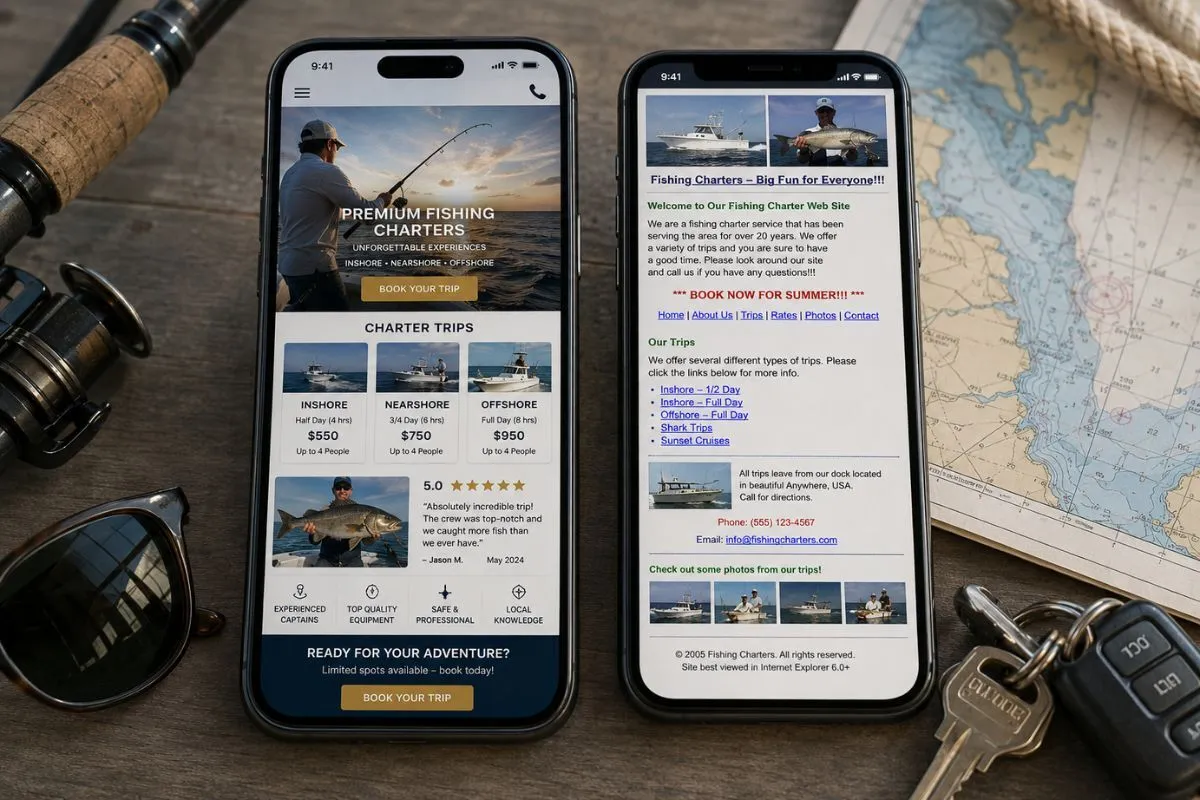
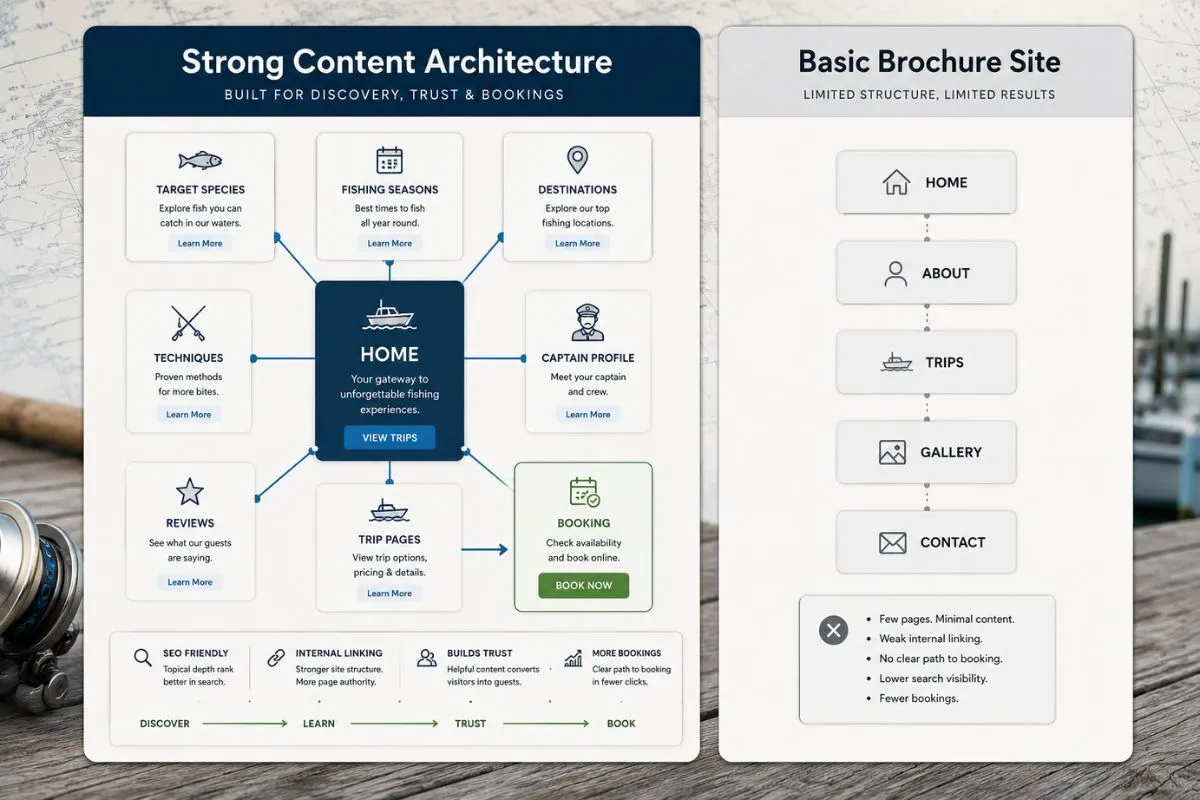
Most fishing websites were built as brochures, not as booking engines. A home page, a trip menu, a few photos, and a contact form. That was adequate when search engines were simpler and the competition thinner. Neither condition applies today.
The angler booking a charter trip no longer calls around the marina. They research. They search for species, destinations, techniques, and captain reputations before they reach out to anyone. That research happens across search engines, AI-generated answers, social platforms, and review sites. The fishing businesses that show up authoritatively at every stage of that process win the bookings. The ones that do not show up lose them to someone who does, often someone with less experience and a better website.
How Do Anglers Actually Research and Book Fishing Charters?
A serious angler planning a fishing trip starts with broad searches: blue marlin fishing in Kona, inshore guide Homosassa Florida, offshore charter Cape Hatteras, wahoo fishing Exumas. Those searches return articles, videos, social content, and AI-generated summaries. The angler is not looking to book yet. They are building a picture of which destinations match their target species, and which captains seem to know what they are talking about.
The businesses that show up here earn a head start that is nearly impossible to close later. Being cited in an AI-generated summary about blue marlin fishing in Kona, or having your article about inshore redfish tactics rank before a potential client even knows where they want to fish, positions you as a credible authority before they know your name.
Most fishing charter websites fail in the discovery phase and never recover. Their clients find them through direct referrals, not because the site did any work.
What Does a Properly Built Fishing Charter Website Actually Need?
Here is what actually moves the needle for fishing businesses in search.
Is your content architecture built around what anglers search for?
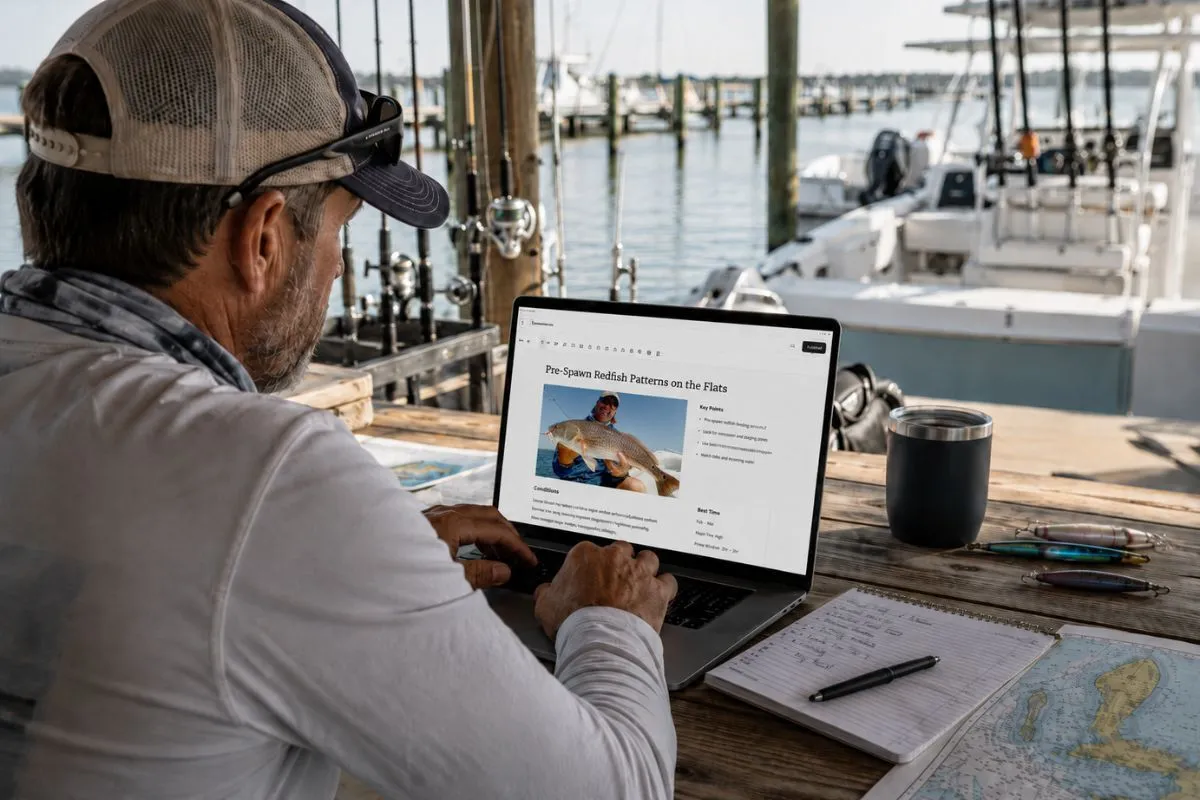
Content architecture means your site is organized around the questions and topics your potential clients are actively searching for. Not just a page for each trip type, but substantive content about the species you target, the techniques you use, the seasons that define your fishery, and the destinations you know better than anyone else.
A captain who has spent thirty years fishing the Homosassa flats knows things about tarpon behavior, tidal patterns, and rod selection for that specific environment that no one else can write. That knowledge, properly structured and published, is what earns search authority. An article about spring tarpon fishing on Florida's Nature Coast, written from real field experience, will outperform a generic trip description every time.
Content is the long game. It compounds. A site with fifty substantive articles about the species, techniques, and destinations that define your operation generates organic search traffic for years. A brochure site generates nothing on its own. This is the same principle behind the In The Spread video and editorial library: depth of knowledge, properly structured, earns the authority that keeps audiences coming back.
Capt. Kevin Hibbard Taught Courses
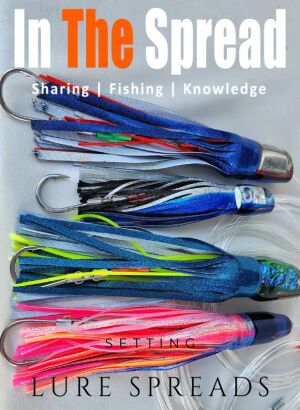
Calm water marlin fishing demands lure spread configurations different from rough sea presentations, with principles applying beyond Hawaii to any flat-condition fishery. Kevin Hibbard and Kris Ishibashi reveal how Omni sonar technology transforms blind trolling into informed spread adjustments, plus optimal wave positioning for different lure types creating balanced coverage where each lure maintains proper action throughout the spread.
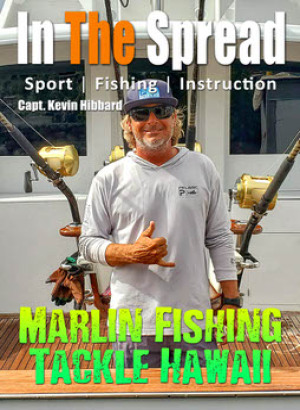
Blue marlin fishing unpredictability demands tackle capable of handling 1200-pound giants even when targeting average-sized fish. Premier destinations produce big marlin frequently enough that Captain Kevin Hibbard emphasizes reel capacity, drag systems, and mainline strength must handle sustained runs and extreme pressure rather than gambling on lighter setups adequate for smaller fish but inadequate when mama strikes without warning.
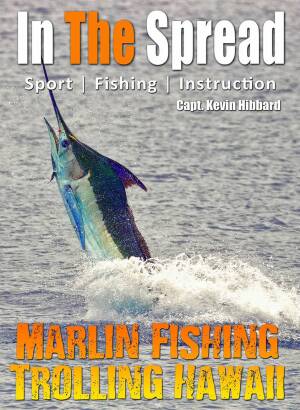
Blue marlin trolling effectiveness depends on using satellite data to locate temperature breaks and current convergences concentrating bait, then interpreting tuna and porpoise signals revealing real-time feeding activity. Kevin Hibbard's techniques for positioning lures relative to bait schools in open water versus around structures create systematic approaches rather than random trolling hoping to intersect marlin patrolling productive zones.
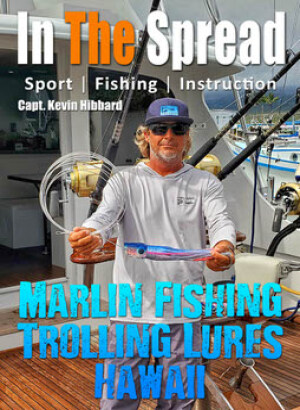
Blue marlin trolling lure effectiveness depends on understanding swimming cycles in varied sea conditions rather than random lure selection. Kevin Hibbard's Pacific-rooted rigging techniques emphasize how leader material natural bend and memory affect lure action, while his philosophy on size and color prioritizes angler confidence that allows committed fishing over constant second-guessing undermining presentation quality.
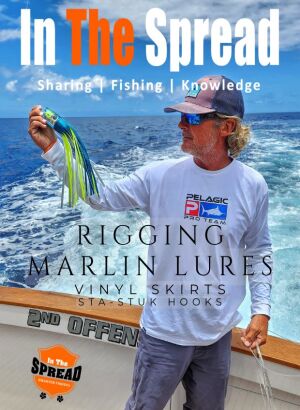
Vinyl skirt material creates different action and durability than rubber for blue marlin lures, affecting swimming characteristics at trolling speeds and withstanding violent strikes. Captain Kevin Hibbard's Hawaiian-inspired expertise reveals how lure head shapes interact with skirt materials, why certain color combinations outproduce similar alternatives, and step-by-step Sta-Stuk Hook rigging ensuring secure connections under extreme marlin fishing pressures.
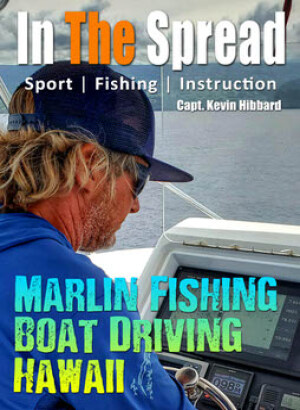
Blue marlin boat driving determines fight outcomes through simple spread setup allowing quick line clearing, understanding fish behavior patterns that inform positioning decisions, and achieving superior position early. Kevin Hibbard's worldwide marlin experience reveals how drag settings, line angle management, and strategic use of current create control needed for landing trophy fish rather than reactive responses after marlin establish advantages.
Is your site structured so AI systems can extract and cite your content?
This is the part most captains have not thought about yet, and it is becoming critical.
A growing share of the answers people receive when they search now arrive directly from AI-generated summaries, without a click to any website at all. Google's AI Overviews, ChatGPT, Perplexity, and similar systems read websites, extract information, and synthesize answers. The sites they pull from get cited. The sites they cannot make sense of are ignored.
- Answer-first content structure: Pages that open with a direct answer to the question they cover are more likely to be extracted into AI summaries than pages that bury the useful information below paragraphs of preamble.
- Schema markup: Structured data tells search engines and AI systems what your business is, where it operates, what services you offer, and who should trust you. Most fishing charter websites have no schema at all.
- Entity definition: Your site needs to make clear what you are. A sportfishing charter in the Florida Keys targeting sailfish, mahi-mahi, and wahoo is a distinct entity from a freshwater bass guide in Mississippi. The clearer your site defines that entity, the more accurately AI systems represent you in relevant answers.
- Internal linking: A coherent internal link structure tells search engines which content carries the most authority and how your topics connect. Random or absent linking signals a poorly organized site.
Why Has the AI Search Layer Changed the Stakes for Fishing Businesses?
For most of the past two decades, digital visibility for small fishing businesses meant showing up in Google's blue links. That standard still matters, but it no longer covers the full surface where discovery happens.
AI-generated answers now appear above traditional search results for a growing share of queries. Someone searching for "best offshore charter Destin Florida" or "tarpon guide Tampa Bay" may receive a direct AI-generated summary that names specific operations, describes their specialties, and answers follow-up questions, without the searcher clicking through to any individual site.
If your operation is cited in that answer, you are getting discovery-level exposure more valuable than a page-one ranking. The potential client receives a confident, synthesized recommendation rather than a list of links to evaluate. If you are not there, you are invisible to that search entirely.
Does Your Content Strategy Actually Support What Your Clients Are Searching For?
Most fishing charter websites have no editorial content strategy. The ones that do often have a blog that was updated three years ago and abandoned.
That is one of the clearest competitive opportunities in this industry. An operation that publishes consistent, authoritative content about its fishery, target species, techniques, and destinations builds a compounding advantage that is hard to close once it develops a meaningful head start.
That content should reflect the depth of knowledge that separates a working captain from an occasional angler: seasonal fish behavior, how to read the water in your specific fishery, what gear to bring, what to expect on the boat, how you approach specific target species. This is not generic fishing advice. It is the institutional knowledge built over years of working a specific piece of water.
It serves two purposes simultaneously. It demonstrates authority to potential clients evaluating whether to trust you with their fishing trip, and it provides the substance that search engines and AI systems extract when building answers to the queries those clients are running.
Is Your Booking Flow Losing Clients After They Find You?
Discovery is only half of the problem. The second half is conversion.
A potential client who has found your site, read your content, and decided you are the right captain should have a frictionless path to completing a reservation. Most fishing charter sites fail this test badly.
Common booking flow failures include:
- No online booking. Requiring email or phone to get pricing, availability, or a confirmation introduces friction that costs reservations, particularly from younger anglers who expect to complete the process entirely online.
- No visible pricing. Clients who cannot find pricing information will often leave rather than ask. Transparency converts better than mystery.
- No deposit handling. International clients, trip packages, and multi-day itineraries require deposit-and-balance structures. Generic booking tools cannot handle these cleanly.
- No mobile optimization. A significant share of trip research happens on mobile. A site that is hard to navigate on a phone loses those clients the moment they encounter friction.
What Should You Look for in a Web Partner Who Understands the Fishing Industry?
Most web developers do not fish, and that gap is more consequential than it sounds.
A developer without fishing industry context will not know how clients research charter trips, how seasons shape demand, how anglers evaluate operations before booking, or why a lodge in Costa Rica has fundamentally different infrastructure requirements than an inshore guide in Florida. The result is a site that looks reasonable on the surface and does not perform.
- Demonstrated work in the fishing or marine industry. Case studies with real specifics, not vague claims about experience.
- Technical SEO and AI search visibility capability. Can they explain schema markup, answer-first content structure, and entity definition in practical terms? These are the technical foundations that determine whether your site appears in AI-generated answers.
- Booking infrastructure experience. Have they built systems that handle deposit structures, seasonal packaging, international transactions, and trip customization?
- Content strategy depth. Do they understand the editorial side well enough to build a content architecture around your specific fishery, or do they build the site and leave the content problem to you?
Frequently Asked Questions: Fishing Charter Websites and Digital Visibility
How much does a professional fishing charter website cost?
The cost depends on operational complexity. A well-built WordPress site for a single-captain inshore guide might run from $5,000 to $12,000 including content strategy and technical SEO setup. A custom-built site for a lodge operation with multi-property packaging, international booking infrastructure, and a full content program is a different investment entirely. The more useful question is what an underperforming site costs in lost bookings over time.
Do fishing charter websites need a blog?
Yes, if the goal is search visibility. A site without substantive editorial content cannot earn organic search traffic on its own. It gives search engines and AI systems nothing to index, extract, or cite. The blog does not need to be updated daily, but it needs to grow consistently with content that reflects the actual depth of knowledge your operation possesses.
What is schema markup and does my charter website need it?
Schema markup is structured data that tells search engines and AI systems what your business is, where it operates, what services you offer, and how to present your information accurately. For a fishing charter, that means marking up your business type, service area, trip offerings, pricing structure, and reviews in a format machines can read and interpret. Without it, your site is significantly harder for AI systems to understand and cite accurately.
How do AI search overviews affect charter booking businesses?
AI search overviews from Google, ChatGPT, Perplexity, and similar systems now appear above traditional search results for many fishing-related queries. They synthesize information from multiple sources into a direct answer. Charter operations cited in those answers receive discovery-level exposure without requiring a search result click. Operations not structured to appear there are invisible to a segment of searchers who never scroll past the AI summary.
How long does it take to see results from SEO work on a fishing charter website?
Technical SEO improvements such as site speed, schema, and crawlability fixes can produce measurable results within weeks. Content-driven search authority builds over months. A site with a consistent editorial program typically begins to see meaningful organic traffic growth within six to twelve months of launching a structured content strategy. The compounding nature of content authority means the investment becomes more valuable over time.
Is social media more important than my website for charter bookings?
Social media and your website serve different roles and work best together. Social builds awareness and community. Your website is where the booking decision happens, where AI systems extract information about your operation, and where you own the client relationship without depending on a platform's algorithm or policy. A strong social presence pointing to a weak website is a leaky system. The website is the foundation.
Five Years from Now, This Decision Will Be Obvious
There is a version of this I would rather not be having in five years, where captains and guides who built exceptional operations are struggling to fill their calendars because they never adapted to how clients search. That outcome is preventable, but only if you act before the window closes.
The captains who build real websites, with real content, real technical foundations, and real AI search visibility now, will hold an advantage that compounds. The ones who wait will spend that same time playing catch-up against operations that moved earlier.
If you are ready for an honest conversation about where your site stands and what it would take to make it work for your business, Digital Upwelling is the firm I built specifically to do that work. The first step is a discovery conversation. It costs nothing, and it produces a clear picture of what you actually need, whether you engage further or not.
Seth Horne is the founder of In The Spread, the sport fishing industry's first subscription-based instructional video platform, and the founder of Digital Upwelling, a boutique strategy and development firm specializing in AI search visibility, technical SEO, and custom web development.
Seth Horne Founder and CEO
Login
to leave a review.
User Reviews
There are no reviews yet.
Complete Dredge Pulley Setup Guide
Saltwater
12.28.2020
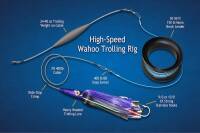
High Speed Wahoo Trolling Rig
Saltwater
09.08.2018
Fishing Light Tackle for Yellowfin Tuna
Saltwater
09.08.2018

0