
Big game fishing offshore runs across some of the most demanding techniques in saltwater: building a trolling spread for blue marlin, running high-speed lures for wahoo, chunking for yellowfin tuna, and deep dropping for swordfish. In The Spread video courses teach every one of those disciplines from the working captains who fish them professionally.
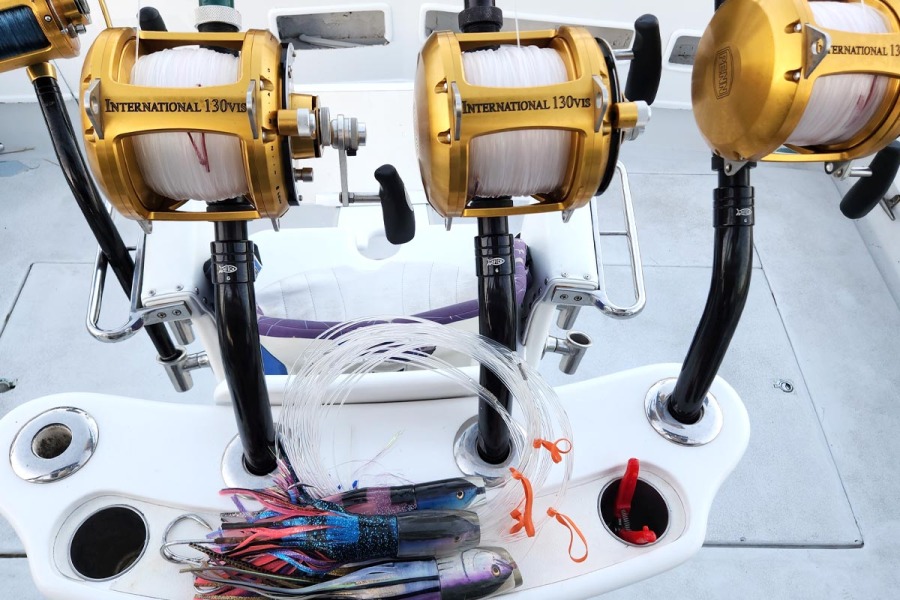
Learning Offshore Big Game Fishing from Top Captains
There is a moment on every offshore trip when the coastline disappears behind you and you realize the ocean has no bottom that matters anymore. The water turns from green to blue, the depth finder scrolls past numbers you'd never fish inshore, and the conversation on the boat gets quieter. Everyone is watching the spread.
What Makes Offshore Fishing Different from Inshore Fishing?
Offshore fishing, also called deep sea fishing, puts you in a fundamentally different environment from anything you do close to shore. You're working water that starts around 100 feet and often goes far deeper, targeting pelagic species that spend their lives in the open water column, following bait schools, temperature breaks, and current edges across vast stretches of open ocean.
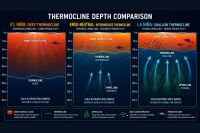
The ocean is not static. Water temperature shifts daily. Current seams move. Upwellings push cold, nutrient-rich water to the surface, concentrating bait and the fish that eat it. A spot that produced well last week may be cold and empty today. Reading those dynamics, and knowing how to put your baits in front of fish that are actively feeding, is the foundation of saltwater big game fishing.
Which Big Game Species Can You Target Offshore?
Every serious offshore angler builds a target list. The most sought-after big game fish in saltwater fishing are:
- Blue marlin: The benchmark species of offshore fishing, known for its size, power, and spectacular aerial runs.
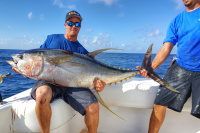
- Yellowfin and bluefin tuna: Brutally strong fighters that test tackle, physical conditioning, and drag settings. The yellowfin tuna fishery in the Gulf of Mexico is among the most productive in the world.
- Wahoo: Pure speed off the strike, outstanding table fare, and a technical challenge because of how fast they hit and how quickly they cut through inadequate leader material.
- Sailfish: The most acrobatic species in the mix, a favorite for light tackle offshore fishing because of their jumping and aggressive bites.
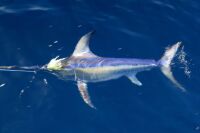
- Swordfish: One of the most demanding targets in all of saltwater fishing, requiring specialized deep dropping equipment and a willingness to fish in absolute darkness or at extreme depth during daylight hours.
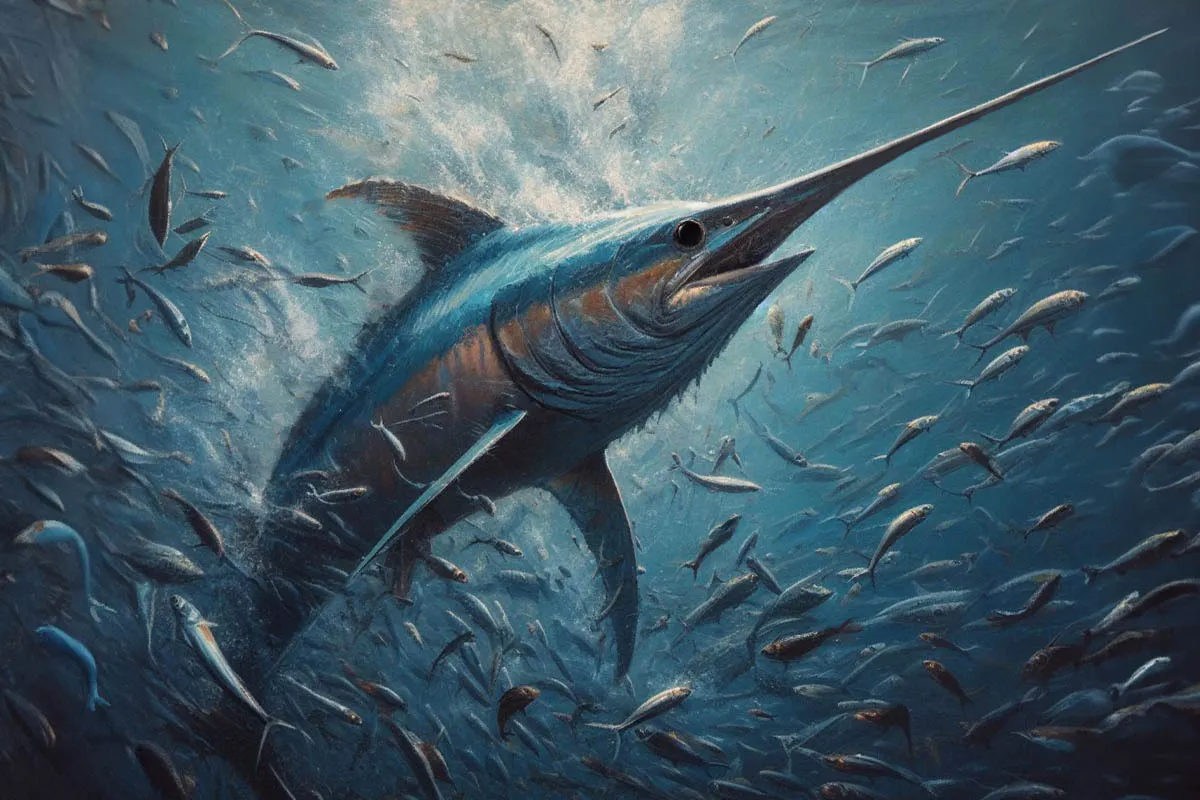
How Does Trolling Work for Offshore Big Game Fish?
Trolling for big game fish offshore is the foundational technique that most offshore captains build their entire program around. You're running a pattern of baits and lures behind the boat at varying positions and depths, creating a visual and acoustic footprint that simulates a school of fleeing baitfish. When the presentation is right, it triggers aggressive, reactive strikes from marlin, tuna, wahoo, and sailfish.
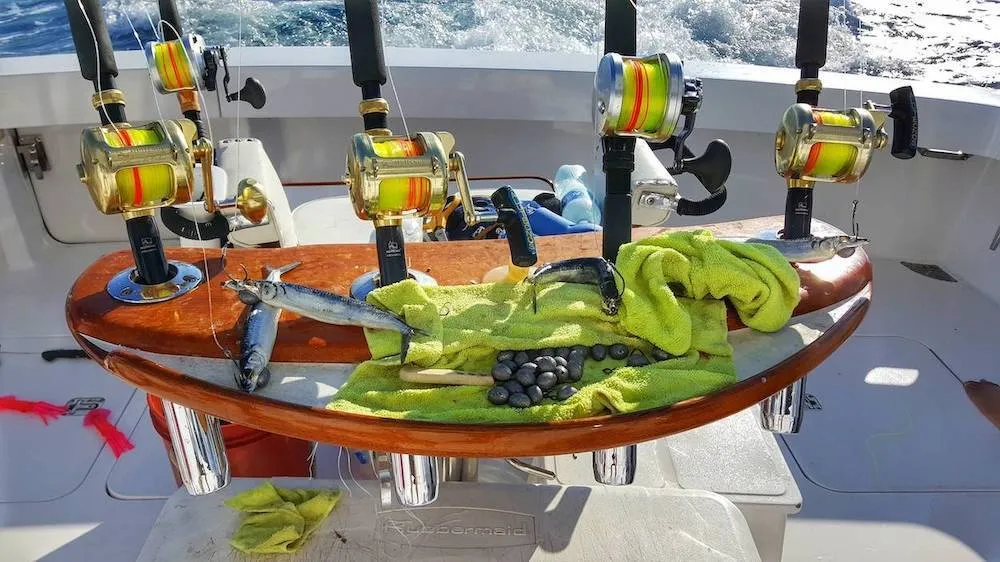
How Do You Set Up a Blue Marlin Trolling Spread?
Blue marlin fishing revolves around coverage and visual attraction. You're deploying multiple baits and lures at different distances and angles off the stern, creating a pattern that resembles a traveling school of bait. A standard offshore trolling spread includes positions at the short rigger, long rigger, short corner, long corner, and a shotgun bait running far back in the center.
- Skirted marlin lures run in the prop wash and off the outriggers, creating a smoke trail and bubble column that marlin track visually
- Rigged ballyhoo behind a skirted head, offering a natural swimming profile that pulls realistic even at trolling speed
- Live bait on a flat line for reactive bites from fish following the spread
Trolling speed for marlin typically runs between 7 and 9 knots. You want lures running in the second or third wave behind the boat, breaking the surface and throwing a visible trail.
Blue Marlin Trolling FAQ
What is the best trolling speed for blue marlin?
Most captains target 7 to 9 knots, adjusting for sea state and lure type. Skirted lures generally perform better at the higher end of that range. Rigged ballyhoo swims more naturally at 7 to 8 knots.
How far back should you run your marlin lures?
A short rigger bait typically runs 50 to 80 feet back. Long rigger positions are usually 100 to 150 feet. A shotgun bait can run 200 feet or more off the stern.
What lures work best for blue marlin?
Cup-face and bullet-head skirted lures in black and red, blue and white, and pink are consistent producers across conditions and regions.
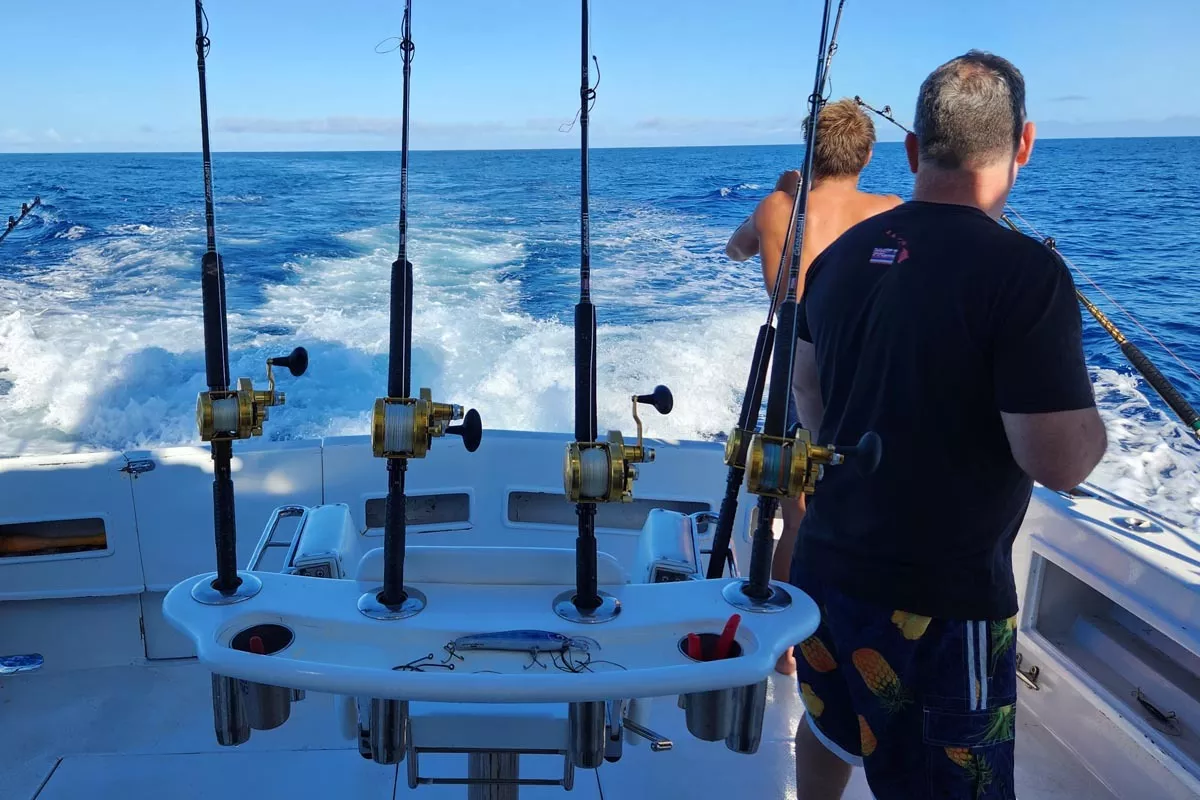
What Is the Best Way to Fish for Wahoo Offshore?
Wahoo are a different animal from marlin. They hit at extraordinary speed, often slashing a bait so fast the strike barely registers before the reel is screaming. The most effective strategy for targeting wahoo is high-speed trolling with wire leaders, which gives you both the speed advantage that isolates wahoo from slower species and the bite protection their razor teeth demand.
High-speed wahoo trolling runs between 12 and 18 knots. At those speeds, most species simply can't keep up, which helps sort wahoo from the rest of the offshore bite. Jet-head skirted lures, bullet heads, and large diving lures that track cleanly at speed are all proven producers.
Wahoo Fishing FAQ
What trolling speed targets wahoo most effectively?
High-speed trolling between 12 and 18 knots isolates wahoo from other species and puts lures in the strike zone at a pace that triggers their instinctive speed-based aggression.
Do you need a wire leader for wahoo?
Yes. Wahoo have serrated, razor-sharp teeth that cut fluorocarbon cleanly. A short wire or cable leader is standard practice for anyone seriously targeting wahoo offshore.
What lures work best for high-speed wahoo trolling?
Bullet-head and jet-head skirted lures in pink, orange, and chartreuse perform consistently. Large diving plugs are also effective when you want to get baits running at depth.
How Do You Catch Yellowfin Tuna Offshore?
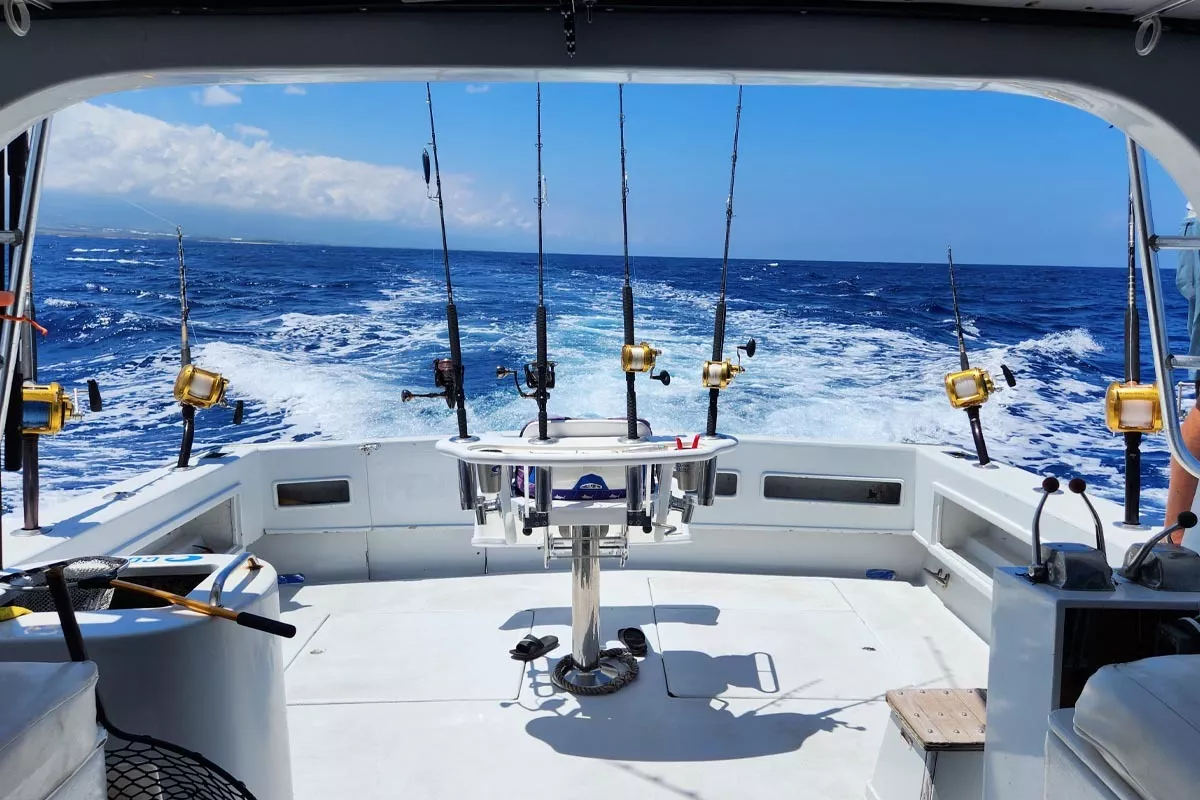
Trolling covers ground and finds active fish, but once you locate a school of yellowfin tuna, the approach often shifts entirely. Chunking, live baiting, and casting light tackle are the techniques that produce the biggest fish and the most exciting bites once you're on the school.
Chunking means cutting baitfish into pieces and throwing them steadily off the stern to create a drifting slick. You're drawing fish up in the water column with the scent trail and then presenting a baited hook in the middle of that slick. It's patient, methodical work, but when it clicks, the results are exceptional.
Yellowfin Tuna Fishing FAQ
What is chunking for yellowfin tuna?
Chunking involves cutting baitfish into pieces and throwing them overboard steadily to create a chum slick. The goal is to draw yellowfin tuna up in the water column where they can be targeted with a baited hook drifted in the slick.
What line and reel do you need for yellowfin tuna?
50 to 80-pound braided mainline with a fluorocarbon leader is a common setup for larger yellowfin. Reels need high line capacity and smooth, high-pressure drag systems. Big yellowfin make long, powerful runs that put every component under full load.
Offshore Trolling Video Courses
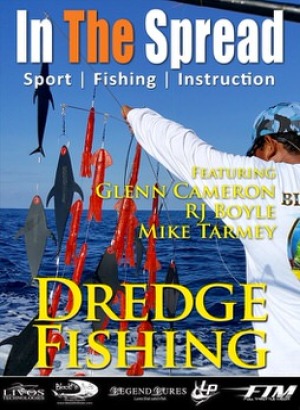
Dredge fishing generates more billfish opportunities by simulating concentrated bait schools that trigger competitive feeding, but improper configuration wastes effort without improving results. Captain Glenn Cameron and RJ Boyle explain equipment specifications, how dredge positioning affects pitch bait presentation, and when tournament scenarios justify the setup complexity versus traditional trolling spreads.
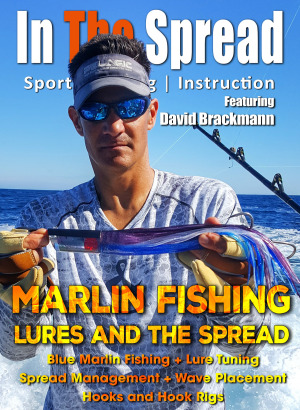
David Brackmann reveals blue marlin trolling spread strategies based on physics principles. This video covers first lure selection for speed regulation, wave position and prop wash placement, tag line systems with dacron loops, lure swimming cycles, head design considerations, and rigging methods that improve hook-up ratios.
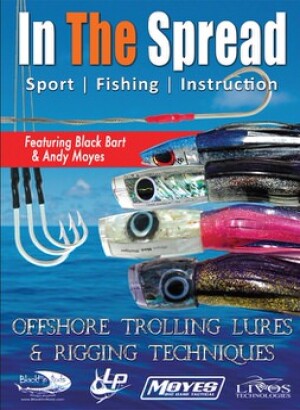
Marlin lure rigging approaches vary among top offshore anglers because different sea conditions, strike patterns, and fishing styles favor distinct techniques. Jack Tullius, Andy Moyes, and RJ Boyle present their rigging methods across three videos, explaining why expert perspectives differ and what factors should drive your own rigging decisions for specific offshore applications.
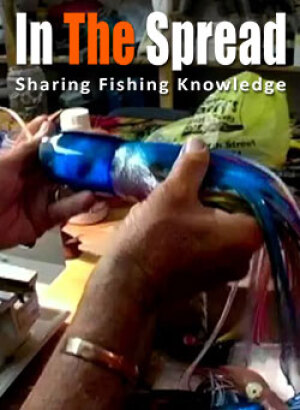
Manufacturing shortcuts create trolling lures that appear identical to proven patterns but swim improperly at speed. Captain Peter Bristow's decades fishing the Great Barrier Reef and Madeira reveal why poor molds produce top-heavy balance issues, how strategic head weighting affects hookset mechanics, and what research prevents expensive mistakes.
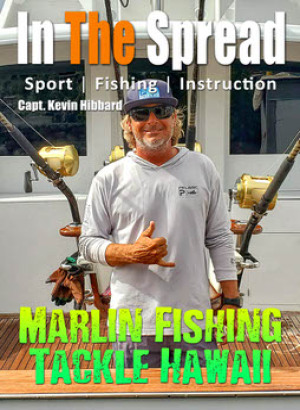
Blue marlin fishing unpredictability demands tackle capable of handling 1200-pound giants even when targeting average-sized fish. Premier destinations produce big marlin frequently enough that Captain Kevin Hibbard emphasizes reel capacity, drag systems, and mainline strength must handle sustained runs and extreme pressure rather than gambling on lighter setups adequate for smaller fish but inadequate when mama strikes without warning.
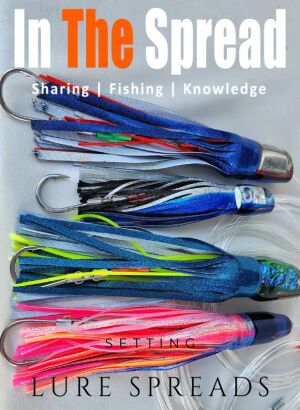
Calm water marlin fishing demands lure spread configurations different from rough sea presentations, with principles applying beyond Hawaii to any flat-condition fishery. Kevin Hibbard and Kris Ishibashi reveal how Omni sonar technology transforms blind trolling into informed spread adjustments, plus optimal wave positioning for different lure types creating balanced coverage where each lure maintains proper action throughout the spread.
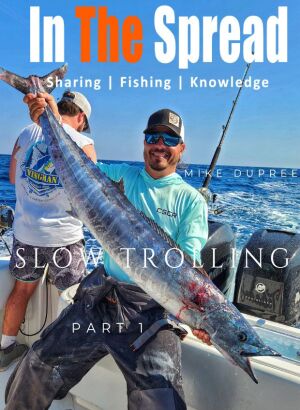
Slow trolling wahoo creates opportunities when high-speed presentations fail to trigger selective fish. Captain Mike Dupree's North Carolina expertise reveals using satellite data for isolating temperature breaks and current convergences, tackle specifications for slower speeds including planers for depth control, and ballyhoo rigging techniques producing natural presentations that aggressive methods cannot replicate effectively.

Wahoo demand trolling speeds exceeding 12 knots because their predatory behavior targets fast-moving prey, but standard offshore rigging fails at these speeds. RJ Boyle explains why high speed triggers strikes, how lure configuration and wire leaders handle forces at 18 knots, and what immediate post-strike response prevents the short strikes and cut-offs wahoo create when anglers react too slowly.
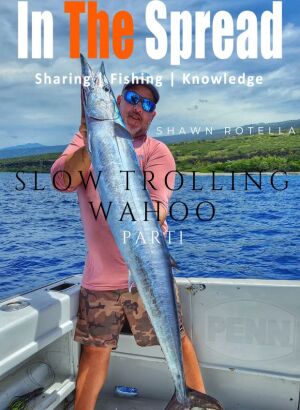
Slow trolling live bait unlocks wahoo opportunities when fish won't chase high-speed presentations, requiring understanding of how weather, tides, and moon phases affect feeding patterns. Captain Shawn Rotella's expertise reveals when to switch from speed trolling, how structure and current relationships concentrate wahoo, and drag management techniques preventing common mistakes that cost fish during fights with powerful speedsters.
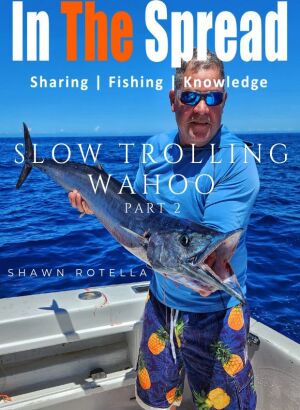
Slow trolling at 3 to 6 knots creates wahoo opportunities in Hawaii when high-speed presentations fail, requiring understanding of biological drivers affecting feeding behavior. Captain Shawn Rotella's legendary expertise reveals why speed ranges with live bait, dead bait, and lures trigger selective fish, plus gear and tackle differences between slow and high-speed trolling approaches matching ecological realities.
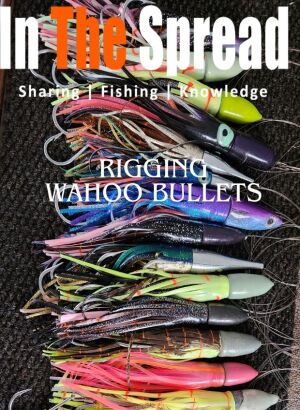
Wahoo bullet lures excel at high-speed trolling through streamlined cone design and heavy metal heads that dive and dance unlike other presentations. Arthur Bjontegard's rigging expertise covers wire leader changes, hook placement, and skirting techniques determining whether lures maintain proper action at velocities wahoo fishing demands, plus skirt color significance and trolling speed adjustments for triggering aggressive strikes.
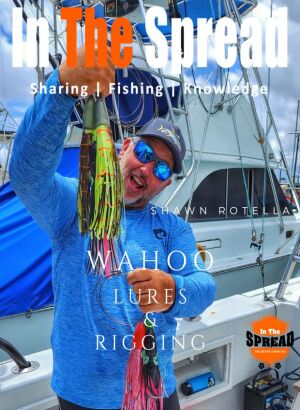
Custom wahoo lure making provides advantages commercial offerings cannot replicate when targeting formidable predators at high speeds. Captain Shawn Rotella's process crafting lead bullet lures with strategic skirt colors, piano wire leaders, and non-IGFA hook rigs demonstrates how construction quality and rigging techniques affect both lure longevity and action during trolling sessions demanding constant performance.
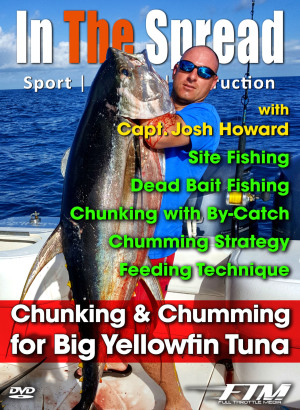
Venice, Louisiana is known for its abundant yellowfin tuna fishing, with captains and crews using advanced tactics and techniques. Capt. Josh Howard utilizes trawl boat by-catch to create a healthy chum slick, while In The Spread fishing video teaches ideal baits, chumming, and chunking. Fishing in the Gulf of Mexico relies on working fixed or mobile fish aggregators, making trowl boats an excellent fishing opportunity.
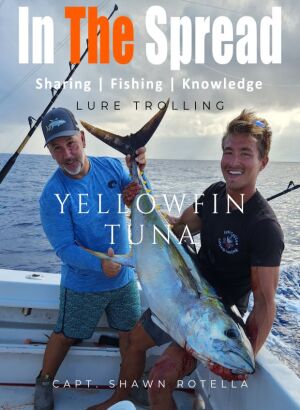
Yellowfin tuna trolling tactics shift dramatically when skipjack schools appear, demanding lure adjustments most anglers miss. Captain Shawn Rotella's Kona expertise reveals how predatory patterns, tide influences, and habitat structures determine which lure colors and trolling speeds trigger strikes from Thunnus albacares, plus post-catch gilling and cooling techniques preserving quality for premium table fare.
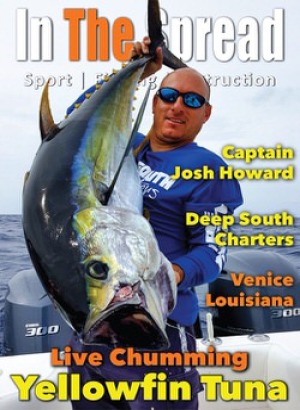
Yellowfin tuna around Venice trawlers feed competitively on bycatch discharge, creating brief windows where aggressive strikes can overwhelm standard tackle and technique. Captain Josh Howard explains how live bait selection matches trawler discharge, why hook and drag specifications prevent lost fish around moving vessels, and when these mobile feeding situations produce versus platform fishing.
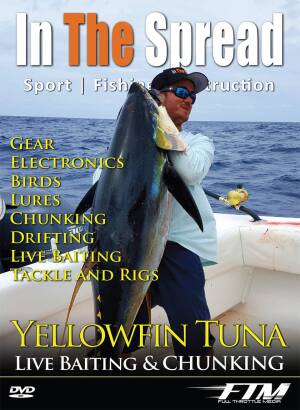
Yellowfin tuna reject more baits than they strike when chunking and drifting. RJ Boyle explains how chum distribution rate, bait matching, and drift positioning determine whether competitive feeding behavior triggers or fish simply feed selectively on free chunks without committing to hooked offerings.
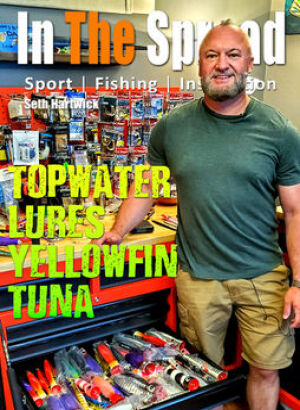
Topwater yellowfin tuna fishing evolved into refined styles where popper and stickbait quality, build, and price vary dramatically. Seth Hartwick's extensive lure testing reveals which designs justify investment, how sea conditions affect lure selection and placement, and what tackle components including hooks, split rings, swivels, and leaders create reliable setups withstanding violent tuna strikes.
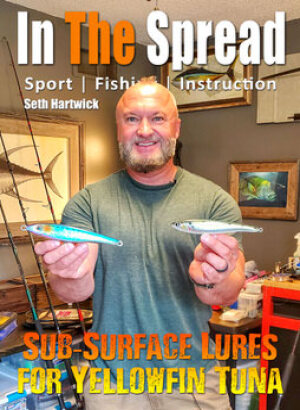
Yellowfin tuna feed in the top three to five meters using the surface as an edge to trap baitfish, making sub-surface lures more effective than topwater presentations. Sinking stickbaits reach these feeding zones while avoiding bird interference that dominates surface activity, requiring proper terminal tackle pairing with hooks and split rings maintaining lure action during violent strikes.
What Is Deep Dropping and How Does It Work Offshore?
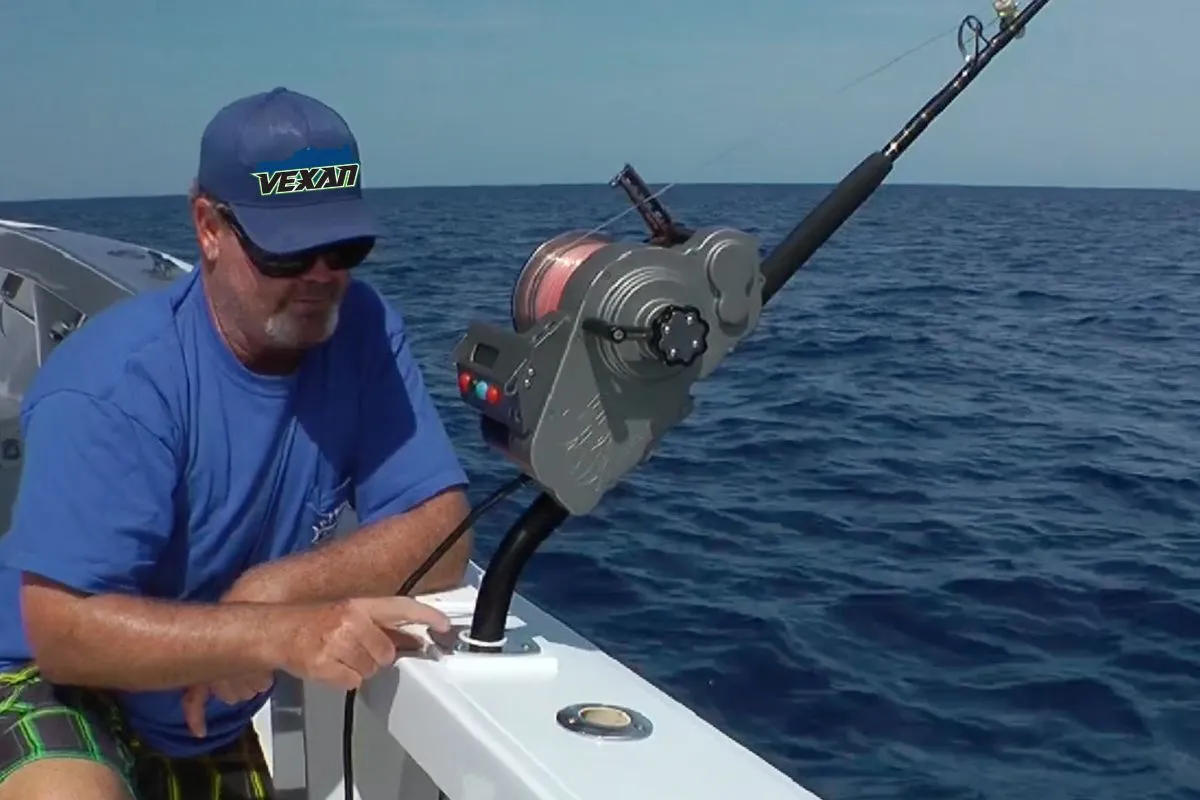
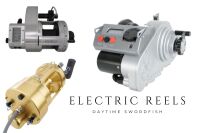
Deep dropping for swordfish is among the most technically demanding disciplines in all of offshore fishing. You're presenting baits at depths that can exceed 1,500 feet, using electric reels, heavy braided line, and substantial weights to reach water where broadbill swordfish feed during daylight hours.
The swordfish deep dropping setup involves a weight heavy enough to hold bottom in current, a long fluorocarbon leader, and rigged squid or mackerel baits placed close to the bottom. Bite detection requires reading subtle line movement and watching your electric reel for changes in load. At those depths, you're not feeling a classic tap-tap-set bite. You're watching for the fish to tell you indirectly that something is happening 1,400 feet below the surface.
Deep Dropping and Bottom Fishing FAQ
What depth do you target swordfish during daylight hours?
Daytime swordfish are typically found between 1,200 and 1,800 feet, though conditions can push them shallower or deeper. Electric reels are essentially required to fish effectively at those depths.
What gear do you need for deep dropping?
The core setup includes an electric reel with sufficient retrieve power, 80 to 130-pound braided mainline, a long fluorocarbon leader, and heavy bank or cannonball sinkers in the 16- to 32-ounce range, depending on current.
What species can you target with offshore bottom fishing?
Grouper, snapper, tilefish, and amberjack are the primary targets for offshore bottom fishing in the Atlantic and Gulf of Mexico. Each species is associated with specific depth ranges and bottom types.
Deep Dropping and Bottom Fishing Video Courses
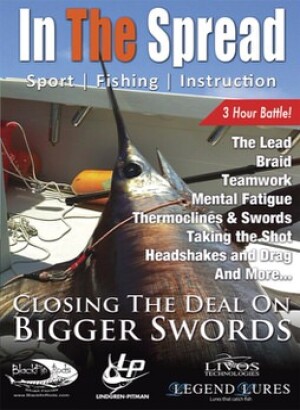
Learn proven swordfishing tactics for landing 500 to 800 pound fish with RJ Boyle. This video covers lead removal timing, harpoon shot execution, drag manipulation strategies, and wheelman boat positioning techniques that determine success when fighting trophy-class swordfish in challenging offshore conditions.
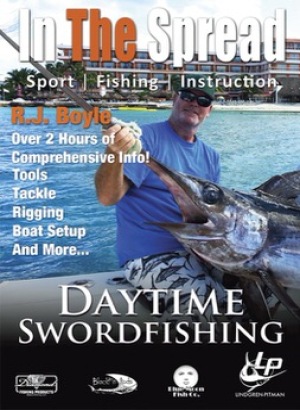
Daytime swordfishing operates at 1,200 to 2,000 feet where broadbill feed actively, creating technical challenges absent in nighttime surface fishing. RJ Boyle explains why depth fundamentally changes tackle requirements, how bait presentation at extreme depth affects strike detection, and what boat positioning precision maintains contact with baits along steep drop-offs where swordfish concentrate during daylight hours.
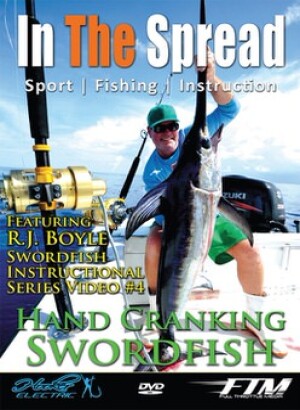
RJ Boyle reveals hand crank swordfishing techniques for IGFA-compliant record catches. This video covers tackle specifications for manual cranking, bait deployment at depth, recognizing swordfish bites, fight management strategies, and when hand cranking succeeds versus power-assisted methods in daytime offshore fishing.
RJ Boyle's comprehensive daytime swordfishing seminar covers the art and science of targeting broadbill swordfish. Learn depth understanding, equipment requirements, advanced rigging techniques, current stratification analysis, and how oceanographic knowledge combines with tactical execution for consistent success in this technical offshore fishery.
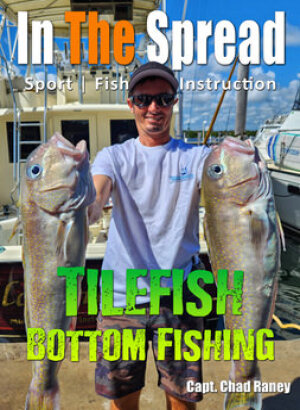
Golden tilefish create burrows in soft clay bottom hundreds of feet deep where they live in colonies, creating advantages for anglers because fewer snags occur and multiple fish concentrate in areas. However, contending with current while maintaining bottom contact and keeping bait on hooks demands specific techniques Captain Chad Raney developed for drift management and presentation in low current environments.
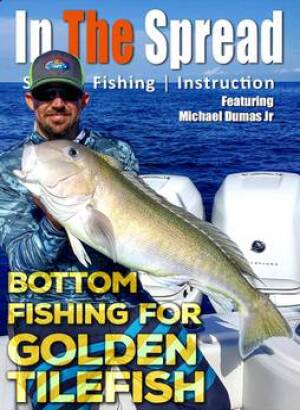
Depth sounders reveal whether bottom at 600 to 800 feet contains the soft mud golden tilefish require for burrows or harder substrates holding no fish. Learn identifying proper bottom composition, what Gulf Stream current does to bait presentation at extreme depth, and how rigging must account for detecting subtle bites occurring hundreds of feet below the boat.
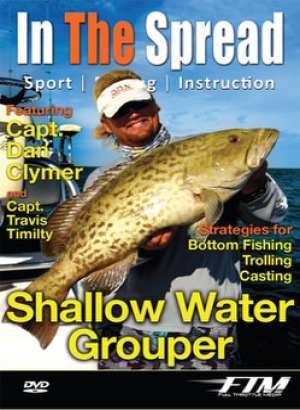
Captain Dan Clymer reveals shallow water gag grouper tactics for Florida reefs. This video covers live bait selection, artificial lure techniques, boat positioning strategies, bottom fishing methods, trolling approaches, and casting techniques for catching grouper in 20 to 60 feet of water.
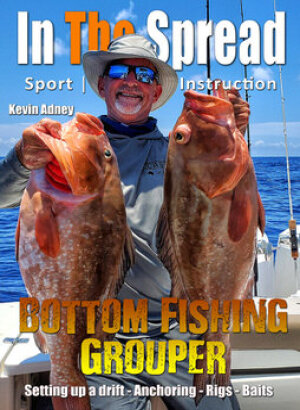
Grouper bottom fishing productivity depends on targeting natural reefs and wrecks where fish concentrate rather than random bottom. Kevin Adney's drift management approach keeps baits working productive structure zones systematically, but success requires understanding how current affects drift speed and positioning presentations where grouper ambush prey rather than sweeping past strike zones or hanging in barren areas between structure features.
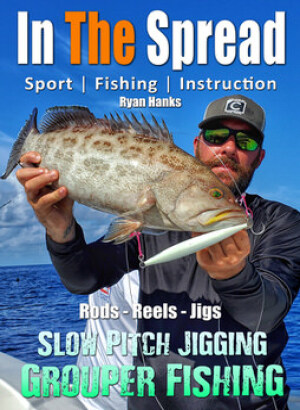
Slow pitch jigging keeps presentations ascending and descending within specific depth bands where grouper and snapper feed rather than ripping jigs through the water column. The technique mimics wounded baitfish fluttering instead of fleeing prey, using specialized rods and reels where anglers crank fish up from depth rather than leveraging them with rod power in counterintuitive approaches.
What Gear Do You Actually Need for Offshore Fishing?
Offshore fishing does not require the most expensive tackle on the market, but it does require gear that can handle the demands of big game and prolonged saltwater exposure. The right setup depends on your target species and the techniques you're running.
- Rods: Bent-butt heavy trolling rods for fighting chair or stand-up harness applications. Straight-butt rods for jigging, live baiting, and chunking.
- Reels: Large-capacity lever drag reels with smooth, reliable drag systems. Capacity matters. A big marlin or tuna will take hundreds of yards of line.
- Line and leaders: Heavy monofilament topshots over braided backing, or straight braid with a mono or fluorocarbon leader. Understanding bait rigging and leader construction pays dividends in every bite scenario.
- Hooks: Strong, chemically sharpened hooks that can drive home under full pressure. Circle hooks are standard for most live bait and rigged bait applications, particularly for catch-and-release.
- Lures and baits: A well-rounded offshore fishing tackle selection covers skirted lures across multiple head styles, rigged ballyhoo in multiple sizes, and high-speed diving lures for wahoo.
How Do You Find Fish in Offshore Water?
Finding productive water is where offshore fishing differentiates the consistent anglers from the ones who just put in long days. Modern technology gives you real tools, but those tools only work if you understand what you're looking at.
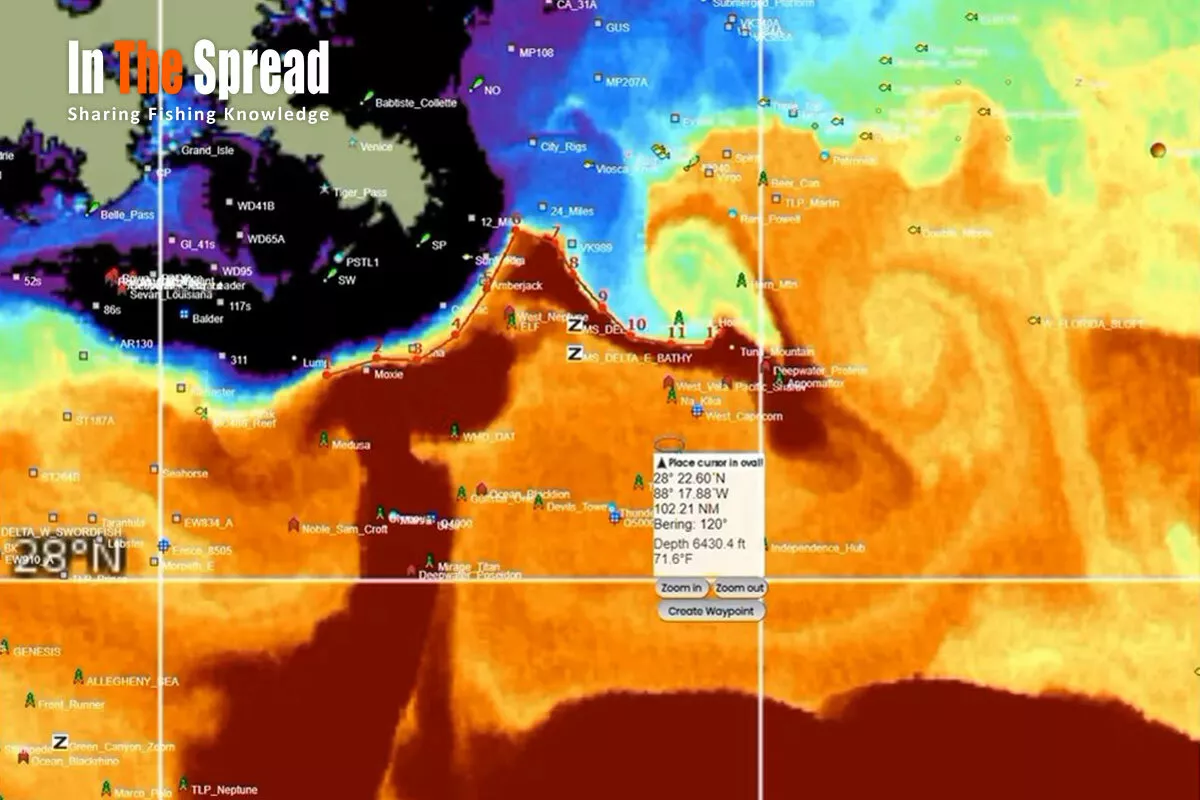
Sea surface temperature charts are the starting point for most offshore trips. Temperature breaks, where warmer and cooler water masses meet, concentrate baitfish and the game fish that follow them. Satellite fishing maps let you identify those breaks and associated current edges before you leave the dock, so you're not burning three hours of fuel searching for blue water.
Fish finders and sonar let you see bait concentration, bottom structure, and suspended fish in the water column. Interpreting that data accurately, distinguishing a school of bait from debris, or marking fish suspended at a specific depth, takes time and experience to develop.
Fish Finding FAQ
What is a sea surface temperature break and why does it matter for offshore fishing?
A sea surface temperature break is the boundary between water masses of different temperatures. Baitfish concentrate along these breaks, and big game fish follow the bait. Identifying productive temperature breaks before departure is one of the most effective ways to shorten the search and maximize fishing time.
What does a fish finder actually show you offshore?
Fish finders display return signals from sonar. In offshore fishing, they show bait schools as dense arches or clouds, bottom structure in deep water, and in some cases, individual fish or schools suspended in the water column. The quality of that interpretation depends on the angler's experience reading the display.
Conservation and Responsible Offshore Fishing Practices
Big game fish are a finite resource. The quality of the offshore fishery is directly tied to how anglers handle the fish they catch and how well the fishery is managed at the individual level.
Responsible catch-and-release practices for marlin and sailfish mean keeping the fish in the water whenever possible, using circle hooks to reduce gut hooking, minimizing fight time to preserve the fish's energy reserves, and reviving the fish properly at the boatside before release. A fish fought to complete exhaustion and then held up for extended photos has a significantly lower survival rate than one handled quickly and released with care.
Frequently Asked Questions About Offshore Fishing
What is the difference between offshore fishing and deep sea fishing?
The terms are often used interchangeably. Offshore fishing refers broadly to fishing beyond nearshore or inshore waters. Deep sea fishing more specifically implies targeting species at significant depth. In practice, most anglers use both terms to describe the same category of fishing.
How far offshore do you need to go for big game fishing?
It depends entirely on geography. In areas like the Florida Keys or the Bahamas, blue marlin and wahoo are accessible within a few miles of shore. In the Mid-Atlantic, productive marlin water may require a run of 50 to 100 miles or more.
What is the best time of year for offshore big game fishing?
Species and location determine the season. Yellowfin tuna are available year-round in the Gulf of Mexico. Blue marlin peak in the Mid-Atlantic from July through September. Wahoo fishing tends to be strongest during winter months in the Florida Keys and Bahamas.
What are offshore fishing video courses better at teaching than written content?
Watching a captain build and tune a trolling spread, rig a ballyhoo under tension at speed, or work a large fish from the fighting chair gives you visual and contextual information that no written description can replicate. Technique, timing, and decision-making all come through differently on video.
The Knowledge Behind Every Good Offshore Trip
No single article covers everything about offshore fishing. What this one can do is give you the framework, point you to the specific techniques worth learning in depth, and connect you with the people who have actually earned the knowledge they're teaching.
Login
to leave a review.
User Reviews
There are no reviews yet.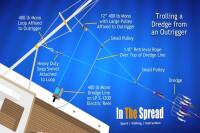
Setting Up a Dredge Pulley for Billfish
Saltwater
12.28.2020
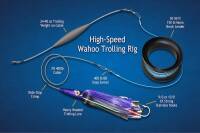
High Speed Wahoo Trolling Rig
Saltwater
09.08.2018
Fishing Light Tackle for Yellowfin Tuna
Saltwater
09.08.2018
0