
The Gulf of America rename changed nothing about fishing regulations. What actually matters: current bag limits, size minimums, and seasonal rules for red snapper, grouper, redfish, cobia, flounder, and snook across all five Gulf states, with a clear breakdown of where federal jurisdiction ends and state authority begins.
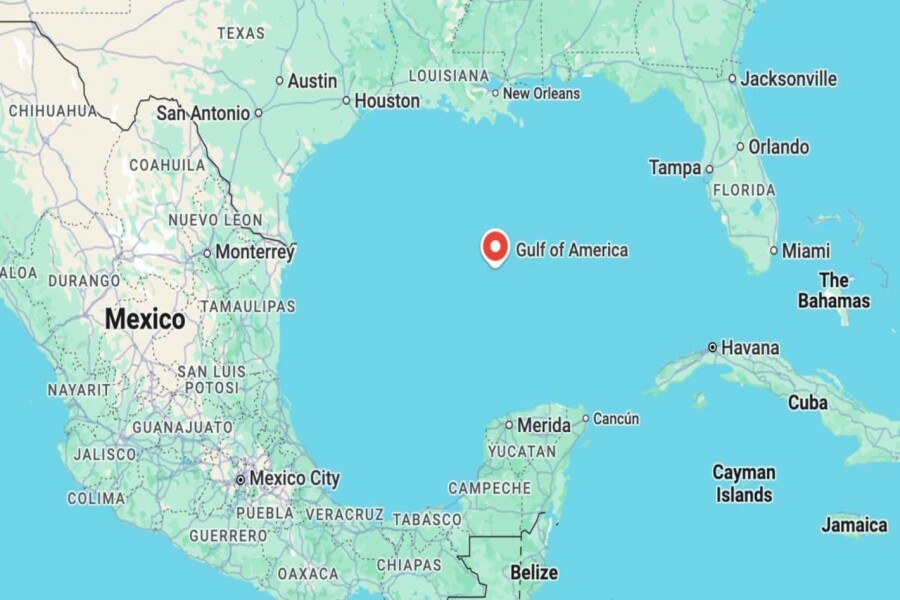
Fishing the Gulf of America: State and Federal Regulations
Regulations change annually. Always verify current rules with the official state and federal agency sources listed in this article before fishing.
When the federal government officially renamed the Gulf of Mexico to the Gulf of America through an executive order on January 20, 2025, Louisiana's Department of Wildlife and Fisheries issued a deadpan advisory reminding anglers that none of their fishing regulations had changed. The joke landed because it was perfectly absurd: you can rename a body of water, but you cannot rename the biology of a red snapper. The fish still need protection during spawning seasons. The reefs still need bag limits. The conservation science is still what it is.
So yes, all existing Gulf of America fishing regulations remain exactly as they were before the redesignation. The body of water has a new name on official U.S. government documents. The rules governing what you can catch, how many you can keep, what size fish are legal, and which seasons are open are unchanged. If you already know that and came here looking for a practical breakdown of what is actually required to fish these waters legally, you are in the right place.
How Gulf of America Fishing Jurisdiction Actually Works
Gulf fishing regulations operate under a two-tier system that divides authority between federal agencies and individual state governments. Which set of rules applies to your trip depends entirely on where you are on the water.
Federal jurisdiction covers the waters from three nautical miles offshore (for Louisiana, Mississippi, and Alabama) or nine nautical miles offshore (for Texas and Gulf-side Florida) out to the edge of the U.S. Exclusive Economic Zone (200 nautical miles). Texas and Gulf-side Florida have broader state water zones because of the historical boundaries established when those states joined the union. The National Marine Fisheries Service (NMFS), a branch of NOAA, enforces federal regulations throughout these offshore zones. The Gulf of Mexico Fishery Management Council, composed of stakeholders and scientists from all five Gulf states, develops the management plans that NMFS implements.
State jurisdiction covers nearshore and inshore waters inside those boundary lines. Texas, Louisiana, Mississippi, Alabama, and Florida each manage their own coastal waters through their respective fish and wildlife agencies. This is why red snapper seasons in Texas state waters can be longer than the federal offshore season on the same coast. You can be on a trip where both sets of rules apply depending on how far offshore you run.
- Federal waters (3 nm offshore for Louisiana, Mississippi, and Alabama; 9 nm for Texas and Gulf-side Florida): Follow current NOAA/NMFS regulations
- State waters (inside those demarcation lines): Follow the specific regulations of the state you are fishing
- For some species, like red snapper, season dates in state waters can differ significantly from the federal season
- Licensing requirements for state and federal waters often differ by species and vessel type
Red Snapper Regulations in the Gulf of America
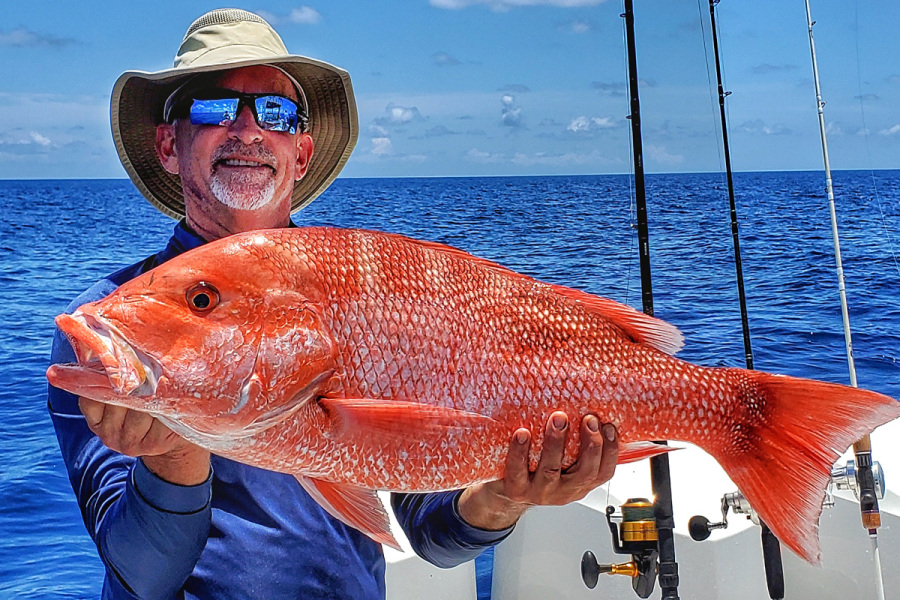
Red snapper is the most regulated, most debated, and most sought-after reef fish in the Gulf. Federal and state rules can differ substantially, and understanding the distinction between federal and state-water seasons is one of the most practical things a Gulf angler can know.
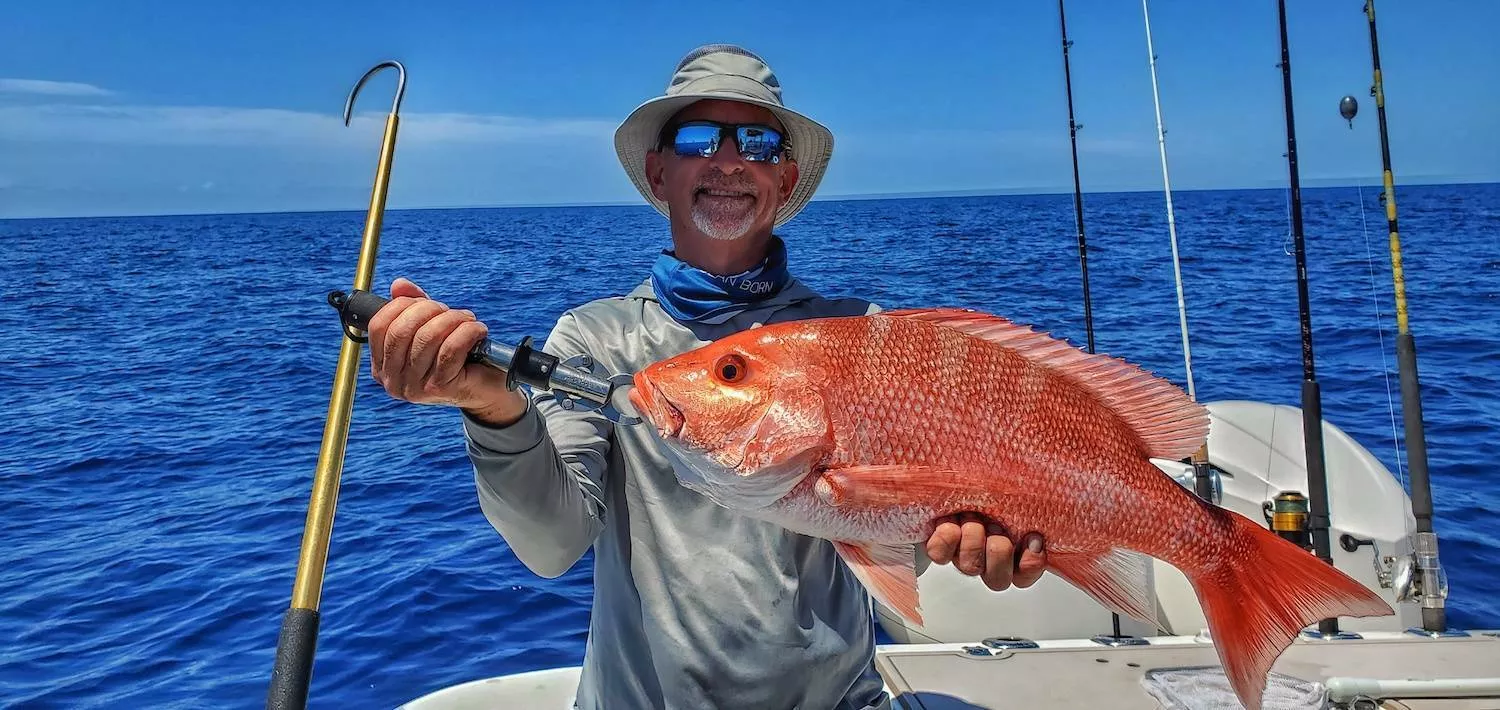
What Are the Federal Red Snapper Bag Limits?
In federal Gulf waters, the private recreational rules for red snapper are a 16-inch total length minimum and a bag limit of 2 fish per person per day. The season is announced annually by NOAA based on stock assessments and quota projections. It typically opens in June, but the exact dates and duration vary year to year. The season has been as short as a long weekend in some years and several weeks in others.
If you are planning a 2026 Gulf trip, the federal red snapper season announcement is typically released in spring. As of May 2026, check fisheries.noaa.gov for the official 2026 opening date and duration, as that announcement should be available now or imminent.
How Do State Red Snapper Seasons Differ?
Each Gulf state manages red snapper in its own state waters independently of NOAA, which frequently results in longer seasons and more fishing days than the federal window allows:
- Florida (Gulf side): Florida manages red snapper in its state waters (0-9 nm Gulf side) under a framework separate from NOAA, typically allowing a longer season. Current rules are at myfwc.com
- Texas: State waters (0-9 nm) often carry an extended or year-round season under Texas Parks and Wildlife. Check current rules at tpwd.texas.gov
- Louisiana: Follows the federal season framework in state waters but may post independent dates. Check wlf.louisiana.gov
- Mississippi: Generally aligns with the federal season in state waters. Check mdmr.ms.gov
- Alabama: Generally aligns with federal season dates. Check outdooralabama.com
Grouper Regulations in the Gulf of America
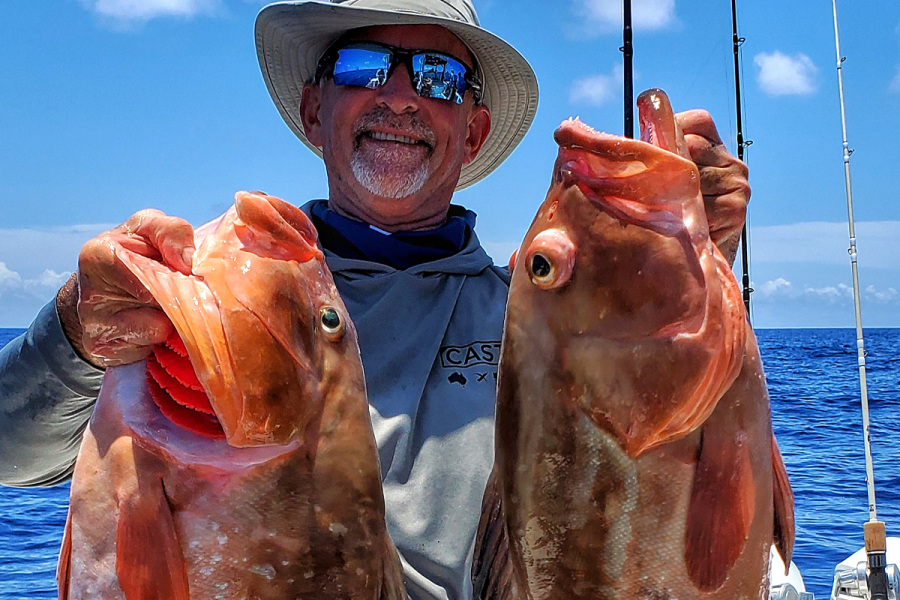
Grouper is where Gulf regulations get layered quickly. The region supports several managed species, and an aggregate bag limit governs how many you can keep across species combined. Understanding how the aggregate works prevents an expensive mistake at the dock.
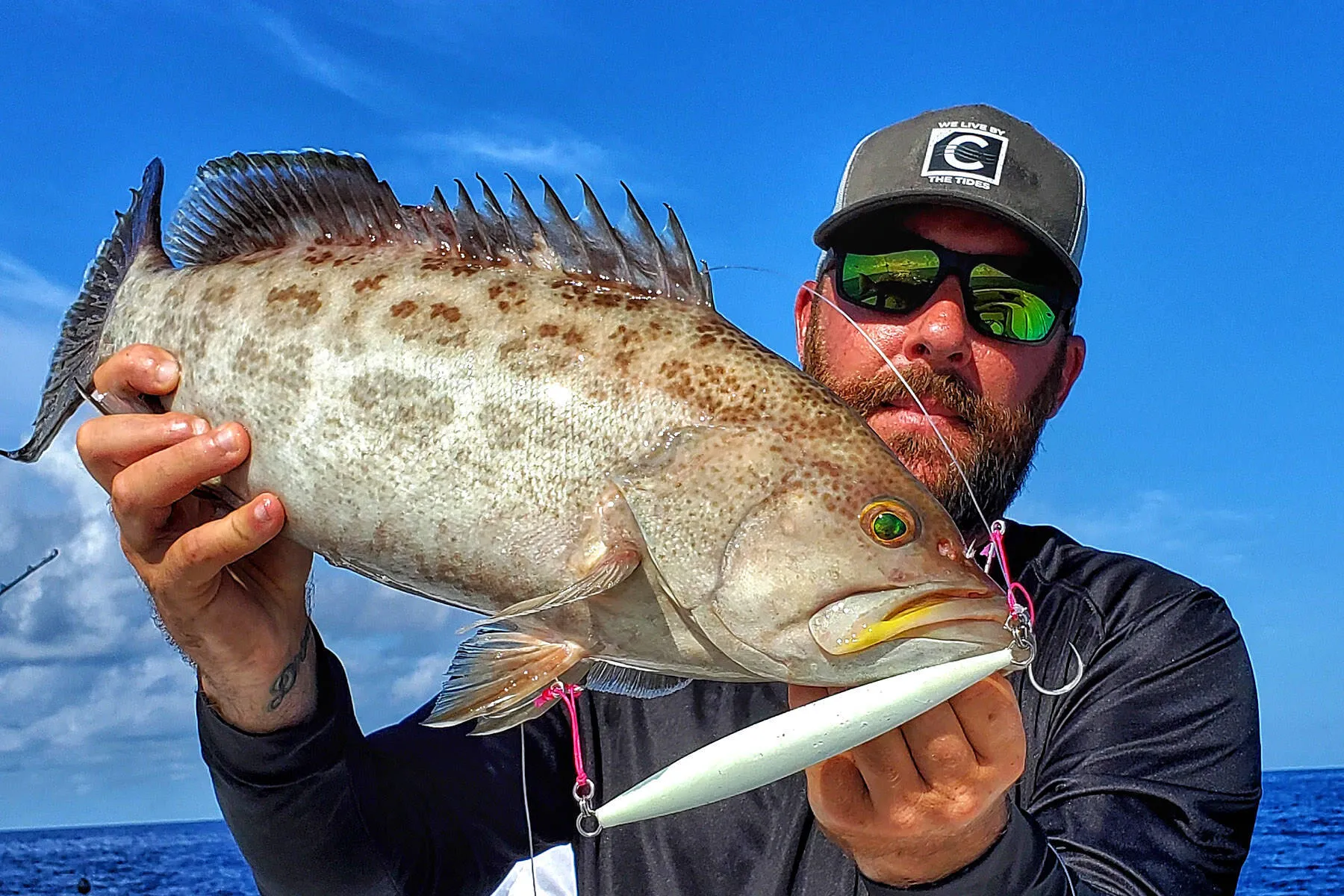
Federal Grouper Bag Limits and Size Minimums
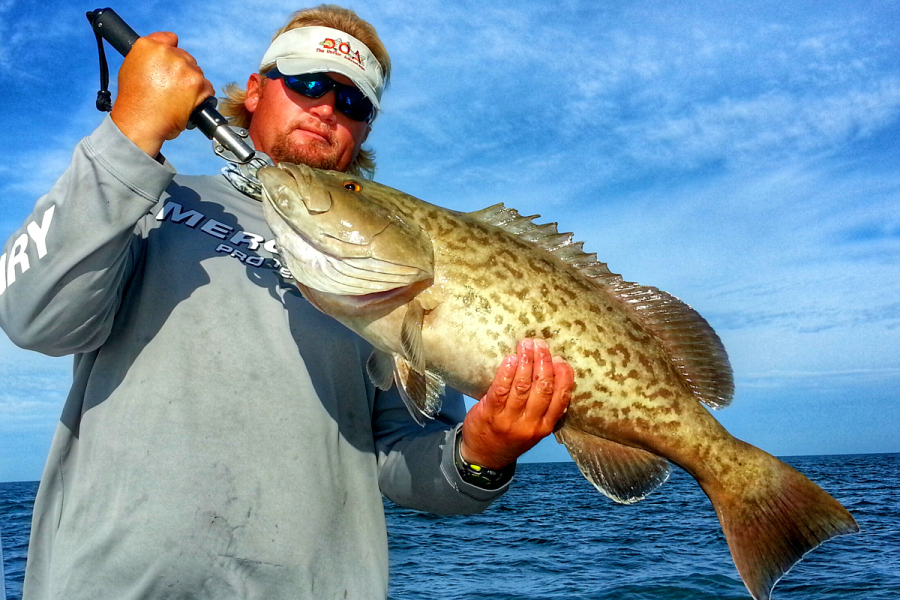
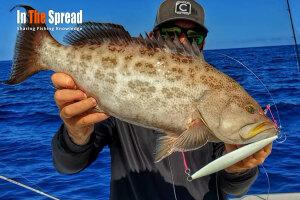
The grouper aggregate in federal Gulf waters covers gag, red grouper, black grouper, scamp, yellowmouth grouper, yellowfin grouper, and rock hind, among others. The aggregate bag limit is 3 grouper per person per day, combined across all covered species.
- Gag grouper: 24-inch total length minimum
- Red grouper: 20-inch total length minimum
- Black grouper: 24-inch total length minimum
Seasons for gag and other grouper species open and close at different times of year based on annual assessments. Current season dates are posted at fisheries.noaa.gov. Check before every trip, because in-season closures do happen when a quota is reached.
State Grouper Rules
In state waters, each Gulf state may carry slightly different size minimums or modified bag limits. Florida's Gulf state waters grouper regulations are updated regularly by the Florida Fish and Wildlife Conservation Commission and can differ from the federal framework. Check myfwc.com specifically for Florida state-water grouper rules before any inshore or nearshore trip targeting these fish. Other Gulf states generally track the federal framework closely in their nearshore zones, but always verify.
Redfish Regulations by Gulf State
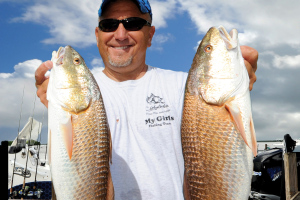
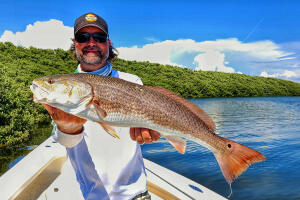
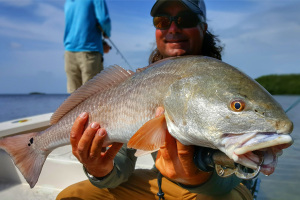
Redfish (red drum) are managed entirely at the state level. Unlike red snapper or grouper, there is no federal recreational bag limit for redfish anywhere in the Gulf. Every Gulf state sets its own slot limits, bag limits, and any closed seasons independently, which makes it essential to know the specific rules for the state where you are actually fishing.
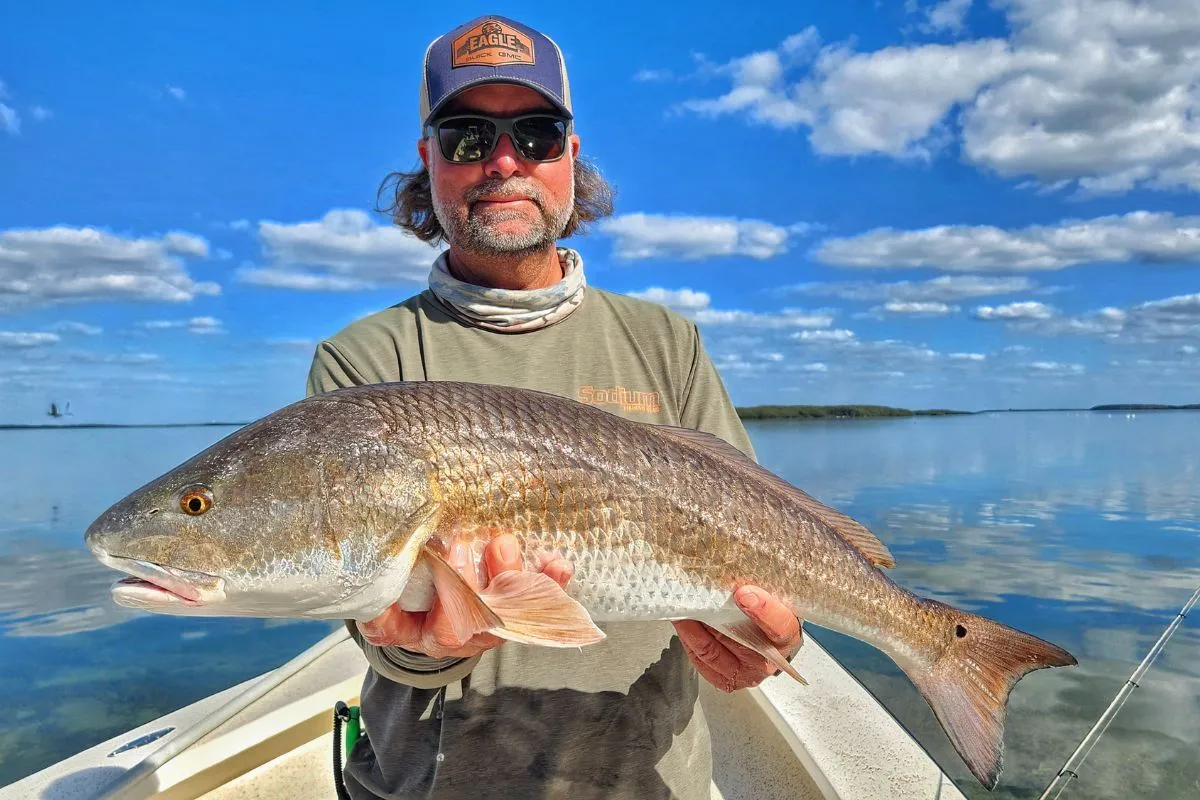
Here is a current summary of redfish slot limits and daily bag limits by Gulf state. These figures are subject to annual revision. Always verify with the relevant state agency before your trip:
- Florida (Gulf side): 18-27 inch slot limit; 1 fish per person per day
- Alabama: 18-27 inch slot limit; 3 fish per person per day
- Mississippi: 18-30 inch slot limit; 3 fish per person per day
- Louisiana: 18-27 inch slot limit; 5 fish per person per day (zone-specific variations apply)
- Texas: 20-28 inch slot limit; 3 fish per person per day
Cobia Regulations in the Gulf
Cobia are managed both federally and by individual states, and the rules differ depending on your location. These fish show up along the Gulf Coast in predictable spring migrations that draw serious fishing pressure, so regulations are enforced actively.
Flounder Regulations by Gulf State
Flounder are a nearshore and inshore species managed entirely by individual states. There is no federal recreational bag limit for flounder in the Gulf. Rules differ state to state, and Texas in particular has implemented fall closure periods to protect flounder during their offshore spawning run, which is a significant management tool that has evolved significantly in recent years.
- Florida (Gulf): 12-inch minimum total length; 10 fish per person per day
- Alabama: 12-inch minimum; 10 fish per day
- Mississippi: 12-inch minimum; check current limits at mdmr.ms.gov
- Louisiana: Seasonal restrictions and bag limits have been revised in recent years; check current rules at wlf.louisiana.gov
- Texas: 14-inch minimum; seasonal closures typically apply in fall; check tpwd.texas.gov for current dates
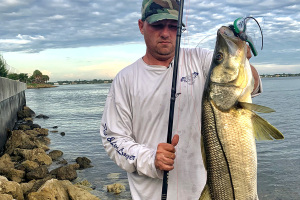
Snook Regulations in the Gulf
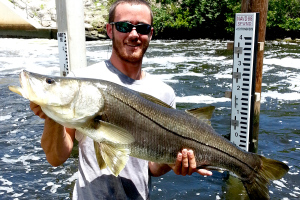
Snook are primarily a Florida Gulf species. They do not range in significant numbers into Texas, Louisiana, Mississippi, or Alabama, so snook regulations in the Gulf context are essentially Florida regulations.
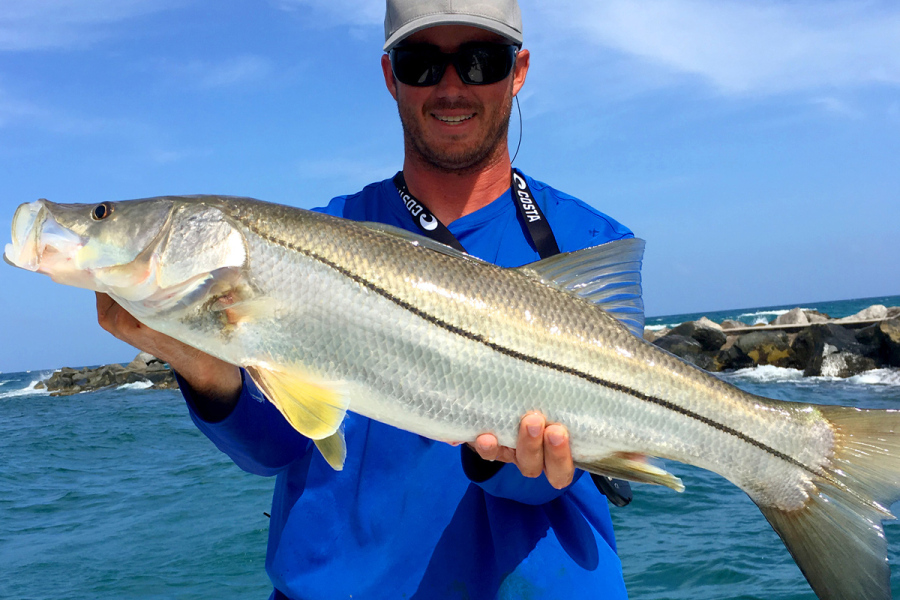
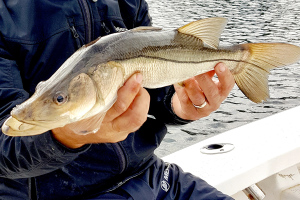
Florida manages snook with both a slot limit and seasonal closed periods designed to protect spawning fish. The current Gulf-side slot limit is 28-33 inches total length, meaning only fish that fall within this range may be legally kept. The bag limit is 1 fish per person per day. Closed seasons apply on the Gulf side of Florida and are updated periodically by region. Because snook season dates have changed several times in recent years in response to cold-kill events and population assessments, always check the current closed season dates at myfwc.com before you fish.
Fishing Gulf Inshore Waters: The Bigger Picture
The inshore Gulf is its own fishing environment, and the regulatory picture there is equally layered. Redfish, speckled trout, flounder, sheepshead, snook, and mangrove snapper all inhabit these coastal systems, each with their own rules. For a deeper look at the inshore Gulf hotspots and the species you will encounter when fishing bays and estuaries, read the full breakdown on fishing Gulf Coast inshore waters.
Gulf Species Fishing Courses
Official Sources for Current Gulf Fishing Regulations
No article can substitute for the current, official regulation publications from state and federal agencies. Regulations change. Seasons open and close mid-year when quotas are reached. Before every Gulf fishing trip, verify your target species rules directly:
- Federal waters (red snapper, grouper, HMS species): fisheries.noaa.gov
- Florida: myfwc.com (Florida Fish and Wildlife Conservation Commission)
- Texas: tpwd.texas.gov (Texas Parks and Wildlife Department)
- Louisiana: wlf.louisiana.gov (Louisiana Department of Wildlife and Fisheries)
- Mississippi: mdmr.ms.gov (Mississippi Department of Marine Resources)
- Alabama: outdooralabama.com (Alabama Department of Conservation and Natural Resources)
Frequently Asked Questions: Gulf of America Fishing Regulations
Did the Gulf of America renaming change any fishing regulations?
No. The executive order signed on January 20, 2025 renaming the Gulf of Mexico to the Gulf of America was an administrative action affecting official U.S. documents and maps only. All existing federal and state fishing regulations, including bag limits, size minimums, closed seasons, and licensing requirements, remain fully in effect and were not altered by the name change.
What is the federal red snapper bag limit in the Gulf?
The federal private recreational bag limit for red snapper in Gulf federal waters is 2 fish per person per day, with a 16-inch total length minimum. The season is announced annually by NOAA and typically opens in June. Season length and exact dates vary year to year. Check fisheries.noaa.gov for current season information.
Do redfish have federal regulations in the Gulf of America?
No. Red drum (redfish) are managed entirely by individual Gulf states. There is no federal recreational bag limit for redfish. Each state, Florida, Alabama, Mississippi, Louisiana, and Texas, sets its own slot limits and bag limits. These rules differ meaningfully across state lines.
What is the Gulf grouper aggregate bag limit?
The aggregate bag limit for covered grouper species in federal Gulf waters is 3 fish per person per day, combined across all species in the aggregate, including gag, red grouper, black grouper, scamp, and others. Size minimums vary by species, with gag at 24 inches and red grouper at 20 inches total length.
Do I need a special permit to fish federal Gulf of America waters?
Most recreational anglers fishing in federal Gulf waters need only their state saltwater fishing license. If you target highly migratory species such as tuna, billfish, or swordfish in federal waters, a free Federal Highly Migratory Species (HMS) Angling Permit from NOAA is required. Apply at fisheries.noaa.gov.
Are snook regulations the same across the Gulf?
Snook in the Gulf are primarily a Florida species. Florida manages them with a slot limit of 28-33 inches total length, a bag limit of 1 per person per day, and seasonal closed periods that vary by region. Closed seasons have been adjusted in recent years due to cold-kill events. Always check current season status at myfwc.com before targeting snook.
How often do Gulf fishing regulations change?
Federal regulations for species like red snapper and grouper are reviewed annually by NOAA and the Gulf of Mexico Fishery Management Council. State regulations are updated through each state's legislative and agency process, typically on an annual cycle. Bag limits, size minimums, and season dates can all change. Checking the relevant agency website before each trip is the only reliable way to stay current.
Tight Lines and Full Fish Boxes Start with Knowing the Rules
The Gulf of America is one of the most productive fishing environments in North America, and the regulatory framework protecting it is exactly what keeps it that way. The name on the chart may have changed. The obligation to fish these waters responsibly and legally has not.
Whether you are chasing red snapper on federal structure, working slot redfish through a coastal marsh, pulling grouper off a Gulf ledge, or working snook along a Florida mangrove shoreline, knowing which regulations apply to the water you are on is part of fishing competently. It is not bureaucratic noise. It is how these fisheries remain worth fishing.
Login
to leave a review.
User Reviews
There are no reviews yet.
Complete Dredge Pulley Setup Guide
Saltwater
12.28.2020
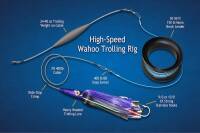
High Speed Wahoo Trolling Rig
Saltwater
09.08.2018
Fishing Light Tackle for Yellowfin Tuna
Saltwater
09.08.2018


Fishing Gulf of Mexico Inshore Waters
Saltwater
11.28.2023
0