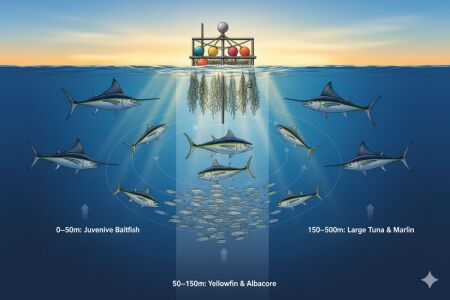
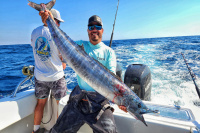
Fish Aggregating Devices function as magnets in the open ocean, triggering natural behaviors that concentrate marlin, tuna, mahi-mahi, and wahoo at specific GPS coordinates. Government programs in Hawaii, the Gulf of Mexico, and Caribbean territories maintain these structures, publishing exact locations that transform offshore fishing from speculation into strategic pursuit.
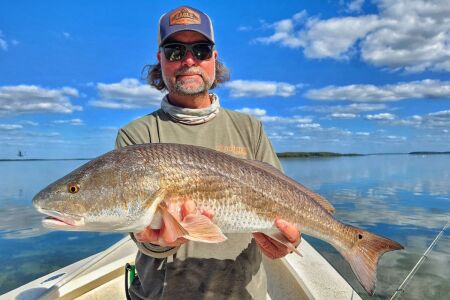
Homosassa's spring-fed ecosystem supports exceptional inshore fishing from trophy bull redfish to 200-pound tarpon. Learn seasonal patterns, proven sight fishing and live bait techniques, plus the unique shallow-water grouper fishery that exists nowhere else on Florida's Gulf Coast. Includes insights into the legendary tarpon fishery's decline and conservation efforts.
Artificial intelligence now predicts fishing grounds with 92% accuracy up to eight days in advance. Commercial platforms like GreenFish proved the technology works. South Korea invested $106 million. NOAA deployed systems detecting hooked fish before human eyes can see them. The revolution filtering down to recreational offshore fishing is no longer theoretical. It's measurably changing catch rates, fuel efficiency, and competitive advantage.
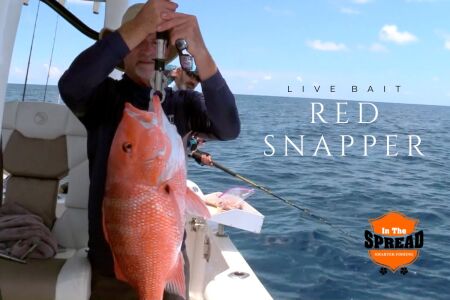
Successful red snapper fishing requires matching your bait to depth, target size, and conditions. Pinfish and pogies dominate for trophy fish, bonito strips excel in deep water, and vertical jigs avoid bait stealers. Learn proven techniques from Gulf and Atlantic charter captains for consistent catches on oil rigs, artificial reefs, and deep ledges.
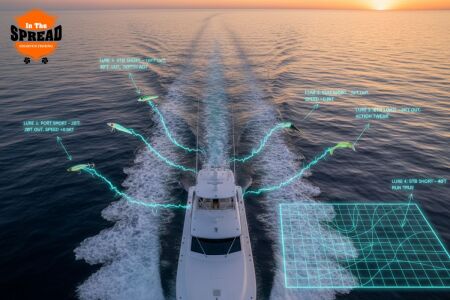
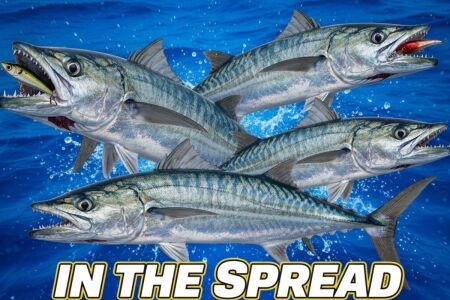
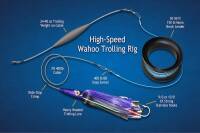
Trolling for king mackerel, Spanish mackerel, and wahoo means running three different programs: live bait at 1 to 2 knots for kings, small spoons trolled briskly for Spanish, and heavy lead at 12 to 18 knots for wahoo. Here is how to set up each one.
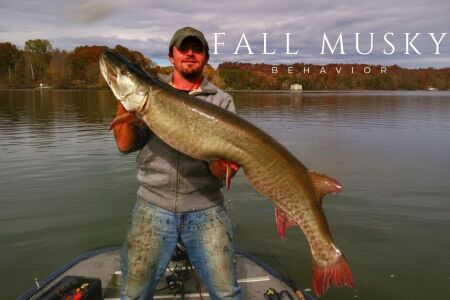
Understanding fall muskie feeding behavior explains why autumn produces the biggest fish of the year. As water temperatures drop through specific ranges, muskellunge shift locations and feeding strategies based on metabolic efficiency and prey migrations, creating predictable patterns that reward anglers who adapt their approach to seasonal changes.
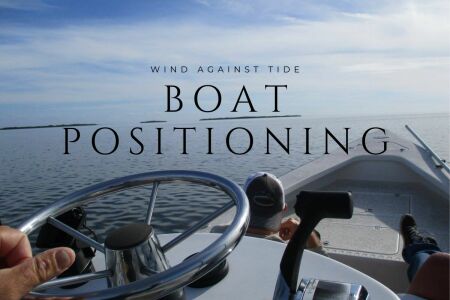
Whether targeting grouper on offshore wrecks or snapper along coastal reefs, your boat's position relative to structure and current determines catch success. This technical breakdown covers anchoring systems, drift fishing methods, electronic positioning, species-specific strategies, and safety protocols that professional charter captains use daily to consistently locate and land bottom-dwelling gamefish.
Tidal timing dramatically improves saltwater fishing success over slack periods. Understanding how water movement affects fish behavior during flood and ebb tides provides predictable results for anglers targeting inshore and offshore species across all regions.
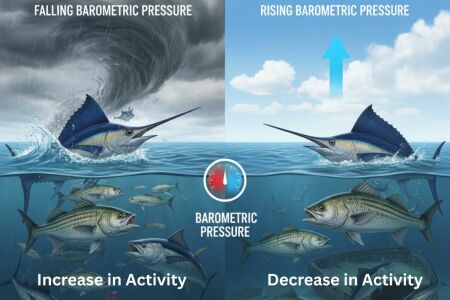
The hours before a front pushes through often produce the best bite of the week, then everything shuts down for two days behind it. That pattern is not luck. It tracks barometric pressure, and learning to read the barometer alongside wind and tide changes how you plan trips.
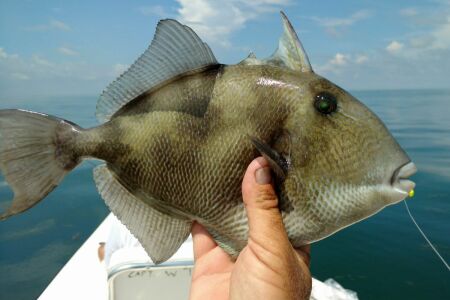
Triggerfish steal bait for a living, and standard hooksets feed them all day. The fix is precision: a smaller hook, a tougher bait, and reeling instead of lifting to drive the hook home. This is where they hold, when they bite, and how to turn taps into fish.
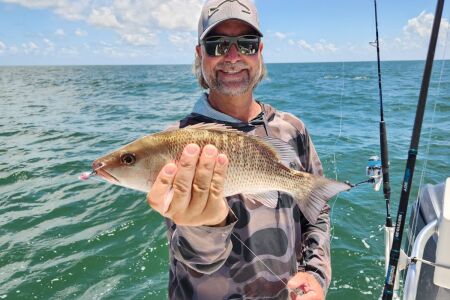
Mangrove snapper are leader-shy, hook-shy, and quick to bury you in structure, so the rig decides the day. Here is how to build the setup for shallow inshore water and deep offshore reefs, and how to adjust it as depth and current change.
Veteran firefighter Lieutenant Zak Miller founded Nautical Pathfinder as the fishing charter industry's independent auditing service. Unlike traditional review sites, they personally experience every offshore charter before recommending it. Their rigorous evaluation system helps anglers find exceptional fishing experiences while elevating charter operation standards worldwide.
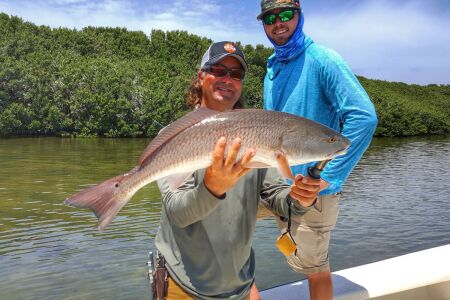
Heat does not push redfish off the flats the way it does everything else. Through the hottest stretch of the year I work the Homosassa backcountry and the outside keys, reading shade, current, and mullet schools to find fish that have gotten a lot more specific about where they sit.
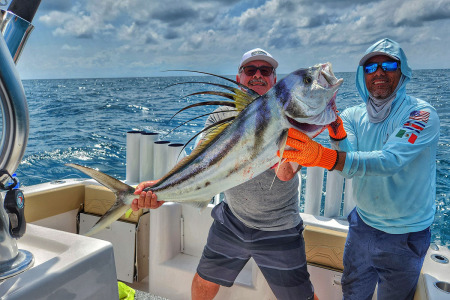
The Osa Peninsula offers world-class roosterfish Costa Rica opportunities that most anglers never experience. Advanced techniques targeting deep-water giants require specialized knowledge beyond typical surf fishing. Expert strategies for bait management, structure fishing, and trophy roosterfish tactics.
Florida grouper season dates, size limits, and bag limits change by coast, by species, and sometimes mid-year by executive order. Here are the current Gulf of Mexico and Atlantic rules for gag, red, black, scamp, and the rest, plus the gear you need on board.
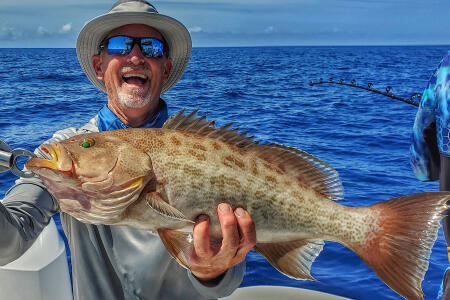
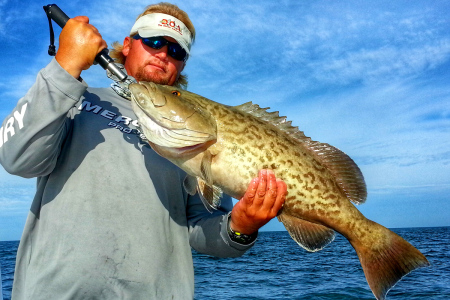
Crystal River, Florida offers unparalleled shallow water grouper fishing unlike anywhere else on the Gulf Coast. Trophy gag grouper thrive in waters as shallow as 8-10 feet, creating an accessible yet thrilling experience. October through December delivers peak action when cooling temperatures bring these powerful predators inshore, making this Florida's premier grouper destination.
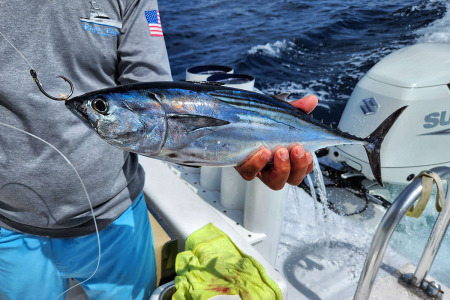
Few baits work across the full range of offshore species the way bonito does. From live-rigged blue marlin baits to belly strips for sailfish and chunks for deep-dropping swords, bonito earns its place in the box through concentrated oil, durable flesh, and a size profile that puts trophy fish on the hook.
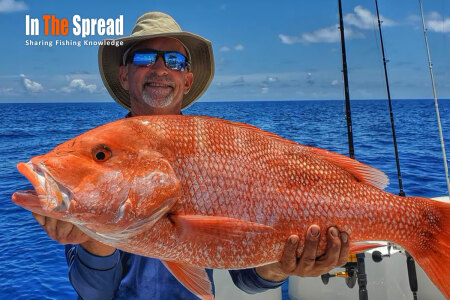
Red snapper fishing across the Gulf and Atlantic involves more moving parts than most offshore species. Seasons vary by state, gear requirements are written into federal code, and several states require electronic catch reporting before you clean a fish. Here is the full picture, plus how to find and catch them once the season opens.
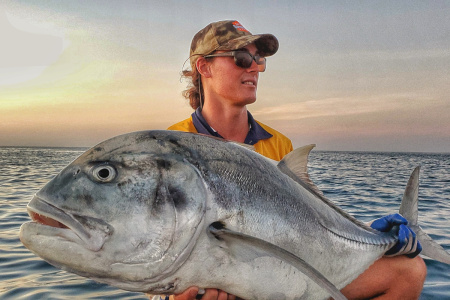
Few hookups in saltwater feel like a giant trevally exploding on a popper. The strike sounds like a brick going through a window, and the fight that follows tests gear and angler in equal measure. Reef edges and atoll passes from Hawaii to the Indian Ocean produce them with regularity.
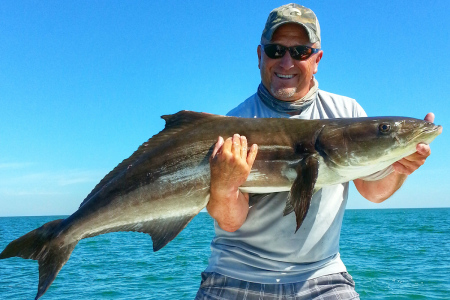
Cobia season in Florida never really closes; it moves. The fish that winter on Key West wrecks show up weeks later under the mantas off Cape Canaveral and Jacksonville. Where to be and when, why the Panhandle run faded, and how Brian Sanders and William Toney catch them.