Why does a ledge hold scamp while flat rock holds red porgy? Survey data and In The Spread captains explain how bottom structure sorts reef fish through relief, hole size, current and edges, and how to pick the depth, bottom type and spot for your target species.
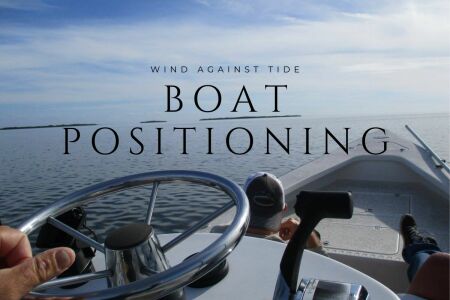
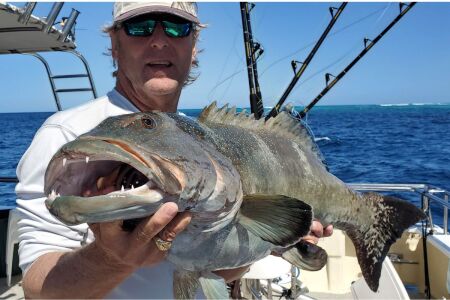
Whether targeting grouper on offshore wrecks or snapper along coastal reefs, your boat's position relative to structure and current determines catch success. This technical breakdown covers anchoring systems, drift fishing methods, electronic positioning, species-specific strategies, and safety protocols that professional charter captains use daily to consistently locate and land bottom-dwelling gamefish.
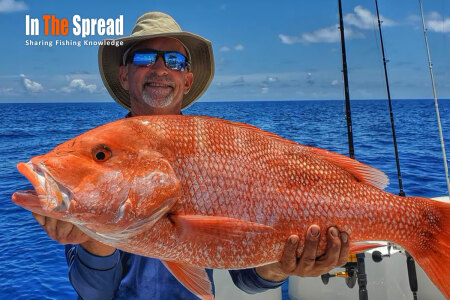
Red snapper fishing across the Gulf and Atlantic involves more moving parts than most offshore species. Seasons vary by state, gear requirements are written into federal code, and several states require electronic catch reporting before you clean a fish. Here is the full picture, plus how to find and catch them once the season opens.
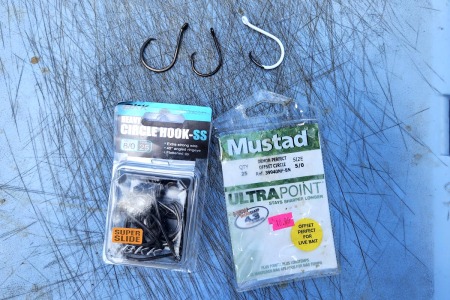
Hook selection is one of the most consequential tackle decisions in mutton snapper fishing, and most anglers never think twice about it. Circle hook geometry, gap width, wire gauge, and leader weight all influence how many fish make it to the boat. This breakdown covers what the best bottom fishing captains actually use and why.
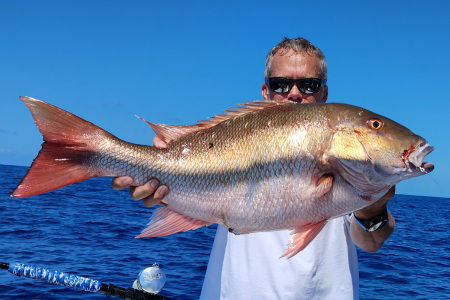
Few reef fish demand as much from an angler as mutton snapper. They are selective about what they eat, wary of anything that feels off, and fast enough to end the fight before it starts. Understanding their habitat, reading the bite, and matching the right bait to the conditions are what separate consistent results from occasional luck.
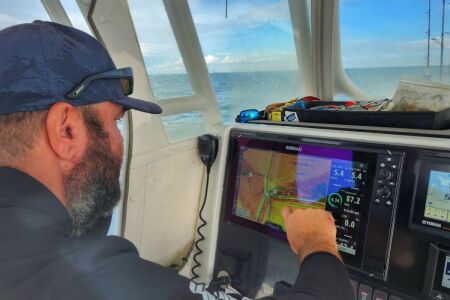
Bottom fishing is the most predictable way to put fish in the box offshore. Find the structure on electronics, get bait to depth, and execute. This breakdown covers species-specific tactics for red snapper, grouper, vermilion snapper, mangrove snapper, mutton snapper, and golden tilefish, alongside rigs, baits, and the fighting technique that keeps fish out of the reef.
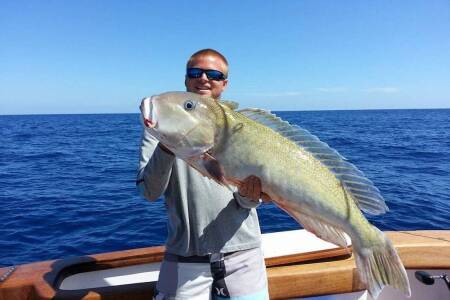
Golden tilefish are one of the most systematic deep drop fisheries in the ocean. Find soft mud on the continental slope, drop a chicken rig, and bring up firm white flesh that tastes like lobster. The hard part is reading the bottom, managing current at 800 feet, and feeling a bite from that far below the boat.