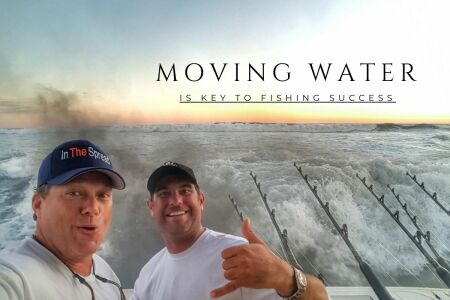
Tidal timing dramatically improves saltwater fishing success over slack periods. Understanding how water movement affects fish behavior during flood and ebb tides provides predictable results for anglers targeting inshore and offshore species across all regions.
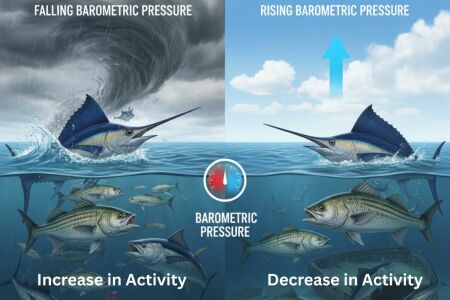
The hours before a front pushes through often produce the best bite of the week, then everything shuts down for two days behind it. That pattern is not luck. It tracks barometric pressure, and learning to read the barometer alongside wind and tide changes how you plan trips.
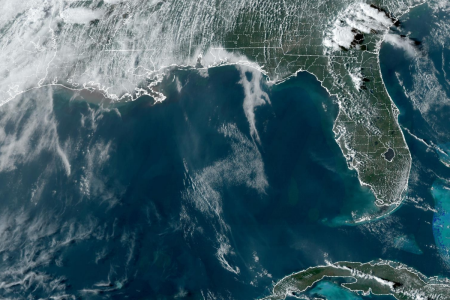
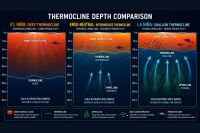
A productive fishing forecast pulls from satellite oceanography, tidal data, barometric pressure, and celestial timing. Each data layer narrows the probability of where fish will be and when they will feed. This article breaks down what each variable tells you, how the layers work together, and how experienced anglers translate data into decisions before they leave the dock.
The barometer on your phone is one of the most underused fishing tools available. Pressure trends tell you when fish are likely to feed, how deep they will be holding, and whether the bite is about to turn on or shut down. Here is how to read those trends and put them to work on your next trip.