
The fall mullet run stacks snook, tarpon, and jacks against the beach and jetties at Sebastian Inlet. This breakdown covers when the run peaks, how to read a feeding school, where each fish sets up, and the live baits and lures that earn strikes from mid-September through October.
Fishing the Sebastian Inlet Mullet Run for Snook and Tarpon
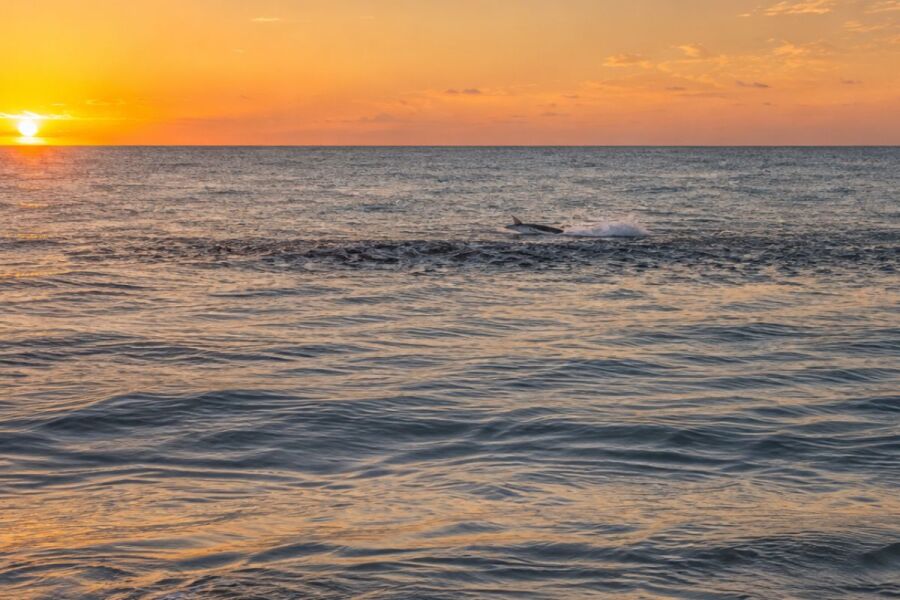
Stand on the north-side beach at Sebastian Inlet at first light in the middle of October, looking north up the coast, and you can watch the whole thing set up in front of you. Dark patches of bait push south in the outer trough, nervous water sliding along the bar toward the cut. Then the surface breaks. A tarpon rolls on the outside edge of a school, a snook pops under the rocks where moving water funnels through the inlet, and somewhere in the middle a pack of jacks turns fifty pounds of mullet into whitewater. This is Florida's fall mullet run, and few places on the Atlantic coast give an angler more ways to intercept it than Sebastian Inlet.
I have fished blue water on four continents, but the mullet run is a different kind of problem. It is not about running to a set of numbers. It is about reading moving bait, understanding which predator is feeding and where it sits relative to the school, and putting one vulnerable target in front of it. Get those three things right and you can put together some of the most concentrated and visual inshore fishing of the year. Get them wrong and you can stand in the middle of a million mullet and never draw a strike. What follows is a working breakdown for snook, tarpon, and jack crevalle, and if you want the larger picture first, our saltwater fishing video library is the place to start.
Why Sebastian Inlet Concentrates the Fall Mullet Run
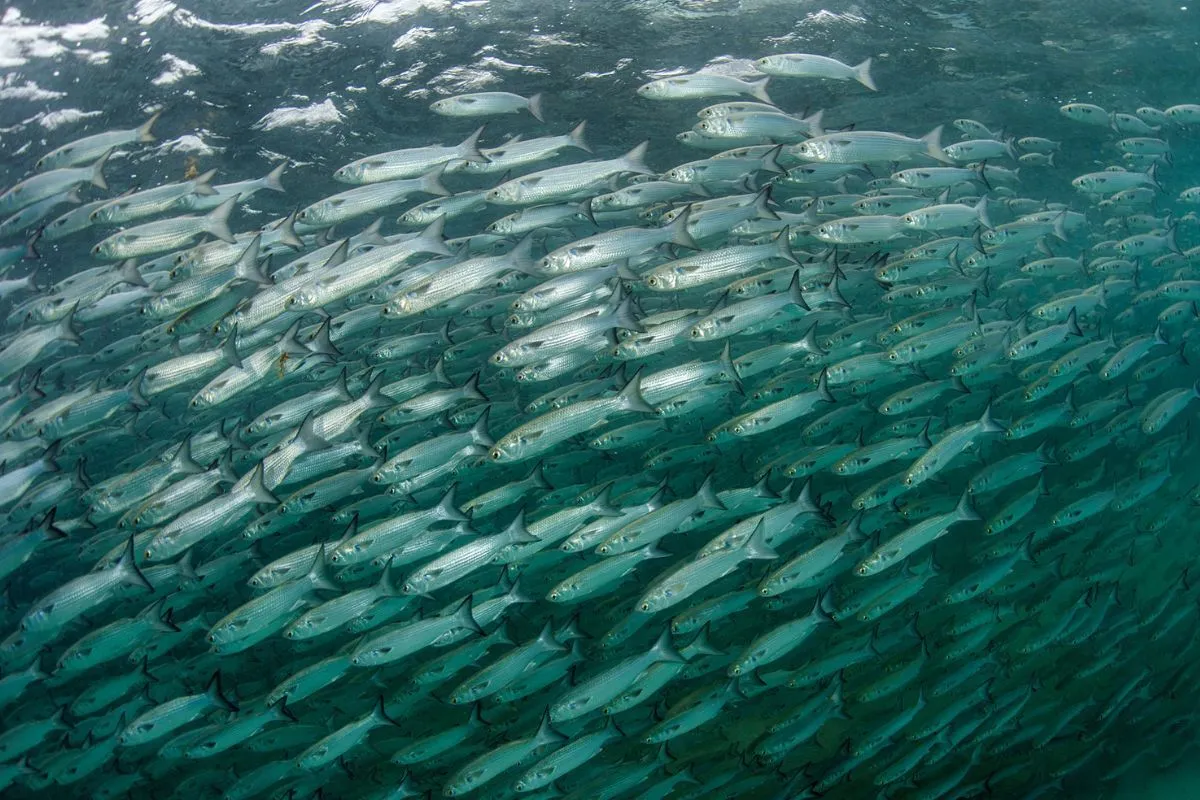
Most of Florida's east coast holds mullet in the fall, but only a handful of places force those fish into terrain where predators can pin them. Sebastian sits near the top of that list, and it comes down to three things stacked into one compact stretch of coast.
You have a long, open Atlantic beach migration lane, where mullet leaving estuarine habitat form dense southbound schools and the outer trough gives tarpon and jacks room to run them. You have a true inlet choke point, where tide and current compress the schools and the north jetty, south jetty, inlet rock, and inlet mouth create hard-edged ambush terrain for snook, tarpon, jacks, mackerel, and sharks. And you have the exchange with the Indian River Lagoon behind the inlet, which holds resident and seasonal snook, redfish, and tarpon and gives fish protected staging water when the surf turns ugly.
Sebastian Inlet sits on Florida's central Atlantic coast between Brevard and Indian River counties, and that geography is the whole reason the fishing works. Know the roles as you fish it: the north-side beach is where you find fresh southbound bait, the jetties and inlet rock are where moving water pins it, the inlet mouth is where you intercept fish working through the cut, and the lagoon-side exits are your fallback when dirty surf shuts the beach down.
Access at Sebastian is not static. Jetty access, parking, entrances, walking routes, and park hours can change after storms, dredging, repairs, or construction, so confirm current conditions with Sebastian Inlet State Park before you plan a first-light, night, or jetty trip. Treat any specific spot as a starting area, not a guaranteed position. The inlet also sits in the reliable middle of the migration, which moves south in pulses, so it holds fish through the heart of the season.
When Does the Mullet Run Peak at Sebastian Inlet?
The Sebastian Inlet mullet run is most reliable from the middle of September through October, with many of the best bait pulses landing from late September into early October. But treating that as a fixed date is exactly the mistake that puts anglers on an empty beach. The run is a spawning migration, not bait simply leaving because the water cooled, and it comes in waves driven by triggers you can read.
Think of them in three layers. The long-term clock is shortening day length, which starts mature mullet staging in the lagoon and backwater while the water is still warm. The near-term release for each pulse is a cooling trend and the fronts that come with it, and it is the trend that matters, so a three to six degree drop over a week or two tells you more than today's surface temperature. The tactical layer is tide, wind, and the salinity gradient between the lagoon and the ocean, which decide where the bait actually exits and stacks on a given day. The single most useful signal is not a number at all. It is fresh, dense, southbound bait in the surf, especially where a school is pushed tight against the bar or compressed near the inlet.
What a Cold Front Actually Does to the Bite
A front creates the impression that everything happened overnight because it bundles several triggers into one event. Pressure commonly falls ahead of it, air and shallow-water temperatures begin to drop, and the wind swings around to the north or northwest behind it. Tide stays the main engine of inlet current, but the wind, water level, surf energy, and any runoff change how bait positions and stacks. Falling pressure ahead of a front is a go-scout signal, not a guarantee, and the highest-value window is often the first clean, fishable morning after the front passes, once the bait has organized and the surf has laid down enough to read. If you can only fish one day around a front, fish that one.
Where Satellite Data Helps and Where It Does Not
The honest answer starts with a limitation. A satellite cannot see a mullet school in the first trough, cannot tell you whether tarpon are feeding on it, and will not resolve the inlet rips a shore caster fishes. That stays an eyes-on problem. What satellite data does well is answer the macro questions the night before: whether the cooling trend is genuinely progressing after a front, whether heavy rain threw a stained plume and where its clean edge sits, and whether there is a temperature or color break outside the inlet worth running to for the kingfish and mackerel that shadow the same bait. Used as a planning layer, not a fish finder, it earns its place. Our satellite fishing maps breakdown covers the layers that matter, then you get to the beach at daylight and let your eyes do the rest.
Reading the Bait and Fishing the Edges of the School
The biggest tactical error in the run is firing a bait into the dead center of a huge school, because predators rarely hold there. They patrol the front, the sides, the lower layer, and the trailing edge, where a stunned or isolated mullet is the easy meal. Your whole job is to find a feeding school, read where the predator sits, and present one obviously vulnerable target on that edge.
Start by separating a feeding school from bait that is only milling. A traveling, catchable school pushes a clean wake, flashes and jumps, and moves with purpose down the beach or toward the inlet. The signs that predators are on it are unmistakable once you know them.
- Tarpon rolling, launching clear of the water, or crashing the edges of the school
- Jack crevalle turning bait into whitewater and airborne mullet on the leading edge
- Snook popping beneath the school around rocks, pilings, and current breaks
- Birds working the same moving school repeatedly rather than scattering
- Bait suddenly splitting, compacting, or racing into the shallows
Prime visual conditions are early morning and late afternoon, when sun angle and clarity let you tell a bait mass from dark bottom. But do not walk away when it is overcast, stained, or rough. Shift off sight fishing and onto structure, working the inlet, river mouths, bridges, and current seams where fish ambush bait they cannot see coming either. Tide is part of the same read, and there is no single best tide for the whole inlet. The one that matters moves bait past the ambush point you are working: the beach fishes on any stage that leaves a readable trough, the jetty and inlet rock want building current that carves defined seams, and the lagoon exits fish best on the outgoing after bait has staged inside.
Targeting Snook Around Sebastian's Structure
A free-lined or lightly weighted live mullet worked along the jetty rock and current seams is the standard snook bait during the run, with a suspending plug or a slowly swum soft plastic as the change-up when the fish are overfed on mullet.
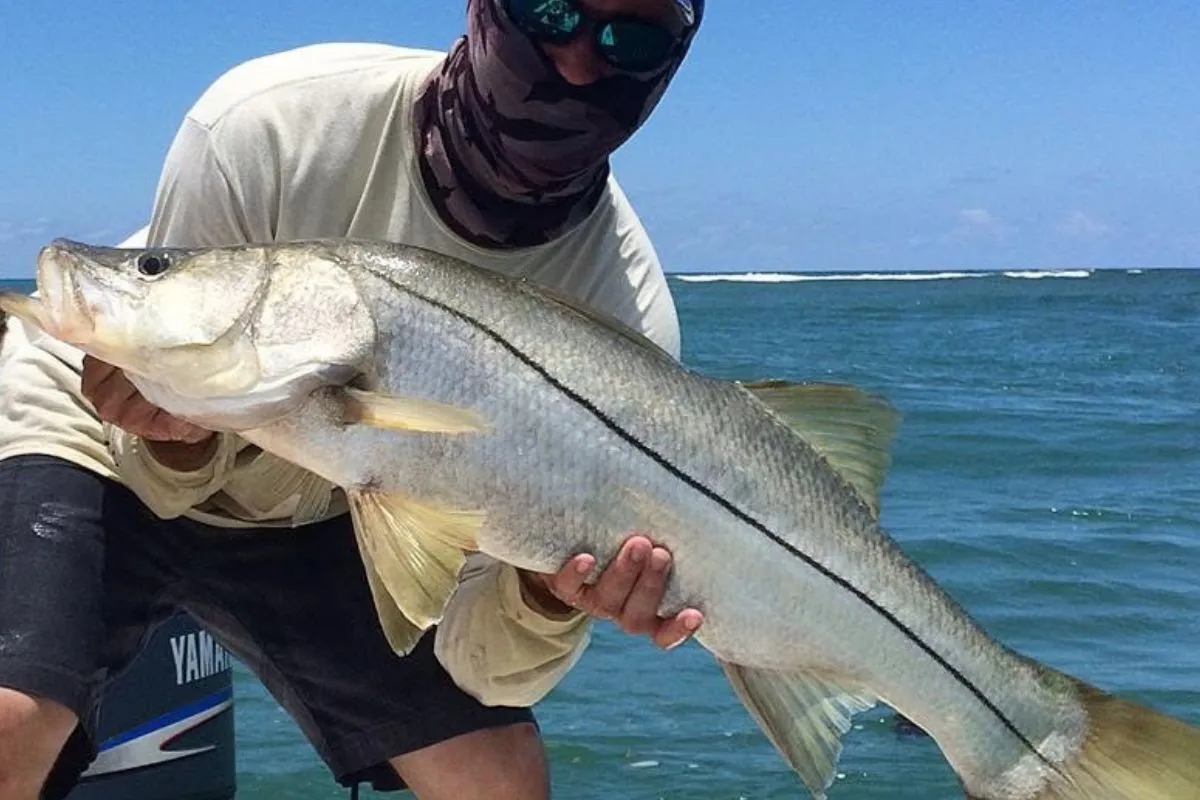
If there is one fish that defines the inlet side of this run, it is the snook. Mullet funnel straight into snook ambush terrain, and the fall run is one of the strongest windows of the year to catch them. The fish sit tight to the jetty rocks, along the rock faces, in the shadow lines under bridges, and against seawalls, using structure and the current break as a bait trap and darting out to pick off mullet the moving water sweeps past.
That is why the presentation is to work the seam, not the flow. Drift or slow-swim a live mullet along the rock faces and current seams rather than casting into the middle of the channel, and fish the moving tide, because slack water scatters everything. When the fish ignore one more mullet profile, a suspending twitch bait worked past the rocks or a soft plastic swum slowly along the lower edge will draw the strike a big bait will not. If the surf is too rough for the beach, the inlet and lagoon exits give you a snook fishery that does not depend on clean surf. For the full range of snook tactics, our snook fishing video collection goes deeper than any single article can.
One thing to settle before you keep a fish. At publication, Atlantic-coast snook in the Indian River Lagoon region that Sebastian falls under are open to harvest September 1 through December 14 and February 1 through May 31, with a one-fish daily bag, a 28 to 32 inch total-length slot, and a required Florida saltwater license and snook permit to keep one. Seasons and slot sizes change, so confirm the current rules at myfwc.com before you put a snook in the cooler.
Targeting Tarpon on the Beach and Inlet Edges
Tarpon hold on the outside edges of the moving schools and on the inlet current seams, and during an active bait push they will eat at any hour, not only at first and last light.
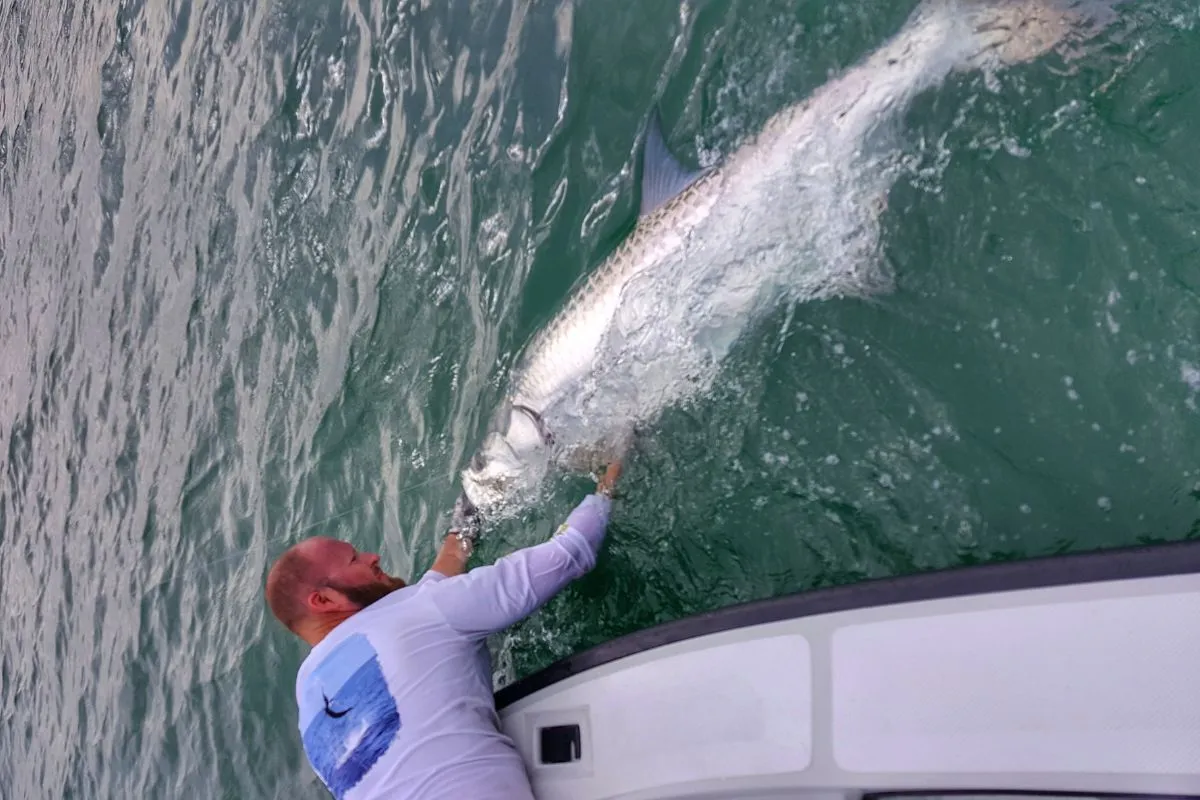
The tarpon is the marquee fish of the run, and Sebastian gives you two ways to get at them. On the open beach, big fish trail or flank the traveling schools rather than crashing the center. At the inlet, they set up on the current seams at the mouth and just outside the cut, working the moving water the same way the snook do but on a larger scale. Position is everything. Put a live mullet ahead of a moving school and let it swim into the path of fish working the edge. When they are keyed on mullet and refusing them, slow a shrimp imitation below the bait, giving a fish an easy, isolated target that looks nothing like the thousand mullet it has been chasing.
Tackle and release discipline are not optional here, because you are hooking large fish around structure with sharks in the water, so use gear heavy enough to end the fight quickly. Florida manages tarpon primarily as a catch and release fishery. Fish longer than 40 inches must remain in the water unless an angler is pursuing a qualifying state or world record with a valid tarpon tag. When fishing natural bait, the rules require a single, non-offset, barbless circle hook. These requirements can be updated, so read the current tarpon rules at myfwc.com before you target them. If sharks start tracking your hooked fish, bring it in, release it, and move. Our tarpon fishing video library covers the fight and release mechanics worth studying before you ever hook one in the surf.
Working Jack Crevalle Through the Bait
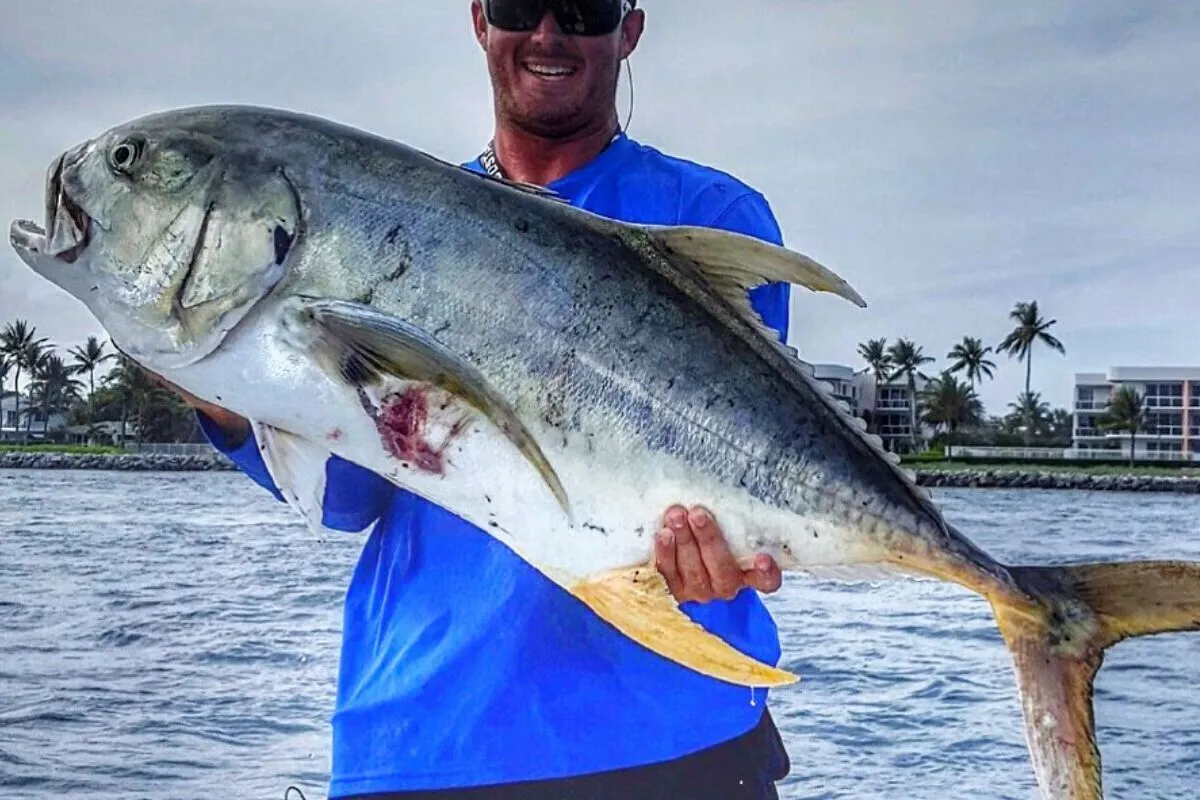
If snook are the inlet fish and tarpon are the trophy, the jack crevalle is the fish that keeps the day honest. When the tarpon are off and the snook are locked up, jacks are almost always willing, and they are the most dependable aggressive daytime predator in the run. They hunt the leading edge and outside corners of a panicked school, in the rips and surf troughs, and a big one in the surf or ripping through inlet current will test a drag as hard as most fish on this list. Do not treat them as an afterthought.
Because jacks feed on the perimeter and chase down fleeing bait, they are the ideal target for fast-moving artificials. A large walking bait skipped across the surface, a popper, a spoon, or a paddletail worked briskly through the outside edge of the school will all draw savage strikes. The retrieve matters more than the exact lure. A jack wants to run something down, so keep it moving and let the fish commit.
Rigging and Presenting Live Mullet
Live bait is the heart of the run, but legal bait access depends on location, park rules, and conditions. Florida lists cast nets, hook and line, seines, gigs, and spears among legal recreational methods for mullet, though daily limits, gear rules, and location-specific restrictions apply and change, so check current FWC mullet regulations at myfwc.com and any posted park notices before you fill the well. On a crowded jetty or busy beach, throwing a net around other anglers, swimmers, and active lines is unsafe and often not practical, so bring legal bait alternatives and do not count on netting mullet at every access point.
How you rig depends on where you are fishing and how hard the water is moving.
- Free-lined live mullet on a circle hook for the open beach or drifting behind a school, cast ahead and outside the bait so it swims naturally into the path of a feeding fish
- Live mullet with the lightest practical egg sinker for strong inlet current, drifted through a seam along the jetty rocks or a channel edge rather than straight down the middle
- Free-lined or lightly weighted mullet presented tight to a seawall, bridge piling, or lagoon structure, allowed to struggle out on its own
- A mullet head or chunk fished on the bottom when predators are crushing the school and injured bait is sinking, which snook, jacks, and tarpon will intercept
For a drift, hook the mullet through the upper lip so it tracks and breathes naturally, cast to the edge of the structure or current seam, and feed line slowly. Dragging a bait unnaturally through the zone is how you get refused. The circle-hook set is a discipline, not a reflex: let the fish take the bait and turn, come tight with steady pressure, and let the rod and reel do the work. Do not swing.
Keeping the bait alive is half the battle. Large mullet need oxygen and room, so run a properly aerated livewell or a bucket matched to the number and size of baits you keep, do not overcrowd them, handle them with wet hands, and change water as conditions require. Bait size also steers what eats it:
- Finger mullet cast easier and suit snook, jacks, Spanish mackerel, and smaller tarpon
- Medium black mullet work as a versatile all-around bait across the run
- Large black mullet call in trophy tarpon, big snook, sharks, and kingfish, but they demand heavier gear and careful handling
Choosing Artificials When Fish Are Buried in Bait
There is a counterintuitive truth to the mullet run: an artificial will often outfish a live mullet when the predators are surrounded by the real thing. When a fish is looking at a wall of ten thousand mullet, one more does not stand out, but an obviously wounded, isolated target does. Match the profile, not necessarily the exact bait.
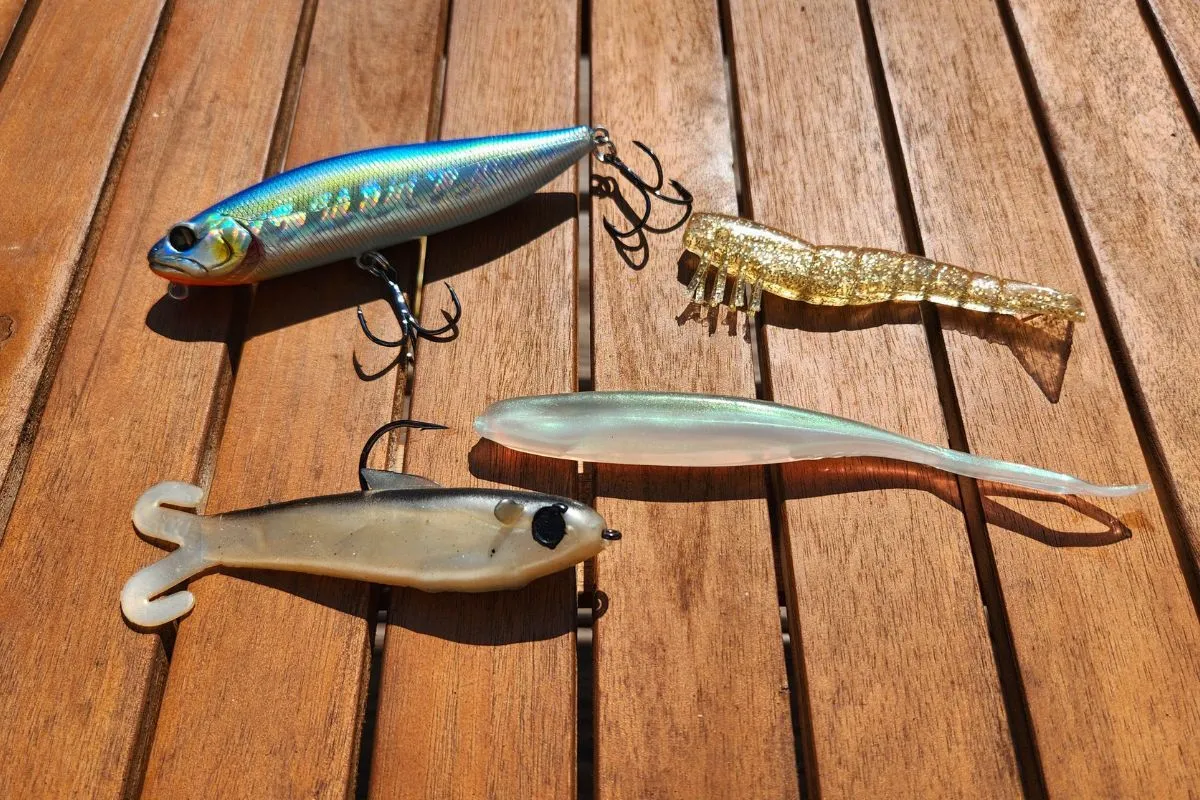
Each lure category has a job. A large walking bait or pencil popper is your best tool for aggressive jacks and fish feeding on the surface. A paddletail or mullet-profile soft plastic worked slowly along the school's lower edge covers snook and tarpon holding deep. A suspending twitch bait is hard to beat for snook around the inlet rocks and bridge shadows. A spoon or metal jig covers water fast for mackerel, bluefish, and jacks. And the change-up that saves slow days is a shrimp imitation fished slowly below the school, because after days of eating mullet a fish will often turn on a small, obvious, different meal. The lure should swim, track, and dig the way a wounded baitfish moves, not race through the zone in a straight line.
Matching Tackle to the Fish
Gear choice is a function of which fish you expect and where you are fighting it. There is no single outfit that covers a beach full of Spanish mackerel and a big tarpon on the inlet edge, so the table below is a starting point, not a rule. Step up whenever heavy structure, strong current, or sharks raise the stakes.
Why Are Mullet Everywhere but Nothing Is Eating?
A school of mullet is not a feeding school by default. When bait is thick but nothing is happening, the predators are usually deeper, on a different tide stage, recently fed, pushed outside your casting range, or holding at the next structural pinch point. The fix is to change something rather than keep throwing at a wall of bait no fish is working.
- Move ahead of the bait, 100 to 300 yards depending on access, and set up where the school is heading
- Fish below the school with a smaller paddletail, a shrimp imitation, a jig, or cut bait
- Check the next inlet corner, rip, or piece of hard structure
- Downsize and slow down if fish are following but not committing
- Move inside to current-fed structure when the surf is too dirty to read
Frequently Asked Questions About the Sebastian Mullet Run
What is the best bait for snook during the mullet run?
A live mullet is the top producer, drifted along the jetty rocks, seawalls, and current seams where snook ambush displaced bait. When the fish are overfed on mullet, a suspending twitch bait or a soft plastic swum slowly past the structure will often draw a strike a big natural bait will not.
Should you cast into the middle of a mullet school?
No. Predators hold on the front, sides, lower layer, and trailing edge of a school, where isolated or stunned bait is easy to kill. Casting into the dense center puts your offering where the fish are not feeding. Work the edges and put one vulnerable target where a predator is actually sitting.
Can you keep tarpon caught during the run at Sebastian?
Florida manages tarpon primarily as catch and release. Fish longer than 40 inches must stay in the water unless an angler is pursuing a qualifying state or world record with a valid tarpon tag, and natural bait requires a single, non-offset, barbless circle hook. Because these rules can be updated, confirm the current tarpon regulations at myfwc.com before you target them.
What tide is best for fishing Sebastian Inlet during the mullet run?
Moving water matters more than a specific tide direction. Fish the stage that sweeps bait past the ambush point you are working: a readable trough on the beach, building current on the jetty and inlet rock, or the outgoing flow at a lagoon exit after bait has staged inside.
Can satellite maps find the Sebastian Inlet mullet run?
No. Satellite maps cannot locate a mullet school in the surf or tell you whether tarpon are feeding. Use them to track the cooling trend, water clarity, and runoff plumes, and to find offshore temperature or color edges for kingfish and mackerel, then scout the beach in person to find the bait.
Putting It All Together on the Water
The fall mullet run at Sebastian Inlet is not complicated, but it is unforgiving of anglers who fish the bait instead of the fish. It comes back to the same sequence every time: find fresh moving bait, read which predator is feeding and where it sits, put one obviously vulnerable target on that edge, and stay mobile enough to follow the pulse. Time your trip to the middle of September through October, watch for the cooling trend and the fronts that release each wave, let the moving tide at the inlet set up your snook and tarpon, and take the beach shots at tarpon and jacks on the outside edges. Handle your fish well, release the big ones quickly, and move off the sharks when they show.
When you are ready to go deeper, the captains in our saltwater fishing instruction library break down the live bait presentations, structure reads, and current strategy that carry straight over from the mullet run to every coastal predator you will ever chase.
Login
to leave a review.
User Reviews
There are no reviews yet.
Setting Up a Dredge Pulley for Billfish
Saltwater
12.28.2020
High Speed Wahoo Trolling Rig
Saltwater
09.08.2018
Fishing Light Tackle for Yellowfin Tuna
Saltwater
09.08.2018


0