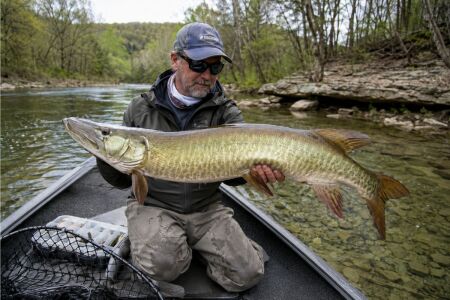
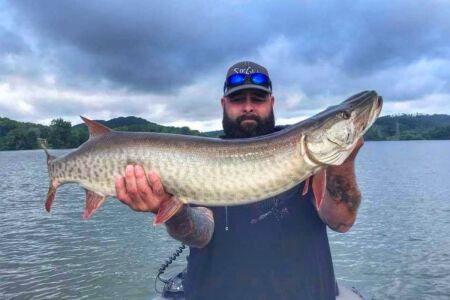
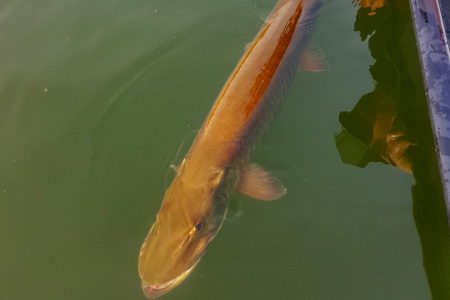
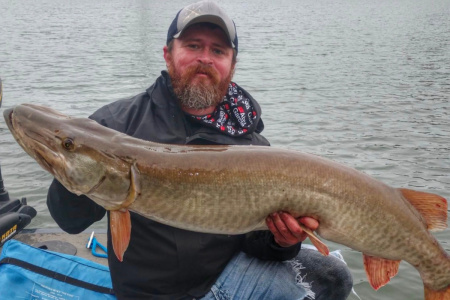
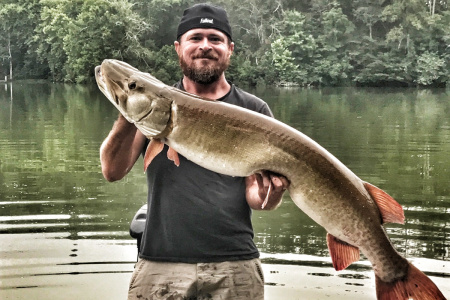
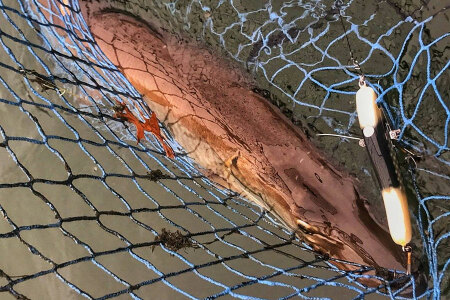
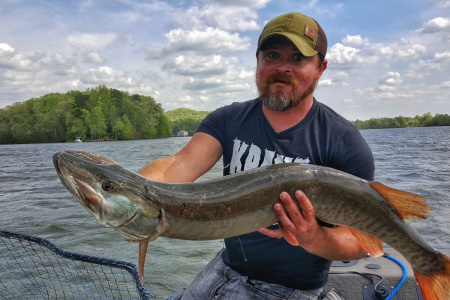
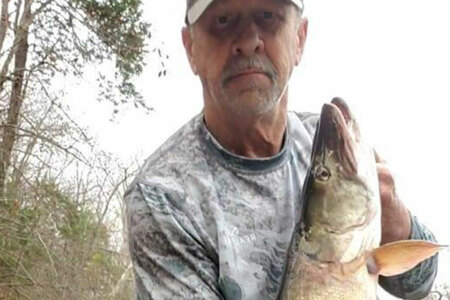
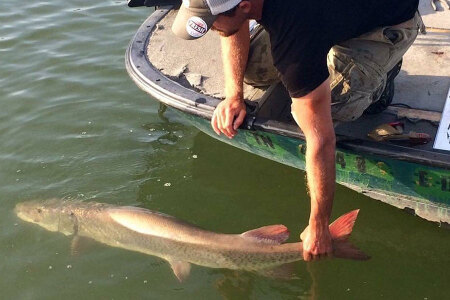
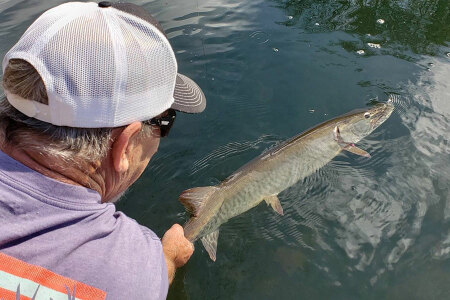
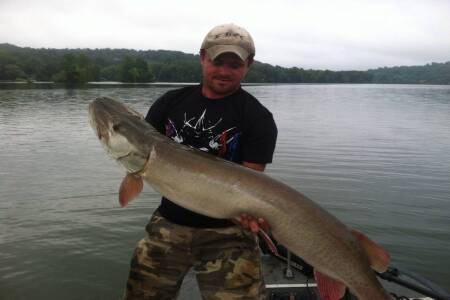
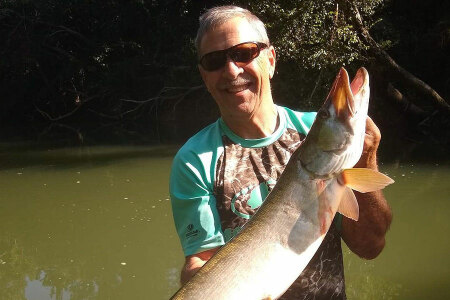
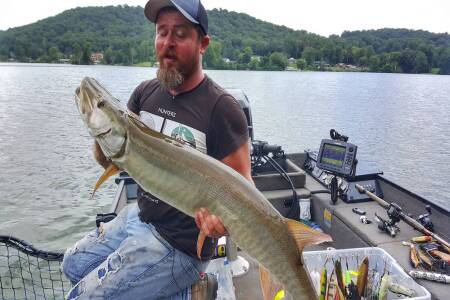
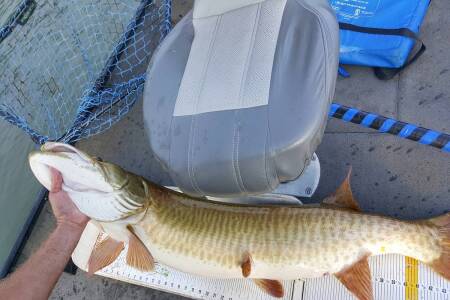
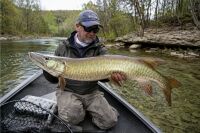
Tennessee's Collins River holds a self-sustaining muskie population that pushes fifty inches, and most northern anglers have never heard of it. Here is the fishery's story, the three ramps that get you on the water, the gear that handles these fish, and how to time a trip to the spring spawn or the fall feed.
Muskellunge are sight-dependent ambush predators that gain a sensory advantage when atmospheric conditions reduce light penetration into the water column. Barometric pressure, humidity, and cloud cover form a chain reaction that determines whether muskellunge actively hunt or hold tight to cover. Understanding the full sequence changes how you plan and fish.
Most anglers miss spring muskies because they don't understand the connection between water temperature and fish location. Muskies concentrate in predictable staging areas before spawning and recovery zones afterward, but they respond to a narrow range of presentations. The difference between success and frustration comes down to reading temperature triggers, identifying subtle structure, and matching your tactics to whether fish are pre-spawn, recovering, or transitioning. This isn't about grinding through casts. It's about intercepting fish during the most concentrated, catchable period of the entire year.
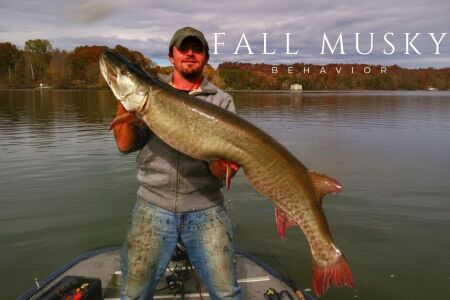
Understanding fall muskie feeding behavior explains why autumn produces the biggest fish of the year. As water temperatures drop through specific ranges, muskellunge shift locations and feeding strategies based on metabolic efficiency and prey migrations, creating predictable patterns that reward anglers who adapt their approach to seasonal changes.
Cory Allen has returned to southern Illinois, bringing his trophy fish expertise to Kincaid Lake and Shelbyville Pyramid State Park. With multiple 50-inch catches to his name, Allen offers anglers unprecedented access to Illinois' premier muskellunge waters through his new specialized guide service.
Tennessee muskies grow big, feed hard in fall and come from water that most northern anglers have never thought to fish. The TWRA has been stocking and protecting these fish for decades, and it shows. This breakdown covers the best reservoirs and rivers in the state, what the seasons demand and how to put yourself in front of a trophy fish.
The musky is branded a northern fish, but that reputation is more about perception than biology. Cory Allen has spent close to two decades proving it wrong on Tennessee's highland water, where elevation offsets latitude and big muskie live in places most anglers drive right past.
Catching musky demands patience and skill. This comprehensive resource covers essential techniques including trolling, casting, and jigging, plus expert advice on tackle selection, best lures, seasonal patterns, and proven tactics for landing North America's ultimate freshwater predator.
Dwayne Hickey shares proven winter musky techniques from decades on Tennessee's Collins River. Learn where cold water muskies hold, which lures trigger strikes below 50 degrees, and how to fish creek mouths and current breaks when other anglers stay home.
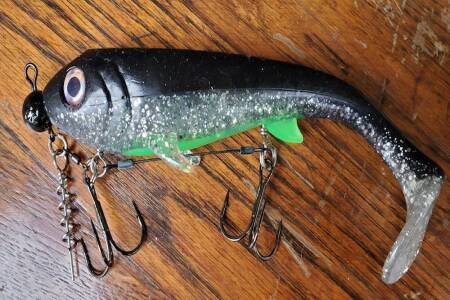
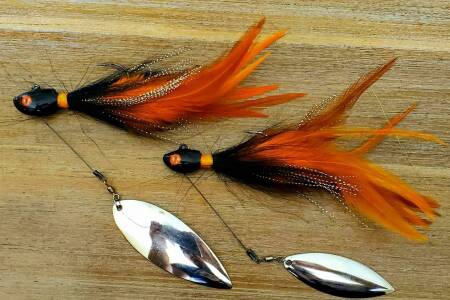
Southern muskie fishing in the summer is challenging due to the lack of closed seasons and ice covered rivers. However, abstaining from fishing is short but crucial for species health. Fall offers excellent action with various lures, including top water and spinnerbaits. Swim baits are available in various sizes and colors for clear and stained river water.
Musky fishing involves different boatside etiquette, with the best technique being to drop the bait slowly and pop it out of sight. Figure 8s are not a uniform method, but rather continuations of the presentation. The boatside technique offers an advantage in angles, unlike the rest of the retrieve.
The Tennessee muskie, a popular fish, begins its spawning ritual in Southern waters when water temperatures reach mid-50 degrees. Muskie fish, like walleye, white bass, and suckers, travel up to 20 miles to spawn. After recovery, some fish stay in upper reaches of rivers. Muskie males seek female partners in late March until mid-April.
A muskie strike is rare, brutal, and rarely forgotten. The fish anglers call the freshwater apex predator earns the title through pure ambush biology, sitting motionless in cover until prey passes within striking range. Understanding their world matters more than gear when you finally get one to commit.
Live bait for muskie fishing is effective, especially in the fall/winter season. However, some argue it's unfair due to gut hooking. To avoid this, muskie anglers use two hooking systems: a quick strike rig, which prevents gut hooking musky, and a circle hook rig for safe hook-ups. Large baits like gizzard shad, bullhead catfish, and suckers are suitable for deep water lakes.
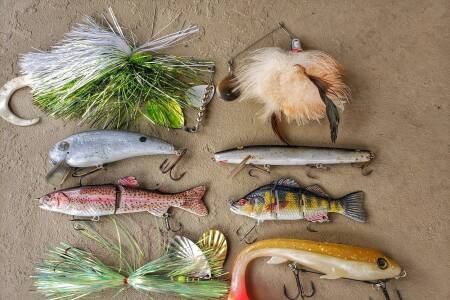
Musky and jigging have not always been synonymous, but with the advent of the Bondy bait, musky jigging has become more common. Spinnerbaits, rubber, and inline bucktails can be used in jigging. The H20 Barbarian is a versatile musky jigging bait, while the double dawg is a personal favorite for vertical jigging.
Reservoir musky fishing often overlooks the riprap, or dam face, due to its limited surface area between the shoreline and the primary break. This results in muskys being caught by casters, who fish directly over their heads. To move en masse, fish must have surface area.
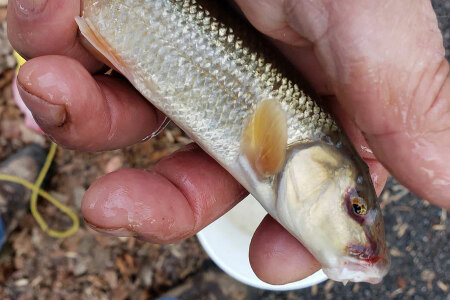
Local bait stores may not carry the necessary live bait for certain situations, such as bass, catfish, musky, and striper fishing. In the Volunteer state, laws regarding the sale of live minnows have changed, so anglers must catch their own. Small creeks and streams often have the big bait needed for various fishing situations. Casting nets are the best method for catching larger musky bait.
Tackle failure is common in musky fishing, leading to costly losses. To avoid this, use the right fishing line, quality leaders, sharp fish hooks, and proper tie-up. Choose braided line for baitcasters and spinning reels, invest in quality leaders, file hooks for smooth drag, and use strong knots for a successful musky fishing experience.
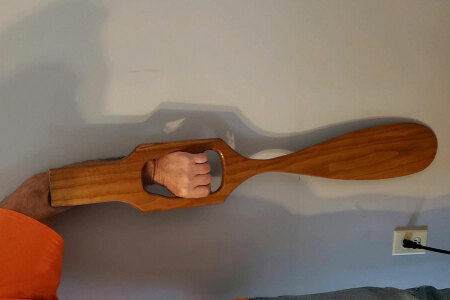
Pitchin and flippin is a popular technique used by bass anglers to catch big bass. It involves using a flat bottom boat, scullin paddle, and a 7 or 8-weight fly rod. The technique is effective in areas with ten feet or less of bass and can be used during cold winter or moon periods. The best times for sculling are March and April, with night sculling from May through September.
Trolling motors are commonly used for trolling, but they have limitations in speed control and are less effective for slower fishing. Advances in remote control technology offer efficient boat control with auto correction and precise speed control. Trolling motors offer hand-free operation, constant resistance on baits, and can cover breaklines without limitations.