
Most anglers obsess over which lure to buy and ignore what actually gets bit. This is the trolling breakdown: the plugs, feathers, cedar plugs, and spreader bars that raise yellowfin, blackfin, and bluefin, and the speed, position, and color calls that make any of them work.
Running Tuna Trolling Lures That Raise Fish
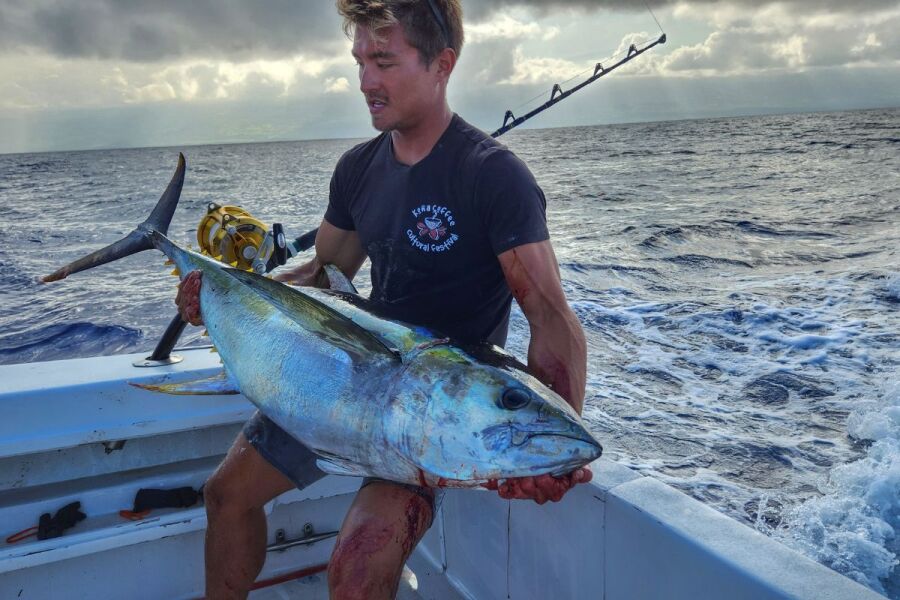
I have pulled lures for tuna in a lot of different water, from the green edges south of Venice to the deep blue off Kona and the current seams off Costa Rica, and the fish keep teaching the same lesson. The lure matters, but it is rarely the first thing to fix. Speed, position, water color, and how well the head matches what the fish are already eating decide whether a spread gets bit. Get those right and a plain cedar plug will outfish a two hundred dollar exotic. Get them wrong and the best lure in the box drags along untouched.
This is a trolling piece, start to finish. If you want to throw poppers and stickbaits at fish crashing on the surface, that is a different game with different tools, and it lives in our yellowfin tuna offshore fishing pillar alongside the rest of the tuna playbook. Here I am talking about what you rig, where you run it, and how fast you pull it when you are covering water for tuna trolling lures that raise yellowfin, blackfin, and bluefin. The categories that follow are the ones that have earned their place in In The Spread spreads over years of real fishing, not a list scraped from a catalog. The spread principles carry across tuna fisheries, but leader size, lure profile, speed, and depth all change with the water. Gulf blackfin behind shrimp boats, Kona yellowfin, and Northeast bluefin are not one identical problem, and most of what follows leans on yellowfin and blackfin, where I have logged the most time.
Why a Tuna Trolling Lure Works, and Why It Fails
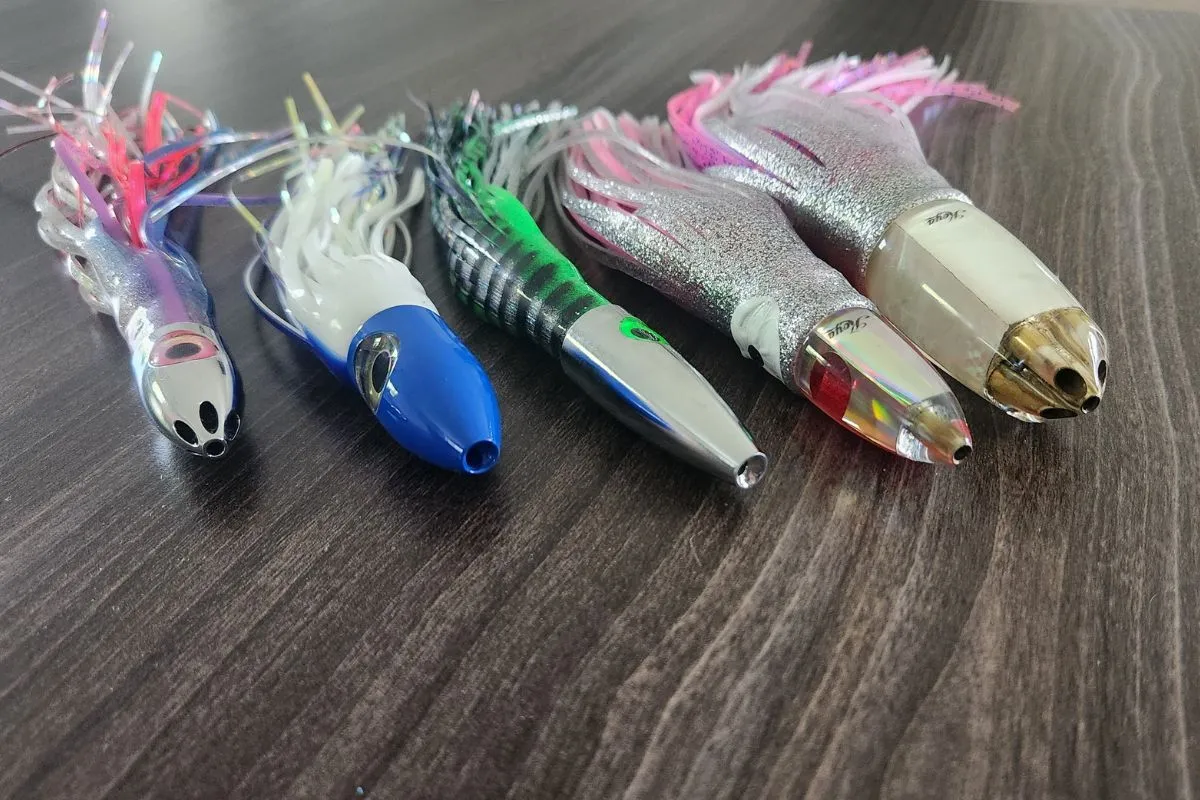
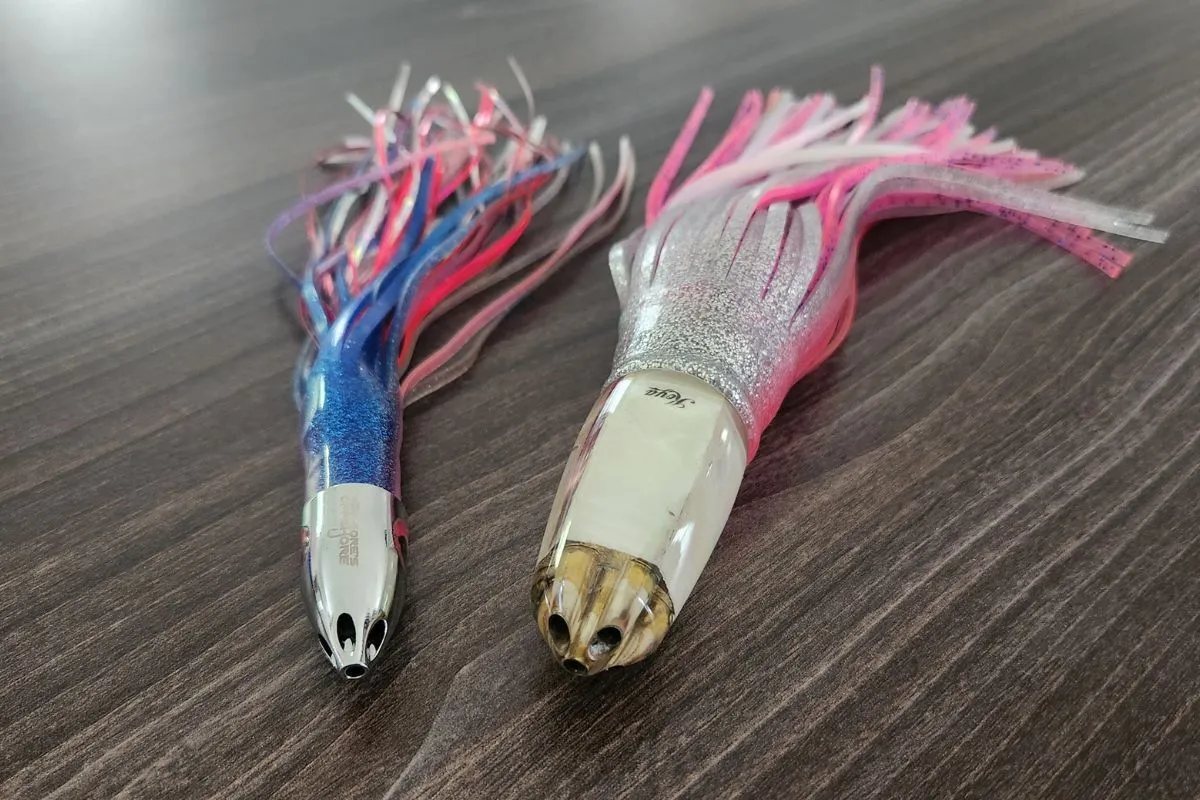
A trolling lure is not trying to be a baitfish. It is trying to trigger a predator that is moving fast and deciding in a fraction of a second whether to eat. The head shape does most of the work. A bullet head generally tracks cleanly with a low, stable action, a jet head throws a bubble trail that tuna key on from below, and flat, concave, or slant faced heads dig and put more side-to-side action into the swim. Match that action to conditions and you get bit. Run a soft, high action head in a big following sea and it will blow out and spin, and a spinning lure is a dead lure because it twists your leader and looks like nothing alive.
The three failures I see most often are speed mismatch, size mismatch, and a lure that will not track in the sea state you are fishing. When tuna are tightly keyed on small forage, downsizing the profile usually matters more than adding flash, and a lure in the 6 to 10 inch range, roughly 15 to 25 cm, covers most trolling situations better than something oversized. Heavy, low action heads track straight and hold up when it gets rough, which is exactly when a lot of anglers give up on trolling. If you want the full breakdown of how head design creates the swimming action and sound signature that pulls fish, the basics of offshore trolling lure design is worth the time before you rig anything.
Before you ever trust a new lure, pull it beside the boat at trolling speed and watch it. It should track upright, cycle the same way over and over, and recover the instant it crosses a wake. If it skips, blows out, or spins, change its position, lengthen or shorten the drop back, or adjust speed before you blame the color. The rest of this comes down to picking the right category for the water in front of you.
High-Speed Hard Plugs for Covering Ground
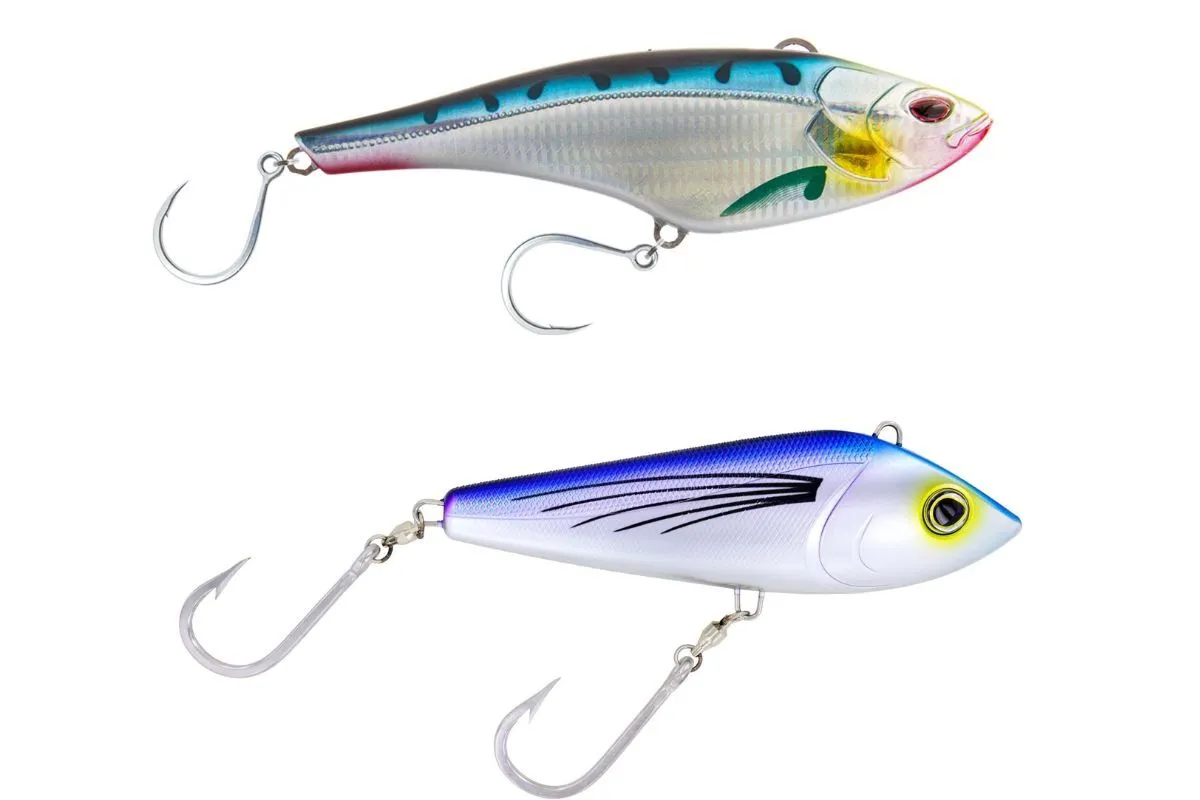
When the fish are scattered and you need to find them, or when wahoo are mixed into the same water and you want a lure that survives a slashing strike, high-speed trolling lures are the answer. These are the plugs built to run true well above the speeds a skirt can handle, so you can cover miles of ocean and still trigger reaction strikes from fish that will not sit and think about it.
The Nomad MadMacs is the lure I reach for first when I want speed and toughness together. The 160 and 200 sizes are built to run true up to about twenty knots, with the larger 240 rated lower, and they come better equipped out of the box than most trolling lures. The Yo-Zuri Bonita is a through-wired classic that runs roughly six to fifteen knots with a tight swimming action for both wahoo and tuna. For a compact, heavy plug that holds its track around seven to nine knots, the Yo-Zuri High Speed Vibe pulls aggressive reaction bites from blackfin tuna, mahi, and wahoo, and it is one of the better blackfin lures I have run in the Gulf and around the Keys. A Nomad DTX Minnow in the 165 size reaches roughly thirty feet and trolls up to about twelve knots, though depth and speed shift with the model. Not every hard plug belongs in this group. A bibbed diving minnow like the Halco Laser Pro is a conventional-speed tool that runs best around six to seven knots, not something to drag at high speed, and treating it like the metal is how anglers blow lures out and wonder why nothing eats.
The overlap with wahoo is real and worth using to your advantage. If you are running high-speed lures for tuna in water that also holds wahoo, you are already most of the way to a dedicated wahoo program, and the best wahoo trolling lures and how to run them will fill in the leader and depth differences that keep you from getting cut off.
Traditional Feathers Still Earn Their Spot
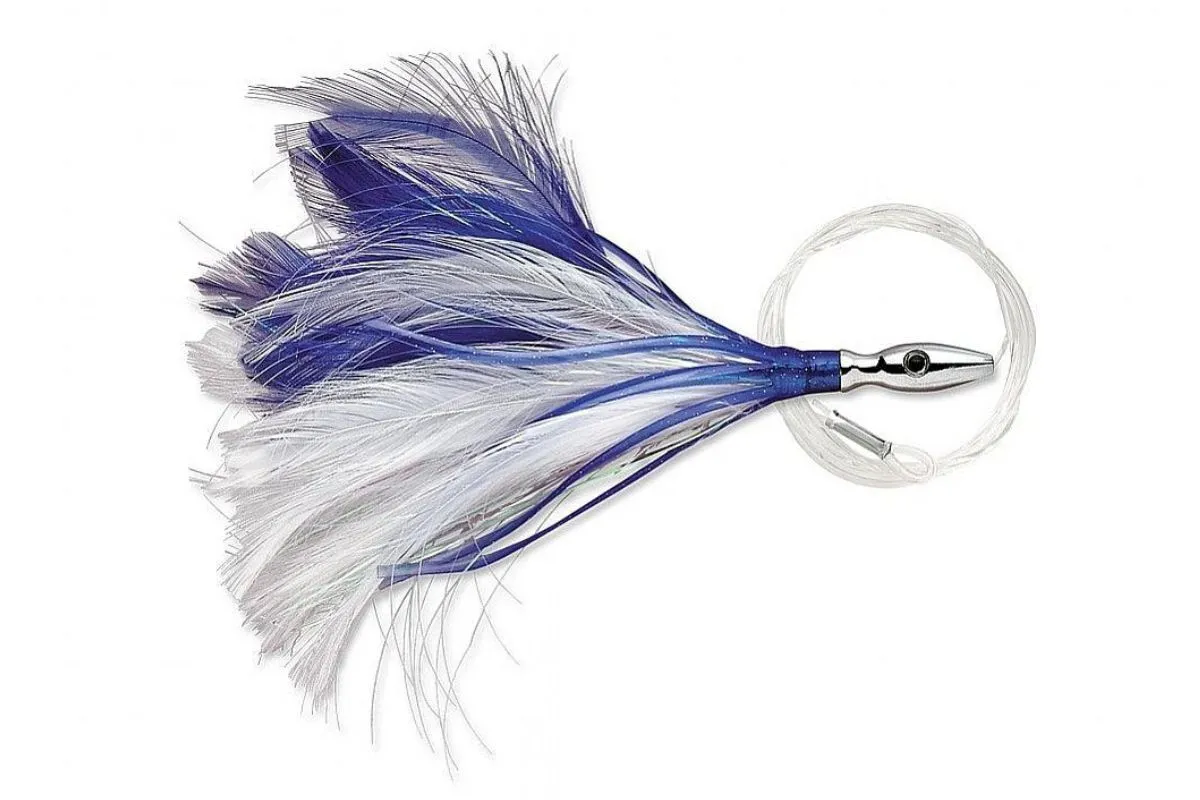
Feather jigs are among the oldest tuna lure designs still in daily use, and they have survived for one reason. They catch fish. A trolling feather is simple, durable, and produces a proven strike rate on albacore, yellowfin, and blackfin without asking anything complicated of you.
The Zuker feather is the standard. Anglers have leaned on it for decades, and it is trusted enough that people still hunt down secondary market stock to keep fishing it. The Williamson Flash Feather Rigged is the modern feather I run most, usually in a silver head with a blue and white skirt, and the No Alibi trolling feather earns a spot in a lot of current top saltwater spreads for tuna, mahi, and wahoo. Run feathers on the shorter lines where you can watch them work, adjust your speed until they are swimming rather than skipping, and do not overthink color the way you would with an exotic head. A feather is a workhorse, not a showpiece.
Cedar Plugs and the Case for Ugly
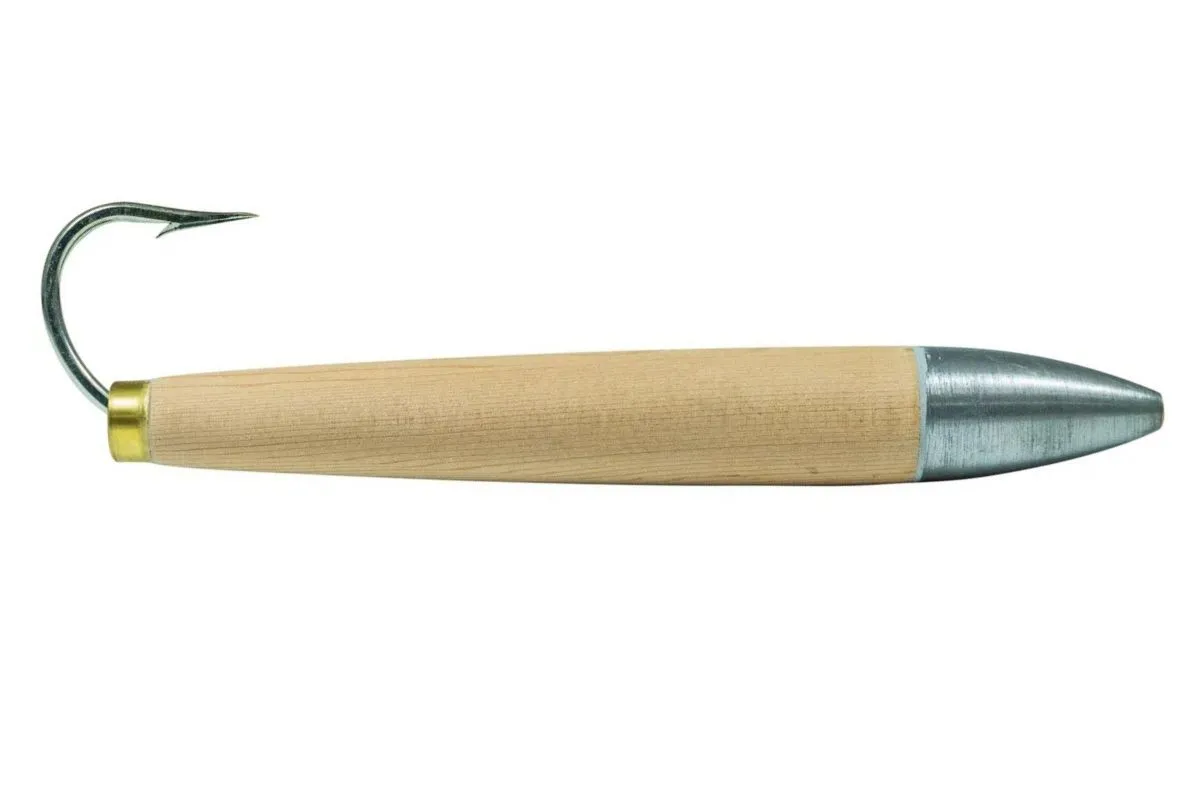
Nothing in the box looks less impressive than a cedar plug, and few lures outfish one over the course of a season. The cedar plug started as a plain commercial fishing tool, a piece of wood with a lead head, and it remains a reliable producer in a lot of tuna fisheries. It works because of what it does, not how it looks. That subtle wiggling swim action mimics a fleeing baitfish more honestly than a lot of flashier designs, and tuna commit to it.
Run a rigged six inch cedar plug and pay attention to how the weighted head lets it swim just under the surface with a tight, natural wobble. They come in colors now like red and white, blue and white, purple and black, dorado, and natural unpainted wood, and they produce on tuna, dorado, wahoo, marlin, and more. When I am building a spread and I want one line I do not have to babysit, a cedar plug goes in. It is the lure I trust when nothing else is getting a look.
Skirted Lures and the All-Time Classics
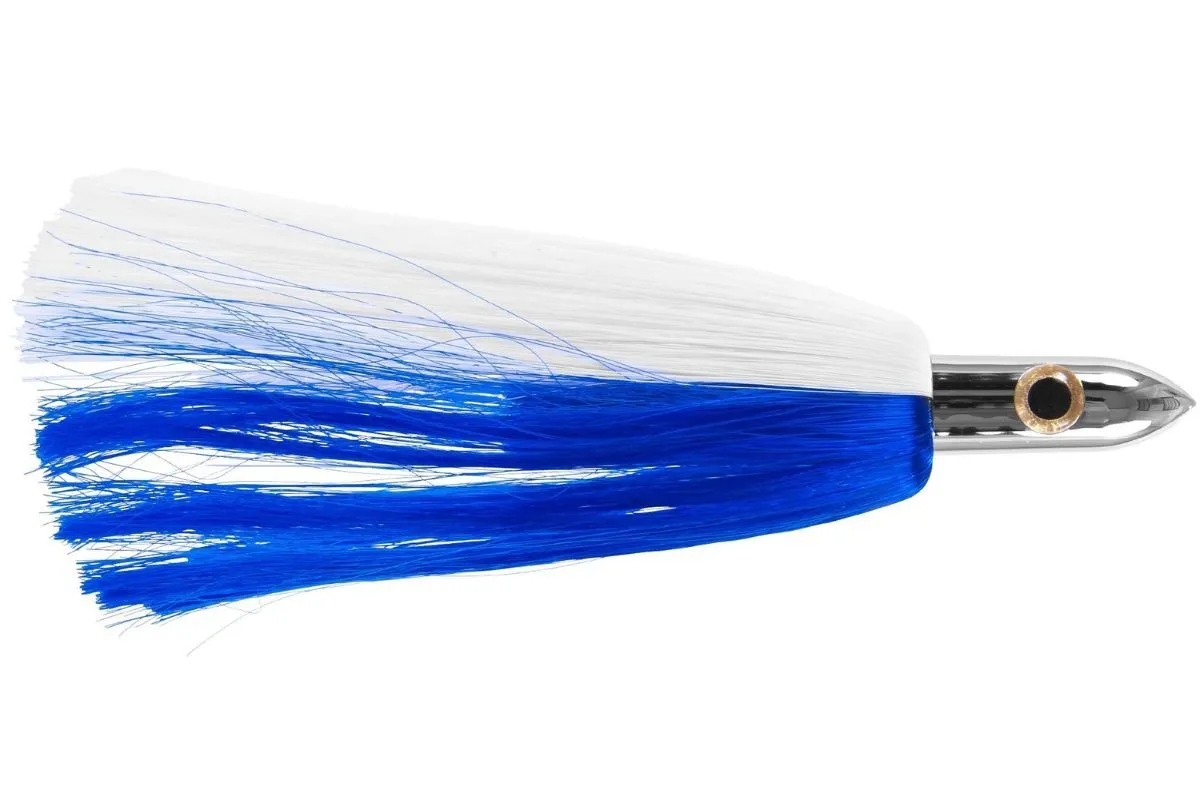
If you asked a room of offshore captains to name the best tuna lures ever made, a short list of skirted lures would come up again and again, and for good reason. These are the heads that have put fish in the boat across generations because their silhouette and action closely mimic ballyhoo and other primary tuna forage. The Sevenstrand Green Machine, an acrylic jet head under a plastic skirt, sits on almost every all-time list because its action looks alive in the water. The Ilander, especially the Hawaiian Eye, earns the same respect, with a hollow head that gives a ballyhoo beak a protected pocket and keeps the bait aligned behind the lure, plus a record book history on tuna and marlin from Hawaii to West Africa. A blue and white Ilander pulled over a rigged ballyhoo is one of the most productive presentations in offshore fishing, but understand what it is. The natural bait supplies much of the profile, the scent, and the swimming realism, while the Ilander adds color, protection, and surface action. A naked Ilander does not behave the same way.
Skirted lures are also where the marlin and tuna worlds cross over, and Captain Shawn Rotella fishes that crossover hard off Kona. He runs larger, marlin style skirted lures for yellowfin, builds his own lead head bullet lures with deliberate skirt color choices, and adjusts both color and speed when schools of skipjack move into the area and change how the yellowfin are feeding. That last point is the one most anglers miss. The lure is only half the decision. Reading what the tuna are keyed on and matching the skirt to it is the other half, and Rotella's approach to trolling lures for yellowfin is a clinic in making those adjustments on the water.
Daisy Chains and Spreader Bars for Selling a School
When tuna want to see a crowd before they commit, you give them one. Daisy chains and spreader bars both imitate a school of bait rather than a single fish, and that difference matters on pressured or finicky tuna that ignore a lone lure. A daisy chain strings several small squid or skirted baits together with a chugger or single hook bait trailing at the end. The chain sells the illusion of a bait ball and the trailing chugger produces the splash and commotion that pulls fish in from a distance to eat the one hooked offering at the back.
The Yummee Delta Wing flying fish chain imitates a natural tuna forage species and is considered by a lot of anglers close to a perfect trolling lure for that reason. Multi bait hybrids like the Melton Tuna Killer chain and green machine splash bars add bird teasers on top for extra surface commotion. Spreader bars take the same idea further, arraying multiple squid style teasers on a rigid bar with one hook bait trailing, and they are especially effective when tuna are feeding deep because the visual disturbance pulls fish up toward the surface. Rig spreader bars and daisy chains to the size of fish, the local rules, and the layout the specific rig is built around, not to a single leader number. On a conventional yellowfin setup the hooked stinger usually carries heavier leader than the teaser connections, since that terminal knot stays well away from the fish, while line-shy fish may call for a lighter presentation. Keep a pitch bait ready whenever a tuna piles onto a bar or chain and misses the hook bait, because that second cast is what converts the encounter. Troll the whole thing around six to seven knots so the teasers skip and the stinger tracks true. You can see how chains and bars fit into a wider program in the full saltwater lure and trolling course library.
Building the Spread: Positions and Distances
A trolling spread is a staggered pattern, not a random scatter, and the whole point is to run lures at different distances so they do not tangle on turns and so you cover more water at more depths. The trolling spread most crews build follows a repeatable logic. Flat lines run closest, the outrigger lines fan out wider and farther back, and a shotgun line runs far behind everything, often where the biggest fish eat. Treat the distances below as starting points, not measurements carved in stone. Boat size, hull, sea state, and speed all move them. Set each lure by the wake first, get it working cleanly on the wave face or in the clean water you want, then use line length only to repeat that position from trip to trip.
- Flat lines run twenty five to sixty feet behind the boat, right in and around the prop wash where the churn hides the leader.
- Short rigger lines set out around seventy five to one hundred feet.
- Long rigger lines stretch to one hundred fifty to two hundred feet.
- The shotgun rides way back, roughly two hundred fifty to three hundred feet, on the calmest, cleanest presentation in the pattern.
Position your lures by how they behave. Aggressive splashers and bubble trailers like skirts and cedar plugs earn the prop wash and short positions where the action gets noticed, while quieter, straight tracking lures do their best work farther back where a fish has time to line up. For yellowfin specifically, the short and long corner positions away from the prop wash tend to produce, so put your confidence lures there and let the pattern do the searching. Bluefin often want it the other way. They will eat lures swimming close behind the prop wash and sitting way back on the shotgun, so when they are the target I lengthen the pattern and push a strong, clean presentation far behind the boat.
Trolling Speed by Lure Type
Speed is the adjustment that fixes more dead spreads than any lure change, because a lure only swims correctly inside a narrow window. Pull it too slow and it goes lifeless, too fast and it blows out and spins. Use this as a starting range and then watch the lures and trust your eyes over any number.
The through line is simple. A mixed spread of naturals and artificials lives around six to eight knots, you back off slightly when you add bars, and you speed up into the double digits only when you are running lures built for it. When Rotella changes speed for skipjack driven yellowfin off Kona, he is doing exactly this, reading the fish and moving the throttle before he ever swaps a lure.
Color by Water Clarity and Light
Color is not superstition, but it is also not complicated. The rule that holds up across most tuna fishing is to match brightness to water clarity and light. In clean blue water, bright colors like red, orange, white, blue, and pink show well and get eaten. In dirty or green water, darker tones like navy, black, and purple create a stronger silhouette that fish can actually find.
This matters most on a color break. South of Venice, Mississippi River outflow meets clear Gulf water and creates green water edges where yellowfin stage to ambush bait, and a lure that reads clean in blue can disappear in that green. On those edges a darker, higher contrast skirt often out produces the flashy one, while just across the line in cleaner water you flip back to bright. Light does the same thing through the day, so a lure that draws strikes at first light may need to get brighter or darker as the sun climbs. When the bite goes quiet, check speed and how the lures are swimming first, then position and profile, and treat color as the next adjustment rather than the first.
Rigging and Hooks That Hold
The lure is worthless if the rigging fails. The first thing I do with any new lure is inspect the hooks, split rings, wire, and crimps before it ever goes in the water, because a two hundred pound fish finds the weak link fast. Upgrade any component that does not match the species, the drag you fish, or the trolling speed, and match your leader to the target and the water, running roughly one hundred to three hundred pound monofilament or fluorocarbon depending on fish size.
The one rigging rule people forget is that tuna and wahoo want different leaders in the same water. Tuna have sharp eyes and no cutting teeth, so fluorocarbon disappears and gets you more bites. Wahoo teeth can shear mono or fluorocarbon in a heartbeat, so a lure meant to take repeated wahoo strikes is usually rigged with wire or heavy single strand cable. If you run one spread for both, you accept that trade on each line and rig accordingly. Where a lure can foul and twist, a plug, a chain, or a bar, run a quality ball-bearing swivel, and check the leader and every chafe point after each strike or weed foul. For the full step by step on rigging heads, skirts, and hooks the right way, how to rig offshore trolling lures covers it by species.
Comprehensive tuna trolling and offshore lure courses
Yellowfin tuna around Venice, Louisiana oil platforms reject surface lures that work elsewhere in the Gulf. Captain Josh Howard explains how Mississippi River discharge affects baitfish profiles, why popper and swimming bait selection must match local forage size and behavior, and when surface presentations outperform subsurface approaches around Louisiana oil structures.
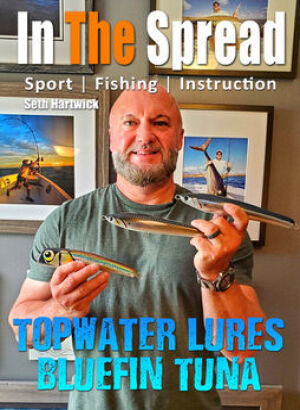
Bluefin tuna topwater fishing pushes tackle to limits, demanding expert knowledge before targeting these powerful predators with poppers and floating stickbaits. Seth Hartwick's worldwide experience reveals why bluefin behave as discerning eaters requiring diversified lure selection, quality rigging techniques, and casting tackle balancing throwing ability with lifting power needed during brutal fights with ocean's strongest fish.
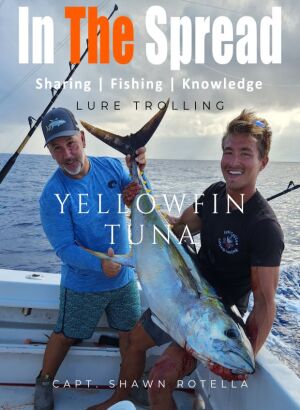
Yellowfin tuna trolling tactics shift dramatically when skipjack schools appear, demanding lure adjustments most anglers miss. Captain Shawn Rotella's Kona expertise reveals how predatory patterns, tide influences, and habitat structures determine which lure colors and trolling speeds trigger strikes from Thunnus albacares, plus post-catch gilling and cooling techniques preserving quality for premium table fare.
Topwater yellowfin tuna fishing evolved into refined styles where popper and stickbait quality, build, and price vary dramatically. Seth Hartwick's extensive lure testing reveals which designs justify investment, how sea conditions affect lure selection and placement, and what tackle components including hooks, split rings, swivels, and leaders create reliable setups withstanding violent tuna strikes.
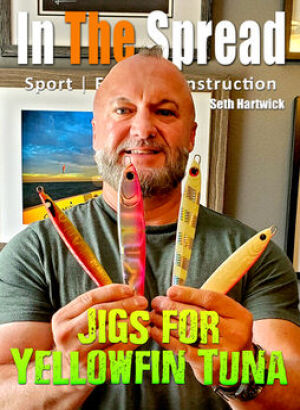
Yellowfin tuna suspending at depth matching deep water baitfish require speed jigs and knife jigs rather than surface presentations. Seth Hartwick's worldwide experience reveals success demands understanding jigging techniques that work entire water columns, proper boat and angler positioning, and matching rod specifications to jig sizes with gear ratios and drag systems handling sustained runs from depth.
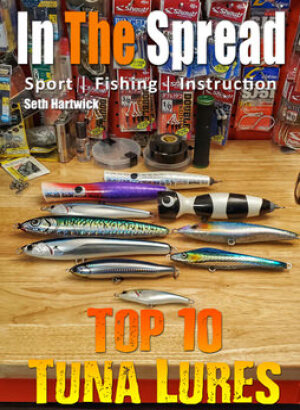
Selecting tuna lures without global testing experience leads to collections filled with designs that sound effective but fail under real fishing conditions. Seth Hartwick fished every major tuna fishery worldwide, working with top anglers and craftsmen to refine his collection to only the best quality performers that trigger strikes across varied feeding behaviors and environmental factors rather than location-specific patterns.
Yellowfin tuna trolling tactics shift dramatically when skipjack schools appear, demanding lure adjustments most anglers miss. Captain Shawn Rotella's Kona expertise reveals how predatory patterns, tide influences, and habitat structures determine which lure colors and trolling speeds trigger strikes from Thunnus albacares, plus post-catch gilling and cooling techniques preserving quality for premium table fare.
Frequently Asked Questions About Tuna Trolling Lures
What is the best tuna trolling lure of all time?
No single lure wins that title, but the ones named most by working captains are the Sevenstrand Green Machine, the Ilander, the Zuker feather, and the plain cedar plug. They endure because their action and silhouette mimic natural tuna forage like ballyhoo and small baitfish, and they produce across many fisheries and conditions.
How fast should you troll for tuna?
Most mixed spreads of skirts, feathers, and cedar plugs run best at six to eight knots. Back off to around six to seven knots when running spreader bars or daisy chains, and speed up to eight to ten knots or more when pulling high-speed metal and hard plugs built for it. Watch the lures and adjust until they swim rather than spin.
What color trolling lures are best for yellowfin tuna?
Bright colors like red, white, blue, and pink work well in clean blue water. Switch to darker tones like navy, black, and purple in green or dirty water where a stronger silhouette helps fish find the lure. On a green water edge, contrast usually beats flash.
What are the best trolling lures for blackfin tuna?
Smaller, compact high speed plugs like the Yo-Zuri High Speed Vibe pull aggressive reaction bites from blackfin, along with small skirts and feathers on the short lines. Blackfin key on smaller bait, so downsizing the profile often turns lookers into biters.
Do cedar plugs still catch tuna?
Yes, and consistently. The cedar plug's subtle wobbling swim action imitates fleeing bait better than many flashier lures, and it stays a dependable producer across many tuna fisheries. It is one of the most reliable lures you can put in a spread.
Where should trolling lures swim in the spread?
Run splashy skirts and cedar plugs close in the prop wash and short positions, quieter straight tracking lures farther back, and your cleanest presentation on the shotgun. Stagger flat lines, short and long riggers, and the shotgun so nothing tangles on turns.
Bringing the Spread Together
Trolling for tuna rewards the angler who thinks about the whole system instead of chasing the perfect lure. Pick the category that fits the water, whether that is a high speed plug to cover ground, a feather or cedar plug to grind out a workday, a skirt over ballyhoo to imitate the primary forage, or a chain and bar to sell a school. Then run it at the speed that makes it swim, put it in the right position in a staggered pattern, match the color to the water, and rig it so it holds when a big fish eats. Do that and the lure almost picks itself.
The fish are teaching you every trip if you pay attention to speed, color, and what they are feeding on before you swap what you are pulling. Keep building from there. The full yellowfin tuna offshore fishing playbook sets the wider foundation for finding and catching these fish, and when you want to match the exact lure to the exact conditions on a given day, choosing yellowfin tuna lures by condition and technique takes the decision further than any list can.
Login
to leave a review.
User Reviews
There are no reviews yet.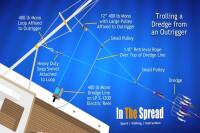
Setting Up a Dredge Pulley for Billfish
Saltwater
12.28.2020
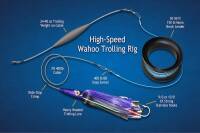
High Speed Wahoo Trolling Rig
Saltwater
09.08.2018
Fishing Light Tackle for Yellowfin Tuna
Saltwater
09.08.2018
0