
Catching musky demands patience and skill. This comprehensive resource covers essential techniques including trolling, casting, and jigging, plus expert advice on tackle selection, best lures, seasonal patterns, and proven tactics for landing North America's ultimate freshwater predator.
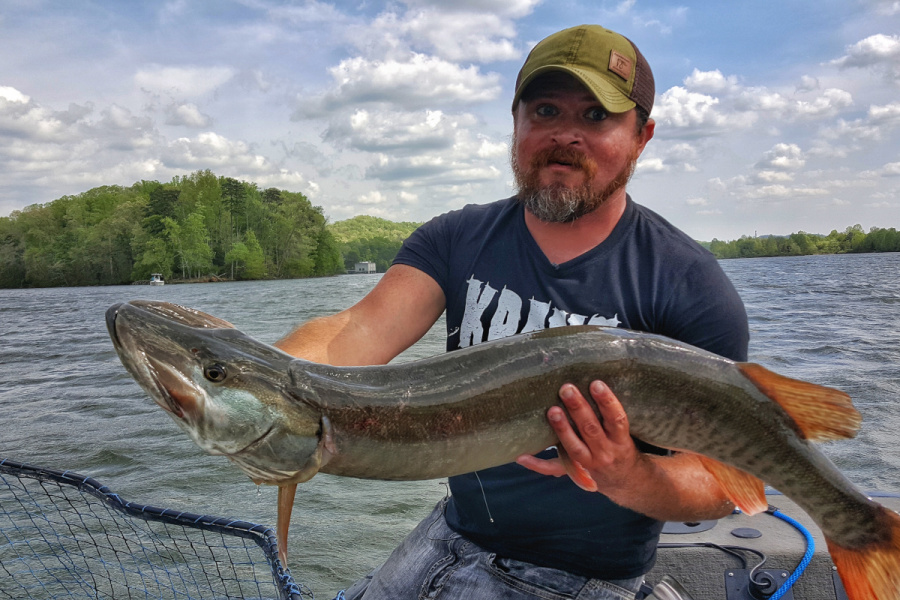
How to Catch Musky: Best Lures, Tactics & Locations
Why do experienced anglers call the muskellunge the "fish of 10,000 casts"? Because catching this apex predator requires more patience, skill, and determination than almost any other freshwater gamefish in North America. If you're ready to take on the challenge, understanding musky behavior, habitat preferences, and proven fishing techniques is your first step toward success.
What Is a Musky Fish?
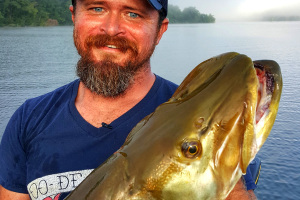
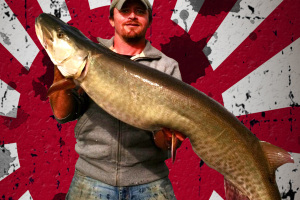
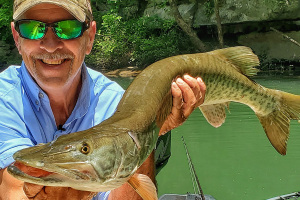
The muskellunge (often called musky or muskie) is the largest member of the pike family and North America's premier freshwater apex predator. These magnificent fish can grow over 50 inches long and weigh up to 50 pounds, though catching one of any size represents a significant achievement.
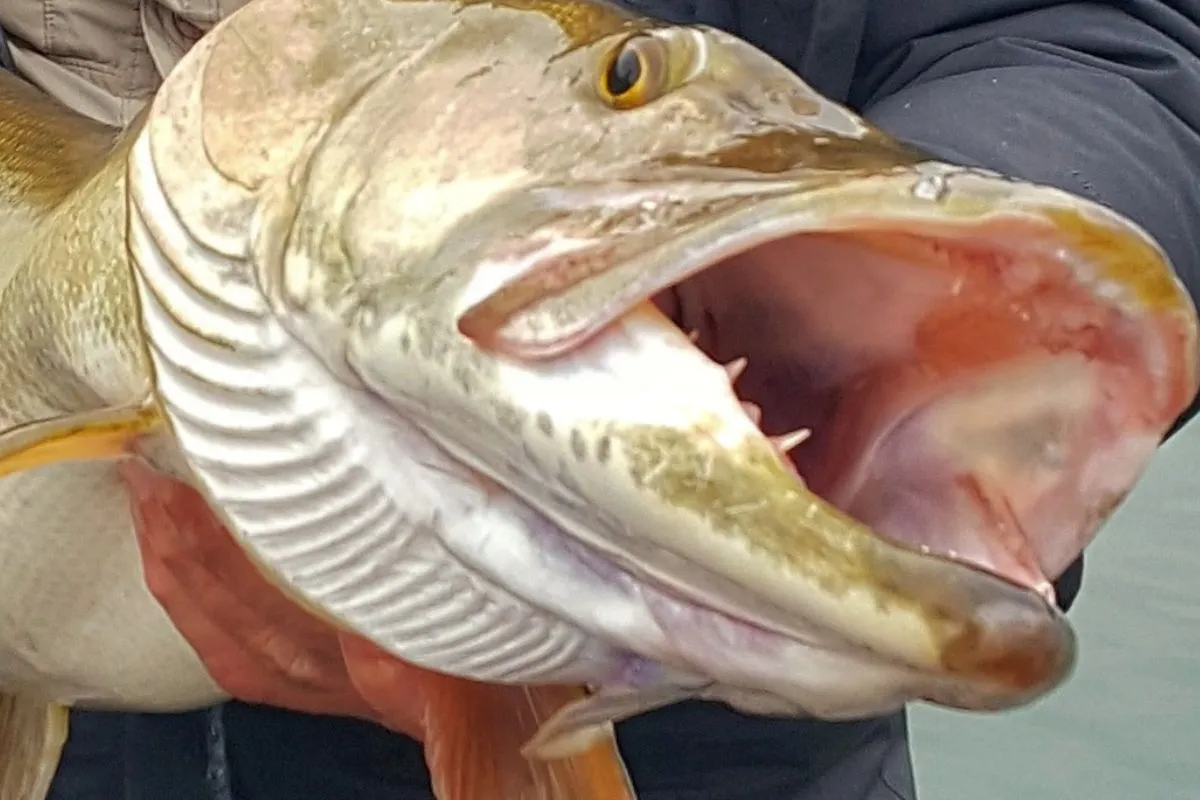
Here's what makes musky unique: They're ambush predators with razor-sharp teeth, explosive striking power, and an uncanny ability to frustrate even the most skilled anglers. Found in cold, clear lakes and streams across the northern United States and southern Canada, musky occupy the top of the food chain in every ecosystem they inhabit.
Musky Fishing Resources
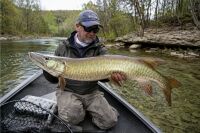
Muskie are apex freshwater predators that ambush from weed edges and rocky points across northern lakes and rivers. A look at the fish behind the legend.
Few states below the Mason-Dixon line can match Tennessee for musky fishing. Trophy fish come out of Melton Hill, Norris Lake and the Caney Fork River system every season, fueled by decades of active TWRA stocking and some of the strictest size regulations in the South. Here is what you need to know to fish Tennessee muskies right.
Musky sit at the top of the freshwater food chain, and catching one means thinking like the hunter you are chasing. Get the behavior, habitat, water temperature, gear, and seasonal timing that turn a frustrating pursuit into a fish in the net.
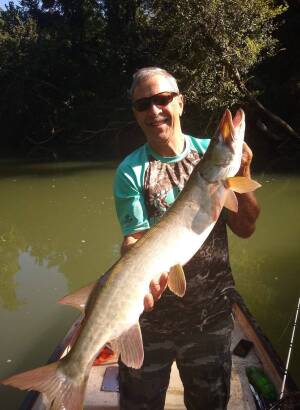
Live bait for muskie fishing is effective, especially in the fall/winter season. However, some argue it's unfair due to gut hooking. To avoid this, muskie anglers use two hooking systems: a quick strike rig, which prevents gut hooking musky, and a circle hook rig for safe hook-ups. Large baits like gizzard shad, bullhead catfish, and suckers are suitable for deep water lakes.

Open water muskie fishing can be challenging, but expert Cory Allen teaches how to approach it. Fish are usually at geo intersect points, orienting themselves off topographical features. Learn to recognize and target suspended fish, using lures like safety pin spinner, barbarian, and swim bait, and cover areas effectively in the In The Spread video.
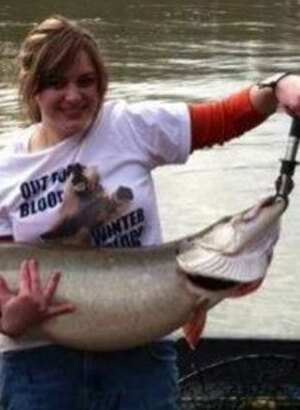
Spawning is a common activity for anglers, with Muskies being a unique species. They spawn during a specific time of year, attracting prespawn fish due to current and temperature. Muskies are broadcast spawners, not constructing nests or affecting their progeny's life cycle. They often return to staging areas near the back end of coves and cuts. Paying close attention to these areas is crucial for locating and catching these fish.
Why Are Musky Called Apex Predators?
When you target musky, you are hunting the hunter. These fish sit at the absolute top of the freshwater food chain with no natural predators of their own, aside from the occasional bird or mammal that catches one in the shallows. That apex status means musky evolved to be patient, selective, and efficient. Our deep dive into the muskie as a freshwater apex predator explains how that biology shapes the way they hunt.
What does that mean for your strategy? Musky do not need to chase every bait that swims by. They can afford to be picky, following lures for dozens of yards before deciding whether to strike. They are well-fed and selective about spending energy, which is exactly why musky fishing demands persistence and presentation variety that other species do not.
The role musky play in their ecosystem is significant. By keeping populations of smaller fish in check, they help maintain a healthier, more balanced food web.
Where Do Musky Live? Understanding Musky Habitat
Finding musky starts with understanding where they prefer to spend their time. Musky habitat typically includes cold, clear lakes and streams with specific features that provide both ambush opportunities and access to prey.
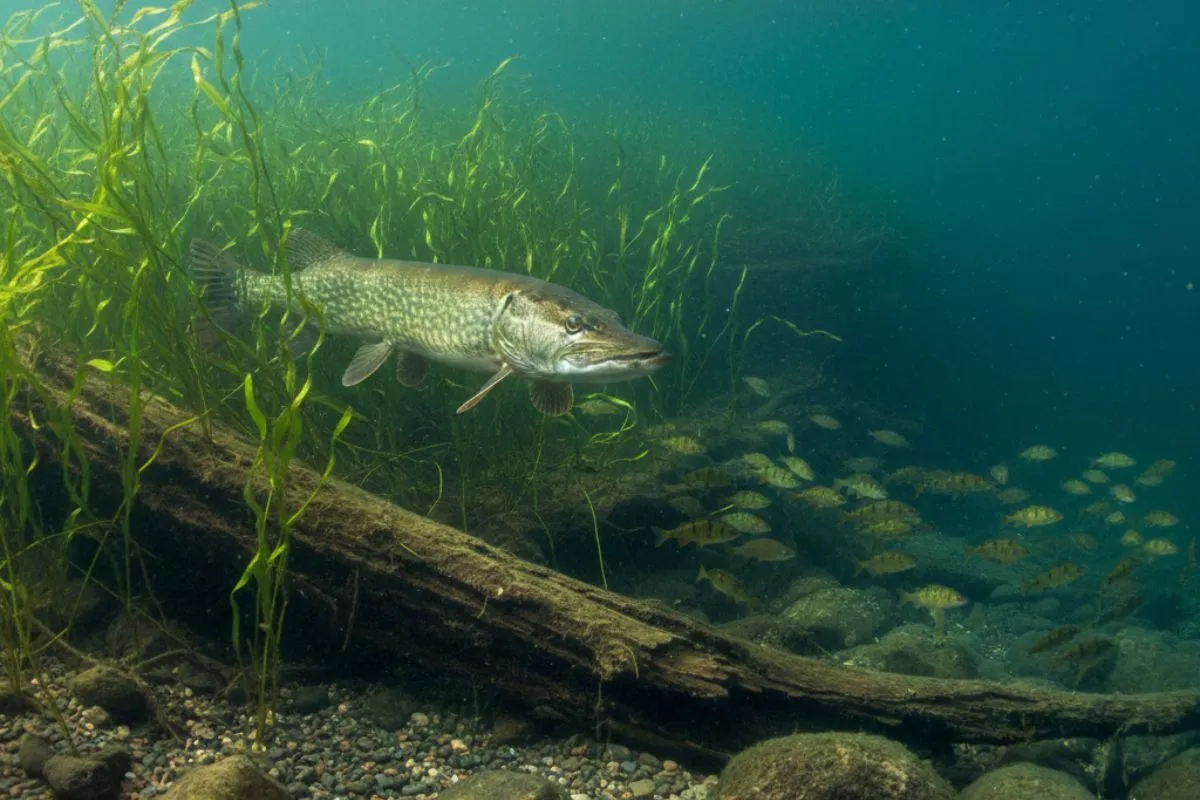
When scouting, pay attention to transition zones. River and stream mouths entering larger water are prime because they funnel diverse prey. Musky also stack near drop-offs, points, and saddles where they can watch several depths at once. In warmer months, look to cattails, bulrushes, and lily pads for cover and cooler water. In deeper water, focus on submerged weed beds and rock.
Geographically, musky range across the northern United States and southern Canada, with strong populations in Wisconsin, Minnesota, Michigan, Ontario, and increasingly in southern reservoirs where stocking has built new fisheries. Tennessee is the standout in the South, and our breakdown of Tennessee musky fishing covers that southern scene in depth.
What Do Musky Eat? Understanding the Musky Diet
Knowing what musky eat is essential for picking the right lures and presentations. These opportunistic predators take whatever prey is most available, but they have preferences shaped by size, availability, and the energy a meal costs them.
The musky diet is mostly other fish: perch, bass, walleye, trout, suckers, and panfish, with bigger musky taking bigger prey as they grow. Fish are not the only item on the menu, though. Musky will hit ducks, muskrats, frogs, snakes, and even other musky when the chance comes. For a closer look at matching that forage with the real thing, see our piece on live bait for muskie.
Size drives feeding. A musky can eat prey up to a third of its own length, so a 40-inch fish might target a 12-inch baitfish. That is why musky anglers throw lures most other freshwater fishermen would consider absurd.
Feeding shifts through the year with temperature and prey. Musky feed more often on fast-moving prey in warm months, then go on a heavy feed in fall to build reserves for winter, which makes autumn one of the best times to fish them. Winter feeding turns sporadic, and spring picks back up as fish recover from the spawn.
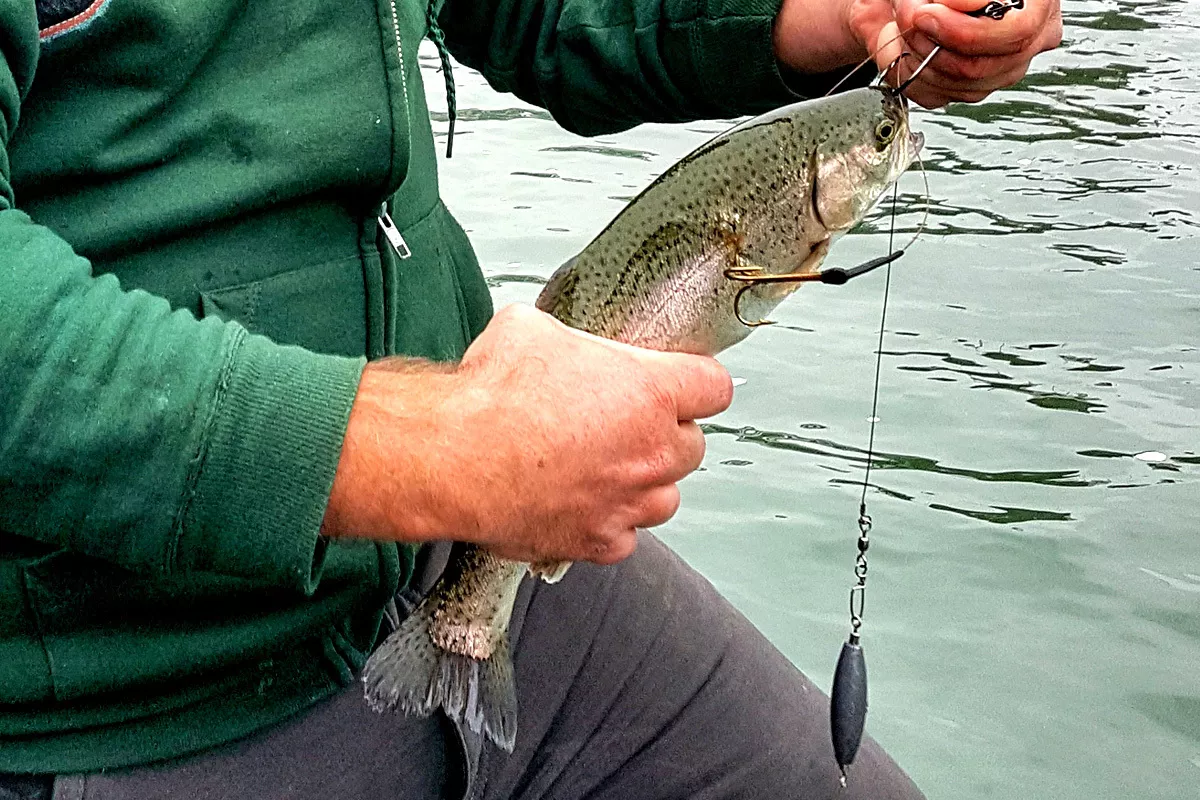
How to Catch Musky Fishing Courses


Why Is Musky Fishing So Difficult?
Let's address the elephant in the room. Musky fishing has earned its reputation as one of the most challenging pursuits in freshwater angling, and that reputation is well-deserved. The "fish of 10,000 casts" nickname isn't marketing hype; it's a reality check for anyone considering musky fishing.
Several factors combine to make musky exceptionally difficult to catch. First, their population density is naturally low compared to other gamefish species. You're fishing for a predator that needs a large territory and abundant prey base, which means there simply aren't that many musky in any given body of water.
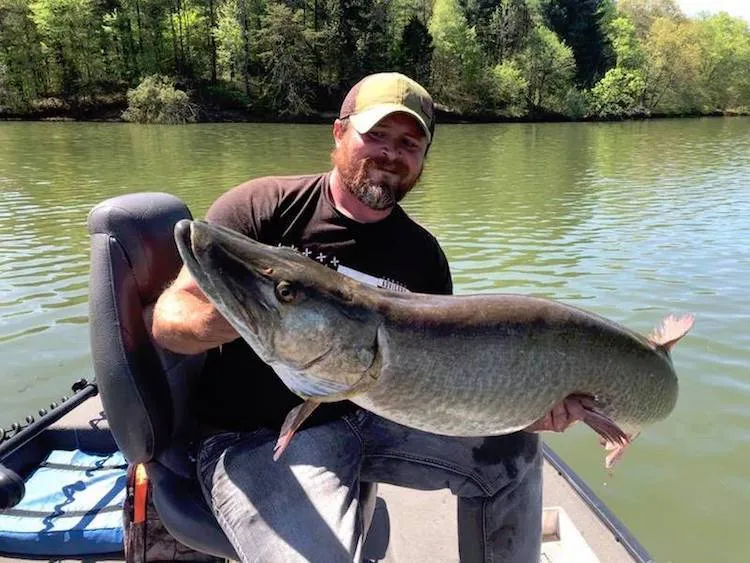
Third, when musky do strike, they have an uncanny ability to throw hooks. Their bony mouths, violent head-shaking, and explosive surface jumps create multiple opportunities for your hooks to come free. Even experienced anglers lose more musky than they land.
The time investment required for musky fishing exceeds most other species. Where you might catch 20 bass in an afternoon, catching a single musky in a full day represents success. Some anglers fish for weeks or even an entire season before landing their first musky.
How to Catch Musky: Essential Fishing Techniques
Catching musky consistently means learning several techniques and knowing when to lean on each. The best musky anglers, In The Spread instructor Cory Allen among them, build skill in trolling, casting, and jigging, then choose the method that fits the conditions, the season, and the mood of the fish.
What Is the Best Way to Catch Musky Through Trolling?
Trolling for musky lets you cover big water efficiently while holding lures at steady depths and speeds. It shines when you are hunting active fish or learning unfamiliar water. Our open water muskie fishing breakdown with Cory Allen goes deep on covering water this way.
Speed control is the foundation. Most musky want a slower presentation, with trolling speeds usually between 2.0 and 3.5 mph depending on lure and water temperature. Cooler water calls for slower speeds, while warmer water lets you push a little faster.
Depth selection matters tremendously when trolling for musky. During summer months, you'll often find musky suspended at depths between 15 and 30 feet, following schools of baitfish. Fall fishing might keep you in shallower water as musky move toward weed edges and rocky points. Using quality electronics to locate baitfish concentrations and mark structure helps you stay in the productive zone.
Lure selection for trolling includes crankbaits in various sizes and diving depths, large spinnerbaits, and bucktail spinners. Successful anglers run multiple rods with different lure styles and depths to determine what's working on any given day. Don't be afraid to experiment with color patterns, as musky can show strong preferences for specific colors under different light conditions.
How Do You Cast for Musky Successfully?
Casting for musky gives you precision that trolling cannot. You can target specific cover, vary your retrieve, and pick apart high-percentage water.
Casting works best around visible structure. When you spot a laydown, a rock pile, or a weed pocket, casting puts your lure exactly where you want it and lets you work the strike zone again and again. That precision pays off when fish are holding tight to cover instead of roaming.
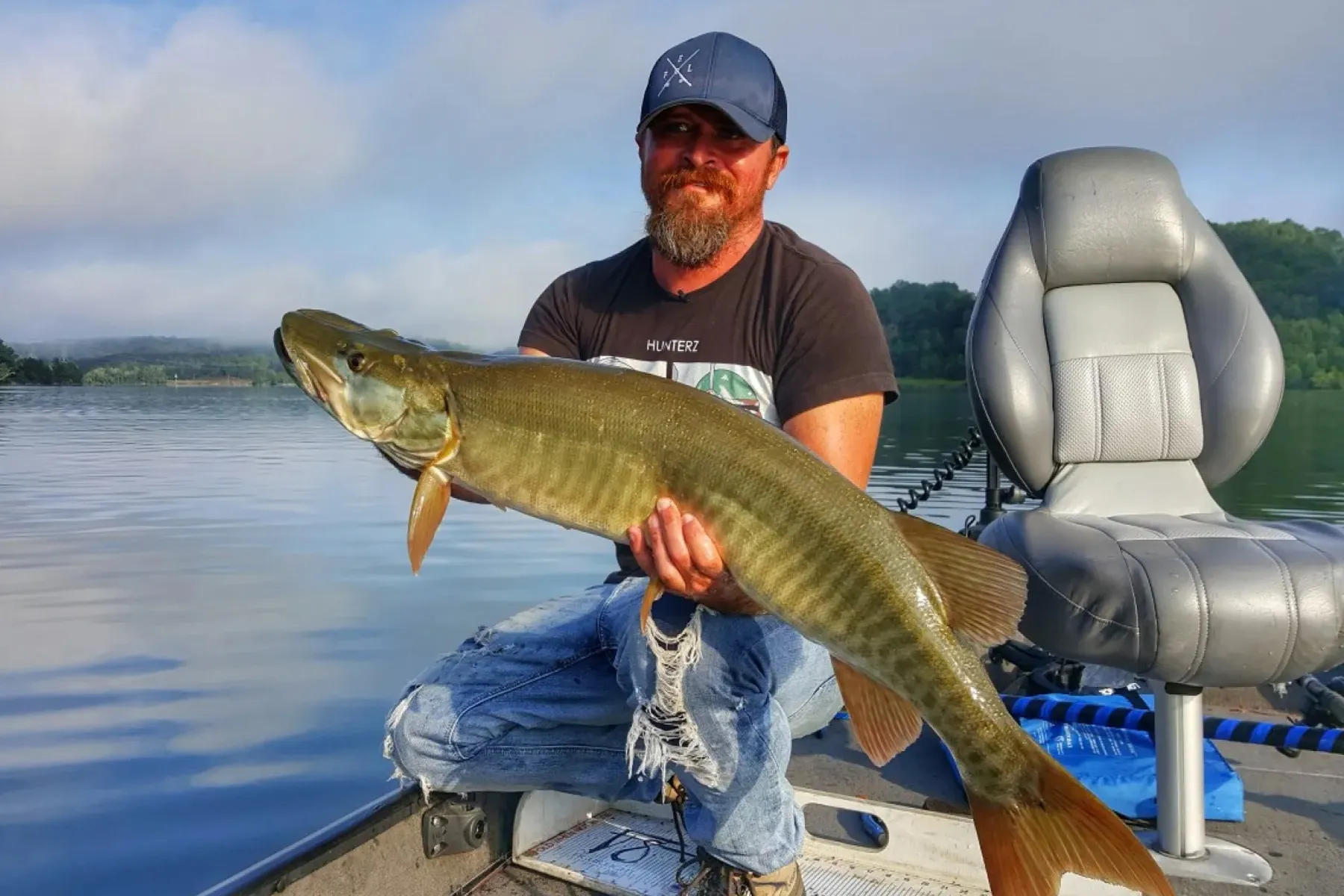
Presentation varies widely. You might creep a topwater across a shallow flat in low light for a violent surface strike, a method we cover in topwater musky fishing. A glide bait worked with a rhythmic sweep and pause can pull a follower into committing. Big soft plastics on heavy jigheads let you probe deeper cover.
The figure-eight is one of the most important skills in musky casting. When your lure comes back to the boat without a strike, do not lift it out. Drop the rod tip into the water and trace big figure-eight loops. Musky follow lures to the boat constantly, and that last move triggers more strikes than you would believe.
Retrieve speed is the variable to keep testing. Some days they want a fast, aggressive retrieve that draws reaction strikes. Other days a painfully slow crawl with long pauses is the only thing that works.
What Makes Jigging Effective for Musky?
Jigging for musky excels in deeper water and around vertical structure where casting and trolling become less effective. This technique uses heavy jigs that sink quickly and can be worked vertically or with a swimming retrieve.
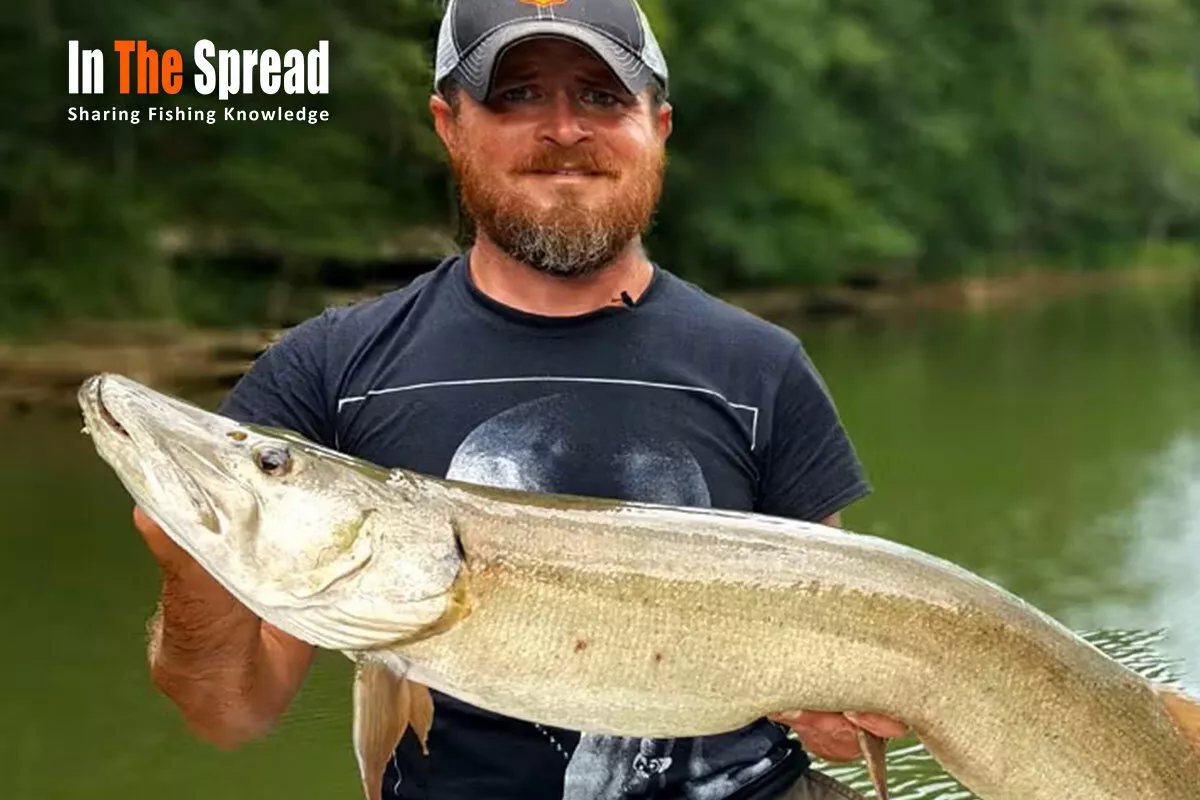
Vertical jigging works particularly well when you've located fish on your electronics but can't get them to commit to horizontal presentations. Position your boat directly over or slightly upcurrent from marked fish, drop your jig to the appropriate depth, and work it aggressively. The vertical fall often triggers strikes that horizontal presentations can't elicit.
Swimming jigs back to the boat after vertical presentations adds another dimension to this technique. After working a jig vertically, engage your reel and swim the jig back with a medium-paced retrieve interspersed with sharp rod twitches. This hybrid approach covers more water while maintaining the jigging action that attracts musky.
Musky Fishing Tackle: What You Need to Get Started
Choosing the right musky fishing tackle isn't optional if you want to land these powerful predators. The equipment requirements differ substantially from bass or pike fishing due to the size of both the fish and the lures.
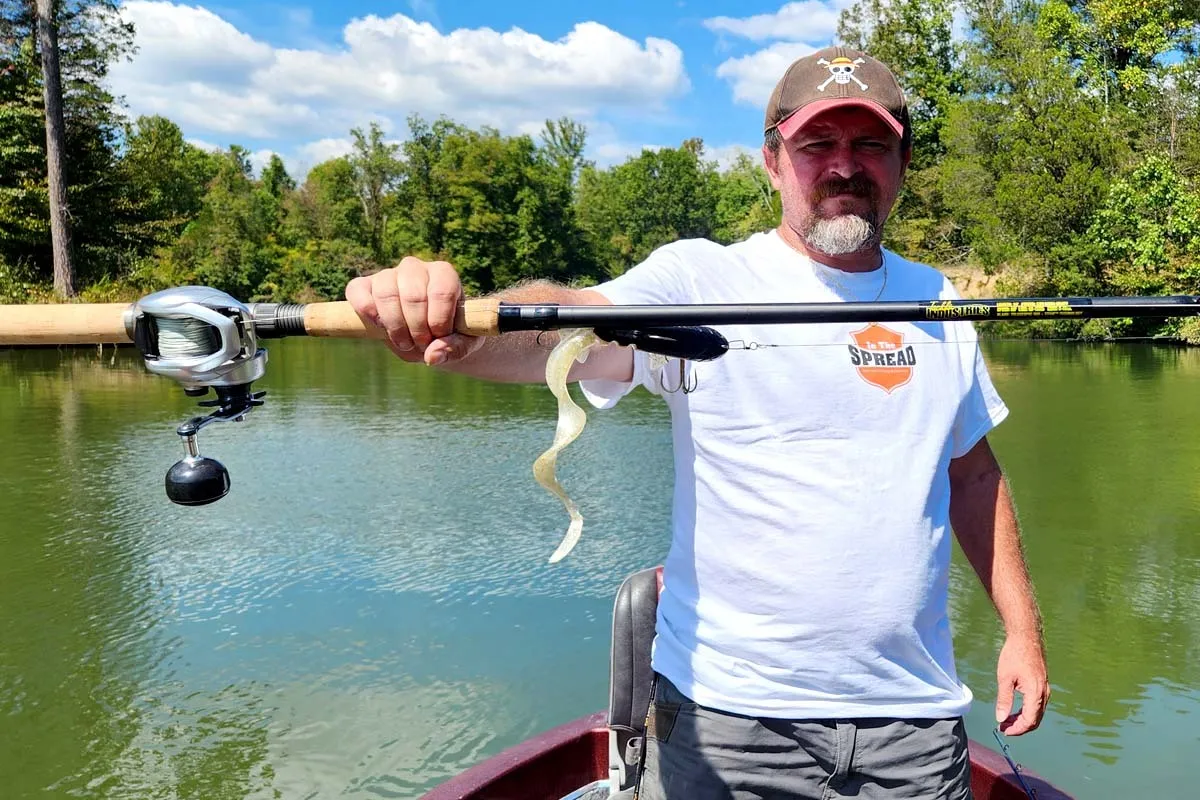
Reel choice centers on capacity and gear ratio. Baitcasting reels are standard for musky fishing, with larger models providing the line capacity needed for extended fights and the power to move big fish away from structure. Gear ratios between 5.4:1 and 7.1:1 work well, with lower ratios providing more cranking power and higher ratios offering faster retrieves.
Line selection typically involves either heavy braided line or thick monofilament, with most anglers preferring braid in the 50 to 100-pound test range. Braided line offers superior sensitivity, minimal stretch for solid hooksets, and increased abrasion resistance around structure. The lack of stretch is particularly important when you're trying to drive hooks into a musky's bony mouth.
What Lures Work Best for Musky?
Best lures for musky vary based on season, water conditions, and fish behavior, but certain categories consistently produce results. Understanding when and how to use different lure types dramatically improves your success rate.
Bucktail spinners remain among the most popular and effective musky lures. These inline spinners create flash and vibration that musky can detect from considerable distances, and they work well at various depths and retrieve speeds. The Mepps Musky Killer and similar designs have accounted for countless trophy musky over the decades.
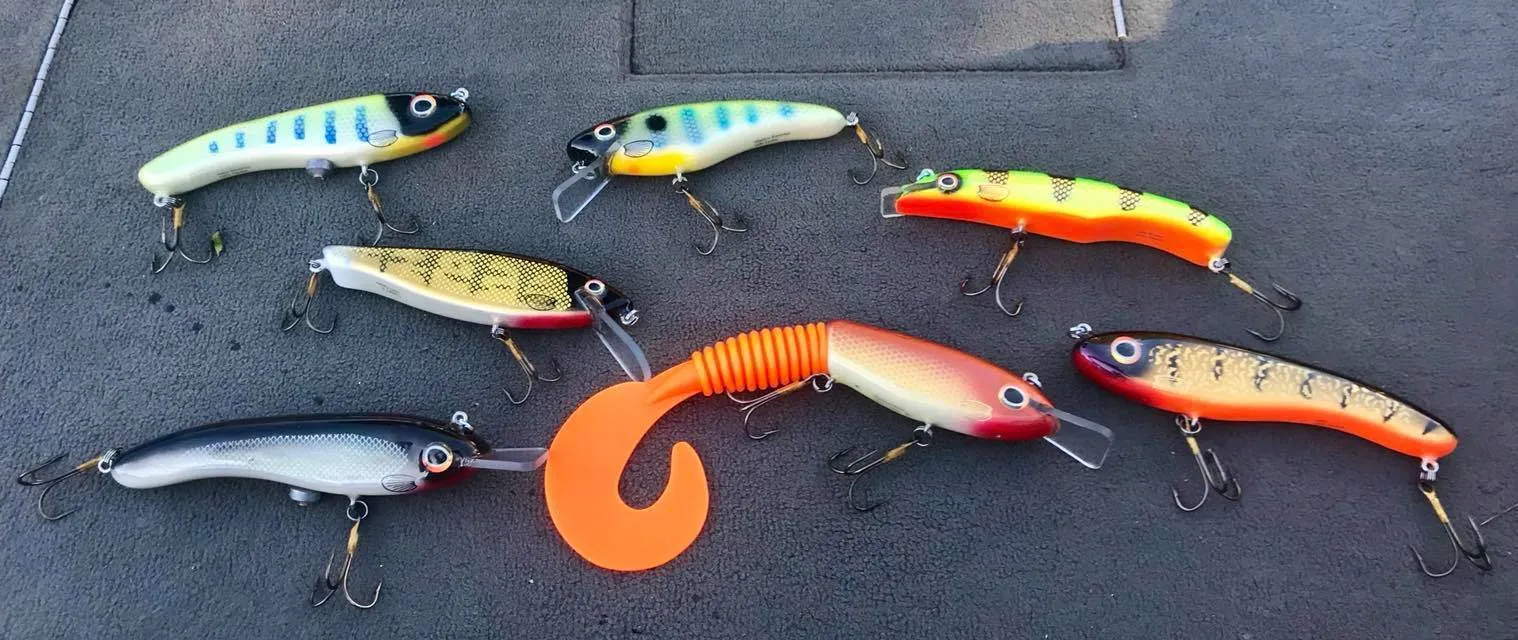
Crankbaits in musky sizes (8 to 14 inches) allow you to cover water quickly while maintaining specific depth ranges. Deep-diving cranks reach suspended fish, while shallow runners work over weed tops and flats. The Depth Raider and similar large-profile cranks produce consistently.
Topwater lures create some of the most exciting musky fishing available. Propeller baits, walk-the-dog style lures, and surface crawlers work best during low-light periods and in shallow water. The explosive surface strikes make topwater musky fishing addictive.
When Is the Best Time to Catch Musky?
Understanding musky fishing seasons and daily timing sharpens your odds. Musky behavior swings hard through the year, and matching your tactics to it is essential.
Fall is the premier season. As water drops into the 50s, musky feed hard to pack on reserves for winter, and the stretch from late September through November gives up both the most fish and the biggest. Our fall muskie fishing breakdown on the Collins River shows that pattern up close.
Summer asks for a different plan. Fish stay active but selective, holding in deeper, cooler water through the midday heat and sliding shallow at dawn and dusk. Early and late are your windows, with midday slow except under clouds.
Spring, and the pre-spawn in particular, can be excellent, but check your regulations first, since many waters close to protect spawning fish. Our look at pre-spawn muskie in southern reservoirs with Cory Allen covers that early window. When it is open, look to shallow bays and creek mouths as fish stage to spawn.
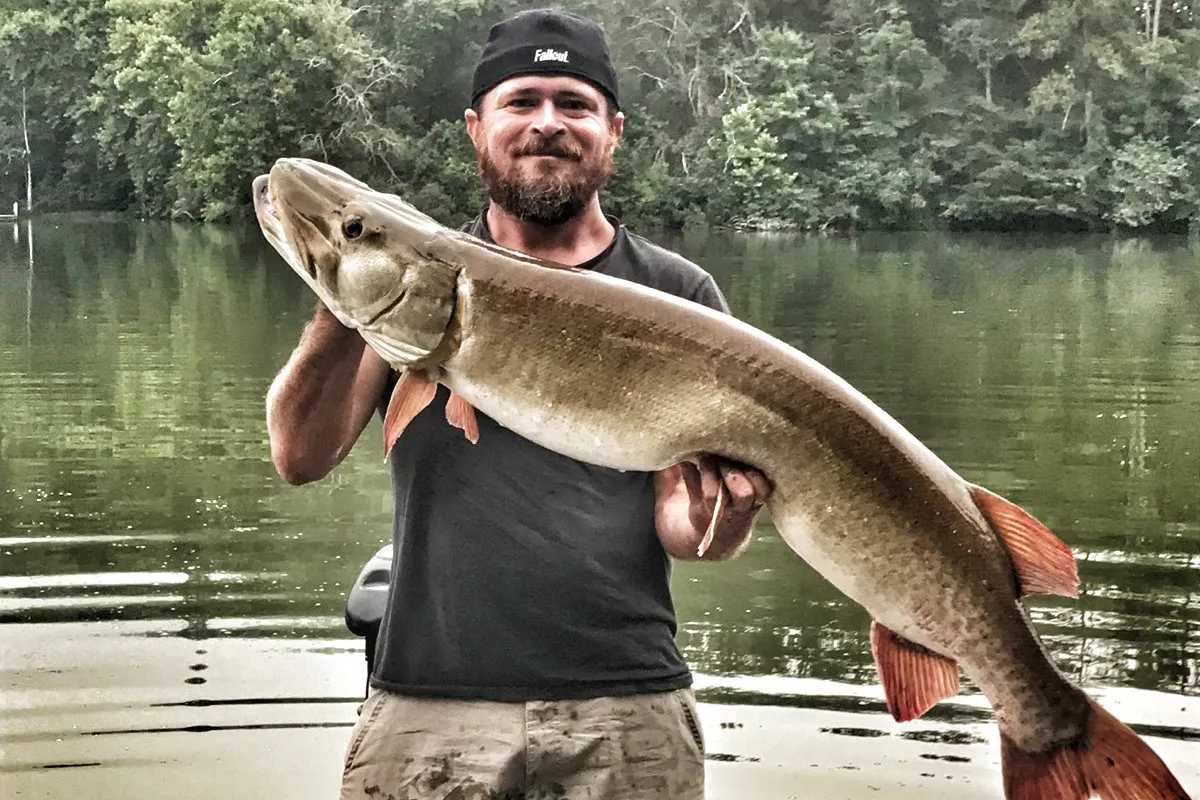
Summer musky fishing requires different strategies. Fish are active but often more selective, positioning themselves in deeper, cooler water during midday heat and moving shallow during dawn and dusk feeding periods. Early morning and late evening offer the best bite, with midday fishing typically slower except on overcast days.
Spring musky fishing, particularly the pre-spawn period, can be excellent but requires understanding regulations. Many waters have closed seasons protecting spawning musky, so verify local rules before fishing. When open, pre-spawn musky are often found in shallow bays and creek mouths as they prepare for spawning activities.
Winter musky fishing tests dedication but can reward persistent anglers. Fish become lethargic in cold water, requiring slow presentations and smaller lures. Success rates drop significantly, but winter musky tend to be large specimens, and the lack of angling pressure means you'll have prime waters to yourself.
How Does Water Temperature Affect Musky Fishing?
Water temperature drives musky behavior more than almost any other factor. Understanding how temperature influences feeding, location, and activity levels helps you pattern fish more effectively throughout the season.
When water temperatures range from 50 to 65 degrees Fahrenheit, musky are typically most active and aggressive. This temperature range occurs during spring and fall in most musky waters, explaining why these seasons produce the best fishing. Fish are actively feeding, willing to chase lures, and positioned at accessible depths.
Summer temperatures above 70 degrees push musky into different behavior patterns. Fish seek cooler water, which usually means going deeper or positioning near springs, creek mouths, or areas with good water circulation. They become more selective about feeding, often restricting active feeding to early morning and late evening when temperatures moderate slightly.
Cold water temperatures below 50 degrees slow musky metabolism and reduce feeding frequency. Fish require fewer calories to maintain themselves, so they feed less often and with less aggression. Presentations must slow down accordingly, with smaller lures and more deliberate retrieves typically producing better results.
The transition periods when water temperature changes rapidly often trigger exceptional fishing. The first cold snap of fall that drops water temperature several degrees can turn on a bite that lasts several days. Similarly, spring warming periods when temperatures rise into the optimal range activate musky after winter dormancy.
Musky Fishing Tips for Beginners: Getting Started
If you are new to musky fishing, a few fundamental musky fishing tips will help you skip the worst mistakes and connect sooner.
Start with an experienced mentor if you can. The learning curve is steep, and a day on the water with someone who knows the fish, like one of our In The Spread instructors, accelerates everything. The southern fishery is a great place to cut your teeth, and our Collins River muskie hub lays out a real destination to start with.
Manage your expectations realistically. Musky fishing isn't like bass fishing where you might catch 20 fish in a day. Catching one musky in a full day of fishing represents success, particularly when you're learning. Some anglers fish for weeks before their first musky, and that's completely normal.
Focus on mastering one or two techniques initially rather than trying to learn everything at once. Casting bucktail spinners or trolling crankbaits are both excellent starting points that don't require advanced skills but still catch fish. As you gain experience, expand your technique repertoire.
Fish where musky actually live. This sounds obvious, but many beginners waste time in marginal waters. Research your local waters, identify those with known musky populations, and focus your efforts there. States with strong musky programs include Wisconsin, Minnesota, Michigan, New York, and Ontario.
How to Land and Handle Musky Safely
Handling musky right protects both you and the fish. These are powerful predators with sharp teeth, and they need careful landing and release.
Net choice matters. Use a large rubber or coated mesh net built for musky, big enough to hold a 40-inch fish, since rubber is gentler on the slime coat and keeps hooks from tangling.
Once the fish is netted, keep it in the water as much as you can while you remove hooks. Use long-nose pliers or a hook-removal tool to stay clear of the teeth, and many anglers wear a protective glove on the working hand.
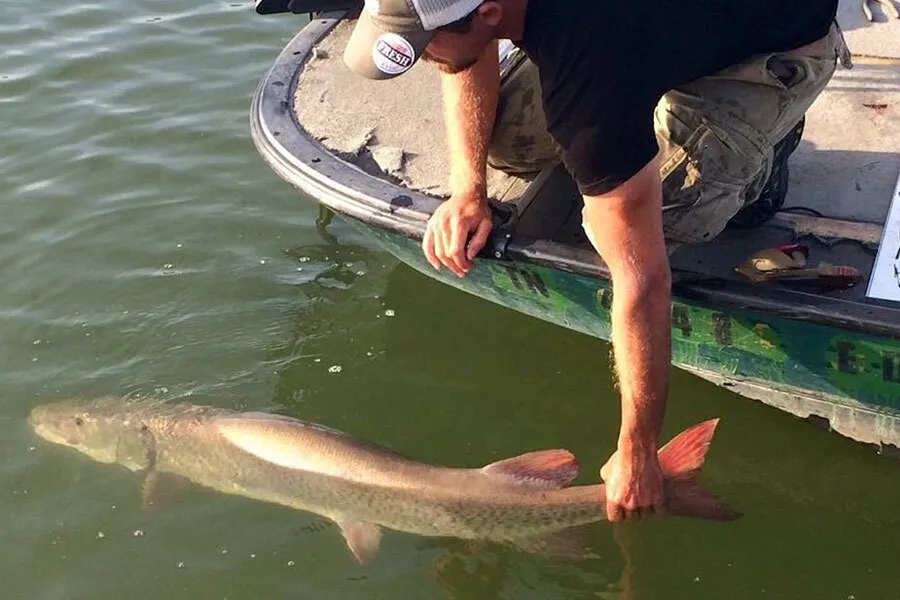
For photos, support the fish horizontally, one hand under the belly behind the gills and one at the tail. Never hang a big musky vertically by the jaw, which can hurt its organs. Keep it quick, under 30 seconds out of water, with the camera ready first.
Revival is critical after a hard fight. Hold the fish facing into current or move it gently to push water over the gills, and wait for strong, steady gill movement and a fish that swims off on its own before you let go.
Musky Conservation: Protecting the Future
The musky fishery depends on careful conservation and responsible angling practices. These slow-growing predators don't reproduce in large numbers, making them vulnerable to overfishing and habitat degradation.
Catch and release has become the standard practice among musky anglers, with most fish being released immediately after a quick photo. This conservation ethic ensures sustainable populations for future generations. If you do choose to keep a musky (where legal), take only smaller fish and reserve trophy specimens for release.
Habitat protection matters tremendously for musky populations. These fish require cold, clean water with abundant cover and healthy prey populations. Supporting watershed protection initiatives, opposing shoreline development that destroys spawning habitat, and participating in clean-up efforts all contribute to healthy musky fisheries.
FAQ: Musky Fishing Questions Answered
How hard is it to catch a musky?
Musky fishing is extremely challenging, earning the nickname "fish of 10,000 casts." Low population density, selective feeding behavior, and the fish's ability to avoid or throw hooks all contribute to difficulty. Most anglers fish multiple full days before landing their first musky.
What's the best bait for musky?
Large bucktail spinners, jerkbaits, crankbaits, and topwater lures all work well depending on conditions. For live bait fishing, large suckers (8-12 inches) are traditional choices, though artificial lures are more commonly used today.
When is musky season?
Musky season varies by state and water body, with many areas having closed seasons during spring spawning. Generally, summer and fall provide the best fishing, with October and November representing peak periods in most northern waters.
How big do musky get?
Musky commonly reach 40 to 50 inches and 20 to 40 pounds. Trophy specimens exceed 50 inches and 40 pounds, with the world record standing at 67 pounds, 8 ounces. Fish over 50 inches are considered exceptional.
Do you need a wire leader for musky?
Yes, steel leaders or extremely heavy fluorocarbon (100-pound test minimum) are essential. Musky teeth will cut through regular fishing line instantly, resulting in lost fish and potentially dangerous situations.
What's the difference between musky and pike?
While both are Esox species, musky grow significantly larger than northern pike, have different markings (musky have dark bars on a light background, pike have light spots on a dark background), and musky are generally more selective and harder to catch.
Where is the best musky fishing?
Top musky destinations include Wisconsin (particularly the Wisconsin River and Lake of the Woods), Minnesota (including Mille Lacs and Leech Lake), Ontario (Georgian Bay and Lake of the Woods), Michigan, and increasingly, southern reservoirs with stocking programs.
Can you catch musky from shore?
Yes, shore fishing for musky can be productive, particularly around piers, rocky points, and creek mouths. Focus on areas where you can access deep water and structure from the bank.

Start Your Musky Fishing Journey
Musky fishing is the ultimate freshwater challenge. Low catch rates, selective fish, and brutal fights add up to a pursuit that has hooked anglers for generations.
Success takes patience, persistence, and a willingness to learn from every trip. You will have frustration, lost fish, and blank days. But when you finally connect with a trophy and feel that raw power through the rod, you understand why anglers give themselves over to it.
The In The Spread muskie fishing videos bring professional instruction from working instructors who have spent their careers on these fish, from first techniques for beginners to advanced tactics for veterans. And if you want to fish the South, our Tennessee musky waters pillar is the place to start planning.
Whether you are casting to cover, trolling open water, or jigging deep holes, every cast brings you closer to the next strike. Respect the fish, enjoy the grind, and keep at it. The musky of your dreams is out there.
Login
to leave a review.
User Reviews
There are no reviews yet.
Setting Up a Dredge Pulley for Billfish
Saltwater
12.28.2020
High Speed Wahoo Trolling Rig
Saltwater
09.08.2018
Fishing Light Tackle for Yellowfin Tuna
Saltwater
09.08.2018


0