
- Saltwater Fishing Lures (20)
- Wahoo Fishing Videos (20)
- Yellowfin Tuna Fishing (17)
- Dolphin Fishing Videos (16)
- Marlin Lures Videos (16)
- Planer Fishing Videos (13)
- Snook Fishing Videos (12)
- Boat Positioning Videos (12)
- Blue Marlin Fishing (11)
- Redfish Fishing Videos (11)
- Bottom Fishing Videos (11)
- Reef & Wreck Fishing (10)
- Bait Rigging Videos (9)
- Big Game Legends (9)
- Seatrout Fishing Videos (8)
- Fishing Tackle Videos (8)
- Satellite Fishing Maps (7)
- Mangrove Snapper Fishing (6)
- Swordfish Fishing Videos (5)
- Bluefin Tuna Fishing (5)
- Grouper Fishing Videos (4)
- Jigging Techniques (4)
- Black Drum Fishing (3)
- Tarpon Fishing Videos (3)
- Ballyhoo Bait Rigging (3)
- Saltwater Culinary Creations (3)
- Roosterfish Fishing Videos (3)
- Cobia Fishing Videos (2)
- Sailfish Fishing Videos (2)
- Sheepshead Fishing Videos (2)
- Dredge Fishing Videos (2)
- Tilefish Fishing Videos (2)
- Giant Trevally Fishing (2)
- Saltwater Flies (1)
- Kayak Fishing Videos (1)
- Permit Fishing Videos (1)
- Fighting Chair Techniques (1)
- Tripletail Fishing Videos (1)
- Red Snapper Fishing (1)
- Mutton Snapper Fishing (1)
Start fishing better with FREE Weekly Video Tips delivered straight to your email.
Wahoo Trolling Videos: High Speed, Slow Trolling, Spreads
Browse Video LibraryWahoo trolling works best along edges, ledges and current breaks where moving water stacks bait, with wire or a cable bite section between the hook and your line. High speed trolling at 13 to 16 knots with weighted bullets and jet heads covers water fast. Slow trolling, with rigged ballyhoo at 6 to 8 knots behind a planer or live bait at about 3 knots, works fish that won't chase.
These wahoo trolling videos were filmed with working captains on the water they fish: the Bahamas edge at Bimini and Cay Sal, the North Carolina shelf off Morehead City, the current-facing ledges off Kona, Hawaii, and the Pacific coast of Costa Rica. Our founder is aboard every shoot.
Featured Instructors
-
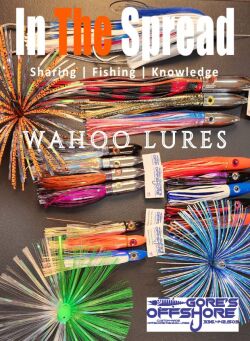
Gore's Offshore Wahoo Trolling Lures
33:37 · Jason GoreNASCAR machinist Jason Gore applies race team precision to wahoo lure design where engineering tolerances and manufacturing consistency create true-running performance. Offset thru holes provide natural keel weighting eliminating spin and erratic tracking, while head shapes optimized for slow trolling with ballyhoo demonstrate how attention to detail translates from high-performance racing to offshore fishing lure effectiveness.
WATCH NOW10.0/10 -
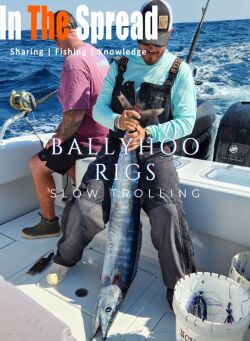
Ballyhoo Bait Rigs for Slow Trolling Wahoo: Mike Dupree
10:58 · Mike DupreeMike Dupree and his mate break down a slow-trolling wahoo spread at the dock, then walk through rigging ballyhoo for wahoo on a pin rig from start to finish. They cover the chin weight, the rubber band that keeps the mouth shut, the swim test, and why the crew runs 18 feet of wire.
WATCH NOW -

Wahoo Slow Trolling: On-Water Techniques with Mike Dupree
54:01 · Mike DupreeBallyhoo rigging technique determines whether slow trolling wahoo baits maintain natural action or wash out losing effectiveness at reduced speeds. Captain Mike Dupree's on-water demonstration reveals planer and bridle deployment for depth control, spread configuration keeping multiple baits working productively, and understanding wahoo food chain relationships that drive fish positioning and feeding behavior throughout the water column.
WATCH NOW -
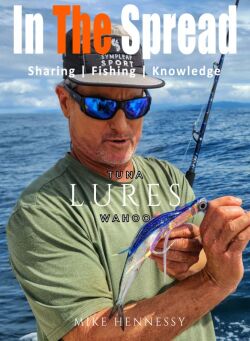
Lures for Tuna and Wahoo: Mike Hennessy
8:30 · Mike HennessyMike Hennessy's decades of global offshore experience reveal when poppers and stickbaits excel for casting to surface-feeding tuna versus bibbed plugs and twitchbaits dominating trolling scenarios. Lure selection based on fish behavior and environmental conditions drives tactical decisions, with retrieval technique adjustments and color preferences accounting for water clarity and light affecting how yellowfin and wahoo respond throughout the day.
WATCH NOW -
High Speed Wahoo Trolling Rods and Reels
7:17 · RJ BoyleRod sensitivity and flex characteristics determine strike detection success during high-speed wahoo trolling at 12-plus knots where equipment must transmit vibrations clearly while absorbing violent strikes. RJ Boyle's expertise reveals why quality tackle matters beyond durability, affecting hookup and landing rates through design specifications supporting sustained high-speed use rather than marketing claims inadequate when powerful fish test equipment limits.
WATCH NOW -
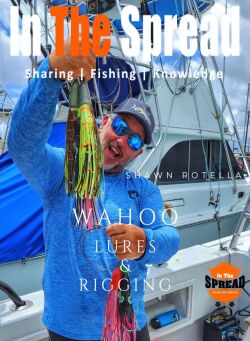
Wahoo Fishing Lures and Rigging Concepts: Shawn Rotella
4:28 · Shawn RotellaCustom wahoo lure making provides advantages commercial offerings cannot replicate when targeting formidable predators at high speeds. Captain Shawn Rotella's process crafting lead bullet lures with strategic skirt colors, piano wire leaders, and non-IGFA hook rigs demonstrates how construction quality and rigging techniques affect both lure longevity and action during trolling sessions demanding constant performance.
WATCH NOW -

Wahoo Slow Trolling with Planers - Mike Dupree
1:59:21 · Mike DupreeSlow trolling wahoo creates opportunities when high-speed presentations fail to trigger selective fish. Captain Mike Dupree's North Carolina expertise reveals using satellite data for isolating temperature breaks and current convergences, tackle specifications for slower speeds including planers for depth control, and ballyhoo rigging techniques producing natural presentations that aggressive methods cannot replicate effectively.
WATCH NOW5.0/10 -

Slow Trolling Live Bait for Wahoo with Shawn Rotella Part 2
20:13 · Shawn RotellaSlow trolling at 3 to 6 knots creates wahoo opportunities in Hawaii when high-speed presentations fail, requiring understanding of biological drivers affecting feeding behavior. Captain Shawn Rotella's legendary expertise reveals why speed ranges with live bait, dead bait, and lures trigger selective fish, plus gear and tackle differences between slow and high-speed trolling approaches matching ecological realities.
WATCH NOW -

Slow Trolling Wahoo with Shawn Rotella Part 1
51:27 · Shawn RotellaSlow trolling live bait unlocks wahoo opportunities when fish won't chase high-speed presentations, requiring understanding of how weather, tides, and moon phases affect feeding patterns. Captain Shawn Rotella's expertise reveals when to switch from speed trolling, how structure and current relationships concentrate wahoo, and drag management techniques preventing common mistakes that cost fish during fights with powerful speedsters.
WATCH NOW -
Featured
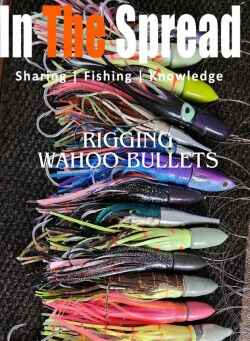
Rigging Bullet Lures for Wahoo Fishing
8:54 · Shawn RotellaWahoo bullet lures excel at high-speed trolling through streamlined cone design and heavy metal heads that dive and dance unlike other presentations. Arthur Bjontegard's rigging expertise covers wire leader changes, hook placement, and skirting techniques determining whether lures maintain proper action at velocities wahoo fishing demands, plus skirt color significance and trolling speed adjustments for triggering aggressive strikes.
WATCH NOW10.0/10 -
High Speed Trolling Wahoo at Cay Sal
12:38 · RJ BoyleFrontal systems passing through Cay Sal create extended wahoo bite windows by altering barometric pressure and water conditions that trigger aggressive feeding. Success requires understanding how to handle powerful wahoo at the boat using gill raker control techniques and recognizing atmospheric patterns that produce sustained action rather than brief feeding windows during stable weather.
WATCH NOW -
High Speed Wahoo Trolling Spread
4:08 · RJ BoyleOvercomplicated wahoo spreads create tangling problems that waste fishing time during high-speed trolling. Success depends on matching spread complexity to boat size, running three rods on center consoles with strategic short and long lure positioning, and understanding how your specific boat handles turns to prevent line crossing during hookups or directional changes.
WATCH NOW10.0/10 -
Wahoo Fishing Tips for High Speed Trolling
7:25 · RJ BoyleConsistent wahoo success requires integrating trolling speed, spread configuration, tidal timing, and boat driving skills rather than mastering isolated techniques. Understanding how speed affects lure action, which moon phases drive peak activity, how to maintain depth along edges, and boat control during multiple hookups separates systematic producers from anglers who connect randomly when conditions align perfectly.
WATCH NOW -
Wahoo - Rig and Terminal Tackle for High Speed Trolling
53:06 · RJ BoyleRJ Boyle and Shawn Olds discuss the wahoo rig and terminal tackle used for high-speed trolling, covering various aspects such as wire, mono, and braid. They also discuss the importance of stretch at strike, swivel types, and lead weights. The video also discusses shock cords, wire versus cable, hooks, skirts, and lure choices, with the goal of increasing catches. The insights provided are informative and will help anglers improve their techniques.
WATCH NOW -
Rigging Wahoo Lures for High Speed Trolling
21:55 · RJ BoyleRick Redeker's wahoo rigging system diverges from conventional methods through heavier components and unique skirt placement inside glass head lures. His approach weeds out smaller fish by creating presentations that big wahoo respond to, using stainless steel hooks, cable construction, and internal Japanese feathers that alter water flow and lure action at high trolling speeds.
WATCH NOW -
Tournament Secrets of High Speed Trolling for Wahoo
23:09 · RJ BoyleTournament wahoo fishermen target big fish through tactical adjustments that weed out smaller specimens. Success requires deeper bait presentations on wire and down lines, reading tidal windows and moon phases that drive trophy wahoo activity, and handling techniques for fish that charge toward the boat creating dangerous slack line situations.
WATCH NOW -
Wahoo Lure Spread for High Speed Trolling
7:12 · RJ BoyleElite wahoo fishermen succeed through systematic spread configuration where each lure position covers specific strike zones and facilitates hookup management. Random lure placement wastes opportunities because proper spacing, depth coverage, and positioning relative to the boat determine both strike frequency and the ability to land multiple fish without tangles or difficult gaff angles.
WATCH NOW -
Driving the Edge: High-Speed Wahoo Trolling
10:07 · RJ BoyleEdge trolling for wahoo fails when boat control drifts lures out of the narrow productive band where structure meets deep water. Success requires driving precision that maintains consistent depth along reef edges as contours change, reading how tidal movement concentrates baitfish, and adjusting angles to keep spreads working the strike zone continuously.
WATCH NOW8.0/10 -
Wahoo Edge Fishing: Bimini High-Speed Trolling
11:15 · RJ BoyleBahamas edge fishing for wahoo demands precise depth control at high speeds where running too deep eliminates bites and staying too shallow attracts wrong species. Success depends on maintaining the optimal zone while trolling at 12 knots, reading tidal phases that drive wahoo activity, and using boat positioning to keep lures working the depth transition continuously.
WATCH NOW -
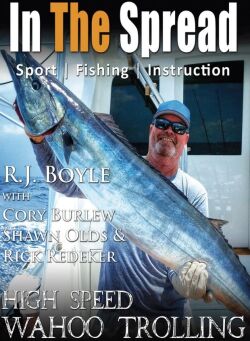
High Speed Trolling for Wahoo with RJ Boyle
2:50:03 · RJ BoyleWahoo demand trolling speeds exceeding 12 knots because their predatory behavior targets fast-moving prey, but standard offshore rigging fails at these speeds. RJ Boyle explains why high speed triggers strikes, how lure configuration and wire leaders handle forces at 18 knots, and what immediate post-strike response prevents the short strikes and cut-offs wahoo create when anglers react too slowly.
WATCH NOW7.0/10
What trolling speed catches wahoo?
On the Bahamas edge, 15 knots draws far fewer barracuda bites than 12 and keeps you ahead of the next boat on the edge. Off Kona, with no cudas to outrun, lures run 9 to 12 knots. North Carolina gets as many bites slow trolling; high speed fish run bigger but come one or two at a time. Watch the reasoning behind every knot in the full high speed trolling video.
How do you set up a wahoo trolling spread?
A wahoo trolling spread staggers three to six lines so the lures look like a school: short wire lines with heavy leads close to the boat, longer top lines behind them, and often a shotgun down the middle. On a center console, three rods is plenty. Mark every line so it goes back to the same spot every time.
At high speed, the short wire lines take most of the bites because they run deeper, under the prop wash. On a bite, don't slow down: grab the opposite rod, wind and stop, and keep the boat moving, because the next fish in the school is coming.
The North Carolina slow-troll spread is built around the planer. Its depth comes from the keel weight, not the plate, and the bait runs 50 to 100 ft behind so a wahoo eats the bait, not the planer. Our article on planer fishing for kingfish, wahoo and tuna covers sizing.
Where do wahoo hold, and how do you find the right water?
Wahoo hold where moving water meets structure: reef edges, drop-offs, ledges, wrecks, weed lines and temperature breaks, usually in 150 to 300 ft. Bait stacks where current pushes against that structure, and wahoo hunt just outside it, often 30 to 40 ft down rather than right on the surface.
Off Morehead City, the search starts on the charts the night before: an eddy over structure with a break as subtle as half a degree, two to three days of chlorophyll on it, and the lowest sea surface height in the area, where upwelling pulls the surface down. Our satellite fishing map videos cover reading those charts.
Kona works the other way, because temperature breaks there are gradual and chlorophyll barely matters. The fish stack on a ko'a, the old Hawaiian name for a prized fishing ground: here, a ledge facing straight into the current, where water wells up and pushes bait against the ledge face. Tuna gather just outside the bait and wahoo come with them. When the current switches, that ledge goes dead and the fish move to the next one the current is hitting.
What tide, moon and weather turn wahoo on?
Wahoo bite best on moving water, with the tide change and the days around the full or new moon named most often. A steady barometer, or a falling one ahead of a front, usually beats unsettled weather. Slack water with no current is the worst condition in every fishery these videos cover.
The captains split on the moon. In the Bahamas, the dark of the moon gets the vote because fish feed on both tides instead of all night. Off Kona, the new moon is the least favorite phase, and the best days are two to three days before the full, when the moon sets and leaves about two hours of darkness before first light. On the tide, the Bahamas edge has its windows around the outgoing, while North Carolina has no preference as long as the water moves.
Wire or fluorocarbon for wahoo?
Wire leaders are the standard for wahoo: single-strand wire on bullets and ballyhoo rigs, or cable on heavier lures, because their teeth cut mono and fluorocarbon. Length runs from just enough to reach the swivel to 18 ft, long enough that a fish turning back on its own line hits wire.
When wahoo turn leader-shy, captains drop the wire but protect the hook end: 150 lb fluorocarbon with a short cable section around the hook set, or mono with wire inside the crimp. On the Pacific side, the swivel can go straight to the main line, because wahoo chop prey in half and usually hit behind the hooks. Our article on building wahoo leader systems covers each rig.
Wahoo Trolling Questions
How are these wahoo videos different from free wahoo videos online?
Most free wahoo videos online are highlight reels: the strike, the fight, the gaff. In The Spread's wahoo trolling videos are full instruction from working captains, covering spreads, rigging, driving the edge, reading charts and the conditions behind each decision. The longest runs close to three hours.
Can you high speed troll for wahoo from a center console?
Yes. Three rods is the simplest high speed spread on a small boat: two short wire lines and one line down the middle, which keeps tangles down in a turn. Tournament crews run 80 lb tackle on the top rods, but 50 lb tackle handles high speed trolling for most recreational anglers.
Which lures and baits work at each wahoo trolling speed?
The lure follows the speed and the sea state: weighted bullets and jet heads hold in the water at high speed, while lighter Islander-style heads and Sea Witch skirts ride over ballyhoo on the slow troll. Our breakdown of wahoo trolling lures that produce matches each lure to the speed and conditions it’s built for.
The slow-troll spread depends on a ballyhoo that swims straight, mouth closed, with no spin. Watch ballyhoo bait rigs for slow trolling wahoo for the pin rig, chin weight and rubber band done on the dock.
Live bait is the slowest presentation and the most hands-on. A J hook on short wire, with a treble stinger riding down the bait’s side, is dragged at about 3 knots along a ledge facing the current. The rod tip does the talking: it gets nervous before a bite, and a steady rhythmic pulse means the bait is spinning and needs to be swapped. The biggest wahoo of the season often comes on a bait, not a lure. See it worked in slow trolling live bait for wahoo.