
Florida saltwater fishing covers more ground than any other state on the Atlantic and Gulf coasts. From tailing redfish on shallow grass flats to daytime swordfish in 1,500 feet of water, the range of what is available here is genuinely extraordinary. This article maps the major species across both coasts, groups them by environment, and links to deeper instruction for each one.
Florida Saltwater Fish: Species, Seasons, and Where to Go
Florida is the only state in the continental United States where you can chase tarpon on a shallow flat in the morning, drop baits for grouper at noon, and be kite fishing for sailfish in the Gulf Stream before dark. That is not marketing. That is geography. The Gulf of Mexico runs along the west coast, the Atlantic along the east, and the Gulf Stream passes within just a few miles of the Florida coastline at its closest point near Palm Beach. Between those two ocean systems you have over 1,350 miles of coastline covering grass flat, mangrove estuary, coral reef, offshore canyon, and everything in between. Each of those environments holds its own community of fish, and a lot of those fish are world-class.
For video instruction on every species listed here, taught by the working captains who fish these waters professionally, the In The Spread saltwater fishing video library has over 250 courses available by subscription.
Inshore Florida Saltwater Fish
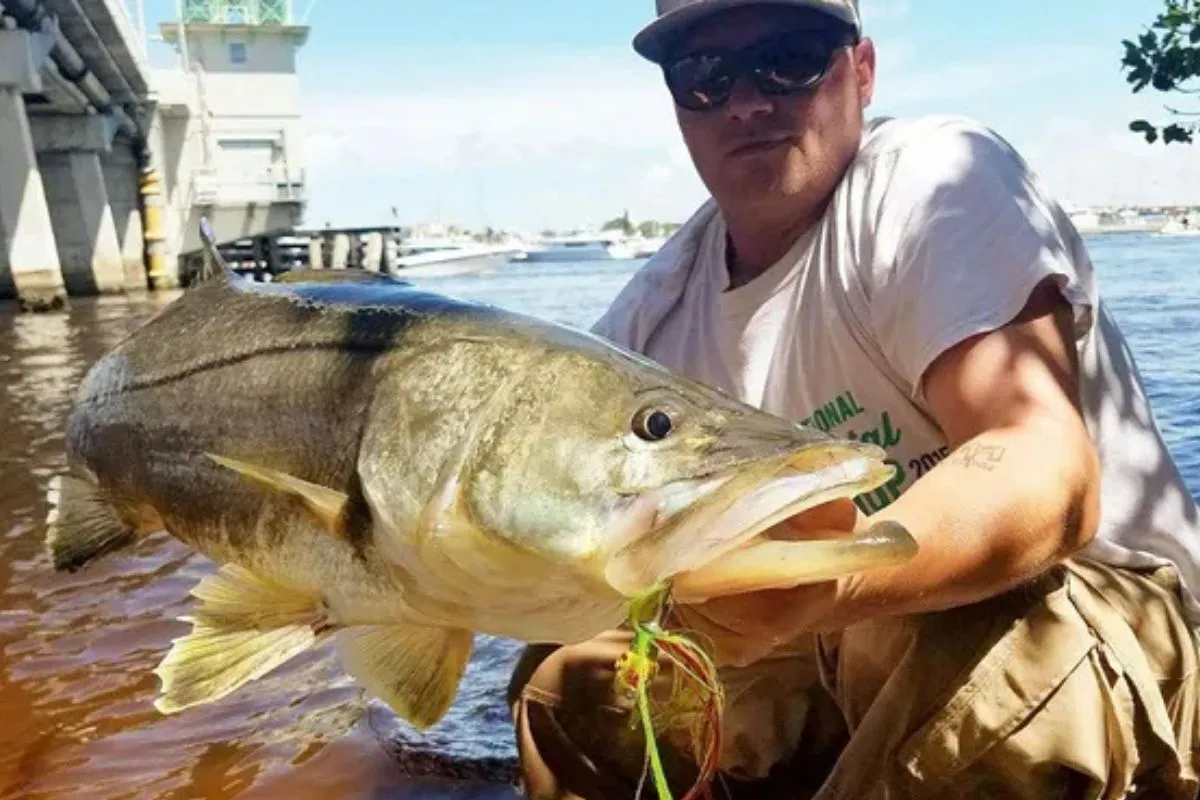
Snook
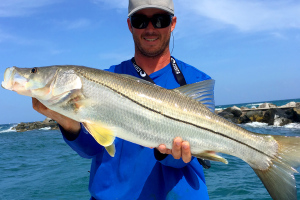
Snook are the fish that defines Florida inshore fishing for most serious anglers, and the reputation is earned. They are structure-oriented ambush predators that live in complicated places, hit hard, fight dirty around pilings and mangrove roots, and are genuinely difficult to fool consistently. Temperature governs everything about their behavior. When water drops below 60 degrees they shut down and seek thermal refuge in deep holes, canals, and warm-water discharge areas. When it warms they spread across the coast from beach surf to backcountry tidal creeks.
Snook are tightly managed with slot limits and zone-specific seasons on both the Gulf and Atlantic coasts. Cold-kill events have triggered emergency closures in the past, so check current rules at myfwc.com before keeping any fish regardless of time of year. The best snook fishing in Florida runs from Tampa Bay and Charlotte Harbor on the Gulf Coast to Sebastian and Jupiter inlets on the Atlantic, with the Everglades backcountry producing some of the largest fish in the state under relatively light pressure.
Redfish
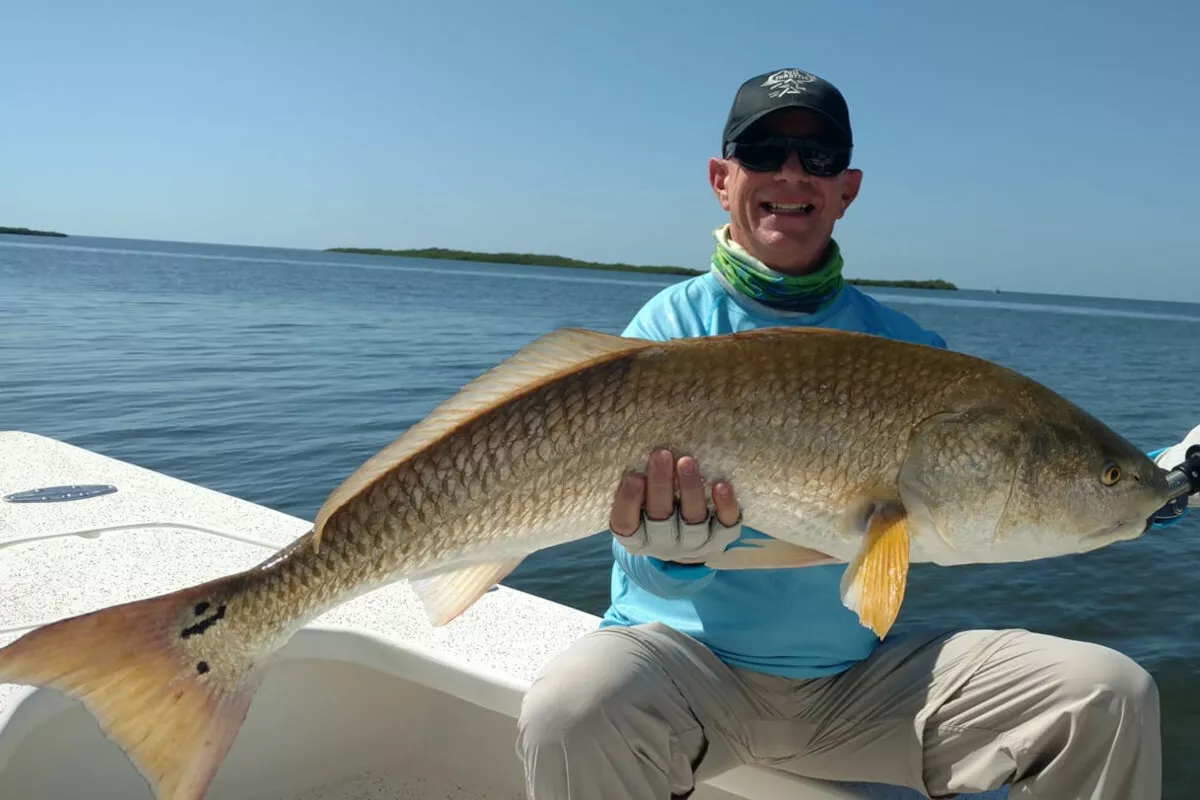
Redfish, or red drum, are the sight fishing standard in Florida inshore waters. Their habit of tailing in ankle-deep water on grass flats makes them one of the few inshore species you can genuinely hunt by sight before making a cast. The copper-bronze coloration and distinctive black tail spot make them easy to identify. Smaller fish school in protected backwaters. Larger bull reds aggregate in fall before their offshore spawn, creating some of the best sight fishing of the year in places like Mosquito Lagoon and Pine Island Sound.
Redfish are classified as gamefish in Florida and cannot be commercially sold. They are slot-managed, which means both a minimum and maximum size apply to any fish you keep. The Indian River Lagoon and Mosquito Lagoon fisheries have been impacted by seagrass loss and water quality issues in recent years, so handle fish carefully in those systems and expect regulations to evolve.
Spotted Seatrout
Spotted seatrout are the most widely targeted inshore species in Florida because they are everywhere, they bite year-round, and they do not require specialized gear to catch. What keeps serious anglers engaged is the pursuit of large fish, called gator trout, which can exceed 30 inches. Most of those big fish are females, and their outsized contribution to reproduction is why a lot of experienced Florida anglers release them even when regulations permit harvest.
Water temperature drives seatrout location more than any other variable. In summer they push shallow onto grass flats. In winter they drop to deeper grass edges, channels, and limestone holes. The Nature Coast from Homosassa to Crystal River, Tampa Bay, the Indian River Lagoon, and Charlotte Harbor consistently produce quality fish across the seasons.
Sheepshead
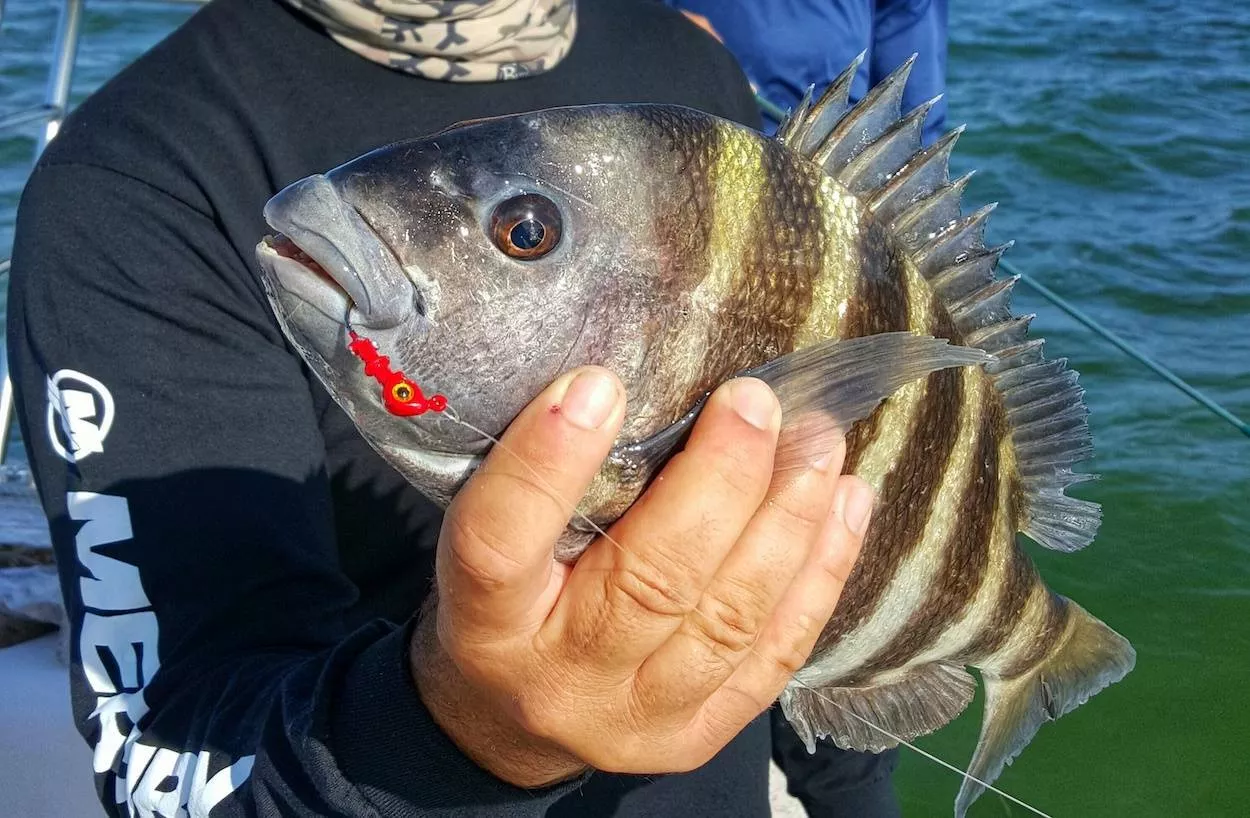
Sheepshead are a cold-weather inshore species that most casual anglers overlook while the anglers who know better are filling coolers. They gather on hard structure (bridge pilings, dock footings, rock piles, oyster bars, jetty rocks) from late fall through early spring, when most other inshore species have shut down. Their human-like teeth, bold vertical black bars, and preference for fiddler crabs and barnacles make them one of the more unusual fish in Florida waters. They bite subtly, they spit bait fast, and they taste excellent.
One identification note: sheepshead are sometimes confused with black drum, which grow much larger, lack the distinct vertical bars, and have different dentition. If you are new to the species, compare them side by side before assuming a catch is one or the other.
Tripletail
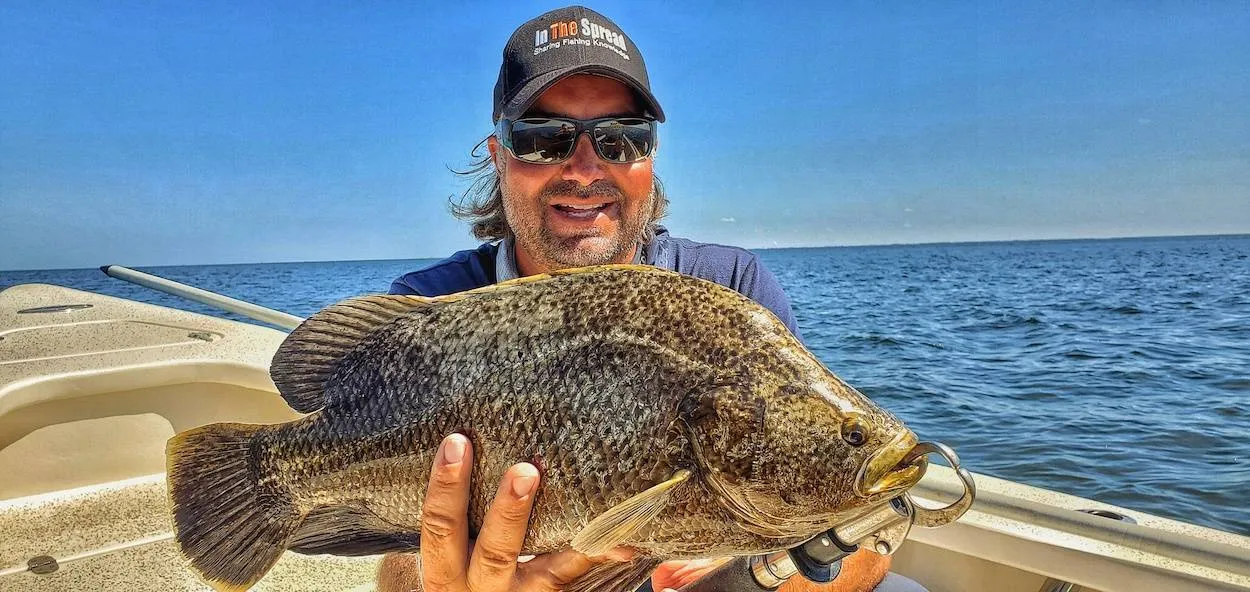
Tripletail are one of Florida's most underrated inshore targets. They float near the surface beside buoys, crab trap floats, channel markers, floating grass, and debris, and they are visible before you ever make a cast. The approach is everything: kill the engine early, drift into casting range quietly, and present a live shrimp under a popping cork without spooking the fish. They show up along Florida's Nature Coast in spring and through fall, with the Big Bend region holding some of the strongest populations in the state.
Florida has a minimum size limit for tripletail, 18 inches at the time of writing, but verify current regulations at myfwc.com before keeping one. A practical habit worth developing: any time you are running crab trap lines or grass mats, keep a dedicated spinning rod already rigged and ready. These fish appear fast and the window to cast is short.
Tarpon
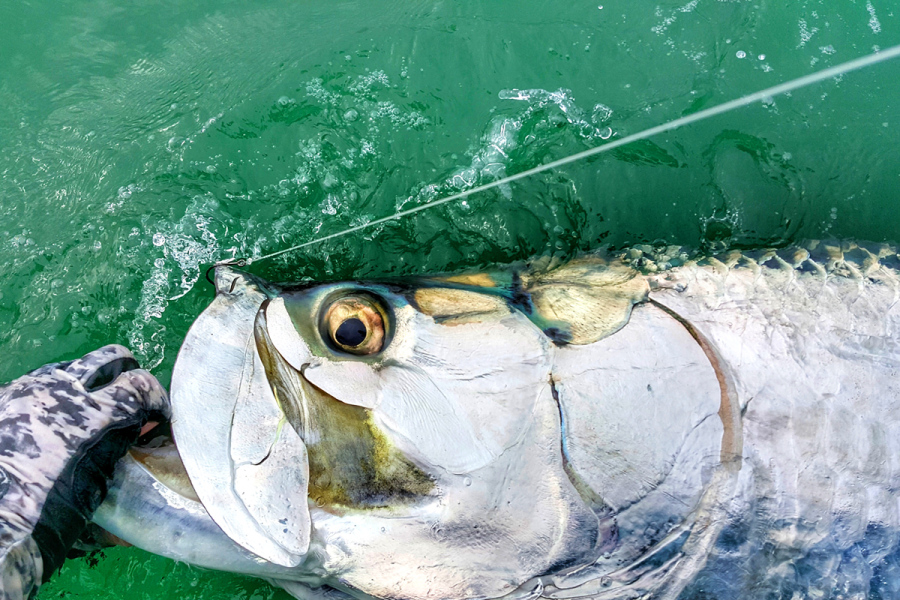
Tarpon are the fish that makes Florida inshore fishing famous worldwide. A 100-pound tarpon hooked in four feet of water launches clear of the surface, crashes back down, and does it again. Multiple times. That is not an exaggeration, and it is why people drive across the country to fish Boca Grande Pass and Homosassa every spring. Tarpon can live over 50 years, grow past 200 pounds, and have existed largely unchanged for more than 100 million years. They are catch-and-release only for virtually all anglers in Florida. FWC issues an extremely limited harvest tag program that exists primarily for world-record applications. Outside of that exception, every tarpon you hook goes back.
The migration concentrates fish from late March through October, peaking in May and June at the major Gulf Coast locations. Boca Grande Pass, Homosassa, the Florida Keys from Islamorada to Key West, Tampa Bay's Egmont Key area, and Miami's bridges and harbor all produce legitimate tarpon fishing at different points through the season.
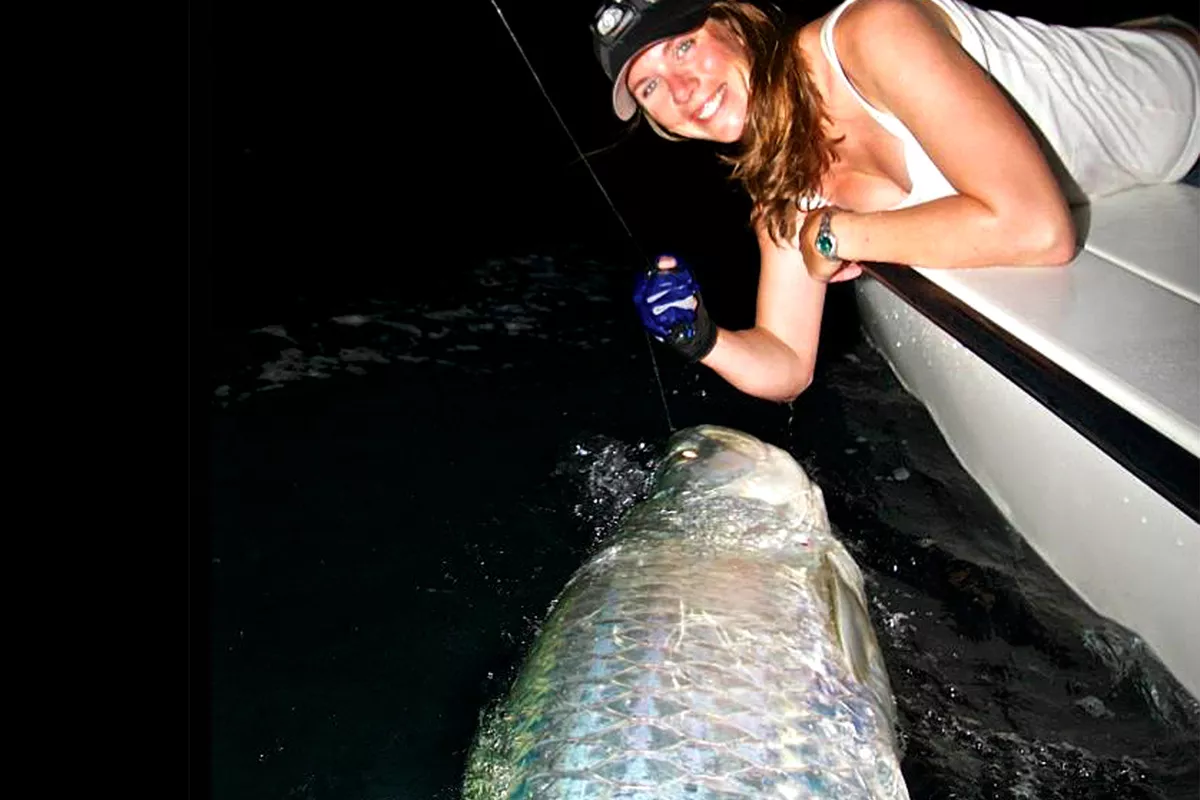
For video instruction on sight casting to migrating Gulf Coast tarpon, bridge fishing in the Keys, and nighttime urban tarpon in Miami, explore the tarpon fishing video courses at In The Spread.
Bonefish and Permit
Bonefish and permit together with tarpon make up the Florida Keys Grand Slam, one of the most respected single-day achievements in American saltwater fishing. Bonefish are found on shallow sand and grass flats in the Keys, sometimes in water barely deep enough to cover their backs. Florida bonefish populations declined significantly over several decades and are rebounding under strong conservation emphasis. They are effectively a catch-and-release species and should be treated as one regardless of what regulations technically allow. Quick, careful releases in good condition matter here.
Permit are arguably the hardest fish to catch consistently on a flat anywhere in the world. They feed primarily on crabs, they approach presentations with apparent interest and refuse at the last moment regularly, and they demand both precision and patience. Larger permit also inhabit wrecks and deeper reef structure, where they fight differently than their shallow-water counterparts and are often overlooked by anglers who only associate permit with the flats.
Nearshore and Reef Species
Grouper
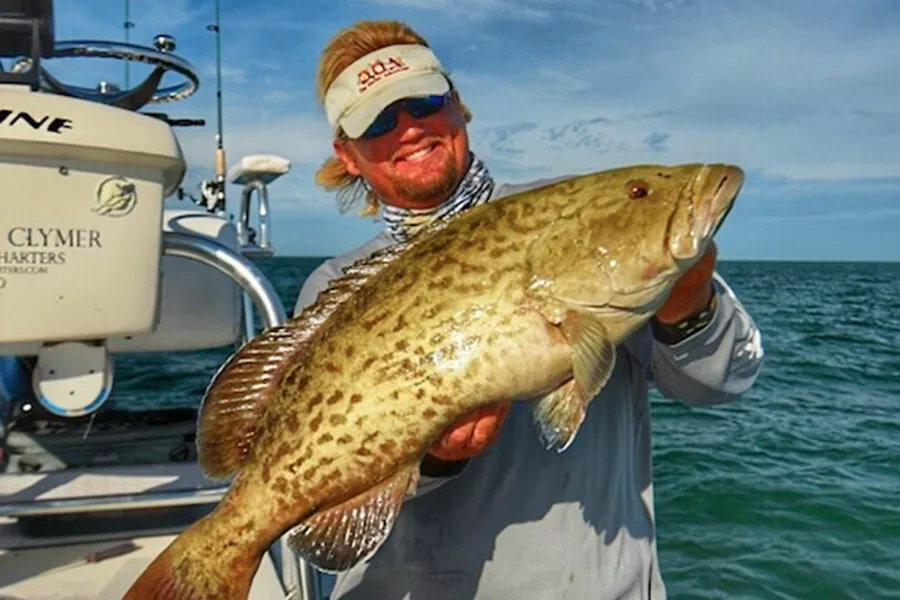
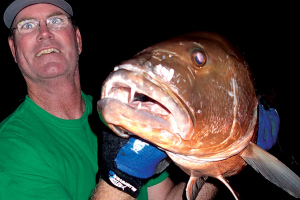
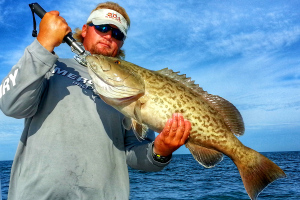
Florida supports among the highest diversity of grouper species anywhere in the continental United States. Red grouper dominate the Gulf of Mexico in 60 to 200 feet of water over irregular rocky bottom and shell hash. Gag grouper show up in surprisingly shallow water on the Nature Coast during spring, hitting topwater lures over rocky grass in 10 to 30 feet. Black grouper are primarily a Keys and Atlantic species that grow larger and fight harder than gag or red. Goliath grouper are effectively catch-and-release for the vast majority of anglers. FWC has implemented limited experimental harvest on a special permit and lottery basis, but treat them as catch-and-release unless you hold a specific current permit and verify status at myfwc.com.
All grouper are structure fish. They live on, in, or immediately adjacent to hard bottom: rock ledges, artificial reefs, and wrecks. They return to the same structure repeatedly. The five-second rule after a hookup is real: if you do not pull the fish away from the structure immediately, it digs in and you lose it.
Snapper
Florida's snapper fishery spans every depth from the mangrove edge to 400 feet offshore, and each major species requires a different approach. Mangrove snapper are the most accessible, living around dock pilings, bridge abutments, mangrove edges, and nearshore reefs statewide. They are leader-shy and require finesse. Yellowtail snapper are primarily a Keys species that respond well to chumming over reef. Mutton snapper are the prestige species in South Florida, with the Dry Tortugas producing some of the largest in the world. Spawning aggregation rules around those areas can be strict, so check current myfwc.com regulations before planning a dedicated mutton snapper trip.
Red snapper in federal waters are managed under annual seasons that differ between Gulf and Atlantic federal waters. The general jurisdictional boundary is 9 nautical miles from shore in the Gulf and 3 nautical miles on the Atlantic side, but verify the exact definition with NOAA Fisheries before planning a federal red snapper trip.
Offshore Florida Saltwater Fish
Sailfish
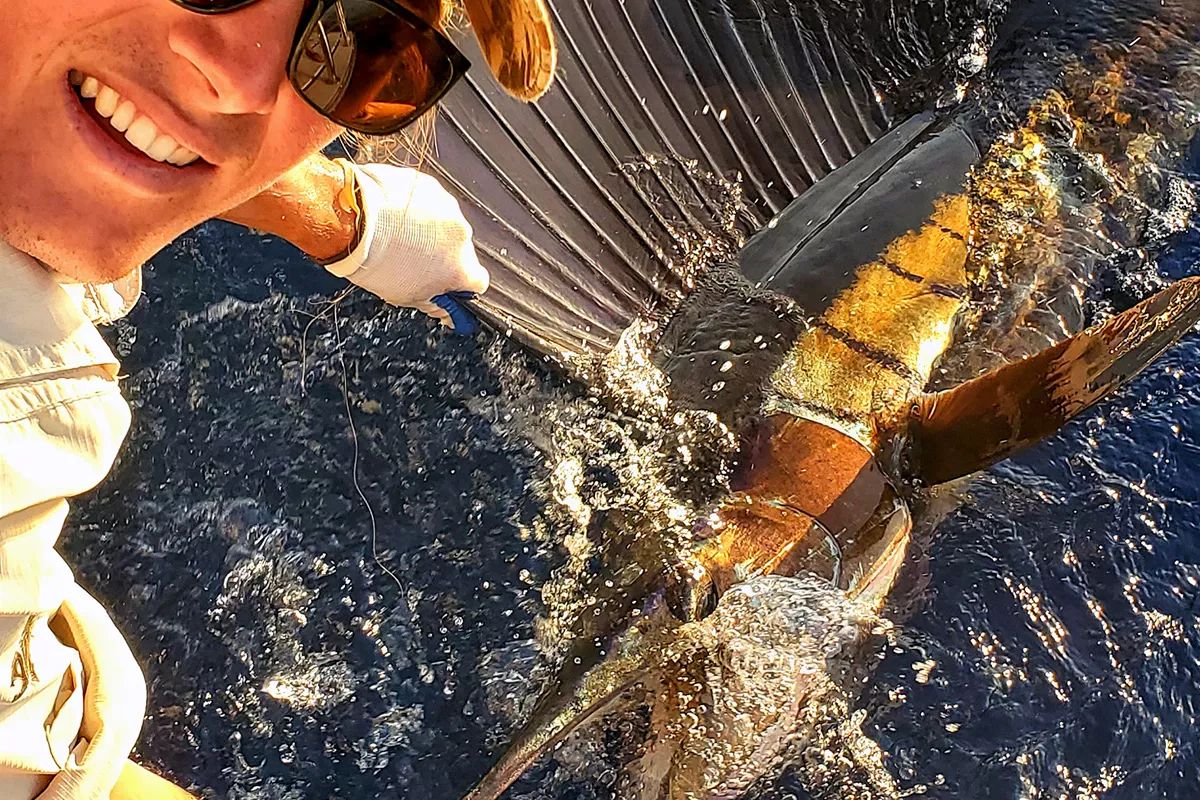
Sailfish is Florida's official state saltwater fish, a distinction separate from the broader state fish designation, and the fishery lives up to the title. When the Gulf Stream pushes close to shore on the Atlantic coast between November and February, the concentration of sailfish in the Fort Pierce to Palm Beach corridor is unlike anything you will find anywhere else. Kite fishing with live bait is the dominant technique, with single-hook circle rigs standard practice for billfish presentations. The Florida Keys produce strong sailfish action from November through April as well.
Wahoo
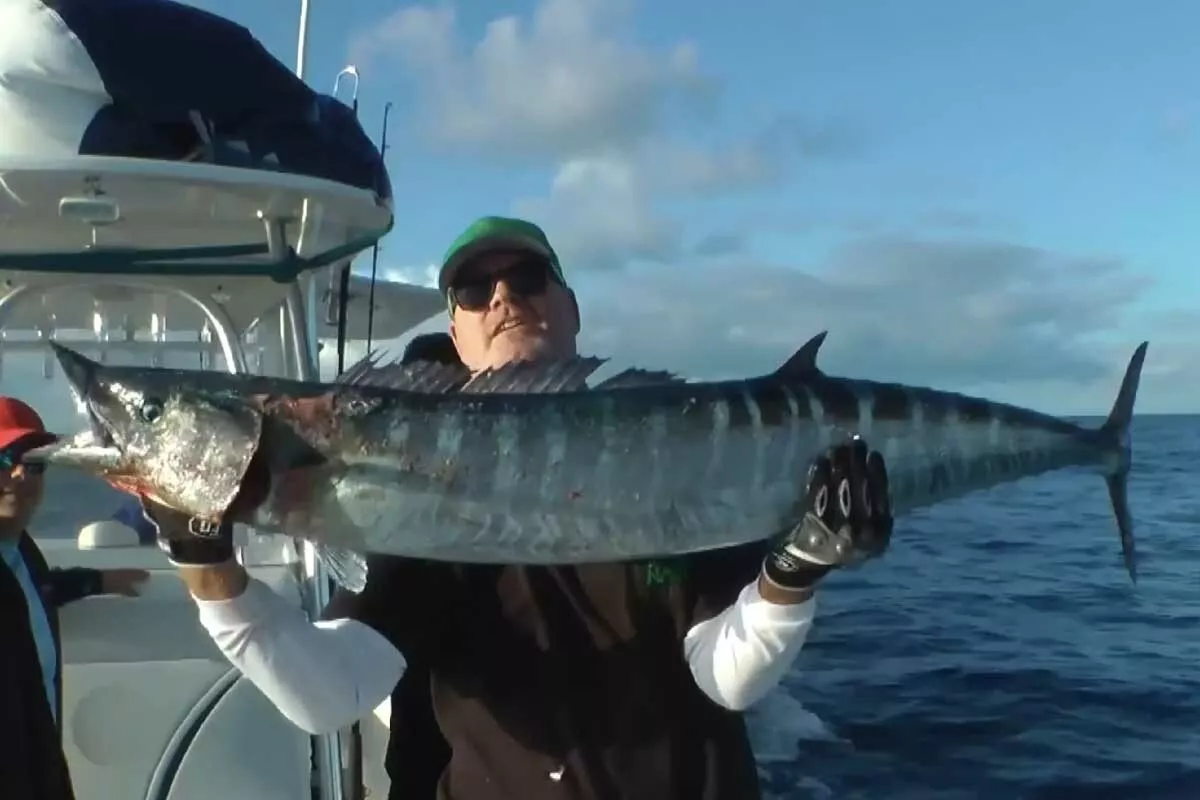
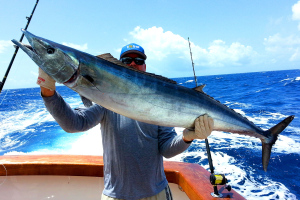
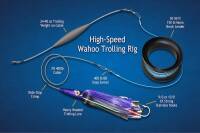
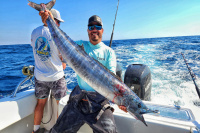
Few fish generate the kind of instant shock that a wahoo does on the strike. Burst speeds near 60 mph, razor-sharp interlocking teeth, and a willingness to hit with enough force to strip a reel in seconds make wahoo one of the most talked-about offshore species in Florida. Wire leaders are non-negotiable. Single-strand stainless or coated cable is standard for wahoo trolling, and skipping wire is how you lose lures and fish alike.
The Atlantic side produces the most consistent Florida wahoo fishing, with Northeast Florida ledges peaking in February and the Keys running strong from November through February. High-speed trolling at 12 to 18 knots is the most popular method. Slow-trolling live bait at 3 to 5 knots tends to produce larger fish.
Mahi-Mahi
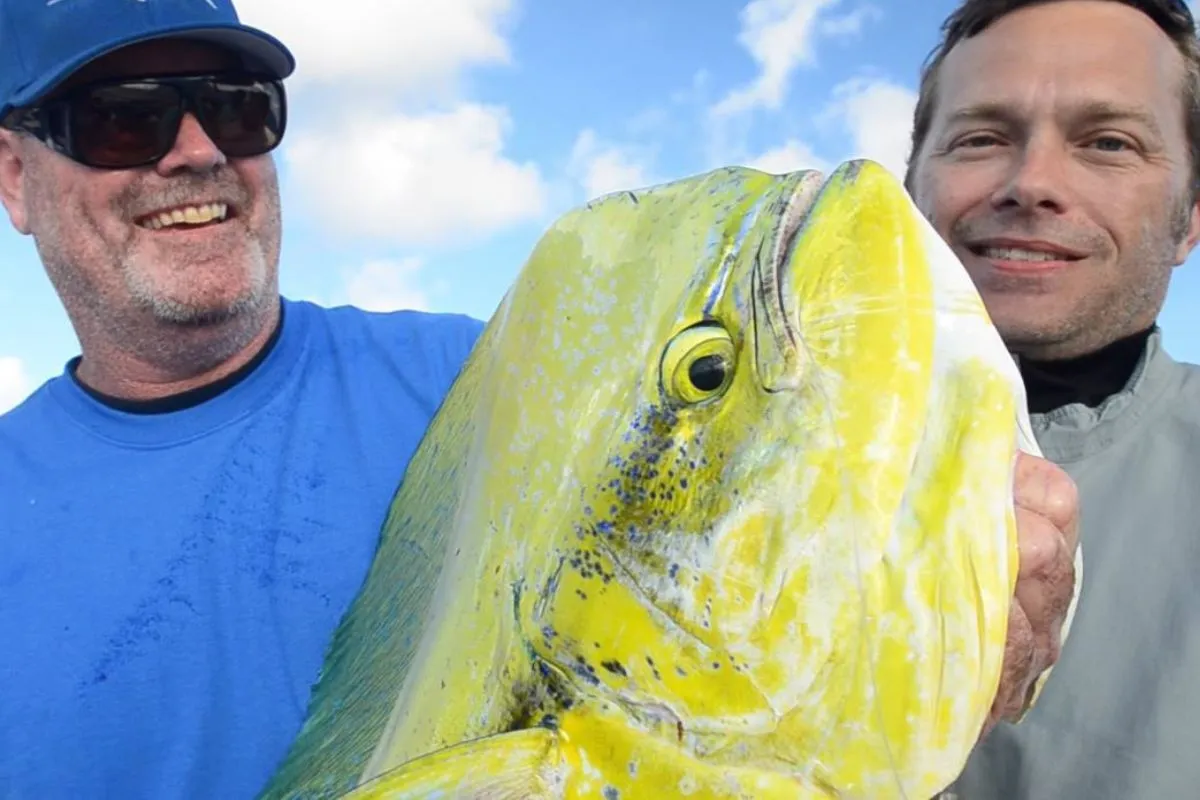
Mahi-mahi, called dolphin by most Florida anglers, are the most reliably encountered offshore species from late spring through fall. They travel with current edges, temperature breaks, and sargassum weed lines, and they aggregate under any floating debris they find. When you locate floating structure offshore and get a fish in the water, the school tends to stay. That cooperative behavior is what makes dolphin fishing so productive and so enjoyable compared to most other pelagic species. When it comes to harvest, focus on smaller fish and consider releasing larger breeders. The biggest mahi are almost always females that contribute disproportionately to reproduction.
Swordfish
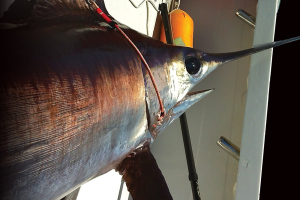
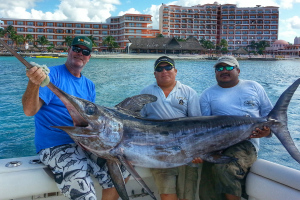
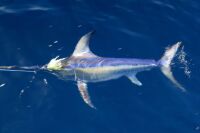
Broadbill swordfish fishing off Florida's Atlantic coast, particularly from Miami through the Keys, has become one of the most productive recreational fisheries of its kind in the world. Daytime deep-drop fishing targets fish at 1,200 to 2,000 feet along steep bottom structure using electric reels, heavy lead, and fresh bait. The technique is logistically demanding and requires real coordination between the captain and crew. A separate traditional approach, nighttime swordfishing, drifts baits in the upper 200 to 400 feet of the water column after dark when swordfish feed considerably shallower. Many Florida captains run both methods depending on conditions. Swordfish carry strict size and bag limits, and many experienced captains practice selective harvest.
King Mackerel and Spanish Mackerel
King mackerel and Spanish mackerel are the workhorses of Florida's nearshore and offshore fishery. King mackerel grow to 90 pounds in exceptional cases and produce runs on light tackle that rival wahoo. Slow-trolling live bait on a stinger rig at 3 to 4 knots is the most effective king mackerel technique. Spanish mackerel are smaller and faster-feeding, responding best to high-speed spoon trolling or casting metal jigs into breaking schools. Both species run the Florida coast in spring and fall migrations following schools of menhaden, sardines, and anchovies. One thing worth knowing: larger king mackerel carry elevated mercury risk compared to smaller fish. Many experienced anglers keep fish under 20 pounds and release larger ones, both for conservation and table quality.
Greater Amberjack
Greater amberjack are built for fighting and they know it. They live on wrecks, ledges, and hard structure in 60 to 300 feet of water and use every inch of it when hooked. Heavy gear, stout fluorocarbon or wire leaders, and a drag preset tight enough to stop a run before the fish reaches the structure are the baseline requirements. Greater amberjack regulations differ between Gulf and Atlantic federal waters and have been adjusted multiple times in recent years on both coasts. Do not assume Gulf rules apply on the Atlantic side. Verify current size limits and bag limits at myfwc.com or NOAA Fisheries before targeting them.
Cobia
Cobia are one of the more unusual nearshore species in Florida because they make themselves visible. They swim under manta rays, alongside sea turtles, and around buoys and channel markers, which gives sight-fishing anglers a real opportunity to spot and cast to them before making a presentation. During the spring migration from March through May, fish move in predictable patterns on both the Gulf and Atlantic coasts. The fishery is under active management pressure. Bag limits and size limits have tightened in recent years, and seasons have closed early when quotas were reached. Check current cobia regulations at myfwc.com before planning a dedicated spring migration trip.
For a complete breakdown of Florida cobia fishing including migration patterns, tactics, and locations, read Cobia Fishing: A Florida Guide and explore Captain William Toney's instruction through the cobia fishing video courses at In The Spread.
Florida Fishing Courses
Florida Saltwater Fishing Seasonal Calendar
When Is the Best Time to Fish for Each Species in Florida?
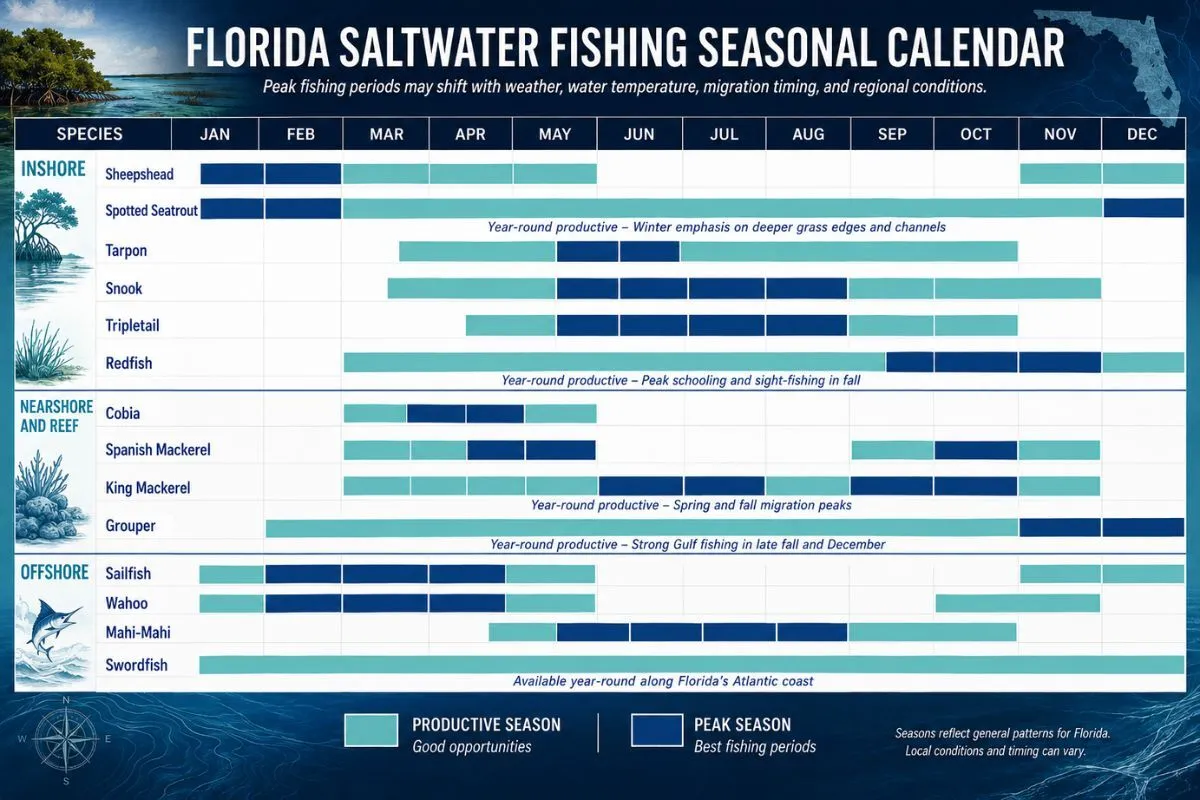
Florida has year-round fishing, but what you should be targeting shifts significantly by season. Cold fronts, tropical weather, and water quality events can shift these windows by weeks, so treat this as a framework rather than a fixed schedule. Local captains and bait shops will give you the most accurate read on current conditions.
Winter (January and February): Peak sailfish season on the Atlantic coast. Wahoo running hard on Northeast Florida ledges in February. Sheepshead stacked on structure statewide. Spotted seatrout holding in deeper grass holes and channels. Swordfish available year-round off the Atlantic.
Spring (March through May): The most dynamic period in Florida fishing. Tarpon arrive at Boca Grande and Homosassa in late March, peak in May and June. Cobia run both coasts in March and April, though quota-driven closures can cut seasons short. Mahi-mahi start appearing offshore as the Gulf Stream warms. Snook move back onto structure. Tripletail show along the Nature Coast in April. Spanish mackerel active on both coasts.
Summer (June through August): Prime tarpon season statewide. Snook spread across beaches, mangrove systems, and river mouths. Mahi-mahi fishing outstanding along offshore weed lines. King mackerel running heavily on both coasts. Redfish active on flats in early morning and evening. Swordfish available on the Atlantic side year-round.
Fall (September through November): Wahoo builds off the Keys and Northeast Florida from October. Sailfish return to the Atlantic coast in November. Redfish school heavily, producing some of the best sight fishing of the year. Mahi-mahi continues through October.
Florida Saltwater Fishing Regulations
Florida's saltwater fishing regulations are managed by the Florida Fish and Wildlife Conservation Commission for state waters and by NOAA Fisheries for federally managed offshore species. A few things worth understanding before any Florida saltwater trip:
- Snook, redfish, and spotted seatrout are all slot-managed species with seasonal closures in certain zones. Verify current rules at myfwc.com before keeping any of them.
- Red snapper seasons differ between Gulf and Atlantic federal waters. The jurisdictional boundary is generally 9 nautical miles in the Gulf and 3 nautical miles on the Atlantic, but verify exact definitions with NOAA Fisheries.
- Goliath grouper are effectively catch-and-release for almost all anglers. Limited permitted harvest exists on a lottery basis; check current status at myfwc.com.
- Tarpon over 40 inches are catch-and-release only except under a very limited FWC harvest tag program.
- In federal reef fish waters, descending devices and dehookers are now required gear. Have them on board for any bottom fishing trip.
- A Florida saltwater recreational fishing license is required for most anglers. Verify current requirements at myfwc.com.
The only reliable source for current regulations is myfwc.com for state-managed species and fisheries.noaa.gov for federal species.
Frequently Asked Questions About Florida Saltwater Fishing
What are the most common saltwater fish caught in Florida?
Spotted seatrout, redfish, snook, mangrove snapper, grouper, mahi-mahi, king mackerel, and cobia are among the most commonly caught saltwater fish in Florida. Which species you encounter depends heavily on region, depth, and time of year.
What is the Florida inshore slam?
The Florida inshore slam is catching a snook, a redfish, and a spotted seatrout in the same day. Some anglers add flounder as a fourth species. The Florida Keys Grand Slam is a separate and more demanding achievement: bonefish, permit, and tarpon caught in a single outing.
When is the best time of year to fish in Florida?
For species diversity, April and May are hard to beat. Tarpon are arriving, cobia are running, mahi are starting offshore, and snook are active. That said, Florida has no true off-season, and every period offers peak fishing for at least two or three major species.
Do you need a fishing license for saltwater fishing in Florida?
Yes. A Florida saltwater recreational fishing license is required for most anglers. Exceptions apply for certain age groups and Florida residents fishing from the shore of their county of residence. Verify current requirements at myfwc.com.
What is the best saltwater fish to eat in Florida?
Many anglers consider mahi-mahi, yellowtail snapper, sheepshead, and gag grouper among the finest-eating saltwater fish in Florida waters. Wahoo is exceptional as sashimi when very fresh.
How close does the Gulf Stream run to Florida?
At its closest point, the Gulf Stream passes within about three miles of the Florida coast near Palm Beach. That proximity is what makes Florida's Atlantic coast winter offshore fishery, particularly for sailfish and wahoo, so accessible compared to other coastal states.
Florida Has No True Off-Season
Florida's saltwater fishery rewards anglers who focus. Pick a region, pick two or three target species, read the dedicated articles linked throughout this page, and watch the In The Spread courses for those species before you go. The captains in our video library have spent careers solving the problems you are about to encounter on the water. Whether you are after a giant tarpon in Boca Grande Pass, a tailing redfish in Mosquito Lagoon, or a broadbill swordfish off Miami in 1,500 feet of water, the instruction exists and it is built around how working professionals actually fish, not how fishing looks on television.
Saltwater fishing regulations in Florida change periodically. Always verify current size limits, bag limits, and seasonal closures at myfwc.com before your trip.
Seth Horne Founder and CEO
Login
to leave a review.
User Reviews
There are no reviews yet.
Setting Up a Dredge Pulley for Billfish
Saltwater
12.28.2020
High Speed Wahoo Trolling Rig
Saltwater
09.08.2018
Fishing Light Tackle for Yellowfin Tuna
Saltwater
09.08.2018

0