
On Big Bend, there are various live baits for fishing, including shrimp, pinfish, mud minnows, and threadfin herring. Shrimp is the most common, while pinfish can be caught at the spot. Mud minnows are found in needle grass shorelines and creeks, while threadfin herring is a top snook bait. Handling these baits requires care.
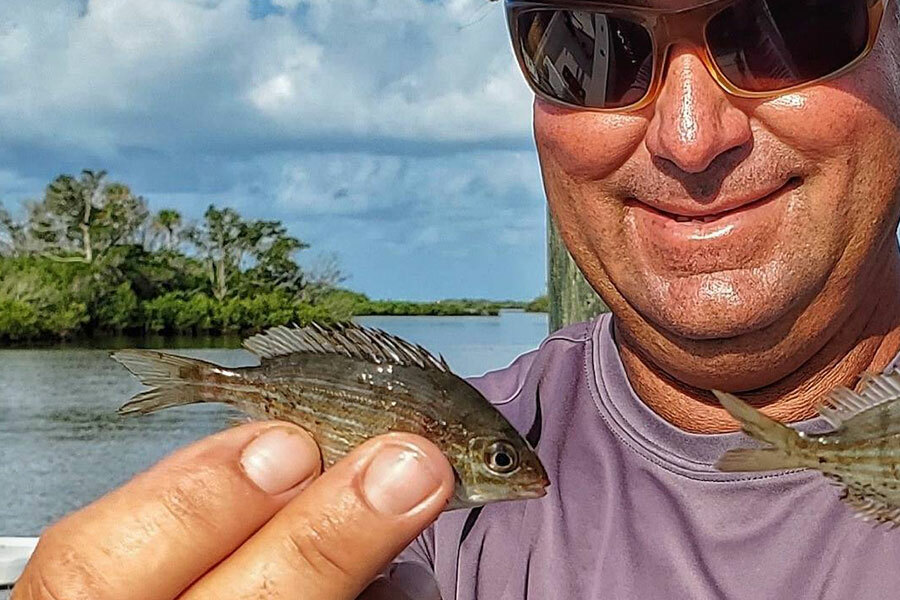
Best Live Baits for Florida Gulf Coast Fishing
Best Live Baits for Fishing Florida's Big Bend
Live bait selection can make the difference between an empty cooler and a limiting out on Florida's Gulf Coast North of Tampa. From the grass flats of Tampa Bay to the oyster bars of Big Bend, four live baits consistently outperform everything else: shrimp, pinfish, mud minnows, and threadfin herring. Each thrives in different conditions and targets specific species, but knowing when to use which bait, how to keep it alive, and where to find it separates productive anglers from frustrated ones. This guide breaks down the techniques Florida's top captains use to catch, rig, and deploy these baits for redfish, snook, trout, tarpon, and more.
Master Florida Inshore Fishing


Why Is Shrimp the Best All-Purpose Bait?
Versatility and Appeal of Shrimp as Bait
Shrimp, a staple in the Florida Gulf Coast's marine ecosystem, stand out as a top bait choice for a variety of reasons. Their widespread availability makes them easily accessible to anglers, and their inherent characteristics render them highly effective for catching a broad spectrum of fish species.
Why Shrimp Attract a Range of Fish
- Natural Scent and Movement: Shrimp emit a scent that is naturally appealing to fish, tapping into their instinctual feeding behaviors. Their lifelike movement in the water, mimicking a vulnerable prey, triggers an instinctive predatory response from game fish.
- Size and Visibility: Their size makes them a suitable bait for both small and large fish, ensuring versatility in targeting different species. Moreover, their distinct silhouette and movement in the water make them easily noticeable and attractive to fish.
Target Species
- Redfish: Known for their keen sense of smell, redfish are particularly drawn to the natural scent of shrimp.
- Trout: Their inclination towards smaller prey makes shrimp an ideal choice.
- Snook: Shrimp’s erratic swimming action when rigged properly can provoke the aggressive predatory instincts of snook.
How Should You Rig Live Shrimp?
Maximizing the effectiveness of shrimp as bait depends significantly on how they are rigged. Different techniques cater to various fishing conditions and target species.
- Under a Popping Cork: This method is excellent for fishing in the mid-water column. The popping cork not only keeps the shrimp at the desired depth but also creates surface disturbance, mimicking feeding activity that attracts fish.
- On a Jig Head: Ideal for bottom fishing, a jig head keeps the shrimp oriented correctly and allows for more precise control of its movements. This technique is particularly effective in deeper waters and strong currents.
- Free-Lined: For fishing in shallow waters or areas with a gentle current, free-lining a shrimp allows for a more natural presentation. This method lets the shrimp swim freely, closely mimicking its natural behavior, which is highly effective in clear, calm waters.
How Do You Keep Live Shrimp Alive Longer?
Ensuring that shrimp remain lively and fresh is crucial for their effectiveness as bait. Proper storage not only extends their lifespan but also maintains their natural appeal to fish.
- Aerated Live Well: An aerated live well provides a constant flow of fresh, oxygen-rich water, essential for keeping shrimp active.
- Specialized Shrimp Bucket: For anglers without access to a live well, a specialized shrimp bucket is an excellent alternative. These buckets often come with built-in aerators and are designed to mimic the natural environment of shrimp.
- Water Quality: Regularly changing the water or using a water conditioner to remove harmful chlorine and ammonia can significantly improve the survival rate of live shrimp.
- Temperature Control: Keeping the water at a cooler temperature, within the shrimp's natural tolerance range, can reduce their metabolic rate and stress, keeping them lively longer.
The effectiveness of shrimp as a versatile bait lies in their natural appeal to various fish species, the different rigging techniques that cater to different fishing environments, and the proper storage methods to keep them in optimal condition. By understanding these aspects, anglers can significantly enhance their fishing experience on the Florida Gulf Coast.
When Should You Use Pinfish as Bait?
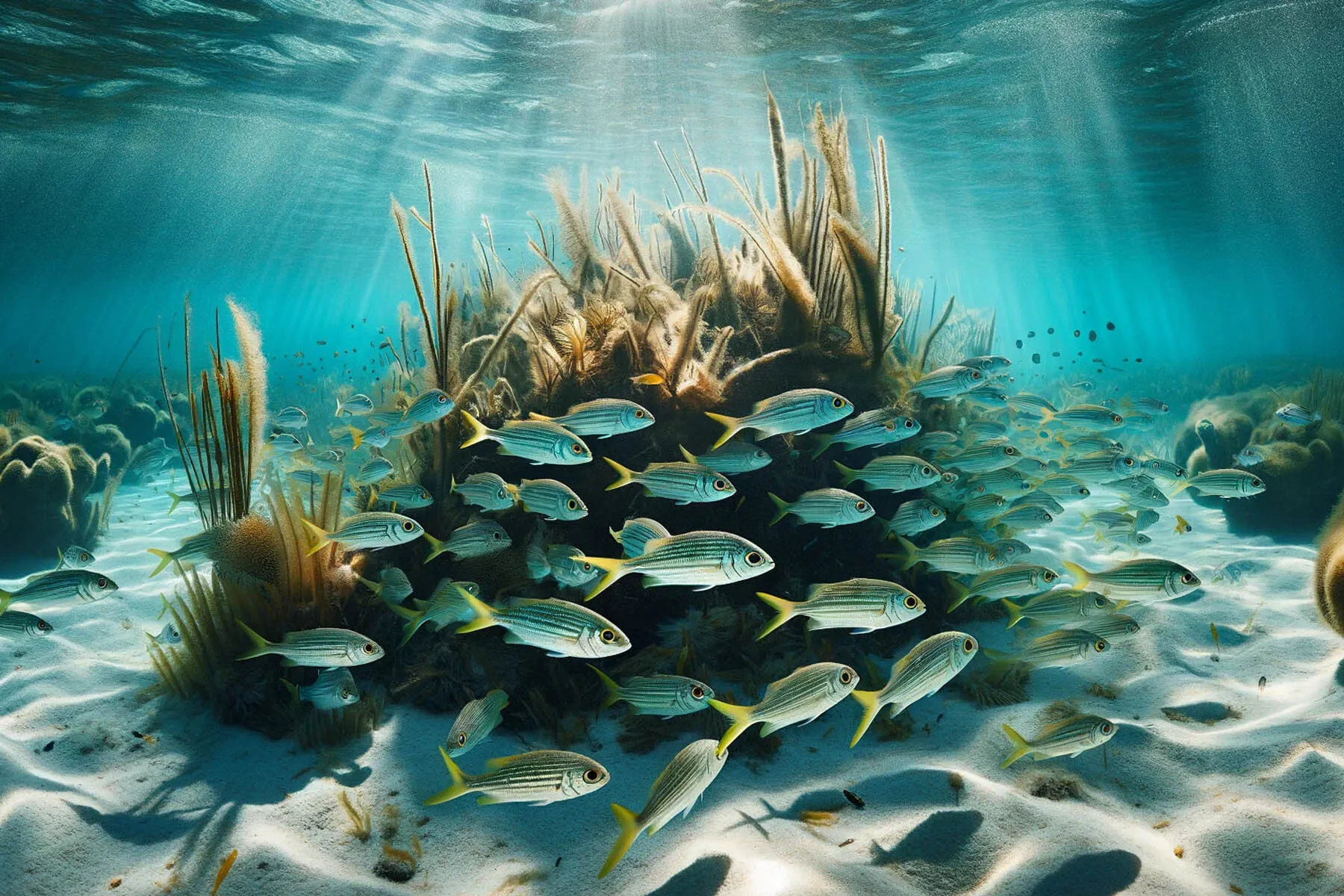
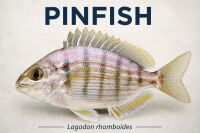
Pinfish, small yet hardy, are a favored bait among Florida Gulf Coast anglers for both inshore and offshore fishing. Their effectiveness stems from their widespread appeal to a variety of game fish species and the ease with which they can be rigged and used as bait.
What Fish Species Bite Best on Pinfish?
Pinfish are particularly effective for targeting larger predatory species due to their size and active swimming behavior.
- Inshore Fishing: In the inshore waters, pinfish are excellent for attracting species like tarpon and large snook. Tarpon, known for their size and fighting strength, are often enticed by the vigorous movements of pinfish. Similarly, big snook, which tend to be more selective in their feeding, are attracted to the size and liveliness of pinfish.
- Offshore Fishing: In deeper offshore waters, pinfish are highly effective for grouper and snapper. These species, often lurking near structures, are drawn to pinfish due to their robust swimming action and tendency to stay lively for extended periods, making them an excellent choice for bottom fishing and over reefs.
Where Do You Hook a Pinfish for Maximum Action?
The way pinfish are hooked is crucial to their effectiveness as bait. The goal is to keep them alive and active as long as possible to maintain their appeal to predatory fish.
- Through the Back: Hooking pinfish just above the dorsal fin allows for natural movement while keeping them secure. This method is particularly effective when free-lining or fishing in currents.
- Through the Lips: Hooking through the lips, either from bottom to top or side to side, is ideal for maintaining a natural appearance and swimming action. This method is effective when using pinfish under a float or on a jig head.
How Do You Catch Pinfish Quickly?
Attracting pinfish to your fishing spot is a key step in using them as bait. Chumming the area can significantly increase the number of pinfish around your boat or fishing spot.
- Chumming with Shrimp Pieces: Small pieces of shrimp are an excellent chum for pinfish. Their natural diet often includes crustaceans, making shrimp pieces irresistible to them.
- Creating a Chum Slick: Consistently throwing small bits of shrimp into the water creates a chum slick that will attract pinfish from the surrounding area. This method is especially effective in areas with grass flats or near structures where pinfish commonly reside.
- Using Commercial Chum: In addition to shrimp pieces, commercial chum products can also be effective in attracting pinfish. These products often contain a mix of fish oils and ground fish parts, which create a scent trail in the water.
In summary, pinfish are a versatile and effective bait for both inshore and offshore fishing in the Florida Gulf Coast. Their ability to attract a range of larger predatory fish, combined with proper rigging techniques and effective chumming strategies, makes them a favorite among anglers. Understanding how to utilize pinfish to their fullest potential can significantly enhance the fishing experience and increase the chances of a successful catch.
Why Are Mud Minnows the Most Durable Bait?
Mud minnows, often overlooked, are a robust and dependable bait option for anglers fishing the Florida Gulf Coast. Their durability and adaptability in various environments make them a practical choice, especially for lengthy fishing expeditions.
What Conditions Do Mud Minnows Survive Best In?
- Resilience: Mud minnows are renowned for their hardiness. They can survive in less than ideal conditions where other baits might perish, such as low oxygen levels or high salinity. This resilience makes them an excellent choice for extended fishing trips, as they maintain their liveliness longer both in bait wells and in natural settings.
- Thriving in Murky, Shallow Waters: These minnows are native to brackish and coastal waters, often found in marshes, creeks, and shallow flats. Their natural habitat is typically characterized by murky water with dense vegetation. This environment not only provides them with ample food sources but also conditions them to survive and remain active in a variety of water conditions, which translates well when used as bait in similar fishing environments.
How Do You Catch Mud Minnows for Bait?
Gathering mud minnows is relatively straightforward and can be done efficiently with simple techniques.
- Using Small Traps: Small mesh traps baited with bread or commercial bait are highly effective for catching mud minnows. The bait attracts them into the trap, from which they cannot easily escape. This method is ideal for collecting a significant number of minnows with minimal effort.
- Bait Choices for Traps: Bread is a common and convenient bait for these traps, but for better results, especially in clearer waters, using commercial baits specifically designed to attract minnows can be more effective. These baits often emit a scent that mimics natural food sources for mud minnows.
- Placement of Traps: For best results, place traps in areas where mud minnows are commonly found, such as shallow marsh areas, along creek banks, or near mangroves. Setting traps during high tide can be particularly effective as mud minnows often venture into shallow areas during this time.
Additional Tips for Handling Mud Minnows
- Handling with Care: Despite their resilience, handling mud minnows gently when transferring them to your live well or bait bucket is essential. This ensures they remain lively and attractive to predators.
- Aeration: Like most live baits, mud minnows benefit from well-oxygenated water. Using an aerated live well or bait bucket helps keep them in optimal condition throughout your fishing trip.
- Avoiding Overcrowding: While mud minnows are hardy, overcrowding in a bait well can lead to stress and reduced vitality. Ensure there is enough space and water for the number of minnows you have collected.
Mud minnows are a valuable and resilient bait choice for inshore fishing in the Florida Gulf Coast. Their ability to thrive in a range of environmental conditions, combined with easy catching techniques, makes them a practical and efficient bait option. Proper handling and storage further enhance their effectiveness, making them a favored choice for anglers targeting a variety of inshore species.
Why Is Threadfin Herring the Top Snook Bait?
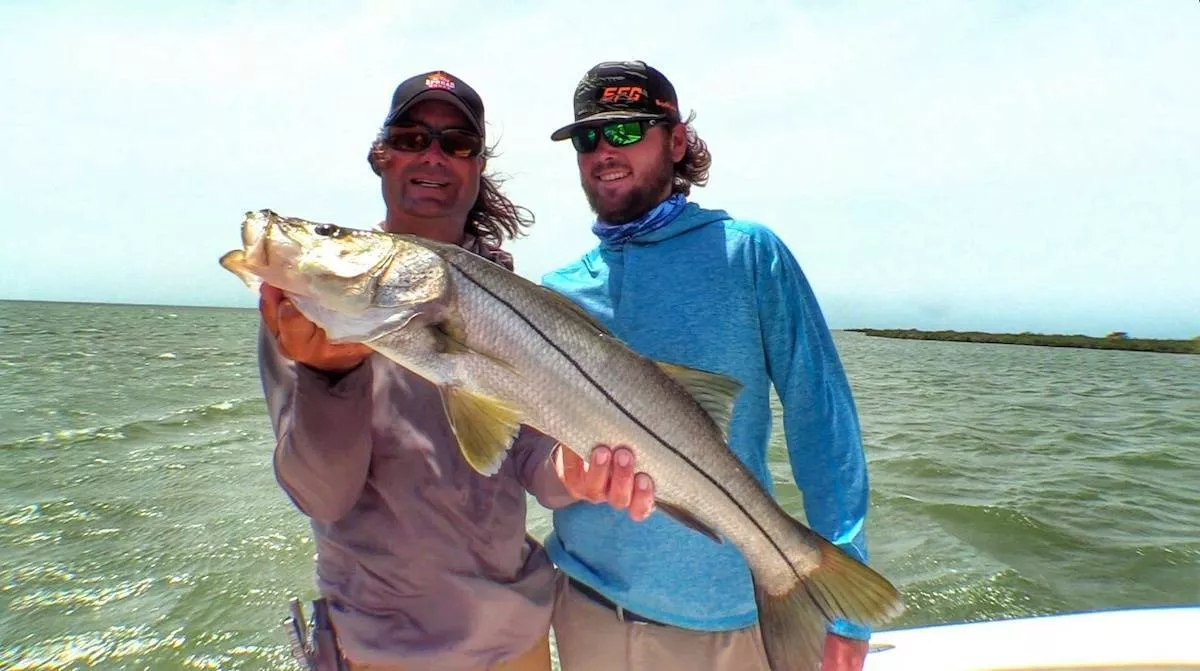
Threadfin herring, often referred to as "white bait" in the Florida Gulf Coast region, are a premier choice for targeting snook, one of the most sought-after inshore game fish. Their effectiveness as bait, combined with specific seasonal availability and handling requirements, makes them a valuable asset for any angler.
When Are Threadfin Herring Most Abundant?
- Peak During Snook Season: Threadfin herring are most abundant and effective during the snook season, which typically aligns with the warmer months. During this time, snook are more active and feed aggressively, making them more susceptible to live bait like threadfin herring.
- Reduced Availability in Colder Months: In the colder months, the availability of threadfin herring declines. They tend to move to deeper, warmer waters, making them less accessible for inshore anglers. This seasonal pattern necessitates alternative bait choices during the cooler times of the year.
How Do You Catch Threadfin Herring?
Capturing threadfin herring requires specific techniques and timing for optimal results.
- Early Morning and Late Afternoon: These times are ideal for catching threadfin herring. During these periods, they are more active and likely to be found feeding near the surface, making them easier to spot and catch. Cast netting is a great method.
- Using Sabikis Near Structures: Sabiki rigs, consisting of multiple small hooks adorned with tiny lures, are highly effective for catching threadfin herring. Fishing these rigs near structures such as piers, reefs, or submerged objects is productive as threadfin herring often congregate around such areas for protection and feeding.
What's the Best Way to Keep Threadfin Herring Alive?
Proper handling and storage of threadfin herring are crucial to maintaining their condition and effectiveness as bait.
- Circular Live Well with Gentle Water Flow: Threadfin herring are delicate and require careful handling. A circular live well helps prevent them from bumping into corners and injuring themselves. The gentle flow of water mimics their natural swimming environment, reducing stress and keeping them lively.
- Avoiding Physical Damage: When transferring threadfin herring, use a net and avoid handling them directly as much as possible. Their scales are easily damaged, which can quickly lead to their deterioration.
- Maintaining Optimal Water Conditions: Regularly changing the water or using water conditioners to remove harmful substances ensures a healthy environment for the herring. Keeping the water temperature consistent with their natural habitat also helps in reducing stress.
Threadfin herring are an exceptional bait choice for snook fishing on the Florida Gulf Coast, especially during the warmer months. Understanding their seasonal patterns, employing effective catching techniques, and providing proper care and storage can significantly enhance their effectiveness. For anglers aiming to land a prized snook, mastering the use of threadfin herring as bait is a valuable skill.
What Else Do You Need for Successful Live Bait Fishing?
Maximizing your fishing experience involves more than just choosing the right bait. Local knowledge, ethical fishing practices, and proper tackle considerations play a crucial role in ensuring a fruitful and sustainable fishing adventure.
Why Should You Visit Local Bait Shops?
- Visiting Local Bait Shops: These hubs of angling activity are treasure troves of up-to-date information. Staff and fellow anglers at local bait shops can provide valuable insights into what's biting, the most effective baits and lures for current conditions, and tips on the best fishing spots.
- Seasonal and Daily Changes: Conditions in the Gulf Coast can change rapidly. Local bait shops can offer advice on how to adapt to these changes, whether it's switching baits due to a sudden temperature shift or altering techniques to match the day's weather and water conditions.
- Networking with Local Anglers: Building relationships with local anglers can lead to the sharing of invaluable fishing tips and experiences. Engaging in community fishing forums or local fishing clubs can also enhance your knowledge and skills.
What Are Florida's Live Bait Fishing Regulations?
- Adhering to Regulations: It's imperative to stay informed about and comply with local fishing regulations. These include size and bag limits, seasonal closures, and specific rules regarding bait fishing. These regulations are designed to sustain fish populations and ensure the health of the ecosystem.
- Catch and Release Practices: Employing proper catch and release techniques, when necessary, helps preserve fish populations. This includes using circle hooks to reduce deep hooking and handling fish with wet hands to protect their slime layer.
- Responsible Bait Collection: When collecting live bait, it's important to do so responsibly. Avoid overharvesting and follow any regulations regarding the collection of bait species.
How Do You Match Tackle to Your Live Bait?
- Matching Tackle to Bait and Species: The type of bait and target species should dictate your tackle choice. Lighter tackle is generally better for smaller bait and fish, whereas larger, stronger species require heavier gear.
- Hook Size and Type: The hook should be appropriately sized for the bait being used to ensure natural movement. For instance, a smaller hook is better suited for shrimp, while a larger hook may be necessary for pinfish or mud minnows.
- Rod and Reel Selection: The choice of rod and reel should balance with the bait and targeted fish species. Lighter rods and reels are suitable for inshore fishing with smaller baits, whereas offshore fishing for larger species may require sturdier, heavier equipment.
A successful fishing trip on the Florida Gulf Coast is a combination of using the right bait, leveraging local knowledge, adhering to ethical fishing practices, and optimizing your tackle. Staying informed, respectful of the environment, and prepared for varying conditions will not only enhance your fishing experience but also contribute to the conservation of this rich and diverse fishing destination.
Frequently Asked Questions About Florida Gulf Coast Baits
What is the best all-around live bait for Florida Gulf Coast fishing?
Shrimp is the most versatile live bait for Florida's Gulf Coast, effectively targeting redfish, trout, snook, flounder, and sheepshead. Available year-round at bait shops and easy to keep alive in aerated buckets, shrimp works in depths from 1 to 30 feet and can be rigged multiple ways depending on conditions.
Where can I catch my own live bait in Florida?
Pinfish can be caught around docks and grass flats using shrimp chum and small hooks. Mud minnows are found in shallow creeks and marshes using minnow traps baited with bread. Threadfin herring congregate near bridges, piers, and channel markers during early morning hours and can be caught with sabiki rigs or cast nets.
How long will live shrimp stay alive in a bucket?
Live shrimp will survive 4-6 hours in a well-aerated bucket with regular water changes. Use a battery-powered aerator, keep water temperature below 75°F, avoid overcrowding (1 dozen shrimp per gallon), and change water every 2 hours for maximum survival rates.
When is the best time to catch threadfin herring?
Early morning (sunrise to 8 AM) and late afternoon (5 PM to sunset) are prime times for catching threadfin herring. They school near structures during low-light periods and are most abundant from May through October when water temperatures exceed 70°F.
How do you keep pinfish alive for offshore fishing?
Pinfish require a circular live well with strong water flow to stay lively for offshore trips. Maintain water temperature between 68-76°F, avoid sharp temperature changes, and limit density to 6-8 pinfish per 10 gallons of water. They can survive 8-12 hours with proper aeration.
What's the difference between mud minnows and other baitfish?
Mud minnows (gulf killifish) are significantly hardier than shrimp or herring, surviving in low-oxygen, high-salinity conditions where other baits die. They stay alive longer on the hook, work effectively in murky water, and can be stored for days in a simple bucket with occasional water changes.
Can you freeze live bait and use it later?
While you can freeze shrimp, pinfish, and mud minnows for later use, frozen bait is significantly less effective than live bait for most Florida inshore species. Frozen bait works better for bottom fishing catfish, sharks, and some reef species than for sight-feeding gamefish like snook and trout.
What regulations apply to collecting live bait in Florida?
Florida requires a recreational fishing license for collecting most live bait species. Cast nets are limited to specific sizes depending on county (up to 14 feet in most areas). There are no bag limits on pinfish or mud minnows when used as bait, but threadfin herring collection may have local restrictions.
Why do my live baits keep dying in the bucket?
Common causes include insufficient aeration (use stronger aerator), overcrowding (reduce bait density), temperature shock (acclimate baits gradually), chlorine in tap water (use dechlorinator), and handling damage (minimize netting). Shrimp are particularly sensitive to ammonia buildup from waste.
Conclusion
Mastering the art of bait selection and handling is crucial for a rewarding fishing experience on the Florida Gulf Coast. Whether it's the versatile shrimp, robust pinfish, resilient mud minnows, or the coveted threadfin herring, each bait has its unique advantages. With a combination of local insights, ethical practices, and the right tackle, anglers are well-equipped for a successful day on these bountiful waters. Happy fishing!
Captain William Toney In The Spread, Instructor
Login
to leave a review.
User Reviews
There are no reviews yet.
Complete Dredge Pulley Setup Guide
Saltwater
12.28.2020
High Speed Wahoo Trolling Rig
Saltwater
09.08.2018
Fishing Light Tackle for Yellowfin Tuna
Saltwater
09.08.2018

0