
- Saltwater Fishing Lures (22)
- Wahoo Fishing Videos (20)
- Blue Marlin Fishing (19)
- Yellowfin Tuna Fishing (17)
- Dolphin Fishing Videos (16)
- Marlin Lures Videos (15)
- Planer Fishing Videos (13)
- Snook Fishing Videos (12)
- Boat Positioning Videos (12)
- Redfish Fishing Videos (11)
- Reef & Wreck Fishing (10)
- Bait Rigging Videos (9)
- Big Game Legends (9)
- Seatrout Fishing Videos (8)
- Fishing Tackle Videos (8)
- Bottom Fishing Videos (8)
- Satellite Fishing Maps (7)
- Mangrove Snapper Fishing (6)
- Swordfish Fishing Videos (5)
- Grouper Fishing Videos (4)
- Bluefin Tuna Fishing (4)
- Black Drum Fishing (3)
- Tarpon Fishing Videos (3)
- Ballyhoo Bait Rigging (3)
- Jigging Techniques (3)
- Saltwater Culinary Creations (3)
- Roosterfish Fishing Videos (3)
- Cobia Fishing Videos (2)
- Sailfish Fishing Videos (2)
- Sheepshead Fishing Videos (2)
- Dredge Fishing Videos (2)
- Tilefish Fishing Videos (2)
- Giant Trevally Fishing (2)
- Saltwater Flies (1)
- Kayak Fishing Videos (1)
- Permit Fishing Videos (1)
- Fighting Chair Techniques (1)
- Tripletail Fishing Videos (1)
- Red Snapper Fishing (1)
- Mutton Snapper Fishing (1)
Start fishing better with FREE Weekly Video Tips delivered straight to your email.
Yellowfin Tuna Fishing Videos: Chunking, Trolling, Casting
Browse Video LibraryYellowfin tuna fishing demands precision timing, strategic boat positioning, and the right presentation to trigger explosive strikes from one of the ocean's most powerful gamefish. Whether you're working dolphin schools off Costa Rica, chunking oil rigs in the Gulf of Mexico, or casting topwater poppers to surface-feeding schools, success hinges on understanding how these fish feed and react to different presentations.
Our Fishing Video Courses break down proven yellowfin tuna fishing techniques used by expert captains across the world's most productive fisheries. You'll learn exactly when to throw a popper versus a jig, how to read bird activity and marine mammal behavior, and what it takes to keep big tuna close to the boat once you've got them fired up.
Featured Instructors
-
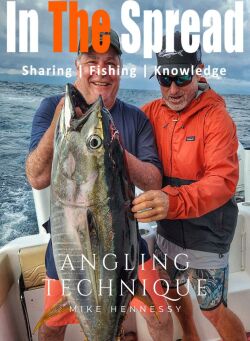
Yellowfin Tuna Angling Technique
29:06 · Mike HennessyYellowfin tuna around Costa Rica spinner dolphin schools demand precise approach strategy positioning ahead of moving pods while maintaining distance avoiding spooks. Mike Hennessy's real-world demonstrations include proper low rod tip technique preventing high-sticking failures, reading water for rolling tuna identification, and gaffing skills securing fish during critical final moments where many yellowfin are lost.
WATCH NOW -
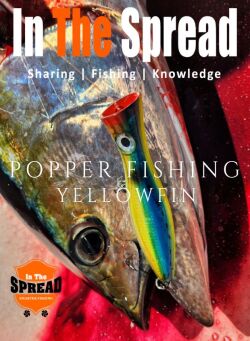
Popper Fishing Yellowfin Tuna on Spinner Dolphin
43:48 · Mike HennessyYellowfin tuna surface feeding around spinner dolphins creates thrilling popper opportunities when reading natural indicators including finback and short beak dolphin activity. Success requires strategic boat positioning avoiding spooking fish with straight approaches, casting 100-plus feet, and mastering pop-and-wait retrieval cadence with 3 to 5 second pauses rather than working lures too fast.
WATCH NOW -
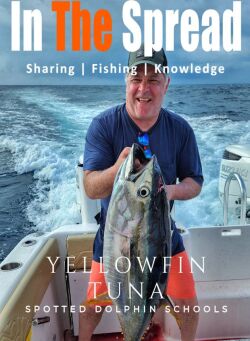
Fishing Yellowfin Tuna on Spotted Dolphin Schools
47:43 · Mike HennessySpotted dolphins and yellowfin tuna feed cooperatively off Costa Rica, creating productive scenarios when dolphins herd baitfish. Mike Hennessy's specialized techniques require distinguishing feeding behavior from traveling schools through water color and bird activity, strategic boat positioning maintaining strike zones without spooking pods, and rigging configurations with bait presentation timing matching the aggressive feeding frenzy intensity.
WATCH NOW -
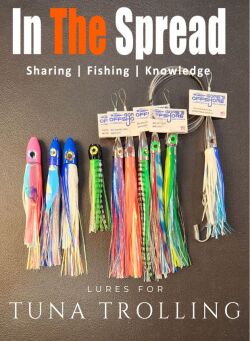
Gore's Offshore Tuna Trolling Lures
36:24 · Jason GoreNASCAR engine machinist Jason Gore applies precision manufacturing to tuna lure design where natural keel weighting creates true swimming action through hydrodynamic engineering. Plastic, aluminum, and brass head materials offering identical shapes in weights from 1 to 8 oz. provide tactical flexibility for varied trolling speeds, sea conditions, and target depths without learning new lure characteristics.
WATCH NOW -
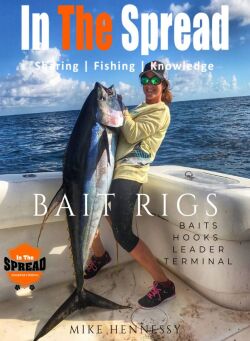
Bait Rigs for Yellowfin Tuna Fishing: Mike Hennessy
21:40 · Mike HennessyYellowfin tuna rigging versatility handles fish from schoolies to giants through adaptable setups balancing finesse with strength. Mike Hennessy's Golfito expertise covers bait options, hook selections, and leader materials requiring proper crimping technique and storage preventing degradation, plus live bait rigging and bridling methods presenting baits naturally while maintaining hook positioning for solid penetration during violent strikes.
WATCH NOW -
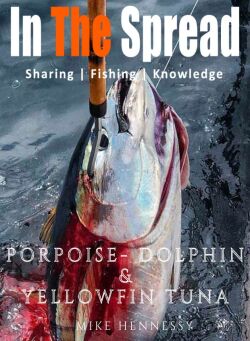
Porpoise Schools and Tuna Fishing: Keys to Catching More
15:15 · Mike HennessyPorpoise and dolphin schools reveal yellowfin tuna locations in vast offshore waters through feeding relationships on similar baitfish. Mike Hennessy's expertise differentiates white belly porpoise, spinner dolphin, and spotted dolphin behaviors around tuna, requiring specific boat positioning and bait presentation tactics for each marine mammal type indicating feeding activity and fish depth beneath schools.
WATCH NOW -
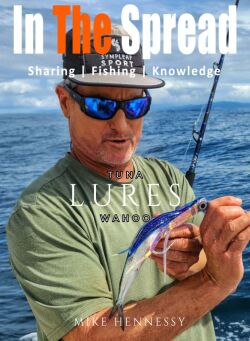
Lures for Tuna and Wahoo: Mike Hennessy
8:30 · Mike HennessyMike Hennessy's decades of global offshore experience reveal when poppers and stickbaits excel for casting to surface-feeding tuna versus bibbed plugs and twitchbaits dominating trolling scenarios. Lure selection based on fish behavior and environmental conditions drives tactical decisions, with retrieval technique adjustments and color preferences accounting for water clarity and light affecting how yellowfin and wahoo respond throughout the day.
WATCH NOW -
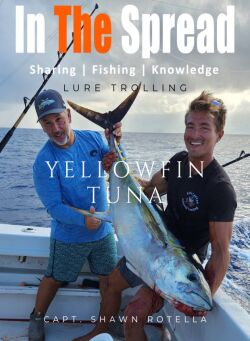
Lure Trolling for Yellowfin Tuna with Shawn Rotella
23:51 · Shawn RotellaYellowfin tuna trolling tactics shift dramatically when skipjack schools appear, demanding lure adjustments most anglers miss. Captain Shawn Rotella's Kona expertise reveals how predatory patterns, tide influences, and habitat structures determine which lure colors and trolling speeds trigger strikes from Thunnus albacares, plus post-catch gilling and cooling techniques preserving quality for premium table fare.
WATCH NOW -
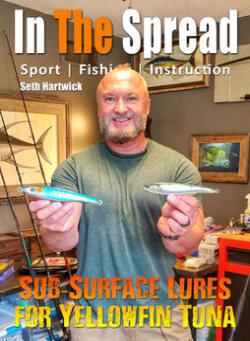
Sub Surface Lures for Yellowfin Tuna Fishing
23:48 · Seth HartwickYellowfin tuna feed in the top three to five meters using the surface as an edge to trap baitfish, making sub-surface lures more effective than topwater presentations. Sinking stickbaits reach these feeding zones while avoiding bird interference that dominates surface activity, requiring proper terminal tackle pairing with hooks and split rings maintaining lure action during violent strikes.
WATCH NOW -
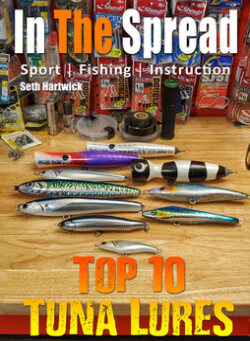
Top 10 Tuna Fishing Lures: Seth Hartwick
2:53 · Seth HartwickSelecting tuna lures without global testing experience leads to collections filled with designs that sound effective but fail under real fishing conditions. Seth Hartwick fished every major tuna fishery worldwide, working with top anglers and craftsmen to refine his collection to only the best quality performers that trigger strikes across varied feeding behaviors and environmental factors rather than location-specific patterns.
WATCH NOW -
Topwater Lures for Yellowfin Tuna Fishing with Seth
24:05 · Seth HartwickTopwater yellowfin tuna fishing evolved into refined styles where popper and stickbait quality, build, and price vary dramatically. Seth Hartwick's extensive lure testing reveals which designs justify investment, how sea conditions affect lure selection and placement, and what tackle components including hooks, split rings, swivels, and leaders create reliable setups withstanding violent tuna strikes.
WATCH NOW -
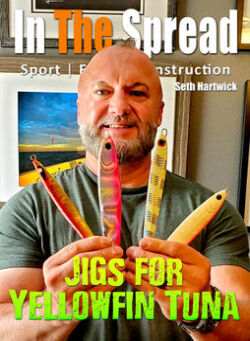
Jigs for Yellowfin Tuna Fishing
13:04 · Seth HartwickYellowfin tuna suspending at depth matching deep water baitfish require speed jigs and knife jigs rather than surface presentations. Seth Hartwick's worldwide experience reveals success demands understanding jigging techniques that work entire water columns, proper boat and angler positioning, and matching rod specifications to jig sizes with gear ratios and drag systems handling sustained runs from depth.
WATCH NOW10.0/10 -
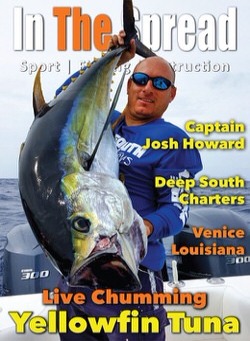
Live Bait Chumming Yellowfin Tuna - Venice Louisiana
1:33:52 · Josh HowardYellowfin tuna around Venice trawlers feed competitively on bycatch discharge, creating brief windows where aggressive strikes can overwhelm standard tackle and technique. Captain Josh Howard explains how live bait selection matches trawler discharge, why hook and drag specifications prevent lost fish around moving vessels, and when these mobile feeding situations produce versus platform fishing.
WATCH NOW10.0/10 -
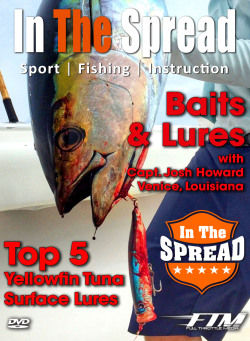
Top 5 Yellowfin Tuna Fishing Surface Lures - Venice
14:06 · Josh HowardYellowfin tuna around Venice, Louisiana oil platforms reject surface lures that work elsewhere in the Gulf. Captain Josh Howard explains how Mississippi River discharge affects baitfish profiles, why popper and swimming bait selection must match local forage size and behavior, and when surface presentations outperform subsurface approaches around Louisiana oil structures.
WATCH NOW -
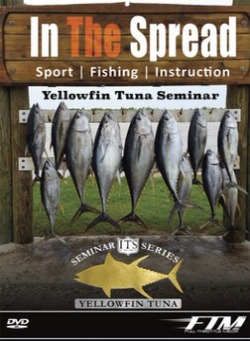
Yellowfin Tuna Fishing Seminar
1:48:07 · RJ BoyleYellowfin tuna in the Bahamas punish anglers who rely on yesterday's patterns. RJ Boyle, Mark Hamilton, Triston Hunt, and Chip Sheehan explain how bird behavior interpretation, real-time chumming adjustments, and trip planning decisions separate productive offshore days from expensive fuel burns with minimal fish contact.
WATCH NOW10.0/10 -
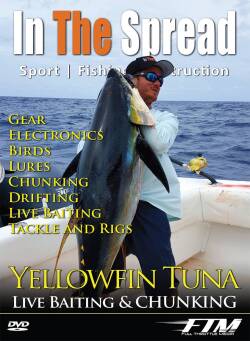
Chunking Drifting and Live Bait Fishing Yellowfin Tuna
1:21:39 · RJ BoyleYellowfin tuna reject more baits than they strike when chunking and drifting. RJ Boyle explains how chum distribution rate, bait matching, and drift positioning determine whether competitive feeding behavior triggers or fish simply feed selectively on free chunks without committing to hooked offerings.
WATCH NOW10.0/10 -
Featured
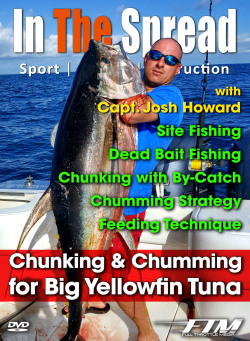
Tuna Fishing - Chunking and Chumming Yellowfin
2:10:57 · Josh HowardVenice, Louisiana is known for its abundant yellowfin tuna fishing, with captains and crews using advanced tactics and techniques. Capt. Josh Howard utilizes trawl boat by-catch to create a healthy chum slick, while In The Spread fishing video teaches ideal baits, chumming, and chunking. Fishing in the Gulf of Mexico relies on working fixed or mobile fish aggregators, making trowl boats an excellent fishing opportunity.
WATCH NOW10.0/10
Go Deeper on Yellowfin Tuna Tactics
Yellowfin Tuna Fishing Questions
What is the difference between chunking and chumming for yellowfin tuna?
Both build a feeding response, but they are not the same. Chunking means cutting bait into 2 to 4 inch pieces the tuna can see and chase, drifted off the stern in a steady cadence. Chumming grinds or finely chops bait into a scent trail that pulls fish from a distance. Most crews run both together.
What trolling speed works for yellowfin tuna?
Yellowfin lure trolling generally runs about 6 to 9 knots, adjusted for sea state and lure type, with natural baits like rigged ballyhoo or skipjack pulled slower at 4 to 6 knots. Speed sets the lure action, so watch each lure in the wake and tune the boat until the spread swims and tracks clean.
How do you catch yellowfin tuna under dolphin schools?
Yellowfin often feed with spinner, spotted, and white belly porpoise that herd the same baitfish. Read whether the pod is feeding or traveling using water color and bird activity, then position ahead of the moving school without running straight at it, and cast poppers or stickbaits 100 feet or more into the fish.
What lures work best for yellowfin tuna?
Yellowfin lures fall into a few groups: topwater poppers for surface-feeding fish, sinking stickbaits for fish holding just under the surface or dodging birds, and speed and knife jigs for tuna suspended deep. Carry a range of sizes so you can match the bait the fish are keyed on rather than forcing one lure.
Why do yellowfin tuna refuse baits?
Yellowfin are fast, sharp-eyed, and selective, and a refusal is information. When they follow and turn off, drop to lighter fluorocarbon, shrink the bait or lure to match the forage, slow a topwater retrieve with longer pauses, and check that your bait drifts naturally with the current rather than dragging against it.
What is the best bait for yellowfin tuna?
The best bait is what the tuna are eating that day. Live pilchards, threadfin herring, Spanish sardines, blue runners, and cigar minnows all produce, and skipjack or blackfin chunks make an oily slick yellowfin find hard to resist. A live skipjack sent back down often draws the biggest fish in the school.
When and where is yellowfin tuna fishing best?
Yellowfin fishing peaks by region. Mid-Atlantic canyons fire summer into early fall, the Gulf off Venice produces big fish much of the year, Hawaii runs strong spring through early fall around the FADs, and the eastern Pacific from Mexico to Panama peaks May through October with the strongest dolphin association. Check the local season before you plan.