
When the Gulf drops into the low 60s, redfish get slow and picky, and the flats turn into a reading problem. Capt. William Toney poles the warm pockets off Homosassa, works live shrimp to sighted fish, and shows how a quarter mile move changes everything in cold, clear water.
Sight Casting Winter Redfish on Homosassa Flats
(00:43:04)
Watch Full Video
View Short Trailer
Instructor:
William Toney
Description
/
Review
/
Instructor
Cold water strips redfish fishing down to its bones. When the Gulf slides to 60 or 62 degrees, the fish get slow, the water goes glass clear, and the ones you can see are not always the ones that will eat. This is the part of the year that rewards patience and punishes a heavy approach. Capt. William Toney has been reading these Homosassa flats for four generations, and in this In The Spread video he works through cold water sight casting the way it actually happens on the water, one key at a time. For the broader seasonal picture, the full redfish fishing video library shows how his approach shifts from summer heat to winter cold.
Reading the warm side of a key
In winter, location is a temperature problem before it is a casting problem. Toney poles into a key with the wind and current on the downwind side so the boat comes in quiet and controlled. Keys that run east and west give you a warm side where the sun hits and a lee side that blocks the wind, and the fish stack where the water holds a degree or two more heat. That warm pocket is the whole game.
He reads the water with what is already out there:
- Birds sitting on the warm, sunny side of a key, marking where the heat is
- Mullet schools holding on the flat, a strong sign reds are nearby and working the same warmth
- Sandy bottom, because redfish lay up on sand and show clearly against it
Mullet do double duty in the cold. They seek the same warm water reds do, and they act as sentries, flushing and scattering when a predator moves through. When you see them, slow down and look hard.
Bait, the cast, and picking one fish
Pinfish thin out in cold water, so live shrimp becomes the offering. Crustaceans simply produce better this time of year. Toney shows how to keep shrimp lively and how to thread one for a clean cast that lands soft. That soft landing matters more in winter than any other season, because a shrimp that slaps down on clear, still water will send a lethargic fish off the flat for good.
The cast itself is short and deliberate. Toney throws a feather cast, keeps it inside 20 to 40 feet, and refuses to reach. His comparison is quail hunting. Do not flock shoot. Pick one fish, target it, and put the bait in its window.
Redfish Fishing Courses
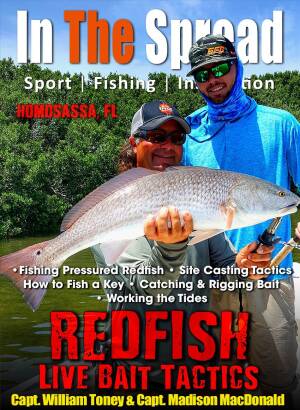
Captain William Toney reveals live bait strategies for catching pressured redfish in heavily fished waters. This video covers effective bait selection and rigging, catching fresh bait without specialized equipment, stealthy boat positioning techniques, natural presentation methods, and tackle specifications for high-pressure situations.

Summer redfish in Homosassa's shallow waters demand precise sight casting execution because fish visibility increases wariness while water temperatures affect feeding aggression. Captain William Toney explains bait and lure selection for varying conditions, tackle specifications for fighting powerful fish in skinny water, and what environmental factors determine whether reds feed actively or become difficult to approach in Florida's premier inshore fishery.
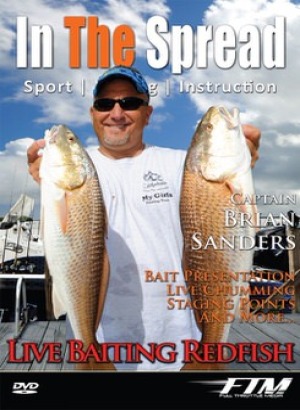
Captain Brian Sanders reveals live bait redfish strategies covering bait selection for different conditions, understanding tidal movements and feeding patterns, chumming techniques that concentrate fish, proper rigging and presentation methods, tackle specifications, and boat positioning for optimal results in coastal waters.
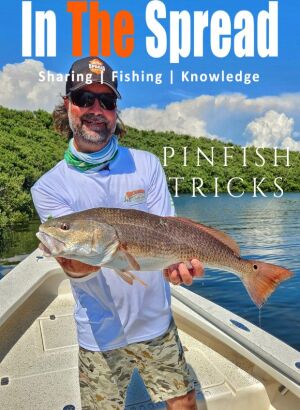
Pinfish effectiveness for Florida redfish stems from natural abundance in waters where red drum encounter them as primary forage. Captain William Toney's technique reveals precision casting strategies and rigging methods maintaining bait vitality while creating natural presentations, plus adapting to changing water clarity, current strength, and fish activity requiring presentation modifications throughout tidal cycles and seasonal patterns.
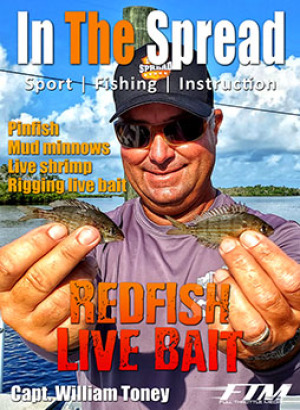
Live bait effectiveness for redfish changes along the Gulf coast as ocean environment and available baitfish species shift regionally. From north of Tampa to St. Marks panhandle, mangrove and outside key structure dictates which baits work best, with pinfish, shrimp, and mud minnows dominating based on what redfish encounter naturally in productive inshore zones.
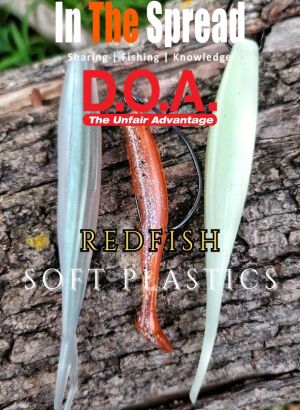
DOA soft plastics for redfish require matching hook rigs to soft sandy versus hard oyster bottom while understanding bioluminescence effects on color selection. Capt. William Toney and founder Mark Nichols reveal how shad lures and jerkbaits address different feeding scenarios, with color choices for clear, stained, and low-light conditions triggering strikes based on what redfish visual systems recognize instinctively.
Finding the fish that will actually eat
Here is the hard truth of cold water sight fishing. You can be looking at good fish that will not open their mouths. Toney works a promising spot, and when it does not produce, he moves. Each fish behaves differently, and your job is to find the active one rather than force the tank. On this day he releases a 31 inch redfish in early February, a real pig, and then makes a move of about a quarter mile east toward land. That small shift changed the water temperature just enough, and the next fish was a keeper. Winter fights run longer, and that is fine, because cold water is far easier on a fish than summer heat.
Before you keep anything, check current redfish slot and bag limits with the Florida Fish and Wildlife Conservation Commission at myfwc.com, since regulations change by season and region. The same cold water discipline runs through our cold water redfish tactics breakdown if you want the reasoning behind the moves.
Sunglasses, tackle, and the boat
Seeing fish is a gear decision. Toney runs amber lenses to cut glare and keeps the sun at his back so the flat opens up in front of him. Good glass is not a luxury in winter sight fishing. It is how you find the fish at all.
On tackle, he walks through his rod, reel, line, leader, hook size and type, and the knot he trusts, built on a G. Loomis rod. His advice is simple. Buy the best equipment you can afford, because it shows in both performance and how long it lasts. He also breaks down his boat build, the poling platform, and a zero slap hull that lets him move without spooking fish. The angler on the platform is the eyes of the operation, spotting first and calling the shot. Cold water redfish is team work.
Winter Redfish Sight Casting Questions
What water temperature is best for sight casting winter redfish?
Winter redfish sight-fishing is often best when water is in the low- to mid-60s, especially on sunny, warming trends. In colder conditions, fish tend to slow down and concentrate in the warmest, most protected shallow pockets they can find.
What is the best bait for redfish in cold water?
Live shrimp is the top bait for cold water redfish. Pinfish thin out as temperatures drop, and crustaceans produce better fish in winter. A lively shrimp threaded for a soft, accurate cast gives you the most natural presentation to a slow moving fish.
How do you approach a flat without spooking winter redfish?
Pole in with the wind and current on the downwind side of the key so the boat moves quietly and under control. Keep your distance, stay off the fish, and land a soft cast inside 20 to 40 feet. Cold, clear water makes reds especially wary, so a heavy approach ends the shot before it starts.
Why do mullet matter when sight casting redfish in winter?
Mullet seek the same warm water that holds redfish in cold months, so a flat with mullet on it is a strong sign reds are nearby. Mullet also act as sentries, flushing and scattering when a predator moves through, which tells you where fish are working.
How far should you cast to winter redfish on the flats?
Keep casts short and deliberate, roughly 20 to 40 feet. A feather cast that lands the shrimp softly will not spook a lethargic fish the way a long, hard cast does. Pick one fish and target it rather than throwing at the school.
What sunglasses are best for winter sight fishing?
Amber lens sunglasses are the best choice for winter sight fishing because they cut glare and lift contrast so fish show against sandy bottom. Keep the sun at your back so the flat opens up in front of you and the fish are easier to see before they see you.
What this video gives you
Winter redfish are not harder to catch so much as harder to read. You have to pick your days, find the warm water, see the fish before it sees you, and put a soft cast on the one that is willing. That is the difference between a slow day and a good one in February. Toney lays out every piece of that decision chain on real fish, in real conditions, so you can carry it onto your own flat and fish it with intent.
For redfish inshore tactics across the full year, see redfish inshore tactics for flats and shorelines. For why this stretch of coast holds fish through the cold, see what makes the Nature Coast fish in winter.
Login
to leave a review.
User Reviews
There are no reviews yet.Captain William Toney
Captain William Toney is a fifth-generation Homosassa, Florida guide and one of the best inshore anglers on the Gulf coast. He owns Homosassa Inshore Fishing and targets redfish, seatrout, snook, mangrove snapper, and tarpon, reading tides and seasonal patterns better than almost anyone. In his videos, he teaches the single-lure inshore slam, essential Florida lure selection, and the tidal and seasonal reads that come from a lifetime on the same water.
Read moreVideos
We Recommend
0