
Dwayne Hickey shares proven winter musky techniques from decades on Tennessee's Collins River. Learn where cold water muskies hold, which lures trigger strikes below 50 degrees, and how to fish creek mouths and current breaks when other anglers stay home.
Winter Musky Fishing: Cold Water Tactics with Dwayne Hickey
Winter Musky Fishing: Dwayne Hickey Talks How to Catch Big Fish in Cold Water
Winter musky fishing on the Collins River from December through March offers some of the year's best action for trophy fish. As water temperatures drop below 55 degrees, muskies become more predictable, feeding aggressively in specific holding areas near current breaks, creek mouths, and deep structure. Success requires slowing your presentation, focusing on slack water zones, and understanding how rising water levels and cold temperatures change fish behavior.
After a long, low water period this fall, the Collins finally has some current running and water levels rising. When those temps drop below 55 degrees, everything changes. This can be some of the best fishing of the entire year, but only if you adjust your approach.
When Is the Best Time to Fish for Musky in Winter?
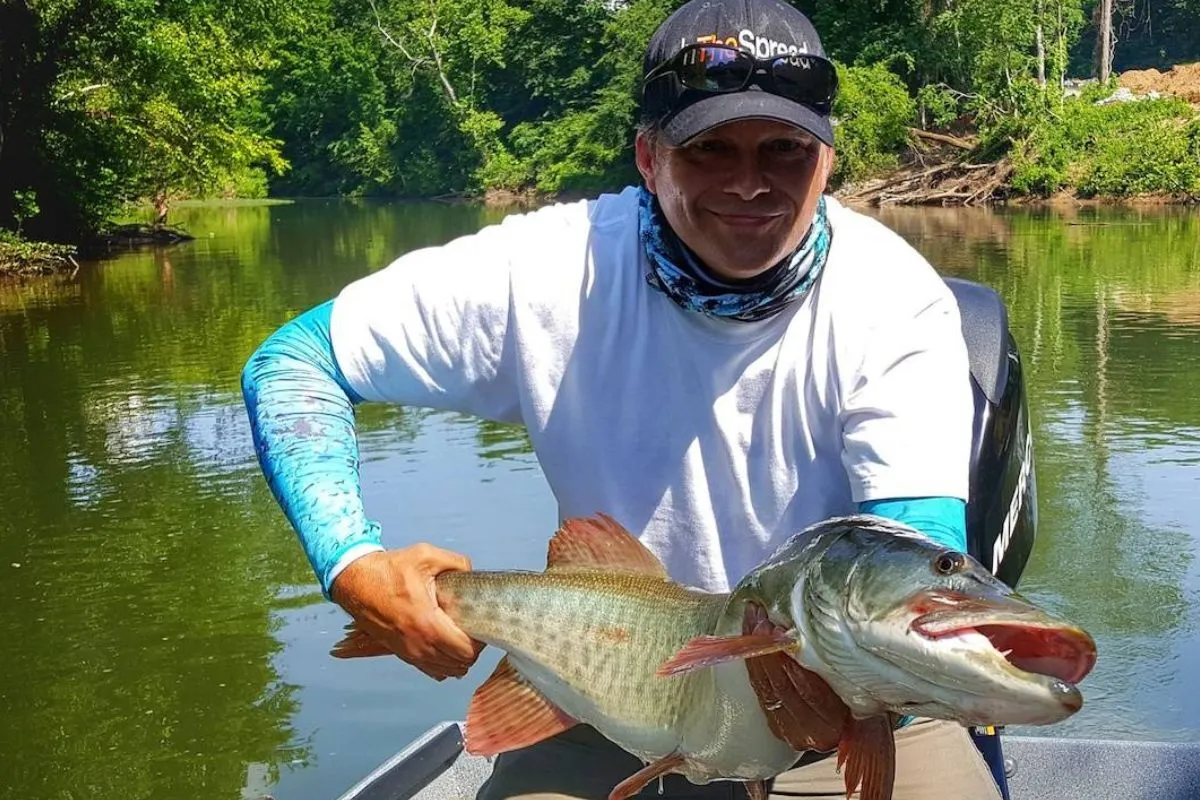
The prime winter musky season on the Collins River runs from December through March, with peak activity occurring when water temperatures sit between 40 and 55 degrees. Unlike popular belief, muskies feed aggressively throughout winter, even in the coldest conditions.
The key is understanding what triggers feeding activity. Rising water levels combined with stable or slowly falling temperatures create ideal conditions. I've caught some of my biggest fish when air temps were in the 20s and water temps were in the low 40s.
Here's what you need to watch:
- Water levels: Rising or stable high water concentrates fish in predictable locations
- Temperature stability: Prolonged cold is better than rapid temperature swings
- Creek flow: Tributary creeks running dingy water into clearer river flow create ambush points
How Do You Prepare for a Winter Musky Trip?
Before you venture out on the Collins River for musky fishing, research is everything. This isn't a "grab your gear and go" situation. Winter conditions on moving water demand respect and preparation.
Always check current water levels through local gauges or apps. The Collins is typically a gentle, peaceful flowing river that winds through the countryside, stair-stepping down limestone ledges and into deeper slow-moving holes. But winter rains bring high water and serious current.
Your must-do checklist includes:
- Verify water level trends (rising, falling, or stable)
- Check weather forecasts for the next 48 hours
- Ensure your trolling motor has a full charge (you'll need every bit of power)
- Pack an anchor system for holding position in heavy current
- Load location devices and river maps
Dwayn Hickey Muskie Fishing Courses

Where Do Musky Hide in Cold Water?
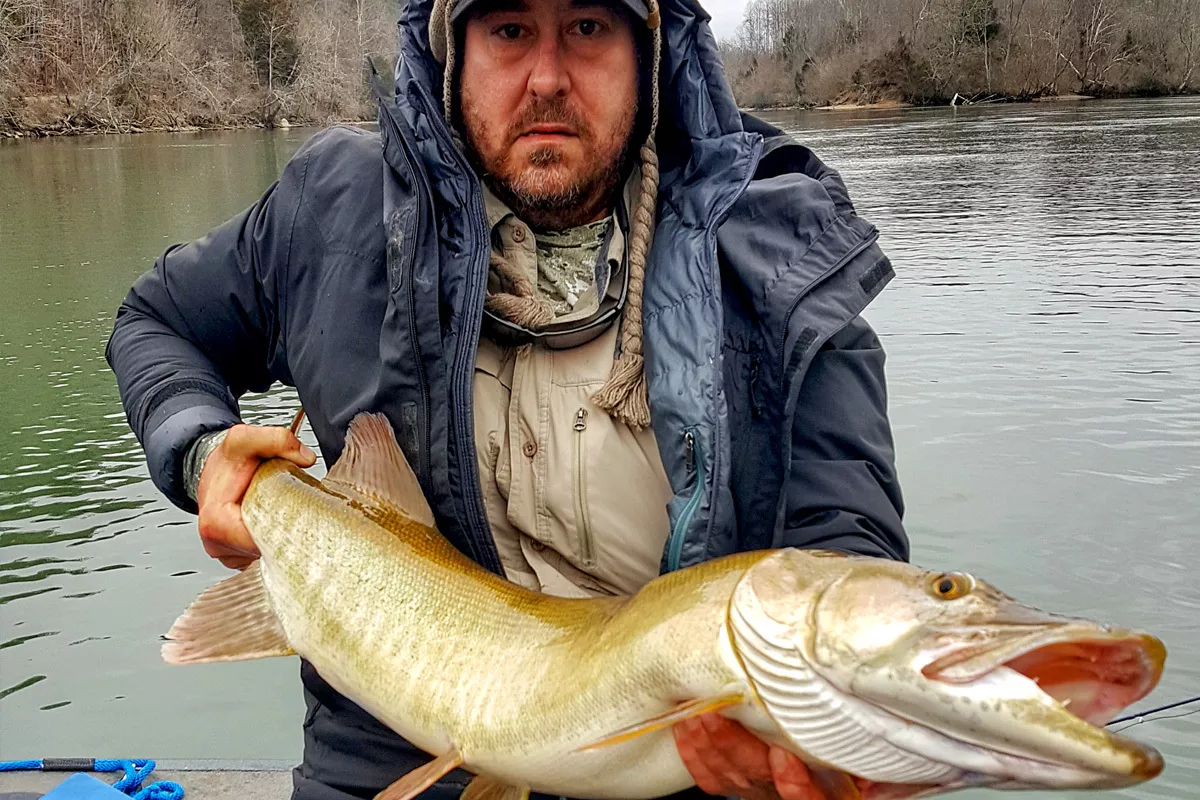
Cold water musky location becomes incredibly predictable once you understand their winter behavior. The "strike zone" shrinks dramatically compared to summer and fall patterns.
Forget about deep, fast-running water. Muskie will feed actively in even the coldest temperatures, but they're not burning energy fighting current. Their metabolism slows down, so they position themselves strategically, waiting for easy meals to come within striking distance.
Focus your efforts on these high-percentage winter musky spots:
- Current breaks along steep banks: Where flowing water meets slack zones
- Log jams and fallen timber: Natural current deflectors that create feeding lanes
- Weed bed edges: Especially where vegetation meets deeper water
- Deep bluffs with vertical structure: Often overlooked but deadly in winter
- Creek mouths: The absolute top producer in cold water periods
What Retrieve Speed Works for Winter Musky?
Here's where most anglers blow it. Forget about high-speed cranking bucktail spinners and ripping minnow baits. Slow is the word now. I mean really, really slow.
A musky's metabolism drops significantly in cold water temperatures below 50 degrees, but the fish still need to eat. They just don't want to work for it. Fish conserve energy by holding tight to cover, waiting for an easy target to drift close enough to ambush.
Your presentation needs to stay in the strike zone as long as possible. That means slowing everything down by at least 50% compared to your fall techniques. When water levels are up and moving fast, you can eliminate three quarters of the river. Concentrate exclusively on current breaks where fish can hold without fighting flow.
Why Are Creek Mouths So Productive in Winter?
I mentioned creek mouths for winter musky fishing earlier, and I want to dive deeper here because this single pattern has produced more winter fish for me than any other.
When you find creeks running dingy water that meets a slightly clearer flowing river, the color break creates an ambush line. Baitfish and prey use these seams, and muskies know it. These areas hold multiple fish, not just singles.
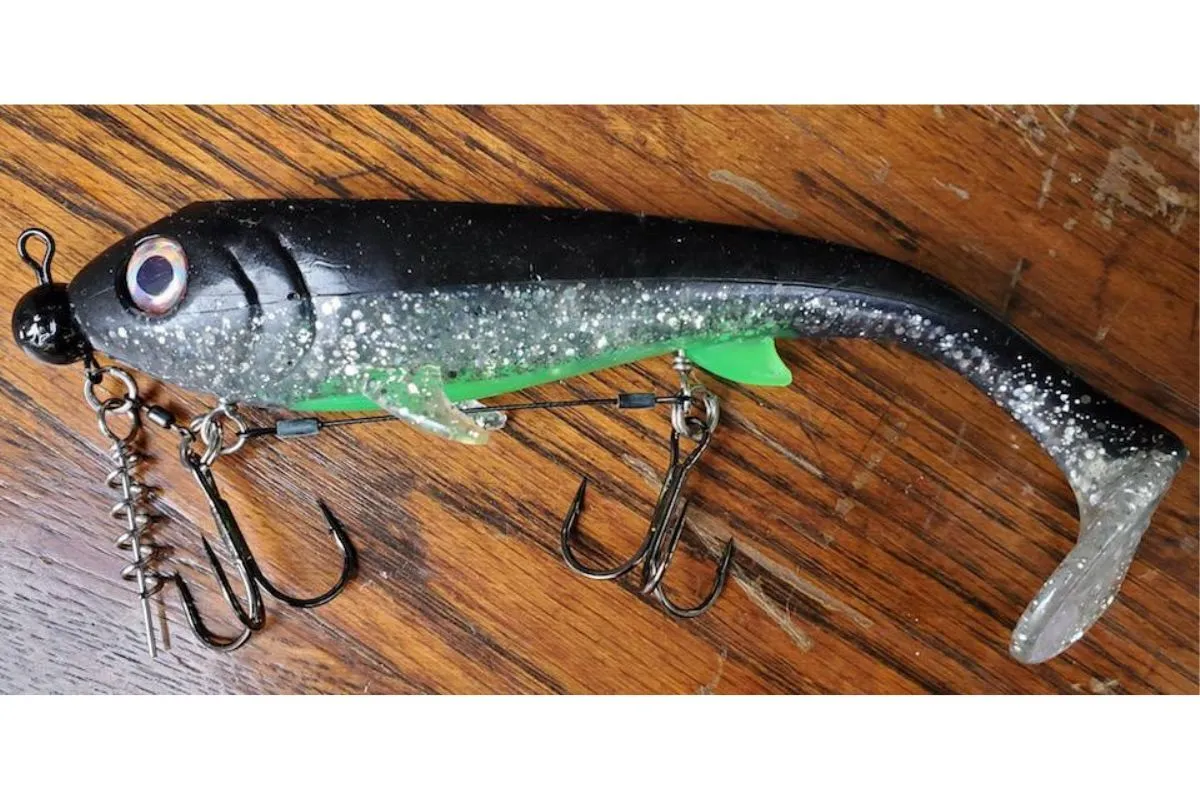
The key is timing and sometimes thinking outside the box. Let me share a specific example. On a brutally cold January day with water temps in the low 40s, I boated three muskies in as many casts using a jig and plastic combo. My partners were throwing gliders and suspended minnows with zero action.
I tied on my jig setup and began quick jerks followed by long pauses right in the murky creek mouth. The hits were subtle, but it became obvious these fish wanted an "in your face" approach. The pause was everything. They watched the jig sink and couldn't resist.
What Lures Work Best for Cold Water Musky?
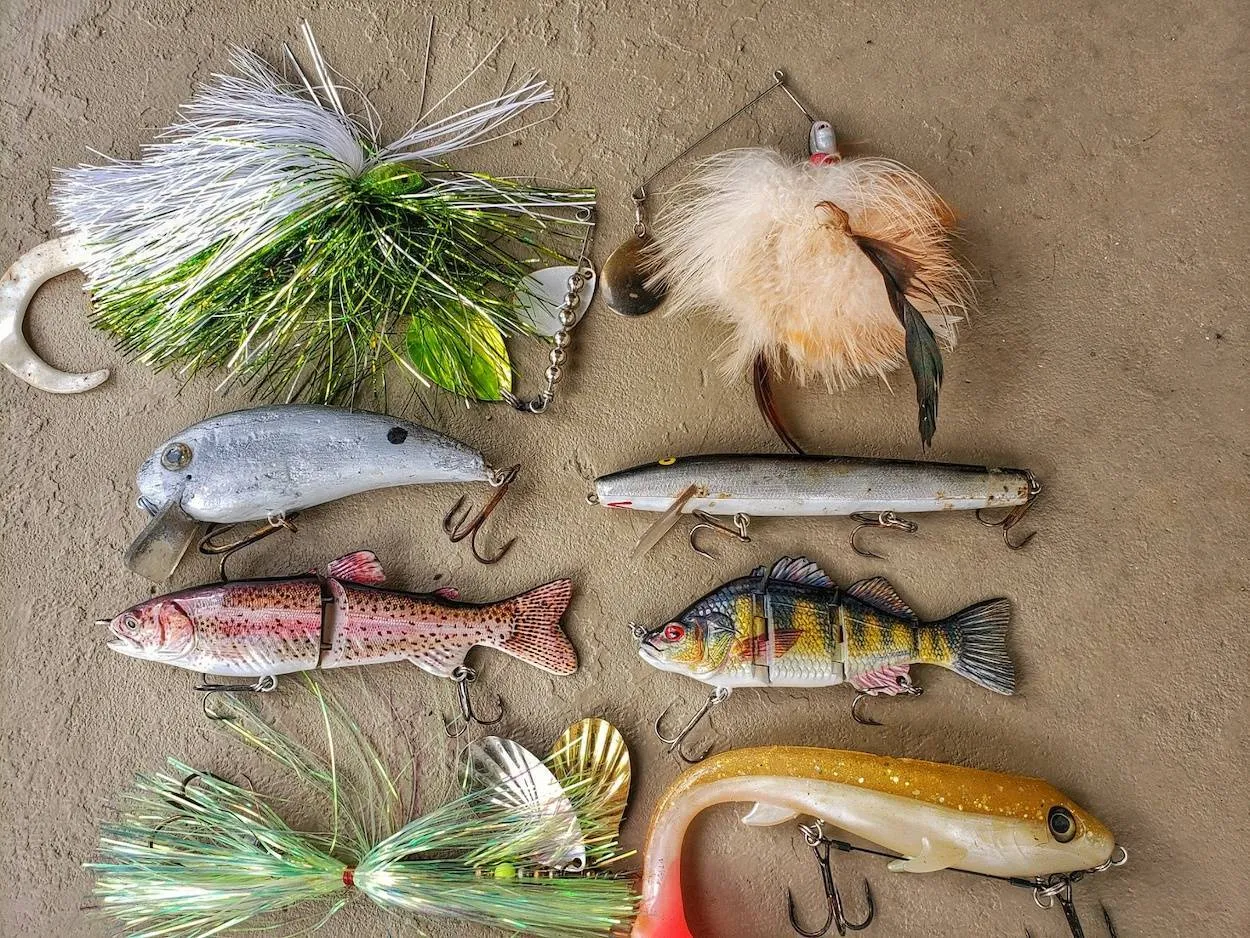
Winter musky lures need specific characteristics to trigger strikes in frigid water. You're looking for baits that offer slow fall rates, extended hang time, and can be worked with subtle movements.
My winter tackle box focuses on these proven producers:
- Glide baits with slow sink rates: Work these with long pauses between twitches
- Suspending jerkbaits: Classic throwback lures that excel when worked tight to banks
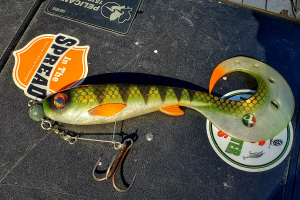
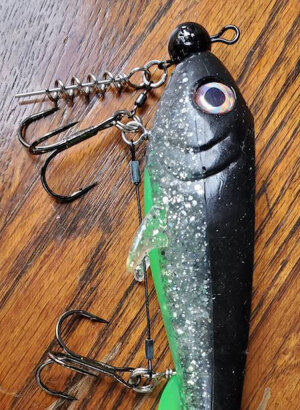
- Paddle tail soft plastics: Deadly on jig heads in 5 to 8 inch sizes
- Jig and minnow combinations: Essential for pitching into tight cover and current breaks
- Large profile swimbaits: For fishing deep bluffs and vertical structure
Color selection matters more than you'd think. In high, dingy water, I lean toward chartreuse, white, and hot orange. When water clears up, natural patterns like perch, sucker, and shad imitations produce better.
How Should You Cast for Winter River Musky?
Here's a common mistake I see constantly. Anglers make these long, bombing casts and work lures too fast in heavy current. That's the opposite of what winter fish want.
Short casting for winter musky increases your odds dramatically. When fishing with a partner, take turns working tight to the banks that are holding fish. Short casts allow you to thoroughly dissect an area of slow-moving water.
Look for anything that breaks current and you'll likely connect sooner or later. Don't waste time casting into swift water. Work your lure slightly upstream on short casts and repeat in the same productive zone.
The hookup advantages of short casting are huge:
- Better hook sets: More power transferred with shorter line length
- Improved fish control: Using 80 pound braid, it's you against the fish on short line
- Extended hang time: Keep lures in strike zones longer with less current pressure
- Precision placement: Target specific logs, rocks, and current seams with accuracy
What Tackle Do You Need for Winter Musky?
Musky fishing gear for cold water doesn't require a complete overhaul, but some adjustments help you capitalize on opportunities when they arise.
Heavy power rods in the 8 to 9 foot range give you leverage for hook sets and fish control. Pair them with high-speed reels that can handle 80 to 100 pound braided line. That heavy braid is non-negotiable when you're working tight to cover and need to pull fish away from snags.
Your trolling motor becomes more critical in winter than any other season. I run mine continuously to maintain position against current. A quality anchor system is backup for when current is too strong for even the best trolling motor.
Are Winter Musky Strikes Aggressive?
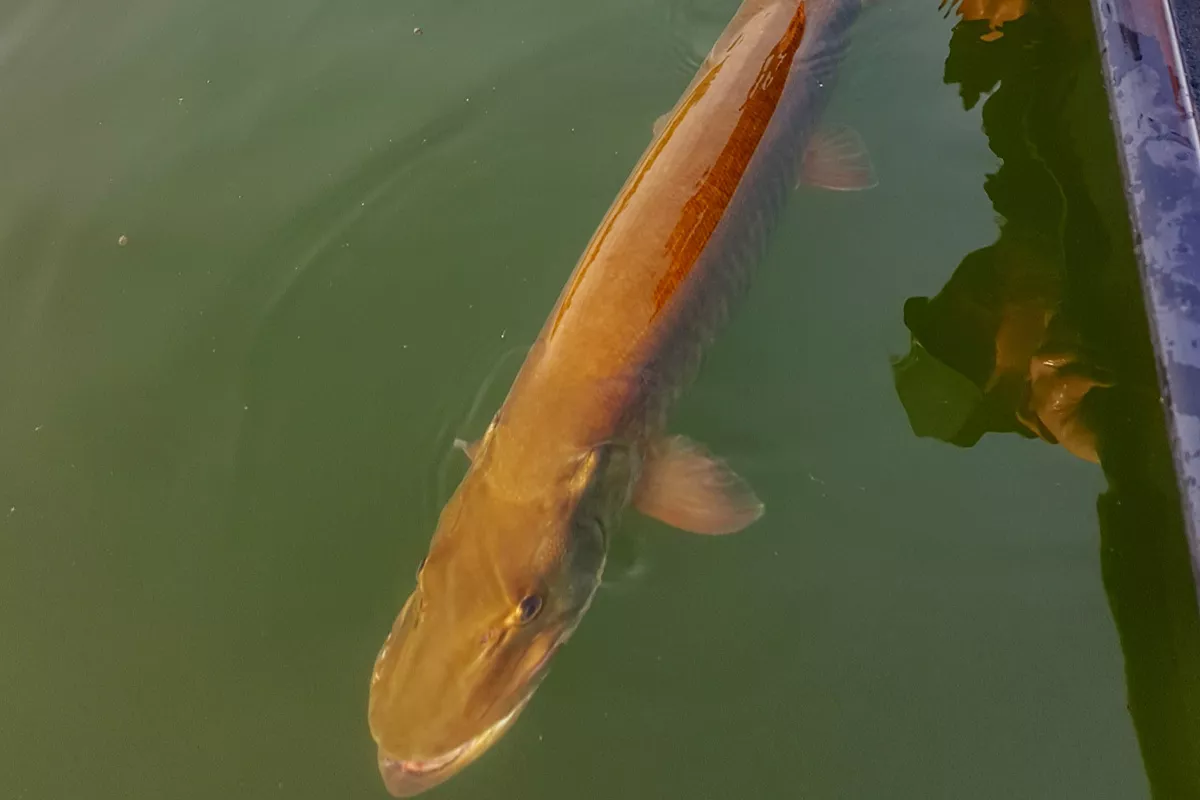
Let me clear up a misconception right now. Just because fish are cold doesn't mean strikes are gentle taps or slow takes. When a winter musky commits, you'd better be ready for violence.
Solid, jarring strikes happen all the time in high, cold water. These are explosive moments that create lifelong memories. Muskies can reach burst speeds of 30 miles per hour, even in frigid conditions. A steady hand and paying attention to every movement of your lure is absolutely critical.
That said, you'll also experience subtle takes, especially when fish are suspended or positioned in deep water. Watch your line and feel for any change in pressure or resistance. Sometimes the only indication is a slight weight or a tick you barely notice.
How Do Water Levels Affect Winter Musky Fishing?
Rising water levels in winter trigger feeding responses and change fish positioning dramatically. When the Collins River gauge shows increasing water levels, that's your signal to get on the water.
Rising water brings fresh current, dislodges food sources, and pushes baitfish into predictable locations. Muskies know this pattern and position themselves accordingly. They move tight to banks and structure where current breaks provide ambush points.
High water concentrates fish, but extremely high water can shut things down. Here's what different levels mean:
- Low and stable: Fish are scattered and harder to pattern
- Rising slowly: Ideal conditions as fish move into feeding positions
- High and stabilizing: Best action occurs as water peaks and begins to level off
- Falling after high water: Fish often remain in high water positions for 24-48 hours
Muskie Fishing Courses


What Should You Know About Current Breaks?
Current breaks for musky fishing are the single most important structural element in winter river fishing. Understanding how to identify and fish these areas separates successful anglers from those who struggle.
A current break is any feature that deflects or slows water flow, creating a calm zone behind or beside it. Fish hold in these slack water pockets, expending minimal energy while waiting for food to wash past.
Prime current breaks include:
- Inside river bends: Where flowing water creates eddies and back currents
- Large boulders or rock piles: Natural deflectors that create downstream slack zones
- Submerged logs pointing downstream: Perfect ambush points with calm water behind
- Points and small peninsulas: Where current splits and creates protected pockets
- Man-made structure: Bridge pilings, old foundation walls, and wing dams
What's the Best Winter Musky Strategy for All-Day Success?
Winter musky tactics for maximizing your catch rate require a systematic approach that covers water efficiently while capitalizing on high-percentage areas.
Start your day at creek mouths. Hit your top three or four tributary junctions during the first hour on the water. If you don't get bit, don't assume fish aren't there. They might not be active yet, so mark these spots for return trips later.
Move to main river structure next. Focus on steep banks with good current breaks, large log jams, and deep bluffs. Work these areas methodically with short casts and slow retrieves. Spend 15 to 20 minutes in each zone before moving.
Return to creek mouths periodically throughout the day. I hit my best producers three or four times during a full session. Different fish move in and out of these feeding stations as conditions change.
Muskie Fishing Resources

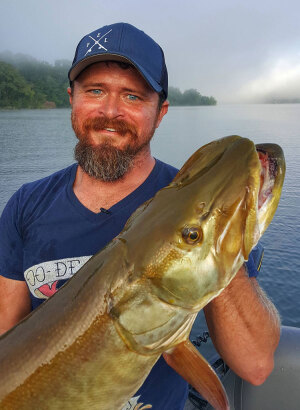
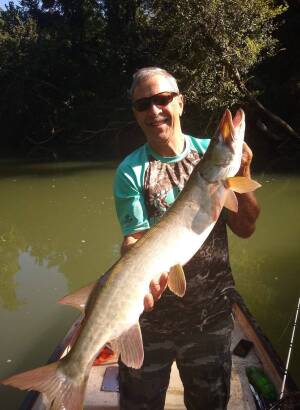
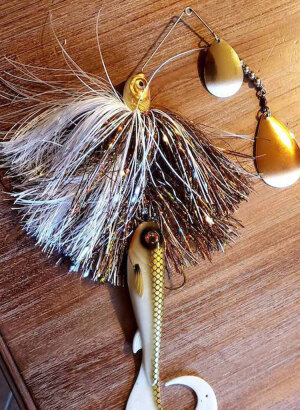
Winter Musky Fishing FAQ
What water temperature is best for winter musky fishing?
Winter musky fishing is most productive when water temperatures range between 40 and 55 degrees Fahrenheit. Muskies remain active feeders throughout this temperature range, though their metabolism slows and they prefer ambush feeding over actively chasing prey. Some of the best action occurs in water temperatures in the low 40s when conditions stabilize after cold fronts pass.
How slow should you retrieve lures for cold water musky?
Retrieve speeds for cold water musky should be reduced by 50-70% compared to fall fishing. Focus on presentations that incorporate long pauses of 3 to 5 seconds between movements. The pause is often when strikes occur, as muskies watch the lure and need extra time to commit in cold water. Glide baits should barely move, and jerkbaits should suspend almost motionless between twitches.
Where do muskies go in high water?
During high water conditions, muskies move tight to riverbanks and structure that provides current breaks. They avoid strong, fast-flowing water and instead hold in slack zones behind log jams, inside river bends, along steep banks, and especially near creek mouths where tributaries enter the main river. These areas allow fish to conserve energy while maintaining access to food sources.
What's the best bait for winter musky fishing?
The best winter musky baits include slow-sinking glide baits, suspending jerkbaits, paddle tail soft plastics on jig heads, and jig and minnow combinations. Lures that offer extended hang time and can be worked with subtle movements trigger more strikes than fast-moving baits. In dingy water, chartreuse and hot orange produce well, while natural patterns work better in clearer conditions.
Can you catch musky in December and January?
Yes, December and January musky fishing can be excellent on the Collins River and similar Tennessee waterways. These months often produce the largest fish of the year as muskies feed heavily before the coldest water temperatures arrive. Success requires slowing presentations, focusing on current breaks and creek mouths, and being prepared for cold weather conditions.
Do muskies bite in cold weather?
Muskies absolutely bite in cold weather and cold water temperatures. Their feeding behavior changes from active pursuit to ambush tactics, but they must continue eating to maintain body mass. Some of the most aggressive strikes occur on the coldest days when water temperatures are in the low 40s and air temperatures are below freezing.
What's the best time of day to fish for winter musky?
Time of day matters less in winter musky fishing than water conditions and fish location. Productive action can occur throughout the day when you're fishing the right structure. However, many anglers find that late morning through early afternoon (10 AM to 3 PM) produces consistent results as water temperatures reach their daily peak.
What pound test line for winter musky fishing?
Use 80 to 100 pound braided line for winter musky fishing on rivers. Heavy braid provides superior sensitivity in cold water, better hook setting power on short casts, and the strength needed to pull fish away from logs and structure. Pair your braid with a 12 to 18 inch wire leader rated for at least 100 pounds.
Are creek mouths good for musky in winter?
Creek mouths are the top winter musky location on river systems. When tributary creeks flow dingy water into clearer main river flow, the color break creates a natural ambush line that attracts multiple fish. These areas concentrate baitfish and provide current breaks, making them essential stops throughout your fishing day.
Winter Musky Success Comes Down to Adaptation
Winter musky fishing rewards anglers who embrace the cold and adjust their approach to match changing fish behavior. The Collins River transforms from a summer playground into a focused hunting ground where muskies concentrate in predictable locations. Success hinges on three core principles: slowing your presentations dramatically, focusing exclusively on current breaks and creek mouths, and understanding that these apex predators feed aggressively even in frigid water. The shorter strike zones and reduced fish movement actually work in your favor once you dial in the pattern. While other anglers winterize their boats, you'll have prime water to yourself and some of the year's best chances at trophy fish. The techniques covered here have produced countless memorable fish over decades on Tennessee rivers, and they'll work for you when you commit to fishing slow, staying focused, and putting in time on the water during the coldest months.
Improve your musky fishing skills with my instructional videos on In The Spread, where I break down advanced techniques, seasonal patterns, and location strategies that have produced trophy fish for decades.
Login
to leave a review.
User Reviews
There are no reviews yet.
Complete Dredge Pulley Setup Guide
Saltwater
12.28.2020
High Speed Wahoo Trolling Rig
Saltwater
09.08.2018
Fishing Light Tackle for Yellowfin Tuna
Saltwater
09.08.2018


Fishing Gulf of Mexico Inshore Waters
Saltwater
11.28.2023
0