Most anglers obsess over which lure to buy and ignore what actually gets bit. This is the trolling breakdown: the plugs, feathers, cedar plugs, and spreader bars that raise yellowfin, blackfin, and bluefin, and the speed, position, and color calls that make any of them work.
When yellowfin refuse chunks and lures, a healthy bait swimming on its own is the answer. Bait selection, livewell discipline, hook placement by depth and drift, free-lining versus weighted, and the live chumming that manufactures a feed.
Costa Rica yellowfin tuna fishing off Golfito and the Osa Peninsula depends on which dolphin school you find. Mike Hennessy breaks down white belly porpoise, spinner dolphins and spotted dolphins, how to approach each without pushing the tuna down, and what to throw when live bait runs out.
Yellowfin are fast, sharp-eyed, and maddeningly selective, and catching them offshore is a stack of small correct decisions. This foundation covers where they live, when to go, how to find them, and the chunking, jigging, casting and live-bait tactics that turn a school into a hooked-up boat.
Casting to breaking tuna is the most interactive way to catch them, and it rewards the right lure and the right cast. With Seth Hartwick, we break down the poppers and stickbaits worth throwing, the brands that survive big fish, casting technique, and how yellowfin and bluefin differ.
The anglers who catch yellowfin consistently understand the fish, not just the tackle. This goes inside how these sight-hunting, high-speed predators feed, why they refuse, how they use the water column, and how their behavior shifts with conditions, so you can read a school and adjust.
Off the shelf, the slick is the only thing tying yellowfin to your boat. Get the finding and the feeding right and open water produces like any rig. This covers birds and drift, bait and cadence, depth control, sonar, and the sharks and mistakes that cost you fish.
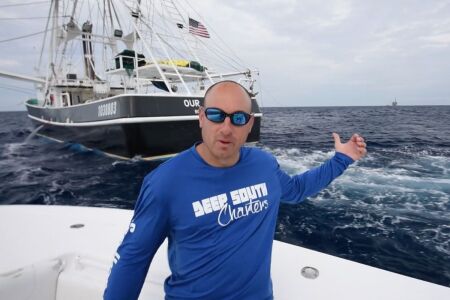
Venice Louisiana yellowfin tuna fishing changes with the season. Captain Josh Howard explains when he fishes the rigs and when he fishes the trawlers, which trawlers hold fish, how the moon and water temperature change the bite, and what to do when a trophy yellowfin keeps refusing the bait.
Light tackle is not a handicap. It is how you get bites that heavy gear leaves in the water. This breaks down fishing light for yellowfin, why lighter leader beats their eyesight, building a balanced system, landing big fish on light drags, and when going light is the wrong call.