
Grouper live and die by structure, and a hooked fish is trying to reef you before you ever feel it. This lays out where grouper hold, when they feed, and the tackle and methods that turn a strong fish out of the rock across Florida and the Gulf.
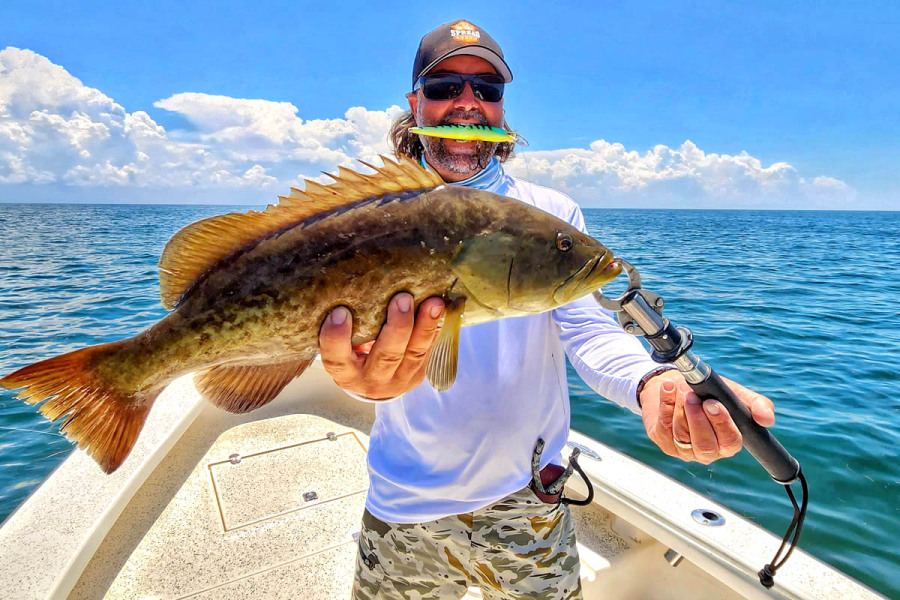
Catching Grouper: Techniques, Baits, and Best Spots
There is a moment about two seconds into a grouper bite that decides everything. The fish eats, feels the weight of the hook, and turns for the structure it has spent its whole life living on. Within the first few seconds, if you manage to turn the fish and keep it from getting to the structure, you have a far greater chance of boating that fish than not. Lose that moment and you are retying a leader. Every decision that matters in grouper fishing, the rod you pick up, the drag you set, the leader you tie, the spot you choose to drop on, exists to help you achieve success. Get that idea into your head and the rest of this stops being a list of tips and starts being a system.
None of what follows is complicated, but it is specific, and the specifics are what separate a good grouper day from a slow one. This covers the whole program: where the fish hold, when they feed, the tackle that turns them out of the rocks, and the three ways to put them in the boat, bottom fishing, jigging, and trolling. It is built on how the captains who fish grouper for a living actually work, from the shallow Nature Coast rock to the deep offshore ledges. Where a subject runs deeper than an overview can go, I point you to it, and to the grouper video library, where captains like Chris Wilkins out of Homosassa fish these methods on camera.
What Grouper Are and How They Fight
Grouper are ambush predators that live and die by structure. They hold tight to rock, ledge, wreck, and reef, using the cover and the current break to eat whatever swims past, and they almost never stray far from the hole. That single fact shapes the entire fishery. It is why you find them where you find them, why they fight the way they fight, and why the gear conversation is about power instead of finesse.
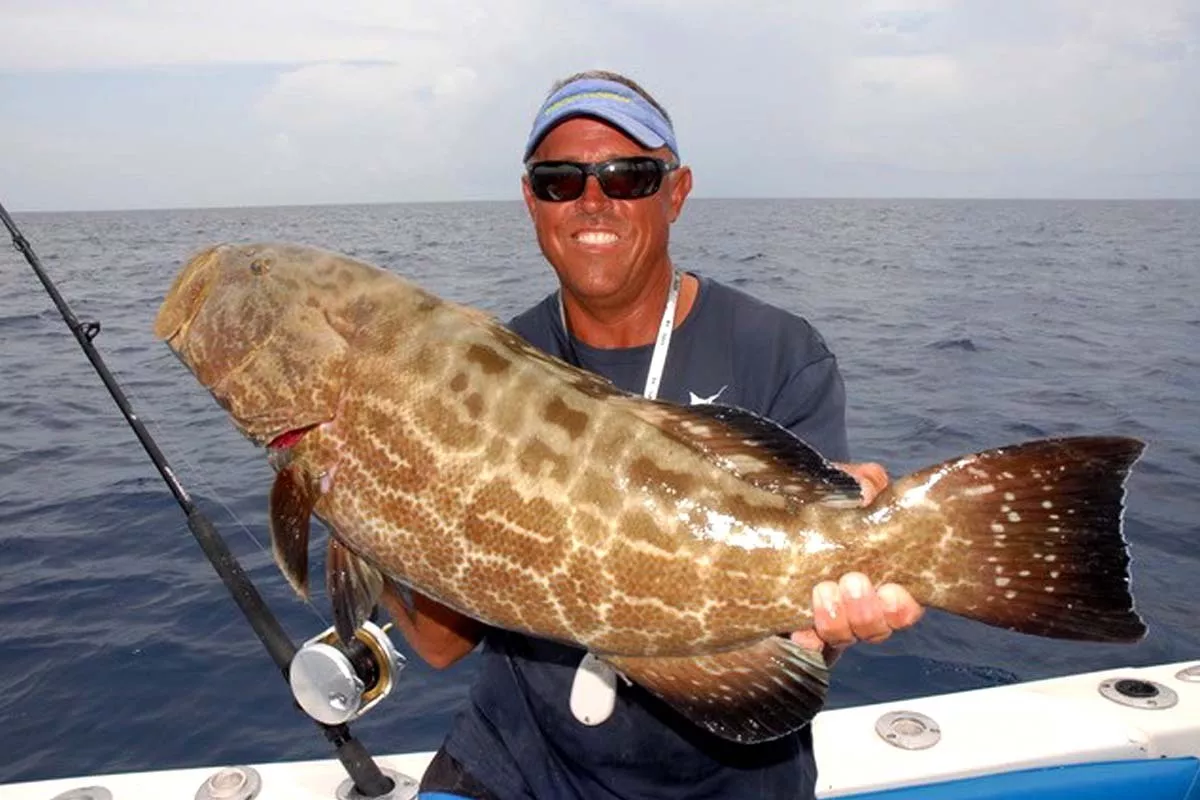
They also pull like a truck for their size. A twenty-pound gag does not make long runs; it drives straight down and tries to reef you, and it is strong enough to get there if your drag is light or you are slow to react. The Gulf and Atlantic hold several species, and they do not all behave the same. Gag are the most aggressive and will run down a trolled plug or a fast jig. Red grouper hold deeper and feed more deliberately. Black grouper get big and mean in South Florida and the Keys. The full run of Florida species and how to tell them apart is its own subject, covered in our breakdown of the grouper species of Florida. What they share is that first hard dive, and everything you do is built around stopping it.
When Do Grouper Feed Best?
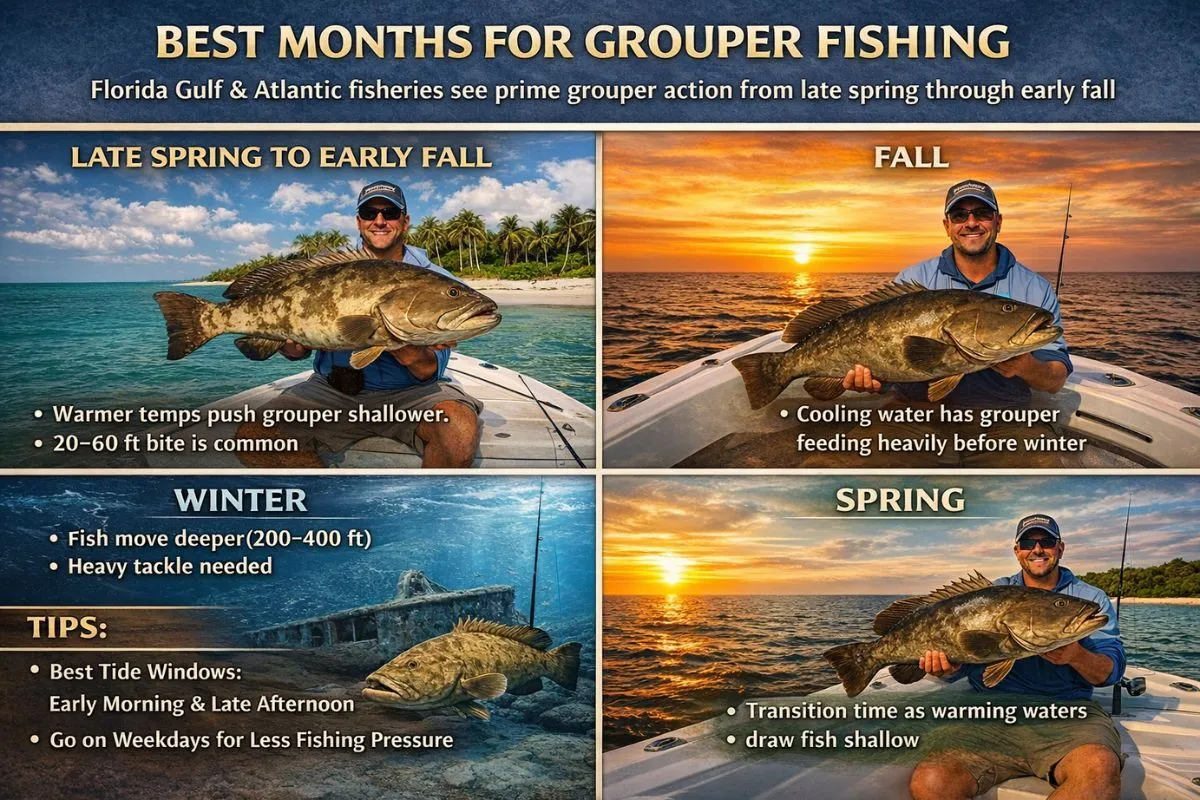
Season sets the depth, and depth sets everything else. Through the warm months, roughly late spring into early fall, grouper push up onto shallower structure, and fish that live at 200 feet in January will sit on rock in 30 to 60 feet in July. That is when the fishery opens up to smaller boats and, in a few spots on the Nature Coast, to anglers fishing water skinny enough to see the bottom. As the water cools in fall, the fish feed hard before the biomass slides back deep, and by winter you are running offshore and dropping on ledges with heavier tackle to reach them.
Temperature is the lever underneath all of it. When the water sits in a range the fish are comfortable in, they feed aggressively and will eat a lure as readily as a bait. Push past that, too hot on the flats in the dead of summer or too cold inshore after a front, and they go off the chew or slide to where the temperature suits them. Read the water temperature and you have read half the puzzle. The rest is tide and pressure: moving water turns fish on, and a spot that has had boats sitting on it all weekend will make you work far harder than one nobody has touched. A second-tier piece of bottom on a strong tide with nobody on it will usually beat the best rock on the coast at slack water behind three other boats.
Where Do Grouper Live
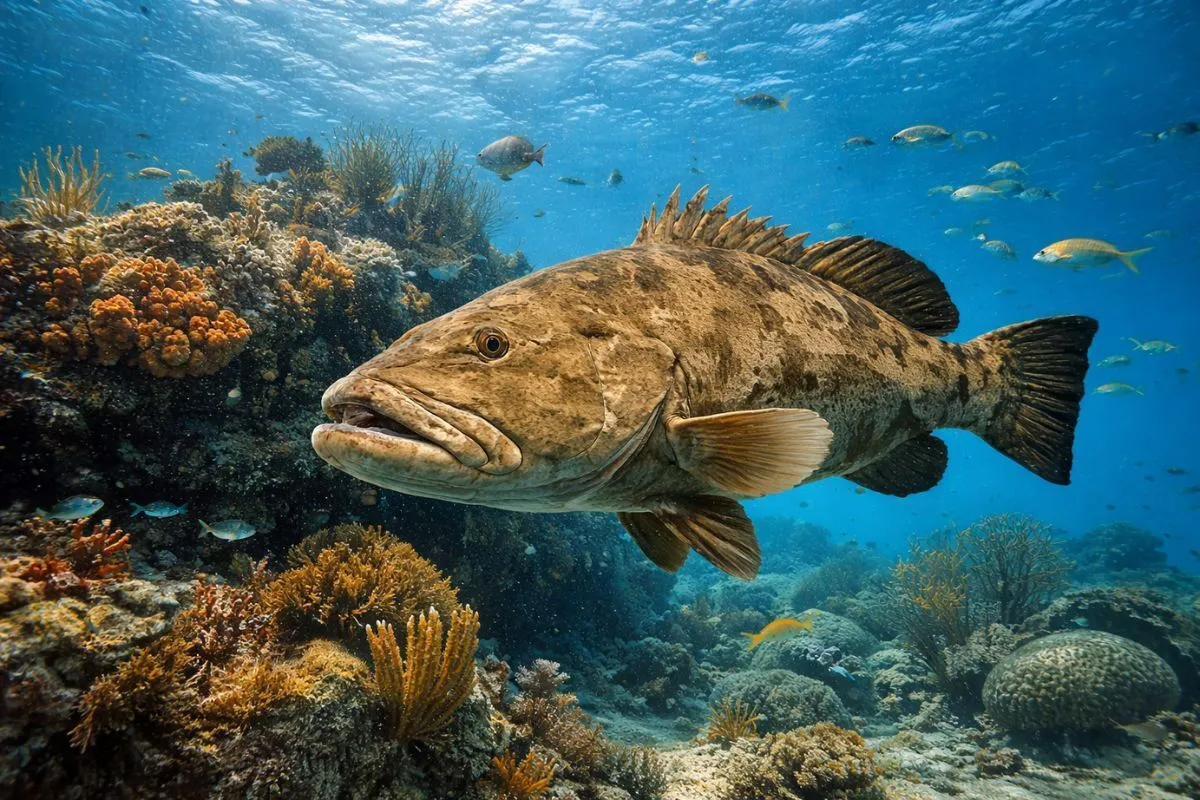
Find the structure and you have found the fish, because grouper do not roam open bottom looking for a meal. They set up on an edge and let the current bring it. In the Gulf, that means limestone ledges, scattered hard bottom, and the man-made stuff, wrecks, platforms, and artificial reefs, from Texas across to the Panhandle and down both sides of the peninsula.
The natural bottom worth your time has a few tells:
- Limestone ledges with a real depth change, a step-down the fish can tuck under
- Rock and hard-bottom outcroppings that break the current and throw shade
- The seam where sand or mud gives way to hard bottom and scattered rock
- Holes and depressions sitting next to otherwise flat bottom
Man-made structure earns its own attention because it stacks fish vertically. A sunken wreck grows into a whole ecosystem and can hold several species at different levels, and fishing one well is a distinct skill, which is why we treat it separately in wreck fishing for grouper. Bridge rubble in a deep pass, an offshore platform, a pile of concrete on an artificial reef number, all of it adds the vertical relief grouper want in otherwise featureless bottom.
None of it matters if you cannot see it, which is why your sounder is the most important tool on the boat. Good sonar with side-scan lets you read whether the bottom is hard or soft, pick out an isolated rock the size of a truck, and tell a loaded piece from an empty one before you ever drop. Mark every ledge and rock and wreck that gives up a fish. Over a couple of seasons those waypoints become the real reason you catch grouper when the guy next to you does not.
Bottom Fishing: The Foundation
Bottom fishing is how most grouper come over the rail, and it is the method to get right before the others. The idea is simple, put a bait on the fish where it lives, but the execution is where people lose fish, because dropping a bait to the bottom and dropping it into the strike zone are two different things.
It starts with the boat. Set up directly over the structure or slightly up-current, so the bait falls onto the fish-holding edge instead of sweeping past it or hanging the first rock it touches. In current or deep water you need lead to hold, commonly 8 to 16 ounces and more when the tide is ripping, because a bait that is not on the bottom is not catching a grouper.
The rig is a sliding-sinker setup and the details matter. Slide an egg sinker on the main line, add a bead to protect the knot, and tie to a swivel. Below it run 3 to 4 feet of leader heavier than your main line, heavy enough to survive being dragged across rock, and finish with a circle hook in the 6/0 to 10/0 range matched to the bait. Hook choice is a real decision on this fishery and it is worked through properly in our resource on hooks for grouper.
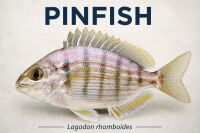
Live bait is the confidence play. A lively pinfish, grunt, or sardine hooked so it swims naturally, dropped straight down and fished tight, gets bit when nothing else will. And here is the part people get wrong: with a circle hook you do not swing. You come tight and wind steadily and let the rod load, and the hook finds the corner of the jaw on its own. Swing on a circle hook and you pull it out of the fish's mouth. Then comes the fight, which is really just the first few seconds done right. Put the drag to it and lift, getting the fish's head up and moving away from the structure before it can turn back into it. Hesitate and it reefs you. There is no finesse to this part. It comes down to heavy tackle, a locked drag, and reacting fast.
Building the Grouper Rig
The rig is where fish are lost, so it is worth being deliberate. The sliding-sinker Carolina-style rig above is the everyday workhorse over open rock and ledge. When the current is really honking or you are fishing tight to a wreck and need the bait pinned, a knocker rig, with the egg sinker riding right down against the hook, keeps you glued to the bottom and in contact through all that line and flow. Build a deliberate weak point into the rig by making the connection above the sinker a touch lighter than everything else, so when you do wedge in the rocks, and you will, you break off a cheap sinker instead of the whole rig and the fish. Match the leader to the bottom: heavier over sharp rock and wreck, lighter where the water is clean and clear and the fish get a long look at everything.
Jigging: The Active Game
Jigging is how you fish grouper when you would rather hunt than wait, and it shines on the aggressive fish, gag and black grouper that will run down a fast-moving target when they are fired up. It also lets you cover a piece of structure and pick out the players instead of soaking one spot.
Speed jigging is the aggressive version: a heavy metal jig, 4 to 12 ounces depending on how deep and how hard the current runs, dropped to the bottom and worked back up in sharp, fast lifts while you keep the line tight and let it flutter on the fall. It is a fleeing-baitfish look, and it draws violent, reaction strikes from fish that will not sit and study a bait. Slow-pitch jigging is the other end, and it has earned its place on this fishery. The asymmetrical jigs are built to slide and flutter on the drop, which is exactly when grouper eat them, so the whole game is short rhythmic lifts, a controlled fall, and staying tight enough to feel the thump the second it comes. In shallower water, roughly 30 to 80 feet, a bucktail or a flair-hawk in the 1 to 3 ounce range hopped along the bottom is deadly on gag, and tipping it with cut bait adds scent to the flash. Color earns its keep in clear water, white and pink and chartreuse are steady, glow shines in the deep and the low light, and a dark jig throws a better silhouette in dirty water.
Trolling: Covering the Shallow Rock
Trolling is the least-used of the three, but on shallow gag in 20 to 60 feet it flat produces. When the fish are scattered across ledges, rock piles, and patch reefs, you cannot drop on every one, so you pull lures across them and let the fish tell you which pieces are holding.
Big diving plugs that get down 20 to 30 feet are the tool, run at 3 to 5 knots along the depth contour so they track just over the bottom and occasionally tick it. That contact is what calls a gag up off the rock to eat. When you need to go deeper than a plug will dive, a planer or a trolling lead gets it down and keeps it there, and a heavy swimbait rolled slowly does the same job with a different action for fish that want something less frantic. Whatever you are pulling, the moment you get a strike or mark a good piece, drop a waypoint and note the depth and speed, because the whole value of trolling is being able to run the exact same pass again.
Other Ways to Catch Grouper
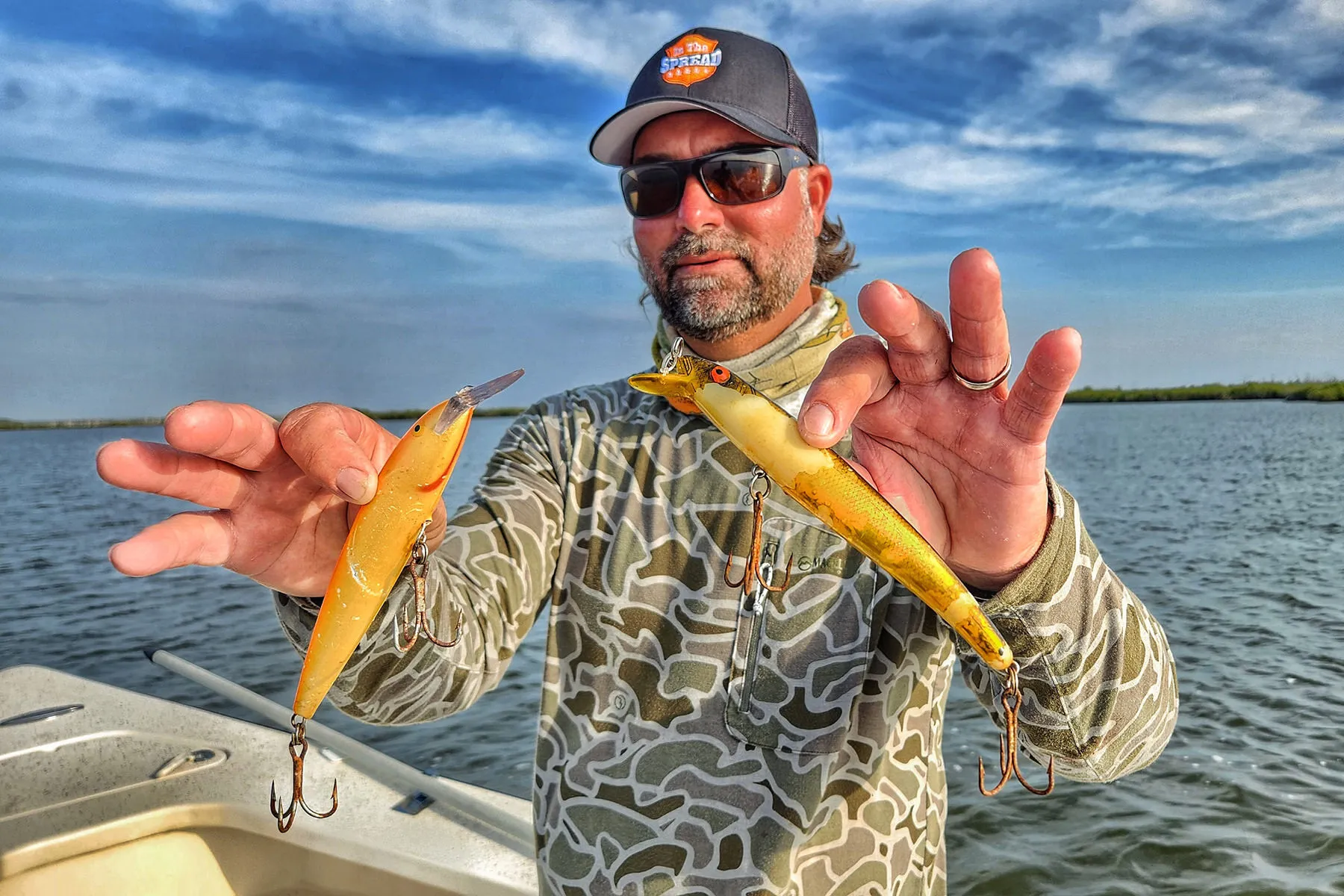
Bottom fishing, jigging, and trolling put most grouper in the boat, but they are not the only ways, and the fish will tell you when to reach for something else. Every one of these lives or dies by the same rule as the rest of the fishery: the bait has to pass close enough to the structure for the fish to commit, and you need the drag to turn it the instant it eats.
Freelining a live bait, a pinfish, grunt, or blue runner sent down with little or no weight, lets it swim naturally toward the structure, and it is deadly on aggressive fish holding up off the bottom in lighter current. Drifting a live bait along a ledge or wreck edge, under a float or freelined, covers scattered structure without trolling, and your electronics reset each pass across the marks. When the fish are reluctant to leave the hole, a chum slick pulls them up and out: start a steady line of cut or ground bait, then send a larger bait down the edge of the slick that the small pickers cannot steal. In shallow, clear water, casting a big jerkbait, swimbait, or plug to visible reef, rock, or mangrove edges and working it back across the ambush points takes gags and blacks that will not sit for a vertical drop. Where you can actually see the fish, sight-casting a bait tight to its holding zone is the most exciting way there is to catch one. And for big fish willing to rise, kite fishing suspends a lively bait at or just under the surface near a drop-off or wreck, which also keeps it clear of sharks and bottom pickers.
Grouper Fishing Videos
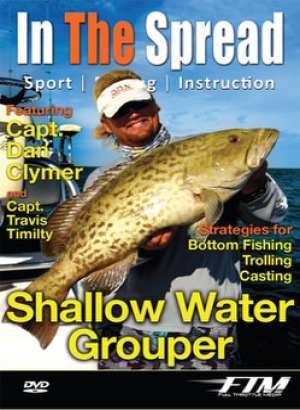
Captain Dan Clymer reveals shallow water gag grouper tactics for Florida reefs. This video covers live bait selection, artificial lure techniques, boat positioning strategies, bottom fishing methods, trolling approaches, and casting techniques for catching grouper in 20 to 60 feet of water.
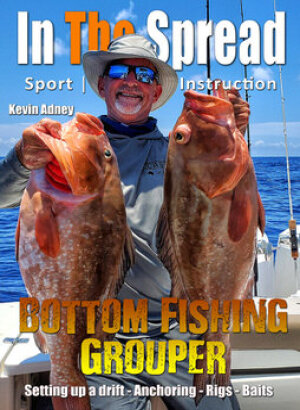
Grouper bottom fishing productivity depends on targeting natural reefs and wrecks where fish concentrate rather than random bottom. Kevin Adney's drift management approach keeps baits working productive structure zones systematically, but success requires understanding how current affects drift speed and positioning presentations where grouper ambush prey rather than sweeping past strike zones or hanging in barren areas between structure features.
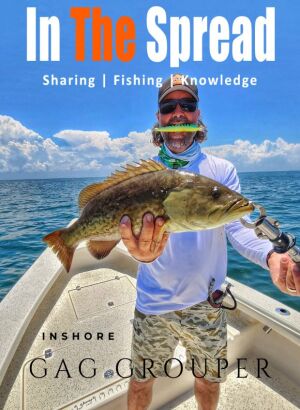
Inshore gag grouper fishing in Florida's shallow waters demands finesse with light tackle using 10 lb braid or heavier setups with diving plugs based on conditions and structure. Captain William Toney's local expertise reveals when jig heads allow delicate presentations versus when diving plugs trigger reaction strikes, plus understanding tide and current effects on fish positioning requiring anchoring strategies for effective presentations.
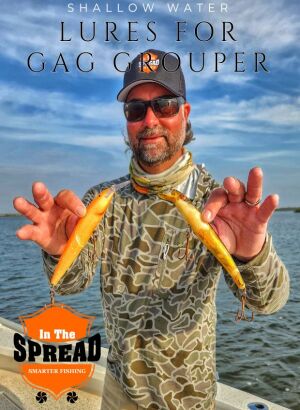
Shallow water gag grouper demand casting lure approaches different from deep fishing because clear conditions allow fish to inspect offerings closely around structure. Captain William Toney's fourth-generation Florida expertise reveals which lure profiles and colors trigger strikes, how boat approach affects spooking wary predators, and technique for extracting powerful grouper from structure before they reach safety.
The Tackle That Turns Them
Grouper tackle is chosen for one job: stopping a strong fish over structure before it stops you. That is a power conversation, not a finesse one. For deep bottom work you want a 6 to 7 foot conventional rod with a heavy or extra-heavy backbone, enough to lift a fish and a lead off the bottom and keep its head coming. A medium-heavy rod handles jigging and the shallower work. Conventional reels are the workhorses because they give you the drag, the cranking power, and the line capacity that heavy grouper fishing demands; a reel holding a few hundred yards of 50 to 80 pound braid has the muscle and the room for a deep drop. Heavy spinning gear is genuinely good for the lighter, shallower work, jigging and casting nearshore rock, but the deep, rugged stuff is conventional country.
Braid is the standard for a reason. The lack of stretch is what lets you drive a hook and lift a fish at depth, and the thin diameter cuts current so your bait gets down and stays down. Forty to 80 pound braid covers most of it, tied to a 10 to 15 foot leader of 50 to 100 pound fluorocarbon or mono for the abrasion you know is coming. Keep your terminal tackle honest, circle hooks from 4/0 to 10/0, egg sinkers from 6 to 16 ounces, good swivels, and a stack of pre-tied leaders, because you will break off in the rocks and the boats that stay on the fish are the ones that can re-rig in ninety seconds and get back down.
What Do Grouper Eat
Live bait out-fishes artificials on most grouper days, because a predator that ambushes for a living rarely turns down a lively, natural meal dropped in its face. Pinfish are the standard and for good reason, they stay alive on the hook and grouper cannot leave them alone, 4 to 6 inches for average fish and 7 to 9 when you are hunting a big one. Grunts are premium bait, especially in the Keys, oily and loud in the water, though harder to keep frisky. Sardines and pilchards work everywhere, fresh far better than frozen, and a big threadfin on a single 8/0 or 9/0 circle hook is a fine way to weed out the small fish and get bit by something worth cranking up.
When live bait is short, fresh cut bait carries you. Bonito, mackerel, and ladyfish cut into 3 to 6 inch chunks throw a scent trail a grouper will track to the hook, and it is the fresh part that matters, day-old cut bait is a distant thing. Squid tips a jig well and adds scent to flash. Matching the bait to the day is a study of its own, handled in our resource on baits and lures for the species.
Best Spots for Grouper: Florida and Beyond
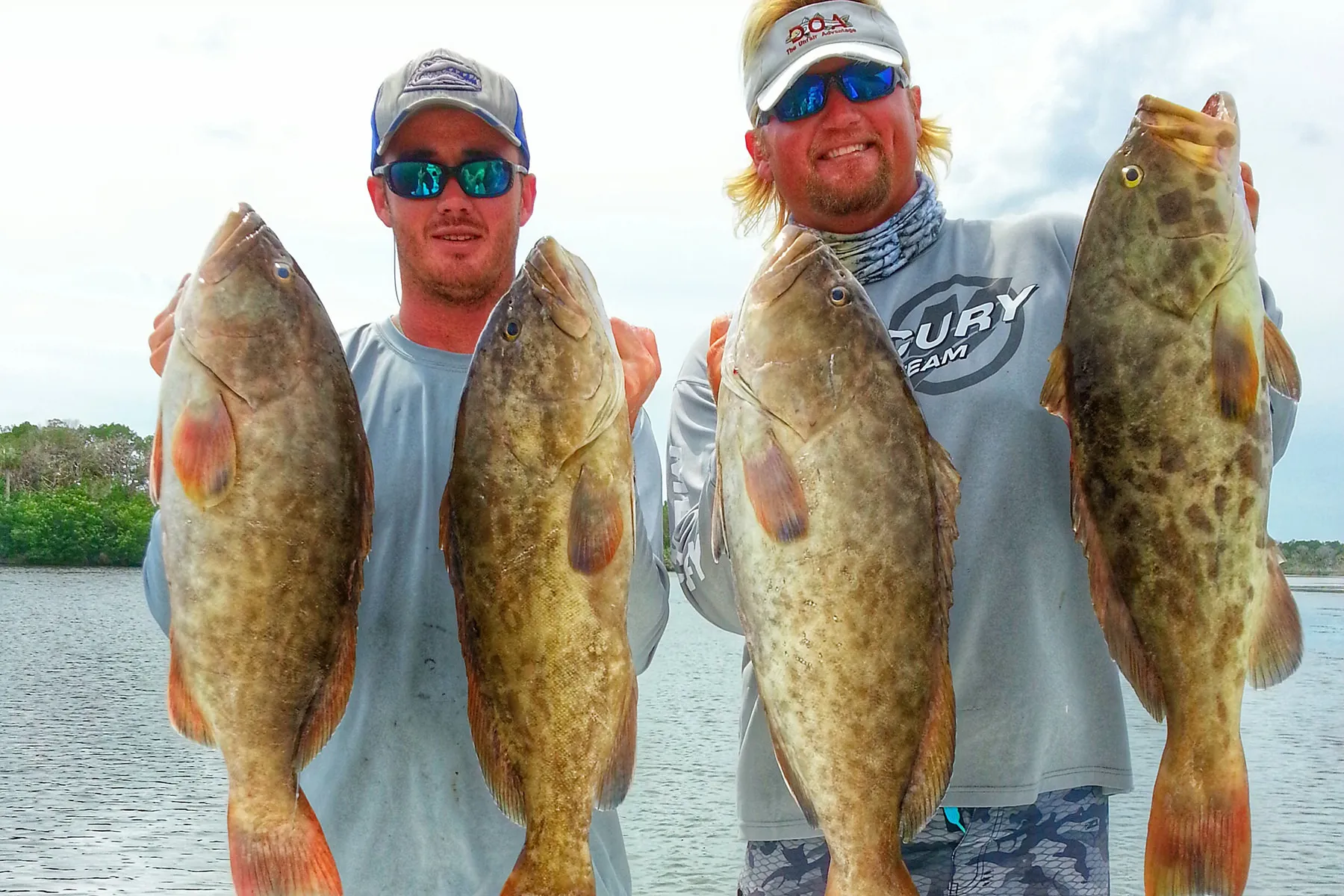
Florida is the center of the grouper world, and the fishing changes character as you move around the state. On the Nature Coast, Crystal River and the Big Bend give you something almost nowhere else does, shallow-water gag on rock and hard bottom in water skinny enough to feel wrong, sometimes mixed right in with grass and sand. It is a genuinely different fishery and it earns its own treatment in our resource on shallow-water grouper on the Nature Coast. Tampa Bay and the central Gulf put strong gag and red grouper on ledges and artificial reefs within a short run of the beach. The Panhandle sits on a wealth of natural limestone and a deep network of artificial reefs holding gag, red, and scamp out in 80 to 200 feet. The Keys give you black grouper on patch reefs and wrecks year-round, often in water clear enough to watch it happen. Beyond Florida, the Alabama and Mississippi reef programs, the Louisiana platforms, and the Texas coast all hold fish for anyone willing to learn the bottom.
Grouper Regulations in Brief
Grouper are managed tightly, with species-specific seasons, size limits, and bag limits that differ between the Gulf and the Atlantic and between state and federal water. Those rules change often and they turn on exactly where you launch and where you fish, so do not take a season date or a size limit off a fishing article, this one included.
Before every trip, confirm the current seasons, sizes, bag limits, and any closed zones directly with NOAA Fisheries and the Florida Fish and Wildlife Conservation Commission. Our full coast-by-coast breakdown lives in the Florida grouper regulations resource, and that is the page to check before you go.
Frequently Asked Questions About Grouper Fishing
How hard is it to catch grouper?
The catching is not the hard part, the landing is. Getting bit takes the right spot and a fresh bait on the bottom. Turning a strong fish out of the rock before it reefs you is where people lose them, and that comes down to heavy tackle, a locked drag, and reacting in the first few seconds.
What time of day do grouper bite best?
They feed through the day, but the low-light hours around dawn and dusk and the moving water on a tide change are your best windows. In deep water, the tide and the structure matter more than the clock.
Can you catch grouper from shore?
In a few spots where deep rock or a channel edge sits close to land, yes, off jetties and bridges. But grouper are a structure fish, and a boat is what gets you to the structure that holds them.
What is the best month for grouper fishing in Florida?
The warm months, roughly June through August, put the most fish in reachable water as they move shallow onto 40 to 100 foot rock. May and September fish well as the transitions on either side.
Putting the Grouper Program Together
Grouper fishing comes back to the same short list every time. Find the structure, get a bait or a jig onto the fish that live on it, carry tackle strong enough to turn them, and win the two seconds after the bite. Everything else, whether you bottom fish, jig, or troll, whether you are on shallow Nature Coast rock or a deep offshore ledge, is just how you apply those four things to the water in front of you. The anglers who fill a box are not fishing a secret. They are prepared before the fish eats, and they do not give it the slack it needs to get home.
Get the fundamentals here into your hands, then go deeper on the offshore program with our breakdown of wreck fishing for grouper.
When you want to watch it done, the grouper video library puts you on the boat with the captains who fish this structure for a living.
Login
to leave a review.
User Reviews

Benjamin
02.05.2024
0

Robert
02.05.2024
0
Complete Dredge Pulley Setup Guide
Saltwater
12.28.2020
High Speed Wahoo Trolling Rig
Saltwater
09.08.2018
Fishing Light Tackle for Yellowfin Tuna
Saltwater
09.08.2018
0