
Spring camping trips often involve catfishing using jugs, limb lines, and trot lines. Cats are abundant in the south, and setting up jugs, limb lines, and trot lines can be a great way to stock the freezer. Live bait, fresh cut bait, and limb lines are effective for flathead catfish.
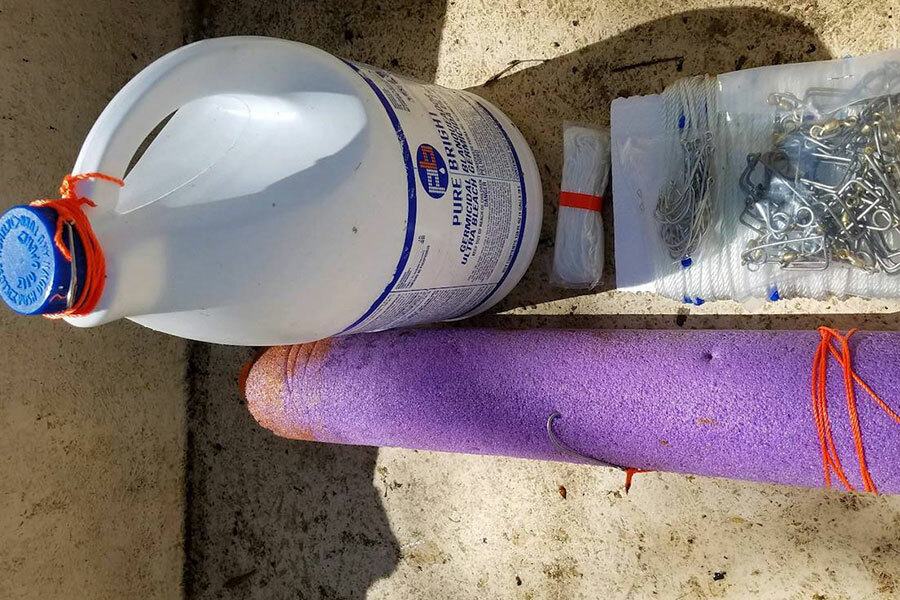
Catfishing Techniques - Jugs and Trot Lines
Anytime I plan a spring camping trip, jug fishing, trot lines, and limb lines are always part of the plan. Cats are plentiful here in the south, and there is no better way to stock the freezer than setting jugs, limb lines, and trot lines. Tennessee-based catfishing instructor Dwayne Hickey has run lines across southern lakes and rivers for decades, and the methods covered here apply wherever channel cats, blues, and flatheads are found.
Having your gear organized before the trip is what separates a good haul from a frustrating night on the water. I have had great catches on the standard 50-hook set trot lines in April and May. You can buy ready-to-go rigs at most any Walmart. Even better catfishing rigs are the home-made lines tied up using strong twine. Here in the nursery capital of the world, I have access to some great trot line material. It takes time and effort to tie a 50-hook set, but these home-made trot lines are durable and when placed in the right spots, they produce mighty fine results.
For deeper instruction on catfish fishing techniques from the water, check out the catfish fishing video courses at In The Spread. Our Fishing Video Courses are taught by the same professional instructors who work these techniques for real.
Running Trot Lines for Catfish
A trot line is a long horizontal line suspended between two anchor points, with a series of shorter drop lines and baited hooks hanging from it at intervals. It is one of the most efficient passive fishing methods for catching multiple catfish overnight.
I like setting lines on the first or second points heading into a creek. Setting lines across or near channels is a great place to get ole whiskers. Bluff areas that transition into rock or mud banks are also productive spots to set lines.
Using Jugs to Suspend Catfish Baits
Jug fishing is a method where a floating container (a jug, bottle, or foam noodle) suspends a baited line at a set depth while drifting freely or anchored. Watching jugs pop and run is one of the most exciting ways to target catfish.
Use the same baits as with a trot line, matched to your target species. In the early and late spring I use fresh shrimp for best results. Fresh cut baitfish is also effective. Set jugs out starting in the backs of creeks and work your way out to main lake points.
- Shrimp and cut bait: set lines three to six feet deep
- Flathead catfish: go down ten feet or deeper as the water in the creeks deepens closer to the main lake
Whether you are using 2-liter bottles or gallon jugs (completely rinsed clean), use a strong swivel attached to the staging line. Catfish are notorious for spinning and making a mess of your line.
- Purchase swimming noodles and cut them to 24-inch sections.
- Cut a piece of 3/4-inch plastic pipe to 26 inches.
- Slide the pipe inside the noodle until it is flush, leaving 2 inches of pipe exposed.
- Drill a small hole in the exposed end of the pipe and insert a small eye bolt.
- Attach your staging line to the eye bolt. Use at least 80-pound line. Heavier is better.
Noodles cost a few dollars more and take more time to rig, but they save a tremendous amount of space compared to gallon jugs and hold up far better over multiple trips.
Setting Limb Lines for Flatheads
A limb line is a single baited line tied directly to a tree branch hanging over the water. The branch acts as a natural spring, absorbing the fight of the fish and signaling a strike when it bobs or pulls down.
The same bait rules apply here. Flathead catfish primarily feed on live fish: sun perch, bluegill, and shad. I tie my lines on stout, limber tree limbs when possible. Full moon periods are among the best times to run limb lines.
Live sun perch are my favorite bait, but anything that stays alive and active works well. Hook through the back and let the perch down about a foot below the surface. The more the bait moves, the more vibrations it puts out. Like a dinner bell for flatheads.
Check Local Regulations Before You Set Lines
Be sure to check local laws pertaining to trot lines, limb lines, and jugs or noodles in your state. Rules vary widely on the number of hooks allowed per line, required identification tags, and seasonal restrictions. Always verify current regulations directly with your state fish and wildlife agency website before heading out.
Catfish Trot Line, Jug, and Limb Line Questions Answered
What is the best bait for flathead catfish on trot lines?
Live bait is the top choice for flatheads. Bluegill, creek minnows, and sun perch work best because flatheads prefer live, moving prey over cut or prepared baits.
What is the best bait for channel catfish and blue catfish?
Fresh cut bait and shrimp are highly effective for channel and blue catfish. Prepared stink baits also work well for channels. Both species are less selective than flatheads and will hit a wider range of offerings.
How deep should you set jug lines for catfish?
For shrimp and cut bait targeting channel and blue catfish, set your jug lines three to six feet deep. When targeting flatheads in creek systems, go ten feet or deeper, especially near the main lake where the water column opens up.
What is the difference between a trot line and a jug line?
A trot line is a fixed line stretched between two anchor points with multiple drop hooks baited along its length. A jug line (or noodle rig) uses a floating container to suspend a single baited hook at a set depth, drifting freely or anchored independently. Trot lines cover a specific zone; jugs can be spread across a broader area.
What is the best time to run limb lines for catfish?
Full moon periods tend to produce well for limb lines. Running lines late at night, around 1:00 a.m., and rebaiting at that time takes advantage of peak catfish feeding activity in low-light conditions.
How do you make a noodle jug rig for catfish?
Cut a foam swimming noodle to 24 inches. Slide a 26-inch section of 3/4-inch plastic pipe through the center until flush, leaving 2 inches exposed. Drill a small hole in the exposed end, insert an eye bolt, and attach your staging line. Use 80-pound line at minimum. The noodle is more compact and durable than a gallon jug and performs better in current.
Get Out There and Run Some Lines
Trot lines, jugs, and limb lines are not complicated, but they reward the angler who puts thought into placement, bait selection, and preparation. Match your bait to your target species, set your depths right, build your rigs to last, and check them on a schedule. Do those things and the cats will come. Spring is prime time in the south, and there is nothing quite like running lines at one in the morning and pulling in a heavy stringer by first light. Get your gear ready, get on the water, and stock that freezer.
Dwayne Hickey is an In The Spread Instructor and experienced muskie and catfishing guide based in McMinnville, Tennessee. His instruction covers practical catfishing methods for southern lakes and rivers.
Dwayne Hickey In The Spread, Instructor
Login
to leave a review.
User Reviews
There are no reviews yet.
Complete Dredge Pulley Setup Guide
Saltwater
12.28.2020
High Speed Wahoo Trolling Rig
Saltwater
09.08.2018
Fishing Light Tackle for Yellowfin Tuna
Saltwater
09.08.2018

0