
Big blue marlin fishing is defined by the places that consistently produce heavyweight fish. Ten destinations worldwide have the combination of deep water, rich bait systems, and low enough fishing pressure to grow and hold fish in the 400-to-grander class. Here is how to tell them apart and when to be there.
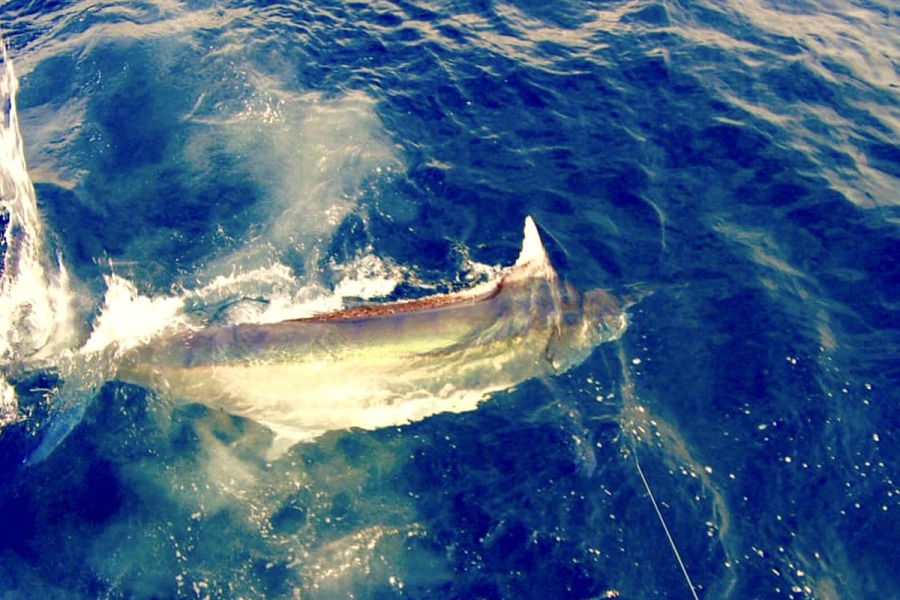
Targeting Big Blue Marlin: The World's Best Destinations
Not all big blue marlin fishing destinations are equal, and most blue water ports do not belong in the same conversation as the handful of places that have a real history of producing heavyweight fish. If a grander -- a blue marlin over 1,000 pounds -- or a legitimate shot at a 500-plus-pound fish is what you are after, the destination decision is the most important one you will make. The right location, fished at the right time of year, puts you in water where fish of that caliber actually exist in meaningful numbers. This breakdown covers the ten destinations that consistently deliver on that standard.
What Makes a Destination Produce Big Blue Marlin?
Any warm-water port with a charter fleet can put you on blue marlin. The destinations that produce genuinely large fish -- fish in the 400-to-600-pound class with a realistic chance at something much heavier -- share a specific set of conditions that go beyond simple fish presence. Here is what separates the places on this list from the rest.
Deep water access close to shore is the single most important structural factor. Large blue marlin live and feed in deep, open water. When the canyon edge or the blue water is within a short run of the marina, you maximize time on productive fish and reduce the logistical grind. Destinations like Kona and Vanuatu put blue marlin habitat within a few miles of the dock, which translates directly into more hours fishing the kind of water where big fish live.
A rich, sustained food chain is what grows big fish. Large blue marlin do not get to 500, 700, or 1,000 pounds on a marginal diet. Destinations that consistently produce heavyweight fish tend to sit on top of serious bait concentrations -- tuna, skipjack, flying fish, squid -- stacked along current edges and thermal breaks that hold fish in the area across seasons.
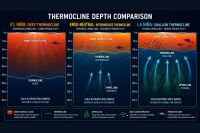
- Sea surface temperature (SST): Blue marlin concentrate where SST holds between 74 and 82°F; the largest fish tend to use the deeper, cooler edges of that band; monitoring satellite fishing maps helps identify the most productive water before you leave the dock
- Current convergence zones: Where the Gulf Stream, Agulhas Current, or Kuroshio Current push warm water against cooler masses, bait concentrates in dense schools and large predators stage along those edges
- Underwater structure: Seamounts, ridges, and canyon walls create upwellings that fuel the food chain at scale; locations where structure concentrates bait in deep, accessible water produce the biggest fish
- Low fishing pressure: The destinations on this list where granders show up most often are also the ones where the fish see fewer boats; Ascension Island and Vanuatu are the clearest examples of how reduced pressure correlates with larger average fish size
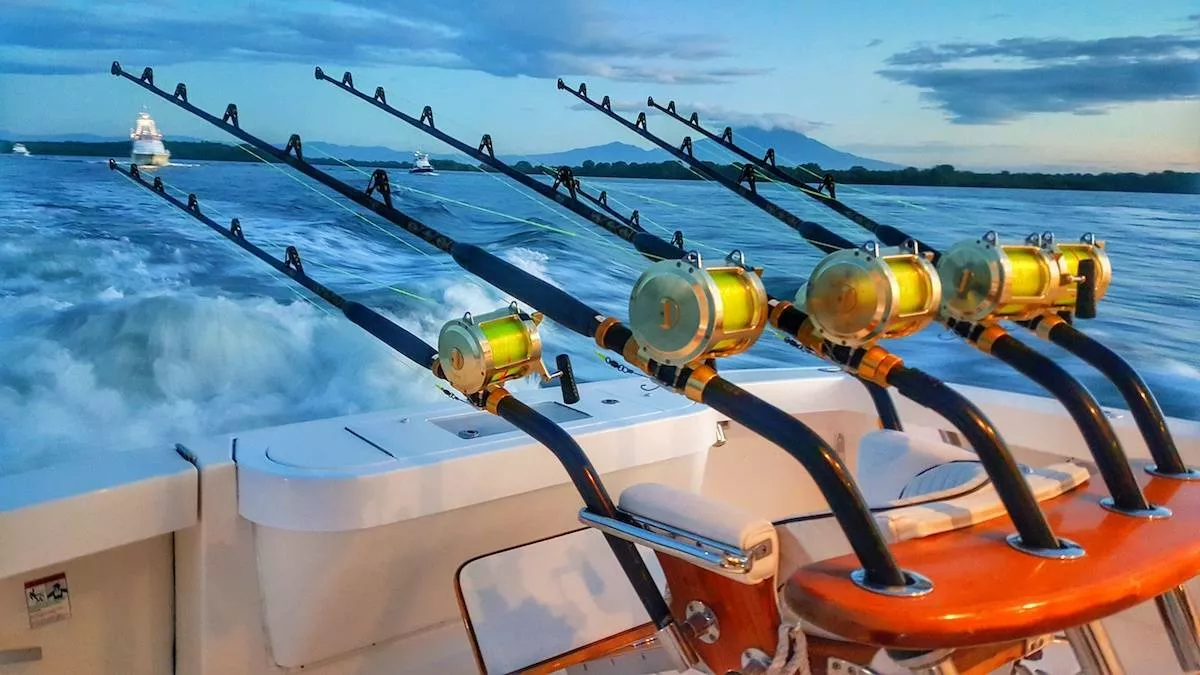
Where Are the Best Places to Catch Big Blue Marlin?
These ten locations have earned their reputations not just for producing blue marlin, but for producing big blue marlin with a documented history of heavyweight catches, granders, and record-class fish. Each has a distinct character and a defined peak season. Each also has a specific reason why large fish concentrate there in numbers that make a serious trip worthwhile.
Ascension Island: Atlantic Granders in the Middle of Nowhere
Ascension Island sits alone in the South Atlantic, roughly equidistant between Africa and South America. Its remoteness is exactly why the fishing is extraordinary. The marlin here grow large -- genuinely large. Multiple granders have been officially weighed at Ascension, and these waters have produced some of the highest-concentration catches of blue marlin over 1,300 pounds recorded anywhere in the Atlantic.
What makes Ascension exceptional is the combination of negligible fishing pressure and nutrient-rich deepwater that supports a robust food chain. Warm currents converge around the island, driving bait concentrations that sustain fish at the top of the water column. You are not competing with crowds here. Access is limited, logistics require planning, and the trip demands real commitment. But for anglers who specifically want a shot at a legitimate Atlantic grander in unspoiled water, Ascension belongs on a very short list.
Azores: Heavyweight Blues in the North Atlantic
The Azores archipelago is one of the most respected big blue marlin fisheries in the Atlantic, and that reputation is grounded in the size of the fish, not just the numbers. The Gulf Stream and North Atlantic Current converge near these volcanic islands, driving bait concentrations across a wide stretch of open water and sustaining a food chain capable of growing blue marlin to serious weight. The fishing grounds here -- including the Condor Bank, the Azores Bank, and the seamounts off Faial -- produce blue marlin in the 400-to-700-pound range with enough regularity that experienced captains plan their seasons around it.
The prime window runs from mid-July through early October, with August and September typically the most productive months for larger fish. Water temperatures peak during this period, bait is thick, and the fish that have been feeding all season carry the most weight. Outside this window, conditions cool quickly and the fishery drops off significantly. Horta Marina on Faial is the main hub for visiting anglers, and charter operations here carry decades of accumulated knowledge about where the big fish stage and how conditions shift through the season.
Bermuda: Gulf Stream Billfishing in the Western Atlantic
Bermuda's position in the western Atlantic -- surrounded by Gulf Stream influence and sitting above a seamount system -- makes it one of the most consistent producers of large blue marlin on the East Coast circuit. June through August marks the peak, with the heaviest fish historically running in July. The track record here is hard to argue with: a blue marlin exceeding 1,352 pounds was landed in Bermuda's waters, and the annual Sea Horse Anglers Club tournament has produced multiple fish over 700 pounds in a single event, the kind of numbers that signal a genuinely heavyweight fishery.
Brazil: Home of the Atlantic Blue Marlin World Record
Brazil holds the IGFA all-tackle world record for the Atlantic blue marlin, and the fish that set it tells you everything about what this fishery is capable of. Paulo Roberto Amorim's fish, weighed off Vitória in 1992, came in at 1,402 lbs 2 oz. That is not a fortunate outlier from a marginal fishery. Brazil's offshore grounds sit along migration routes that move the heaviest Atlantic blues between the northern and southern ocean, and during the austral summer those routes push through water that is warm, deep, and loaded with bait.
The state of Bahia holds significant records for both blue and white marlin, and the offshore tournament circuit out of Rio de Janeiro draws international entries specifically because the fish here have the potential to be enormous. Reliable charter operations run out of multiple ports along a long Atlantic coastline stretching south toward São Paulo. The productive season runs roughly October through March, peaking when water temperatures are highest and the largest fish are most actively feeding.
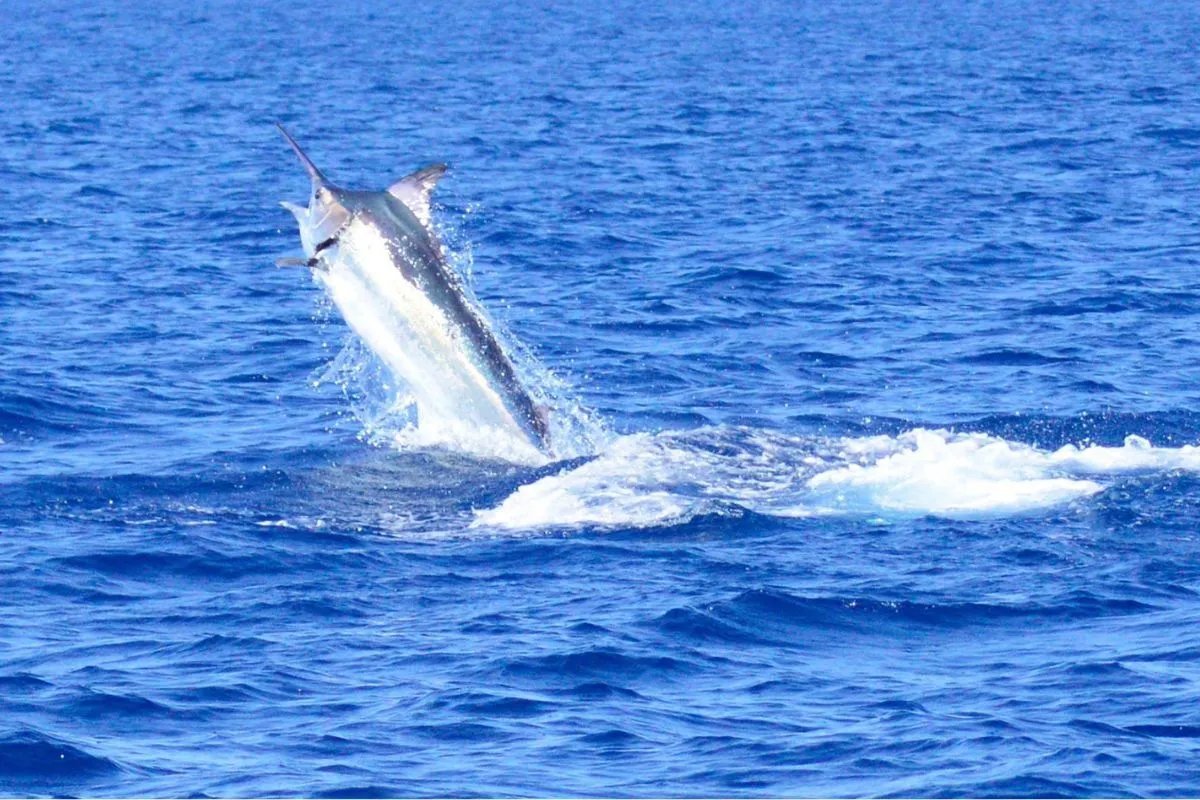
Cabo San Lucas: Deep Pacific Water and Heavyweight Potential
Cabo San Lucas sits at the southern tip of Baja California, where the Pacific Ocean and the Sea of Cortez converge. That geography creates some of the most accessible big blue marlin fishing in the eastern Pacific, with deep water within a short run of the marina and a current-driven bait system that attracts large fish throughout the season.
Cabo San Lucas blue marlin fishing targets a mix of striped, blue, and black marlin, but it is the blue and black marlin -- fish that regularly push 400 to 600 pounds and occasionally run much heavier -- that draw serious big-game anglers from around the world. The Bisbee's Black and Blue Tournament, held annually in late October, is one of the most prestigious marlin events in the world, and the fish entered in that event are consistently among the largest caught anywhere in the Pacific that season. Deep water is accessible within a short run from the marina, the charter fleet is large and experienced, and the infrastructure for visiting anglers is the most developed on this list.
Cape Verde: Large Blues on a Long Season
Cape Verde's position in the central Atlantic places the archipelago directly in the migration path of large blue marlin moving through the region. What sets it apart from many Atlantic destinations is the length of the season: fish are present year-round, with peak action generally running from March through August and often extending into October. That extended window is a meaningful advantage for anglers who cannot pin their travel to a narrow two-month peak.
The water around the islands is warm, deep, and capable of sustaining fish to substantial size. Cape Verde blue marlin fishing regularly produces quality fish in the 300-to-500-pound range, and the fishery has drawn enough serious attention from the international big-game community that local charter operations have grown steadily to accommodate visiting anglers from Europe and North America. Sustainable fishing practices have been increasingly adopted in recent years, which supports the long-term health of the fishery and the size structure of the fish population.
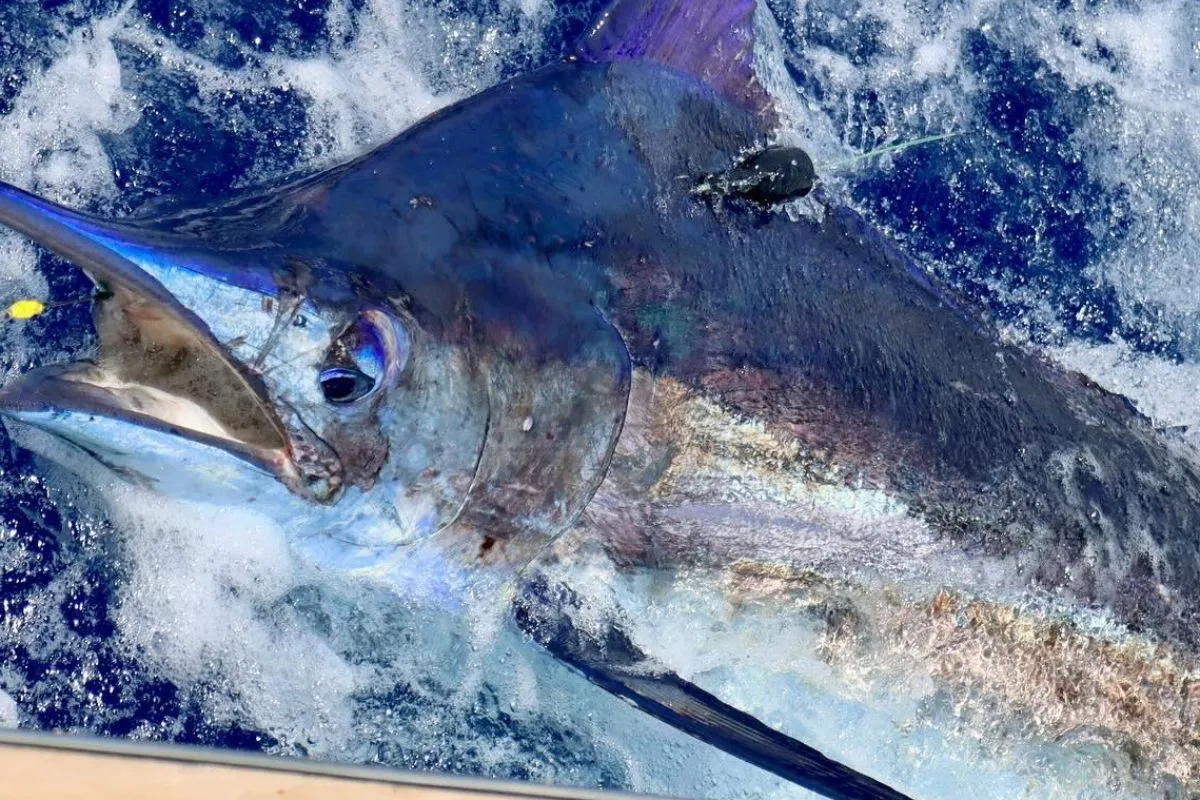
Kona, Hawaii: The Pacific Blue Marlin Standard
Kona, on the Big Island of Hawaii, is the benchmark against which every other Pacific blue marlin fishery is measured. The underwater topography here is exceptional -- the ocean floor drops thousands of feet within a mile or two of shore in some areas, putting blue marlin habitat immediately accessible from Honokohau Harbor. That proximity to deep water is a structural advantage that very few destinations can match.
The fishery is productive year-round, which sets Kona apart. While April through September generally produces the highest numbers of fish, granders have been caught in every month of the year. The IGFA Pacific blue marlin all-tackle world record -- 1,376 pounds -- was caught off Kona in 1982, and no Pacific port has come close to matching its documented grander count since.
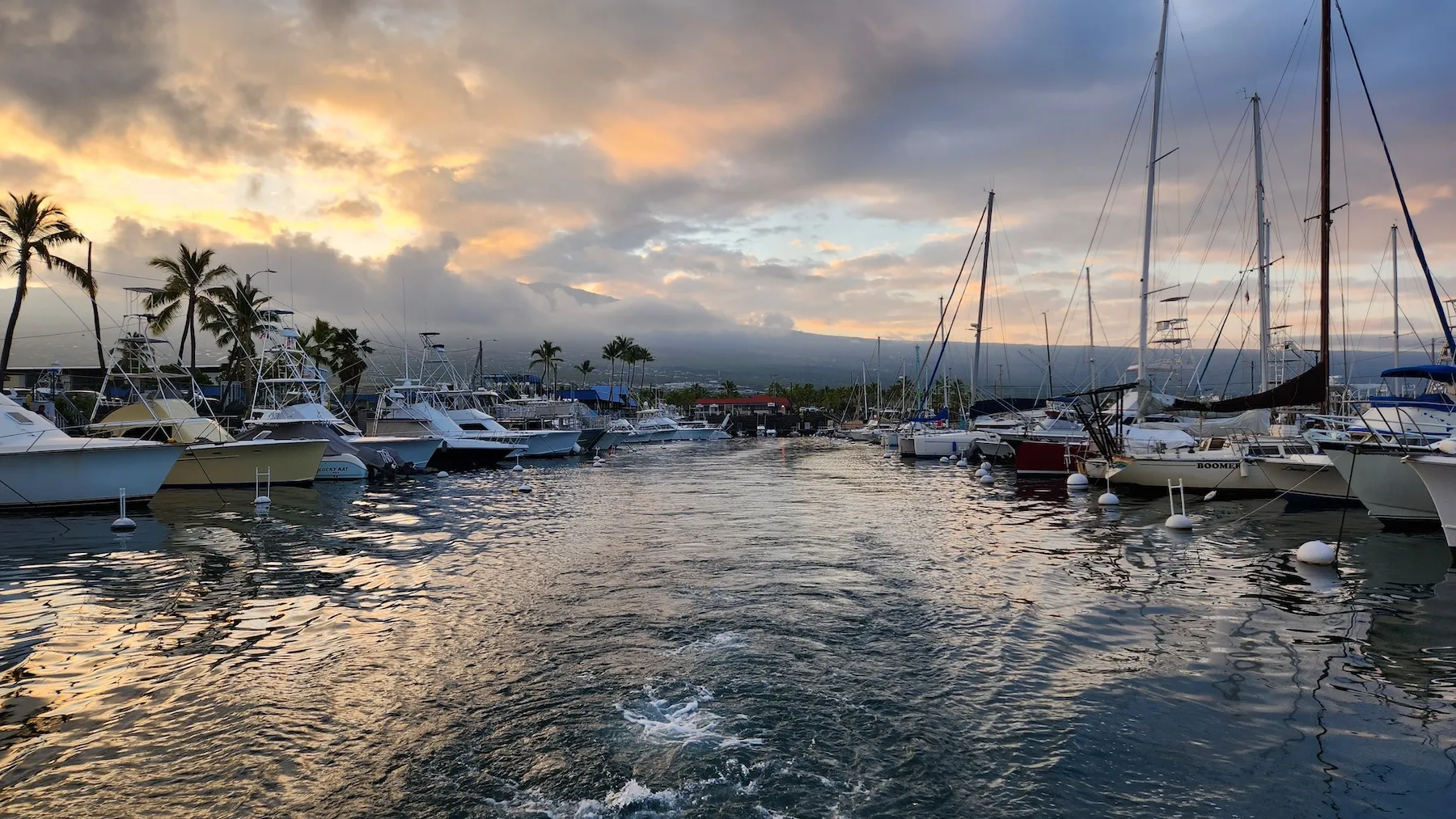
Madeira: Deep Water, Big Fish, and a Long Tradition
Madeira's position in the eastern Atlantic puts the islands at a natural convergence point for large blue marlin moving through the region. Crucially, the deep water here comes close to shore, which means less running time and more hours fishing productive water. The subtropical climate keeps conditions fishable across most of the year, and the Madeira blue marlin season peaks from June through October, with the heaviest fish typically showing in late summer when bait concentrations are highest.
The local fishing tradition runs deep. Madeiran captains have been specifically targeting big blue marlin for decades, and that accumulated knowledge is one of the fishery's most valuable assets. The record books here include fish of exceptional size, and Madeira's standing in the international big-game community has grown steadily on the strength of those catches. For European anglers, it is often the most accessible world-class destination for large blues, with direct flights from most major European hubs and a charter infrastructure built specifically around serious offshore fishing.
Mauritius: Indian Ocean Blue Marlin Giants
Mauritius may be the least-discussed destination on this list among North American anglers, but the fish here are extraordinary. A blue marlin weighing 1,355 pounds was caught off the island's western coast -- among the largest blue marlin ever recorded worldwide -- and the Indian Ocean fishery around Mauritius consistently produces fish of exceptional size during the peak season.
Vanuatu: Big Fish, Low Pressure, and the Marlin Highway
Vanuatu is one of the most compelling arguments for the relationship between fishing pressure and fish size. An underwater canyon system runs the length of the archipelago, creating deep-water access close to shore and consistent upwellings that keep bait concentrated along a predictable path. This feature, known among visiting anglers as the Marlin Highway, is what gives Vanuatu its reputation for big blue marlin fishing in the South Pacific.
The fish here are less pressured than at almost any other destination on this list, and that shows in both their behavior and their size. Anglers who make the trip consistently report that the blues are aggressive and that the fishery regularly produces fish in the 300-to-600-pound class. The year-round warmth keeps the fishery accessible throughout the calendar, with many operators highlighting June through November as especially productive for blue marlin and the March through May window offering strong mixed-species fishing alongside steady marlin action.
Learn Blue Marlin Fishing From Top Pros
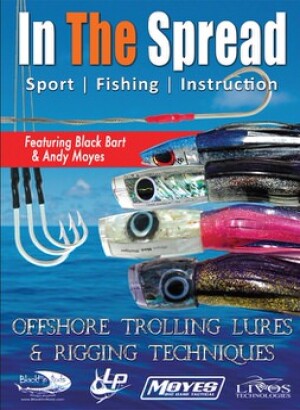
Marlin lure rigging approaches vary among top offshore anglers because different sea conditions, strike patterns, and fishing styles favor distinct techniques. Jack Tullius, Andy Moyes, and RJ Boyle present their rigging methods across three videos, explaining why expert perspectives differ and what factors should drive your own rigging decisions for specific offshore applications.
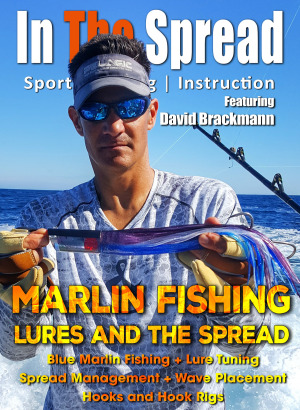
David Brackmann reveals blue marlin trolling spread strategies based on physics principles. This video covers first lure selection for speed regulation, wave position and prop wash placement, tag line systems with dacron loops, lure swimming cycles, head design considerations, and rigging methods that improve hook-up ratios.
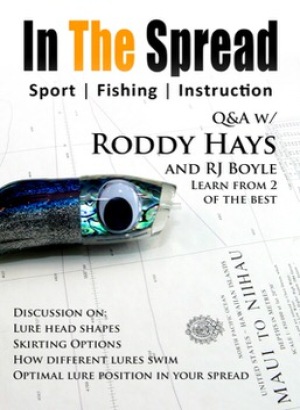
Roddy Hays and RJ Boyle reveal trolling lure fundamentals for offshore big game fishing. This video covers head shape characteristics and how they affect performance, lure design innovations for pelagic species, beginner-friendly selection strategies for blue marlin, and matching lures to conditions and target species.
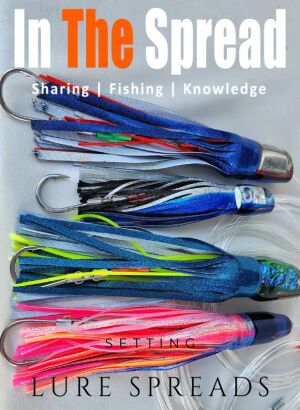
Calm water marlin fishing demands lure spread configurations different from rough sea presentations, with principles applying beyond Hawaii to any flat-condition fishery. Kevin Hibbard and Kris Ishibashi reveal how Omni sonar technology transforms blind trolling into informed spread adjustments, plus optimal wave positioning for different lure types creating balanced coverage where each lure maintains proper action throughout the spread.
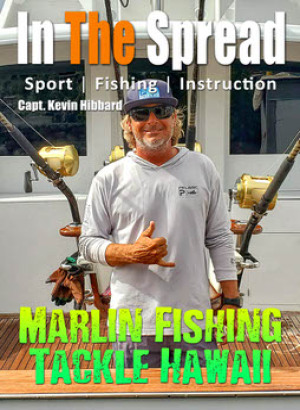
Blue marlin fishing unpredictability demands tackle capable of handling 1200-pound giants even when targeting average-sized fish. Premier destinations produce big marlin frequently enough that Captain Kevin Hibbard emphasizes reel capacity, drag systems, and mainline strength must handle sustained runs and extreme pressure rather than gambling on lighter setups adequate for smaller fish but inadequate when mama strikes without warning.
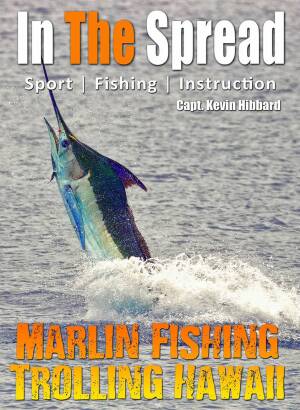
Blue marlin trolling effectiveness depends on using satellite data to locate temperature breaks and current convergences concentrating bait, then interpreting tuna and porpoise signals revealing real-time feeding activity. Kevin Hibbard's techniques for positioning lures relative to bait schools in open water versus around structures create systematic approaches rather than random trolling hoping to intersect marlin patrolling productive zones.
When Is the Best Time to Target Big Blue Marlin?
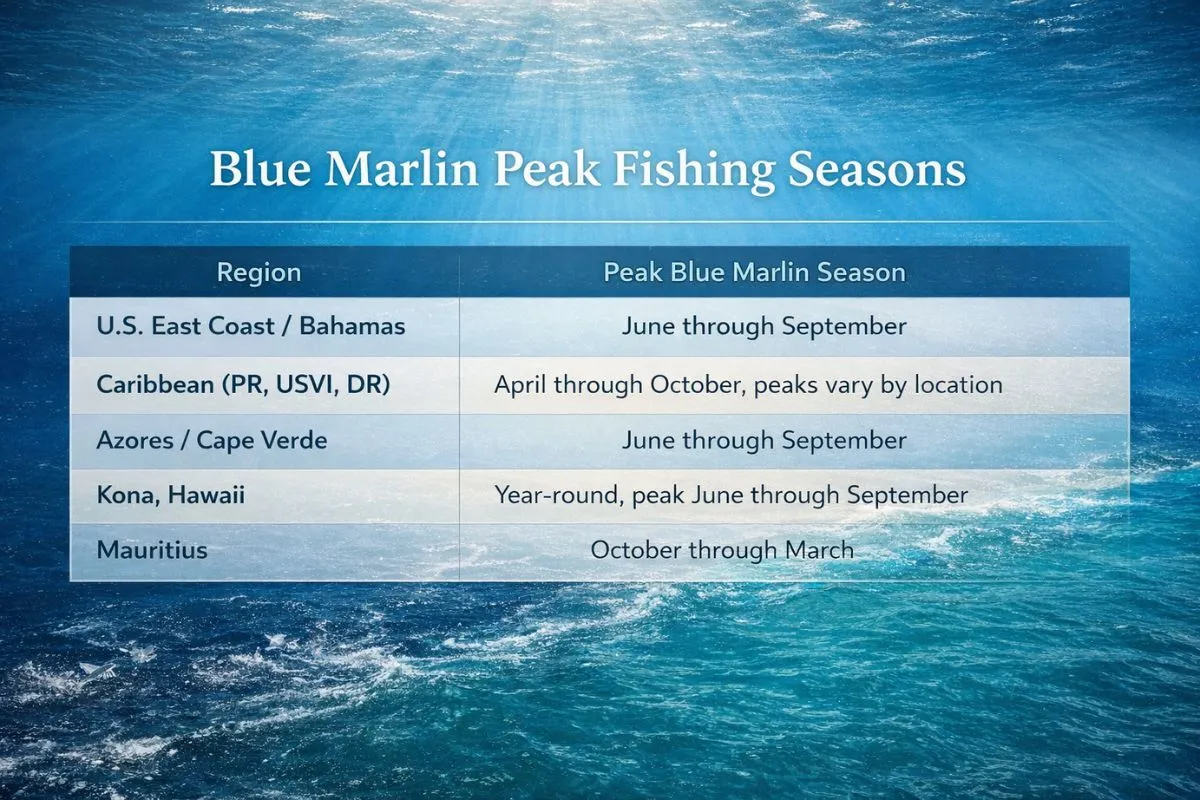
Peak season timing matters more when you are specifically after large fish. At most destinations, the heaviest blues of the season show when water temperatures are at their peak, bait concentrations are densest, and fish have had the most time to feed and build weight. Here is a consolidated seasonal reference, with the windows where the biggest fish historically concentrate noted where that data exists:
- Ascension Island: Year-round access, with best conditions and the heaviest fish typically during austral summer months
- Azores: Mid-July through early October; the largest fish historically concentrate in August and September when bait peaks
- Bermuda: June through August; July tends to produce the heaviest blues of the season
- Brazil: October through March; the biggest fish concentrate when austral summer temperatures are highest, typically December through February
- Cabo San Lucas: Year-round, with the largest blues and blacks showing most consistently September through November during the Bisbee's tournament season
- Cape Verde: Fish present year-round; peak action and best size potential March through August, often extending into October
- Kona, Hawaii: Year-round; granders have been documented in every month, with April through September producing the most consistent action on large fish
- Madeira: June through October; late summer into early fall produces the heaviest fish
- Mauritius: December through March; the largest fish, including the documented 1,355-pound fish, have come during this austral summer window
- Vanuatu: Year-round, with notably strong big blue marlin fishing June through November and very good mixed-species action March through May
Water temperature is the best real-time indicator regardless of destination. Monitoring satellite fishing maps and SST data before a trip is one of the highest-return preparation habits you can build. Blue marlin concentrate where surface temperature holds in the 74 to 82°F range and where bait is actively stacked by current edges and structure.
Tackle and Techniques for Big Blue Marlin
Targeting heavyweight blue marlin requires gear built for that specific purpose. At every destination on this list, the dominant technique is trolling, but the lure selection, spread geometry, hook systems, drag settings, and boat driving required to handle a 400-to-600-pound fish -- let alone a grander -- are meaningfully different from general offshore trolling. Heavy tackle, correctly rigged and set up for the fish you are targeting, is not optional.
For a solid foundation in big blue marlin lure rigging and trolling, In The Spread has course content covering both Pacific and Atlantic approaches. Rigging blue marlin lures with RJ Boyle covers core Atlantic rigging setups built for large fish, while offshore fishing trolling lures and rigging techniques lays out the broader principles that apply across destinations. For rigging with vinyl skirts specifically, rigging blue marlin lures with vinyl skirts and Sta-Stuk hooks is a detailed breakdown from Kevin Hibbard. And because boat driving is one of the most underappreciated elements of fighting big fish, boat driving skills for blue marlin with Kevin Hibbard is worth working through before any serious blue marlin trip.
A note on destinations not covered here: the Canary Islands, the Gulf of Mexico rig fishery off the U.S. coast, and West African ports including Sao Tome and Senegal are all legitimate blue marlin fisheries with their own track records. They did not make this list, but any of them can produce quality fishing and are worth researching if your schedule or geography points that direction.
Learn More About Blue Marlin Fishing
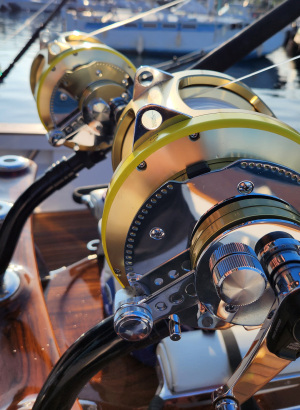
Deep sea fishing is not just a longer offshore trip. It is a different category entirely, defined by depth, distance, and the kind of fish that live beyond the continental shelf. Marlin, swordfish, bluefin tuna, and wahoo operate in a world apart from inshore and nearshore species. Here is where those lines are actually drawn.
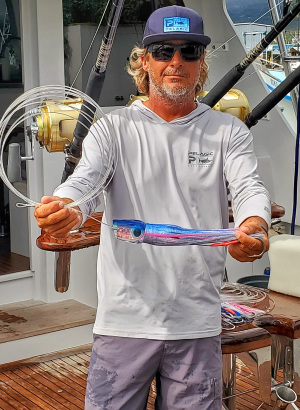
The difference between raising blue marlin and catching them is often the rigging. Learn how captains choose lure heads and skirts, build leaders and stiff rigs, set a five-rod spread, and match the spread to sea state, current, and forage on the water.
Proper offshore trolling lure rigging separates successful anglers from those who return empty-handed. Learn proven techniques for rigging marlin, tuna, and wahoo lures with step-by-step instructions, species-specific strategies, and expert tips that significantly improve your hookup ratios on every offshore fishing trip.
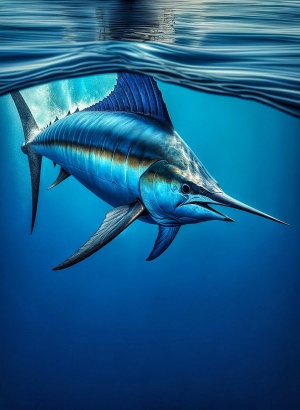
Not every blue marlin port produces big fish. The destinations that consistently yield granders and heavyweight blues share specific environmental traits that separate them from ordinary fisheries. Ten locations worldwide check every box, backed by documented records and the seasonal windows when the biggest fish are most reliably in range.
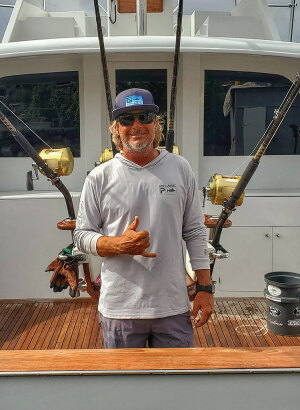
Captain Kevin Hibbard's decades of commercial fishing and marlin expertise make him one of Kona's top blue marlin captains. His trolling techniques, lure selection strategies, and ability to read Hawaiian currents produce consistent results in the world's most productive blue marlin fishery year-round.
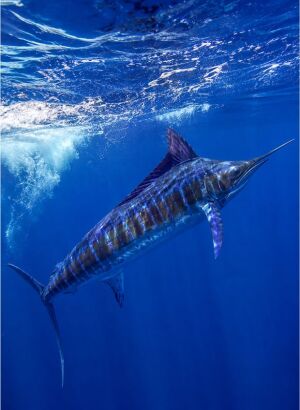
What separates a productive blue marlin crew is rarely the boat. It is trolling speed dialed to the sea, lures matched to the forage, teasers and drag worked at the right moment, and a driver who keeps pressure on a jumping fish. Here is how those decisions come together offshore.
FAQ: Targeting Big Blue Marlin Worldwide
Where is the best place in the world to catch big blue marlin?
Kona, Hawaii leads the conversation based on documented grander count, year-round access, and deepwater geography within a short run of the marina. In the Atlantic, Brazil holds the world record, Ascension Island has produced some of the highest concentrations of fish over 1,300 pounds ever recorded, and Bermuda and the Azores regularly produce fish in the 400-to-700-pound range during their respective peak seasons.
What is a grander blue marlin?
A grander is a blue marlin weighing 1,000 pounds or more. They are rare even at the top destinations on this list. Ascension Island, Bermuda, Brazil, Kona, and Mauritius all have documented grander catches. The IGFA Atlantic record stands at 1,402 lbs 2 oz and the Pacific record at 1,376 lbs, both from destinations on this list.
What makes certain destinations produce bigger blue marlin than others?
The largest blue marlin consistently come from places where deep, productive water is accessible close to shore, fishing pressure is relatively low, and the food chain is rich enough to sustain fish to exceptional weight over time. Ascension Island and Vanuatu are the clearest examples of how low pressure correlates with large average fish size. Brazil and Kona combine low pressure on the heaviest size classes with exceptional bait systems.
What water temperature is best for big blue marlin?
Blue marlin are most active in water ranging from 70 to 85°F (21 to 29°C), with the bite most consistent between 74 and 82°F. The heaviest fish often orient toward the deeper, cooler edges of that thermal band. Surface temperature breaks -- where warm and cooler water meet -- concentrate bait and are consistently the most productive areas to fish.
What tackle do you need for big blue marlin?
Heavy offshore trolling gear is required. Most serious captains targeting large fish at destinations like Kona, Bermuda, or Brazil use 80-wide or 130-wide class reels loaded with heavy mono or multi-strand, matched to rods rated for the line class. Drag settings, hook systems, and spread geometry all need to be calibrated specifically for fish in the 400-plus-pound range. Working through instruction from captains who fish these destinations before your trip is one of the most productive preparation steps you can take.
Do I need a local guide for international big blue marlin fishing?
Yes, without exception. Local charter captains at these destinations carry knowledge of the specific current edges, seamount positions, temperature breaks, and seasonal bait patterns that concentrate large fish. At remote locations like Ascension Island or Vanuatu, local connections are also essential for access itself. This is not a fishery where you figure it out on your own.
What is the best way to prepare for a big blue marlin trip?
Build your technical foundation before you go. The In The Spread library of blue marlin fishing video courses covers lure rigging, spread setup, trolling technique, boat driving, and tackle selection for large fish, taught by working captains including Kevin Hibbard in Kona, RJ Boyle, and David Brackmann. Arriving with that knowledge already in place lets you focus on reading conditions and executing, rather than learning basics on the water.
Login
to leave a review.
User Reviews
There are no reviews yet.
Setting Up a Dredge Pulley for Billfish
Saltwater
12.28.2020
High Speed Wahoo Trolling Rig
Saltwater
09.08.2018
Fishing Light Tackle for Yellowfin Tuna
Saltwater
09.08.2018

0