
The musky is branded a northern fish, but that reputation is more about perception than biology. Cory Allen has spent close to two decades proving it wrong on Tennessee's highland water, where elevation offsets latitude and big muskie live in places most anglers drive right past.
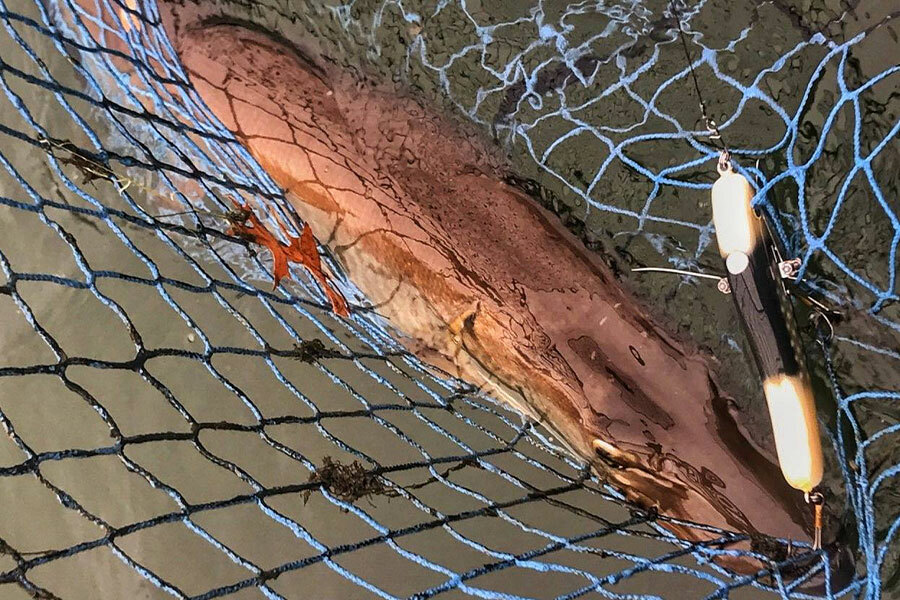
Why Muskie Thrive in Tennessee's Highland Water
Musky Fishing Tennessee: Southern Waters Nobody Talks About
Say "muskie fishing" to most anglers and their mind paints the same picture. Pine trees. A small, clear lake. Maybe a loon calling somewhere. And it's always set "up north."
I get it. That's the archetype. But here's what nearly two decades of chasing these fish has taught me: that picture is incomplete, and it's costing you fish.
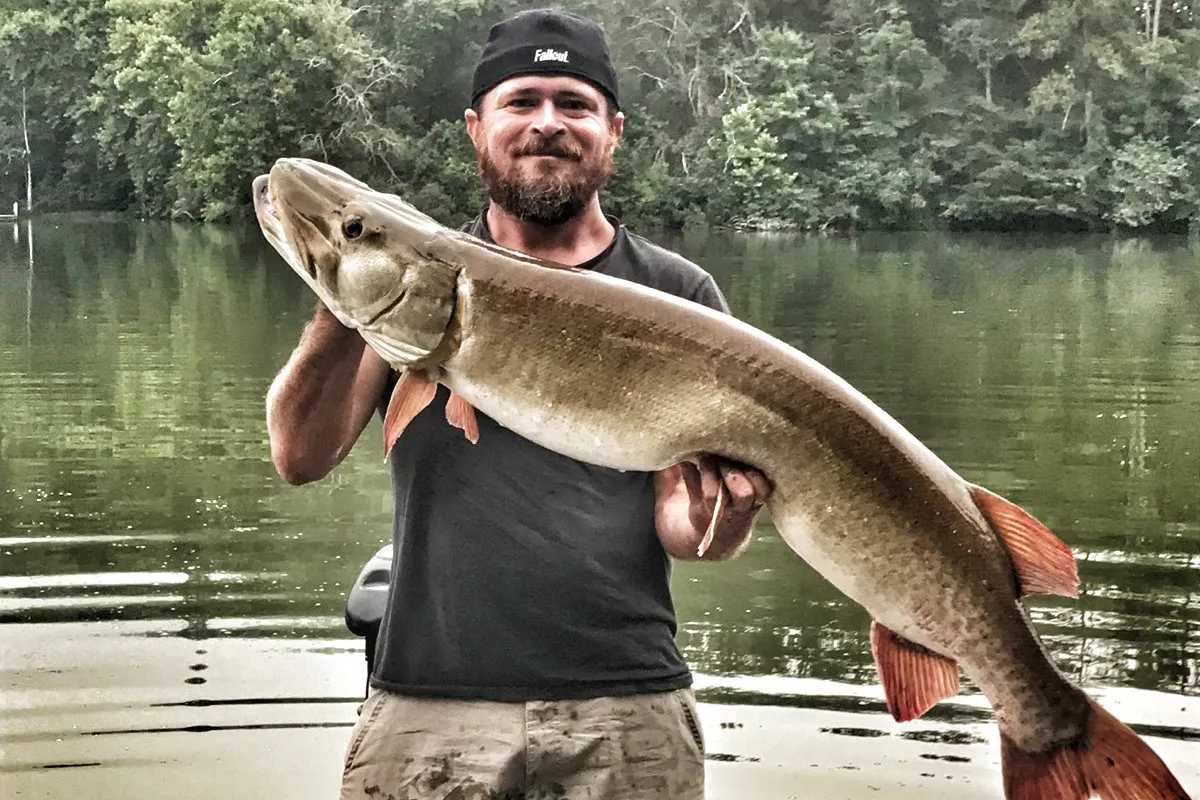
Can You Catch Musky in the South?
Yes. And not just stocked holdovers clinging to life in marginal water. Tennessee holds legitimate, self-sustaining musky fishing populations that most anglers don't even know exist.
When I first arrived in Tennessee nearly 20 years ago, drawn by my study of brass instruments and not by fishing, I stumbled into what I can only describe as a geocache of relatively untapped muskie water. Whatever information existed was anecdotal at best, and the rest was shared only in whispers. If someone saw you casting big rubber on a Tennessee reservoir back then, they assumed you'd wandered out of an institution.
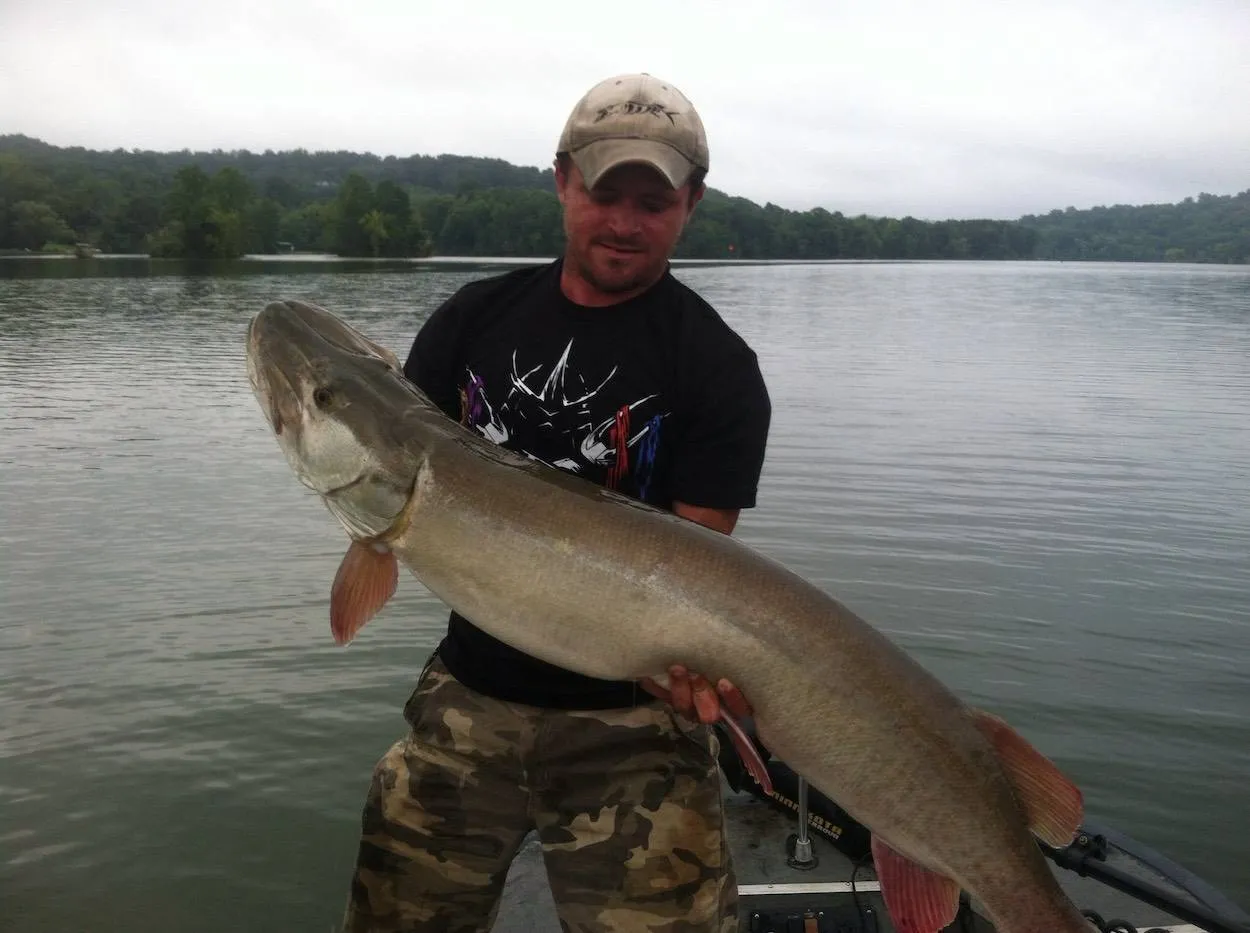
Why Is Tennessee Overlooked for Muskie Fishing?
Perception. Pure and simple. Kentucky marketed itself as a musky fishing destination through sheer force of will, and it worked. Tennessee, sitting right next door with arguably more untapped water, stayed off the radar. Places in the state that now see so much seasonal musky angling traffic they might as well install turnstiles were once completely ignored.
What Makes Southern Musky Fishing Different?
Fishing for muskies in the South requires a shift in how you think, not just where you fish. The conditions that create productive musky water in Tennessee are influenced by factors that don't always align with northern playbooks:
- Elevation-driven water temperatures keep tailwaters and highland reservoirs in the musky comfort zone even during summer months
- Longer growing seasons mean Tennessee muskies can feed aggressively across more of the calendar year than their northern counterparts
- Diverse forage bases including gizzard shad, skipjack herring, and stocked trout create unique feeding behavior that rewards creative presentations
- Lower angling pressure on many Tennessee waters means fish that haven't been educated by heavy traffic
How Does Elevation Affect Musky Habitat?
Muskies require dissolved oxygen levels and water temperatures that you typically find at higher latitudes. But elevation compresses those climate zones. A highland reservoir in eastern Tennessee at 1,500 feet of elevation can produce water conditions remarkably similar to a natural musky lake in Wisconsin or Minnesota.
Cory Allen's Muskie Fishing Courses










Think Different, Fish Different
Here's my challenge to you. Stop thinking about musky fishing as a geography and start thinking about it as a set of conditions. Water temperature, dissolved oxygen, structure, forage availability, and current. Those variables exist anywhere the right elevation and hydrology come together, and Tennessee has them in abundance.
The best musky water you'll ever fish might be the water nobody told you about. Turn around, open your eyes, and go find it.
Frequently Asked Questions About Musky Fishing in the South
How far south do muskies live?
Muskies are found as far south as Tennessee and northern Georgia, primarily in highland reservoirs and tailwater systems where elevation keeps water temperatures within their preferred 60 to 72 degree range.
What is the best time of year for musky fishing in Tennessee?
Tennessee's musky season runs nearly year-round, with peak activity during the fall transition (October through December) and again in spring as water temperatures climb through the 50s. Longer growing seasons give southern anglers more fishable days than most northern waters.
What lures work best for southern muskies?
Glide baits, large swimbaits, and spinner baits jigged through structure all produce in Tennessee waters. Matching the local forage, particularly gizzard shad and skipjack herring, is more important than defaulting to what works up north.
Is musky fishing in Tennessee good for beginners?
Tennessee offers excellent opportunities for anglers new to musky fishing, with lower pressure and less educated fish compared to heavily fished northern waters. Starting with a knowledgeable guide or structured video instruction can dramatically shorten the learning curve.
Login
to leave a review.
User Reviews
There are no reviews yet.
Complete Dredge Pulley Setup Guide
Saltwater
12.28.2020
High Speed Wahoo Trolling Rig
Saltwater
09.08.2018

Fishing Light Tackle for Yellowfin Tuna
Saltwater
09.08.2018


0