
Snook are Florida's most demanding inshore species: intelligent, structure-dependent, and completely tuned in to tides and temperature. This article covers where to find them through every season, which baits and techniques actually produce, how night fishing changes the game, and what the current FWC regulations require on both coasts.
Fishing for Snook in Florida
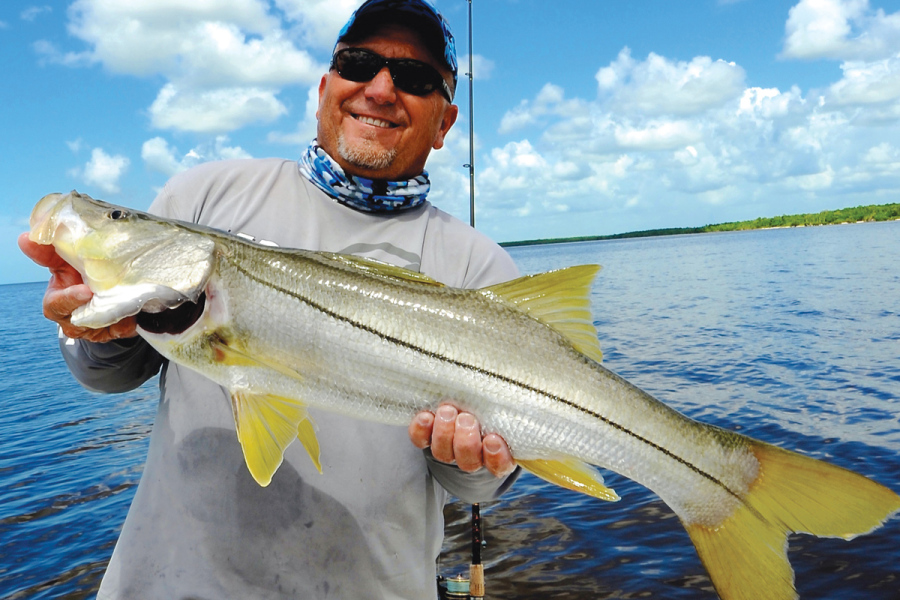
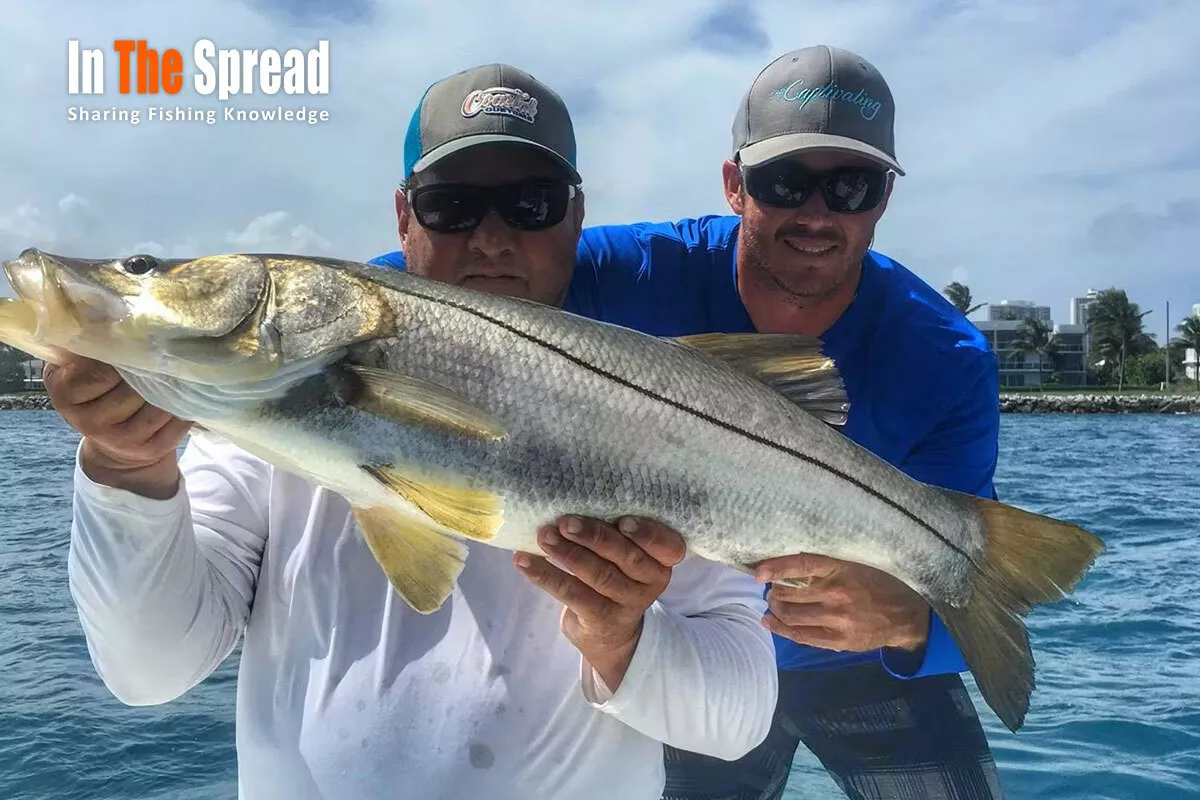
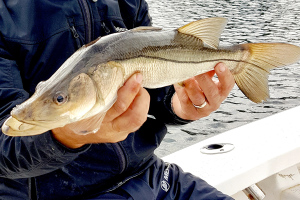
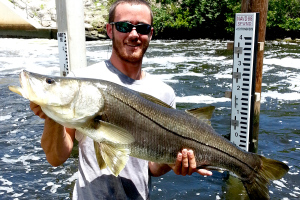
Florida snook fishing sits in a category by itself. Common snook (Centropomus undecimalis) are smart, powerful, and wildly structure-oriented, and they will absolutely punish bad technique. That bold black lateral line running gill to tail is one of the most recognizable markings in inshore fishing, and the torpedo body behind it is built for short, explosive ambush. Most fish an angler encounters will run 18 to 28 inches, but the Florida state record stands at 44 pounds, 3 ounces, and fish pushing 40 inches are genuine trophies anywhere in the state. They live in the surf, the backcountry, the bridges, and the dark edges of dock lights at midnight, and they tolerate a remarkable range of salinity, from open ocean to freshwater rivers miles inland. Snook are also protandric hermaphrodites, meaning every fish starts life as a male and many transition to female as they grow, which is the biological reason large females get specific protection under the slot limits covered later in this article. That adaptability is exactly what makes them so demanding to target well. This article breaks down how to find them through every season, how to fish each major habitat, and what the regulations require of you as a responsible angler.
Seasonal Snook Movements: When and Where Florida Snook Go
Snook are temperature-driven fish. Water temperature dictates where they are, how active they'll be, and whether they'll eat at all. Once you internalize that, a lot of the guesswork disappears.
Spring (March through May)
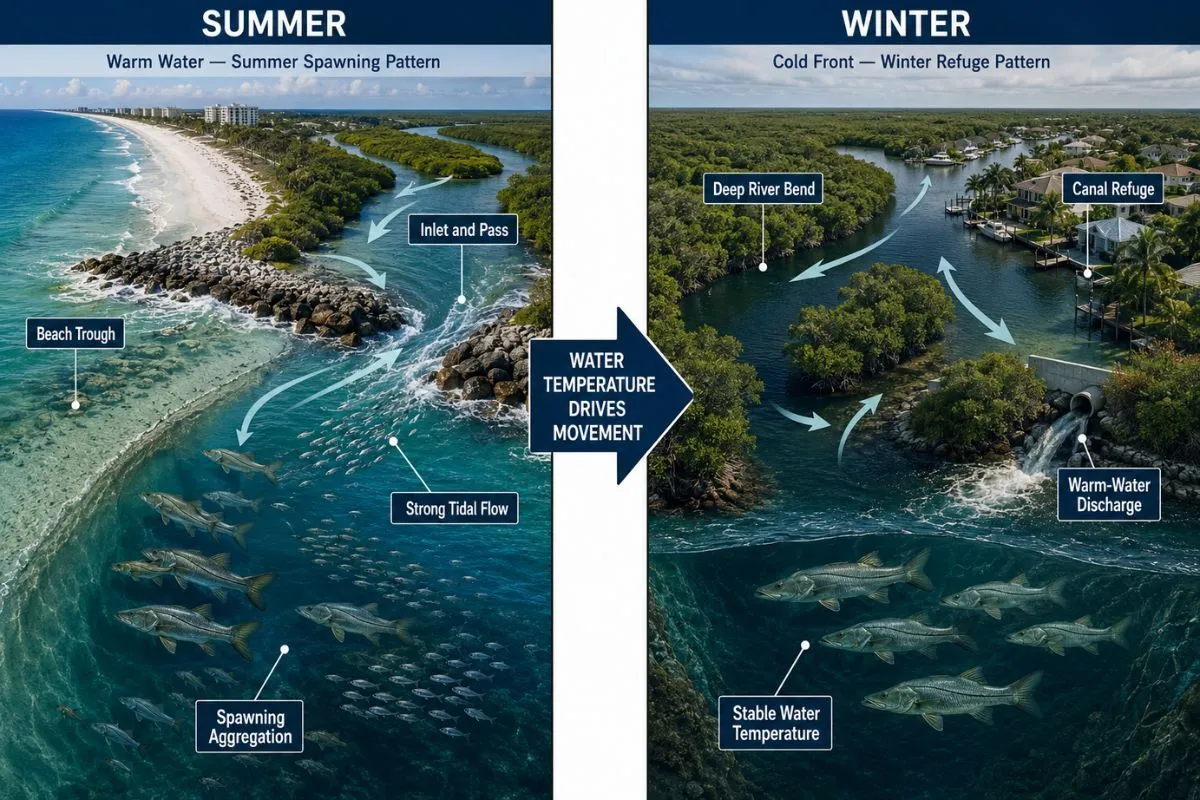
As water temps climb through the low 70s, snook begin moving out of their winter refuges, including deep canal systems, warm-water discharges, and river bends with thermal protection, and back toward the mangrove shorelines, flats, and eventually the beaches and inlets. Spring is a transition period. Fish can be scattered early in the season, but by late April and May they're becoming increasingly predictable. Incoming tides pushing bait onto the flats will produce, and live bait fished on mangrove shorelines during moving water is as reliable as anything you'll throw.
Summer (June through August)
Summer is spawning season. Snook gather at passes, inlets, and beaches from June through August, following new and full moon tide cycles to stage and spawn. These aggregations can be extraordinary: dozens of fish lined up behind a pass or stacked in a beach trough at first light. Many of the biggest females in the system will be at inlets and beaches during this window. Regulations close harvest statewide during this period, which is intentional.
Night fishing from lighted docks and bridges also peaks in summer. Snook are more active after dark when temperatures cool slightly, and the presence of baitfish around artificial light creates reliable feeding windows night after night.
Fall (September through October)
Fall is widely considered the best all-around season to target snook in Florida. Post-spawn fish are hungry and aggressive, and the annual mullet run drives one of the most impressive feeding spectacles in inshore fishing anywhere in the country. As huge schools of mullet push south along the beaches from September through November, snook line up in the troughs and points to intercept them. Matching bait to the mullet size matters enormously during this period.
Winter (November through February)
Cold is the critical variable. Snook begin moving toward thermal refuges when water temperatures drop below 65°F, and feeding slows significantly below 60°F. During sustained cold snaps, snook will stack in deep river bends, warm-water discharge areas near power plants, and canal systems where temperatures stay more stable. They can still be caught in winter, but presentations need to be slower and more deliberate, and live bait consistently outperforms artificials in the coldest conditions. The events that cause the most damage are multi-day cold fronts with overnight lows that pull water temperatures down before they can recover, so watching extended forecasts is smart practice when you're planning winter trips into backcountry rivers and canals. If you fish through the cold months, the deeper breakdown on winter snook behavior and cold water tactics covers the thresholds, the refuge types, and how to time a bite around a front.
Best Places to Catch Snook in Florida
Atlantic Coast Hotspots
Sebastian Inlet is as good as inshore fishing gets anywhere in Florida, and possibly the country, for snook. The tidal flow is powerful, the structure is varied, and the fish are large. During spawning season, the south jetty draws massive aggregations. The Indian River Lagoon system feeding into Sebastian holds fish year-round.
Gulf Coast Hotspots
Charlotte Harbor, Boca Grande Pass, and the broader Pine Island Sound system are among the most productive snook fisheries on the Gulf side. Tampa Bay has excellent snook populations with access to bridges, docks, and extensive mangrove shorelines. For anglers willing to run further south, the Ten Thousand Islands and the Everglades, including live bait fishing around Chokoloskee, offer some of the most remote and least-pressured snook fishing in the state. One practical caveat for Gulf anglers: red tide events can cause localized snook mortality and temporary slowdowns in affected areas, so checking current water quality conditions before planning a trip to Southwest Florida is worth the two minutes it takes.
Florida Snook Fishing Regulations: What You Need to Know
FWC manages snook across nine regional zones, and the rules differ enough between them that you cannot assume one coast's regulations apply to the other. Always verify current rules at myfwc.com/fishing/saltwater/recreational/snook/ before you fish.
Atlantic Coast Regulations (Northeast, Indian River Lagoon, Southeast Regions)
The open season on the Atlantic side runs February 1 through May 31 and again September 1 through December 14, with a slot limit of 28 to 32 inches total length and a one-fish-per-person daily bag limit.
Gulf Coast Regulations (by Region)
Gulf Coast regulations vary more significantly by region. As current FWC guidance shows:
- Panhandle, Big Bend, Tampa Bay, and Sarasota Bay: Open season March 1 through April 30 and September 1 through November 30. Slot limit 28 to 33 inches. Closed December 1 through end of February and May 1 through August 31.
- Charlotte Harbor and Southwest: Open season March 1 through April 30 and October 1 through November 30. Slot limit 28 to 33 inches. Closed December 1 through end of February and May 1 through September 30.
Statewide Requirements
A few rules apply everywhere in Florida regardless of which region you're fishing:
- A valid Florida saltwater fishing license is required
- A snook permit is required for harvest (included with the annual saltwater license)
- Snook may only be taken by hook and line; no nets, spears, or other gear
- Commercial harvest and sale of snook are prohibited statewide
Responsible Catch and Release
The majority of snook caught in Florida are released, and how you handle them matters. Support the fish horizontally rather than holding it vertically by the jaw, keep it in the water as much as possible during unhooking, use wet hands to protect the slime coat, and don't rush reviving a tired fish. In summer, when water temperatures are high, minimize fight time and in-air exposure; warm, low-oxygen water increases physiological stress and post-release mortality significantly. Circle hooks reduce deep hookings significantly and are worth using with live bait whenever possible.
Snook Tackle: Rods, Reels, and Leaders for Every Situation
Rods and Reels
A 7 to 7.5-foot medium-heavy spinning rod handles the majority of Florida snook situations well. You need enough backbone to stop a large fish from reaching a dock piling, but enough tip sensitivity to detect subtle strikes. Beach fishing calls for longer rods (7.5 to 9 feet) to keep line above wave action and generate casting distance. Dock and bridge fishing favors shorter sticks, 6.5 to 7.5 feet, where maneuverability and leverage matter more than distance.
Leaders
Fluorocarbon leaders in the 20 to 40 pound range are the standard for snook fishing. Fluorocarbon is abrasion-resistant enough to handle contact with pilings, dock edges, and oyster bars, and its low visibility underwater reduces refusals from wary fish in clear water. In very clear conditions with pressured fish, dropping to 20 pound leader can make a real difference. Around heavy structure, go to 40 pound and don't apologize for it; a broken-off fish is a worse outcome than a few extra refusals.
Hooks
Circle hooks have become the go-to for live bait snook fishing, and for good reason. They dramatically reduce gut hooking, improve survival rates on released fish, and produce solid hook-up ratios once you stop setting the hook like you're fishing J-hooks. Let the fish eat, come tight with a steady sweep, and the circle does its job.
Best Baits for Snook Fishing in Florida
Live Bait
Mullet, particularly finger mullet and juvenile mullet in the 3 to 5 inch range, are arguably the most effective snook bait in Florida, especially during the fall mullet run. Snook are keyed on mullet for weeks during that migration, and a lively finger mullet free-lined or lightly weighted near a beach trough or inlet mouth will be one of the hardest things for a snook to refuse.
Pilchards (scaled sardines) and threadfin herring are exceptional baits around beaches, passes, and inshore structure on both coasts. Their erratic swimming action and flash trigger aggressive responses. When you can find them and keep them lively in a well-aerated livewell, pilchards are difficult to beat.
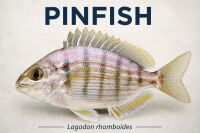
Pinfish are the durability pick. They stay lively on the hook for extended periods and can handle the rigors of fishing around heavy structure where other baits die quickly. For dock fishing, bridge fishing, or any situation where you need a bait to stay in the zone for a long time, pinfish are reliable. Understanding how to catch pinfish for live bait is a skill worth developing if you fish inshore regularly.
Top Artificial Lures for Florida Snook
What Lures Work Best on Snook?
Soft plastic paddle tails in the 4 to 6 inch range are the most versatile snook lures in the bag. Rigged on a 1/4 to 1/2 ounce jig head, they cover the water column effectively, cast well, and produce across environments from open beach to tight mangrove shorelines. White, pearl, and natural shad patterns work best in clear water. Chartreuse, pink, and gold combinations perform better in stained or murky conditions.
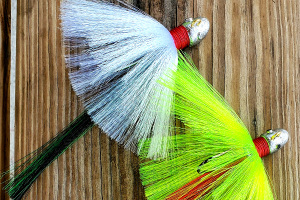
Bucktail and Flair Hawk jigs have a long, well-earned reputation among experienced snook anglers, particularly around bridges and inlets. Worked slowly along the bottom or through the water column on a light jig head, they mimic a distressed baitfish in a way that draws deliberate, committed strikes. The Flair Hawk has become a kind of cult lure in certain Florida snook circles. The course on tying Flair Hawk jigs for giant snook is a good starting point if you want to understand why they work and how to fish them correctly.
Topwater plugs produce some of the most exciting fishing snook will give you. During low light periods (first light, last light, and after dark), a well-worked walk-the-dog lure or pencil popper along a dock edge or a beach trough will draw explosive surface strikes. The visual take is addictive.
How to Fish for Snook: Proven Techniques by Habitat
Mangrove Shorelines
Snook use mangroves as ambush stations. They sit just inside the shadow line, watching the open water edge for baitfish to push by. Getting your bait or lure into that shadow zone, ideally within a few inches of the roots, is the difference between getting bit and getting ignored.
Inlets and Passes
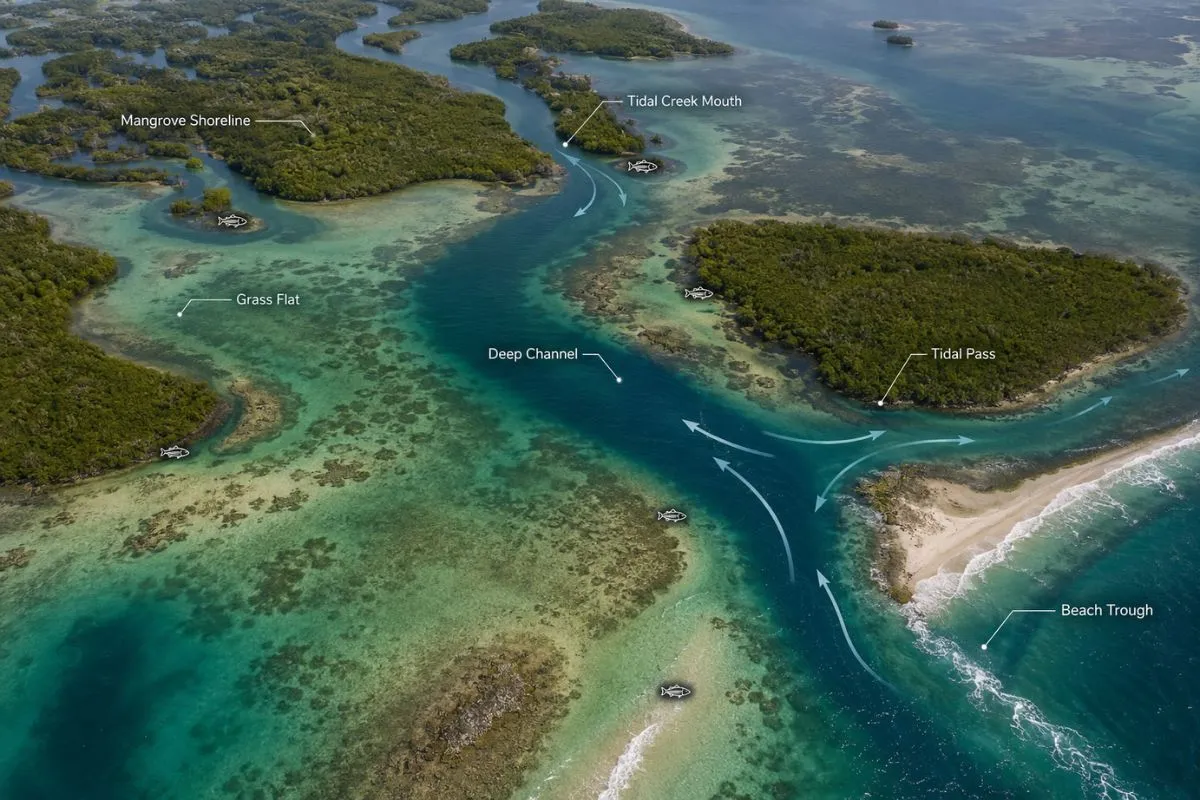
Inlet fishing is a different discipline. The goal is reading current and positioning your bait where it flows naturally through the snook's feeding lane. During outgoing tides, snook position themselves on the downcurrent side of structure, waiting for the tide to push bait to them. Cast upcurrent, let your bait or jig swing through the zone, and maintain contact throughout the drift.
For more on reading inlet structure and fishing it effectively, the snook inlet fishing techniques course is one of the most detailed resources we have on the platform.
Dock and Bridge Fishing
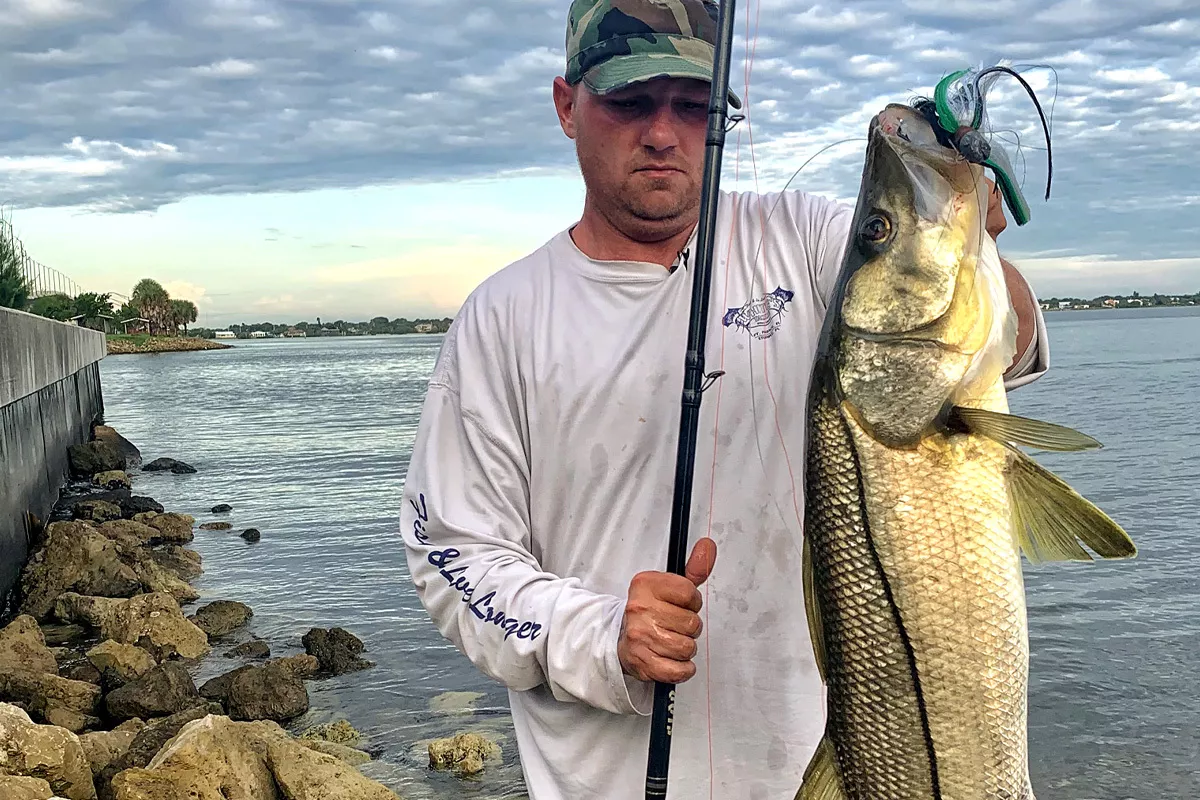
Docks and bridges provide shade, current breaks, and reliable bait concentrations. Snook use them consistently, often setting up in the same spots tide after tide. The key is presenting your bait parallel to structure rather than casting perpendicular to it. A lure retrieved parallel to a dock runs through the strike zone for far longer than one retrieved away from it.
Beach Fishing for Snook
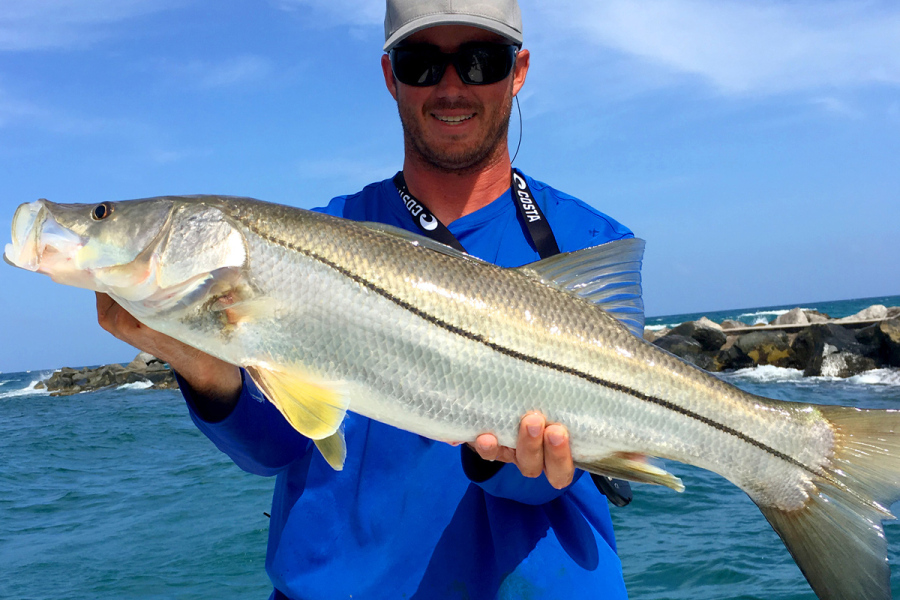
Florida beach fishing for snook is one of the most underrated experiences in inshore fishing. In summer and early fall, snook stage along the beach in the troughs and near points, often visible from the sand during early morning low light. Wade anglers and surf fishermen work these fish by casting parallel to the beach, covering the trough zone where waves break and baitfish concentrate.
Night Fishing for Snook: Lighted Docks, Bridges, and Piers
Night fishing for snook is its own world, and in Florida it's a legitimate strategy rather than an afterthought. In summer especially, snook feed more aggressively after dark when water temperatures drop slightly from their daytime highs, and the presence of artificial light creates feeding conditions that last for hours.
Why Lighted Structure Attracts Snook at Night
Light over water draws plankton. Plankton draws small baitfish. Small baitfish draw bigger baitfish. And snook position themselves on the dark edge of the light, just outside the illuminated zone, to ambush the bait that wanders in. Once you see this pattern, you'll recognize it on every lit dock and bridge you fish.
How to Fish Lighted Docks and Bridges After Dark
The shadow line is everything. Cast your lure or bait so it enters the lit zone from the dark side, then retrieve it back into darkness. Snook are watching from the edge of the light, not from inside it. A lure that swims from bright into dark, mimicking a baitfish moving from comfort into exposure, triggers predatory responses that a lure worked the other direction often won't.
Strong moving water at night amplifies the effect considerably. The best night snook fishing happens when tidal current is sweeping bait past the structure, forcing snook to commit quickly or miss their meal.
- Dark-colored paddle tails or swimbaits that create a strong silhouette against the surface when viewed from below
- Noisy topwater plugs during low-light transitions (first dark, last dark) that create displacement and draw fish from a distance
- Slow-retrieved jigs worked along the bottom through lit zones where snook are staging
Atlantic vs. Gulf Coast Snook: Understanding the Key Differences
These are not the same fishery wearing different names. The populations are genetically distinct enough that FWC manages them separately, and the practical differences matter for how you approach each coast.
Atlantic populations produce more of Florida's largest recorded fish, and individuals on that coast tend to live longer (up to 15 years) than their Gulf counterparts. The largest snook on record in Florida have mostly come from the Atlantic side, particularly from Sebastian and Jupiter. The Atlantic benefits from the moderating influence of the Gulf Stream, which buffers water temperature during cold events and gives snook a survival advantage that Gulf fish don't have.
Stock assessments show stronger overall abundance on the Gulf side, and the sheer amount of productive shallow-water habitat, including mangrove coastline, grass flats, and oyster bars, supports dense populations across a large area. Gulf fish also tend to show stronger site fidelity, meaning many fish spend their entire lives within a relatively small geographic range. Atlantic snook exhibit more migratory behavior, sometimes traveling significant distances along the coast and occasionally using nearshore structure offshore during cold periods.
Water clarity differs between the coasts as well, and it shapes how you fish. Gulf water is typically clearer and shallower, which creates more sight-fishing opportunities on flats and shorelines. Atlantic water near inlets and beaches is often more turbid, and the fishing style skews more toward structure and current-oriented presentations rather than sight casting to individual fish.
Snook Fishing Courses
FAQ: Florida Snook Fishing
What is the best time of year to catch snook in Florida?
Fall, from September through October, consistently produces the most reliable snook fishing in Florida. Post-spawn fish are feeding aggressively, the mullet run concentrates baitfish and snook together along the beaches, and regulations are open on both coasts. Summer is excellent around inlets and beaches during the spawning aggregations, but harvest is closed.
What is the best bait for snook fishing in Florida?
Live mullet, particularly finger mullet, is widely considered the most effective snook bait, especially in fall. Live pilchards, pinfish, and live shrimp are close seconds depending on season and location. In summer, matching whatever baitfish the snook are actively feeding on at that tide produces the best results.
What size snook can you keep in Florida?
Slot limits vary by region. On the Atlantic Coast, the slot is 28 to 32 inches. On most of the Gulf Coast, it is 28 to 33 inches. One fish per person per day. Always confirm current rules at myfwc.com/fishing/saltwater/recreational/snook/ before targeting snook for harvest, because seasons differ significantly by region and can change.
Where are the best places to catch snook in Florida?
Sebastian Inlet on the Atlantic Coast is widely regarded as one of the premier snook fisheries in the country. On the Gulf Coast, Charlotte Harbor, Boca Grande Pass, Tampa Bay, the Ten Thousand Islands, and the Homosassa/Crystal River area are top producers. Beach fishing along both coasts during summer and fall can be exceptional when mullet runs are active.
What tackle do I need for snook fishing?
A 7 to 7.5-foot medium-heavy spinning rod, a 3000 to 4000 series saltwater spinning reel, 20 to 30 pound braided mainline, and a 20 to 40 pound fluorocarbon leader covers the majority of situations. Match hook size to bait, and use circle hooks with live presentations whenever possible.
How do I catch snook at night in Florida?
Target lighted docks, bridges, and piers where baitfish concentrate around artificial light. Present lures or live bait from the dark side of the light toward the illuminated zone, and work the shadow line where snook are actively staging. Moving water (tide) amplifies the feeding activity significantly. Dark-colored swimbaits, slow-retrieved jigs, and topwater lures during low-light transitions are consistently effective.
Do snook bite in cold weather?
They slow down significantly. Below 65°F, snook move toward thermal refuges: deep canals, river bends, and warm-water discharges. They will still feed opportunistically, but presentations need to be slower and closer to the bottom. Live bait outperforms artificials in cold conditions. Below 60°F, feeding can largely stop.
What Serious Snook Fishing Actually Requires
Snook aren't complicated. They follow water temperature, eat when bait is available and conditions favor it, and use structure the way all predatory fish do. But they are demanding in a way that keeps experienced anglers humble. A fish that's seen pressure will sit under a dock and ignore everything you throw until you figure out what they want that day.
The anglers who consistently catch snook, and consistently catch big ones, share a few things in common. They understand tides and fish around the best moving water rather than convenience. They know the seasonal patterns well enough to show up where the fish are instead of hoping fish show up where they are. They've put in enough time that their casting is accurate enough to matter when a 30-inch fish is holding 18 inches inside a dock piling.
It's not magic. It's learned. And the faster you invest in building a real foundation in biology, behavior, seasonal patterns, and habitat-specific tactics, the faster the catches follow.
Always verify current snook regulations at FWC Snook before targeting snook for harvest. Seasons and slot limits vary by management region and are subject to change.
Seth Horne Founder, CEO, and Chief Fishing Educator at In The Spread
Login
to leave a review.
User Reviews
There are no reviews yet.
Complete Dredge Pulley Setup Guide
Saltwater
12.28.2020
High Speed Wahoo Trolling Rig
Saltwater
09.08.2018
Fishing Light Tackle for Yellowfin Tuna
Saltwater
09.08.2018
0