
- Saltwater Fishing Lures (22)
- Wahoo Fishing Videos (20)
- Blue Marlin Fishing (19)
- Yellowfin Tuna Fishing (17)
- Dolphin Fishing Videos (16)
- Marlin Lures Videos (15)
- Planer Fishing Videos (13)
- Snook Fishing Videos (12)
- Boat Positioning Videos (12)
- Redfish Fishing Videos (11)
- Bait Rigging Videos (9)
- Reef & Wreck Fishing (9)
- Big Game Legends (9)
- Seatrout Fishing Videos (8)
- Fishing Tackle Videos (8)
- Bottom Fishing Videos (8)
- Satellite Fishing Maps (7)
- Mangrove Snapper Fishing (5)
- Swordfish Fishing Videos (5)
- Grouper Fishing Videos (4)
- Bluefin Tuna Fishing (4)
- Black Drum Fishing (3)
- Tarpon Fishing Videos (3)
- Ballyhoo Bait Rigging (3)
- Jigging Techniques (3)
- Saltwater Culinary Creations (3)
- Roosterfish Fishing Videos (3)
- Cobia Fishing Videos (2)
- Sailfish Fishing Videos (2)
- Sheepshead Fishing Videos (2)
- Dredge Fishing Videos (2)
- Tilefish Fishing Videos (2)
- Giant Trevally Fishing (2)
- Saltwater Flies (1)
- Kayak Fishing Videos (1)
- Permit Fishing Videos (1)
- Fighting Chair Techniques (1)
- Tripletail Fishing Videos (1)
- Red Snapper Fishing (1)
- Mutton Snapper Fishing (1)
Start fishing better with FREE Weekly Video Tips delivered straight to your email.
Grouper Fishing Videos: Shallow Gag to Deep Reef
Grouper fishing demands precision, patience, and the right techniques to consistently land these powerful reef dwellers. Whether you're targeting gag grouper in shallow water with casting plugs or working deep structure with live bait, understanding how these fish behave around their habitat makes all the difference in your success rate.
Our grouper fishing video courses break down proven methods from professional captains who specialize in these bottom-dwelling bruisers. You'll learn how to:
-
Featured
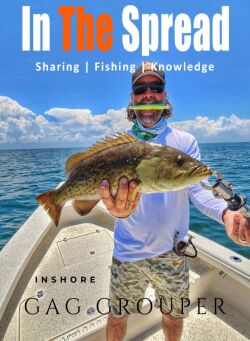
Gag Grouper: Florida Inshore Fishing
44:48 · William ToneyInshore gag grouper fishing in Florida's shallow waters demands finesse with light tackle using 10 lb braid or heavier setups with diving plugs based on conditions and structure. Captain William Toney's local expertise reveals when jig heads allow delicate presentations versus when diving plugs trigger reaction strikes, plus understanding tide and current effects on fish positioning requiring anchoring strategies for effective presentations.
WATCH NOW -
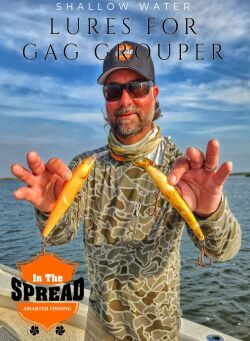
Casting Lures for Gag Grouper in Shallow Water
12:25 · William ToneyShallow water gag grouper demand casting lure approaches different from deep fishing because clear conditions allow fish to inspect offerings closely around structure. Captain William Toney's fourth-generation Florida expertise reveals which lure profiles and colors trigger strikes, how boat approach affects spooking wary predators, and technique for extracting powerful grouper from structure before they reach safety.
WATCH NOW10.0/10 -
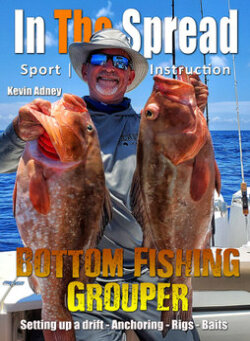
Bottom Fishing Grouper with Kevin Adney
1:14:21 · Kevin AdneyGrouper bottom fishing productivity depends on targeting natural reefs and wrecks where fish concentrate rather than random bottom. Kevin Adney's drift management approach keeps baits working productive structure zones systematically, but success requires understanding how current affects drift speed and positioning presentations where grouper ambush prey rather than sweeping past strike zones or hanging in barren areas between structure features.
WATCH NOW -
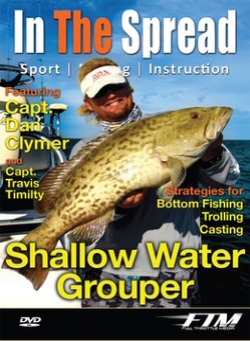
Grouper Fishing Shallow Water with Dan Clymer
39:49 · Dan ClymerCaptain Dan Clymer reveals shallow water gag grouper tactics for Florida reefs. This video covers live bait selection, artificial lure techniques, boat positioning strategies, bottom fishing methods, trolling approaches, and casting techniques for catching grouper in 20 to 60 feet of water.
WATCH NOW9.0/10
Go Deeper on Grouper Fishing
Grouper Fishing Questions
Where do grouper hold?
Grouper are structure-oriented ambush predators that hold tight to rock piles, ledges, reefs, and wrecks, from shallow inshore patch reefs to deep offshore structure. They stay close to cover and rarely roam far, so the whole game is locating the right piece of structure and putting a bait or lure in front of a fish that does not move much.
How do you catch shallow-water gag grouper?
On shallow rock piles and patch reefs, gag grouper are catchable on casting plugs, jig heads, and live bait. Clear water lets fish inspect a lure, so profile and color matter and a quiet boat approach is critical. Position up-current of the structure, present naturally, and be ready to turn the fish away from cover the instant it eats.
How do you keep a grouper out of the structure?
Grouper bolt straight for the rocks on the strike, so the fight is won in the first few seconds. Use heavy enough tackle and a firm drag, keep the rod loaded, and lift and turn the fish's head immediately to lead it up and away from the structure before it can reach cover and break you off.
What is the best bait for grouper?
Live bait like pinfish, grunts, and threadfin is hard to beat, and fresh cut bait such as sardines and squid produces on the bottom. In the shallows, diving plugs and jigs draw reaction strikes from gags. Match the bait and presentation to the depth and how the fish are feeding, and keep it fresh.
What tackle do you need for grouper?
It scales with depth and fish size. Inshore gags on shallow structure take medium tackle and lighter braid around 10 to 20 pounds, while deep reef grouper demand heavy conventional gear, braided line for sensitivity, and abrasion-resistant leader. The common requirement is enough backbone to stop a hard-charging fish before it reaches structure.
When is the best time to catch grouper?
Moving water triggers grouper to feed, so a good tide often matters more than time of day. Fish position relative to current on the structure, holding where flow delivers bait. Seasonal patterns and open harvest seasons also shape when you target them, and the bite frequently improves around tide changes on productive spots.
What are the regulations for grouper?
Grouper species like gag and red grouper are tightly managed with seasons, size limits, bag limits, and area closures that differ by region and change often, and Gulf and Atlantic rules are not the same. Always confirm current seasons and limits with NOAA Fisheries or your state wildlife agency before keeping any grouper.