
Most fishing content shows you the catch. In The Spread teaches you the system behind it. With more than 250 professional video courses covering saltwater and freshwater species, techniques, and rigging built by working captains, this platform is designed for anglers who want structured knowledge, not just highlight reels.
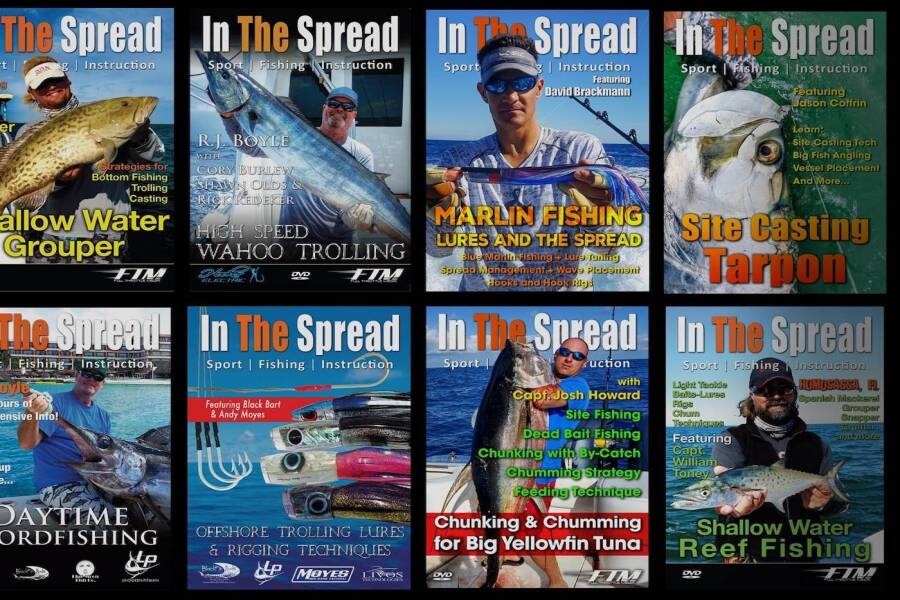
Sport Fishing Instructional Videos: Learn from the Pros
There is no shortage of fishing content on the internet. Type any species name into YouTube and you will find hundreds of clips, highlight reels, and dock talk videos. What you will not find nearly as often is structured, technique-driven instruction from professional captains and guides who have spent decades on the water. That gap is exactly what fishing instructional videos from In The Spread are designed to fill.
What Makes a Fishing Instructional Video Actually Worth Watching?
Most fishing videos are entertaining. Few of them are educational in any structured sense. The difference comes down to intent. A clip showing someone fighting a big tuna is exciting to watch, but it does not teach you how to set a spread, select the right lure for the conditions, or read the water before you even get a bait in.
- It explains the reasoning behind each decision, not just the action
- It covers the environmental and biological context that makes a technique work
- It addresses common mistakes anglers make and how to correct them
- It presents information in a logical sequence so skills build on each other
That last point matters more than most people realize. Fishing is not a collection of disconnected tricks. It is a system. Understanding how current affects bait presentation, why certain species hold in specific structure, and how to adjust when conditions change requires a foundation of layered knowledge. Video courses built around that kind of depth are a completely different product than short-form content.
How Do Saltwater and Freshwater Fishing Techniques Differ?
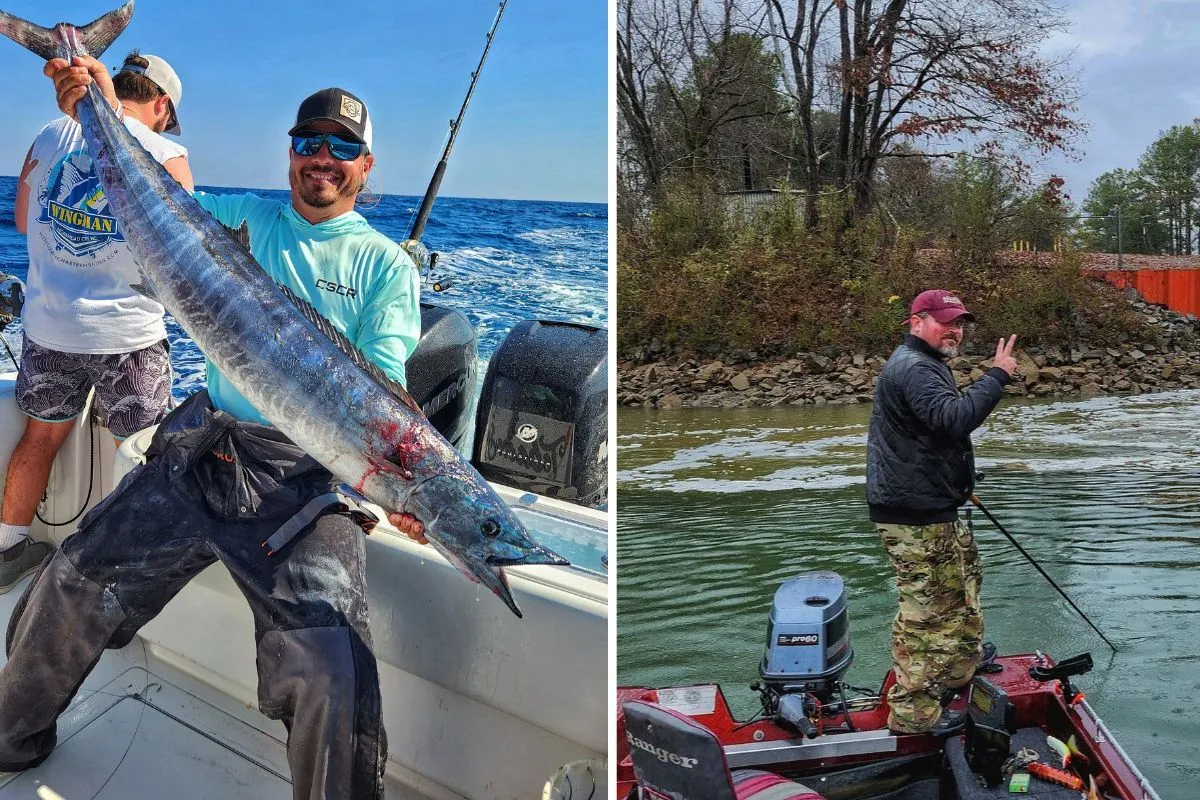
The divide between saltwater fishing and freshwater fishing is real, and it goes well beyond the obvious difference in water type. The species, the gear, the reading of habitat, and the physical demands of each environment are distinct enough that experienced anglers often describe them as separate disciplines.
What Skills Do You Need for Offshore Saltwater Fishing?
Offshore fishing in blue water demands a high level of competency across multiple areas simultaneously. You are managing boat positioning relative to current and temperature breaks while running a trolling spread and watching for signs of bait or bird activity. The margin for error is thin, and the cost of a bad decision can mean a long day of nothing.
- Reading sea surface temperature data and locating productive color changes
- Setting and adjusting a trolling lure spread for target species
- Understanding how current, upwellings, and bottom structure concentrate baitfish
- Rigging both artificial lures and natural baits correctly for each application
- Fighting large pelagic species on appropriate tackle without burning out the angler or the gear
This is why learning from a captain who has put in thousands of offshore hours matters. Technique instruction from someone like RJ Boyle on daytime swordfishing or David Brackmann on blue marlin lure spreads conveys the kind of situational judgment that only comes from deep experience.
What Makes Inshore and Freshwater Fishing Different?
Inshore and freshwater fishing reward a different skill set. Stealth, precision casting, knowledge of tidal movement, and the ability to read shallow-water structure become primary. A 30-foot presentation that is 10 degrees off angle will spook fish in two feet of water. The fish are often visible, which sounds easier but actually requires more discipline from the angler.
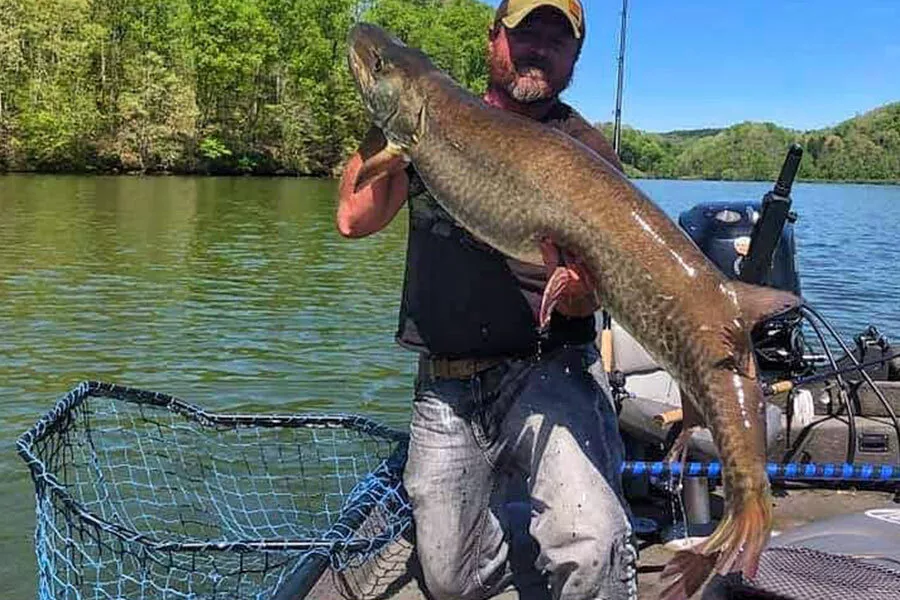
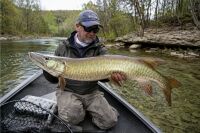
Freshwater species like muskie add another layer of complexity. Muskie fishing instructional videos have become some of the most requested content on the platform because this species punishes imprecision more than almost any other. Understanding seasonal movement, lure action at the boat, and the figure-eight technique requires instruction that goes well beyond what most public content covers. Cory Allen's open water muskie fishing course is a strong starting point for anyone serious about this fishery.
Why Are Structured Fishing Video Courses Better Than Free YouTube Content?
This is a fair question, and it deserves a direct answer. Free content has real value. It is accessible, it is entertaining, and it can give a beginner enough to go on for an afternoon. But it has structural limitations that become more apparent the more seriously you fish.
Free short-form content is typically built around engagement rather than education. It is optimized for views and retention metrics, which means it rewards excitement over instruction. A 90-second clip of a marlin clearing the water gets far more views than a 45-minute breakdown of why the lure in the short rigger position outperforms other positions in certain sea states. But the second video is the one that actually makes you a better angler.
- Logical progression from foundational concepts to advanced application
- Context for each technique, including when and why it works
- Instructor credentials that are verifiable and species-specific
- Depth of coverage that allows for real skill development, not just exposure
Saltwater Fishing Courses
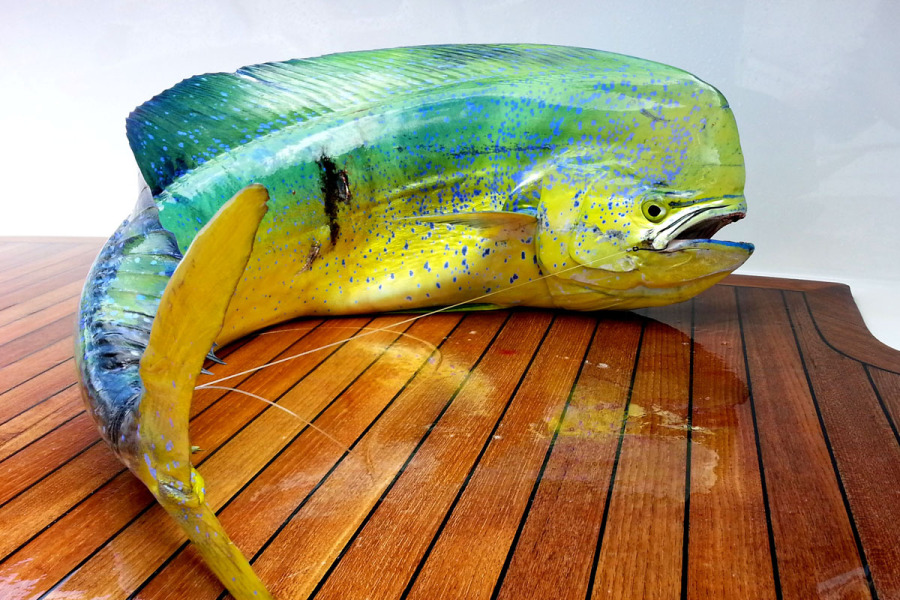
What Saltwater Fishing Techniques Can You Learn Through Video Instruction?
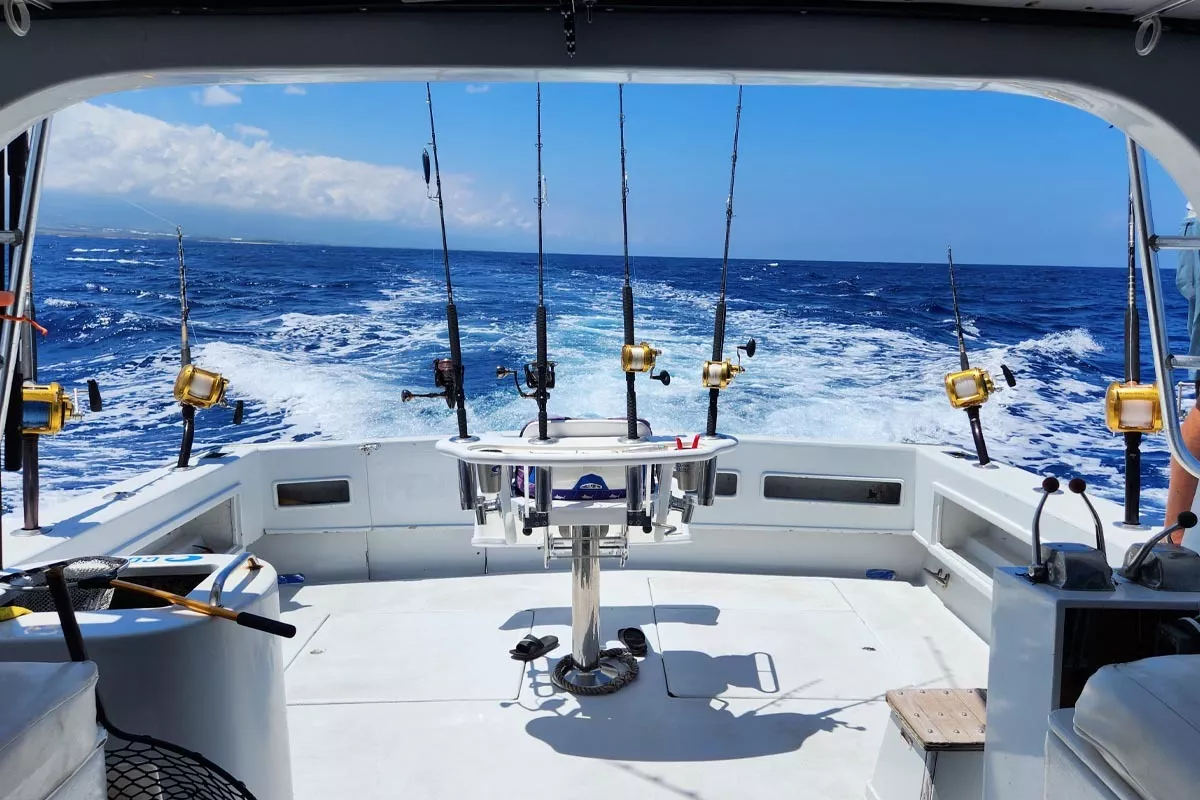
The catalog at In The Spread covers saltwater techniques at a depth that is difficult to find anywhere else. A few areas that generate the most interest from serious anglers:
High-Speed Trolling for Wahoo
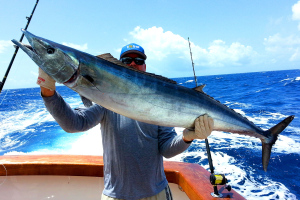
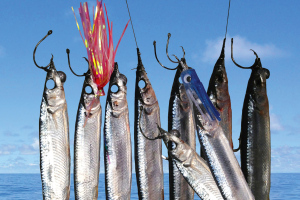
High-speed wahoo trolling is a technique that demands precise rigging, specific trolling speeds between 14 and 20 knots, and an understanding of how wire line or lead core behaves in that speed range. Get the rig wrong and you will fish all day without a strike. RJ Boyle's high-speed wahoo trolling course walks through the full setup from leader construction to speed adjustment for different sea conditions.
Daytime Swordfishing
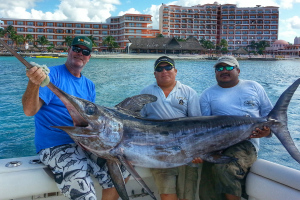
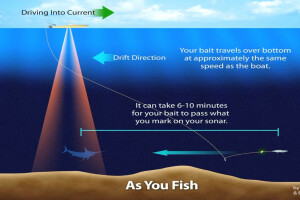
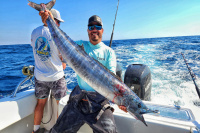
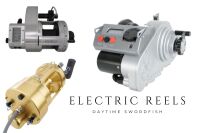
Daytime swordfishing pushed the boundaries of what recreational anglers thought was possible when it emerged as a viable technique off South Florida. The method requires precise depth control, the right bait presentation, and an understanding of swordfish behavior during daylight hours. Swordfishing tactics for bigger fish from RJ Boyle covers the decision-making process in detail.
Dredge Fishing for Billfish
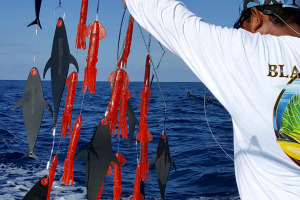
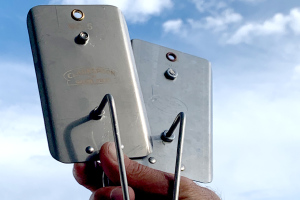
Dredge fishing is one of the most misunderstood and underutilized tools in the offshore trolling playbook. A properly deployed dredge creates a bait school illusion that draws billfish into the spread from a distance. The dredge fishing for billfish course covers rigging, deployment, placement in the spread, and how to read the response of the fish as they approach.
Freshwater Apex Predator Fishing Courses

What Freshwater Fishing Techniques Are Covered?

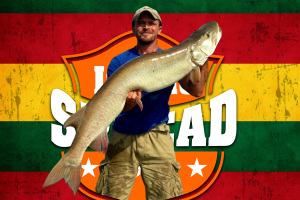
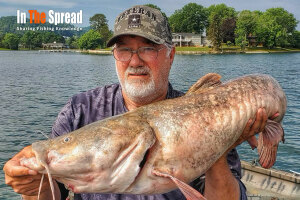
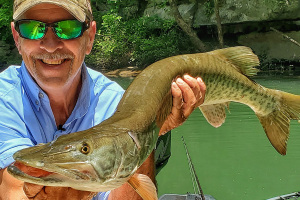
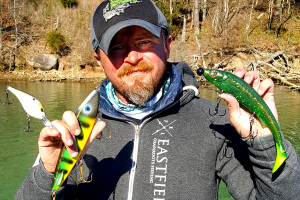
The freshwater section of the platform is anchored around apex predator fishing, with an emphasis on muskie. These are not panfish tutorials. The content targets anglers who want to pursue difficult, low-density species that require serious technical preparation.
- Open water muskie fishing for suspended fish in summer
- Trolling techniques for muskie including crankbait selection and speed variation
- Glide bait fishing for muskie, one of the most effective but technically demanding presentations
- Reading and fishing channel flats and feeder streams during seasonal transitions
The depth of this curriculum reflects the philosophy behind the platform: if a topic is worth covering, it is worth covering completely.
Who Are the Expert Fishing Instructors Behind In The Spread?

In The Spread was founded by Seth Horne with one core hiring principle: every instructor has to be an active, professional-level angler with verifiable results in their specialty. This is not a platform built around television personalities or sponsored content. It is built around working captains and guides who teach what they actually do.
Instructors like Kevin Hibbard bring world-class offshore credentials to blue marlin content. Cory Allen brings decades of specialized muskie experience in Tennessee and beyond. David Brackmann contributes blue marlin expertise developed across multiple ocean fisheries. Each course reflects genuine, first-hand knowledge of the species and techniques being taught.
How Does In The Spread Help Anglers Build Real Confidence on the Water?
Confidence in fishing comes from competence. It is not a mindset you talk yourself into. It is the natural result of understanding what you are doing and why it works.
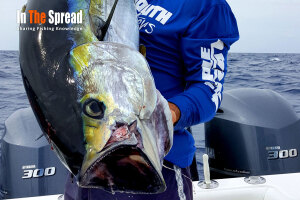
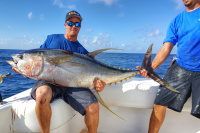
The structure of In The Spread's course library is designed with that progression in mind. A new subscriber does not have to sort through irrelevant content to find something useful. The platform is organized by species and technique, which means you can go deep on exactly the area you want to improve. If you are preparing for a first offshore trip targeting yellowfin tuna, you can build a curriculum around chunking and chumming, light tackle techniques, and boat positioning without having to wade through unrelated material.
Frequently Asked Questions About Fishing Instructional Videos
What is the best way to learn fishing techniques online?
The most effective approach is structured video instruction from credentialed experts in the specific fishery you want to pursue. Short-form content can introduce concepts, but courses that cover technique, rigging, boat positioning, and species behavior in sequence produce more durable skill development.
Are online fishing video courses worth it for experienced anglers?
Yes. Even experienced anglers report significant gains from watching expert instruction, particularly in areas outside their primary specialty. A skilled inshore angler preparing for a first offshore trip will find material on offshore trolling spreads and billfish techniques directly applicable, even with years of general fishing experience.
What is the difference between inshore and offshore saltwater fishing?
Inshore fishing takes place in shallow coastal waters including estuaries, flats, backwater, and near-shore reefs. It typically targets species like redfish, snook, speckled trout, and permit. Offshore fishing takes place in deeper blue water beyond the continental shelf and targets large pelagic species such as marlin, wahoo, swordfish, and yellowfin tuna. The tackle, techniques, and boat requirements are substantially different between the two.
How many fishing instructional videos does In The Spread offer?
In The Spread offers more than 250 professional courses covering saltwater and freshwater species, technique categories, bait rigging, tackle, and culinary preparation. Courses range from beginner-accessible introductions to advanced instruction aimed at experienced tournament anglers.
Who teaches the fishing courses on In The Spread?
All instructors on In The Spread are professional captains, guides, or tournament-level anglers with verifiable specializations in the species or techniques they teach. Instructors include RJ Boyle (swordfishing, wahoo), Cory Allen (muskie), David Brackmann (blue marlin), and many others drawn from across the professional fishing community.
Can beginners benefit from professional fishing instructional videos?
Absolutely. Beginners often benefit most from structured instruction because they have not yet developed incorrect habits that need to be unlearned. Starting with expert technique from the beginning compresses the learning curve significantly and prevents the kind of trial-and-error progression that can take years on your own.
The Platform Built for Anglers Who Take Fishing Seriously

Fishing has always been passed down through direct mentorship. Somebody who knew how to do it showed you. That model scales poorly. There are only so many experienced captains with time to teach, and access to them has always been limited by geography and personal connection.
In The Spread was built to change that. The platform puts world-class instruction within reach of any angler with an internet connection, organized in a way that supports genuine skill development rather than passive entertainment. Whether you are working through your first offshore season or adding a new freshwater target to your rotation, the instruction here is built around making you more capable and more confident every time you step aboard.
Login
to leave a review.
User Reviews
There are no reviews yet.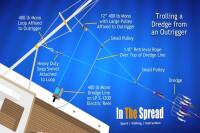
Setting Up a Dredge Pulley for Billfish
Saltwater
12.28.2020
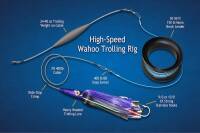
High Speed Wahoo Trolling Rig
Saltwater
09.08.2018
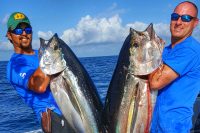
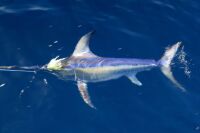
Fishing Light Tackle for Yellowfin Tuna
Saltwater
09.08.2018
0