
Mangrove snapper are among the smartest, most cautious fish in saltwater. These aggressive predators hit hard and run straight back to cover, testing both your tackle and patience. Success requires understanding their feeding patterns, structure preferences, and seasonal movements throughout the Gulf of Mexico and Atlantic waters.
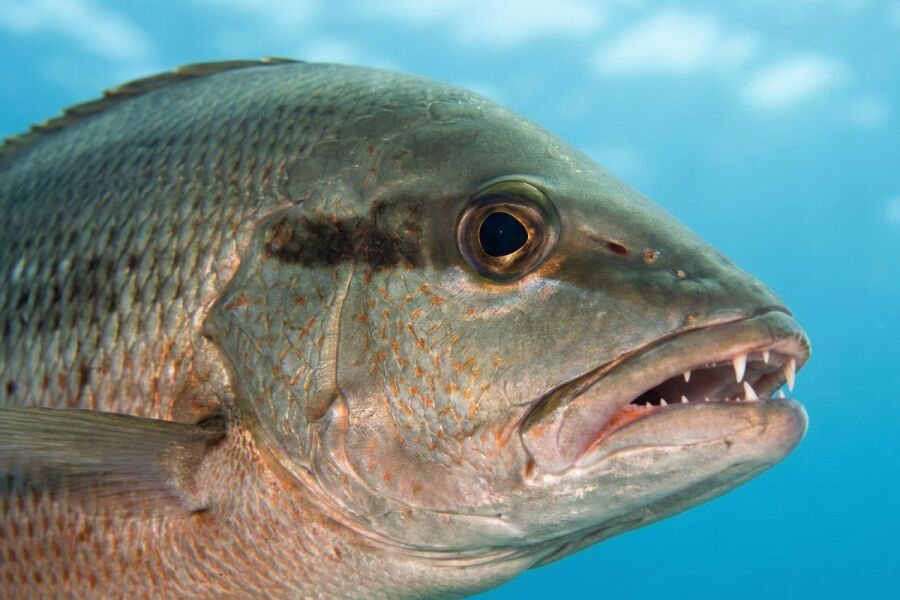
How to Catch Mangrove Snapper: Baits, Rigs & Techniques
Mangrove Snapper (Lutjanus griseus), also known as Gray Snapper and grovers, are a popular and highly sought-after species of fish for both recreational and commercial fishing. They are commonly found in the Gulf of Mexico, Caribbean, and the Atlantic Ocean. These fish are known for their delicate flavor and firm flesh, making them a favorite for seafood lovers.
For those who are interested in fishing for Mangrove Snapper, it is important to know the best fishing techniques and methods for catching these elusive predators.
We will also discuss the importance of understanding the behavior and habitat of Mangrove Snapper, as well as the best regions to target these fish, such as Florida, the Gulf of Mexico and Louisiana. This snapper species is one of the more discerning structure oriented fish. Understanding how to fish structure is a big part of hammering out a mess of grovers. Whether you are a seasoned angler or just starting out, you will find valuable information in this article that will help you to be successful in catching Mangrove Snapper.
Use this article as your comprehensive guide to Mangrove Snapper fishing and leverage the knowledge provided by In The Spread fishing videos. From preparation and equipment to technique and tips, we have cover everything you need to know to successfully catch this delicious and highly sought-after species of fish in our collection of educational fishing videos.
Where Do Mangrove Snapper Live at Each Life Stage?
Mangrove snapper change addresses as they grow, and knowing which fish live where keeps you from working the wrong water. Mangrove snapper habitat shifts with age, running from protected shallows when they are young to deep structure once they mature.
Juveniles start life inshore in the most protected water they can find. Young grovers hold in seagrass beds, among mangrove roots, and up in brackish estuaries, and they tolerate water far fresher than most reef fish. It is not unusual to find small mangrove snapper well up coastal rivers in nearly fresh water, which is part of why the species is so widespread and easy to access. As they add size, usually past 12 to 14 inches, they trade that nursery habitat for deeper, more exposed structure.
Adults move out to hard bottom, reefs, wrecks, and offshore platforms, and the largest fish live farthest from shore. One behavior worth knowing before you run: mangrove snapper school by size. When you are boating nothing but 12-inch fish, the bigger ones are holding somewhere else, and the answer is to move rather than grind the same spot. Match the water to the grade you want, shallow structure and creek mouths for eating-size fish close to home, deep reefs and rigs for the heavier fish.
When is the Best Time to Catch Mangrove Snapper?
The best time to catch mangrove snapper is during the warmer months of the year, typically from May to September. During this time, the water temperature rises and the fish are more active, making them easier to catch. Seasonal patterns also play a significant role in Mangrove Snapper fishing, with June to August being the peak months for catching these fish.
Ideal tide conditions for mangrove snapper fishing are incoming tides, as the rising water pushes baitfish into the shallows, making them more accessible to the snapper. The best weather conditions for snapper fishing are calm seas and overcast skies, as this makes it easier to see the fish and target them. The low light conditions also help to keep the water cool, which can make the fish more active and feeding.
In terms of time of day, early morning and late afternoon are considered the best times to fish for grovers. During these times, the water is usually calmer, and the fish are more likely to be feeding. It's also important to consider the moon phase, as the full and new moon phases can affect the feeding patterns of the fish, making them more active during these times.
What Is the Hit and Run Bite?
The most important thing to understand about grovers is how they feed, because it shapes everything else about how you target them. The hit and run bite is the pattern: mangrove snapper move in fast and aggressive, feed hard through a short window, then shut off like someone flipped a switch.
When your bait reaches the bottom near structure, grovers are often the first fish on it, competing to eat and handing you fast action and quick multiples. That window rarely lasts long. Ten to twenty minutes in, something tips them off, a hooked fish bolting back into the structure, a dropped hatch, a leader they do not trust, and the bite dies. It usually will not fire back up on that spot for a good while.
The anglers who fill a cooler are the ones who work that window hard and then leave. Have several rods rigged before you start, keep fish coming as fast as they will chew, and when the bite quits, do not sit and wait on it. Run to the next piece of structure and open a fresh window. This is why a long list of numbers beats any single honey hole. The more spots you can rotate through, the more of those short feeding windows you stack into one day.
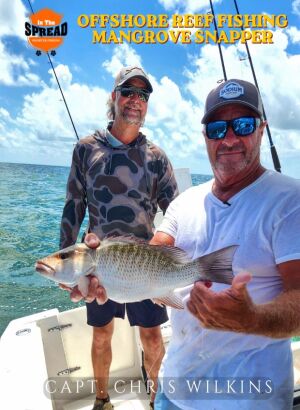
Mangrove Snapper Videos
What Bait Works Best for Mangrove Snapper?
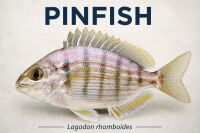
Mangrove snapper are opportunistic predators and will destroy a variety of baits, both live and artificial. Some of the best live baits for mangrove snapper include shrimp, pinfish, and blue crabs. These baits are best when they are fresh and lively, as they will attract the snapper and make them more likely to bite.
In addition to live bait, these little savages can also be caught using cut bait. Some popular cut bait options include shrimp, squid, pinfish, mullet. These baits are especially effective when chumming for mangrove snapper, as the scent of the cut bait will attract the fish and make them more likely to bite.
Artificial baits are also a great option for catching mangrove snapper. Some of the best artificial baits for these fish include soft plastic jigs and jigs with a curly tail. These baits imitate the movement of live bait and can be highly effective in attracting mangrove snapper.
Chumming is another effective technique for catching mangrove snapper. Chumming involves tossing pieces of bait or fish oil into the water to attract the snapper and make them more likely to bite. Some of the best chum options for mangrove snapper include ground baitfish and menhaden oil.
Overall, the best baits for mangrove snapper will vary depending on the time of year, the location, and the individual fish. Experimenting with different baits and techniques will help you find what works best for you and allow you to catch more grovers.
How Do You Catch Mangrove Snapper?
There are several fishing techniques to catch mangrove snapper, each of which may work better in different conditions or locations. Whether you're fishing inshore or offshore, the right rig can make all the difference in catching these elusive fish.
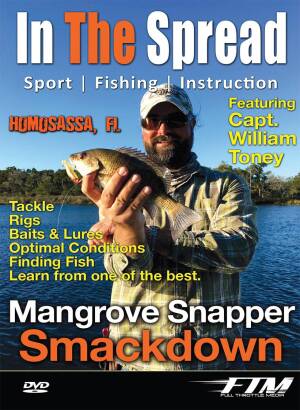
For more depth of explanation and expert demonstration, check out our Snapper Fishing Videos to learn from a few outstanding fishermen, like Captain William Toney, of Homosassa Inshore Fishing, and Captain Josh Howard, of Deep South Charters.
Bottom Fishing for Snapper
Bottom fishing is one of the most popular techniques for catching mangrove snapper. This involves using a heavy weight to keep your bait near the bottom, where these fish often feed. Bottom fishing is a good technique for catching larger snapper and can be done both inshore and offshore.
Chumming for Mangrove Snapper
Chumming is a technique that involves spreading a trail of bait in the water to attract fish to your fishing area. This technique is especially effective for mangrove snapper and can increase your chances of catching these fish. The best chum for snapper is often made from ground-up fish, such as menhaden, or squid.Around the Louisiana oil platforms, crews swear by a mix of fresh fish chunks and elbow macaroni boiled in crab boil. The macaroni drifts slowly through the structure and holds a feeding school in place far longer than scraps alone.
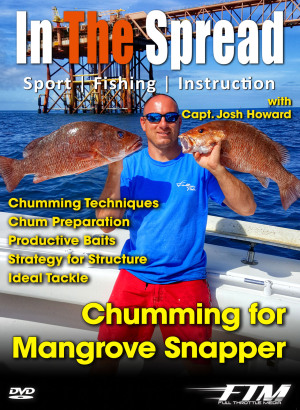
See our video on Chumming for Mangrove Snapper
Inshore Fishing for Mangrove Snapper
Inshore fishing is a great way to catch mangrove snapper in shallower waters, such as around mangroves, hence their name, rock piles, any hard bottom formations or bridges. This type of fishing often involves using light tackle, such as spinning rods, and smaller hooks and weights. When fishing inshore, it's important to use the right rig, such as a split shot rig or a live bait rig, to ensure that your bait is presented properly to the fish.
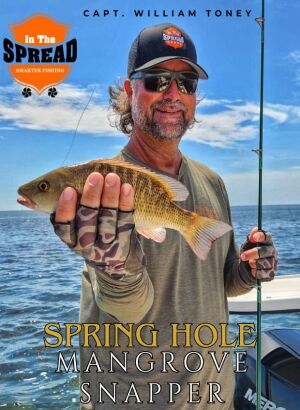
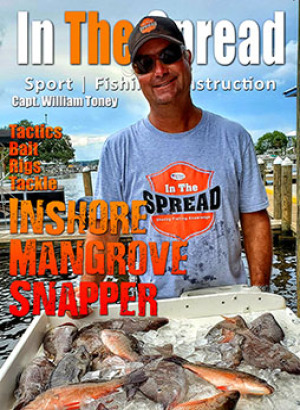
Learn more about Inshore Mangrove Snapper with the great Capt. William Toney.
Offshore Fishing for Mangrove Snapper
Offshore fishing for mangrove snapper is a great way to catch larger fish in deeper waters. This type of fishing often involves using heavier tackle, such as conventional rods, and larger hooks and weights. Many times the up-tackling is a prerequisite for dealing with what else may take your bait on some deeper water structure. When fishing offshore, it's important to use the right rig, such as an offshore mangrove snapper rig, to ensure that your bait is presented properly to the fish and can reach the desired depth.
Regardless of where you're fishing, the right rig is crucial for catching mangrove snapper. From bottom fishing to chumming, it's important to choose the right rig that best suits the fishing conditions and your personal preference. Use what you have the most confidence in. With the right techniques and gear, you can increase your chances of catching these tasty and highly sought after fish.
Bonus Video: Mangrove Snapper - Backcountry Fishing with William Toney
Fourth-generation guide Capt. William Toney demonstrates his methods for capturing mangrove snapper in wilderness rivers and creeks. He shows how to use jigs, soft plastics, artificial lures, and live shrimp, and he imparts experienced fishing techniques for catching fish in coastal rivers... View Short Trailer Below
What Tackle Do You Need for Mangrove Snapper?
While mangrove snapper fishing is not the complicated, having the right equipment is key to a successful catch. One of the most important things to consider is hook size. The ideal hook size for these guys ranges from 1/0 to 4/0, depending on the size of the bait and the size of the fish you’re targeting. It's important to choose a hook that is large enough to secure the bait, but not so big that it scares off the fish. There brutal little predators are super skittish. Anything out of the ordinary will be quickly picked up and every damn fish will vanish.
When choosing a fishing rod, a medium to medium-heavy action rod in the range of 6 to 7 feet is a good choice. This type of rod provides enough sensitivity to detect a bite, but also has enough backbone to set the hook and fight the fish. The pound test on the fishing line should match the size of the rod, with a range of 20 to 50 pounds being a good choice.
Grovers are hit and run predators, that attack with a savage brutality and then, poof, they are gone. So, you need to get the precision of the fishing down. Having the right tackle and rig(s) will help you stack a few more fish in the ice chest. A weighted fishing rig, such as a knocker rig, is a good choice for bottom fishing. A sliding sinker rig or a fish finder rig is also a good option for inshore fishing. When fishing in deeper water, a two-hook rig is often used to target mangrove snapper.
You have plenty of links to access the knowledge and wisdom of some of the captains and guides we work with to learn finer specifics on tackle, rigs and tactics. These guys are some of the most fundamentally sound fishermen from the inshore and offshore fishing waters of the Gulf of Mexico.
Where Can You Catch Mangrove Snapper?
Florida Keys
The Florida Keys are a well-known mangrove snapper fishing destination and are home to many excellent fishing locations. This area is known for its clear, warm waters and abundance of baitfish, making it a prime spot for mangrove snapper fishing. The best time to fish for mangrove snapper in the Florida Keys is usually from spring to summer.
Venice, Louisiana
Venice, Louisiana is another popular mangrove snapper fishing destination. This area is known for its abundance of oil rigs and natural structure, which attract big mangrove snapper and other species of fish. The best time to fish for mangrove snapper in Venice is usually from late spring to early fall.
Gulf of Mexico
The Gulf of Mexico is one of the largest mangrove snapper fishing destinations in North America. This area is known for its clear, warm waters and abundance of natural structure, making it a prime spot for mangrove snapper fishing. The best time to fish for mangrove snapper in the Gulf of Mexico is usually from spring to summer.
Inshore fishing locations
Mangrove snapper can also be caught inshore in areas with mangrove-lined shores or near bridges and jetties. These areas provide excellent habitat for mangrove snapper and other species of fish. Inshore fishing is a great option for anglers who prefer to fish in shallower waters and enjoy the scenic beauty of mangrove-lined shores.
Offshore fishing locations
Offshore mangrove snapper fishing is a great option for anglers who prefer to fish in deeper waters and are looking for larger fish. Offshore fishing locations, such as oil rigs and artificial reefs, are known for their abundant mangrove snapper populations and offer excellent fishing opportunities for anglers.
There are many excellent mangrove snapper fishing locations across North America and this is by no means an absolute list. Whether you prefer inshore or offshore fishing, the Florida Keys, Venice, Louisiana, and the Gulf of Mexico are some of the best destinations for mangrove snapper fishing. Regardless of your preferred location, it is important to remember to follow local fishing regulations and always practice catch and release to ensure the sustainability of these species.
What Are the Mangrove Snapper Regulations?
Mangrove snapper is a popular sport fish in Florida, and there are certain regulations in place to protect this species and maintain sustainable populations. According to the Florida Fish and Wildlife Conservation Commission (FWC), the legal size limit for mangrove snapper in Florida is a 10 inch minimum length. The daily bag limit for mangrove snapper in Florida is 5 per person per day, and the season is open year-round.
It's important for fishermen to be aware of these regulations and to make sure they're fishing within the limits set by the FWC. By following the rules, we can help ensure the continued survival of mangrove snapper and maintain the health of Florida's marine ecosystems. Be sure to check the FWC website for the most up to date mangrove snapper fishing regulations in Florida.
Learn state by state regulations for mangrove snapper.
Fishing Regulations in Louisiana
In Louisiana, the regulations for mangrove snapper fishing vary depending on the time of year and the fishing location. However, there are some common regulations that apply year-round. The minimum size limit for mangrove snapper in Louisiana is 12 inches minimum total length. There is also a daily bag limit of 10 fish per person, per day.
It is important to note that the regulations may change from year to year, so it is always best to check with the Louisiana Department of Wildlife and Fisheries for the most up-to-date information. Additionally, some areas may have special regulations, such as seasonal closures or gear restrictions, so it is always best to check with local authorities before heading out to fish.
In general, it is important to follow the regulations to help maintain a healthy population of mangrove snapper and other fish species in the Gulf of Mexico. By following the rules, you can help ensure that there will be plenty of fish for future generations to enjoy. Be sure to check the WLF website for the most up to date mangrove snapper fishing regulations in Louisiana.
Mangrove Snapper Eating Habits
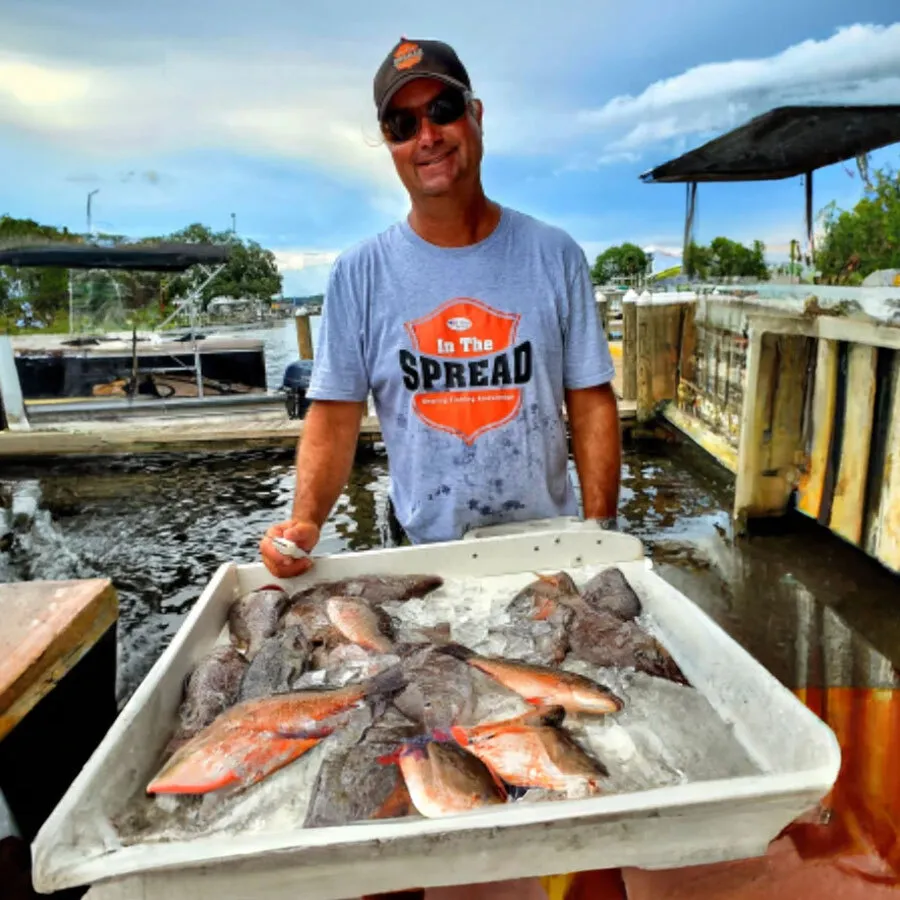
Mangrove snapper, also known as gray snapper, are about as predatory as a fish comes. They are on the constant hunt for food. As opportunistic feeders, they feed on a variety of prey including small fish, crustaceans, and mollusks. They are particularly fond of live or fresh dead baits such as shrimp, squid, and sardines. The scent and movement of these baits attract the snapper to the hook, making them a popular choice among anglers. You can get them to take artificial baits, including soft plastics and jigs. When fishing for mangrove snapper, it is important to choose baits that mimic their natural food sources to increase the chances of a successful catch.
What Are the Best Fishing Rigs for Mangrove Snapper?
Fishing for mangrove snapper requires a well-thought-out rig to ensure a successful catch. There are different fishing rigs designed for inshore and offshore mangrove snapper fishing. Each rig has its advantages and disadvantages, so it's important to choose the right one for your needs. Knowing a few really well will serve you quite well. Take the time to learn.
Inshore Fishing Rigs
For inshore mangrove snapper fishing, a basic bottom fishing rig is a good option. This rig consists of a weight, swivel, and hook. The weight is used to keep the bait on the bottom, while the hook is used to catch the mangrove snapper. This simple rig is effective and easy to use, making it a popular choice for many anglers.
Another option for inshore fishing is the Carolina rig. This rig uses a weight, a leader, and a hook. The weight is attached to the main line, and the hook is attached to the leader. This rig is often used for fishing in deeper water and for catching bigger mangrove snapper.
Offshore Fishing Rigs
For offshore mangrove snapper fishing, a common rig is the knocker rig. This rig uses a weight, a leader, and a hook. The weight is used to keep the bait on the bottom, while the hook is used to catch the mangrove snapper. The knocker rig is popular among offshore anglers because it allows the bait to move freely, making it more attractive to the fish.
Another option for offshore fishing is the drop rig. This rig uses a weight, a leader, and a hook. The weight is attached to the main line, and the hook is attached to the leader. This rig is used for fishing in deeper water and for catching bigger mangrove snapper.
The best fishing rig for mangrove snapper will depend on your particular fishing style, the location, and the conditions. When choosing a fishing rig, it's important to consider the depth of the water, the size of the fish, and the type of bait you plan to use. With the right rig, you're sure to have a successful mangrove snapper fishing experience.
What Is the Best Depth For Targeting Mangrove Snapper?
Just about any spot you find structure in depths ranging from 5 to 30 feet, you will find mangrove snapper. Obviously, they can be found in much deeper waters. You can find them in 300 feet of water and deeper on oil rigs in the Gulf. The average depth range for mangrove snapper is often dependent on the time of year, the water temperature, and the salinity levels in the area.
Mangrove snapper typically move to deeper waters in the winter months to escape colder water temperatures near the surface. In the warmer months, they can be found in shallower waters near structure and baitfish. Additionally, salinity levels play a role in determining the depth at which mangrove snapper are found, as they prefer areas with higher salinity levels.
It's important to keep in mind that the depth at which mangrove snapper are found can also be affected by the type of fishing rig being used. For example, bottom fishing for snapper typically requires fishing in deeper waters, while chumming for mangrove snapper often involves fishing in relatively shallower waters. You can chum on oil rigs in multiple hundreds of feet of water.
What Is the Recommended Fishing Equipment for Mangrove Snapper?
When it comes to fishing for mangrove snapper, having the right equipment is smart. I will make a big difference. A 7 to 8-foot medium-heavy action rod with a fast taper is recommended. This type of rod provides the necessary power to handle these strong fighters and can also cast heavier weights and lures with ease.
The recommended reel size is a reel that holds at least 300 yards of 20-30 pound test monofilament line. This line strength provides the right balance between sensitivity and strength, allowing anglers to feel bites while also having the power to handle big fish.
In terms of tackle selection, a 1/0 to 2/0 hook is suitable for most mangrove snapper fishing. This size hook is perfect for live bait or cut bait, and also works well with smaller lures. There will be times when you will have to step up your hook size. Take into account the size fish you are likely to encounter.
It's important to use a high-quality leader material, especially when fishing in clear water. A 20-30 pound fluorocarbon leader is ideal for mangrove snapper fishing as it is invisible underwater and will not scare the fish.
Always be prepared. Have a good selection of weights, swivels, and sinkers. A nice assortment of bank sinkers, egg sinkers, and split shot sinkers should be part of any mangrove snapper angler's tackle box, allowing you to adjust your weight to the conditions you encounter on the water. More current will mean more weight.
Are Mangrove Snapper Considered Good Table Fare?
Mangrove snapper are highly regarded for their delicate and sweet flavor. The flesh of the fish is light and flaky, with a moist texture that makes it perfect for grilling, broiling, or frying. It is also a low-fat and low-calorie source of protein, providing numerous health benefits.
The meat is white and firm, with a mild taste that allows it to pair well with a variety of seasonings and spices. Mangrove snapper is a popular choice for those who enjoy eating fresh seafood, as it can be found in many seafood restaurants throughout North America. The flavor and texture of the meat make it rather versatile. It does well in the pan, on the grill or in the oven. Grovers are one of the best eating fish in the sea.
In addition to its great taste, mangrove snapper is also a good source of essential vitamins and minerals, including Omega-3 fatty acids, phosphorus, and vitamins B12 and D. These nutrients can help promote heart health, reduce inflammation, and boost the immune system.
Whether you are a seasoned fisherman or just starting out, mangrove snapper fishing is a great way to enjoy the outdoors and experience the thrill of the catch. To learn more about mangrove snapper fishing and other sport fishing techniques, be sure to check out In The Spread's educational fishing videos. With the right knowledge and gear, you are destines for a successful and enjoyable day on the water.
Frequently Asked Questions About Mangrove Snapper Fishing
What is the best bait for mangrove snapper?
Live shrimp is the #1 bait for mangrove snapper in all situations. Hook it through the horn on a 1/0 to 2/0 circle hook for best results. Fresh cut squid, pinfish, and threadfin herring also work exceptionally well, especially when chumming.
What size hooks for mangrove snapper?
Use 1/0 to 2/0 circle hooks for shrimp and small cut bait. Step up to 3/0 to 4/0 hooks when fishing larger live baits like pinfish. Circle hooks reduce gut-hooking and make releasing undersized fish much easier.
What pound test line for mangrove snapper?
For inshore fishing, use 20 lb braided mainline with 20-25 lb fluorocarbon leader. Offshore structure fishing requires heavier tackle: 40-50 lb braid with 30-50 lb fluorocarbon leader to handle bigger fish and potential bycatch like grouper.
Can you catch mangrove snapper from shore?
Yes, shore fishing is very productive from bridges, piers, jetties, and rocky shorelines. Fish the incoming tide with live shrimp or cut bait near pilings and structure. Early morning and late afternoon produce the best results for shore-based anglers.
Are mangrove snapper hard to catch?
Mangrove snapper are considered challenging because they're extremely cautious and carefully inspect baits before biting. Success requires fresh bait, proper presentation, and understanding their feeding patterns around structure. They hit fast and run immediately back to cover.
What is the best time of day to catch mangrove snapper?
Early morning (30 minutes before sunrise to 9 AM) and late afternoon (4 PM until dark) are most productive. During these low-light periods, mangrove snapper feel more comfortable leaving cover to hunt and feed more aggressively.
How deep do mangrove snapper live?
Mangrove snapper inhabit depths from 2 feet to 180 feet depending on season and location. Inshore fish prefer 5-20 feet around structure like mangroves and bridges, while offshore adults commonly hold in 40-100 feet on wrecks and reefs.
What do mangrove snapper eat?
Mangrove snapper are opportunistic predators that feed on shrimp, small crabs, small fish (pinfish, pilchards, silversides), and various mollusks. They ambush prey near structure rather than actively chasing food in open water.
Are mangrove snapper good to eat?
Absolutely. Mangrove snapper are excellent table fare with firm, white flesh and mild, sweet flavor. They're versatile for grilling, baking, frying, or ceviche. Fish in the 12-14 inch range are perfect pan-size portions.
Do moon phases affect mangrove snapper fishing?
Yes, new moon and full moon phases create stronger tidal movement, which concentrates baitfish and triggers aggressive feeding. The three days before and after these moon phases typically produce the best fishing.
Can mangrove snapper be caught on artificial lures?
Yes, though live or cut bait is generally more effective. Small soft plastic shrimp (2-3 inches) in natural colors work around inshore structure. Vertical jigging with small bucktail jigs tipped with shrimp can be deadly on offshore wrecks.
Final Thoughts on Catching Mangrove Snapper
Success with mangrove snapper comes down to understanding their behavior and respecting their intelligence. These fish aren't difficult because they're rare or hard to find. They're challenging because they're cautious, structure-oriented predators that inspect everything before committing.
Use fresh bait, fish the right tides, target productive structure, and most importantly, be patient. Mangrove snapper reward anglers who take time to understand their patterns and preferences. Once you dial in the technique, these aggressive little predators will test your tackle and fill your cooler consistently.
Login
to leave a review.
User Reviews

Benjamin
01.24.2024
0

Robert
11.24.2023
0
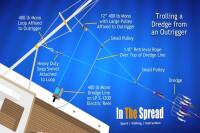
Setting Up a Dredge Pulley for Billfish
Saltwater
12.28.2020
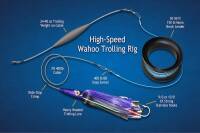
High Speed Wahoo Trolling Rig
Saltwater
09.08.2018
Fishing Light Tackle for Yellowfin Tuna
Saltwater
09.08.2018
0