
Mangrove snapper are precision feeders with a long memory for bad presentations. Whether you are working a backcountry dock or an offshore reef, bait and lure selection determine your results. What follows covers live bait, cut bait, artificial lures, and chumming with specific rigging details for every environment.
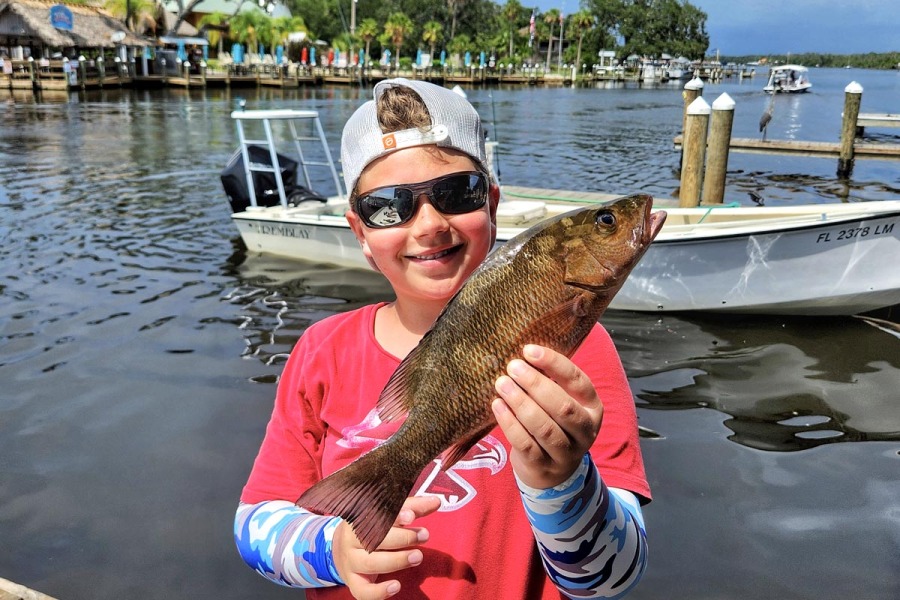
Choosing Baits and Lures for Mangrove Snapper
Mangrove snapper are one of the most rewarding fish you can target along the southeastern U.S. coast and throughout the Caribbean. They are also one of the most infuriating. These fish are smart, cautious, and completely unforgiving of sloppy presentations. You can be anchored over the right structure, at the right tide, with the right tackle, and still go home empty if your bait or lure choice is off. That is what separates consistent snapper anglers from the people who wonder what happened.
Knowing What You Are Fishing For
Before getting into specific bait choices, it helps to understand what you are dealing with. Mangrove snapper, also called gray snapper (Lutjanus griseus), are opportunistic predators that feed on shrimp, crabs, small baitfish, and worms throughout their range. They are found from Massachusetts south through the Gulf of Mexico, the Florida Keys, the Caribbean, and into Brazil along the western Atlantic, though the core of productive angler-accessible populations runs from the Carolinas through the Gulf.
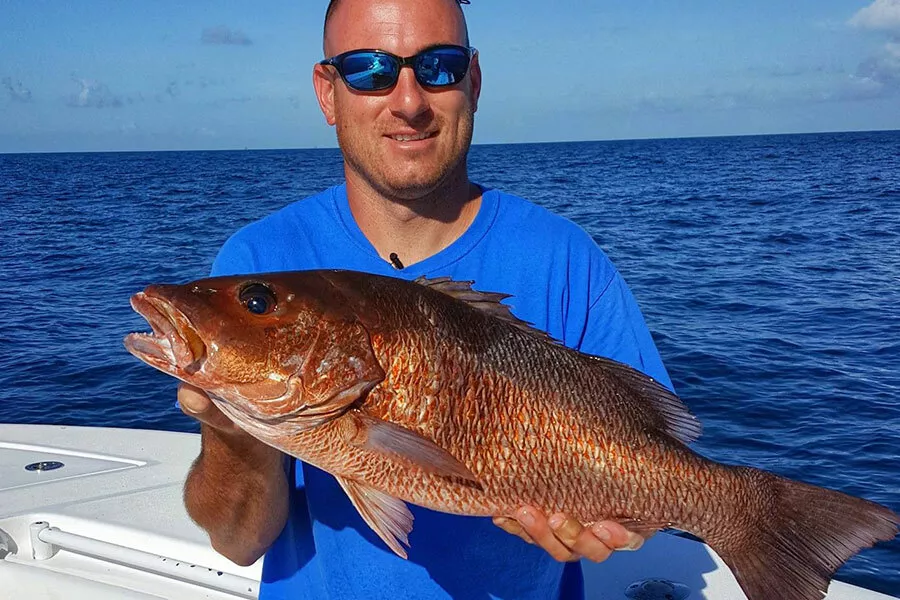
A quick identification note: this article covers gray snapper specifically, not cubera snapper or other lutjanids. Gray snapper rarely exceed 10 pounds inshore and top out around 15 to 18 pounds on offshore structure. They are olive to grayish-brown with a slightly darker back and lighter sides, often with a faint horizontal stripe and a dark bar running through the eye. If the fish you are looking at has a noticeably heavier build, larger canine teeth, and is well over 20 pounds, it is probably a cubera.
What sets gray snapper apart from easier inshore targets is their caution around anything that does not look, move, or smell right. Larger snapper in particular have seen a lot of presentations. They will follow a bait, reject it at the last second, and disappear back into structure. Fishing pressure, water clarity, and current speed all influence how picky they get on a given day. Understanding this is the foundation of every good bait decision you make.
One brief handling note: mangrove snapper have sharp teeth and rough gill plates. Use a lip grip or press your thumb into the corner of the mouth to avoid cuts, especially when handling larger fish quickly on a moving deck.
Live Bait for Mangrove Snapper: What Consistently Produces
Live bait is the most reliable starting point when targeting mangrove snapper across most conditions and environments. The reason is straightforward. A live bait moves, smells, and behaves exactly like the forage these fish are already keyed on. In clear water or around pressured structure, that natural presentation is often the only thing that triggers a committed bite.
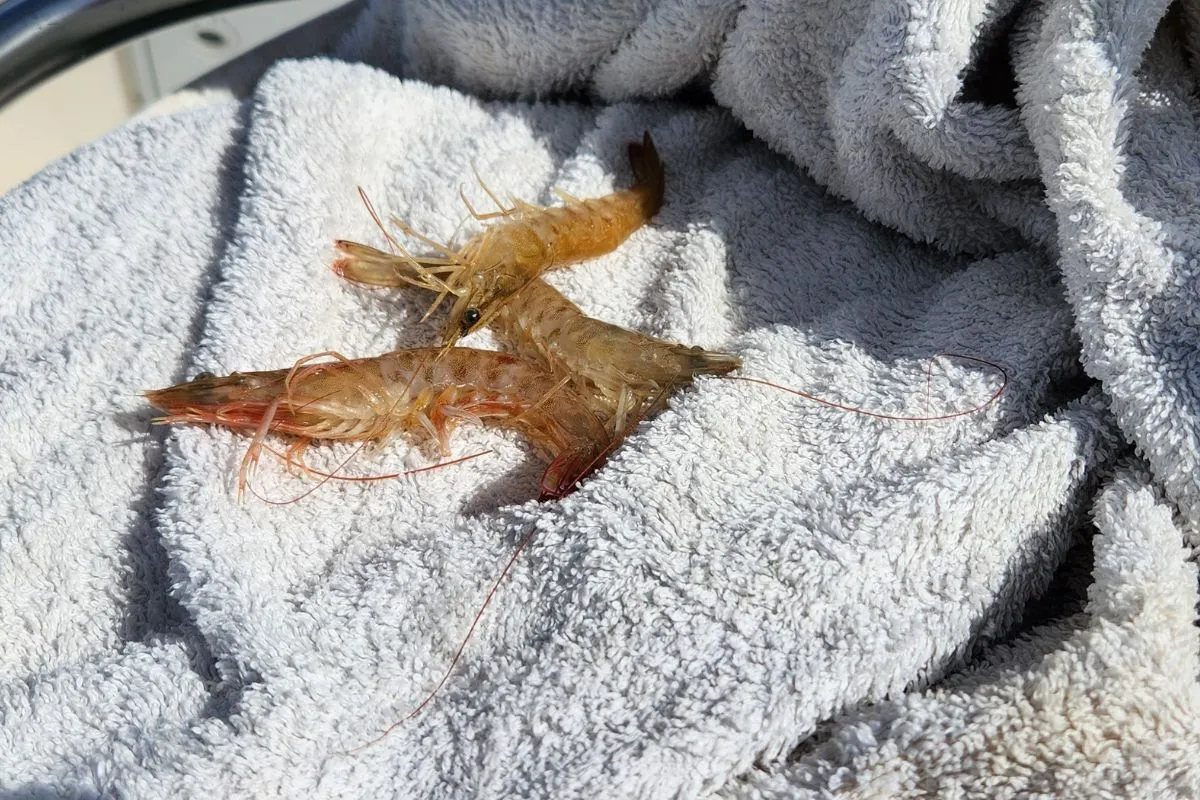
Live Shrimp: The Most Effective Bait for Mangrove Snapper Inshore
Captain William Toney, who has been fishing the Homosassa and Crystal River backcountry for decades, puts it plainly: offering shrimp to mangrove snapper is like presenting them with something they simply cannot walk away from. That tracks with what anglers experience everywhere from shallow grass flats to nearshore reefs. Live shrimp is the single most versatile and consistently effective bait in the mangrove snapper arsenal.
Presentation matters. My preference is to hook the shrimp through the tail rather than the head because a tail-hooked shrimp swims forward naturally and stays lively longer. That said, many experienced anglers horn-hook shrimp through the hard shell between the eyes for added durability, particularly under a popping cork in current. Either method works. The tail-hook gives you better action on a free-line; the horn-hook holds up longer under repeated casts or cork fishing. Use whichever matches your specific presentation.
Under a popping cork, the intermittent surface pop creates noise that draws snapper up from structure to investigate before they ever see the shrimp. Free-lining on a long fluorocarbon leader with no weight lets the shrimp drift naturally in current. Both are proven approaches and the choice depends more on depth and current speed than personal preference.
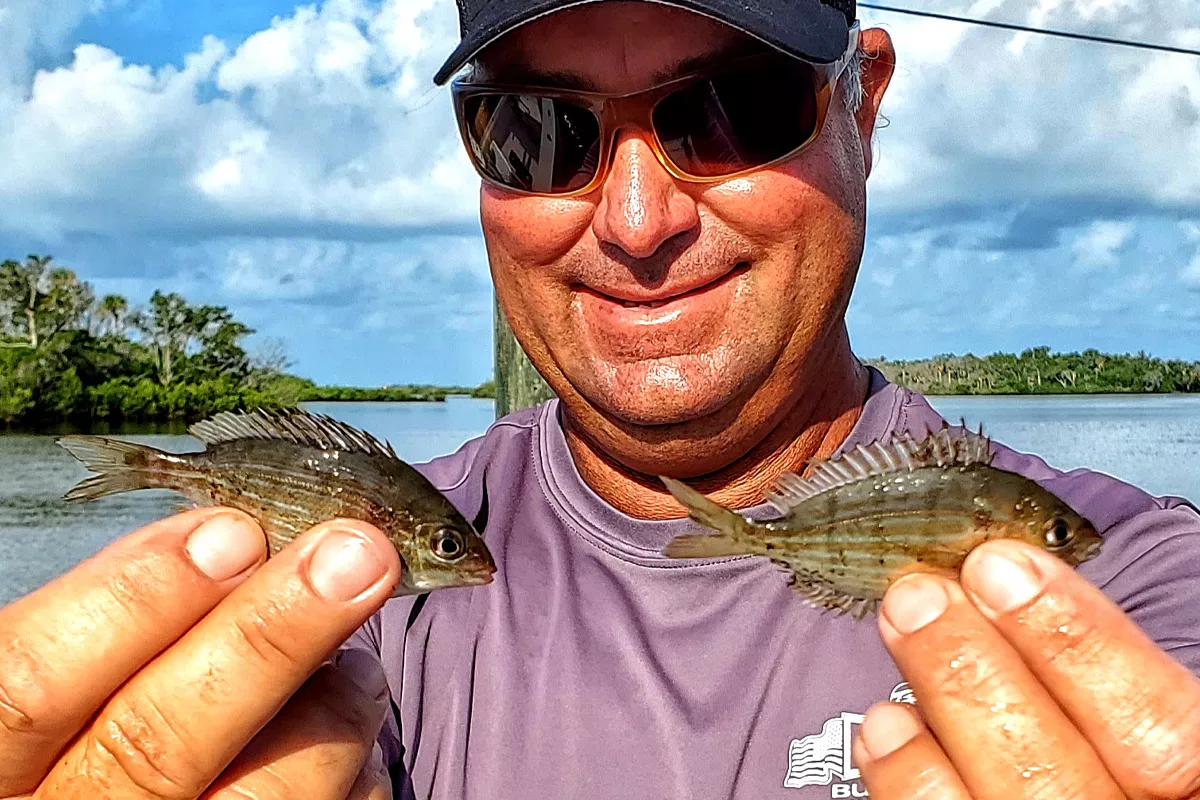
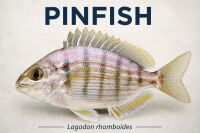
Pinfish: The Best Live Baitfish for Targeting Larger Snapper
Pinfish are a top-tier choice when you are specifically targeting larger mangrove snapper, and they are naturally present in the same habitats where snapper live and feed. A 3- to 5-inch pinfish represents a substantial, calorie-dense meal that triggers strikes from fish that might ignore a shrimp.
Hooking technique depends on what you want the bait to do. Hook through the nose for a natural forward-swimming presentation on a Carolina rig or free-line. Hook just behind the dorsal fin when you want the bait to stay near the surface or under a float. Hook just behind the anal fin when you want the bait to swim down and hold near the bottom without repositioning the boat.
- Sliding egg sinker, weight matched to current and depth
- Barrel swivel to stop the sinker
- 18- to 24-inch fluorocarbon leader, 20 to 30 lb test
- 2/0 to 4/0 circle hook matched to bait size
Pinfish are durable on the hook, which matters when you are dealing with strong current or bait-stealing grunt and juvenile snapper. They hold up through multiple casts and stay lively in a well-aerated livewell.
Blue Crabs for Trophy Mangrove Snapper
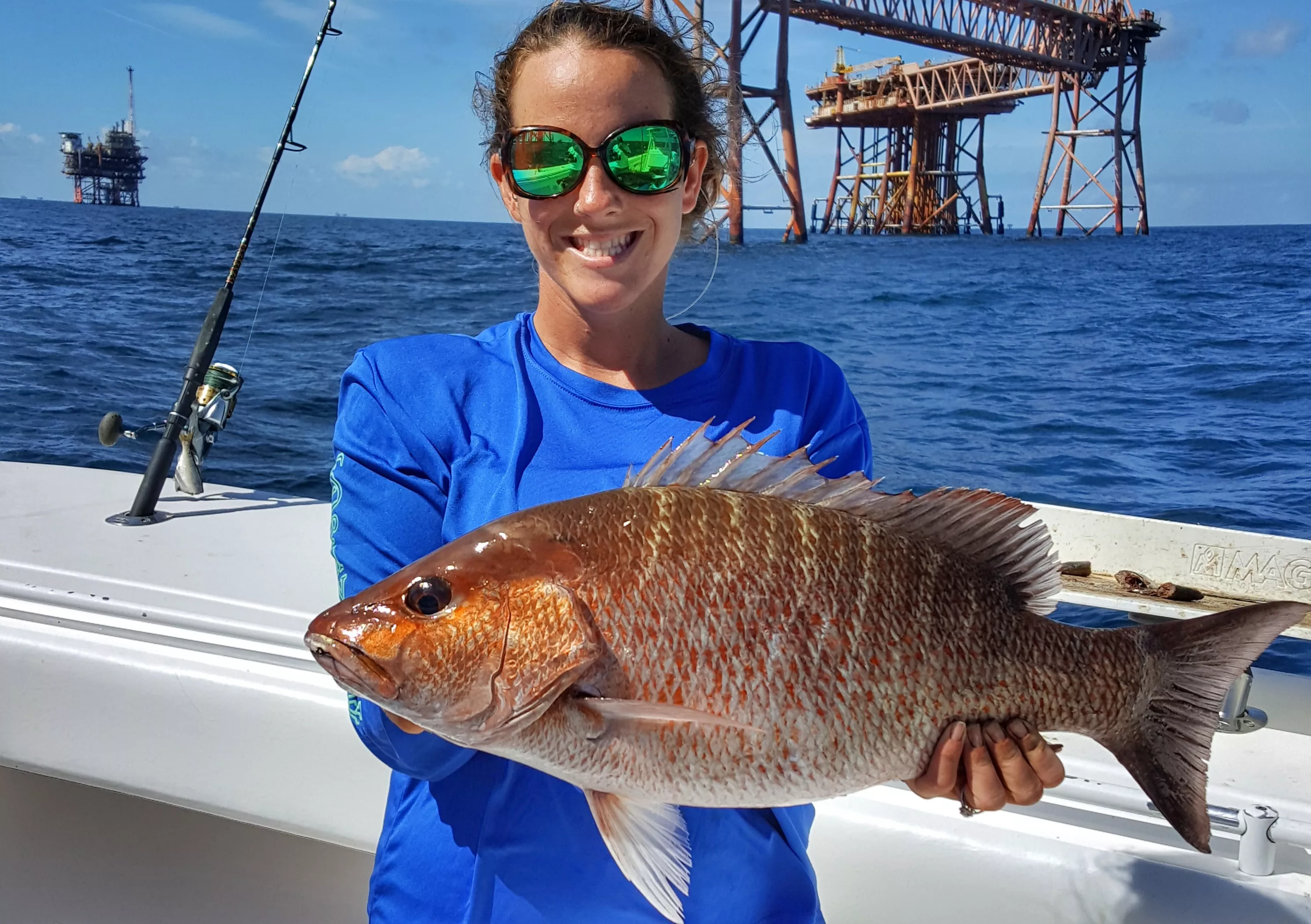
If you are targeting the biggest mangrove snapper on a given piece of structure, blue crab is worth carrying. Large, mature snapper key on crabs as a high-value food item, and a quarter-section of blue crab presented on 30 lb fluorocarbon with a 3/0 to 5/0 circle hook will sort out the fish worth keeping from the schoolies.
Remove the claws before cutting the crab. This makes handling easier and releases scent into the water column immediately. Cut the crab into quarters, hook through the shell and out through the meat, and fish it near the bottom on offshore structure, deep channel edges, or bridge pilings where larger fish hold.
Other Live Baits That Produce on Mangrove Snapper
Shrimp, pinfish, and blue crab cover most situations, but there are conditions where alternative live baits outperform the standards. Keep these in mind when the bite is tough or local forage differs from the norm:
- Croakers are hardy, produce strong scent, and attract snapper that are keyed on baitfish rather than crustaceans
- Pilchards, scaled sardines, and threadfin herring are deadly in clear water when snapper are sight-feeding; their flash and erratic movement trigger aggressive strikes. Gulf and Florida anglers know these by local names including whitebait, greenbacks, and sardines depending on region
- Small live mullet (3 to 5 inches) work well inshore and nearshore, particularly when snapper are pushed up around points or channel edges
- Mud minnows are a reliable backup in estuarine environments where other baits are harder to keep alive
Technical Videos on Mangrove Snapper Fishing
Rough seas or limited time make inshore mangrove snapper fishing productive alternatives to offshore trips. These bottom dwellers school higher during feeding periods, demanding structure reading skills and depth adjustments throughout the day. Fourth-generation guide William Toney reveals Gulf Coast patterns where mangrove snapper concentrate around accessible inshore structure requiring proper live shrimp and jig head rigging.
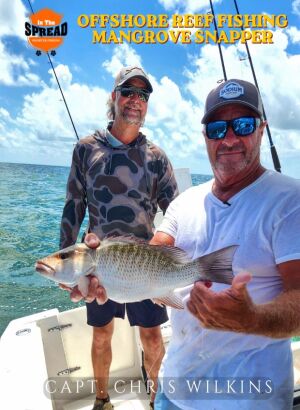
Offshore mangrove snapper fishing is a game of position and presentation. Capt. Chris Wilkins shows how he sets up on hard bottom, tightens spread-out summer fish with chum, and keeps a jighead in the strike zone when layered current tries to lift it.
Mangrove snapper around shallow structure demand precise boat positioning and split-second timing. Captain William Toney explains how to read current direction, identify productive rocks through advance scouting, and capitalize on aggressive feeding periods when these hit-and-run gamefish commit to the bite. Success hinges on standoff distance and fishing the correct side.
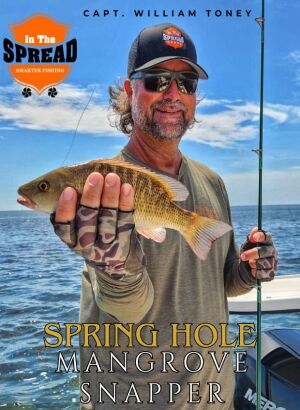
Captain William Toney reveals proven techniques for targeting mangrove snapper in 3-foot deep spring holes without expensive offshore trips. Learn precise boat positioning, live shrimp rigging, and bite detection methods that produce fast action in these productive micro-habitats. This seasonal summer fishery offers consistent results when you know the right approach.
Captain William Toney reveals backcountry mangrove snapper tactics for Florida's spring-fed creeks and rivers. This video covers why temperature-stable waters attract snapper during weather transitions, locating productive structure, live bait selection, tackle specifications, and safe navigation practices in shallow backcountry systems.
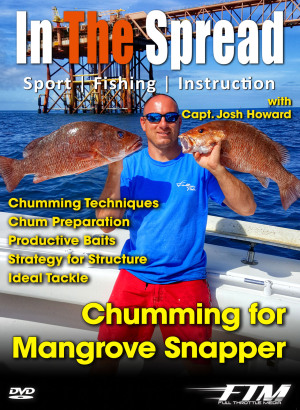
Venice, Louisiana offers abundant resources for mangrove snapper, a delectable fish species found in oil platforms. Fishing in the Gulf of Mexico can be fast and furious, with fish reaching up to 20 lbs and averages 7-8 lbs. Captain Josh Howard shares simple yet lethal fishing tips and strategies for chumming mangrove snapper, including making chum, finding fish, and presenting baits. This fishing video is an excellent learning tool for those looking to fish for snapper.
Live Bait FAQ
What is the best live bait for mangrove snapper?
Live shrimp is the most consistently effective live bait for mangrove snapper across inshore, nearshore, and offshore environments. Pinfish are the better choice when targeting larger fish specifically around structure.
How do you rig live shrimp for mangrove snapper?
Hook the shrimp through the tail on a 1/0 to 2/0 circle hook with a 15- to 20-pound fluorocarbon leader. This allows a natural forward-swimming action. Under a popping cork or free-lined on a light setup, this presentation produces bites in both shallow and moderate-depth water. Anglers who prefer more durability for repeated casting often hook through the horn between the eyes instead.
What size pinfish should I use for mangrove snapper?
Match pinfish size to the snapper you are targeting. For average-sized fish, 2- to 3-inch pinfish work well. When targeting larger snapper on offshore structure or deep inshore structure, upsize to 4- to 5-inch pinfish.
Cut Bait for Mangrove Snapper: When Dead Bait Outperforms Live
There is a persistent assumption that live bait always beats dead bait for snapper. That is not consistently true. Cut bait produces a scent trail that pulls fish from a greater distance than most live presentations, and in murky water, deep offshore environments, or during periods when fish are often less actively hunting, that scent advantage shifts the equation.
Cut bait also gives you practical advantages in terms of storage, durability on the hook, and the ability to control exactly how much scent you are putting in the water through your presentation size.
The Best Cut Bait Options for Mangrove Snapper by Environment
Not all cut bait performs equally in every situation. Here is what produces and why:
Menhaden (poagies) are the highest-scent option available in most Gulf and Southeast Atlantic markets. Their oily flesh disperses a scent trail in even heavy current, making them the top choice for offshore bottom fishing and when fishing deep structure where visual cues matter less than smell.
Bonito and skipjack are dense, dark-fleshed, and hold up exceptionally well on the hook. The blood-rich meat is particularly effective in clear water conditions on offshore reefs. Cut into half-inch cubes or strips with skin left on one side for added toughness.
Mullet is one of the most available cut baits along the entire Southeast and Gulf coast and functions as a familiar prey item for snapper in most inshore and nearshore habitats. Cut to size based on your target: thumbnail-sized pieces for smaller snapper under 12 inches, 1- to 2-inch chunks for larger fish.
Sardines are soft, oily, and produce excellent scent. They work well as a chumming complement, and when used as hook bait, smaller sardine strips present naturally without overpowering a light hook setup.
How to Prepare and Present Cut Bait for Snapper
The single most important variable with cut bait is freshness. Fresh-cut bait produces oils and amino acids that trigger feeding responses in predatory fish. Bait that has been sitting in warm water or thawed multiple times has lost most of that chemical attractant.
- Cut pieces to match your chum if you are chumming; size consistency between chum and hook bait reads as natural
- Keep cut bait on ice until it goes on the hook
- Replace hook bait every 15 to 20 minutes in warm water
- Use circle hooks with the point exposed for better penetration on the strike
Presentation options worth cycling through when the bite slows include floating the bait under a cork at depth, bottom fishing on a simple knocker rig, and free-lining a strip in the current without weight. Snapper respond differently on different tides, and sometimes the only adjustment needed is how the bait is moving through the water column.
For a deeper look at rigging and tactical approaches, the In The Spread article on how to catch mangrove snapper covers presentations across multiple environments in detail.
Cut Bait FAQ
What cut bait works best for mangrove snapper offshore?
Menhaden and bonito are the top choices for offshore snapper fishing. Both produce strong scent trails at depth and hold up in current. Cut bonito is particularly effective on clear-water reefs. Squid is the best choice for durability when current is heavy or small fish are stripping the hook.
Is fresh or frozen cut bait better for mangrove snapper?
Fresh-cut bait produces more scent and is more effective. If using frozen bait, thaw it completely in the cooler before use and get it in the water quickly once rigged. Partially thawed or refrozen bait has lost much of its chemical attractant.
Artificial Lures for Mangrove Snapper: What Works and When to Use Them
Artificial lures are an underused tool for mangrove snapper, and most anglers overlook them entirely because live bait is so reliably effective. That is a mistake. There are specific scenarios where artificials outperform live bait, and building comfort with lure presentations gives you options when live bait is scarce, conditions change, or you want to cover water faster.
Soft Plastic Jigs: The Most Versatile Lure for Mangrove Snapper
Soft plastic jigs are the standard artificial option for mangrove snapper, and for good reason. A soft plastic jig for mangrove snapper on a 1/4- to 1/2-ounce jig head mimics a small baitfish or shrimp effectively, and the action can be tuned to match the aggressiveness of the fish on a given day.
Paddle-tail swimbaits in 2- to 3-inch sizes are the most consistently productive. Natural colors like white, pearl, and chartreuse work well in stained water. In clear water, more muted natural tones such as light green, gray, or translucent often outperform bright colors that can spook pressured fish.
The retrieve matters more than the color in most cases. A slow, erratic hop along the bottom works well around structure. A steady mid-column swim works when snapper are suspended. In heavy current, let the jig drift naturally with minimal rod input and let the water movement provide the action.
Bucktail Jigs Around Snapper Structure
A 1/4- to 3/8-ounce bucktail jig is a highly underrated tool around bridge pilings, dock posts, rock piles, and reef edges. The natural fiber movement in current mimics a struggling baitfish, and the compact profile slides through structure cleanly.
Hard Baits: Jerkbaits and Twitchbaits for Shallow Snapper
Small suspending minnow-style lures, including jerkbaits and twitchbaits in the 3- to 4-inch range, produce on mangrove snapper when they are feeding actively near the surface or in shallow water. This presentation is most effective early morning and late afternoon over grass flats, around mangrove shorelines, and along the edges of inshore channels.
When Artificial Lures for Snapper Outperform Live Bait
There are specific conditions where switching to artificials is the right call:
- During active surface feeding when snapper are chasing baitfish and a fast-moving lure keeps pace with the action
- When fishing pressured structure where snapper have become conditioned to ignoring anything that smells like a bait shop
- When covering water quickly to locate fish before committing to an anchor
- Early morning and late afternoon in clear, shallow water where subtle presentations on light line are more effective than heavy bait rigs
Inshore Fishing Lures
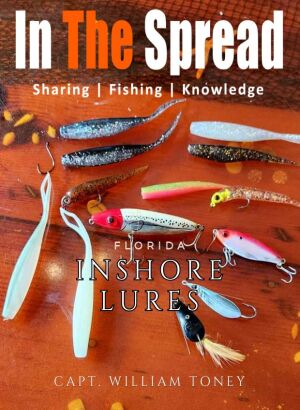
Florida inshore fishing demands versatile lure selections handling multiple species rather than specialized tackle for narrow scenarios. Fifth-generation guide Captain William Toney's must-have recommendations include DOA jerkbaits, MirroLure topwater and suspending baits, plus Johnson and Eppinger spoons addressing varied conditions through strategic color choices and rigging techniques for redfish, seatrout, snook, and mangrove snapper across diverse coastline environments.
Lure FAQ
Can you catch mangrove snapper on artificial lures?
Yes. Soft plastic jigs on light jig heads are the most reliable artificial option. Bucktail jigs produce around structure in current, and small suspending jerkbaits or twitchbaits are effective in shallow water during feeding periods. Lures work best when snapper are actively feeding or when live bait is unavailable.
What color jig is best for mangrove snapper?
In stained or murky water, chartreuse and white produce well. In clear water, natural colors like pearl, translucent white, or light green are more effective. Color is less important than jig size, weight, and retrieve speed.
What jig head weight should I use for mangrove snapper?
Match jig head weight to depth and current. In shallow inshore water with minimal current, 1/8 to 1/4 ounce is usually right. In deeper water or stronger current, 3/8 to 1/2 ounce keeps the jig in contact with the bottom and in the strike zone.
Chumming for Mangrove Snapper: Building a Feeding Zone That Works
Chumming is one of the highest-leverage techniques in mangrove snapper fishing, and it is frequently done poorly. The goal is not to dump bait in the water and wait. The goal is to build a consistent scent and particle trail that moves through the water column in a way that draws snapper out of structure and puts them in a competitive feeding mode. Done right, chumming for mangrove snapper turns structure that might produce two or three bites into structure that produces for hours.
How to Build an Effective Chum Line for Mangrove Snapper
Position your chum source upcurrent from your baited hooks. This is the single most important structural element of an effective chum line. The current carries particles and scent down to where your bait is presented, creating a natural gradient for the fish to follow. Snapper that move up the chum trail arrive at your hook in a feeding posture, which is exactly what you want.
Use a chum bag or mesh container with small holes rather than throwing chunks directly into the water. The controlled, slow release maintains steady attraction. A useful benchmark: you should be able to see just a few particles drifting back from the bag at any given moment. Sporadic, heavy dumping creates a short feeding burst followed by nothing, and it fills fish up faster than you want.
Best Chum Materials for Attracting Mangrove Snapper
- Ground menhaden or sardines are the highest-scent option and produce the most effective slick in moving water
- Macaroni boiled in crab boil mix is a classic inshore technique that works because the seasoning releases strong attractant scent without overfeeding the fish
- Commercially frozen chum blocks are convenient for offshore trips and produce a consistent, long-lasting scent trail
- Matching cut bait scraps such as mullet heads, frames, and tails used as chum while reserving the prime flesh cuts for hook bait
Chumming FAQ
What is the best chum for mangrove snapper?
Ground menhaden produces the most effective scent trail in both inshore and offshore environments. For inshore fishing, macaroni boiled in crab boil mix is a proven option. The most important factor is matching your chum to your hook bait in type and size.
How much chum should I use for mangrove snapper?
Use less than you think. The target is a steady, light dispersion that keeps fish interested without filling them up. A useful benchmark is keeping just a few particles visible drifting behind the boat at any given moment. Moderation and consistency over time outperform heavy dumping every time.
Mangrove Snapper Tackle and Techniques
Mangrove snapper hammer baits in short, intense windows around structure. Reading current, tide, and bottom is how anglers stay ahead of the bite.
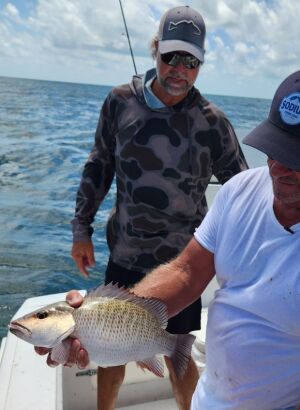
One of the finest plates of fish on the coast, from a species you can actually catch a cooler of. Taste, cleaning, cooking methods, simple recipes, and the handling that makes a mangrove snapper fillet worth the trip.
Mangrove snapper reject sloppy tackle fast. From circle hook sizing for live shrimp to fluorocarbon leader length in clear water, every detail matters. This breakdown covers hook selection, bait rigging, location strategy, and the federal and Florida regulations that govern your gear choices.Stick with that style for page titles12:08 PMThinking about maintaining consistent page title formattingThinking about maintaining consistent page title formattingLocked in. Going forward, ITS page titles will follow that declarative gerund style — action-forward, specific to the subject, no "How to" constructions, no keyword lists, 60 characters or fewer.
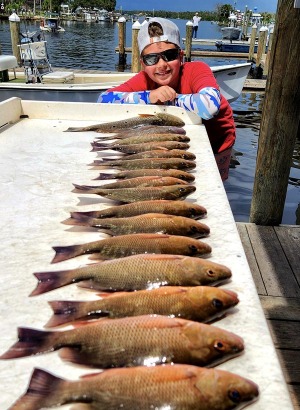
Gray snapper are among the craftiest fish on the inshore and offshore coast. The difference between consistent catches and frustrating follows comes down to bait selection, lure choice, and presentation. Working captains break down every option: live bait, cut bait, soft plastic jigs, bucktails, and chumming, from the backcountry to offshore reefs.
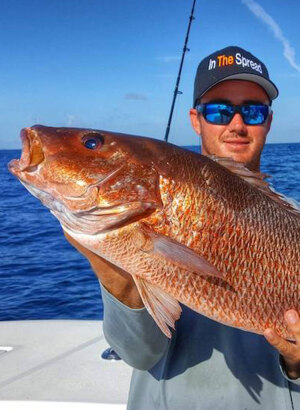
Professional captains use specific chumming techniques to concentrate mangrove snapper around offshore platforms and inshore structure. This breakdown covers the three main chumming methods, regional bait recipes including the Gulf Coast macaroni mix, and positioning strategies that trigger aggressive feeding.
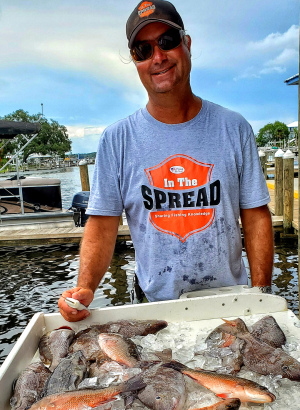
Mangrove snapper are among the smartest, most cautious fish in saltwater. These aggressive predators hit hard and run straight back to cover, testing both your tackle and patience. Success requires understanding their feeding patterns, structure preferences, and seasonal movements throughout the Gulf of Mexico and Atlantic waters.
A Practical Scenario: Putting It All Together
Theory lands harder when it has a concrete example attached to it. Here is how a mid-summer Florida inshore dock session might look when all of these pieces work together.
You pull up to a dock on a falling tide in 6 feet of water, clear to moderately stained. You anchor upcurrent and hang a chum bag off the stern: ground menhaden, light release. Give it 10 to 12 minutes to establish the scent trail before your first cast. Hook a live shrimp through the tail on a 1/0 circle hook with 20 lb fluorocarbon, free-line it back into the chum trail with no weight, and let the current carry it naturally under the dock structure.
If snapper are following but not committing after 20 minutes, downsize your leader to 15 lb, go to a smaller hook, and freshen your shrimp. If you are still getting follows and refusals, switch to a 2-inch paddle-tail on a 1/8-ounce jig head and work it slowly along the bottom at the edge of the shadow line under the dock. That combination of chum-primed fish and a different lure presentation often triggers the bites that straight live bait could not close.
Matching Your Bait to the Season
Seasonal snapper bait selection is one of the most consistently overlooked variables in producing reliable catches through the year. Mangrove snapper adjust their feeding behavior in response to water temperature, prey availability, and pre- and post-spawn conditions. Ignoring those shifts means fishing the same way in October that worked in June, and wondering why the results are different.
In spring and summer, rising water temperatures push snapper into active, aggressive feeding mode. This is the time for live shrimp, small baitfish, and fast-moving artificials. The fish are metabolically active and competitive. One particularly important summer pattern to know: mangrove snapper form offshore spawning aggregations during the warmer months, typically around full moon phases. Fish concentrate over offshore reefs and ledges during these events, which creates exceptional opportunities for anglers who know where to look. Live baits and cut menhaden both produce well during spawn concentrations.
As fall approaches and water cools, snapper often become more deliberate. They feed, but they take their time committing. Cut bait becomes more effective during this period because the scent trail does the work of drawing fish in rather than relying on reactive strikes. Larger live baits also produce well in the fall as larger fish feed more heavily ahead of winter.
Inshore vs. Offshore Bait Selection for Mangrove Snapper
Where you are fishing changes what works. This is not a minor consideration. Inshore mangrove snapper bait selection and offshore bait selection address different fish sizes, different structure types, and different current conditions, and the bait that dominates one environment often underperforms in the other.
Inshore, around dock pilings, mangrove shorelines, bridge structures, and spring holes, the fish tend to be smaller and more conditioned to natural forage. Live shrimp, small pinfish, and soft plastic jigs on light setups are the primary tools. Leader weights of 15 to 20 lb fluorocarbon are appropriate. Circle hooks in the 1/0 to 2/0 range match most inshore presentations.
Offshore, over reefs, wrecks, ledges, and oil rigs, the fish are larger and the environment is more demanding. Mangrove snapper are commonly found in depth bands from roughly 40 to 200 feet offshore, with larger fish concentrating deeper as that range extends. Larger live baitfish, cut menhaden or bonito, and heavier tackle are the standards out there. Fluorocarbon leaders of 25 to 40 lb matched to 3/0 to 5/0 circle hooks handle bigger fish and rougher conditions. Depth and current offshore also favor scent-producing cut baits more than the clear, shallow inshore environment does.
Hook Selection and Tackle Considerations by Bait Type
Hook choice directly affects your hookup ratio and the survival of released fish. Circle hooks are the standard recommendation for mangrove snapper across all bait types because they consistently catch in the corner of the mouth and dramatically reduce gut-hooking. For a full breakdown of hook selection by situation, the In The Spread hook selection article covers this in detail.
- Live shrimp and small live baits: 1/0 to 2/0 circle hook, 15 to 20 lb fluorocarbon leader
- Pinfish and larger live baitfish: 2/0 to 4/0 circle hook, 20 to 30 lb fluorocarbon leader
- Cut bait inshore: 1/0 to 3/0 circle hook, 20 lb fluorocarbon leader
- Cut bait offshore: 3/0 to 5/0 circle hook, 30 to 40 lb fluorocarbon leader
- Blue crab and larger presentations: 4/0 to 5/0 circle hook, 30 lb fluorocarbon minimum
- Soft plastic jigs: Size 2 to 2/0 wide-gap hook on a 1/4 to 1/2 oz jig head, 20 lb fluorocarbon leader
When using circle hooks, do not set the hook with a hard strike. Apply steady, increasing pressure when you feel the fish. The hook finds the corner of the mouth on its own as the fish turns away.
Frequently Asked Questions About Mangrove Snapper Baits and Lures
What is the best bait for mangrove snapper overall?
Live shrimp is the most universally effective bait for mangrove snapper across all environments and seasons. Pinfish are the better choice for targeting larger fish around structure. Cut menhaden is the top option for offshore bottom fishing and when building a chum-based presentation.
Do mangrove snapper eat artificial lures?
Yes, consistently. Soft plastic jigs on light jig heads are the most effective artificial option. Bucktail jigs produce around structure in current, and suspending jerkbaits or twitchbaits work in shallow water during active feeding. Lures perform best when snapper are in an active feeding posture or when fishing pressure has conditioned fish to ignore natural bait presentations.
What is the best bait for mangrove snapper at night?
Cut bait with strong scent, particularly menhaden or bonito, is highly effective for night fishing. Live shrimp under a light source also produces reliably, as snapper actively feed around lights that attract bait. Heavier leaders are appropriate at night since fish visibility is reduced and line shyness is less of a factor.
What leader and line setup should I use for mangrove snapper?
Fluorocarbon leader material is standard for mangrove snapper fishing because of its low visibility and abrasion resistance. Inshore: 15 to 20 lb fluorocarbon. Offshore: 25 to 40 lb fluorocarbon. Main line of 10 to 20 lb braid with a fluorocarbon leader attached via a double uni knot covers most situations.
Why do mangrove snapper reject my bait?
The most common causes are leader weight that is too heavy for the water clarity, hooks that are too large for the bait being presented, stale or deteriorated bait, and natural movement that is being impeded by too much weight or the wrong rig. Downsize your leader, freshen your bait, and simplify your rig when snapper are following but not committing.
What is the most effective rig for mangrove snapper inshore?
A simple knocker rig or a Carolina rig with a short 18-inch fluorocarbon leader and a circle hook covers most inshore bottom-fishing scenarios. For water column and shallow structure presentations, free-lining live bait on a long leader with no weight is often the most effective option.
What are the regulations for mangrove snapper?
Regulations on minimum size, bag limits, and gear requirements for mangrove snapper vary by state, federal zone, and season. Always verify current rules with your state fish and wildlife agency or the relevant federal fisheries authority before fishing. This article does not summarize regulations; that information changes and compliance is your responsibility.
Conclusion: Better Bait Decisions Come from Understanding the Fish
Mangrove snapper fishing rewards preparation and adaptability. There is no single bait or lure that produces in every situation, and the anglers who consistently catch fish are the ones who understand why a given presentation works under a given set of conditions, not just what to tie on.
Live shrimp is your most reliable starting point in most environments. Pinfish give you a different look for pressured structure and larger fish. Cut bait gives you scent range and practicality, particularly offshore. Soft plastic jigs, bucktails, and suspending minnow baits extend your options when live bait is scarce or when the fish are responding better to movement than to scent. Chumming amplifies whatever you are presenting. Seasonal and location-based adjustments keep your approach honest as conditions shift.
Build your bait knowledge steadily. Pay attention to what the fish tell you on the water: what they follow, what they reject, and what triggers the commit. That feedback, over time, is worth more than any single reference you will read.
Login
to leave a review.
User Reviews
There are no reviews yet.
Setting Up a Dredge Pulley for Billfish
Saltwater
12.28.2020
High Speed Wahoo Trolling Rig
Saltwater
09.08.2018
Fishing Light Tackle for Yellowfin Tuna
Saltwater
09.08.2018
0