
Start fishing better with FREE Weekly Video Tips delivered straight to your email.
High-Speed Trolling for Wahoo
High-speed trolling is a wahoo game. These fish hunt fast-moving prey and will run down a lure at twelve to eighteen knots when nothing slower draws a look, but standard offshore rigging fails at those speeds. RJ Boyle covers the whole program, from the heavy wire and terminal tackle that survive the strike to reading the tidal windows and driving the edge where structure meets deep water, and Shawn Rotella details the lead-head bullet lures built to dive and track true at speed. It is the fastest, most gear-intensive way to fill a box with wahoo.
-
2024, High Speed Wahoo Trolling Rods and Reels
7:17 · RJ BoyleRod sensitivity and flex characteristics determine strike detection success during high-speed wahoo trolling at 12-plus knots where equipment must transmit vibrations clearly while absorbing violent strikes. RJ Boyle's expertise reveals why quality tackle matters beyond durability, affecting hookup and landing rates through design specifications supporting sustained high-speed use rather than marketing claims inadequate when powerful fish test equipment limits.
WATCH NOW -
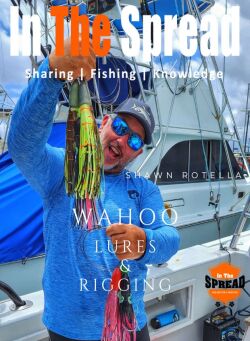
2024, Wahoo Fishing Lures and Rigging Concepts: Shawn Rotella
4:28 · Shawn RotellaCustom wahoo lure making provides advantages commercial offerings cannot replicate when targeting formidable predators at high speeds. Captain Shawn Rotella's process crafting lead bullet lures with strategic skirt colors, piano wire leaders, and non-IGFA hook rigs demonstrates how construction quality and rigging techniques affect both lure longevity and action during trolling sessions demanding constant performance.
WATCH NOW -
Featured
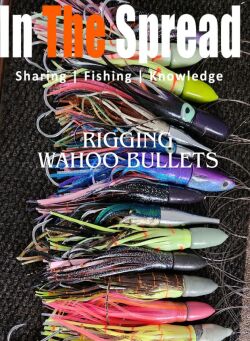
2023, Rigging Bullet Lures for Wahoo Fishing
8:54 · Shawn RotellaWahoo bullet lures excel at high-speed trolling through streamlined cone design and heavy metal heads that dive and dance unlike other presentations. Arthur Bjontegard's rigging expertise covers wire leader changes, hook placement, and skirting techniques determining whether lures maintain proper action at velocities wahoo fishing demands, plus skirt color significance and trolling speed adjustments for triggering aggressive strikes.
WATCH NOW -
2020, High Speed Trolling Wahoo at Cay Sal
12:38 · RJ BoyleFrontal systems passing through Cay Sal create extended wahoo bite windows by altering barometric pressure and water conditions that trigger aggressive feeding. Success requires understanding how to handle powerful wahoo at the boat using gill raker control techniques and recognizing atmospheric patterns that produce sustained action rather than brief feeding windows during stable weather.
WATCH NOW -
2020, High Speed Wahoo Trolling Spread
4:08 · RJ BoyleOvercomplicated wahoo spreads create tangling problems that waste fishing time during high-speed trolling. Success depends on matching spread complexity to boat size, running three rods on center consoles with strategic short and long lure positioning, and understanding how your specific boat handles turns to prevent line crossing during hookups or directional changes.
WATCH NOW -
2020, Wahoo Fishing Tips for High Speed Trolling
7:25 · RJ BoyleConsistent wahoo success requires integrating trolling speed, spread configuration, tidal timing, and boat driving skills rather than mastering isolated techniques. Understanding how speed affects lure action, which moon phases drive peak activity, how to maintain depth along edges, and boat control during multiple hookups separates systematic producers from anglers who connect randomly when conditions align perfectly.
WATCH NOW -
2020, Wahoo - Rig and Terminal Tackle for High Speed Trolling
53:06 · RJ BoyleRJ Boyle and Shawn Olds discuss the wahoo rig and terminal tackle used for high-speed trolling, covering various aspects such as wire, mono, and braid. They also discuss the importance of stretch at strike, swivel types, and lead weights. The video also discusses shock cords, wire versus cable, hooks, skirts, and lure choices, with the goal of increasing catches. The insights provided are informative and will help anglers improve their techniques.
WATCH NOW -
2020, Rigging Wahoo Lures for High Speed Trolling
21:55 · RJ BoyleRick Redeker's wahoo rigging system diverges from conventional methods through heavier components and unique skirt placement inside glass head lures. His approach weeds out smaller fish by creating presentations that big wahoo respond to, using stainless steel hooks, cable construction, and internal Japanese feathers that alter water flow and lure action at high trolling speeds.
WATCH NOW -
2020, Tournament Secrets of High Speed Trolling for Wahoo
23:09 · RJ BoyleTournament wahoo fishermen target big fish through tactical adjustments that weed out smaller specimens. Success requires deeper bait presentations on wire and down lines, reading tidal windows and moon phases that drive trophy wahoo activity, and handling techniques for fish that charge toward the boat creating dangerous slack line situations.
WATCH NOW -
2020, Wahoo Lure Spread for High Speed Trolling
7:12 · RJ BoyleElite wahoo fishermen succeed through systematic spread configuration where each lure position covers specific strike zones and facilitates hookup management. Random lure placement wastes opportunities because proper spacing, depth coverage, and positioning relative to the boat determine both strike frequency and the ability to land multiple fish without tangles or difficult gaff angles.
WATCH NOW -
2020, Driving the Edge: High-Speed Wahoo Trolling
10:07 · RJ BoyleEdge trolling for wahoo fails when boat control drifts lures out of the narrow productive band where structure meets deep water. Success requires driving precision that maintains consistent depth along reef edges as contours change, reading how tidal movement concentrates baitfish, and adjusting angles to keep spreads working the strike zone continuously.
WATCH NOW -
2020, Wahoo Edge Fishing: Bimini High-Speed Trolling
11:15 · RJ BoyleBahamas edge fishing for wahoo demands precise depth control at high speeds where running too deep eliminates bites and staying too shallow attracts wrong species. Success depends on maintaining the optimal zone while trolling at 12 knots, reading tidal phases that drive wahoo activity, and using boat positioning to keep lures working the depth transition continuously.
WATCH NOW -
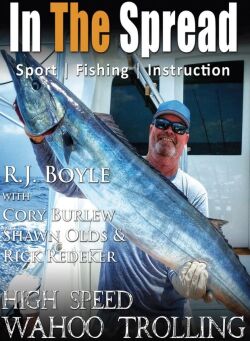
2018, High Speed Trolling for Wahoo with RJ Boyle
2:50:03 · RJ BoyleWahoo demand trolling speeds exceeding 12 knots because their predatory behavior targets fast-moving prey, but standard offshore rigging fails at these speeds. RJ Boyle explains why high speed triggers strikes, how lure configuration and wire leaders handle forces at 18 knots, and what immediate post-strike response prevents the short strikes and cut-offs wahoo create when anglers react too slowly.
WATCH NOW