
Start fishing better with FREE Weekly Video Tips delivered straight to your email.
altimetry
-
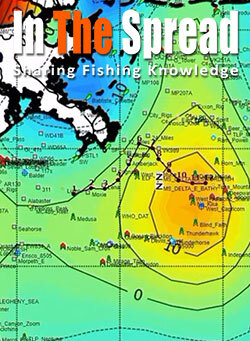
2019, How Altimetry Charts Improve Fishing Forecast
7:34 · Thomas HiltonAltimetry charts explained by Thomas Hilton: how satellites measure sea surface height to about two inches, why fish turn up in the depressions and along a warm current's stacked edges, and why deepwater rigs break the rule. Captain Clayt James shows how small boats and weekend trips use it.
WATCH NOW -
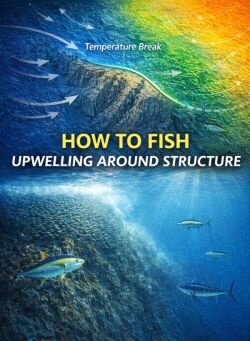
2026, How to Fish Upwelling Around Offshore Structure
Seth HorneWhen current hits offshore structure, cold nutrient-rich water rises toward the surface. That localized upwelling compresses bait and predators into defined zones. This article breaks down which structures create the strongest upwelling, how to read the signs before and during a trip, and how to position and present baits where predators actually feed.
READ MORE -
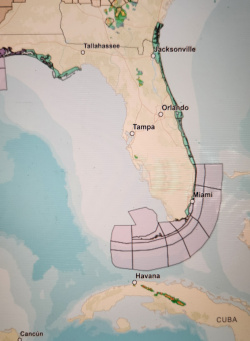
2025, Reading a Fishing Forecast: Data, Tools, and Decisions
Seth HorneA productive fishing forecast pulls from satellite oceanography, tidal data, barometric pressure, and celestial timing. Each data layer narrows the probability of where fish will be and when they will feed. This article breaks down what each variable tells you, how the layers work together, and how experienced anglers translate data into decisions before they leave the dock.
READ MORE -
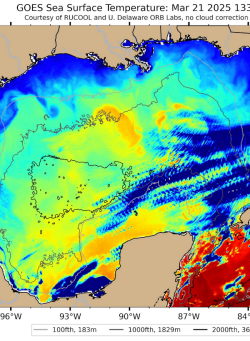
2025, Choosing the Best Offshore Fishing App
Seth HorneThe best offshore fishing app is the one whose data you will actually read before you run. Six satellite chart services compared on SST updates, chlorophyll, altimetry, offline navigation, and price, with the strengths of each and who each one suits.
READ MORE -
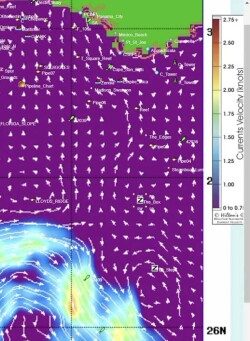
2024, Comparing Offshore Satellite Fishing Map Services
Seth HorneFive satellite fishing services compete for the same angler, but they are not selling the same thing. This breakdown covers what separates ROFFS, SiriusXM Marine, Hilton's Realtime Navigator, SatFish, and RipCharts on the variables that actually matter: update frequency, data layers, expert interpretation, offline access, and price.
READ MORE -
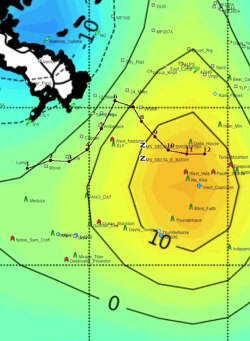
2024, Planning Tuna, Wahoo and Marlin Trips With Satellite Charts
Seth HorneSatellite charts read species by species: where yellowfin, wahoo, marlin, sailfish and king mackerel set up on temperature breaks, color edges, current and structure, and how to plan the run around them before you leave the dock.
READ MORE -
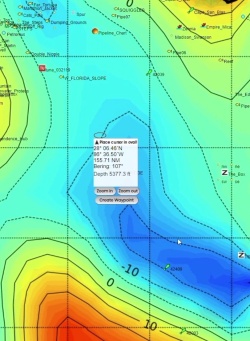
2023, Ocean Upwelling and Altimetry Maps for Offshore Fishing
Seth HorneAltimetry maps and ocean upwelling data cut through the guesswork of offshore fishing. Understanding sea surface height anomalies, current fronts, and upwelling zones puts you on tuna, marlin, and other pelagic fish faster and more consistently. This is the science behind where the fish are, and how the best offshore captains locate them before they ever leave the dock.
READ MORE -
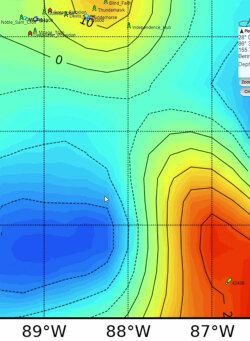
2023, Altimetry Data: Read the Ocean, Find More Fish
Seth HorneSea surface height tells you more about where fish will be than most anglers realize. When you know how to read altimetry data alongside temperature and chlorophyll charts, you stop guessing and start targeting the specific oceanographic features that concentrate baitfish and gamefish offshore.
READ MORE -
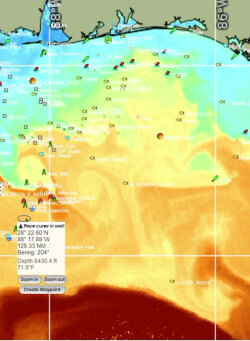
2020, Fishing Temperature Charts: Complete Guide to SST Data for Offshore Success
Seth HorneSea surface temperature analysis eliminates guesswork in offshore fishing by revealing where target species concentrate along thermal boundaries. Learn to interpret SST charts, identify productive temperature breaks, and position yourself where fish aggregate before competitors arrive.
READ MORE -
2020, Altimetry Charts and the Loop Current in the Gulf of Mexico
Seth HorneGulf of Mexico altimetry starts with the Loop Current: where it runs, why its warm middle is dead water, which edges and eddies feed the northern Gulf of Mexico, and when to ignore the chart and fish the rigs.
READ MORE